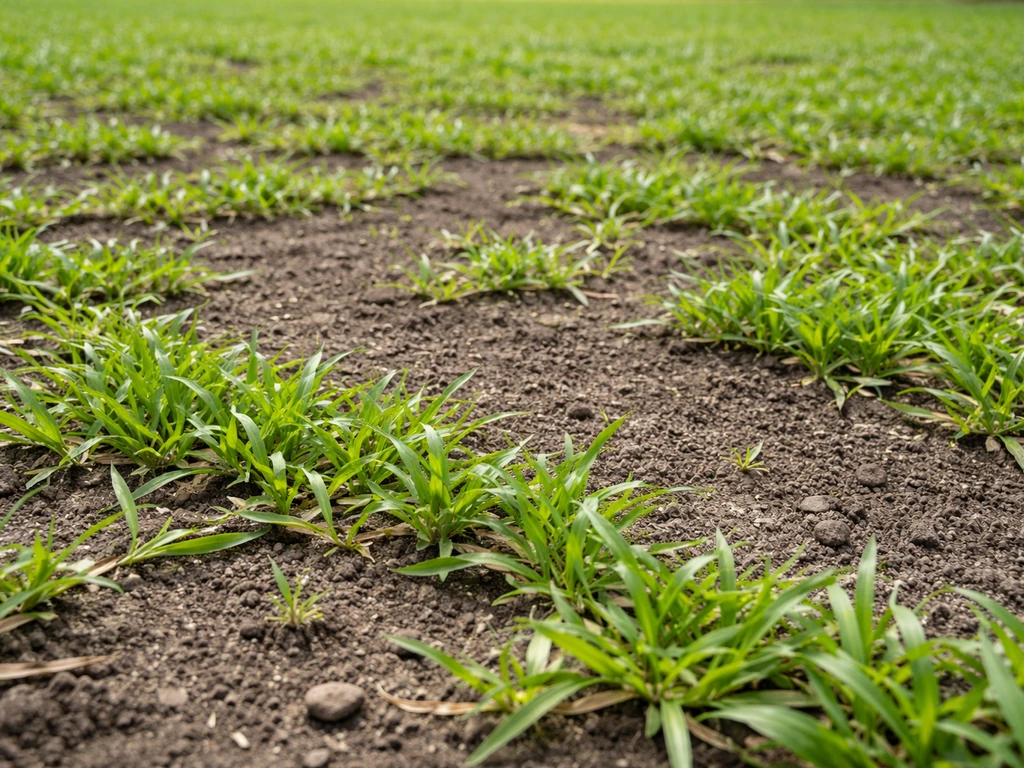
You can grow monkey grass from seed, but it takes patience and the right setup. Seeds need light to germinate, must stay consistently moist without sitting in soggy soil, and can take anywhere from 30 to 90 days to sprout under the best conditions. The fastest, most reliable window is late spring to early summer when soil temperatures are consistently above 65°F. Get those basics right and you'll have a spreading groundcover that fills in on its own over a season or two.
How to Grow Monkey Grass From Seed: Step-by-Step
Marcus Tillwell
6 Jun 2026
What monkey grass actually is (and why it matters for growing it)
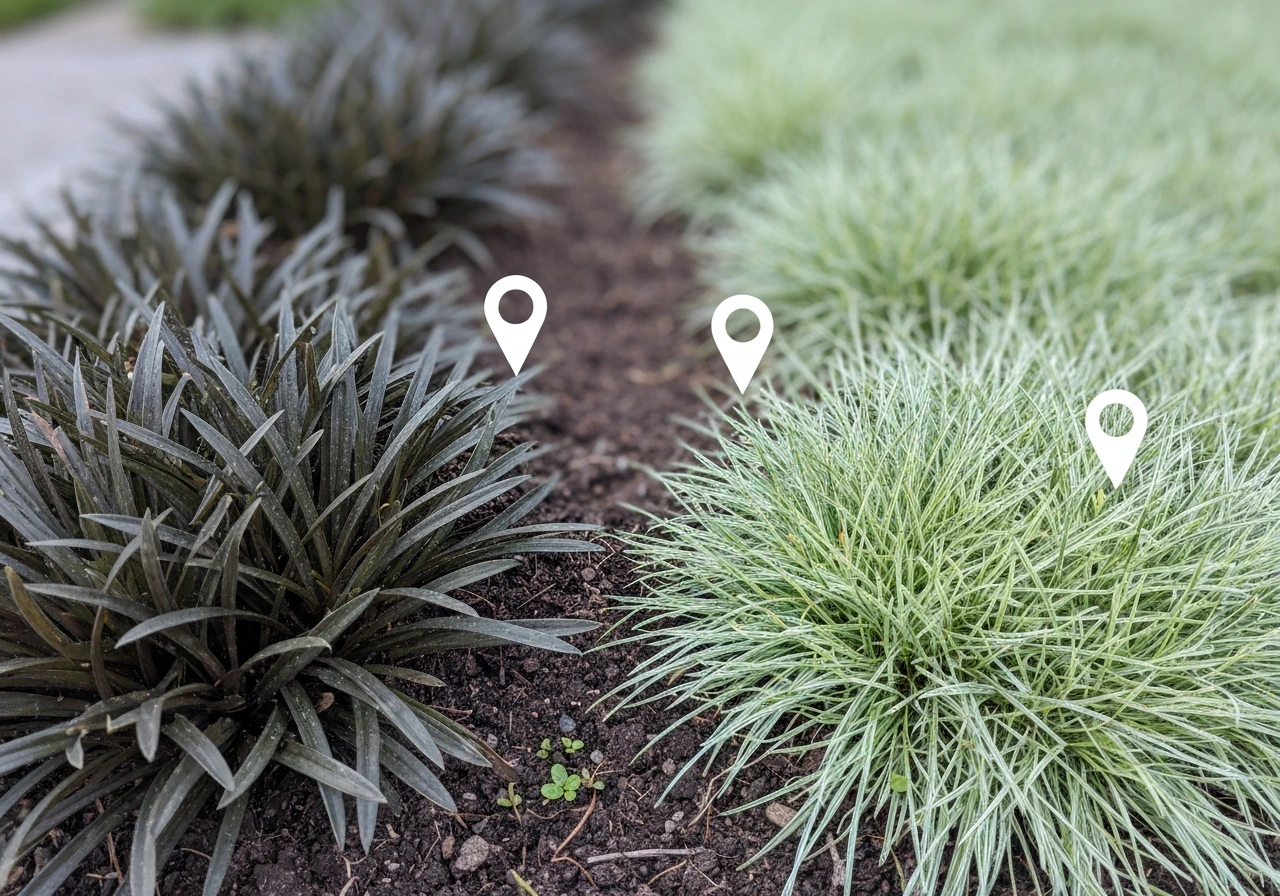
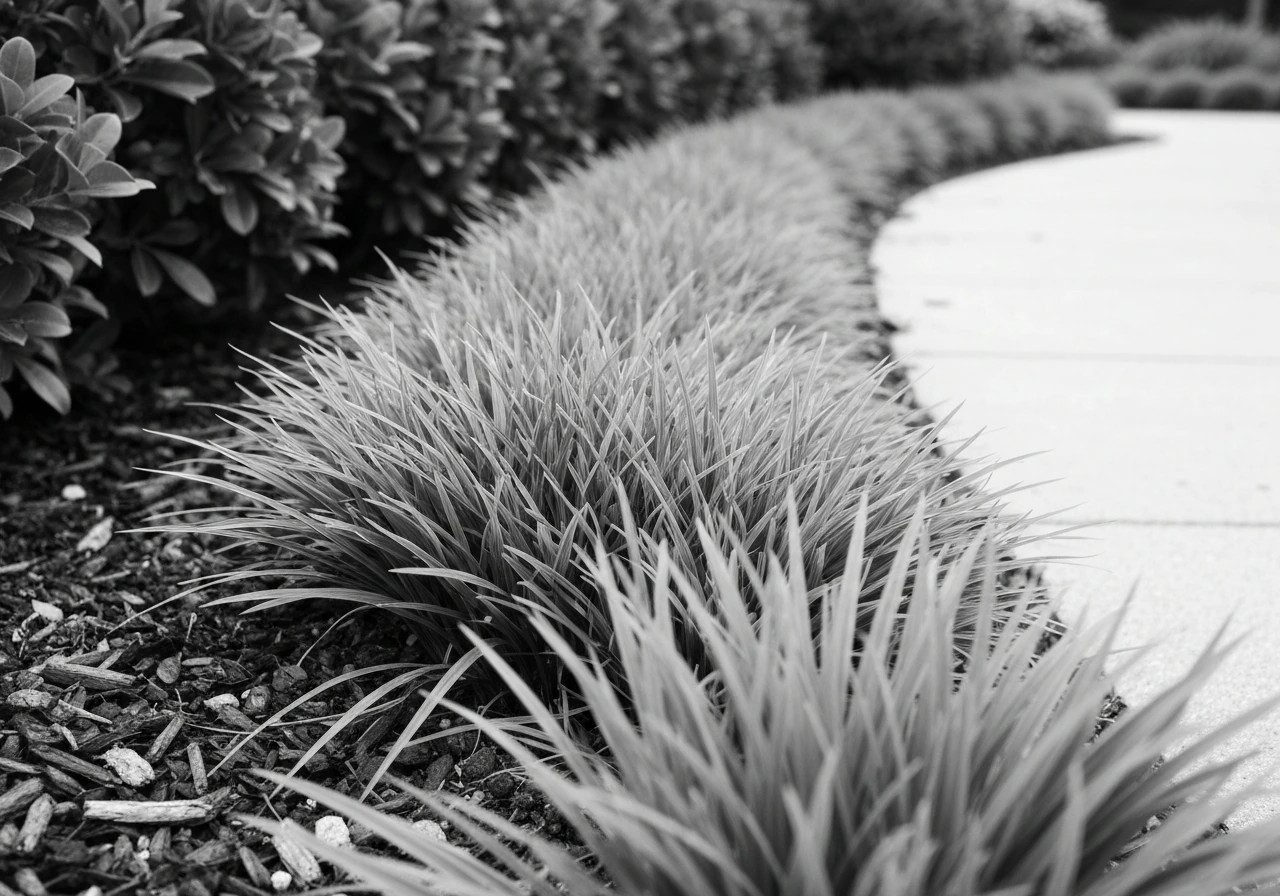
The name 'monkey grass' gets used loosely for two different plants: Liriope muscari (lilyturf) and Ophiopogon japonicus (mondo grass). Both are sold under the same common name at garden centers, and both form that familiar low, grass-like clump. But they're not identical. Ophiopogon japonicus is the shorter, darker green plant, typically 6 to 10 inches tall, and it spreads slowly via stolons and tuberous roots to form a dense mat over time.
Walter Reeves notes that the shorter, dark green “monkey grass” typically sold as mondo/monkey grass is Ophiopogon japonicus, which helps distinguish it from Liriope types. Liriope is taller, a little broader-leafed, and tends to clump more than spread.
If you're not sure which one you have, look at the size: mondo grass stays low and compact, while liriope is noticeably bigger and blooms more visibly.
This distinction matters because the two plants behave slightly differently from seed. Liriope muscari seeds often need warm stratification before they'll germinate reliably. Ophiopogon japonicus responds to soil temperature in a similar way, with germination improving significantly at warmer temperatures (around 25°C/77°F) compared to cooler conditions. Both are hardy in USDA zones 6 or 7 through 10 depending on which type you have, so if you're in a colder zone, focus on spring planting to give seedlings a full warm season before frost. If you're in zones 8 through 10, you have more flexibility.
When to plant monkey grass seed
The sweet spot for planting monkey grass seed is late spring, once soil has warmed to at least 65°F. In most of the South (zones 7–10), that's mid-April through May. In zone 6, wait until late May or early June. You want the seeds to hit warm soil immediately, because cooler conditions dramatically slow germination and leave the seed sitting in the ground longer, which increases the risk of rot. If you're in a warm climate (zones 9–10), you can also plant in early fall, but spring is generally the safer bet for first-time growers.
One thing to know upfront: monkey grass seed does not store well. If you've had a packet sitting in a drawer for a season, your germination rates are probably going to be poor. Plant fresh seed as soon as possible after you get it. If you're harvesting seed from an existing plant, collect the dark berries in fall and plant them right away or stratify them over winter in barely moist peat in the fridge for 60 to 90 days before spring planting. That cold treatment after a warm period mimics what happens naturally and can meaningfully improve germination.
How to grow monkey grass from seed, step by step
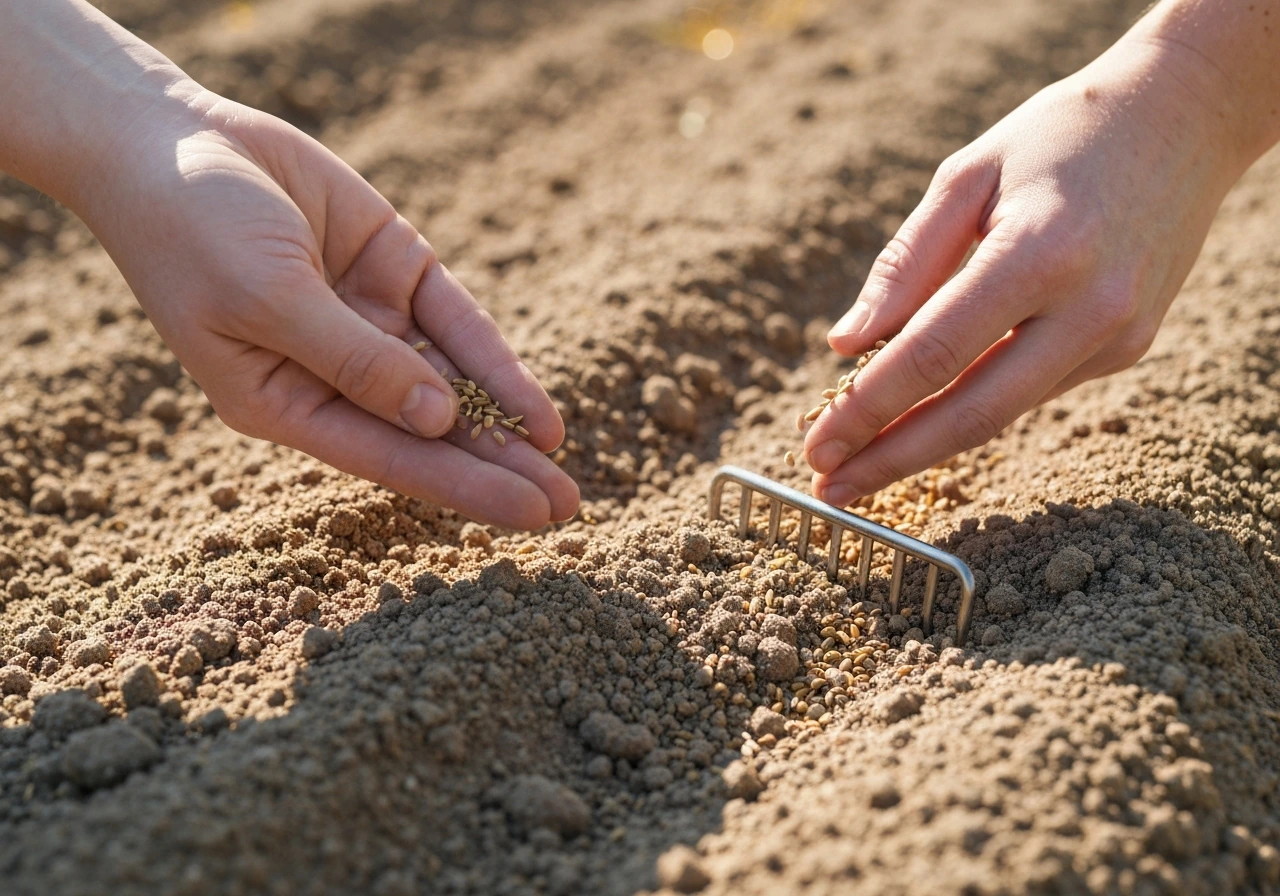
- Confirm your seed is fresh. Monkey grass seed loses viability quickly, so don't use old stock. If harvesting from berries, remove the outer fruit flesh before planting—seeds germinate better when the pulp is cleaned off.
- Prepare your planting area before you sow (see soil prep section below). You want loose, weed-free soil ready to go before the seed hits the ground.
- Scatter seeds on the soil surface or press them in no deeper than 1/8 inch. Monkey grass seeds need light to germinate, so burying them more than a few millimeters is one of the fastest ways to get zero results.
- Tamp the surface gently with your hand or the flat of a rake so seeds make good contact with the soil. Don't press them in hard, just firm contact.
- Water gently right after sowing. Use a soft spray or misting nozzle so you don't wash seeds around or form a crust over them.
- Keep the surface consistently moist until germination—this usually means light watering once or twice a day in warm weather. The top inch of soil should never fully dry out, but it also shouldn't be muddy or standing in water.
- Once seedlings emerge and reach about an inch tall, shift to a deep-but-less-frequent watering pattern: water thoroughly every 2 to 3 days rather than light daily misting.
- Avoid fertilizing until seedlings are at least 2 to 3 inches tall and have been growing for about 4 to 6 weeks. Then apply a diluted balanced fertilizer at half the label rate.
Soil prep and site conditions
Monkey grass (especially Ophiopogon japonicus) is genuinely adaptable. It tolerates clay, sand, and loam, which is more flexibility than most groundcovers offer. That said, drainage matters a lot during seed germination. Vetiver grass is a different species from monkey grass, but the right warmth, drainage, and watering schedule still matter when establishing it from seed or transplants how to grow vetiver grass.
Waterlogged soil is where seedlings go to die from damping-off (fungal rot at the soil line). UMN Extension notes that damping-off risk is driven by conditions that favor pathogens, and that using contaminated or dirty soil in warm, wet seedling conditions increases the chance of problems damping-off (fungal rot at the soil line).
If you're dealing with heavy clay, work in a 2 to 3 inch layer of compost before planting to improve drainage and aeration. If your soil is sandy and drains too fast, the same compost addition helps retain enough moisture for germination.
For pH, aim for 5.6 to 7.5. Monkey grass prefers slightly acidic to near-neutral conditions. If you've never tested your soil and you're having establishment problems, a cheap soil test from your local extension office is worth doing. Most lawn soils fall right in this range naturally, but if yours is highly alkaline (above 7.5), work in some sulfur before planting.
For sun and shade, monkey grass is one of the better options for shadier spots where lawn grasses struggle. Ophiopogon japonicus handles full shade to partial shade well, though it also tolerates sun in cooler climates. In hot zones (8–10), afternoon shade actually helps during establishment, keeping the soil from drying out too fast and reducing seedling stress. A spot under a tree canopy that gets filtered light is close to ideal. If you’re specifically wondering how to grow carabao grass, the key steps are similar but focus more on warm temperatures and consistent moisture during establishment.
| Condition | Monkey Grass Tolerance | What to Do |
|---|---|---|
| Full shade | Excellent | Plant freely, watch for standing water under dense canopies |
| Partial shade | Excellent | Ideal for seed germination in hot climates |
| Full sun (cooler zones 6–7) | Good | Keep soil moisture up, especially in first 6 weeks |
| Full sun (hot zones 8–10) | Fair | Provide afternoon shade if possible during establishment |
| Clay soil | Tolerant | Work in compost to improve drainage before seeding |
| Sandy soil | Tolerant | Add compost to improve moisture retention |
| Soil pH 5.6–7.5 | Optimal | Test and amend if outside this range |
Aftercare: watering, fertilizing, and keeping weeds out
Watering
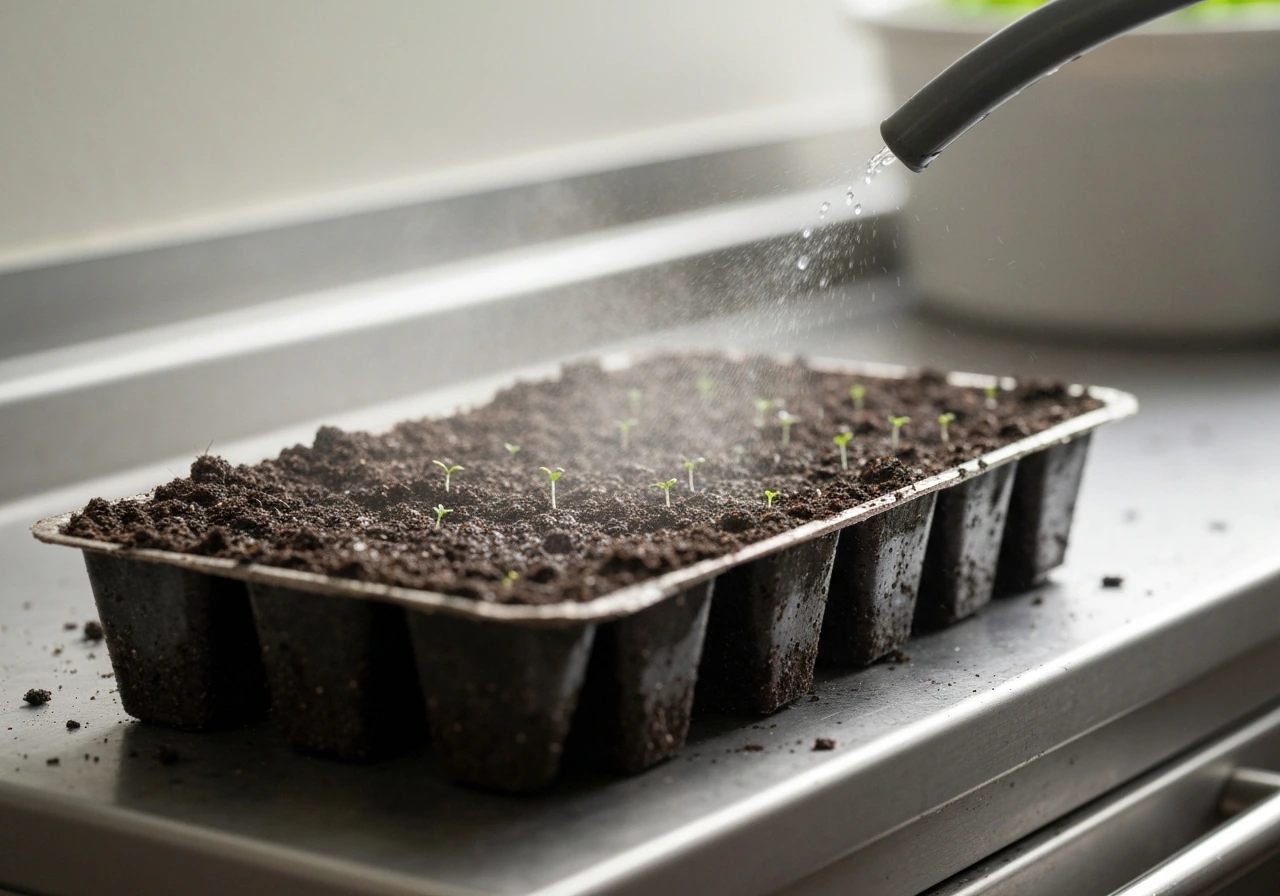
During germination, consistent surface moisture is everything. Once seedlings establish (roughly 6 to 8 weeks in), shift to watering deeply every 2 to 3 days. As the plants mature into a groundcover mat, they become more drought tolerant, but during the first full growing season you want to water whenever the top inch of soil gets dry. One thing to watch: in winter or during cool, wet periods, monkey grass can enter a semi-dormant phase. Keep your eye on drainage and ease off watering during those times to avoid root rot. Wet and cold together is more dangerous than cold alone.
Fertilizing
Monkey grass is not a heavy feeder. Once seedlings are 4 to 6 weeks old and a few inches tall, apply a slow-release balanced fertilizer (something like 10-10-10) at half the recommended rate. Do this once in late spring and once more in early summer during the first year. Don't fertilize in late summer or fall for first-year plants, because you don't want to push soft new growth right before cold weather arrives.
Weed control
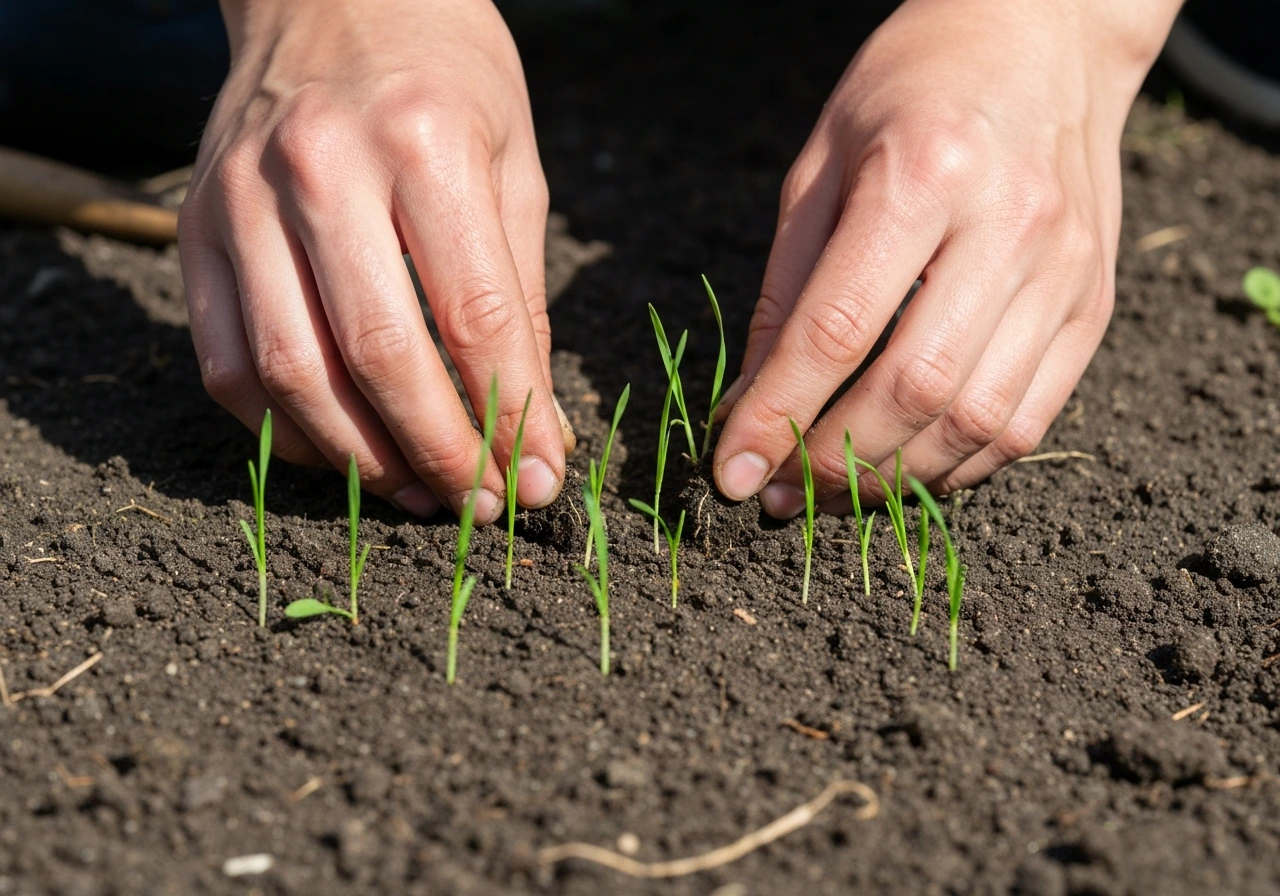
This is your biggest practical challenge in the first season. Young monkey grass seedlings are small and slow-growing, which means weeds can easily outcompete them before the groundcover thickens up. Hand-pull weeds early and often rather than using herbicides near young seedlings. Pre-emergent herbicides will also prevent your monkey grass seeds from germinating, so don't use them in the seeded area until the stand is fully established (usually after the first full year). A thin layer of fine mulch around (not on top of) seedlings can help suppress weeds without blocking light from the plants themselves.
What to expect week by week
Growing monkey grass from seed is a slow-burn process. Here's an honest timeline so you know what normal looks like:
| Timeframe | What You'll See | What to Do |
|---|---|---|
| Days 1–14 | Nothing visible above soil; seeds are absorbing moisture | Keep surface moist with daily light watering, don't disturb |
| Weeks 2–6 | First seedlings may emerge (if conditions are right); germination can take up to 90 days | Keep consistent moisture, pull any weeds by hand |
| Weeks 6–10 | Seedlings 1–2 inches tall, starting to look like tiny grass tufts | Shift to deeper watering every 2–3 days, apply diluted fertilizer once |
| Months 3–4 | Plants 3–5 inches tall, spreading slowly via stolons | Continue regular watering, weed control remains critical |
| Month 6+ | Groundcover starting to fill in; gaps still visible | Normal—monkey grass is slow; patience is the main strategy |
| Year 1–2 | Dense mat forming; bare spots filling in naturally | Trim in late winter before new growth (not in summer) |
On the topic of mowing or trimming: don't cut back new monkey grass in summer. Trimming during active growth can set the plants back significantly and leave the area looking rough for months. If you want to tidy up the planting, do it in late winter or very early spring, right before new growth flushes. Use a string trimmer or mower set high, not a scalping cut.
Common problems and how to fix them
Seeds aren't germinating
If nothing is sprouting after 4 to 6 weeks, the most common culprits are old seed, soil that's too cold, seeds buried too deep, or soil that's drying out between waterings. Check your soil temperature first with a cheap soil thermometer. If it's below 65°F, germination will be very slow or stalled entirely. For old seed, unfortunately there's not much to do except get fresh stock. If you're in a situation where you harvested seed from berries and didn't clean off the fruit pulp, try again with clean seed since the pulp contains compounds that can inhibit germination.
Seedlings are dying right after they emerge
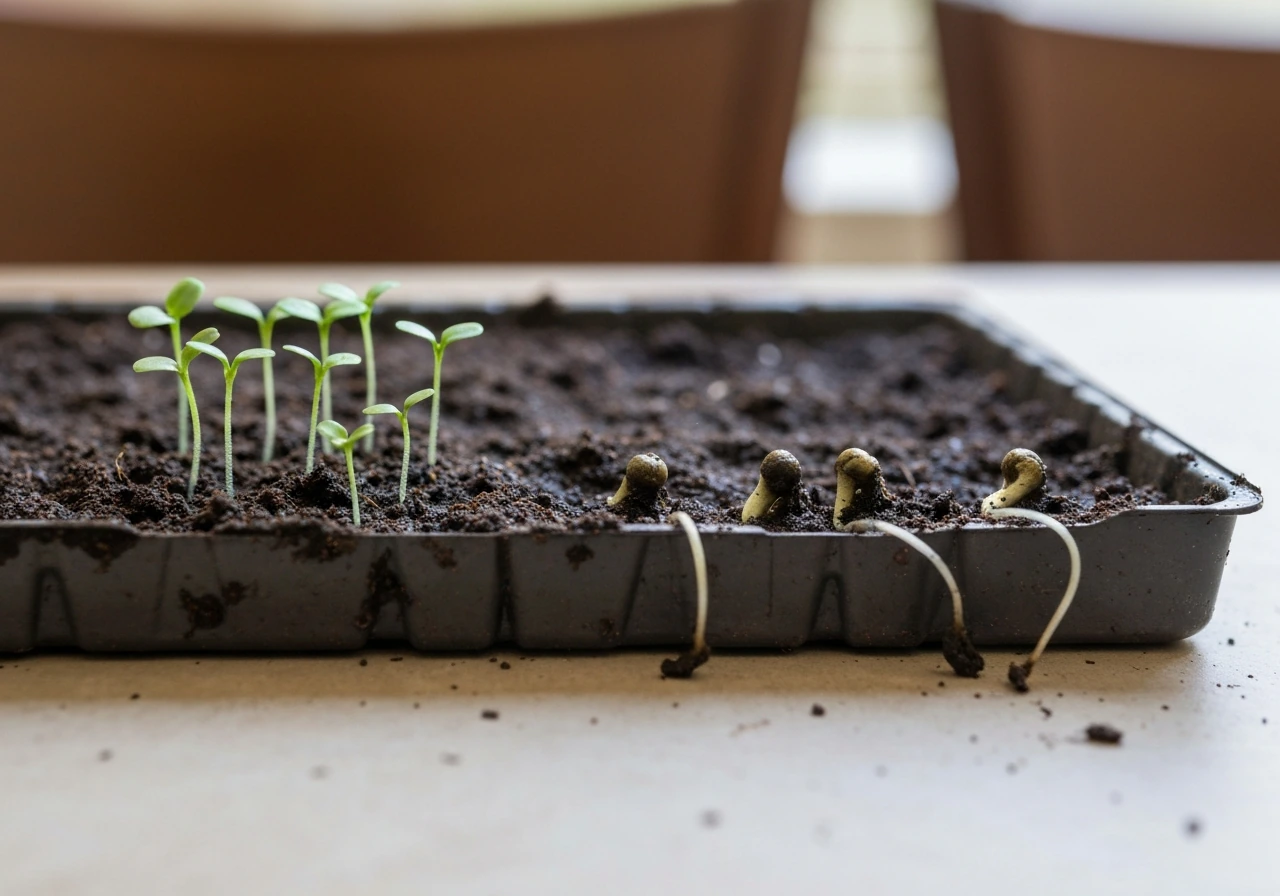
This is almost always damping-off, which is a fungal or oomycete rot that attacks seedlings at or just below the soil line. The seedling collapses and falls over, usually in a wet area or after a stretch of overwatering. To fix it: immediately reduce watering frequency, improve airflow around the planting area if possible, and remove any visibly affected seedlings to avoid spreading the problem. Don't try to compensate by adding more water since that makes things worse. In future sowings, avoid reusing old potting soil or soil from a problem area, and make sure drainage is adequate before you plant.
Sparse, patchy results
Bare or thin spots after a season are completely normal with monkey grass seeding. The plant is genuinely slow to establish from seed compared to division. If your stand is sparse after the first year, the easiest fix is to dig and divide plants from denser areas of the planting and replant the divisions into the gaps. Monkey grass divides easily, and divisions transplant much faster than waiting for seed to fill in. You can also oversow bare patches with fresh seed in spring, using the same surface-sowing approach as the original planting.
Weed takeover in the first season
If weeds are outcompeting your young monkey grass, you're not alone. This is the most frustrating part of growing it from seed. Hand-pulling is still the safest method for young stands. If weeds are grassy types (like crabgrass), you're in a tough spot because most grass-specific herbicides will affect your monkey grass too. Consistent hand-removal every week or two is your best tool until the groundcover thickens enough to shade out weeds on its own, which is one of its best long-term traits once established.
Wrong site (too wet, too dry, or too exposed)
If you planted in a site that stays soggy after rain, the best move is to fix drainage first before reseeding. Even the most adaptable groundcover won't establish well in waterlogged soil. Conversely, if you're on a slope where water runs off quickly and the soil dries out within hours of watering, consider running a soaker hose or drip irrigation during establishment. For areas with very harsh afternoon sun in hot climates, temporary shade cloth can protect young seedlings while the stand fills in. Mondo grass in particular is built for shade, so if you're struggling in full sun, that's probably your answer.
If you're comparing monkey grass to other low-maintenance groundcovers for problem areas, it's worth knowing that mondo grass (the true Ophiopogon) shares some traits with mondo grass cousins like carpet grass in terms of low-growing habit, though each has a distinct ideal growing environment. Getting the right plant for your specific site conditions is half the battle before you even sow the first seed. If you want to grow mondo grass successfully, focus on seed timing, moisture control during germination, and a well-drained spot.
FAQ
How deep should I sow monkey grass seeds, and does burying them help?
Keep them on the surface or barely covered. If you bury seeds more than a light dusting, germination drops because they need light to trigger sprouting. Press them gently into the soil so they stay in contact without being covered.
Do I need to cover the seeded area with anything to help germination?
A light, breathable cover can help hold moisture, but it should not smother the seeds. Use a thin layer of fine mulch after sowing only if it stays loose, or consider a clear but ventilated cover for short periods, then remove once you see seedlings.
What’s the best way to water monkey grass seedings without causing damping-off?
Water with a gentle method (mist or light spray) to wet the top layer, then let the surface dry slightly between waterings. The goal is consistently moist top growth for germination, not continuously saturated soil for the entire seed bed.
Can I grow monkey grass from seed indoors first?
It’s usually unnecessary for first-time growers because you need warm soil and light at the right time. If you start indoors, transplanting at the wrong time or disturbing roots can slow establishment, so time it for late spring when your outdoor conditions match the soil temperature targets.
Why are my seedlings coming up but dying soon after?
The most common cause is a wet, compacted, or poorly drained planting that encourages damping-off at the soil line. Reduce watering frequency, improve airflow around the bed, remove dead seedlings, and avoid reusing soil from problem areas.
How do I tell whether I have mondo grass or liriope when buying seed or plants?
Mondo grass typically stays shorter and forms a denser, lower mat over time, while liriope is taller and looks more clumpy and upright. If you see more visible blooms or a taller habit, you likely have liriope, and germination tends to be less reliable without warmth.
Should I fertilize more if growth looks slow in the first season?
No, more fertilizer often makes the problem worse. Monkey grass is not a heavy feeder, and too much late-season feeding can create soft growth that struggles in cooler weather. Stick to half-rate slow-release applications during late spring and early summer only for first-year plants.
Is pre-emergent weed control safe to use in a seeded monkey grass area?
Avoid it until the stand is fully established, because pre-emergent products can block your monkey grass seeds from germinating. For the first year, prioritize hand-pulling and spot control rather than blanket herbicide programs.
How long should it take before I assume the seed failed?
Most viable seed shows signs within about 30 to 90 days under good warmth and moisture, but if you see nothing after roughly 4 to 6 weeks, check soil temperature and sowing depth first. If warmth was insufficient, germination can stall rather than fail.
What can I do about thin spots after the first year without starting over?
The fastest fix is division or targeted reseeding. Dig and split dense clumps from thicker areas and replant into gaps, then oversow bare patches in spring using the same surface-sowing method as the original planting.
Does monkey grass need full sun, or will it struggle in shade?
It can handle filtered light to partial shade well, especially for mondo grass. In hot climates, afternoon shade reduces seedling stress during establishment, so if you are fighting drying and scorching, moving the bed or adding temporary shade cloth can help.
Can I mow or trim monkey grass, and when is it safe?
Avoid cutting back during active summer growth, because trimming can set plants back for months. If you want it tidy, do it late winter or very early spring with a high setting so you remove only dead tops, not green growth.
Will monkey grass spread aggressively and invade nearby beds or lawns?
It can expand and thicken over time, especially once it forms a mat, but it is not typically treated like an aggressive weed. If containment matters, establish a clear edge barrier before the first season or plan for periodic replanting along borders.
What’s the safest response if the soil stays wet after rain?
Fix drainage before reseeding. If water remains standing or the soil squishes, seedlings will struggle regardless of watering care. Adding compost can help aerate, but in severe cases you may need raised beds or a more significant drainage adjustment.
Next Article
How to Grow Carabao Grass Fast: Step-by-Step Guide
Fast step-by-step guide to grow Carabao grass, from soil prep and planting to watering, fertilizing, weeds, and fixes