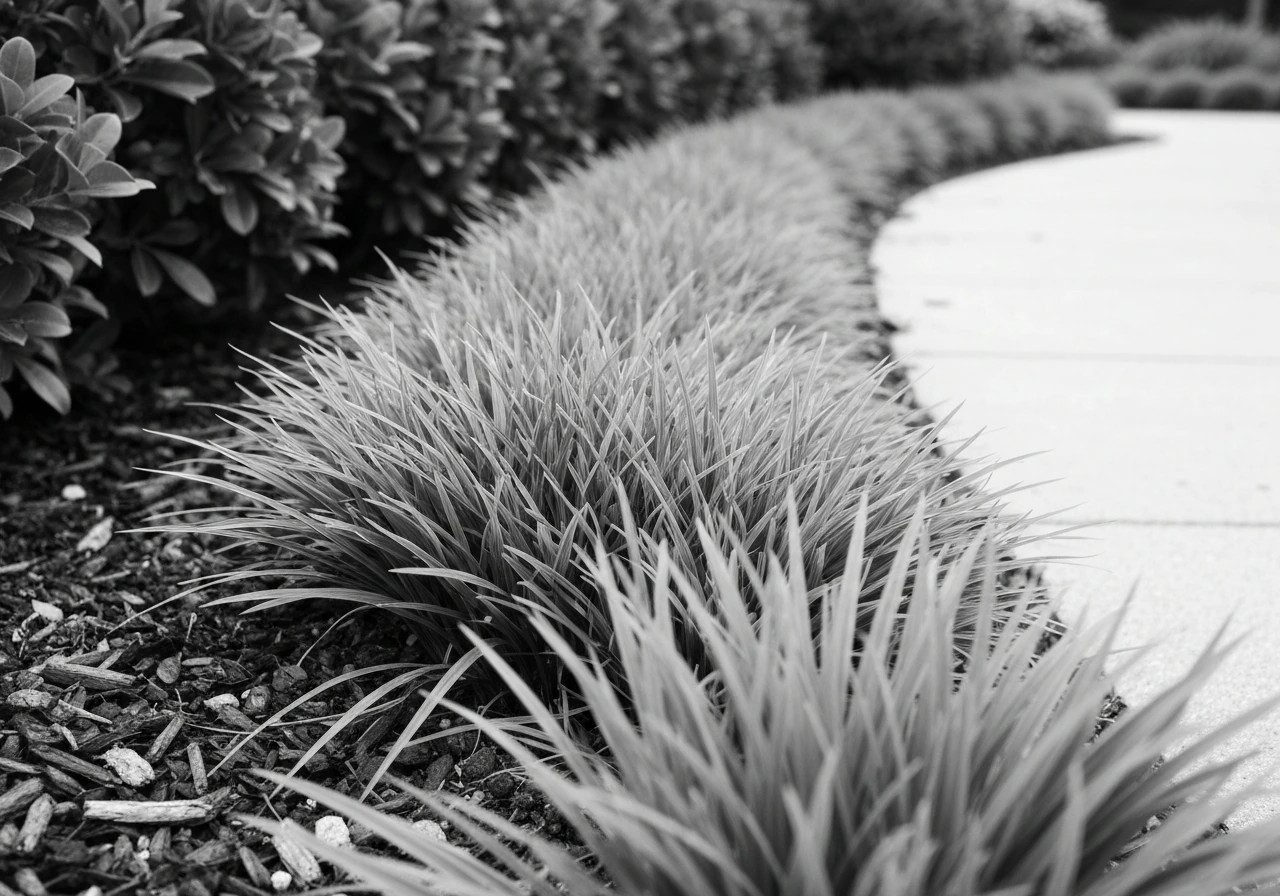
Carpet grass grows best when you seed it in late spring or early summer, keep the soil consistently moist through germination, and give it the acidic, wet-tolerant conditions it actually wants. With soil temps around 85–90°F and good seed-to-soil contact, you can expect sprouts in 7 to 14 days and decent coverage within 4 to 6 weeks. It's a low-maintenance, stoloniferous warm-season grass that fills in steadily on its own once it gets going. The key is setting it up right from the start.
How to Grow Carpet Grass From Seed for Faster Results
Marcus Tillwell
7 Jun 2026
Carpet grass basics and which type is right for your area

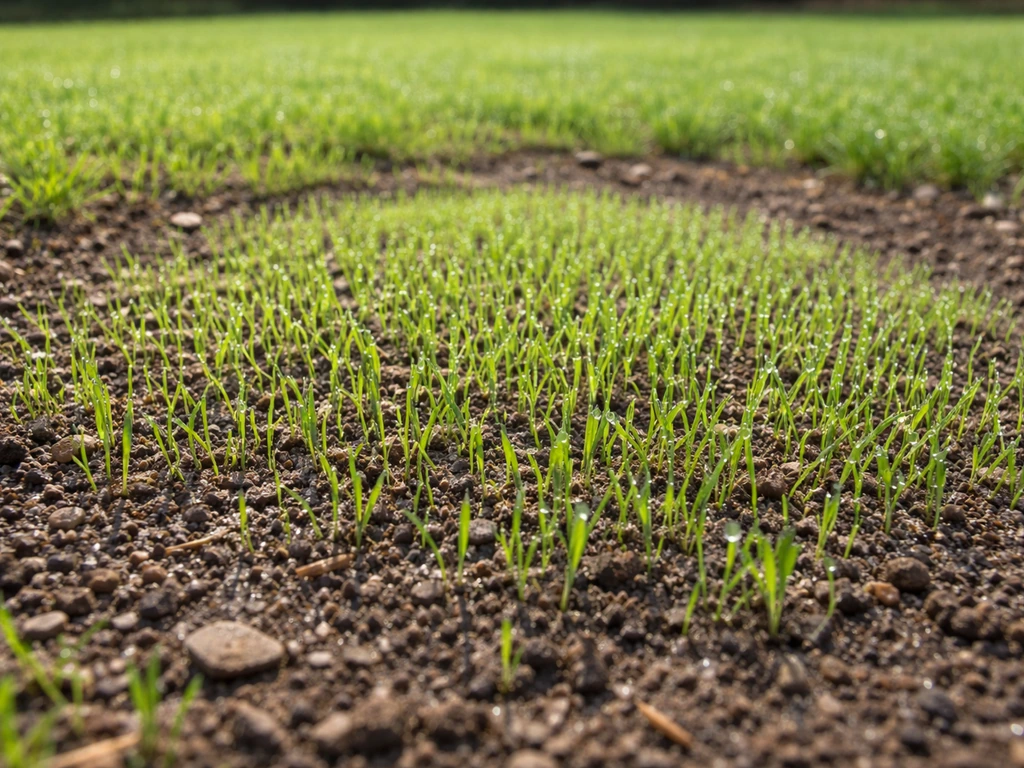
Carpet grass belongs to the Axonopus family, and there are a few species you'll run into. The most common for home lawns is Axonopus affinis (also called common carpetgrass), though you'll also see Axonopus compressus and Axonopus fissifolius listed depending on your region and seed supplier. For practical purposes, they behave very similarly: all are warm-season, creeping grasses that spread by stolons and produce that distinctive crabgrass-like seedhead with two to five ascending spikes. The leaf blades are smooth on both surfaces with a rounded tip, and the overall texture is coarser than bermuda or zoysia.
The big question is whether carpet grass actually suits your yard. It's a specialist grass, not a general-purpose turf. It thrives in the humid Southeast, the Gulf Coast states, and parts of East Texas and the Carolinas. If you're in a dry or cold climate, stop here. Carpet grass doesn't handle drought, and it will go dormant or die in areas with hard freezes. It's also worth understanding how it compares to other warm-season options you might be weighing.
| Grass Type | Best Conditions | Shade Tolerance | Wet Soil Tolerance | Soil pH |
|---|---|---|---|---|
| Carpet grass | Humid Southeast, Gulf Coast | Moderate | High | 5.0–5.5 |
| Bermudagrass | Full sun, well-drained | Low | Low | 6.0–7.0 |
| Centipedegrass | Acid soils, low maintenance | Low to moderate | Moderate | 5.0–6.0 |
| Zoysiagrass | Transition zone, varied soil | Moderate | Low to moderate | 6.0–6.5 |
| Bahiagrass | Sandy soils, full sun | Low | Moderate | 5.5–6.5 |
Carpet grass is the right pick if your yard stays wet or poorly drained, you have a shaded or semi-shaded area where bermuda won't survive, and your soil is naturally acidic. It tolerates more shade than bermudagrass and actually persists in wet spots where bermuda would rot out. If your conditions match that profile, carpet grass will reward you. If not, a different turf species will serve you better in the long run. Grasses like mondo grass or monkey grass are sometimes confused with carpet grass in appearance, but those are ornamental ground covers, not lawn turf, and they're a completely different category of plant.
Site prep for faster establishment
Rushing through site prep is the single most common reason carpet grass establishes slowly or patchily. Spend a little extra time here and you'll get much more uniform coverage later.
Soil pH and condition
Carpet grass prefers an acidic soil in the 5.0 to 5.5 pH range. That's lower than most grasses, so if your soil is closer to neutral or alkaline, you'll need to amend with sulfur before seeding. Get a basic soil test first. Many county extension offices offer them cheaply, or you can grab a home test kit. If your pH is above 6.0, carpet grass will struggle no matter how perfectly you plant it. Work the sulfur in according to the test recommendations, then wait a couple of weeks before seeding if you can.
If you're dealing with clay soil, loosen it 2 to 3 inches deep with a tiller or a hard rake before seeding. Clay compacts easily and will block young roots. Sandy soil is actually carpet grass's comfort zone, especially in the Southeast, but if your sandy soil drains too fast, it can dry out between waterings during germination. Adding a thin layer of compost mixed into the top inch helps in both cases.
Sun and shade
Carpet grass handles moderate shade reasonably well, which is one of its advantages over bermuda. It can establish in areas that get around two to four hours of direct sun per day, or a full day of bright filtered light. Below that, germination will be slow and the lawn will thin out over time. If your area gets less than two hours of direct sun, even carpet grass will eventually struggle. In deep shade, you're better off looking at ground covers entirely. For partly shaded spots, carpet grass is genuinely one of the better warm-season options you can seed.
Drainage and site layout
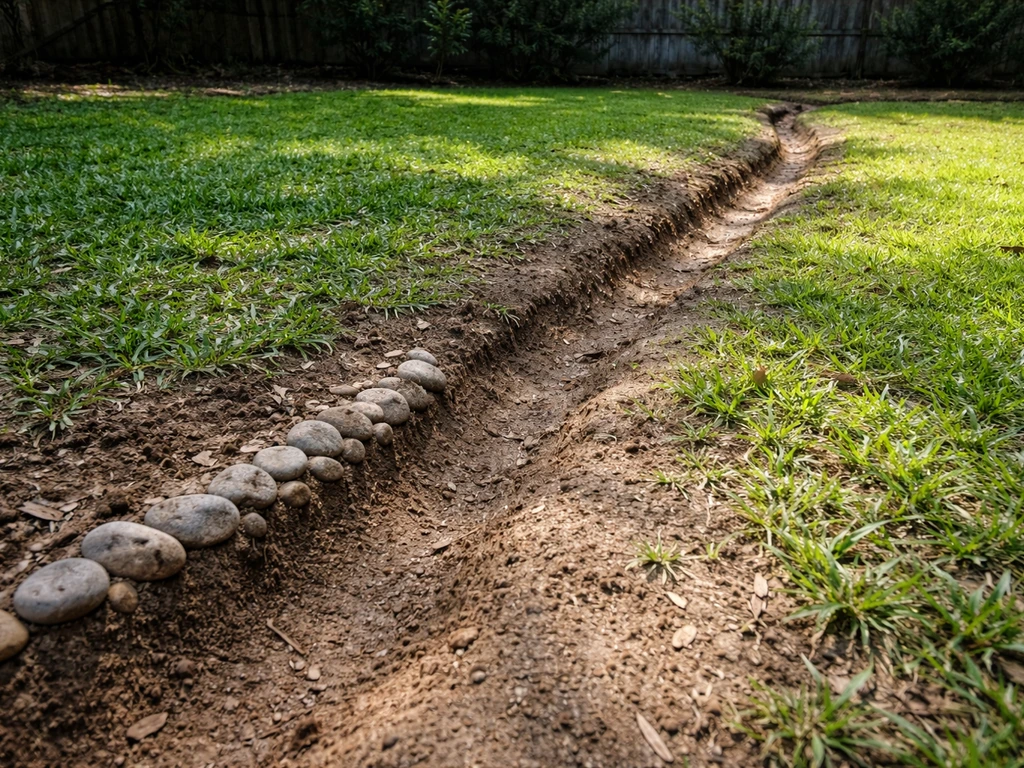
Carpet grass actually tolerates wet, poorly drained soils that would drown out other grasses. If you've got a low spot in your yard that stays soggy after rain, carpet grass is one of the few turf options that can work there. That said, standing water for extended periods after heavy rain is still a problem. If water pools for more than 24 to 48 hours, consider grading or adding drainage before you seed. For bare spots within an existing lawn, scrape out any dead material, rough up the soil surface, and treat those areas the same way you would a fresh seeding.
How to grow carpet grass from seed, step by step
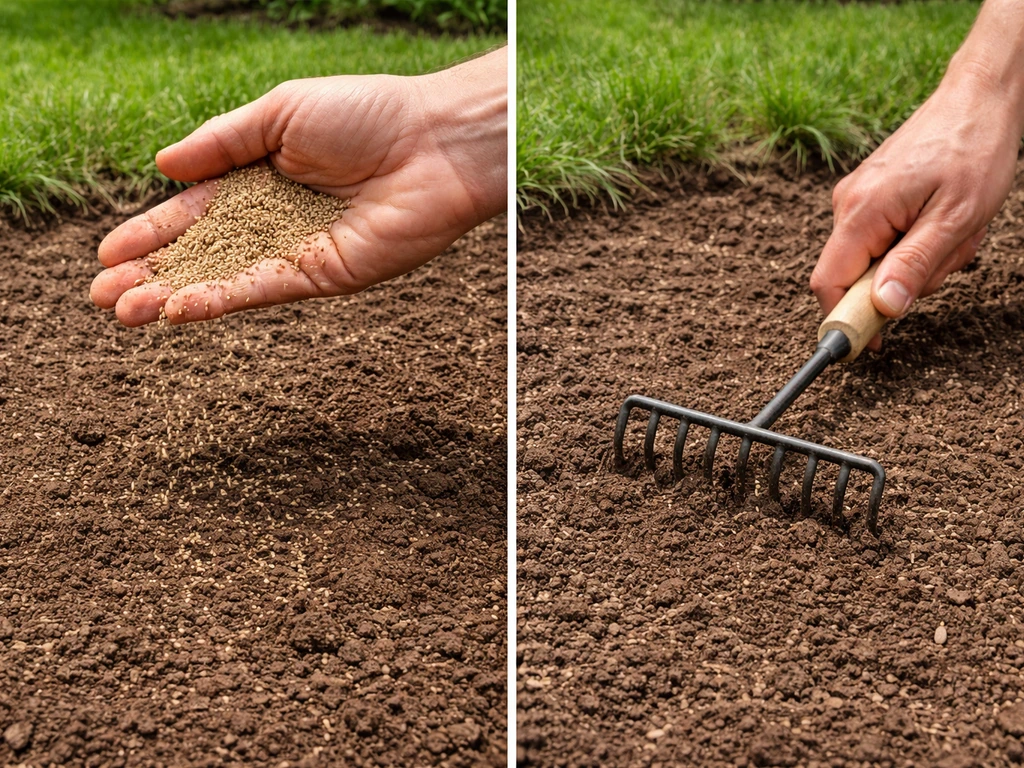
Carpet grass seed is widely available and inexpensive, which makes seeding the most practical establishment method for most homeowners. If you are also wondering how to grow durva grass, use similar steps for seeding, soil conditions, and consistent moisture until it establishes Carpet grass seed is widely available and inexpensive. Plugs and sod exist but they're less common and pricier. Here's how to do it right. Vetiver grass is a different type of plant, but you can still learn the basics of how to grow it for strong clumps and healthy roots how to grow vetiver grass. To learn the full process and care timeline, see our guide on how to grow carabao grass.
- Time your seeding correctly. Plant carpet grass seed in late spring through midsummer when soil temperatures consistently hit 70°F or higher. The optimal germination temperature is around 86°F (30°C). In the Gulf Coast and deep South, that window opens around April to May. In the Carolinas and transitional Southeast states, late May through June is more typical. Planting in June 2026 right now puts you squarely in the ideal window for most of carpet grass's native range.
- Prep your soil surface. Rake the area to loosen the top half inch to one inch of soil. You want a slightly rough, crumbly surface, not packed dirt. Remove any debris, dead grass, or clumps. Good seed-to-soil contact is critical for uniform germination, and raking creates that surface texture.
- Apply starter fertilizer. Before you seed, broadcast a complete fertilizer at a rate of one pound of actual nitrogen per 1,000 square feet. This feeds young seedlings during their most vulnerable stage and helps the lawn fill in faster. Don't skip this step if you want quick coverage.
- Seed at the right rate. For quick cover (which is what you want for bare spots or a new lawn), broadcast seed at 2 pounds per 1,000 square feet. If you're seeding a large area where coverage speed is less critical, 15 to 20 pounds per acre works fine. For home lawns, stick with the 2 lb per 1,000 sq ft rate. Use a hand spreader or broadcast spreader for even distribution. Split the application in half and seed in two perpendicular passes to avoid striping.
- Rake and roll after seeding. After spreading seed, use a light rake to gently work seed into the top quarter inch of soil. Then, if you have access to a lawn roller (many equipment rental places carry them for $20 to $40 a day), give the area one light pass. This pressing action dramatically improves seed-to-soil contact and reduces patchiness. If you don't have a roller, press seed in with the back of your rake.
- Water immediately after seeding. Get that first watering in right after seeding. Lightly mist the area until the top inch of soil is moist but not waterlogged. This triggers germination and locks in the timeline.
One trick that can genuinely speed things up: pre-soak your carpet grass seed for 12 to 24 hours before planting. Research from LSU shows that primed or pre-soaked Axonopus affinis seed germinated more uniformly and faster than dry-seeded controls under field conditions. Carabao grass has similar seeding and establishment needs, so you can use the same step-by-step approach for site prep, moisture, and germination timing. Spread the pre-soaked seed on a dry surface for 30 to 60 minutes before planting so it's easier to broadcast without clumping.
Expect germination in 7 to 14 days under good conditions. Carpet grass is naturally slow-growing compared to grasses like ryegrass, so don't panic if you see sparse sprouts in that first week. The stolons will start creeping outward and filling gaps steadily over the following weeks.
Watering, mowing, and care to grow it as fast as possible
Watering during germination
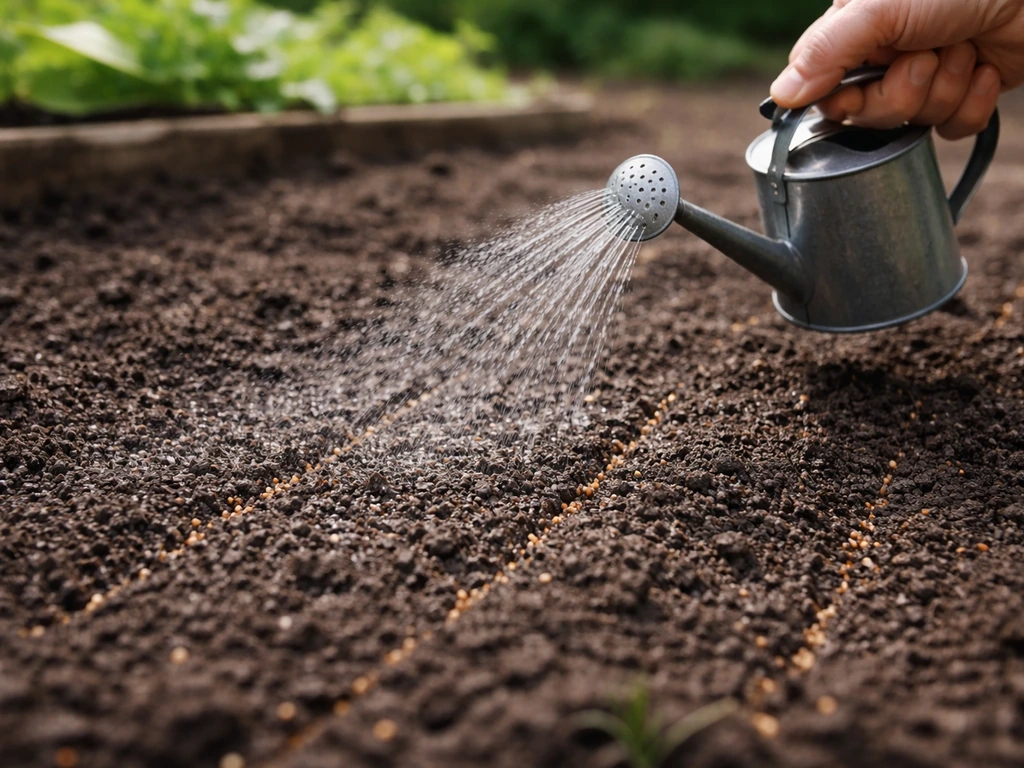
The number one rule during germination: once you start watering, don't stop. The soil surface needs to stay consistently moist until seedlings are well established. If you let it dry out after germination begins, you'll kill the sprouts that are already emerging. That's the most common cause of patchy stands.
Water lightly and frequently for the first two to three weeks. In hot weather, that often means two light waterings per day, morning and early afternoon, applying just enough to keep the top inch of soil moist. You're not trying to soak deep at this stage. Once seedlings are visible and about half an inch tall, you can shift to one deeper watering per day. After the first mowing, shift to a more normal schedule of deep, infrequent watering two to three times per week.
Mowing
Wait until carpet grass seedlings reach about 2 inches tall before the first mowing, which typically takes three to four weeks from seeding. Set your mower to cut at around 1 to 1.5 inches for the first few mows. Never remove more than one-third of the leaf blade height in a single mowing. This one-third rule is especially important during establishment when the root system is still shallow. Scalping young carpet grass slows establishment significantly and invites weeds into any bare spots.
Fertilizing after germination
After the starter fertilizer application at seeding, continue fertilizing monthly with one pound of nitrogen per 1,000 square feet until the lawn reaches full coverage. Carpet grass doesn't need heavy feeding, and over-fertilizing actually encourages weed competition. Monthly light applications through the growing season keep the stolons spreading actively without pushing excessive top growth.
Traffic and foot traffic timing
Keep foot traffic completely off the seeded area for at least three weeks, or until after the first mowing. Young carpet grass seedlings are fragile, and heavy traffic will displace seed, compact soil, and create bare tracks that are hard to fill back in. If you have pets or kids, fence off the area with basic garden stakes and string. It's a small inconvenience that saves a lot of re-seeding work.
Troubleshooting germination problems and bare patches
Even with good prep, things go wrong sometimes. Here are the most common problems and what to do about each one.
Seed isn't germinating after two weeks
First, check soil temperature. Carpet grass seed is stubborn below 70°F and really wants 85 to 90°F for fast germination. If you seeded early in the season when nights are still cool, the seed may just be waiting for warmer soil temps. Second, check moisture. If the surface dried out even once during the germination window, surviving seed may still be viable but delayed. Restart your consistent watering schedule and give it another week. Third, check seed age and quality. Old seed has poor viability. If you're using leftover seed from a previous season, germination rates drop significantly. Fresh seed from a reputable supplier is worth the difference.
Uneven or patchy germination
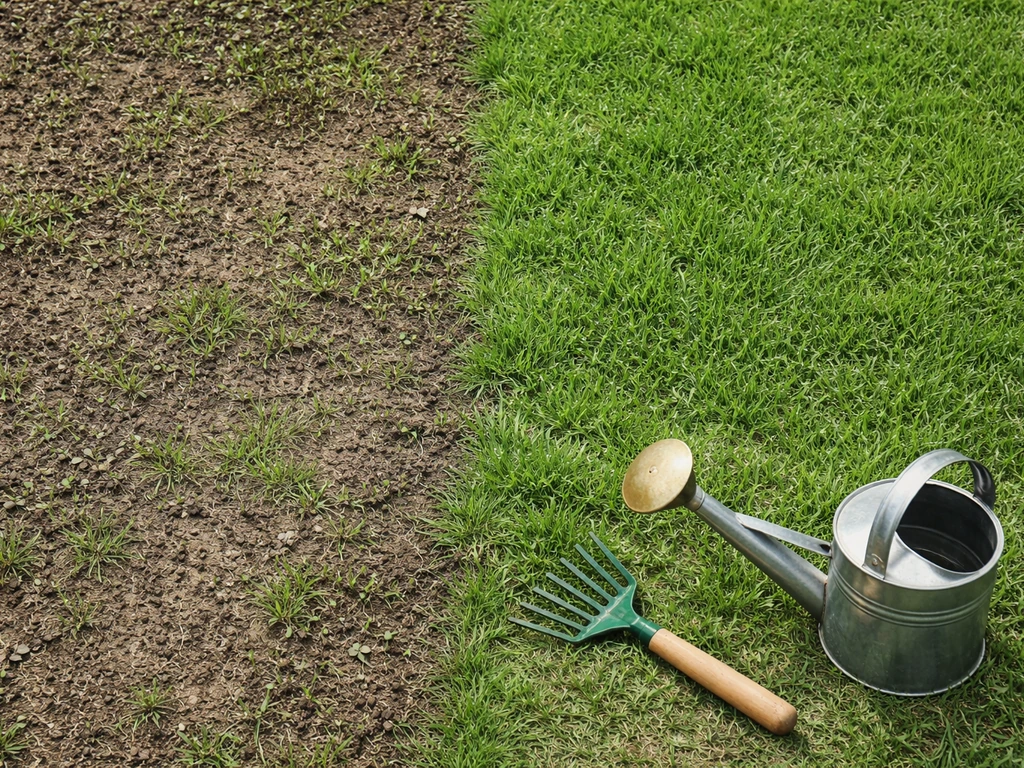
Patchiness almost always comes down to one of three things: uneven seed distribution, poor seed-to-soil contact in spots, or inconsistent moisture. For thin spots, lightly rake the area, over-seed those sections at the same 2 lb per 1,000 sq ft rate, and tamp down with the back of your rake. Outsidepride's seeding-rate guidance lists carpet grass at about 4 to 5 lb per 1,000 sq ft (and includes other planting direction details) seeding-rate table listing carpet grass at 4 to 5 lb per 1000 sq ft. Then keep watering consistently. The surrounding stolons will also creep into thin areas on their own over time, which is one of carpet grass's genuine advantages as a spreader.
Slow growth and thin coverage
Carpet grass is inherently slow-growing compared to grasses like ryegrass or tall fescue. That's normal. If growth seems especially sluggish, the most common culprits are soil pH that's too high, too much shade, or soil that's too compacted for stolons to spread. Test your pH first. If it's above 6.0, apply sulfur and be patient. If shade is the issue and the area gets fewer than two hours of direct sun per day, no amount of care will make carpet grass thrive there long-term.
Clay soil problems
If you're on heavy clay and skipped the soil loosening step, surface water runoff during germination can wash seed into clumps or low spots. You'll see uneven germination with clusters in some areas and nothing in others. The fix for next time is to till or scarify clay soil before seeding. For now, gently break up any crusted clay surface with a hand rake, over-seed thin spots, and mulch lightly with straw to hold moisture and prevent crust formation.
Sandy soil drying out too fast
In very sandy soils, the surface can dry out within a few hours on a hot day, which kills germinating seedlings. Water more frequently in short bursts during the heat of the day, or consider a very light straw mulch layer over the seeded area to slow moisture evaporation. Don't mulch too thick. You want seed to still get light, so just enough straw to see through easily.
Weeds taking over during establishment
Weeds are a real problem during carpet grass establishment because you can't use most herbicides while seedlings are emerging. The best prevention is to keep the lawn mowed as soon as it's ready and to fertilize on schedule so carpet grass fills in fast enough to crowd weeds out. Don't let weeds get tall enough to shade out seedlings. Hand-pull or spot-treat with a post-emergent labeled safe for carpet grass once the lawn is well established (typically after the third or fourth mowing).
If you're comparing carpet grass to some of the other low-maintenance ground-covering grasses, it fills a specific niche that ornamental options like monkey grass or mondo grass don't really cover. Those are for borders and shade beds, not a walkable lawn. Carpet grass is the right tool when you want actual turf that can handle foot traffic, spread on its own, and survive in wet, acidic conditions where most other lawn grasses give up.
FAQ
Can I overseed carpet grass into an existing lawn, or do I need to start from bare soil?
You can overseed, but success depends on how competitive the current turf is. Mow the existing grass short, rake out dead thatch, and rough up the top surface where seed will land. Keep moisture consistent, and expect weaker results if the existing lawn shades seedlings or absorbs water too quickly, in which case spot-starting in bare patches is usually more reliable.
What seeding rate should I use for carpet grass, and how exact do I need to be?
Use the same target rate throughout the area rather than “spot sprinkling.” Inconsistent coverage is a top cause of patchiness, so measure seed or broadcast in two directions (for example, north-south then east-west). If thin areas appear, correct them promptly with an additional light overseed rather than waiting for full stolon fill-in.
Should I cover carpet grass seed with mulch or compost after planting?
A very light straw mulch can help prevent crusting and reduce evaporation, especially on hot days or in sandy soil. Keep it thin enough that light can reach the seed and do not bury seed under a thick layer. Compost, if used, should be mixed into the top inch or applied very lightly, since heavy organic layers can keep seed too moist or unevenly aerated.
How deep should I plant carpet grass seed?
Seed should have good seed-to-soil contact without being buried too deeply. Aim for a shallow placement where the seed is pressed into the top layer, then water so moisture reaches it consistently. If you bury too far, especially in compacted soil, seedlings may be delayed or sparse.
Do I need to fertilize right after seeding, and what if I skip it?
A starter fertilizer application at seeding helps, but the bigger driver of early establishment is staying consistently moist and avoiding scalping. If you skip fertilizer, carpet grass can still establish, but coverage is often slower and weeds may gain more time to establish. If you do fertilize, keep it light and follow the monthly schedule once coverage begins to thicken.
When is the best time to pre-soak carpet grass seed, and does it change planting logistics?
Pre-soak for 12 to 24 hours before planting, then broadcast soon after. After soaking, let the seed surface dry on a dry surface briefly so it spreads without clumping. Plan to seed the same day, because re-wetting or long delays can increase uneven distribution.
How often should I water if temperatures are cooler or it rains frequently?
Adjust to keep only the top layer moist, not flooded. In cooler weather, you may need fewer light cycles, but you should never allow the top inch to dry out once germination begins. If frequent rain keeps soil wet, reduce watering and confirm drainage, standing water beyond roughly a day can still cause problems.
Why is my carpet grass germination delayed even though I watered?
Common reasons are soil temperature below the ideal range, letting the surface dry even briefly during the germination window, seed age or low viability, and inadequate seed-to-soil contact. If seedlings do not show within about two weeks, re-check pH and sun exposure, and confirm the seed wasn’t covered too deeply or washed into low spots.
Can I mow immediately after I see sprouts?
No. Wait until seedlings reach about 2 inches tall, which usually takes several weeks. Mowing too early increases the chance of scalping because roots are still shallow, and it slows establishment and invites weeds into gaps. Once you start, follow the one-third rule to avoid stressing the young plants.
What mowing height should I use after the lawn fills in fully?
During establishment, keep it higher (about 1 to 1.5 inches initially) and never remove more than one-third at once. After full coverage, you can gradually return to a slightly higher, steady mowing height that matches your tolerance for texture and weed pressure. Avoid frequent scalping, since carpet grass spreads using stolons that suffer when the canopy is cut too hard.
How do I handle weeds during establishment without harming the seedlings?
Most broad-spectrum herbicides are not safe during active seedling emergence. Focus on prevention, mow on schedule once you can, and avoid letting weeds grow tall enough to shade seedlings. For established carpet grass later (often after multiple mowings), you can spot-treat only with products labeled safe for carpet grass and follow the label timing carefully.
What should I do if water pools in low areas after rain?
If pooling persists, treat it as a drainage issue, not just a watering schedule problem. Consider grading, improving surface drainage, or creating a slight slope before seeding if standing water lasts more than about 24 to 48 hours. If you seed anyway, be ready for patchiness and plan targeted re-seeding after drainage improves.
Will carpet grass spread into my garden beds or neighboring turf?
Yes, because it spreads via stolons. If you need a crisp border, create an edging barrier (a physical edge sunk into the soil) around areas you want to keep carpet grass out. Otherwise, it can creep into cracks, around beds, and into footpath edges over time.
Is carpet grass safe for pets, and how long should pets be kept off the seed area?
It is generally used as a lawn turf, but the key issue during germination is physical disturbance and compaction. Keep foot traffic off the seeded area for at least three weeks, or until after the first mowing, and fence off the space if you have pets or kids so the seedlings can root and stolons can take hold.
How long does it take for carpet grass to become a “real lawn” that resists weeds and supports normal traffic?
Expect decent coverage within about a month to one and a half months, but full density usually takes longer, especially in shaded or marginal conditions. Treat the first growing season as establishment time, and keep traffic and mowing consistent so the stolons can fully connect and crowd out weeds.
Next Article
How to Grow Monkey Grass From Seed: Step-by-Step
Step-by-step guide to grow monkey grass from seed, including site checks, sowing, watering, aftercare, and fixes for fai