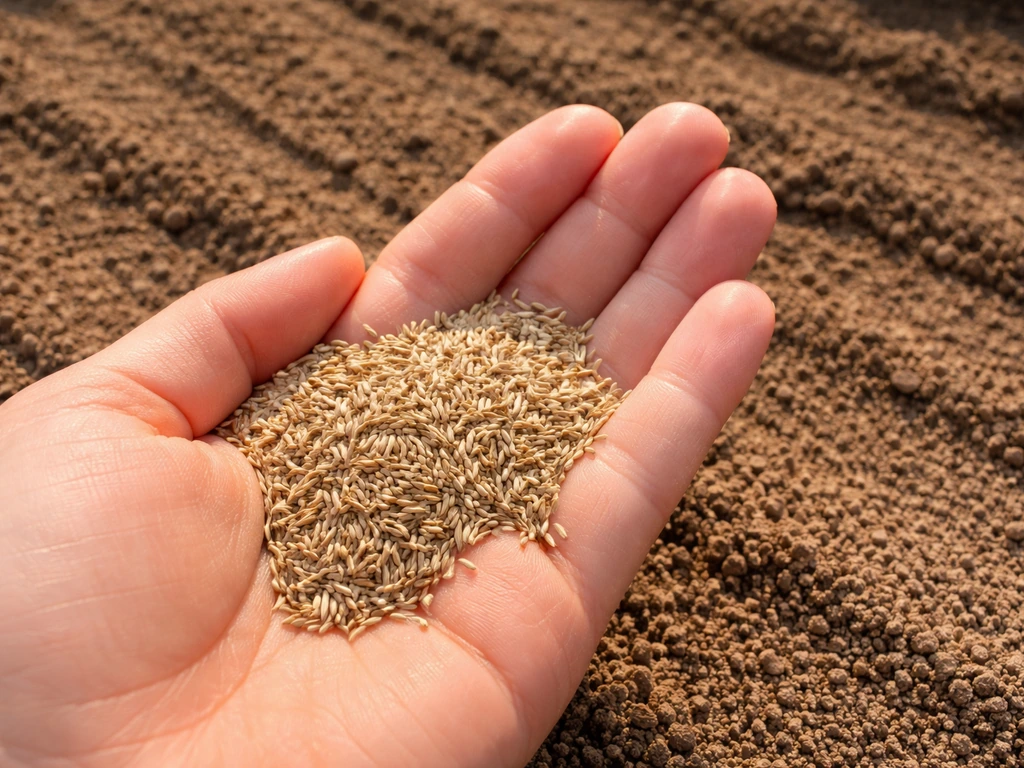
To grow Bermuda grass successfully, plant it when soil temperatures are consistently at or above 65°F (ideally 70-75°F), prepare your soil before you seed, apply seed at about 1-2 pounds of hulled seed per 1,000 square feet, keep the seedbed moist until germination (7-14 days), then back off watering as the grass establishes. That's the core of it. Everything below is the detail that separates a patchy disappointment from a thick, carpet-like lawn.
How to Grow Bermuda Grass: Step-by-Step From Seed
Marcus Tillwell
29 May 2026
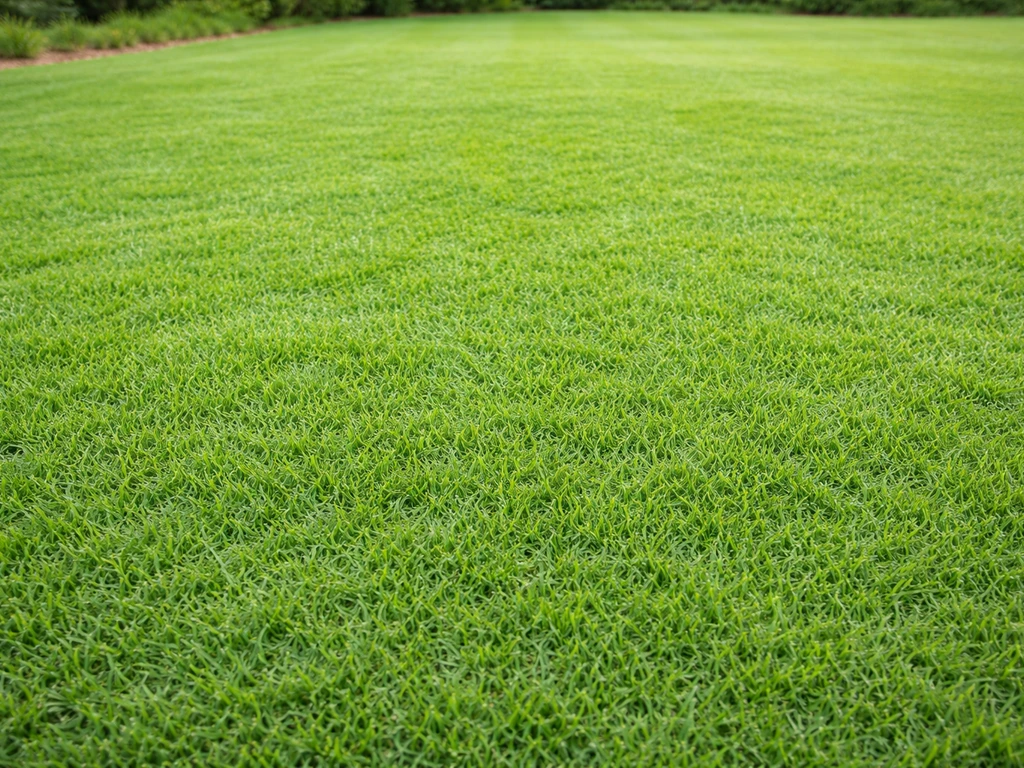
Why Bermuda grass works (and where it doesn't)
Bermuda grass is one of the toughest warm-season turfgrasses you can plant. It handles heat and drought better than almost anything else, it spreads aggressively through above-ground stolons and below-ground rhizomes to fill in bare spots on its own, and once it's established it can take a serious beating from foot traffic and heavy use. That aggressive spreading habit is actually your biggest ally when you're trying to grow a thick lawn.
But Bermuda has real limitations worth knowing upfront. It goes fully dormant and turns brown when temperatures drop in late fall, staying that way until spring warmth returns. If you live somewhere with hard freezes, expect a brown lawn for several months. More importantly, Bermuda needs full sun. It doesn't just prefer sun, it requires it. Shade kills it. If your yard gets fewer than 6 hours of direct sunlight daily, Bermuda will thin out and eventually disappear no matter what you do. That's not a fixable problem with better seed or more fertilizer. It's just the wrong grass for a shaded spot.
Bermuda thrives across the southern United States, the transition zone, and anywhere with long, hot summers. It's the go-to grass for lawns, sports fields, and golf course fairways across the South, Southeast, Southwest (including Arizona), and into parts of California. If you're in the northern US, be realistic: Bermuda may survive, but it won't build a full lawn the same way it does in Atlanta or Dallas.
Picking the right Bermuda variety (and whether to seed, sprig, or sod)
This decision matters more than most people realize. Not all Bermuda is the same, and your planting method should match your budget, timeline, and goals.
Seeded vs. hybrid Bermuda
Common Bermuda grass varieties (like Blackjack, Princess 77, Yukon, and Riviera) can be grown from seed and are a great choice for homeowners who want an affordable, DIY approach. These varieties are widely available at garden centers and online, germinate reliably in warm conditions, and produce excellent lawns. Hybrid Bermudas like Tifway 419 or TifTuf are sterile, meaning they don't produce viable seed, so you can only install those as sod or sprigs. Hybrids often have finer texture and deeper color, but they cost significantly more to install.
| Method | Cost | Time to Usable Lawn | Best For |
|---|---|---|---|
| Seed (common Bermuda) | Lowest ($0.50-$2/sq ft) | 60-90 days | Budget-conscious homeowners, large areas |
| Sprigs/plugs | Moderate | 45-75 days | Hybrid varieties, regional availability |
| Sod | Highest ($1.50-$4/sq ft installed) | 2-4 weeks | Instant results, hybrid varieties, erosion-prone areas |
For most homeowners reading this today, seeding common Bermuda is the most practical and affordable path. Sod makes sense if you need a finished lawn fast, if you're dealing with a slope that would wash out seed, or if you specifically want a hybrid variety. Sprigs are common in the South but require more labor to install correctly. If you want the full breakdown on growing Bermuda grass from seed, that topic is worth diving into separately.
Matching variety to your region
- Southeast and Gulf Coast: Any common Bermuda or hybrid works well. Tifway 419 and TifTuf dominate sod markets here.
- Texas and Southern Plains: Blackjack, Riviera, and Yukon are popular seeded varieties with strong heat tolerance.
- Arizona and the Desert Southwest: Sahara and Princess 77 are top performers in high heat and low humidity.
- Transition Zone (Tennessee, Virginia, mid-Atlantic): Yukon and Riviera have the best cold hardiness among seeded Bermudas.
- California: Common Bermuda and Blackjack work in warm inland areas; coastal climates may not get enough heat.
Site prep: the step most people skip
Poor site prep is the number one reason Bermuda lawns fail to establish. You can buy the best seed in the world and plant it on hard, weedy, pH-wrong soil and get almost nothing. Do the prep work and the rest becomes much easier.
Soil test first
Get a soil test before you do anything else. Your local cooperative extension office usually offers them for $10-20, and they'll tell you your pH, nutrient levels, and what to add. Bermuda grass does best in soil with a pH between 6.0 and 7.0. Below 6.0, add lime. Above 7.0, sulfur helps bring it down. Without knowing your starting point, you're guessing, and wrong pH locks out nutrients even when fertilizer is present.
Aerate and level
If your soil is compacted, rent a core aerator and run it over the area before seeding. This is especially important in clay soil, where compaction is severe and roots struggle to penetrate. Aeration creates channels for water, air, and roots, and the loosened soil improves seed-to-soil contact. After aerating, take a look at any low spots or high spots in your yard. Bermuda seed that pools water in low areas will rot, and seed on high spots dries out fast. Rake or use a leveling mix (a combination of sand and topsoil) to even things out before planting.
Kill existing weeds
If you're starting from scratch or dealing with a lawn that's mostly weeds, apply a non-selective herbicide like glyphosate at least 2 weeks before seeding. Let everything die completely, then rake out the dead material. Don't rush this step. Bermuda seedlings are fragile in the first few weeks and won't outcompete established weeds. You want a clean slate. If you're overseeding into an existing sparse Bermuda lawn, skip the herbicide and instead focus on scalping the grass short (mow as low as your mower goes) and raking out thatch to improve seed contact.
Timing: plant at the right soil temperature, not the calendar
The calendar is a rough guide. Soil temperature is the real indicator. Bermuda seed needs soil at 65°F minimum, and germination is dramatically better at 70-75°F. If you want to grow Bermuda grass faster, aim for the warmest soil temperatures you can and keep the seedbed consistently moist during germination how to grow bermuda grass faster. Planting too early into cold soil means seed sitting there for weeks, rotting or becoming bird food before it has a chance to sprout. Plant too late into the season and you're racing the first fall cold snap, leaving seedlings without enough time to establish before dormancy.
| Region | Typical Planting Window | Soil Temp Target |
|---|---|---|
| Deep South / Gulf Coast | April through July | 70°F+ |
| Southeast (Georgia, Carolinas) | May through early July | 70°F+ |
| Texas and Oklahoma | April through June | 70°F+ |
| Arizona / Desert Southwest | April through June | 70-75°F+ |
| Transition Zone (Tennessee, Virginia) | Late May through June | 65-70°F+ |
| California (inland valleys) | April through June | 65-70°F+ |
A $10 soil thermometer takes the guesswork out completely. Push it 2-3 inches into the soil in the morning and check the reading. If it's hitting 65°F consistently, you can plant. At 70°F, you'll see faster, more reliable germination. Late May through June is the sweet spot for most of the country, which makes right now (late May) a good time to be thinking about this. If you're in the Deep South or Arizona, you might even have a few weeks on either side of this window. If you live in Arizona, use these same Bermuda seeding steps but time your planting to your warmer soil and keep watering consistent through establishment.
How to plant Bermuda seed
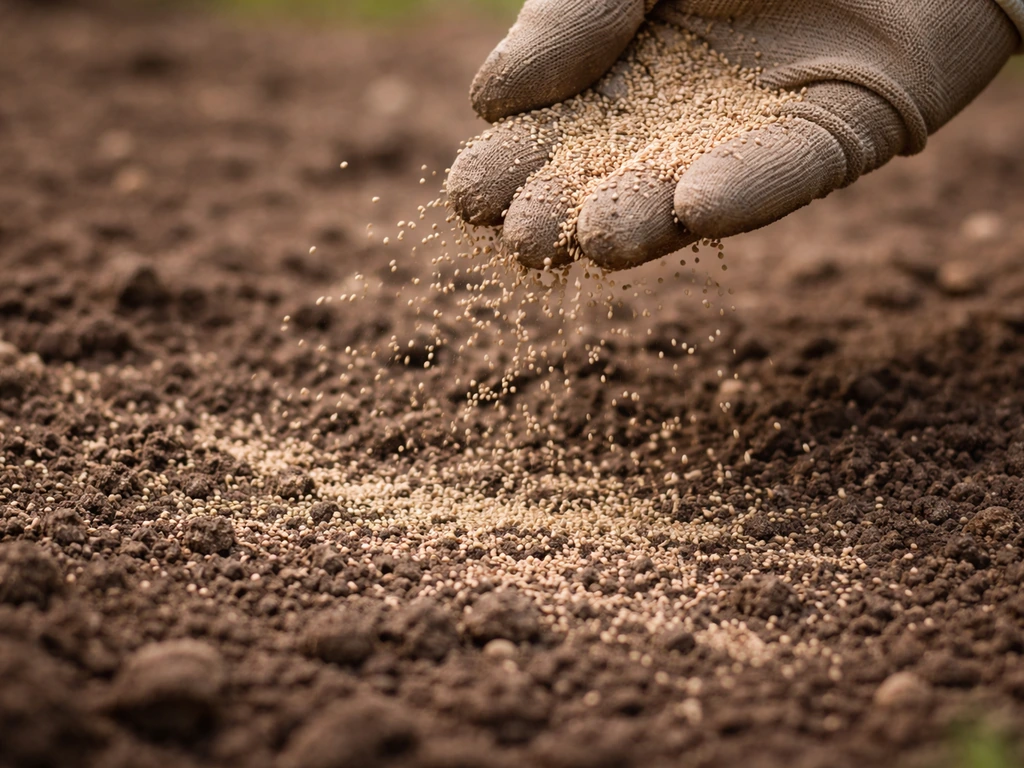
Bermuda seed is tiny, which means it needs to be close to the soil surface to germinate. You want light coverage, not deep burial. The goal is seed-to-soil contact with just enough protection to retain moisture.
Application rate and method
For hulled (coated or pure) Bermuda seed, apply at 1 to 2 pounds per 1,000 square feet. Hulled seed has the outer shell removed for faster germination and is what you want to buy. Unhulled seed takes much longer and is less predictable. Use a broadcast spreader (a drop spreader works too but is slower) and make two passes at half the rate, one perpendicular to the other. This ensures even coverage. After spreading, drag a rake lightly over the surface or use a lawn roller to press seed into contact with the soil. You're not burying it, just pressing it in.
Light topdress if conditions are dry
In hot, dry conditions or on sandy soil, a light topdress of compost (about 1/4 inch) helps hold moisture around the seed. Don't go thick with it. Just a dusting. In average conditions with regular watering, a topdress isn't strictly necessary, but it does improve results. Some people use starter soil or peat moss for the same reason. Skip the heavy straw mulch that old guides recommend. It's messy, hard to remove, and often brings in weed seeds.
Watering through germination and establishment
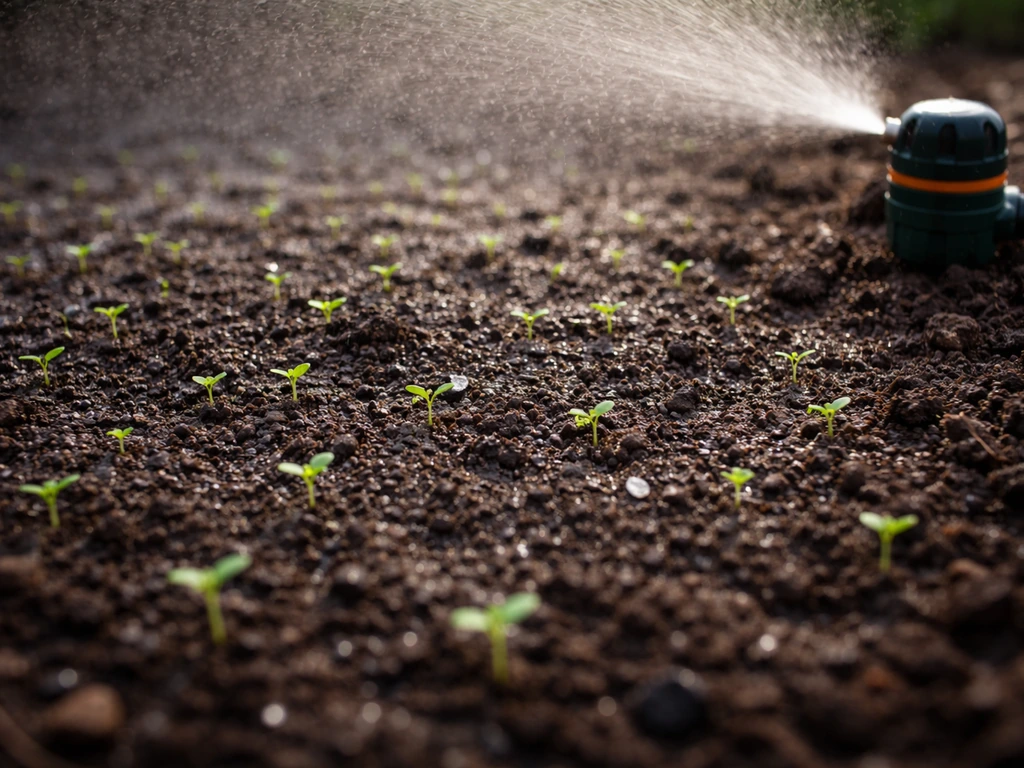
Watering is where most people either succeed or fail after good site prep. The seedbed needs to stay consistently moist during germination, but not saturated. Soggy soil causes seed to rot. Letting it dry out completely between waterings kills sprouting seedlings that have barely started.
Germination phase (days 1 through 14)
Water lightly 2-3 times per day for the first 1-2 weeks, keeping the top inch of soil moist. In hot weather (90°F+), you may need 3-4 short waterings per day. Each session should be 5-10 minutes, just enough to wet the surface without runoff or pooling. Early morning watering is ideal. If you see seed moving or washing toward low spots, you're applying too much pressure. Use a sprinkler or soaker setting, not a strong jet.
Germination timeline
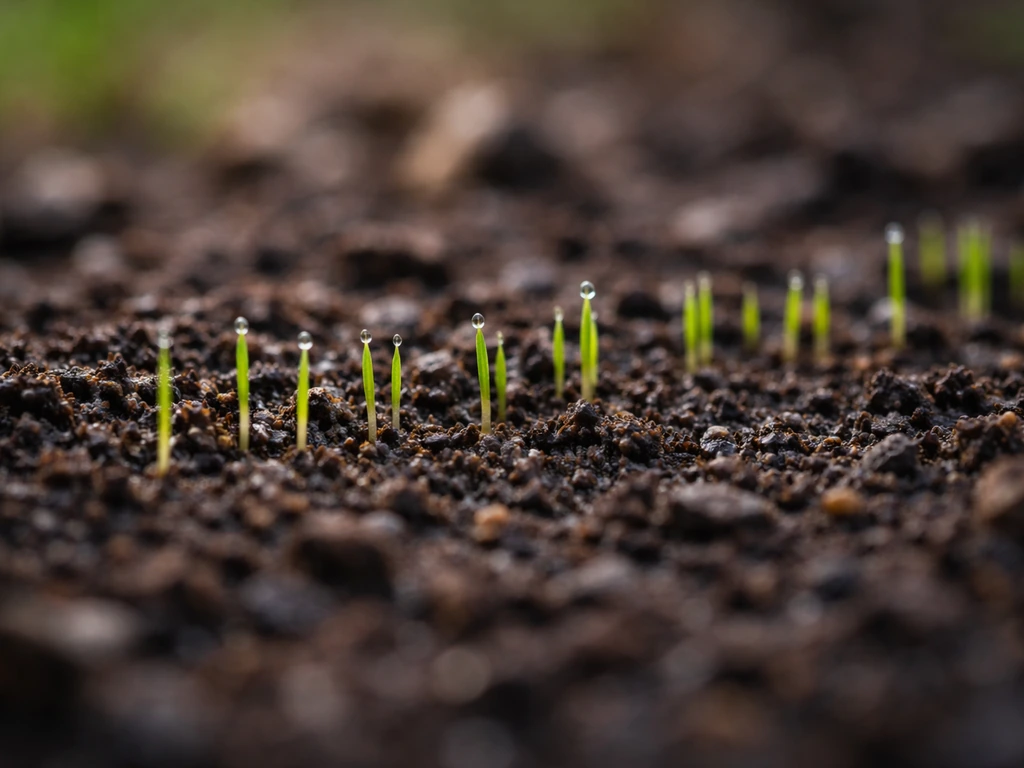
Hulled Bermuda seed typically germinates in 7-14 days at 70-75°F. At 65°F it can take 14-21 days. You'll see tiny grass sprouts that look almost like whiskers at first. Don't panic if you see uneven germination in the first two weeks. Bermuda doesn't always come up all at once. Give it 21 days before deciding something is wrong.
Establishment phase (weeks 3 through 8)
Once you see consistent coverage (usually around week 3-4), taper watering down to once per day, then eventually every other day as the grass develops deeper roots. By weeks 6-8, water deeply 2-3 times per week rather than shallow daily watering. Deep, infrequent watering encourages roots to grow down instead of staying near the surface, which makes the lawn far more drought-tolerant long term. At around 60-90 days from seeding, you should have a recognizable lawn.
Mowing, fertilizing, and thickening your Bermuda lawn
When and how to mow
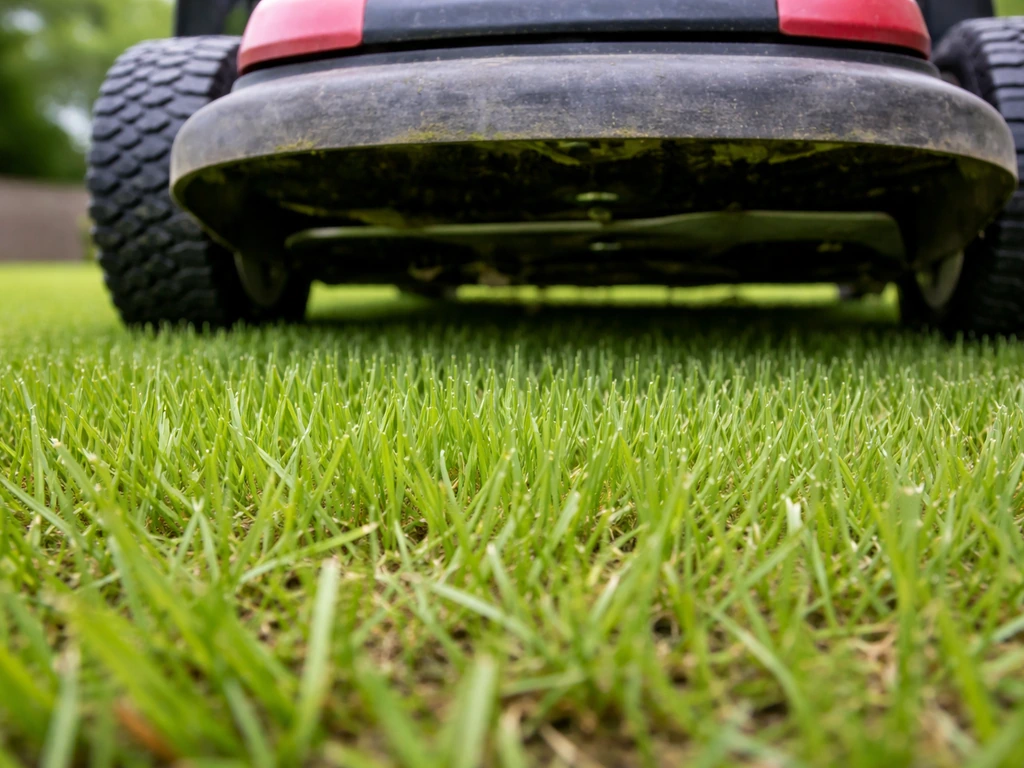
Don't mow until seedlings reach about 2 inches tall. The first mow should be set at 1.5 to 2 inches and should only take off about a third of the blade height. After that, Bermuda responds best to frequent, low mowing. Maintain a cutting height of 1 to 1.5 inches for a dense, fine-textured lawn. Mow every 5-7 days during the growing season. Skipping mows and letting Bermuda grow tall, then cutting it short, causes stress and scalping. Keep it consistently low and it will spread laterally and thicken on its own.
Fertilizing schedule
Bermuda is a heavy feeder. Once the lawn is established (around 6-8 weeks post-germination), apply a balanced starter fertilizer. After that, follow a nitrogen-focused schedule during the growing season. A general approach that works well:
- At establishment (weeks 6-8): Apply a starter fertilizer high in phosphorus (look for something like 18-24-12) to support root development.
- Late spring: Apply a balanced fertilizer like 16-4-8 or similar once the lawn is actively growing.
- Summer (every 6-8 weeks): Apply a nitrogen-heavy fertilizer (like 32-0-10 or similar) to maintain vigor and color.
- Early fall: One more application about 6 weeks before expected first frost to harden the lawn for dormancy.
- Winter: No fertilizer. Bermuda is dormant and can't use it.
Always water after fertilizing to move nutrients into the soil and prevent burn. Don't fertilize a stressed, drought-dry lawn. Get a watering in first, then fertilize.
Thickening a thin Bermuda lawn
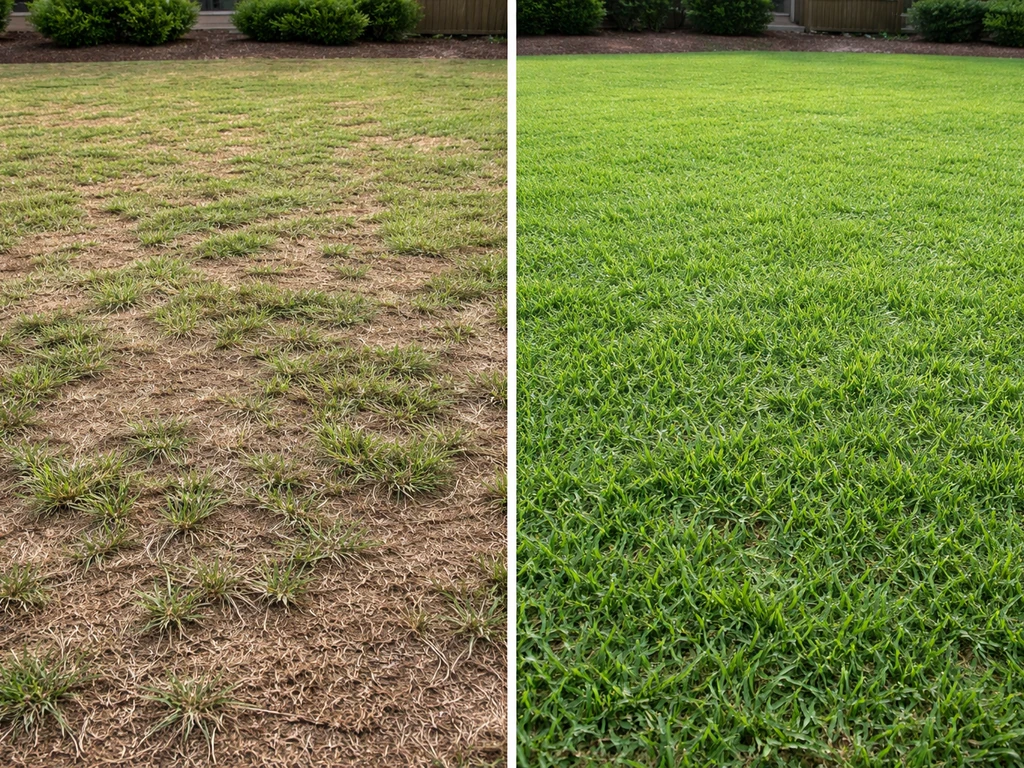
Bermuda thickens naturally through lateral spread if you mow low and fertilize consistently. To speed it up, overseed thin areas with the same variety in early summer when soil temps are warm. Scalp the area first (mow as short as possible), scratch up the soil surface lightly with a rake, apply seed at 1 pound per 1,000 square feet, and keep it moist. You can also topdress the whole lawn with a thin layer of sand or sand-compost mix in summer to smooth the surface and encourage thicker lateral growth.
Troubleshooting bare spots and common problems
Clay soil
If your soil is heavy clay, water pools on the surface instead of soaking in, and roots struggle to penetrate. The fix before seeding is core aeration followed by topdressing with a sand-compost blend worked into the holes. Repeat this every fall for 2-3 years and you'll genuinely improve clay soil. In clay, water less frequently but for longer durations once established to push water deep rather than letting it puddle on the surface. Raised areas of the lawn in clay tend to establish better than the low spots, so level aggressively before seeding.
Sandy soil
Sandy soil drains so fast that seed dries out between waterings, nutrients leach quickly, and establishing roots can be tricky. The solution is to add organic matter (compost) before seeding to improve water retention, and to water more frequently in shorter sessions during germination. Once established, Bermuda actually does quite well in sandy soil since it's naturally drought-adapted. Fertilize more often in sand because nutrients wash through faster. In Arizona and other sandy-soil regions, Bermuda can thrive with the right setup.
Shade and partial sun
This one's hard to sugarcoat. Bermuda grass does not grow in shade. If you have a spot that gets less than 4-6 hours of direct sun, Bermuda will thin out, weaken, and eventually die regardless of what you do. Partial shade (filtered light under trees, morning sun only) is marginal at best. If shade is unavoidable, consider a different grass species for that area entirely. Trying to force Bermuda into a shaded spot is a losing battle.
Pet damage
Dog urine creates brown, dead patches due to the nitrogen concentration essentially burning the grass. The spots often have a dark green ring around the dead center where nitrogen levels were lower. To fix pet spots on an established Bermuda lawn: water the area heavily to dilute the urine salts, let it dry, then scratch the surface and apply seed at 1-2 pounds per 1,000 square feet in the damaged area. Keep it moist and it should fill in within a few weeks. If pets repeatedly use the same spots, no amount of reseeding will keep up. Training dogs to use a designated spot (even a gravel or mulch area) is the real long-term fix.
Seed didn't germinate or lawn looks spotty after 3 weeks
First, check soil temperature. If it's below 65°F, the seed is just sitting there and may still germinate when it warms up. Second, check consistency of watering. Even one day of the seedbed completely drying out can kill emerging sprouts. Third, make sure you actually have hulled seed and not unhulled. Unhulled Bermuda seed can take 30+ days to germinate. If everything checks out and you're at day 21+ with minimal germination, overseed the sparse areas at half rate again and stay consistent with watering. Bermuda germination is rarely 100% even in ideal conditions.
Growing Bermuda grass from seed is genuinely one of the most rewarding lawn projects you can do if you're in the right climate and have full sun. The key is stacking the conditions in your favor: warm soil, clean seedbed, consistent moisture, and patience through those first few weeks. Once Bermuda takes hold, it's one of the toughest lawns you can grow.
FAQ
Can I seed Bermuda grass in winter or early spring?
Yes, but only if you still meet the warm-soil rule. If your soil temperature is not at least 65°F, the seed may sit for weeks. For winter overseeding, expect dormancy and minimal establishment until spring warmth returns, so plan seeding for a consistent warm window rather than just a calendar date.
What’s the latest I can seed Bermuda and still get a thick lawn?
The best time is when you can keep the seedbed consistently moist for 7 to 14 days (roughly 14 to 21 days near 65°F). If you can maintain moisture and soil stays warm through that period, you can seed later than “late May,” but if a cold snap is likely soon after germination, you risk thin coverage before dormancy.
How deep should I bury Bermuda seed?
You should avoid it. Bermuda seed needs light coverage and direct seed-to-soil contact, so deep burial smothers it or keeps it too dry. Lightly rake or roll after spreading, you are pressing it in, not burying it, and any mulch should be a thin dusting only (like a light compost topdress).
How do I know if I’m watering too much or too little during germination?
Use a “surface wet” approach. If water is pooling, runoff is happening, or you see seed washing toward low areas, reduce pressure or shorten run times and switch to a gentler sprinkler or soaker setting. Bermuda seedlings can rot if the top few inches stay saturated.
My Bermuda lawn is patchy, should I reseed right away?
Yes, but treat this as troubleshooting rather than a new planting. Uneven emergence can be normal early on, wait at least 21 days before panicking. If by week 3 or 4 coverage is clearly thin, overseed again at about half the original rate, then keep moisture consistent.
When should I fertilize Bermuda seeded from seed?
For most seedings, skip starter fertilizer until after seedlings are up and you’re through the fragile germination phase (about 6 to 8 weeks after). If you use fertilizer too early or on a drought-stressed bed, you can burn seedlings. Always water in after fertilizing and never fertilize a dry, stressed lawn.
Does watering schedule change for sandy soil vs clay soil?
If you have a sandy or very free-draining area, you may need more frequent watering during germination, and you can also topdress with a thin compost layer (about 1/4 inch) to slow moisture loss. For clay that stays wet, aerate first and level aggressively so seed does not sit in puddles.
Will Bermuda grow under trees or in partial shade if I fertilize more?
If shade is unavoidable, treat it as a site-selection issue. Bermuda needs substantial direct sun to persist long term, filtered light often is not enough. Consider switching that area to a shade-tolerant turf species instead of trying to compensate with extra seed, fertilizer, or watering.
How do I transition from daily watering to a long-term Bermuda irrigation routine?
Yes, but the goal is to support establishment, not to “keep it alive forever.” In hot weather, deeper roots form when you gradually taper to less frequent, deeper watering after coverage is consistent. A common mistake is staying on daily shallow watering, which keeps roots near the surface and makes the lawn less drought-tolerant.
When should I start mowing Bermuda seedlings and how short should I cut?
Mow height and frequency matter, and the first mow is a key moment. Wait until seedlings reach about 2 inches tall, cut only about one-third of the blade, and keep the mower set roughly 1 to 1.5 inches for density later. Scalping, mowing too early, or letting it grow tall between cuts can slow spread.
How do I fix dead Bermuda spots caused by dog urine?
Dog urine usually creates repeatable, localized dead patches. Reseeding helps only if the area gets the right moisture and the dog stops returning. Water the spot heavily to dilute, then let it dry, lightly disturb the surface, and reseed at 1 to 2 pounds per 1,000 square feet. If the dog keeps using the same spot, you will keep fighting it.
What’s the best way to thicken up thin Bermuda patches?
You can speed fill in, but overshoot the moisture and mowing rules instead of just adding more seed. For thin areas, scalp low first, scratch lightly for seed contact, then overseed at around 1 pound per 1,000 square feet (or half rate for a patchy refresh) and keep that area consistently moist for germination. Finish with low frequent mowing so spreading is encouraged.
Citations
Texas A&M AgriLife notes bermudagrass is one of the most heat- and drought-tolerant warm-season turfgrasses, and irrigation scheduling should follow local conditions/ET rather than fixed timing.
https://agrilifeextension.tamu.edu/library/landscaping/bermudagrass-home-lawn-management-calendar/
University of Maryland Extension states bermudagrass dies out in shade (i.e., it is not shade tolerant for maintaining a lawn).
https://www.extension.umd.edu/resource/bermudagrass-or-wiregrass
University of Georgia extension explains that bermudagrass enters dormancy when temperatures drop in late fall and resumes active growth when temperatures warm in spring (contrast: other warm-season turfs may winter-injure more if sodded late).
https://site.extension.uga.edu/gmanr/2025/01/installing-turfgrass-in-the-winter/
Next Article
Can You Grow Bermuda Grass From Seed? Step-by-Step Guide
Learn if you can grow Bermuda grass from seed and get step-by-step planting, watering, timing, and troubleshooting.