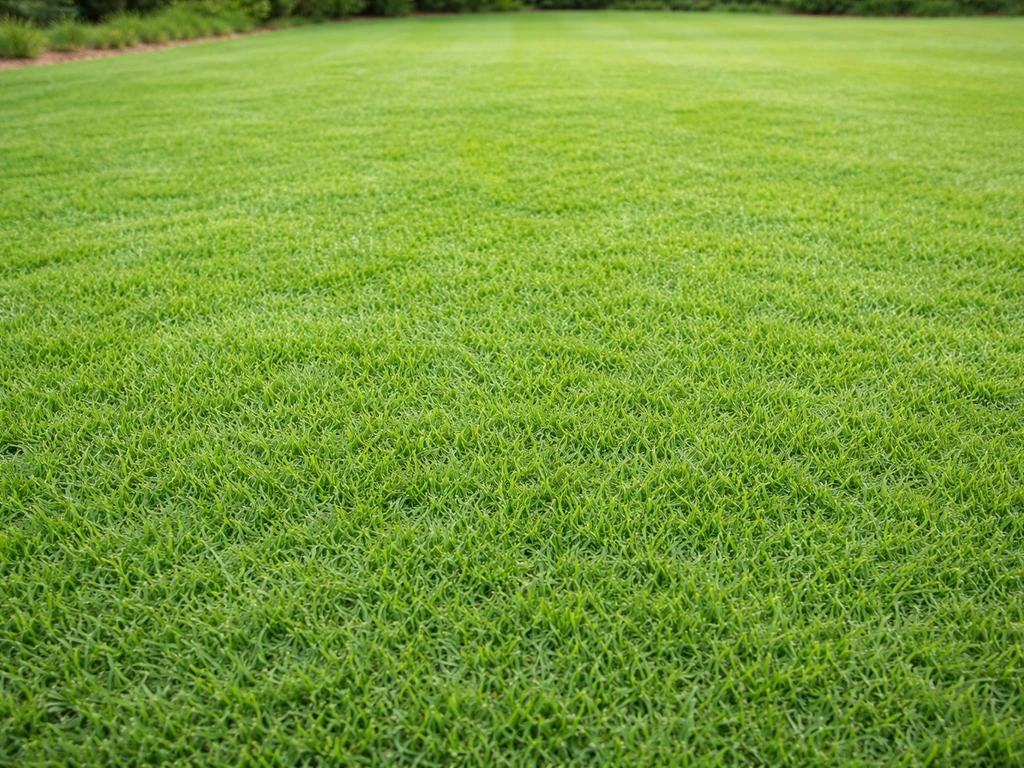
Bermuda grass grows actively in Arizona from roughly late spring through early fall, and the sweet spot for planting is when your overnight low temperatures consistently hit 60°F or above. In the Phoenix, Tucson, and low-desert areas, that usually means late April through August is your window. If you plant before nighttime temps reach 60°F, the seed just sits in the soil and often rots before it ever sprouts. Get the timing right, and you can have a fully established bermuda lawn in about a month from seed, or as little as two to three weeks if you go the sod or sprig route.
How to Grow Bermuda Grass in Arizona: Planting Timing & Care
Marcus Tillwell
30 May 2026
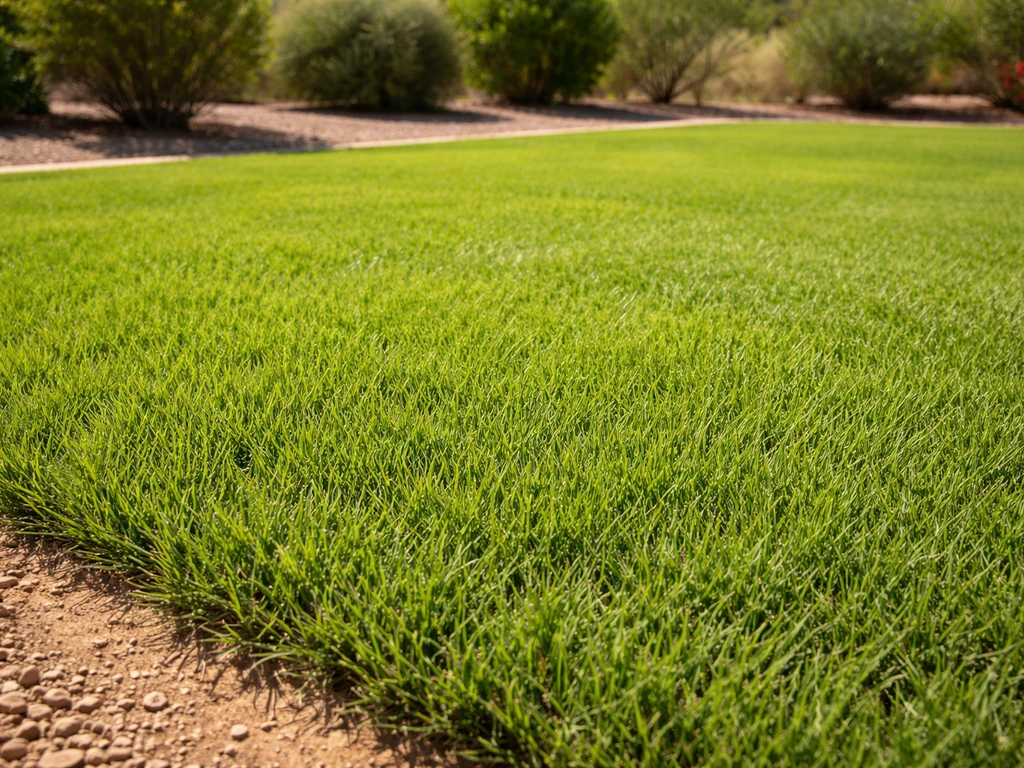
When bermuda grass actually grows in Arizona
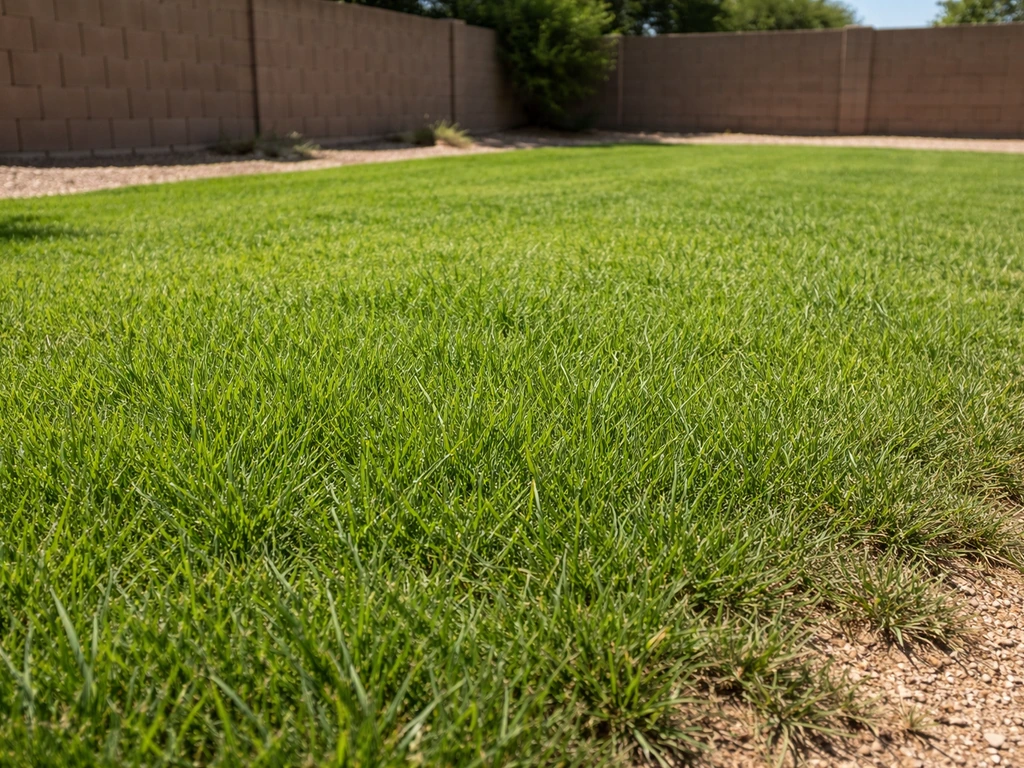
Bermuda grass is a warm-season perennial, which means it runs on heat. In Arizona's low desert, it thrives during the hottest months of the year rather than despite them. The University of Arizona Cooperative Extension calls bermudagrass the best-adapted turfgrass for low-elevation heat, and if you've ever watched it explode in July while everything else looks cooked, you understand why.
The practical rule for planting is simple: wait until your nighttime low air temperature is at or above 60°F. In Phoenix and the surrounding low desert, that typically happens in late April or early May. In Tucson, the UA Extension's official seeding window opens around May 25. For Tucson seeding of common and improved seeded bermudas, the University of Arizona Cooperative Extension lists the planting or establishment window as roughly May 25 through August In Tucson, the UA seeding window for common and improved seeded bermudas runs from about May 25 to August. If you're at a higher elevation, like Prescott or Flagstaff, the window gets much shorter and much later, and in some cases bermuda is simply not a reliable choice there.
On the other end of the season, bermuda goes dormant once soil temperatures cool in the fall. Tucson lawns typically see dormancy signals in October. Phoenix and Casa Grande hold onto active growth a bit longer into fall. This is also the window, late September in Tucson and mid-October in Phoenix and Casa Grande, when people often overseed their dormant bermuda with a cool-season grass like ryegrass to keep a green lawn through winter. That's a separate strategy from establishing a permanent bermuda lawn, but it helps to understand the full seasonal arc.
| Location | Earliest Planting (Seed) | Peak Growing Season | Dormancy Begins |
|---|---|---|---|
| Phoenix / Casa Grande / Yuma | Late April | May–September | November |
| Tucson | May 25 | June–August | October |
| Higher elevations (Prescott, Flagstaff) | Late May–June (if at all) | July–August only | September |
Choosing the right bermuda grass type for your yard
Not all bermuda grass is the same, and the type you choose will determine whether you can even start from seed. This is one of the first decisions to get right.
Seeded bermuda: Arizona Common and improved varieties
Arizona 'Common' bermudagrass is the old standby. It's widely available, affordable, and easy to establish from seed. Improved turf-type seeded bermudas have been developed more recently and offer better density, finer leaf texture, and often better drought tolerance than common. Both can be started from seed, which is the most budget-friendly route and fits well with a DIY approach. The typical seed rate for common and improved seeded bermudas in Arizona is 1.0 to 1.5 pounds of seed per 1,000 square feet.
Hybrid bermuda: sod or sprigs only
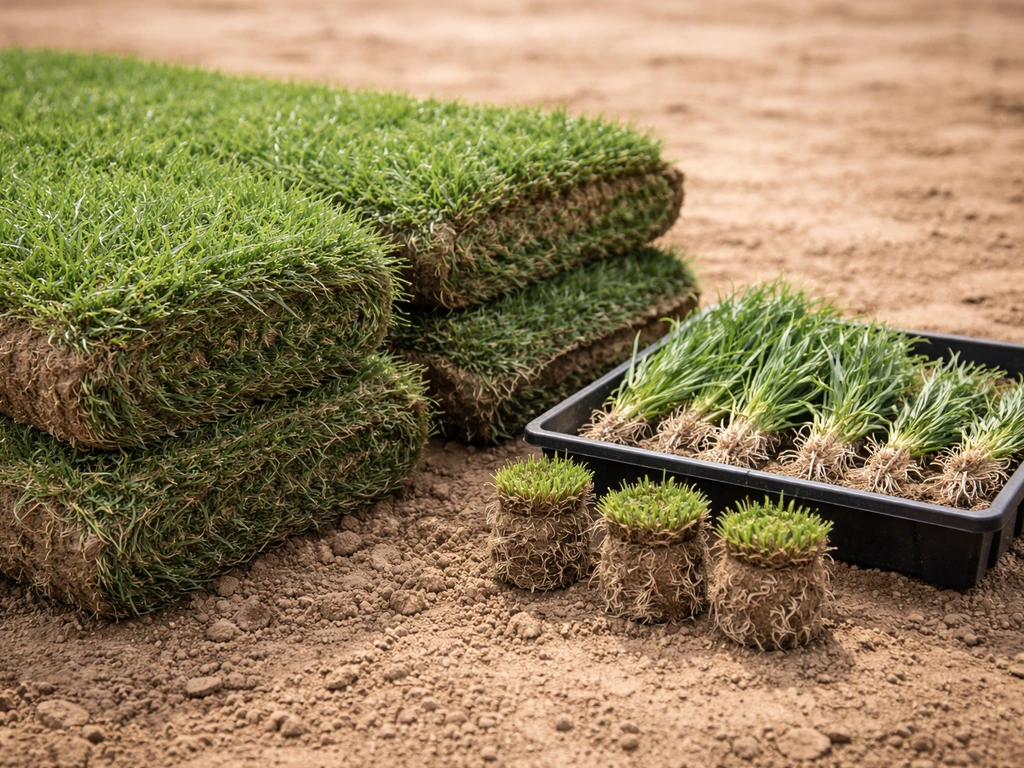
Hybrid bermudagrass varieties, like Tifway 419 or TifTuf, cannot be established from seed at all. They're sterile hybrids, so the only way to get them is through sod, plugs, sprigs, or stolons. Hybrids typically offer a finer texture, better density, and improved wear tolerance compared to seeded types, which makes them popular for high-traffic yards or nicer-looking lawns. The tradeoff is cost: sod runs significantly more than a bag of seed.
| Type | Can Establish from Seed? | Establishment Method | Best For |
|---|---|---|---|
| Arizona Common Bermuda | Yes | Seed | Budget-friendly DIY lawns |
| Improved Seeded Bermuda | Yes | Seed | Better texture, still DIY-friendly |
| Hybrid Bermuda (Tifway, TifTuf, etc.) | No | Sod, sprigs, plugs, stolons | Premium lawns, high-traffic areas |
For most Arizona homeowners doing this themselves and working within a normal budget, a good improved seeded bermuda is the practical choice. If you want the premium look and feel of a hybrid, budget for sod or at minimum sprigs, and plan for vegetative establishment instead.
Site assessment: sun, drainage, and your Arizona soil
Before you buy a single bag of seed or roll of sod, walk your yard with honest eyes. Bermuda is not forgiving of the wrong conditions, and Arizona throws a few specific challenges at you.
Sun requirements
Bermuda grass needs full sun, meaning at least 6 to 8 hours of direct sunlight per day. It will thin out noticeably in partial shade and fail entirely in heavy shade. If your yard has large trees, walls, or structures casting shade for most of the day, bermuda is a poor choice for those spots. Be honest about this. I've seen homeowners seed an entire yard in bermuda only to watch half of it fail because of afternoon shade from a block wall. In shaded areas, you'll need a different strategy.
Drainage
Bermuda can handle Arizona's monsoon deluges as long as water drains off within a few hours. Standing water for more than a day will weaken roots and invite disease. If your yard holds water in low spots after rain or irrigation, you'll want to address that before planting. Simple grading with a flat-headed rake can fix minor pooling. More serious drainage problems may need a dry creek bed or French drain before you establish turf.
Arizona soil: what you're actually dealing with
Arizona soils are notoriously alkaline. Most range from pH 7 to pH 8, and soils with limestone parent material can sit at pH 8.5 or higher. Bermuda grass prefers a pH between 6 and 7, so even at the lower end of Arizona's range, you may see some nutrient availability issues. The good news is that bermuda is more tolerant of alkaline soils than many grasses. Get a soil test before you start, and if you haven't done one before, the UA Cooperative Extension office offers free or low-cost pH testing. It takes the guesswork out.
Many Arizona yards also have caliche, a hardpan layer of calcium carbonate that can sit just a few inches below the surface. If your soil is rock-hard six inches down and water pools on top during irrigation, you likely have caliche. Breaking through it with a pick or renting a rotary tiller matters a lot for root development. Sandy soils, common in the Yuma area, drain too fast and need organic matter added before seeding. Clay-heavy soils need gypsum and aeration to break up compaction and improve drainage.
Soil prep and how to plant bermuda grass in Arizona
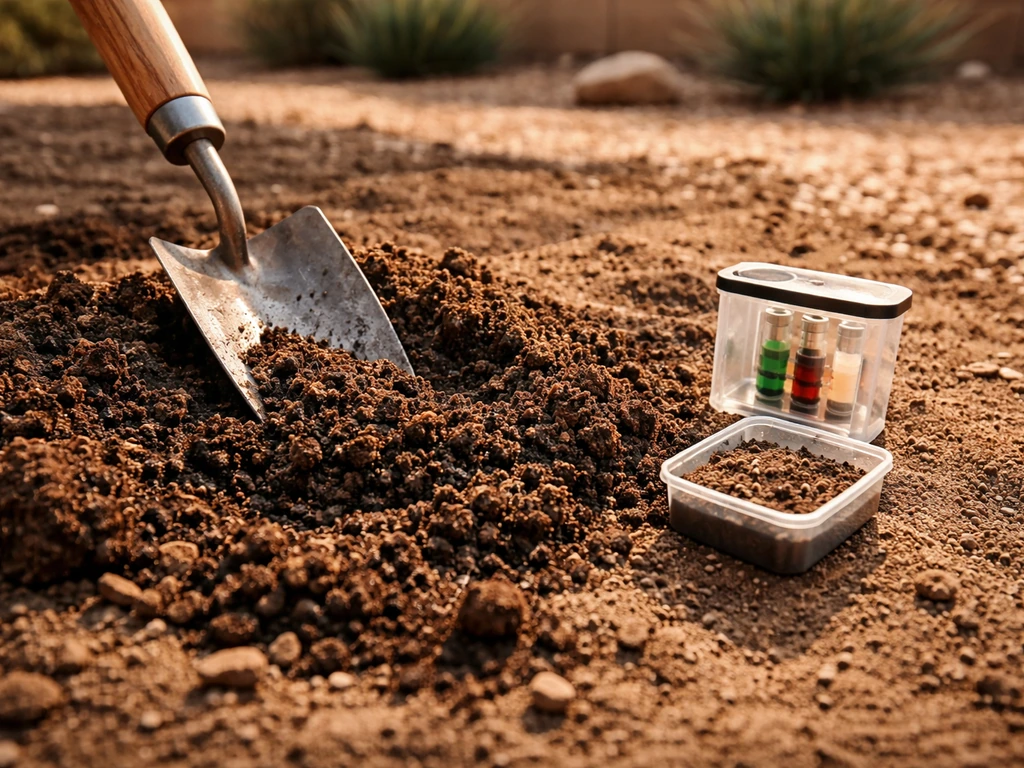
Good prep is the difference between a lawn that establishes in four weeks and one that's still patchy in October. Don't rush this part.
Seeding step by step
- Test your soil. Get a basic pH test and note your soil type (clay, sandy, loam). This tells you what amendments to add before anything else.
- Clear the area. Remove existing weeds, rocks, and debris. If you have existing dead grass or thick thatch, rake it out or use a dethatching rake. You want good seed-to-soil contact.
- Till the top 4 to 6 inches. Loosen the soil with a rented tiller or a sturdy garden fork. If you hit caliche, break through it. Add 2 to 3 inches of compost and work it in to improve soil structure and water retention.
- Level and grade. Rake the surface smooth and slope it slightly away from your house. Fill any low spots that would hold standing water.
- Amend based on your soil test. If pH is above 8, work in sulfur to bring it down gradually. Sandy soil needs extra compost. Clay or hard-packed soil benefits from gypsum.
- Apply starter fertilizer. A starter fertilizer with phosphorus encourages root development in new seedlings. Apply per package directions before seeding.
- Spread your seed. Use a broadcast spreader for even coverage. Apply at 1.0 to 1.5 pounds of hulled bermuda seed per 1,000 square feet. Make two passes in perpendicular directions to get even distribution, the same technique used when overseeding established lawns.
- Rake lightly and roll. Lightly rake the seed in so it makes contact with the top quarter inch of soil. If you have a lawn roller, a light pass helps press seed against the soil.
- Water immediately. Start your first watering right after seeding. From here, keeping that seed moist is your full-time job for the next few weeks.
Vegetative establishment (sod, sprigs, plugs, and stolons)
If you're going with sod, the prep steps are similar but you don't need to worry about seed-to-soil contact. Lay sod on a leveled, amended surface, stagger the seams like brickwork, press edges firmly together, and roll or tamp the surface so the sod contacts the soil underneath. Water immediately and keep it consistently moist for the first two weeks. Sod gives you an essentially instant lawn and is the most reliable method in Arizona's heat.
For sprigs and stolons, which work well with hybrid varieties that can't be seeded, aim for about 50% stolon coverage across the soil surface when placing them. Spread them evenly, press them into the soil, and keep them moist until they root and begin to spread. UA Extension notes that sprigs typically establish in two to three weeks in low-elevation Arizona conditions. Plugs work similarly: plant them in a grid pattern 6 to 12 inches apart and water them in well.
Watering and early care during germination and spread
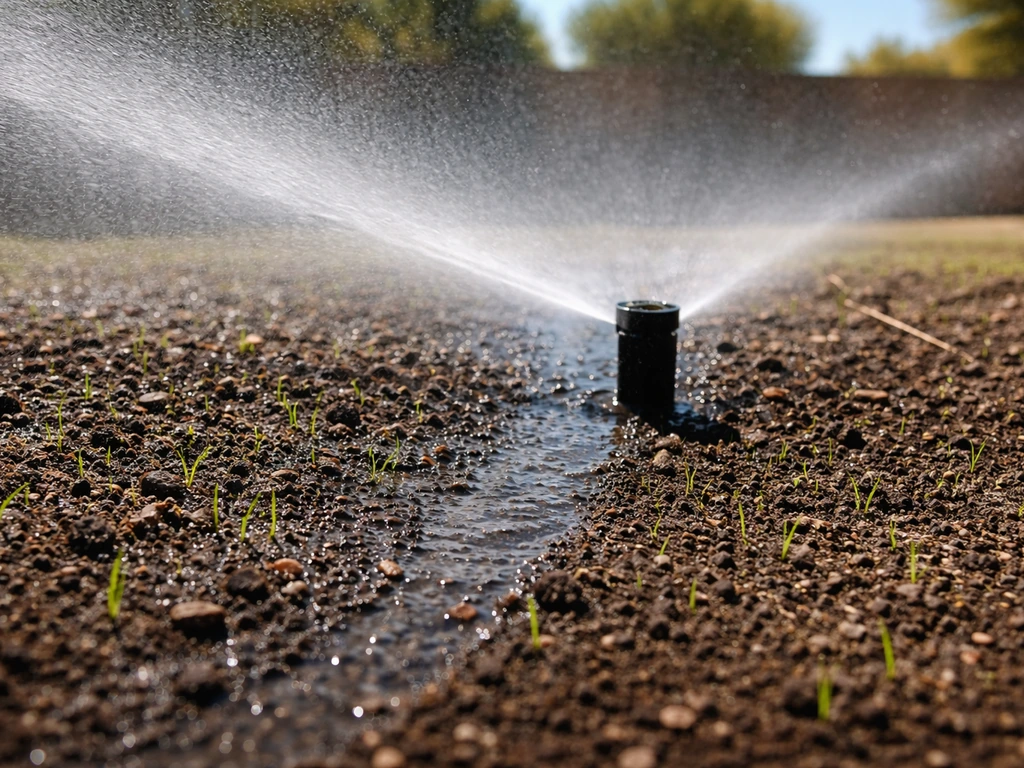
Arizona summer heat will dry out a freshly seeded lawn in under an hour if you're not careful. This is the part most people underestimate. Bermuda seed needs to stay consistently moist, not flooded, but never allowed to dry out completely from the moment you plant until the seedlings have a real root system.
During germination (roughly the first one to two weeks after seeding), you need multiple short waterings throughout the day. Think light and frequent: three to five minutes every two to three hours during daylight hours is a reasonable starting point, adjusted based on how fast your soil dries. Early morning, midday, and late afternoon are the critical times. Germination typically takes seven to fourteen days when soil temperatures are in the ideal 80 to 95°F range, which is easy to hit in an Arizona summer.
Once seedlings are visible and about half an inch tall, start transitioning toward deeper, less frequent watering. Reduce frequency to once or twice daily, but increase the run time so water penetrates deeper. This encourages roots to chase moisture downward. By weeks three and four, you can begin watering like an established lawn: deep and infrequent, two to three times per week depending on heat and soil type. From seed to fully established lawn is about a month in Arizona's low desert.
For sod and sprigs, the same early-care logic applies but the timeline compresses. Keep sod constantly moist for the first week, then taper as roots anchor in. By week two, sod should be well-rooted and you can start reducing frequency.
Mowing, fertilizing, and weed control as your lawn fills in
When and how to mow
Don't mow too early. Wait until seedlings or sod has rooted enough that they don't pull up when you walk on the lawn, typically two to three weeks after germination for seed and about two weeks after laying sod. Your first mow height for seeded bermuda should be around 1 to 1.5 inches. Keep a sharp blade and never remove more than one-third of the blade height at once. Once established, bermuda can be maintained anywhere from 0.5 to 2 inches depending on the variety and your preference for appearance.
June, July, and August, once your lawn is established, is also the ideal window for dethatching, vertical mowing, and aerification according to UA Cooperative Extension. These practices stimulate new growth and help bermuda spread aggressively during its peak growing season.
Fertilizing during the growing season
Bermuda is a heavy feeder during active growth. Plan for 2 to 4 pounds of actual nitrogen per 1,000 square feet per year, applied across the growing season from roughly April through September. Don't apply all of it at once. Divide it into three or four applications spaced about four to six weeks apart during the active growing season. Use a balanced fertilizer or a lawn-specific product with nitrogen, phosphorus, and potassium. Because Arizona soils are alkaline, iron deficiency can show up as yellowing even when nitrogen levels are fine. An iron supplement or fertilizer that includes iron will help maintain color.
Weed control
Newly seeded bermuda lawns are especially vulnerable to weeds in the first four to six weeks because the canopy hasn't closed enough to shade out competition. Avoid applying pre-emergent herbicides before or right after seeding because they'll inhibit germination. Hand-pull weeds as they appear during establishment. Once your bermuda is thick and established, which usually means by the end of the first summer, a pre-emergent applied in early spring will knock back summer annual weeds before they start. Post-emergent spot treatment handles anything that gets through. Keep in mind that bermuda itself can spread aggressively into garden beds and neighboring areas, so edging regularly keeps it in bounds.
Why your bermuda won't take (and what to do about it)
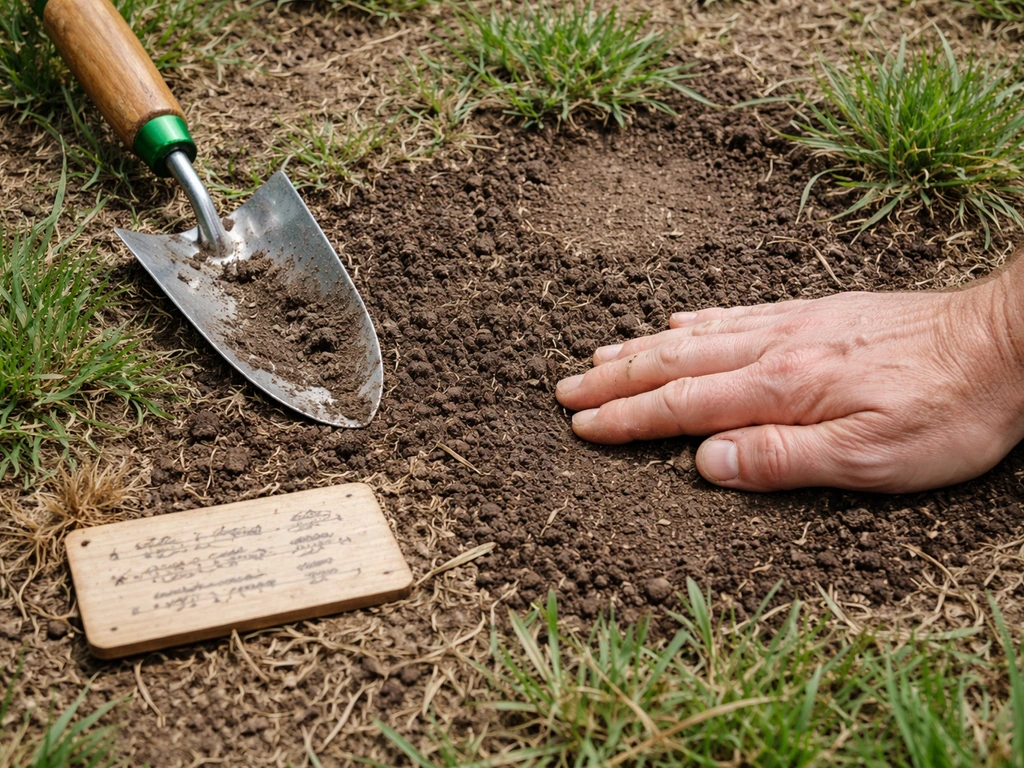
If things aren't going according to plan, one of a handful of issues is almost always the culprit. Here's what to check:
- Planted too early: If nights are still dropping below 60°F, seed will sit dormant or rot. Check your 10-day forecast and wait. Patience here is not optional.
- Soil dried out during germination: This is the number one killer of bermuda seed in Arizona. If the soil surface dried out even once during those first two weeks, germination fails. Increase your irrigation frequency immediately and stay consistent.
- Too much shade: Bermuda will not thrive with less than 6 hours of direct sun. If patchy areas correspond to shaded zones, bermuda is not the right grass for those spots.
- Caliche or compacted soil blocking roots: If seedlings sprout but then stall and thin out, dig down a few inches. If you hit a concrete-like layer, you have caliche that needs to be broken up before roots can establish.
- High soil pH locking out nutrients: Yellowing seedlings in alkaline soil often aren't nitrogen-deficient, they're iron-deficient because high pH makes iron unavailable. A soil test will confirm this. Add sulfur to lower pH gradually and use a fertilizer with chelated iron.
- Seeded with a hybrid variety: Hybrid bermuda seed sold at some stores is either not viable or mislabeled. Hybrids cannot be grown from seed. If you bought a hybrid variety and planted it as seed, it won't germinate. You'll need to switch to a seeded variety or go the sod or sprig route.
- Overwatering after establishment: Once bermuda is rooted, daily watering encourages shallow roots and can lead to fungal issues. Transition to deep, infrequent watering by week four.
- Bare spots after first month: Bermuda spreads by stolons and rhizomes, so thin areas will fill in naturally during active growing season. If bare spots persist after six weeks, overseed those areas with fresh seed, roughen the surface first, and water them the same as a new seeding.
Getting bermuda established in Arizona is genuinely straightforward once you get the timing right and commit to the watering schedule during those first few weeks. If you still need a full start-to-finish plan for your yard, see our guide on how to grow bermuda in Arizona. The grass itself wants to grow here, the climate is made for it. Your job is mainly to not get in the way during germination, and then to step back and let Arizona's heat do the rest. Whether you're going from seed (the most practical approach for most homeowners) or exploring faster options like sod and sprigs, the fundamentals are the same: right timing, right prep, right water. Nail those three, and you'll have a dense bermuda lawn before the summer is out.
FAQ
Can I grow bermuda grass in Arizona from seed if nights are still below 60°F?
It usually fails. If overnight lows are under 60°F, seed often sits too long, then rots or stays dormant. If you are close to the threshold, you can delay seeding until lows stabilize, or wait for the more reliable low-desert window (late April to early May in Phoenix, around late May in Tucson).
How much sun does bermuda need, and what if my yard gets afternoon shade only?
Aim for at least 6 to 8 hours of direct sun, even if the shade is only afternoon. Bermuda can thin quickly in partial shade, so a small portion of block-wall or tree shade can create a noticeable patchy pattern that is hard to fix without changing the shade exposure.
What should I do about standing water after monsoon storms?
You need drainage before planting. Bermuda can tolerate heavy rain if water drains within a few hours, but water that lingers for a day weakens roots and increases disease risk. If low spots pool after irrigation or rain, fix with grading first, and consider a French drain or dry creek bed for persistent pooling.
Do I need a soil test even if bermuda is supposed to handle alkaline soil?
Yes. Bermuda tolerates higher pH better than many grasses, but nutrients can still become less available, leading to slow growth or persistent yellowing. A soil test helps you choose the right fertilizer and confirm whether you also have caliche or compaction issues.
How can I tell if caliche is stopping roots in my yard?
Look for a hard, rock-like layer just a few inches down where water pools on top during irrigation. If you notice water sitting on the surface while the ground below stays hard, you likely have caliche. In that case, plan on breaking through it (rent a rotary tiller or address it with proper tools) so roots can spread.
What’s the most common mistake during germination watering?
Letting the surface dry completely even briefly. Bermuda seed needs consistently moist conditions, not flooded, but not drying out. In extreme heat, evaporation can be fast, so increase watering frequency based on how quickly the top layer dries, not just by following a fixed schedule.
Should I fertilize right after seeding or laying sod?
Hold off on heavy feeding immediately. During establishment, the priority is moisture and root formation, and early over-fertilizing can stress seedlings. Use your first nitrogen applications after germination is underway and adjust timing to match the active growth season rather than applying everything at once.
When is it safe to mow newly seeded bermuda?
Wait until seedlings or sod are rooted enough that walking does not pull them up. Typically that is about two to three weeks after germination for seed, and about two weeks after laying sod. Your first mow height for seeded bermuda should be about 1 to 1.5 inches.
Will overseeding ryegrass in winter stop bermuda from coming back?
Usually it does not, as long as you treat it as a temporary strategy and avoid harming bermuda in spring. Keep in mind ryegrass can compete for water and nutrients during cooler months, so be ready to transition back to bermuda-focused watering and fertilization as temperatures rise.
Can I use pre-emergent herbicides right after I seed bermuda?
Avoid it. Pre-emergent products can inhibit germination if applied before or right after seeding. During the first four to six weeks, manage weeds with hand-pulling or spot treatments, then consider a pre-emergent in early spring once bermuda is thick and established.
What fertilizer schedule works best if my bermuda turns yellow from iron deficiency?
Plan for 2 to 4 pounds of actual nitrogen per 1,000 square feet across the active season, split into 3 or 4 applications. If yellowing appears despite reasonable nitrogen, add a fertilizer that includes iron, since alkaline Arizona soils can contribute to iron availability problems.
If my bermuda spreads into my neighbor’s yard or flower beds, how do I control it?
Use regular edging and consider physical barriers along boundaries. Bermuda spreads aggressively by stolons, so mowing and edging help, but hard edges or edging that actually cuts into the soil line is more effective than surface-only trimming.
Next Article
How to Grow Bermuda Grass: Step-by-Step From Seed
Step-by-step guide to grow Bermuda from seed, including timing, soil prep, seeding rates, watering, mowing, and fixes.