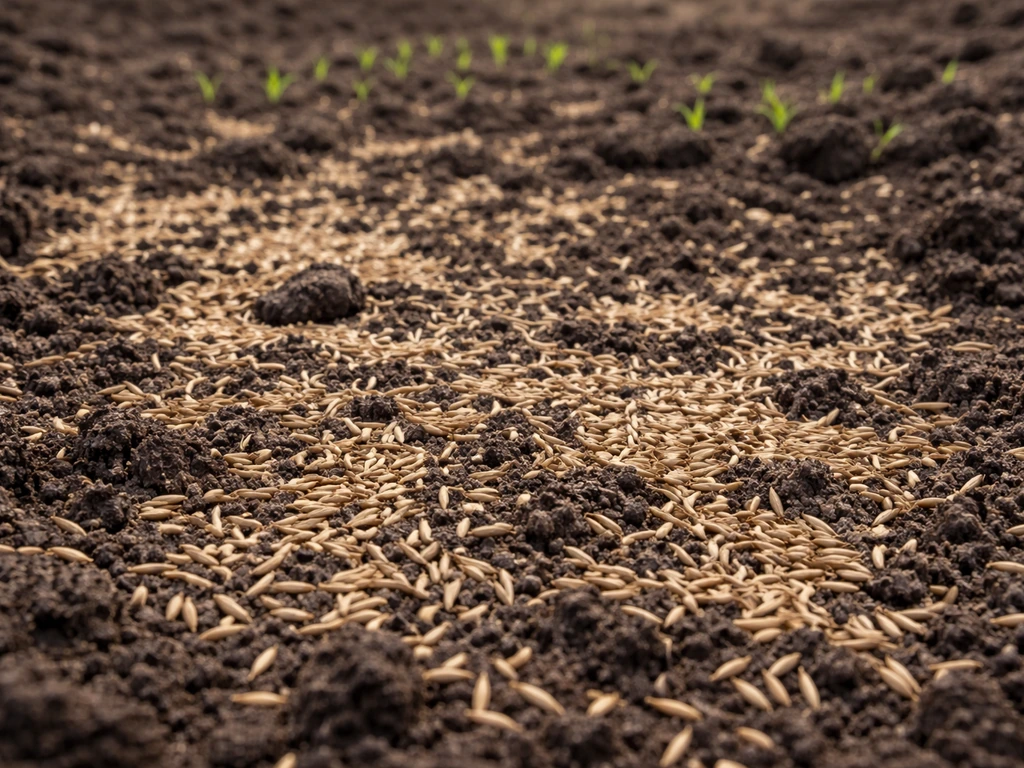
Bermuda grass grows fastest when soil temperatures are consistently above 65°F (ideally 75–85°F), it gets at least 6–8 hours of direct sun per day, and you keep it fed, watered, and mowed correctly. Under those conditions, seeded bermuda can blank" rel="noopener noreferrer">germinate in as little as 7–10 days and reach mowable height in 3–4 weeks. Sod or plugs skip germination entirely and can knit together and spread noticeably within 2–4 weeks. If your bermuda is crawling instead of sprinting, the fix is almost always one of five things: wrong timing, wrong soil conditions, insufficient fertilizer, inconsistent watering, or mowing too high.
How to Grow Bermuda Grass Faster: Step-by-Step Plan
Marcus Tillwell
1 May 2026
What actually makes bermuda grow fast
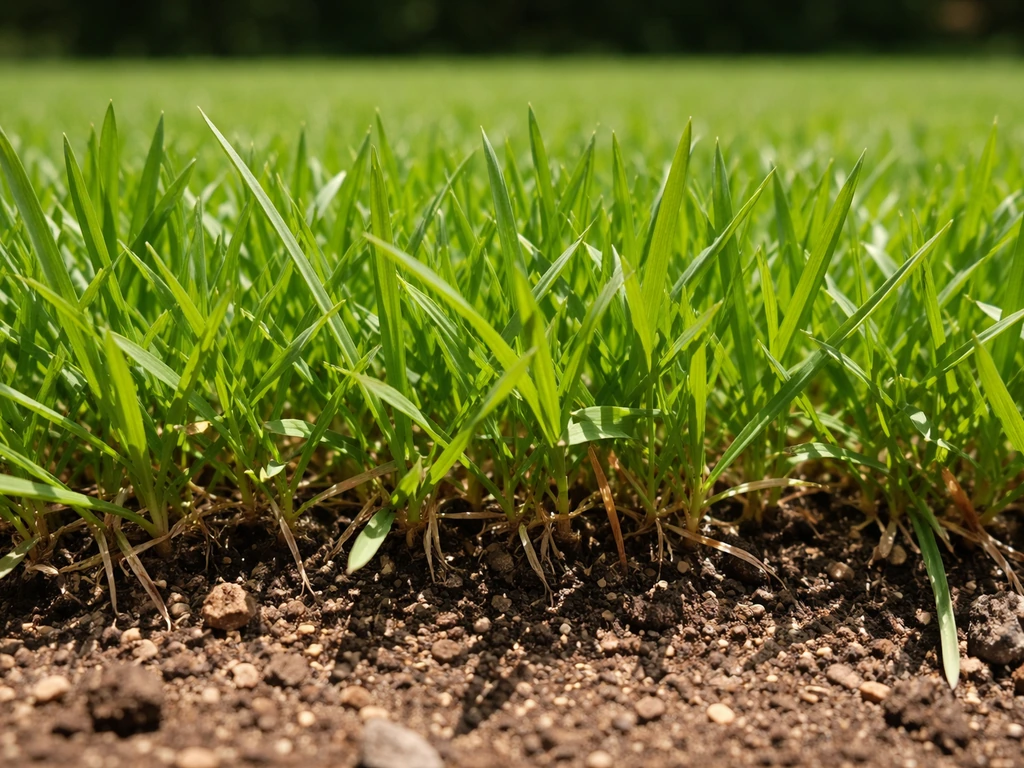
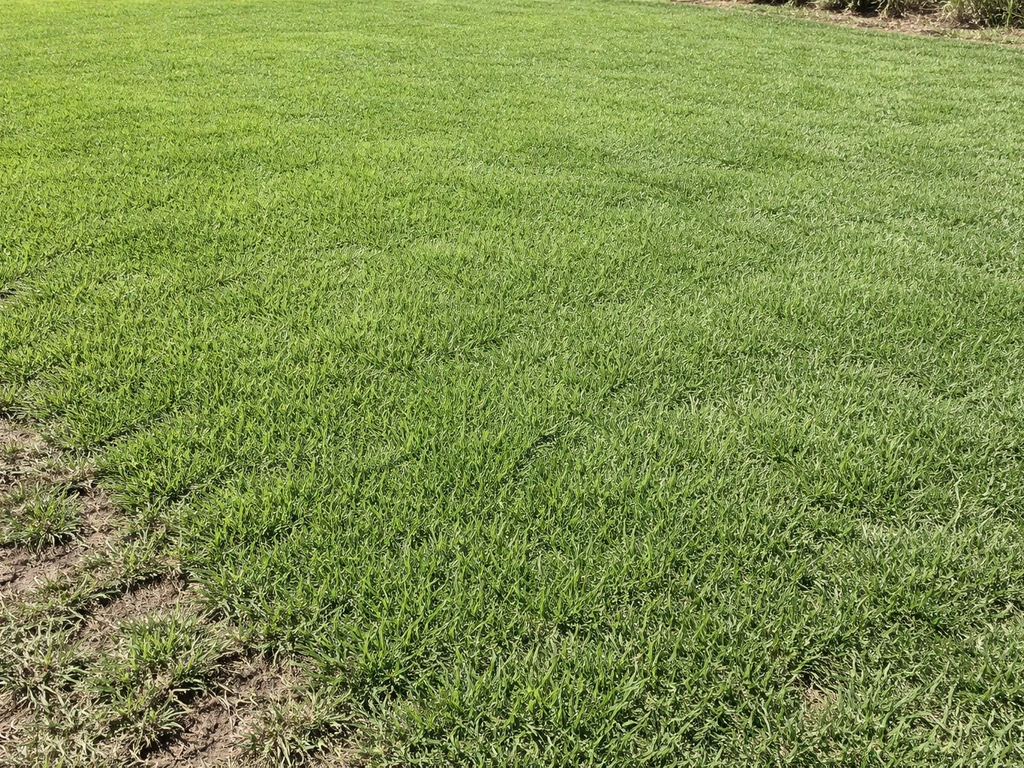
Bermuda is a warm-season grass, which means it runs on heat. The single biggest factor controlling its growth rate is soil temperature, not air temperature. You can have 90°F days, but if your soil is still cold from spring, bermuda will just sit there. Once soil temps cross 65°F, germination and spread kick in. At 75–85°F soil temps, bermuda shifts into high gear. That's why mid-to-late summer often produces the fastest spread you'll ever see from this grass.
Beyond heat, bermuda needs full sun. It's one of the most sun-hungry grasses you can plant. Shade doesn't just slow it down, it stops it. Six hours is the minimum; eight or more hours is where it really performs. If you're dealing with shaded areas, bermuda is probably the wrong grass for those spots, regardless of what else you do.
The other growth accelerators are under your control: soil fertility, soil drainage, consistent moisture, and mowing frequency. Get all five factors right (heat, sun, fertility, water, mowing) and bermuda will surprise you with how aggressively it spreads.
Timing and conditions that unlock faster growth
The best planting window for bermuda is late spring to early summer, after your last frost date and once soil temps have stabilized above 65°F. In the South and Southwest, that usually means April through June. In transitional climates like the mid-Atlantic or lower Midwest, late May to mid-June is safer. Planting too early is one of the most common reasons people think their bermuda is slow: the seed germinates poorly in cool soil, the thin stand gets overwhelmed by weeds, and the whole thing looks like a failure.
A cheap soil thermometer is worth every penny here. Push it 2–3 inches into the ground in the morning before you plant or overseed. If it's reading below 65°F, wait. If it's at 70°F or above, you're in a good window. At 75°F and higher, germination can happen in 7–10 days. In cooler or cloudier conditions, that same seed might take 20–30 days to show anything, which is completely normal but frustrating if you're not expecting it.
Soil drainage matters too. Bermuda hates sitting in waterlogged soil. If your yard holds puddles for more than a few hours after rain, that's slowing root development even in warm weather. Good drainage lets soil warm up faster and keeps oxygen available to developing roots, both of which push growth forward.
Seed, sod, or plugs: which gets you there faster
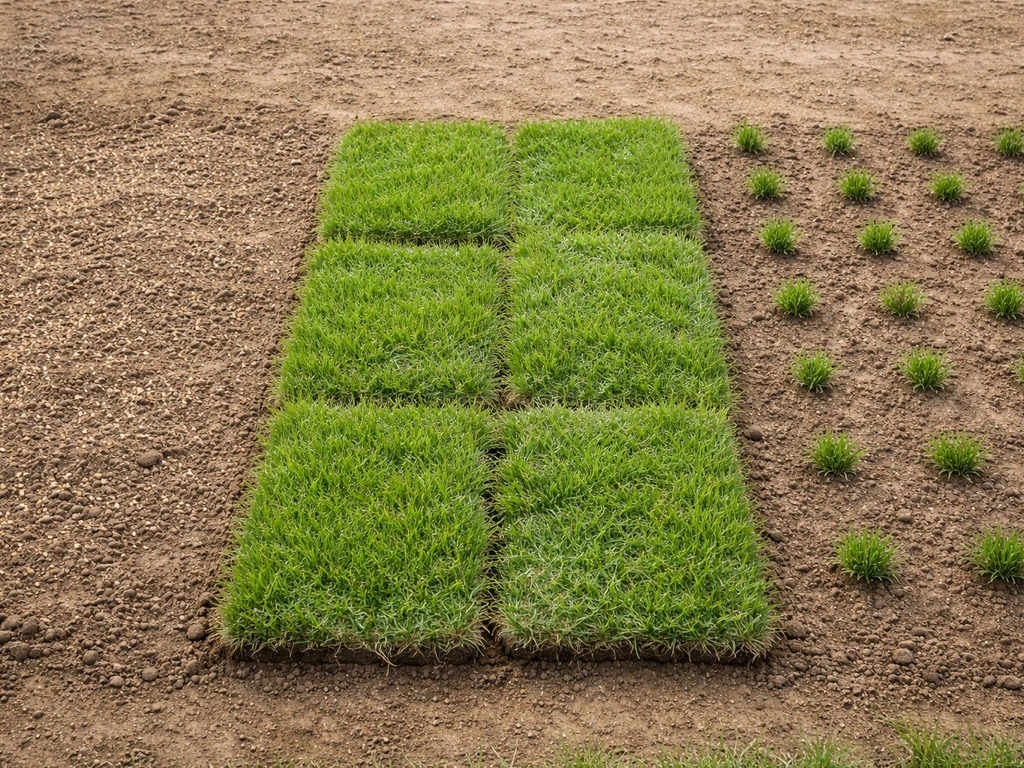
The starting method has a huge impact on your timeline, and the right choice depends on your budget and how quickly you need coverage.
| Method | Time to visible coverage | Cost | Best for |
|---|---|---|---|
| Seed | 3–6 weeks for germination plus spread | Lowest | Large areas, budget-focused projects |
| Sod | 2–4 weeks to knit and look established | Highest | Instant coverage, high-traffic areas |
| Plugs | 4–8 weeks to spread and fill in | Moderate | Filling in bare spots, smaller areas |
Sod is the fastest path to a green lawn, but it costs 10–20x more than seed. If speed is the priority and budget allows, sod wins. Plugs are a solid middle ground for patchy coverage or bare spots: plant them 6–12 inches apart in the growing season and they'll spread outward via stolons and rhizomes to fill in the gaps. For large lawns on a budget, seed is the way to go, but you have to set expectations correctly. Germination under good conditions takes 7–10 days per university research, but in a real yard with variable conditions, budget for up to 3–4 weeks before you see a solid stand.
Seed: how to get faster germination
Use hulled bermuda seed, not unhulled. Hulled seed has the outer coating removed and germinates significantly faster, sometimes cutting the timeline nearly in half compared to unhulled. Spread it at the rate recommended on the bag (usually 1–2 lbs per 1,000 sq ft for hulled seed), lightly rake it into the top 1/8 inch of soil, and keep the seedbed moist. Don't bury it deeper than 1/4 inch or you'll delay emergence.
Soil prep: the step most people skip
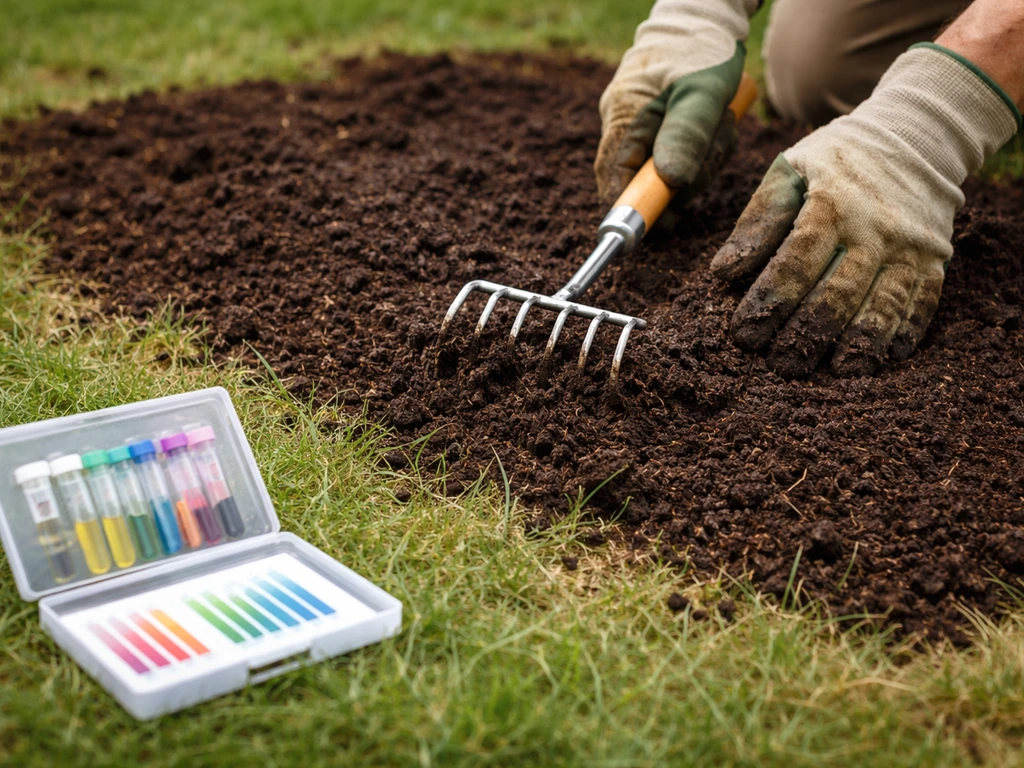
Whether you're seeding, sodding, or plugging, soil prep is what separates a lawn that takes off from one that struggles for months. The Texas A&M AgriLife Extension Service emphasizes that proper bermudagrass establishment starts with the right land preparation and soil preparation steps.
Test your soil pH first. Bermuda wants a pH between 6. 0 and 7. 0.
Outside that range, it can't absorb nutrients efficiently even if you're fertilizing correctly. A basic soil test kit costs under $20 and tells you if you need lime (to raise pH) or sulfur (to lower it). If your soil is clay-heavy, till in 2–3 inches of compost before planting to improve drainage and root penetration. If it's sandy, the same compost addition helps retain moisture and nutrients.
This prep work takes a few hours but it's the single biggest investment you can make in growth speed.
Fertilizer and watering plan for faster establishment
Fertilizing for speed
Bermuda is a heavy nitrogen feeder when it's actively growing. Nitrogen drives the green shoot and stolon growth that fills in your lawn. For new seedings and plugs, hold off on heavy nitrogen until you see consistent germination or new growth from plugs, then apply a starter fertilizer with a higher phosphorus ratio (like a 12-24-12) to support root development. Once the grass is 4–6 weeks old and actively spreading, switch to a nitrogen-heavy fertilizer like a 32-0-10 or similar.
For established bermuda you're trying to push, apply 1 lb of actual nitrogen per 1,000 sq ft every 4–6 weeks during the growing season (roughly May through August depending on your region). Don't fertilize after late summer or you'll stimulate late-season growth that's vulnerable to frost and can weaken the stand going into winter.
Watering: the balance between too much and too little
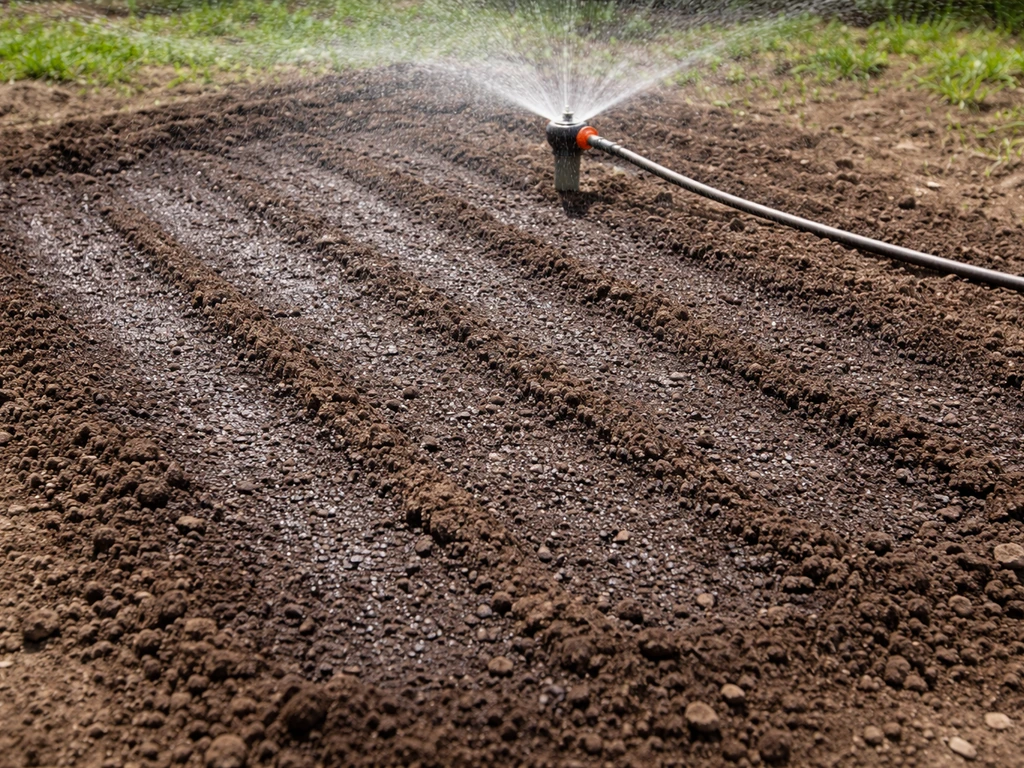
For new seed, keep the top inch of soil consistently moist until germination. That usually means light watering 2–3 times per day in hot weather, just enough to prevent the seedbed from drying out. Do not let it dry out and crack during germination: that's the fastest way to kill a seedling before it establishes.
Once the grass is 1–2 inches tall, back off to deep, less frequent watering, about 1 inch per week total, to encourage roots to chase moisture downward. Deep roots equal drought-tolerant, faster-spreading turf. For sod and plugs, water daily for the first two weeks, then transition to the 1-inch-per-week deep watering approach. Overwatering established bermuda is actually counterproductive: it keeps roots shallow and slows lateral spread.
Mowing and turf management to speed up spread
Mowing might seem counterintuitive as a growth accelerator, but it's one of the most powerful tools you have. Bermuda spreads via stolons (above-ground runners) and rhizomes (below-ground runners). Keeping it mowed short encourages horizontal spread rather than upward growth. The ideal mowing height for bermuda is 1–1.5 inches for common varieties. Let it get taller than 2.5 inches and it starts to thatch heavily, which blocks light from reaching the soil and slows lateral stolon development.
The one-third rule applies here: never remove more than one-third of the blade height in a single mowing. If you've let it get to 3 inches, don't scalp it back to 1 inch in one pass. Drop it incrementally over a few mowings. Scalping stresses the grass and can set back a new stand by weeks. Once established, bermuda benefits from frequent mowing during peak growing season, sometimes weekly or even more often during the hottest months. Consistent mowing keeps the canopy tight and encourages the grass to fill in bare spots faster.
If you have an established lawn with bare or thin spots, consider core aeration before the growing season kicks in. Compacted soil is a major hidden brake on bermuda's spread. Aerating lets water, air, and fertilizer reach the root zone and gives stolons room to root into the soil surface. Aerate once a year in late spring for noticeably better growth during summer.
Why your bermuda might be growing slowly (and how to fix it)
If you've done everything right and still have patchy, slow, or uneven growth, work through this checklist before giving up or reseeding.
- Soil temperature is still below 65°F: Check it before assuming something else is wrong. Cold soil stalls bermuda completely, even in summer during a cool stretch.
- Shade is the real culprit: Bermuda under 50% shade will always struggle. If a tree or structure has grown to block sun since you last established the lawn, that's your answer.
- pH is off: Even with perfect fertilizing, bermuda can't absorb nutrients if pH is outside 6.0–7.0. Test and amend before adding more fertilizer.
- Weed competition: Weeds steal water, light, and nutrients. If crabgrass or broadleaf weeds are taking over thin areas, they're outcompeting your bermuda. Use a pre-emergent in early spring and spot-treat broadleaf weeds with a selective herbicide safe for bermuda.
- Irrigation is uneven: Dry spots in your irrigation pattern will stay bare. Walk your yard after running your sprinklers to find coverage gaps.
- Seed was too old or poor quality: Germination rate drops significantly with old seed. Buy fresh seed from a reputable source and check the test date on the bag.
- Soil compaction: If water puddles on the surface or runs off quickly, the soil is likely compacted. Aerate and try again.
- Planting depth too deep: Bermuda seed needs light to germinate well. Seed buried more than 1/4 inch deep will germinate slowly or not at all.
Uneven coverage is almost always tied to uneven conditions: one part of your yard gets more sun, one area drains better, one section has better soil. Fix the underlying condition in the struggling area rather than just reseeding into it repeatedly. Reseeding thin or bare spots mid-season works well once you've addressed the root cause, since warm soil temperatures mean new seed can catch up quickly during summer.
Mistakes that slow bermuda down (and how to avoid them)
- Planting too early in spring: Wait until soil temps are reliably above 65°F. Impatience here costs you weeks of failed germination and weed pressure.
- Using unhulled seed when you want speed: Hulled seed germinates dramatically faster. Pay a little more for it.
- Fertilizing before the grass is ready: Dumping nitrogen on new seedlings can burn them and encourage weed growth before bermuda is established. Follow the starter-then-switch approach.
- Mowing too high: Keeping bermuda at 2–3 inches or higher kills its lateral growth drive. Get a mower that adjusts to 1–1.5 inches.
- Inconsistent watering during germination: Letting the seedbed dry out even once can kill new sprouts. Set a reminder or use a timer on your hose if needed.
- Skipping soil prep: Planting into untested, unworked soil is gambling. A $15 soil test and a few bags of compost can double your results.
- Over-watering established bermuda: It trains roots to stay shallow and reduces drought tolerance, which ultimately slows spread.
- Ignoring thatch buildup: A thick thatch layer (more than 1/2 inch) blocks water and fertilizer from reaching the soil. Dethatch in late spring if needed.
Your next steps: a practical timeline to faster bermuda
If you're planting or trying to speed up bermuda right now in late spring or early summer, here's what to do this week. First, check your soil temperature. If it's above 65°F, you're in business. If you haven't tested pH, do it before anything else.
Get your soil prepped with compost if it's clay or sand, then plant hulled seed, sod, or plugs depending on your budget. If you want the fastest results, choose hulled bermuda seed and follow the steps in this article for quicker germination and establishment how to grow bermuda grass seeds. Water your seedbed consistently and apply a starter fertilizer once germination is visible. Set your mower to 1–1.
5 inches and mow as soon as the grass reaches 2 inches tall. From there, feed every 4–6 weeks with a nitrogen-focused fertilizer and keep watering deeply rather than frequently.
If you're in a region with a shorter warm season, like the upper South or transitional zones, timing is everything. You have a narrower window to get establishment done before temperatures drop in fall, so don't delay once conditions are right. Homeowners in hotter climates like Arizona or the deep South have a longer window but still need to avoid planting in the absolute peak of summer heat, when soil temps above 95°F can stress new seedlings. The sweet spot is that late spring through early summer window almost everywhere bermuda grows well.
Realistic expectations matter here. Under ideal conditions, seeded bermuda germinates in 7–10 days, reaches mowable height around 3–4 weeks, and starts to look like a real lawn by 6–8 weeks. Sod looks good almost immediately but takes 3–4 weeks to fully root and handle foot traffic. Plugs need 6–12 weeks to fill in, depending on spacing and how aggressively the grass is growing. If you're several weeks in and still seeing patchy results, revisit the troubleshooting list above rather than assuming the grass is a failure. Bermuda is tough and persistent once conditions are right. The grass doesn't give up easily, and with the right adjustments, neither should you.
FAQ
Can I grow bermuda grass faster by planting earlier in spring?
Yes, but only if you can keep soil warm. If nights or cloudy spells keep soil below 65°F, bermuda will sit dormant and look like it is not growing. Use a soil thermometer, wait for a consistent warm window, and be extra careful about frequent watering not drying out the seedbed during the first emergence period.
Will overseeding bermuda make it spread faster?
Not reliably. Bermuda can be overseeded in some transitions zones, but in most cases it does not “take over” quickly enough to be the fastest path compared with full planting or seeding once soil temperatures are right. Also, overseeding rye or other cool-season grasses typically slows soil warming and light reaching bermuda runners.
If I use hulled bermuda seed, why might it still be slow to germinate?
Hulled seed is one of the few changes that can noticeably speed up emergence, but it does not replace the need for correct soil temperature and consistent moisture. If your seed is hulled and still slow, the usual culprits are soil below 65°F, seedbed drying between light waterings, or planting deeper than about 1/4 inch.
How should watering frequency change over time for seed versus sod or plugs?
It depends on how you start. Seed needs steady top-inch moisture until germination, then you can shift to deeper, less frequent watering once seedlings are established. Sod and plugs should be watered daily at first to prevent drying out, then transitioned to the same deep watering rhythm used for established bermuda to encourage deeper roots.
How soon can I walk on the lawn after installing bermuda (seed, plugs, or sod)?
Heavy foot traffic can slow establishment, even if the grass is growing. With seed, avoid walking until you see a solid stand and the turf resists pulling. With sod or plugs, keep traffic light for at least a few weeks, and remove hazards like wet muddy shoes that compress the soil and reduce root penetration.
Should I aerate before or after seeding bermuda to speed up spread?
Core aeration helps most when compaction is the issue and you time it so bermuda can recover quickly. Aerate in late spring before peak growth starts, and follow with fertilizing and consistent watering so stolons can root into the loosened soil instead of just sitting on top.
Can I fertilize immediately to make bermuda grow faster?
You can, but only if you use the right fertilizer strategy and avoid “full rate” nitrogen too early. For new seed and new plugs, use a starter fertilizer approach once you see germination or active plug growth, then switch to nitrogen-heavy feeding after the lawn is actively spreading (about 4–6 weeks old).
What are the most common fertilizer mistakes that slow bermuda down?
Switching to nitrogen-heavy feeding too soon can promote weak top growth before roots are established, making patchiness worse. Another mistake is fertilizing late in the season, which can trigger tender growth that gets damaged by frost and reduces spring vigor.
What happens if I mow too low (or mow too often) while bermuda is establishing?
Mow height targets are about encouraging horizontal spread, not just making it look neat. If you scalp below the recommended 1–1.5 inch range, you can stress stolons and delay fill-in by weeks. Use incremental lowering with the one-third rule, especially right after seeding or plugging.
If bermuda is still patchy after a month, should I reseed or troubleshoot first?
In many cases, persistent patchiness is caused by uneven sun or drainage, not by the bermuda itself. Before reseeding, re-check sun hours, look for areas that stay wet after rain, confirm planting depth, and adjust watering so the seedbed moisture is consistent across the lawn.
Can I make bermuda grow faster in a shaded yard?
Bermuda typically cannot outcompete shade and will thin even with good care. If an area gets consistently less than about 6 hours of direct sun, the “faster growth” plan usually will not work there, and switching to a more shade-tolerant turf or redesigning the area is often the best next step.
Can I use mulch or compost on top of bermuda seed to speed growth?
Mulches and thick organic layers can block light to the soil surface and interfere with seed-to-soil contact, which slows germination. If you need erosion control, keep it minimal and ensure seed remains within the shallow planting depth range (around the top 1/8 inch) and that the seedbed can be kept evenly moist.
How do I avoid overwatering or underwatering when I’m trying to grow bermuda faster?
Inconsistent watering is a common slow-down, because seedlings die quickly when the seedbed dries and established bermuda can slow down if you keep it too wet. Use light, frequent watering only until germination, then transition to about 1 inch per week total with deeper soak cycles to drive roots downward.
Next Article
How to Grow Bermuda Grass Seeds: Step-by-Step Guide
Step-by-step guide to grow bermuda grass from seed, with timing, soil prep, sowing, watering, and troubleshooting.