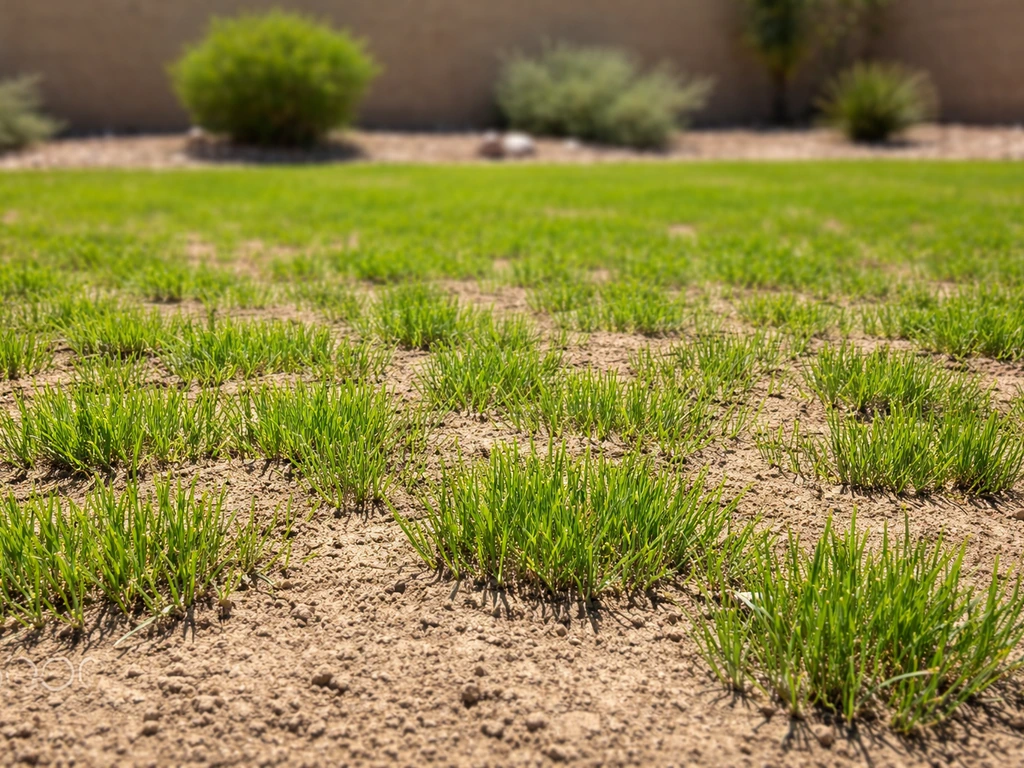
The best way to grow bermuda grass from seed is to plant hulled seed into a warm, firm, moist seedbed once soil temperatures are consistently at or above 65°F, water lightly but frequently for the first two weeks, and stay patient through a 5 to 14 day germination window. That's the short version. Below is everything you need to do it right the first time, from picking your seed to mowing your first real lawn.
How to Grow Bermuda Grass Seeds: Step-by-Step Guide
Marcus Tillwell
2 Apr 2026
When to plant bermuda grass seed
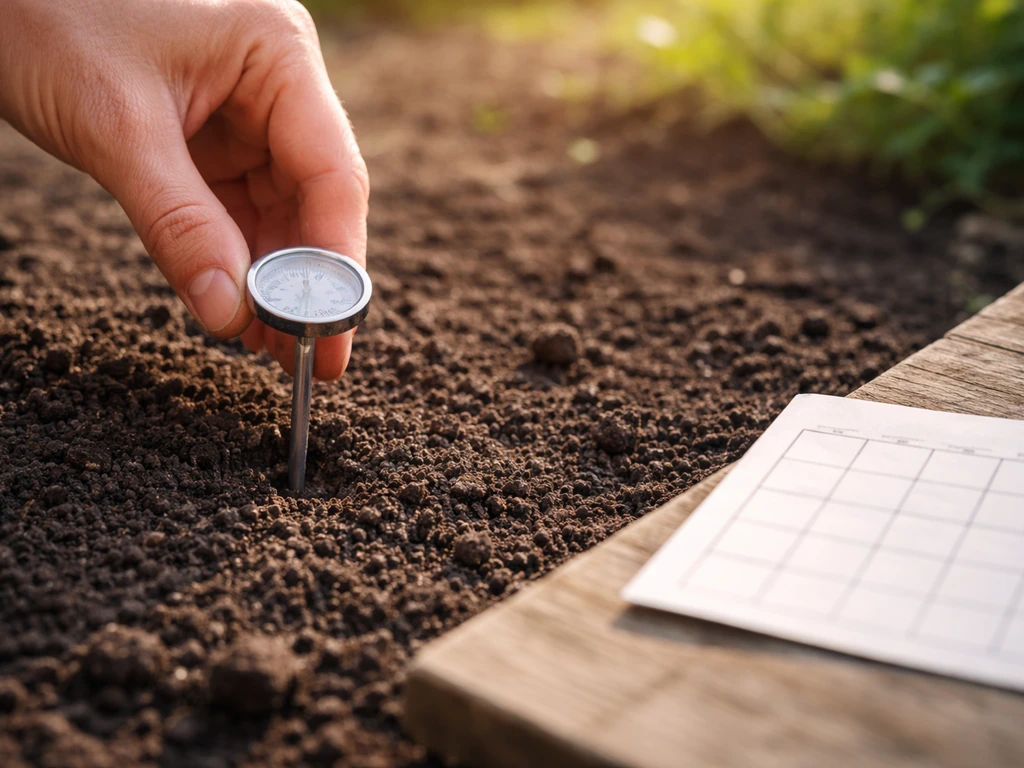
Bermuda grass is a warm-season grass, so timing everything around soil temperature is the single most important call you'll make. Germination can begin once soil temps reach about 60°F, but germination becomes noticeably slow and uneven when soil temperature is below 65°F. In practical terms, wait until you're solidly in that 65°F-plus window before you put seed down. Air temperature is a rough proxy, but a cheap soil thermometer takes the guesswork out of it.
In the Southeast and Gulf Coast (think Georgia, Florida, Alabama), that window opens in mid-April and runs through July. In Texas and the Southwest, late April through early June is the sweet spot. If you're in a transitional zone like Oklahoma or the Carolinas, late May is safer than early April because a late cold snap can stall germination for weeks. If you're planting in the desert Southwest, the heat-driven calendar is different enough that it's worth looking specifically at how to grow bermuda grass in Arizona since soil temps there can hit the target earlier but summer monsoons also affect establishment timing.
Spring and early summer are the best planting seasons. Avoid late summer seeding if you're in zone 7 or cooler, because bermuda needs 60 to 90 days of warm growing weather to develop enough root system to survive winter. Planting in August in a mid-Atlantic state is a gamble you'll likely lose.
Choosing the right bermuda grass type and seed
Here's something a lot of first-timers don't realize: only common bermuda grass varieties can be grown from seed. Many improved bermudagrass cultivars, including popular names like Bimini, Celebration, Tifdwarf, TifTuf, and Tifway, are commonly vegetatively propagated rather than established from seed popular bermudagrass cultivars are commonly vegetatively propagated. Hybrid bermuda grasses like Tifway 419 or TifTuf are propagated vegetatively from sod or sprigs because they don't produce viable seed. So when you're shopping for seed, you're shopping in the common bermuda category, period.
The tradeoff is worth understanding. Seeded common bermuda generally produces a slightly coarser, less uniform lawn compared to a sodded hybrid. For most homeowners, that's a perfectly fine result, especially when you factor in the cost difference. If you're on the fence about whether seed is the right route at all, the article can you grow bermuda grass from seed walks through the honest pros and cons in more depth.
Within common bermuda seed, you'll see hull-on (unhulled) and hulled options. Always buy hulled seed for lawn establishment. Hulled seed has the outer coating removed, which speeds up water uptake and shortens germination time considerably. Unhulled seed is cheaper but significantly slower to germinate and more inconsistent.
For most of the South and Southeast, standard common bermuda seed performs well. If you're in a location like Oklahoma or the northern edge of the bermuda belt (roughly below 34° latitude for reliable performance), check that the variety you're buying has some cold hardiness noted on the label. Standard common bermuda can struggle through hard winters above that latitude, so variety selection actually matters if you're near the northern edge of its range.
Getting your site ready
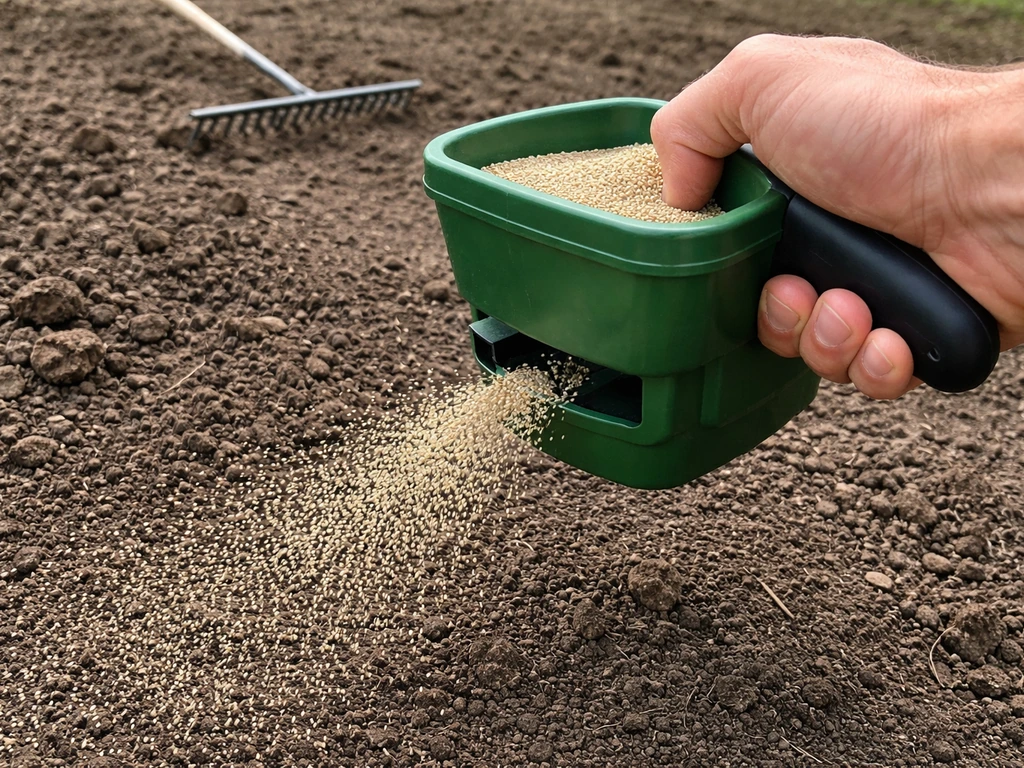
Seed-to-soil contact is everything with small-seeded grasses like bermuda. The seed is tiny, and it doesn't push through hard, clumpy, or debris-covered soil well. Invest your time here and germination will be dramatically more uniform.
Clear and loosen the surface
Remove any existing weeds, dead grass mats, rocks, and thatch buildup. If you're overseeding a thin lawn, mow it as short as your mower allows (about half an inch if possible) and rake out clippings so the seed can reach the soil. For bare areas or a new lawn, till the top 2 to 3 inches with a rented tiller or a sturdy garden rake. You're not trying to till deep, you just want a loose, crumbly top layer.
Deal with clay and sandy soil
If your soil is clay, it crusts over after watering and can suffocate small seedlings before they break the surface. Work in a thin layer of compost (about a quarter inch raked into the top inch of soil) to improve structure. A light topdressing of sand after seeding also helps prevent crusting. If your soil is sandy, it dries out between waterings almost instantly. Mix in compost here too, and know that you'll need to water more frequently during germination.
Firm it up
After loosening, firm the seedbed back down slightly. A loose, fluffy seedbed sounds ideal but actually causes seeds to fall into air pockets rather than making solid soil contact. Tamp it with the back of a rake or do a single pass with a lawn roller if you have access to one. You want a surface that gives slightly when you step on it but doesn't feel springy or spongy.
Do a final rake to level any high or low spots. Water running into low spots will pool, and seed in high spots will dry out faster. An even surface makes uniform germination much more achievable.
How to sow bermuda grass seed
Seeding rate for hulled bermuda seed on a home lawn is 1 to 2 pounds per 1,000 square feet. In Texas and drier climates, aim for around half to one pound per 1,000 square feet according to Texas A&M guidance. For a faster, thicker result you might go toward the higher end of the range, but overseeding beyond 2 pounds per 1,000 square feet creates competition between seedlings and doesn't actually improve the final stand.
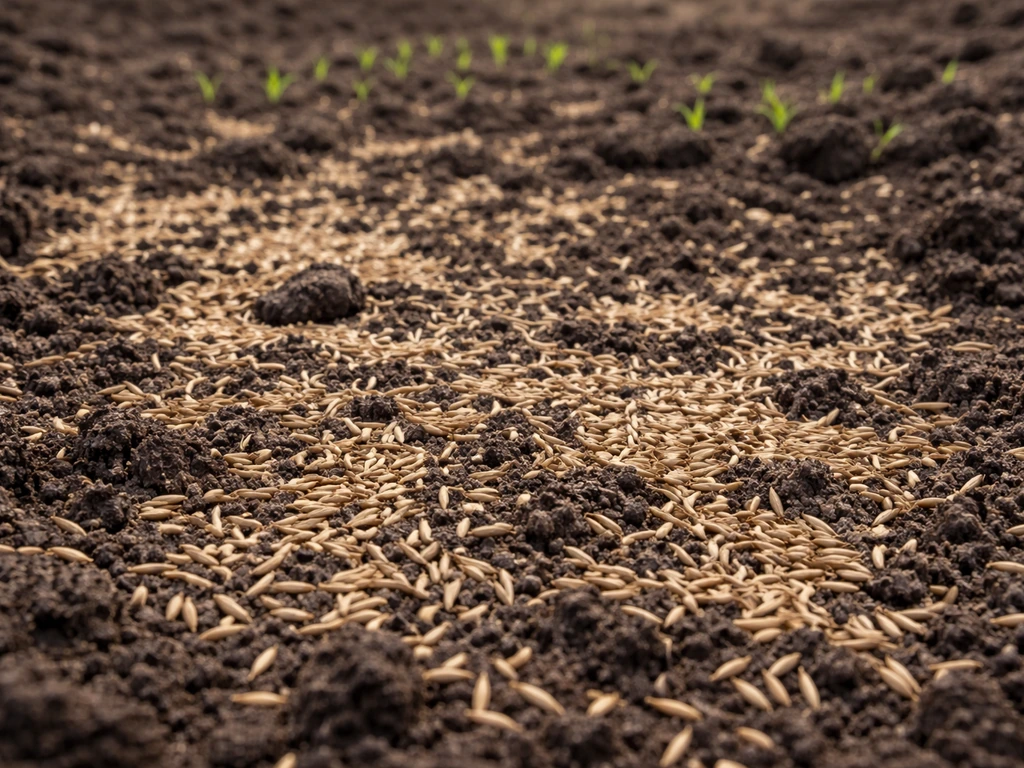
Bermuda seed is extremely fine and light. Trying to spread it straight from the bag through a broadcast spreader often results in clumping and uneven coverage. The trick is to mix it with a dry carrier first: dry sand or dry topsoil works well. Mix about 4 to 5 parts carrier to 1 part seed by volume. This bulk makes the seed flow through a spreader evenly and also helps you see where you've been.
- Measure your lawn area so you can divide your seed accurately.
- Mix your hulled seed with dry sand or topsoil in a bucket.
- Split the mixture in half and make two passes in perpendicular directions (north-south, then east-west) for even coverage.
- After broadcasting, lightly rake the surface so the seed is covered with about a quarter to half inch of soil.
- Firm the surface again with the back of the rake or a light roller pass to press seed into soil contact.
- Apply a light topdressing of straw or seed mulch if you're worried about erosion on slopes.
That quarter to half inch of soil coverage is the target. Deeper than that and small bermuda seedlings can't push through. Shallower and they'll dry out too fast or wash away in the first watering. You should still be able to see some seed on the surface after raking, and that's fine.
Watering and germination timeline
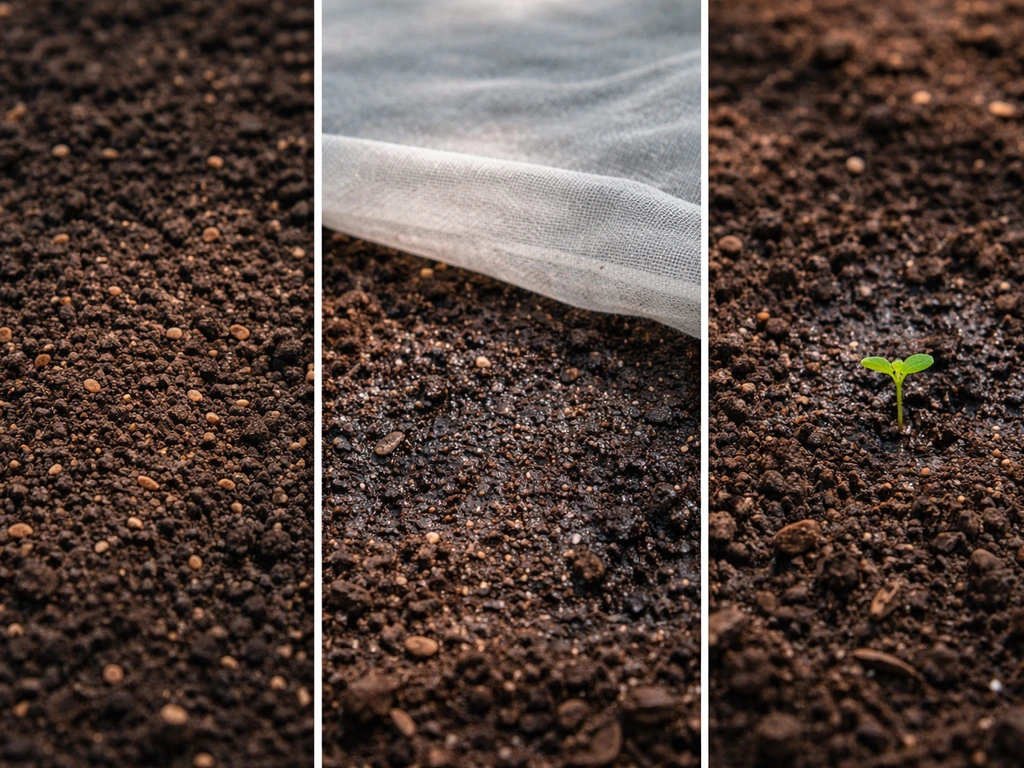
Germination typically takes 5 to 14 days under good conditions. The range is wide because soil temperature plays a big role. At 65°F you might be waiting closer to two weeks. At 75°F or higher, you may see seedlings in 5 to 7 days. The key variable you can control is moisture.
The top inch of soil must stay consistently moist for at least two to four weeks for establishment to succeed. That usually means watering one to two times per day during germination, using a fine spray setting or low-precipitation-rate sprinklers so you don't displace the seed. OSU Extension advises watering at a rate the soil can absorb to avoid runoff and improve irrigation management for turf so you don't displace the seed. You're not trying to soak the soil, you're trying to keep the surface film moist. A few minutes per session is usually enough if you're doing it twice a day.
Once you see consistent seedling emergence, you can back off to once daily, then to every other day as the seedlings grow and roots start reaching deeper. The biggest watering mistake is going from twice-daily to skipping a day too early. Bermuda seedlings have almost no root depth in the first two weeks and they will dry out and die between long watering gaps.
Use a gentle spray nozzle or oscillating sprinkler set to a fine mist rather than a jet. A strong water stream will physically move seed to the edges of the area or wash it downslope. If you're doing a larger area, a drip-style or low-arc sprinkler is worth the setup time.
Under solid growing conditions (good soil temperature, consistent moisture), you can reasonably expect seedling emergence within one week and close to 90 to 100% groundcover within 8 to 10 weeks, assuming about normal rainfall or equivalent irrigation. That's the realistic timeline, not the optimistic one.
Early care after germination
First mow
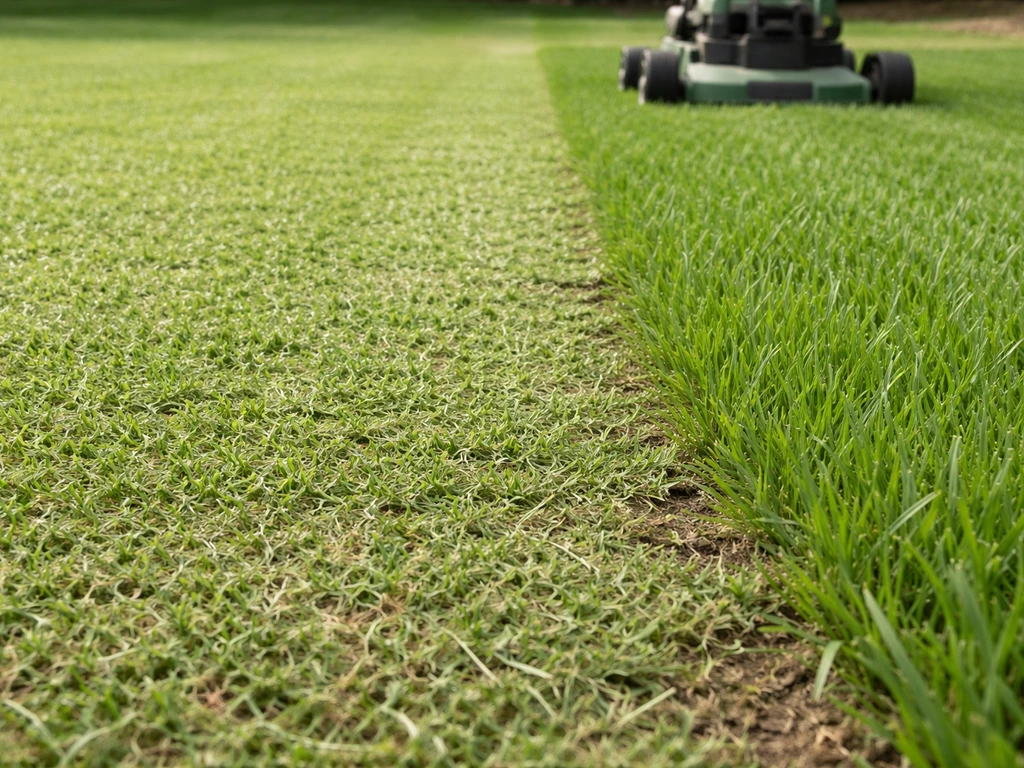
Wait until the grass reaches about 2 to 2.5 inches before mowing for the first time, then cut it down to about 1.5 inches. That first mow actually helps the grass spread laterally by triggering tillering. Don't skip it because the seedlings look fragile. Just make sure your mower blade is sharp so you're cutting, not tearing. Mow height for established common bermuda under normal home lawn management is 1 to 2 inches, so you'll stay in that range going forward and mow once or twice a week during active growth.
Fertilizing
Hold off on fertilizer until you have visible, consistent coverage across the seeded area. Applying nitrogen to bare or sparsely covered ground mostly feeds weeds. Once coverage looks solid, apply a starter or balanced fertilizer with nitrogen. Keep applications at or below 1 pound of nitrogen per 1,000 square feet per application to avoid burning young grass. In Central Florida, early April is the typical timing for first fertilizer application on bermuda; in North Florida and similar climates, mid-April is the guideline. Adjust based on your region, but don't rush it before you have meaningful coverage.
Weed control during establishment
This is a tricky phase. Preemergence herbicides applied before seeding will prevent your bermuda seed from germinating just as effectively as they prevent weed seeds, so don't use them at planting time. Once the bermuda is established and you're thinking ahead to next season, preemergence herbicides (targeting annual grass weeds) can be applied before weed seeds germinate. During establishment itself, hand-pulling is your main tool for the first few weeks. Some postemergence spot treatments can be applied about 7 to 10 days after planting in certain scenarios, but always verify that the product is labeled safe for bermuda seedlings at the rate and timing you're using before applying anything. Learning how to grow bermuda grass well long-term means building weed management into your plan from the start, not as an afterthought.
Troubleshooting common problems
Thin or no germination after two weeks
The most likely culprits are soil temperature and moisture. Check soil temp with a thermometer at a 2-inch depth. If it's below 65°F, germination will be slow or stalled regardless of what you do with water. If temps are fine, then look at moisture consistency. Letting the surface dry out even once early in germination can kill a large percentage of seedlings. Check twice daily if you're not irrigating automatically. Also verify your seed wasn't stored too long or in a hot location, as old or heat-damaged seed has poor viability.
Patchy, uneven coverage
Patchiness almost always comes from uneven seed distribution or uneven soil contact. If you skipped the carrier-mixing step and broadcast straight from the bag, this is likely what happened. For bare patches that don't fill in after a few weeks, rake lightly to disturb the surface, overseed those spots specifically, firm the area, and resume twice-daily watering on the patchy zones. Bermuda spreads by stolons once established, so thin areas near healthy grass will eventually fill in, but bare patches far from live grass need direct reseeding.
Seed washout or soil crusting
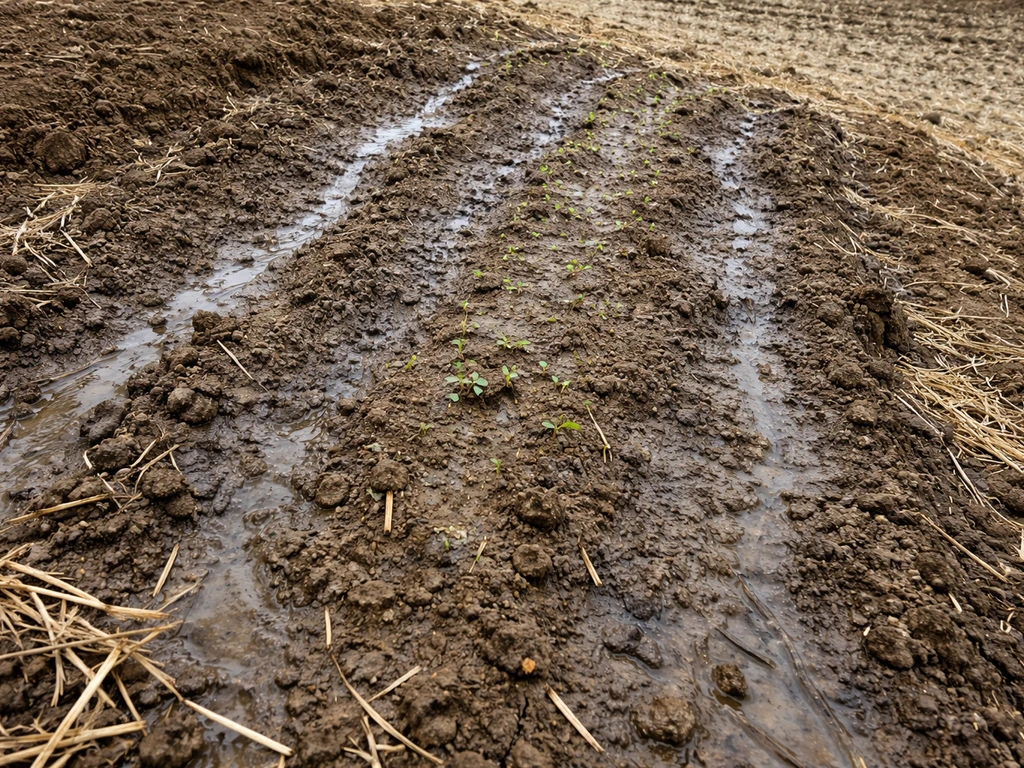
Washout happens when water hits the seeded surface too hard or a rain event follows closely after planting. Straw mulch or erosion netting on slopes helps significantly. If you've already had washout, rake the area flat again, redistribute any seed that pooled at the edges or low spots, and apply a thin mulch layer before your next watering. Crusting is the clay-soil problem: a hard surface layer forms and blocks emergence. If you see the soil surface hardening between waterings, break it up very gently with a fine rake or add a thin sand top-dressing to keep it from sealing.
Weak or yellowing seedlings
Yellow or pale seedlings after germination usually mean one of three things: waterlogged soil, nitrogen deficiency, or too much shade. Bermuda needs full sun, at least 6 to 8 hours of direct sunlight daily. If your seeded area is getting less than that, bermuda is going to struggle regardless of everything else you do right. Waterlogged soil is the opposite of the dry-seedbed problem: if you're watering heavily and soil doesn't drain well, back off to shorter and less frequent irrigation. If the seedlings are a healthy color but just slow-growing, a light nitrogen application once coverage is established will push things along.
Slow establishment overall
If everything looks fine but coverage is just slower than expected, the most useful thing to understand is that how to grow bermuda grass faster comes down to heat, moisture, and nitrogen working together. A warm, well-watered lawn with a light nitrogen boost after initial coverage will fill in noticeably faster than one that's left alone. Don't try to rush things before coverage is there, but once it is, targeted fertilization and consistent mowing are your two best levers.
Quick reference: seed to lawn timeline
| Phase | Timeframe | What to do |
|---|---|---|
| Site prep | 1–2 days before planting | Clear debris, loosen top 2–3 inches, amend with compost if needed, firm and level |
| Seeding | Day 1 | Mix seed with dry sand carrier, broadcast in two perpendicular passes, rake in to 1/4–1/2 inch depth |
| Germination watering | Days 1–14 | Water 1–2 times daily with fine spray, keep top 1 inch moist continuously |
| Seedling emergence | Days 5–14 | Reduce to once daily watering as seedlings appear, watch for crusting or washout |
| First mow | Weeks 3–5 (when grass hits 2–2.5 inches) | Mow to 1.5 inches, keep blade sharp, continue regular watering |
| First fertilizer | After visible coverage (typically weeks 4–6) | Apply up to 1 lb nitrogen per 1,000 sq ft, avoid applying to bare ground |
| Full coverage target | 8–10 weeks under good conditions | Mow 1–2 times per week, begin normal lawn management schedule |
Bermuda grass from seed is genuinely one of the more forgiving lawn projects if you respect the temperature window and keep the seedbed consistently moist through those first two weeks. Get those two things right and the grass does most of the work on its own. Mess up either one and no amount of fertilizer or reseeding will fully compensate. Nail the timing, prep the soil properly, water patiently, and you'll have a dense, well-established bermuda lawn in a single growing season.
FAQ
Can I grow bermuda grass seeds in containers or pots first, then transplant them into my yard?
Usually it is not the best approach. Bermuda seedlings are small and sensitive during the first few weeks, so transplanting often breaks seedling roots and disrupts moisture. If you do use containers, keep them in full sun, keep the surface consistently moist like you would in-ground, and transplant only when seedlings have formed a dense mat and you can water immediately after planting.
What is the best way to check soil temperature before seeding bermuda?
Check with a soil thermometer at about a 2-inch depth, not just air temperature. Take readings in the morning and late afternoon for a few days to confirm the soil is holding above 65°F consistently. If you seed during a short warm spell, a cold night can stall germination even if daytime temps look fine.
How long should I keep watering twice a day?
Keep twice-daily watering until you see consistent emergence across the seeded area, then transition gradually. A practical rule is: water twice daily until most seeds have sprouted and the top inch no longer dries quickly. Then move to once daily, and only later to every other day. Don’t skip straight from twice-daily to every few days.
Do I need light mulch after seeding to improve germination?
Mulch can help with washout and moisture retention, but use it sparingly. For small-seeded bermuda, thick mulch can block emergence. If you’re on a slope or expecting heavy rain, use straw lightly or erosion control netting designed for seed protection, then avoid covering deeper than your target soil depth.
Will preemergence herbicides stop bermuda from coming up if I apply them right after seeding?
Yes. Preemergence products are designed to prevent seeds from sprouting, so applying them at seeding time can prevent your bermuda seed from germinating. Save preemergence herbicide for after establishment, and only when the label indicates safety for the grass size and timing you have.
What should I do if seed is visible on the surface but seedlings are not appearing after 2 weeks?
First confirm soil temperature is still in the effective range and that the top inch stayed moist without drying out even once. Next check seed viability and storage, if you recently bought the seed. If soil moisture and temperature were correct, lightly rake the top layer to improve contact, overseed those spots, firm gently, and resume consistent moisture rather than waiting indefinitely.
Is hulled seed worth the extra cost, especially for overseeding?
Often yes. Hulled seed shortens germination time and gives more predictable emergence, which matters for overseeding because your existing lawn can dry out fast and you may not be able to water as continuously. If you choose unhulled seed anyway, plan for slower and more uneven emergence, and extend the period of close monitoring.
What mowing height should I use as the seedlings grow during the first month?
Mow when the grass reaches about 2 to 2.5 inches, then cut down to roughly 1.5 inches. Keep the blade sharp to avoid tearing. If you have patchy areas, avoid heavy mowing that exposes bare soil too much before the new seedlings establish.
How do I avoid runoff or washout during the first watering or after rain?
Use a fine spray setting or mist-like irrigation to avoid physically moving seed. If your area slopes, water in shorter cycles more frequently rather than one long session. If a rain event pools water, rake to redistribute pooled seed and apply only a thin protective mulch layer before continuing your normal watering schedule.
Should I apply starter fertilizer as soon as I seed?
Don’t rush nitrogen before you have visible, consistent coverage. Fertilizing bare or sparsely covered soil often encourages weeds and can stress seedlings. Use a starter or balanced fertilizer only after you see meaningful emergence and cover across the seeded area, following the nitrogen limits on the label.
Why are the seedlings pale or yellow after they emerge?
The most common causes are lack of full sun, waterlogged soil, or an early fertility imbalance. Bermuda needs direct sun (about 6 to 8 hours daily). If the soil stays soggy, adjust watering to shorter, less frequent cycles that still keep the surface from drying out. If color is fine but growth is slow once coverage is established, a light nitrogen application can help.
How can I fix patchiness that remains after the germination window?
Patchiness usually reflects uneven distribution or poor seed-to-soil contact. For persistent bare spots after emergence, rake lightly to disturb the top layer, overseed those areas specifically, firm gently, and restart twice-daily moisture for the patch until it catches up. Thin areas near existing bermuda will often fill later via lateral spread, but distant bare zones usually need direct reseeding.
Can I overseed bermuda into an existing established lawn, or only start from bare soil?
You can overseed, but success depends on removing barriers to contact. Mow short, rake out thatch and clippings, and ensure seed reaches the soil with only a light covering. If your lawn is heavily thatch-covered or compacted, it can limit seedling establishment, so consider loosening the top layer before seeding.
What if I seeded at the right time but germination is still uneven across my yard?
Uneven coverage and uneven moisture are the usual drivers. Confirm you used a seed carrier mix and spread thoroughly in overlapping passes. Then check irrigation patterns, low spots that pool, and high spots that dry out faster, because those micro-zones can create a germination gradient even when the rest of the yard is perfect.
Next Article
How to Grow Grass in El Paso TX: Seed, Plant, and Care
Step-by-step guide to grow grass in El Paso: pick Bermuda, Zoysia or fescue, prepare soil, seed timing, watering, fixes.