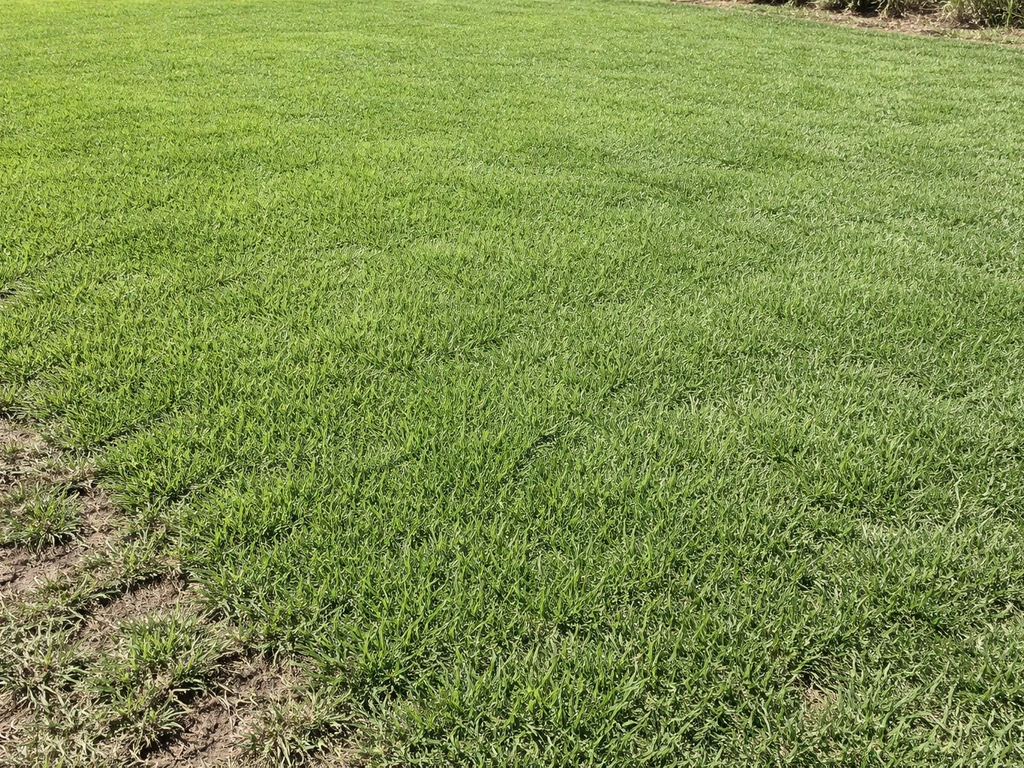
Yes, you can absolutely grow Bermuda grass from seed. It takes more patience than laying sod or planting sprigs, but it works well when you get two things right: warm soil and a weed-free seedbed. Bermuda seed will not germinate until soil temperatures hit at least 65°F, and it really takes off between 70°F and 90°F. Nail the timing and prep, and you can have a full lawn from seed in a single growing season.
Can You Grow Bermuda Grass From Seed? Step-by-Step Guide
Marcus Tillwell
7 May 2026
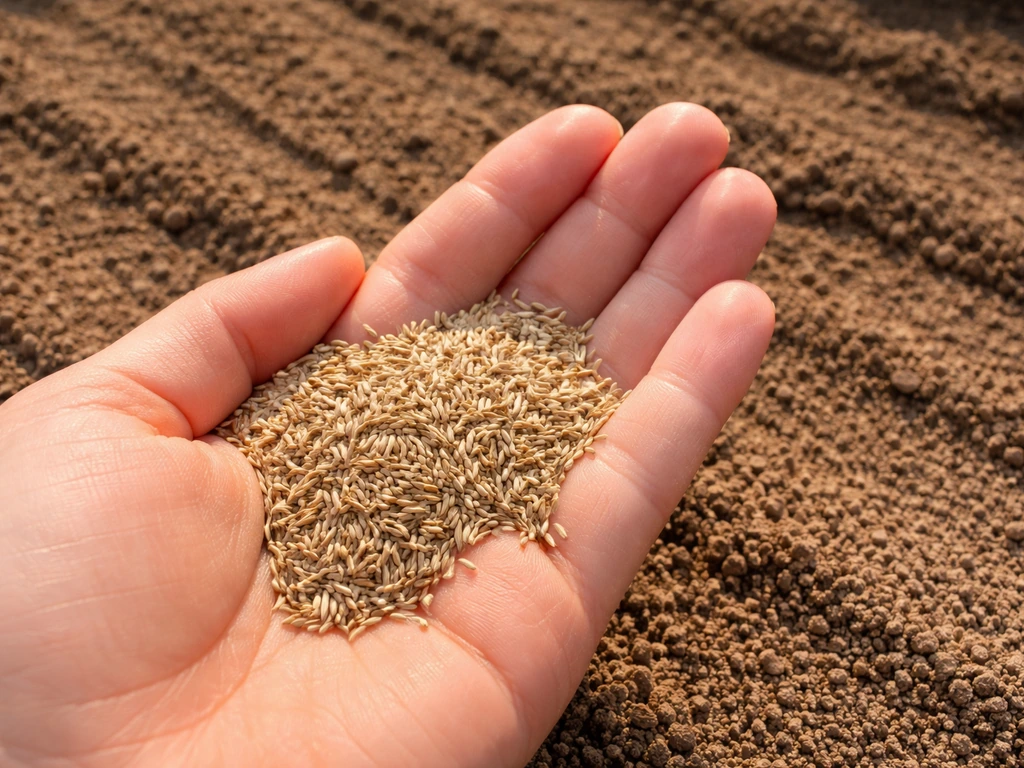
Bermuda seed basics: what to expect before you plant
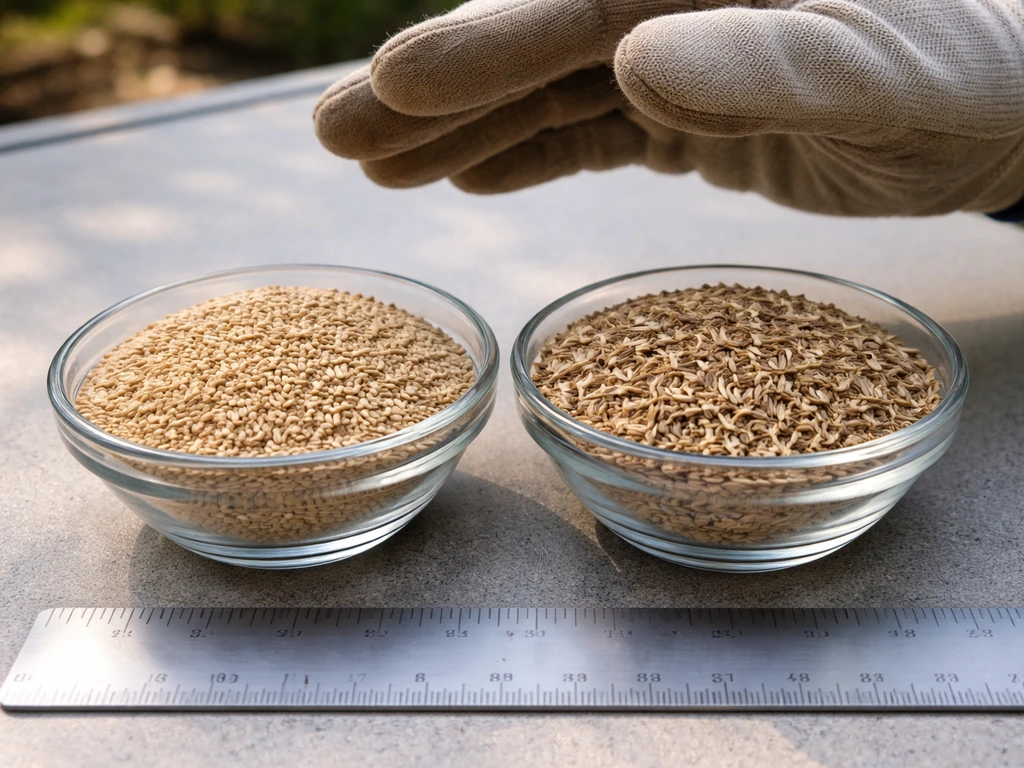
Bermuda grass is often installed as sod or sprigs because those methods are faster and more forgiving, but seeding is a legitimate option, especially if you're covering a large area on a budget. The key thing to understand about Bermuda seed is that not every seed on the label is actually alive and viable. Seed bags list two numbers: purity and germination percentage. You multiply those together to get your pure live seed (PLS). For example, a bag labeled 95% purity and 85% germination only gives you about 81% PLS, meaning roughly 19% of what you're spreading won't do anything. That matters when you're calculating how much seed to buy and why thin coverage sometimes disappoints people.
You'll also see hulled and unhulled Bermuda seed. Hulled seed has had its outer coating removed, which speeds up germination. It's the better choice for most homeowners seeding a lawn. Unhulled seed takes longer to break dormancy and is more often used in conservation or pasture situations. For a lawn project, buy hulled seed and look for a coated variety if you can find it, since the coating helps retain moisture around the seed during those critical first days.
Under ideal conditions, hulled Bermuda seed germinates in 10 to 30 days. The University of California’s IPM program also lists expected germination time for seeded bermudagrass at about 10 to 30 days hulled Bermuda seed germinates in 10 to 30 days. Cooler soil, inconsistent watering, or poor seed-to-soil contact pushes that timeline toward the longer end, or stops germination entirely. Set your expectations at about two to three weeks for first sprouts when conditions are right, and plan for a lawn that looks reasonably full by late summer if you plant in late spring.
When to plant Bermuda seed for your climate
Bermuda is a warm-season grass, which means it grows during summer and goes dormant in winter. Plant too early and the seed just sits in cold soil waiting, which gives weeds a head start. Plant too late and you don't give the grass enough growing season to establish before temperatures drop. The window is tighter than most people expect.
| Region | Hulled Seed Window | Soil Temp Target |
|---|---|---|
| Southeast (GA, FL, AL, MS) | Mid-April through June | 65°F+ |
| South-Central (TX, OK, AR) | May 1 through June 15 | 65°F+ |
| Transition Zone (NC, KY, MO) | After May 1 through early June | 65°F+ |
| Southwest/California | Late spring to early summer | 65–70°F+ |
| Southwest (AZ) | Late April through June | 65°F+ |
The simplest rule: stop guessing by calendar date and start checking soil temperature. A cheap soil thermometer from any garden center costs under $15 and tells you exactly what's happening at the 2-inch depth where seeds live. Most extension programs in Oklahoma, North Carolina, and Kentucky all anchor their planting recommendations to that 65°F minimum soil temperature, not the air temperature outside. On a warm sunny day in April, your air temp might be 75°F while your soil is still only 58°F. That seed won't go anywhere.
If you're in Arizona or the desert Southwest, you can often start a bit earlier than the Southeast because soil warms faster in those climates, but the same 65°F rule still applies. For more detail on planting Bermuda in Arizona's specific conditions, that's a topic worth exploring on its own given the unique soil and heat considerations there. For a step-by-step walkthrough of timing, soil prep, and watering in Arizona, follow the guidance below on how to grow bermuda grass in Arizona Bermuda in Arizona's specific conditions.
Soil prep: the step most people skip
Poor soil prep is the number one reason Bermuda seeding fails. The seed is tiny and needs to make direct contact with firm, bare soil. If it's sitting on top of thatch, loose mulch, or dry clumps, it won't germinate reliably no matter how much you water.
Start with a soil test
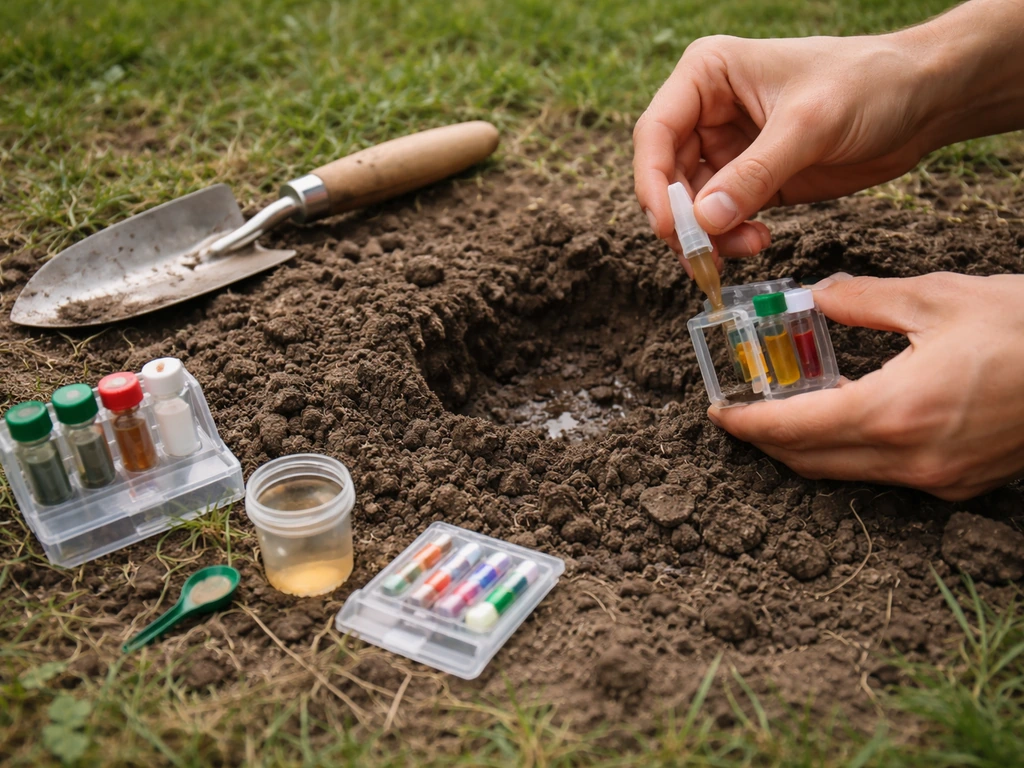
Before you do anything else, test your soil. Bermuda thrives in a pH of 5.5 to 6.5. Outside that range, nutrients get locked out and the grass struggles even if it germinates. Your county extension office usually offers soil tests for $10 to $20, and the results will tell you exactly how much lime, phosphorus, and potassium to add. Apply lime and work it in before seeding, not after.
Clay soil
If your soil is clay, it compacts easily and drains poorly, which can suffocate germinating seeds. Till or aerate the top 4 to 6 inches and work in compost to improve drainage and loosen the structure. You don't need perfect soil, but you need the surface 1 to 2 inches to be loose and friable so seeds can make contact. After seeding, lightly roll or tamp the area. Seed sitting in air pockets in clay won't germinate.
Sandy soil
Sandy soil drains so fast that it dries out quickly, which is the enemy of seed germination. The good news is Bermuda actually does reasonably well in sandy soil once established, but during germination you'll need to water more frequently to keep that top layer moist. Adding a thin layer of compost or a starter fertilizer with phosphorus helps hold some moisture and gives seedlings an early nutrient boost.
General seedbed rules
- Remove existing weeds and dead grass before seeding. A clean seedbed is not optional.
- Rake the surface smooth so you have a firm, even seedbed with no large clumps.
- Apply starter fertilizer (look for higher phosphorus ratios like 18-24-12) before or right at seeding.
- Do a light roll or firm the seedbed after seeding to press seed into soil contact.
- Avoid fluffy, overly-tilled soil where seeds fall into gaps and dry out.
How to plant: seeding rate, spreading, and watering
For a new lawn or full renovation, use about 1 pound of hulled Bermuda seed per 1,000 square feet. For repair seeding into bare spots or thin areas, you can go a bit heavier, up to 1.5 pounds per 1,000 square feet, to compensate for competition from surrounding grass. For reference, 5 to 10 pounds per acre is the range used in pasture-scale applications, which works out similarly when you do the math.
- Divide your seed into two equal batches. Spread the first batch walking in one direction, and the second batch walking perpendicular to the first. This cross-hatch approach gives you more even coverage.
- Use a drop spreader or rotary spreader for large areas. For small bare spots, hand broadcasting works fine.
- After spreading, lightly rake the seed in so it's barely covered, no more than 1/4 inch deep. Bermuda seed needs light to germinate, so don't bury it.
- Firm the seedbed by walking over it, using a lawn roller, or tamping lightly with the back of a rake. This is the seed-to-soil contact step that most people skip.
- Water immediately after seeding. Keep the top 1 inch of soil consistently moist until germination.
Watering schedule during germination
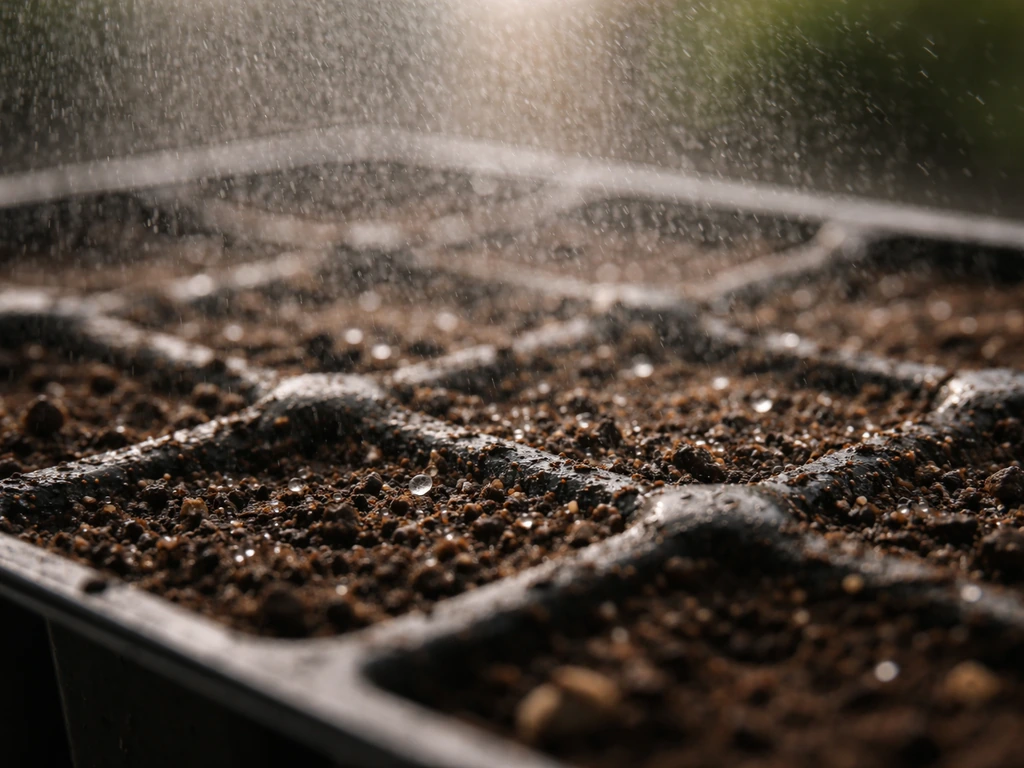
For the first two to three weeks, you need frequent, light watering, not deep soaks. The goal is to keep that top 1 inch of soil moist at all times without letting the surface crust over or dry out between sessions. Lightly raking Bermuda seed into about the top quarter inch and keeping the surface consistently moist during germination are common recommendations echoed by online guidance [lightly rake Bermuda seed into the top](https://www. lawncareguides.
com/grass-types/bermuda-grass). In hot weather, this often means watering two to three times a day for 5 to 10 minutes each time. Once you see consistent germination, you can start transitioning to deeper, less frequent watering to encourage roots to go down. Water in the morning when possible to avoid wet foliage overnight.
Aftercare: mowing, fertilizing, and keeping it safe
First mow
Wait until your new Bermuda reaches about 2 to 2.5 inches tall before mowing, then cut it back to around 1.5 inches. Don't scalp it, and make sure your mower blades are sharp. A dull blade tears seedlings instead of cutting them, which can set the whole stand back. After that first mow, maintain Bermuda at 1 to 1.5 inches for best density and vigor.
Fertilizing
Once the grass has germinated and you've mowed it once or twice, you can apply a nitrogen fertilizer to push growth. Wait too long and you slow the establishment. Apply too early and you're feeding weeds as much as grass. After that second mow is a good milestone to start your regular fertilizing schedule.
Weed control and herbicides
Do not apply preemergence herbicides before or right after seeding. Preemergents work by preventing seed germination, and they cannot tell the difference between weed seeds and your Bermuda seeds. You'll kill your own lawn before it starts. Wait until your new Bermuda has been mowed at least three to four times before using any broadleaf herbicide, and hold off on preemergents until the grass is well established. Weed competition is the biggest threat to a newly seeded Bermuda stand, so a clean seedbed before planting is your best defense.
Pets and foot traffic
Keep foot traffic off the newly seeded area for at least a month after germination, or until the lawn has been mowed a couple of times. Seedling roots are shallow and weak, and any heavy or repeated traffic will pull them up or compact the soil enough to slow growth. If you have dogs, section off the area with temporary fencing if possible. It's one of those things that feels like overkill until you see paw-print-shaped bare patches in an otherwise decent stand.
What to do when germination is patchy
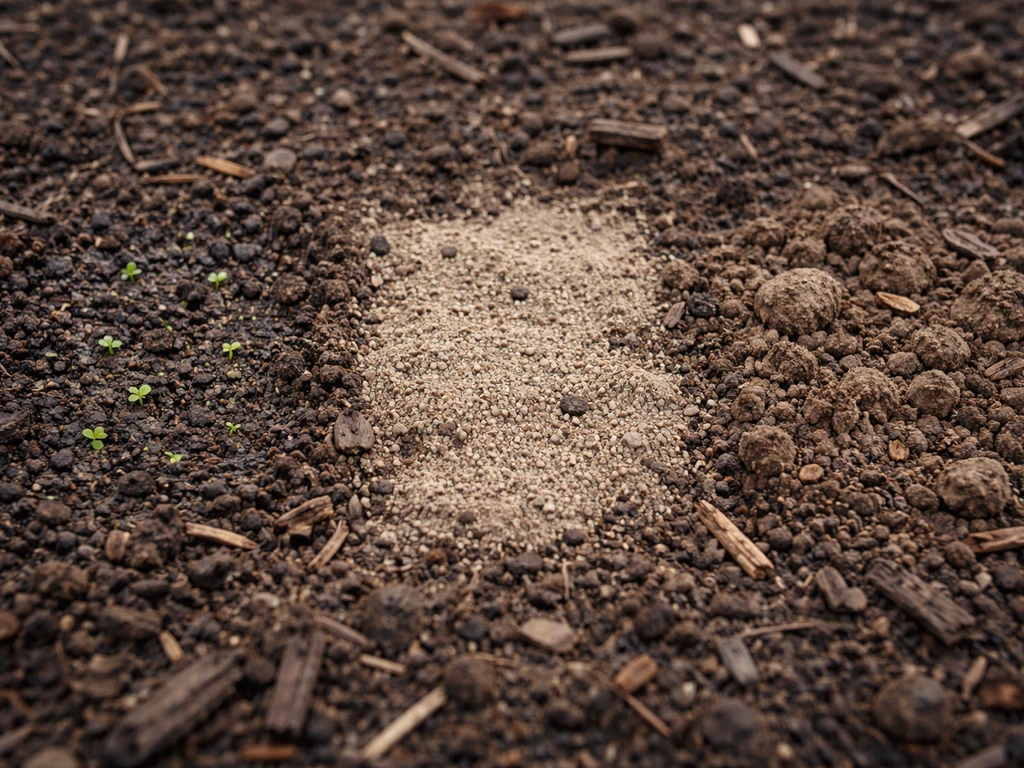
Patchy germination is common and usually points to one of three problems: uneven soil temperature, inconsistent moisture, or poor seed-to-soil contact in certain spots. Before you assume the seed failed, give it the full 30 days. Bermuda can be slow, and bare areas sometimes fill in later than you expected.
If you still have obvious bare spots after 30 days, here's how to diagnose and fix them:
- Bare spots in low areas: Probably stayed too wet or too dry depending on drainage. Loosen the soil surface lightly with a rake, spot-seed at a heavier rate, and firm the area back down.
- Bare spots in high or compacted areas: Poor seed-to-soil contact. Scratch the surface with a metal rake to create a fresh seedbed, reseed, and roll or tamp firmly.
- Weeds taking over thin spots: This is the most common problem in poorly prepared areas. Hand-pull weeds now since you can't use herbicide safely yet. Get the weed out by the root so it doesn't come back and shade the Bermuda.
- Overall thin stand: If the whole lawn is sparse but not completely bare, resist the urge to reseed immediately. Bermuda spreads aggressively by stolons once established, and thin areas often fill in through the summer if you keep mowing, watering, and fertilizing.
- Seed didn't germinate at all in one zone: Check soil temperature in that area. Shaded spots, low areas against a building, or areas with heavy clay can stay cooler. Bermuda needs full sun, and areas with more than a few hours of shade per day will always be thin.
If you're comparing Bermuda to other grass options, it helps to know what you're giving up. Fescue and ryegrass grow in cooler temperatures and tolerate shade better, but they won't survive summer heat in the South the way Bermuda does. Zoysia is another warm-season grass that's often compared to Bermuda, but it's slower to establish and typically harder to grow from seed. If you're in a warm climate with full sun, Bermuda from seed is genuinely one of the most cost-effective ways to build a tough, dense lawn.
Once your Bermuda is established, the real payoff is how fast it spreads and recovers. A patchy first summer often turns into a solid, uniform lawn by the following spring. Be patient with the gaps, aggressive with weed control, and consistent with watering. That combination gets most homeowners to a lawn they're proud of without spending a fortune on sod.
FAQ
Why do I see air temperatures above 70°F but my Bermuda seeds still aren’t sprouting?
Bermuda seed can germinate from cool nights if the soil at seeding depth stays near or above 65°F. If the soil dips below that threshold for extended periods, germination can stall even when air temperatures look warm. Use a soil thermometer and watch for consistency, not just a one day warm stretch.
Can you grow Bermuda grass from seed into an existing lawn (overseeding or spot seeding)?
Yes, you can overseed existing lawns, but success depends on how much bare, firm soil you can expose. Bermuda seed needs direct seed-to-soil contact, so heavy thatch, thick weed mats, or loose top dressing can cause patchy emergence. Plan to lightly scarify or remove thatch in the targeted areas before spreading seed.
Is hulled Bermuda seed worth it, or can I use unhulled seed for a backyard lawn?
Hulled seed generally gives you better odds for a homeowner lawn because it breaks dormancy and starts germinating sooner. If you use unhulled seed, expect a longer, less predictable timeline and a higher chance that weeds fill the gaps before Bermuda takes over. For the most reliable first-summer establishment, choose hulled and, if available, coated seed.
If Bermuda is patchy after 30 days, should I start over or troubleshoot and re-seed?
Bare spots that persist past 30 days are often due to seed placement and moisture patterns, not total failure. Recheck soil moisture at the surface, confirm the seedbed is firm enough that seeds are not suspended in air gaps, and look for areas that dry out between light waterings. If you fix moisture and contact, you can re-seed those spots once the surrounding grass is stable and you can water without washing seed away.
What weed control can I use if I’m seeding Bermuda from scratch?
In general, avoid preemergence herbicides around seeding because they prevent germination. Also be careful with broadleaf herbicides, since young seedlings are sensitive, and label directions vary. A safe approach is to wait until your Bermuda has been mowed several times and can tolerate the product, then spot-treat weeds rather than spraying the entire area.
How can I tell if my watering schedule is helping Bermuda seed or washing it away?
If you notice runoff, seeds moving, or the soil surface crusting after watering, pause and adjust your method. Bermuda seedlings need the top inch consistently moist, so switch to shorter, more frequent water cycles that don’t flood. After watering, the surface should feel lightly damp but not muddy or sealed.
Can mowing ruin newly seeded Bermuda grass, and when is it safe to start?
Yes, mowing too early can reduce establishment because it tears or smothers fragile seedlings, especially if mower blades are dull. Wait until the lawn is about 2 to 2.5 inches tall, then mow back around 1.5 inches. Keep blade sharpness a priority, since ragged cuts can slow coverage.
If my soil test shows a pH or nutrient issue, should I correct it before seeding or after?
Bermuda’s pH target (about 5.5 to 6.5) is about nutrient availability and root vigor, but your immediate goal after seeding is a healthy seedbed. If your soil test is off, correct it with lime before seeding when possible, not afterward, so nutrients are unlocked when seedlings are starting to grow. Also consider a phosphorus starter if your soil is very low, since it supports early rooting.
How much Bermuda seed should I use for a full lawn versus bare spot repairs?
Seed coverage depends on whether you’re repairing bare spots or building a new lawn, and also on how competitive the existing ground cover is. For thin or repair seeding, slightly higher rates help compensate for competition and uneven emergence. If you are seeding a large area with good seedbed prep, sticking close to the recommended lawn rate is usually sufficient, since over-seeding can increase wasted seed.
How long should I keep foot traffic and pets off newly seeded Bermuda?
Yes. If you have foot traffic needs, use barriers to keep people and pets off until the lawn has been mowed a couple of times and roots have had time to strengthen. Temporary fencing is especially helpful because paw traffic can create “U-shaped” or pawprint bare areas that never fully catch up if replanted too early.
Next Article
How to Grow Bermuda Grass Faster: Step-by-Step Plan
Step-by-step plan to grow bermuda grass faster using sun, soil prep, fertility, watering, mowing, and smart seeding vs s