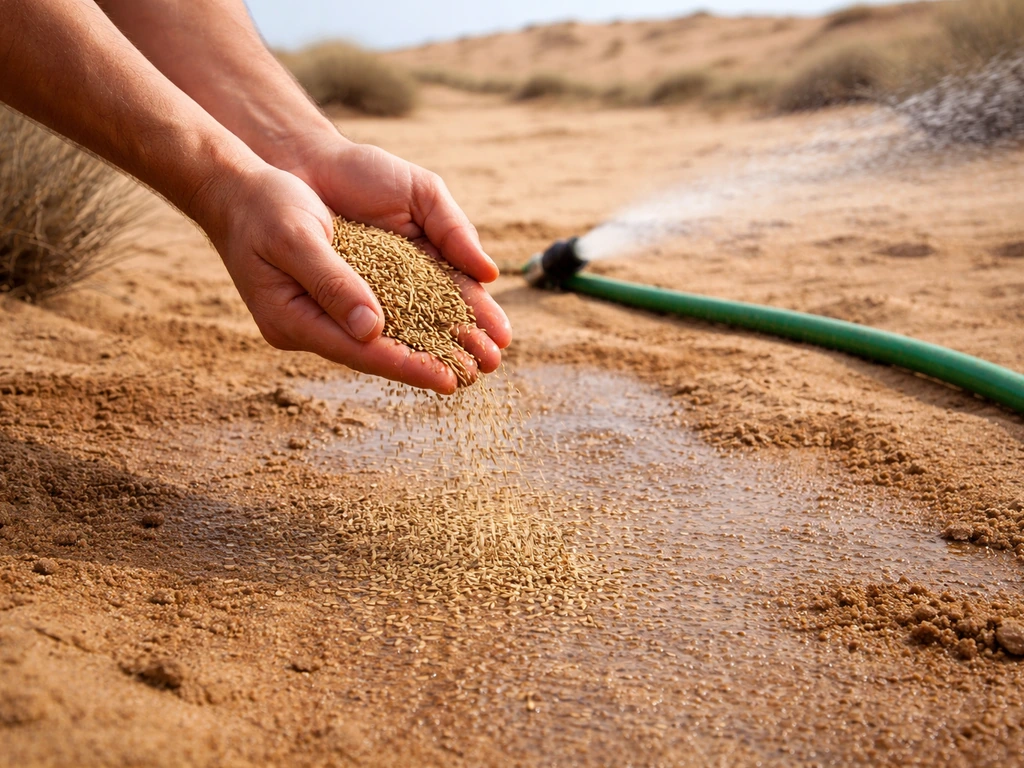
Growing grass from seed in New Mexico is absolutely doable, but you have to play by different rules than most of the country. The heat is intense, the sun is relentless, the water is scarce, and the soil is often either rock-hard clay or fast-draining sand. Get the grass variety right, plant at the correct time of year, and stay on top of watering during those first few weeks, and you'll have a lawn that actually establishes. Skip any one of those steps and you'll be staring at a patchy, brown mess by August. This guide walks you through every step specifically for New Mexico conditions, with extra detail for Albuquerque homeowners.
How to Grow Grass in New Mexico: Albuquerque Guide
Marcus Tillwell
26 Jun 2026
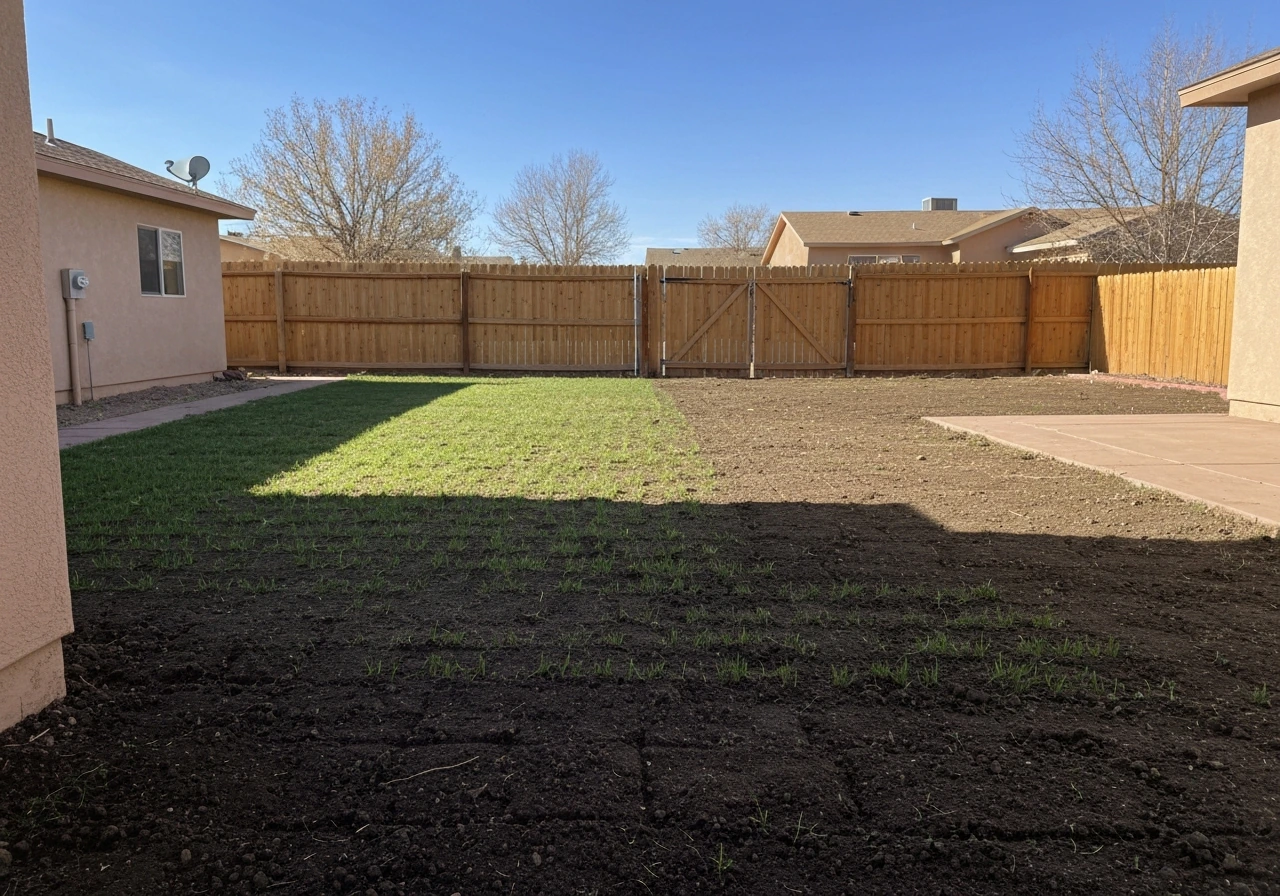
Know your New Mexico lawn constraints
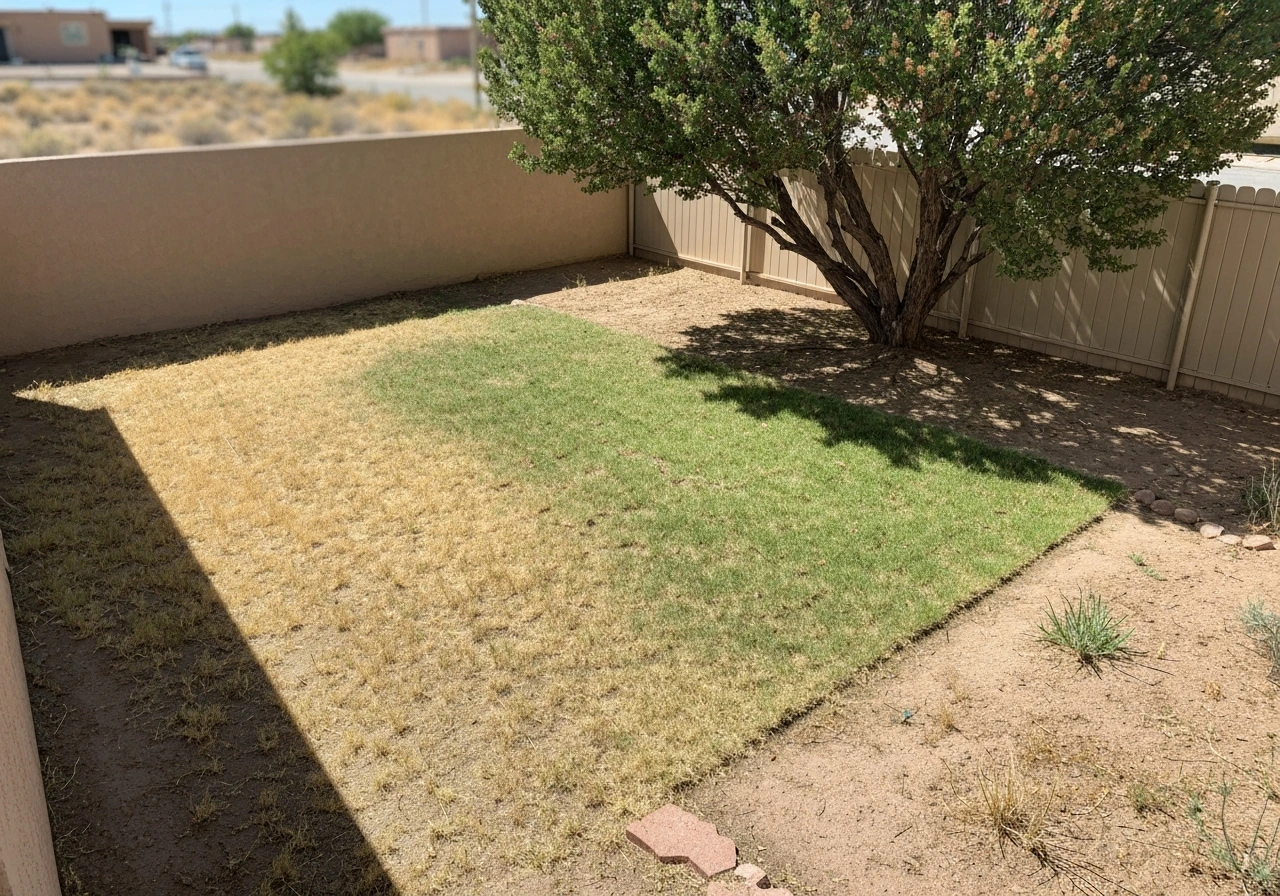
Before you buy a single bag of seed, it helps to understand what you're actually up against. Albuquerque sits at around 5,300 feet elevation, gets roughly 310 sunny days per year, averages only about 9 inches of annual rainfall, and experiences soil temperatures that can spike well above 90°F in summer. That combination creates a lawn environment that punishes the wrong grass choice or the wrong timing fast.
- Heat: Summer daytime highs regularly hit the mid-to-upper 90s°F, and reflected heat from pavement and walls pushes soil surface temps even higher. Seedlings are extremely vulnerable during this period.
- Sun exposure: Full sun is nearly constant for most yards. UV intensity at elevation accelerates soil moisture loss and can scorch newly germinated seedlings that aren't kept consistently moist.
- Water: New Mexico averages less than 10 inches of rain per year in most populated areas. NMSU extension is clear that irrigation is the single most important cultural practice for getting seed to germinate here. You are responsible for almost all of the moisture your lawn gets.
- Soil: Albuquerque soil ranges from compacted caliche-layer clay to coarse, fast-draining sandy loam depending on where in the metro you are. Caliche (a hardpan calcium carbonate layer) can sit just inches below the surface and block both drainage and root penetration. Both soil types require amendment before seeding.
If you've tried to grow grass before and failed, one of these four factors was almost certainly the culprit. The good news is all of them are manageable once you know what you're dealing with.
Pick the right grass for New Mexico
This is the most consequential decision you'll make. The wrong grass type in New Mexico will either fry in summer, die in winter, demand water you can't realistically provide, or never look green when you actually want it to. Here's how the main options break down for this climate.
Bermudagrass
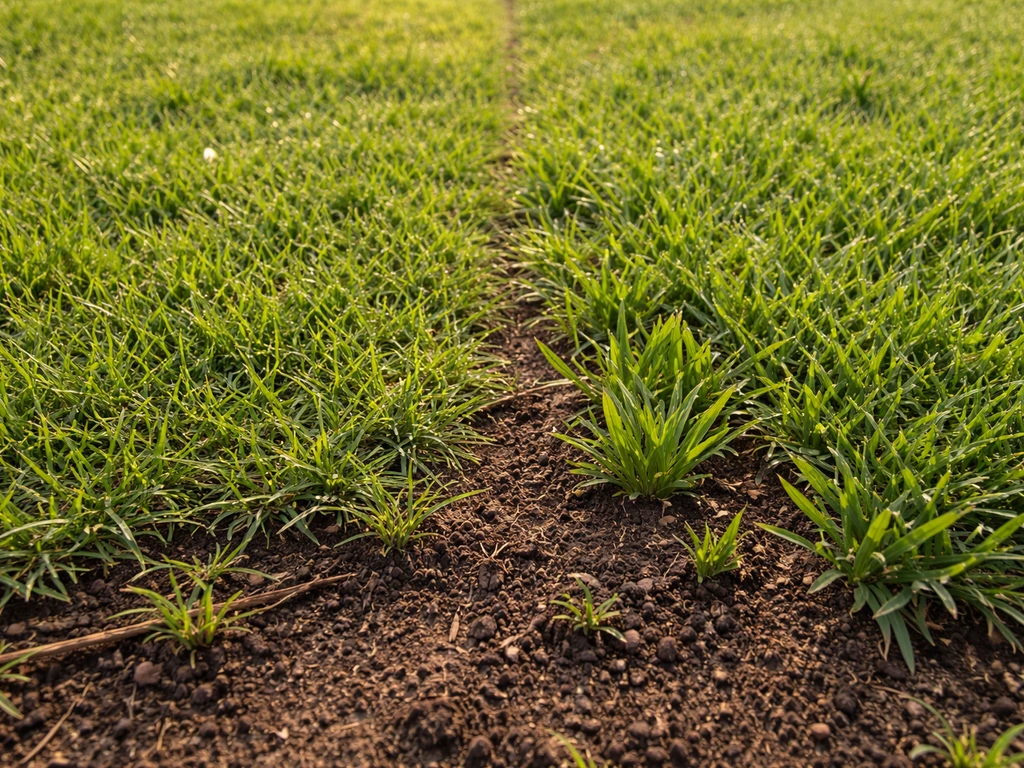
Bermuda is the workhorse warm-season grass for Albuquerque and most of lower-elevation New Mexico. It thrives in heat (80–95°F is its sweet spot), handles full sun, spreads aggressively to fill bare spots, and uses significantly less water than cool-season grasses once established. The trade-off: bermuda goes fully dormant and turns brown for roughly five months of the year. If you want green grass in December, bermuda alone won't give you that. Common bermuda varieties are available from seed, but hybrid bermuda (like Tifway 419) requires sod or sprigs since it doesn't produce viable seed. For a budget seed-based approach, common bermuda works well.
Zoysiagrass
Zoysia is another warm-season option that performs well in New Mexico's heat, but it's slower to establish than bermuda. Where zoysia earns its place is in yards with some shade: NMSU rates zoysia as one of the few warm-season grasses that genuinely tolerates shade. If you have a yard that gets a few hours of tree or structure shade, zoysia is worth considering over bermuda. It also has a finer texture than many warm-season grasses. Like bermuda, it blank" rel="noopener noreferrer">will go dormant in winter. Zoysia is typically established from sod or plugs rather than seed, which adds cost but can speed up coverage.
Tall Fescue
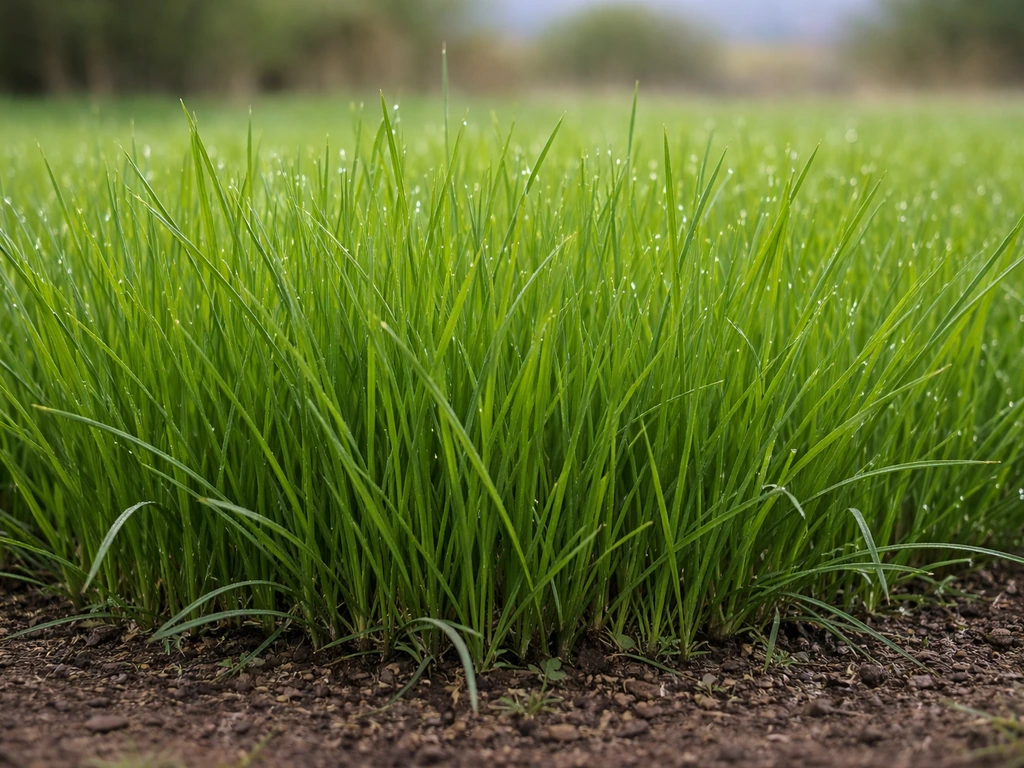
Tall fescue is the go-to cool-season option for New Mexico homeowners who want year-round green. It's more cold-tolerant than warm-season grasses and stays green through fall and into winter. The big drawback in Albuquerque's climate is summer stress: tall fescue will struggle or go semi-dormant during peak summer heat and requires more irrigation to push through July and August than bermuda does. It's a real option if you're committed to the watering schedule. Turf-type tall fescue (modern varieties marketed as TTTF) handles heat better than older varieties and is the right choice if you go this route.
Perennial Ryegrass
Perennial ryegrass is fast-germinating (7 to 10 days) and is most commonly used in New Mexico for winter overseeding of dormant bermuda lawns. It germinates quickly in cool fall temperatures, keeps the lawn green through winter, and then dies out as summer heat arrives and bermuda wakes back up. As a standalone permanent lawn grass in Albuquerque, perennial rye is not the best choice because it doesn't handle the summer heat well enough. But for overseeding a dormant warm-season lawn each fall, it's hard to beat.
| Grass Type | Season | Heat Tolerance | Shade Tolerance | Water Needs | Establishes from Seed | Winter Color |
|---|---|---|---|---|---|---|
| Bermudagrass | Warm-season | Excellent | Poor | Low–Medium | Yes (common) | Brown (dormant) |
| Zoysiagrass | Warm-season | Good | Good | Low–Medium | Limited (plugs/sod better) | Brown (dormant) |
| Tall Fescue | Cool-season | Moderate | Moderate | Medium–High | Yes | Green |
| Perennial Ryegrass | Cool-season | Low | Poor | Medium | Yes (fast) | Green (overseeding use) |
For most Albuquerque homeowners who want a low-maintenance, drought-tolerant lawn and don't mind brown grass in winter, bermudagrass is the recommendation. If year-round green is the priority and you're willing to water consistently, go with tall fescue. If you have shade, consider zoysia.
Best time to seed in New Mexico
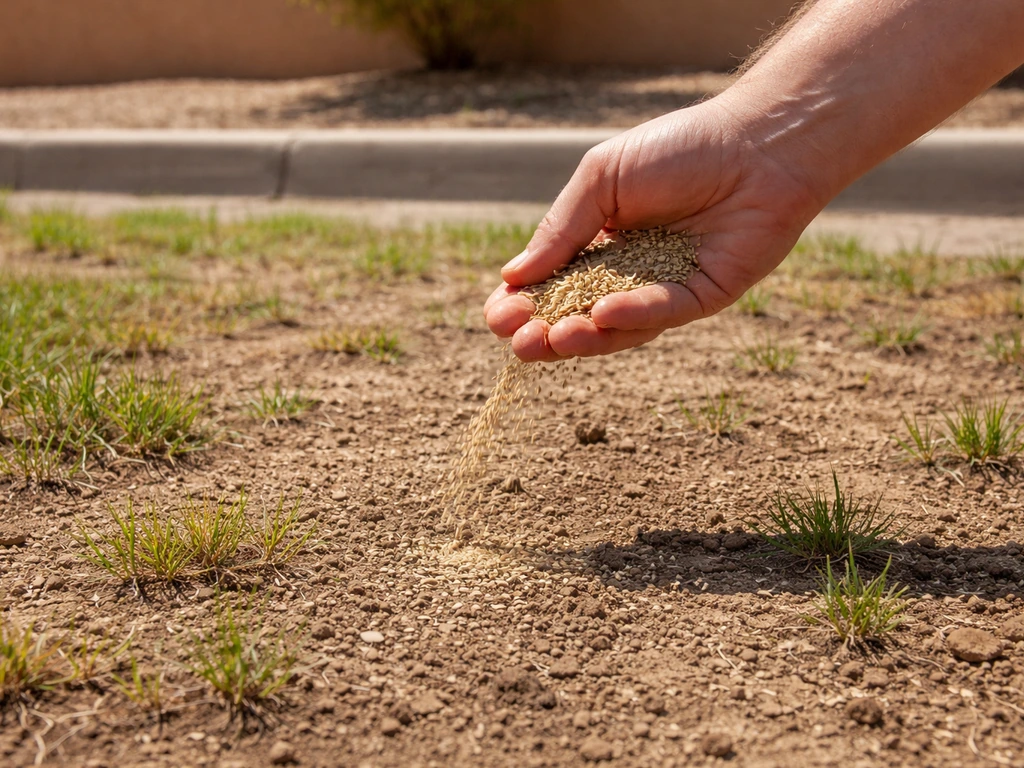
Timing is where a lot of New Mexico homeowners get burned. The planting windows here are narrower than in most of the country because you're sandwiched between late frost in spring and brutal heat in summer on one side, and early cold in fall on the other.
Warm-season grasses (bermuda, zoysia)
Plant bermudagrass seed when soil temperatures are consistently at or above 65°F, and ideally closer to 70°F for faster, more reliable germination. In Albuquerque, that typically means late April through early June. By mid-June you're pushing into peak summer heat, which stresses new seedlings hard. OSU Extension notes that overseeded lawns often need more irrigation than dormant grass, which is why watering needs careful planning when adding seed during transitional seasons [Surface heat, which stresses new seedlings hard.
](https://extension. okstate. edu/fact-sheets/lawn-watering-tips. html).
If you're reading this in late June (today is June 26), you're at the edge of the bermuda seeding window. You can still seed bermuda right now, but you'll need to be extremely diligent about keeping the seedbed moist in that surface heat. Seeding by early-to-mid July is generally the cutoff for warm-season establishment because seedlings need enough time to establish roots before temperatures drop in September and October.
Cool-season grasses (tall fescue, perennial ryegrass)
For tall fescue, the best seeding window in Albuquerque is late August through mid-October. This is the same logic that applies across the Southwest: you want soil temperatures cooling toward the 50–65°F range where fescue germinates well, but you still have enough warm weeks ahead for seedlings to establish before hard frost. A secondary spring window exists (late February through March), but fall seeding gives far better results because the seedlings aren't marching straight into summer heat. Perennial ryegrass for overseeding is best done in September or October when bermuda is going dormant.
| Grass Type | Primary Seeding Window (Albuquerque) | Secondary Window | Notes |
|---|---|---|---|
| Bermudagrass | Late April – early June | Through early July (with extra care) | Soil temp must be 65–70°F+ |
| Zoysiagrass | Late April – June | N/A (plugs/sod preferred) | Slow establishment |
| Tall Fescue | Late August – mid-October | Late February – March | Fall seeding strongly preferred |
| Perennial Ryegrass (overseeding) | September – October | N/A | Used to green dormant bermuda |
Soil prep: the step most people skip
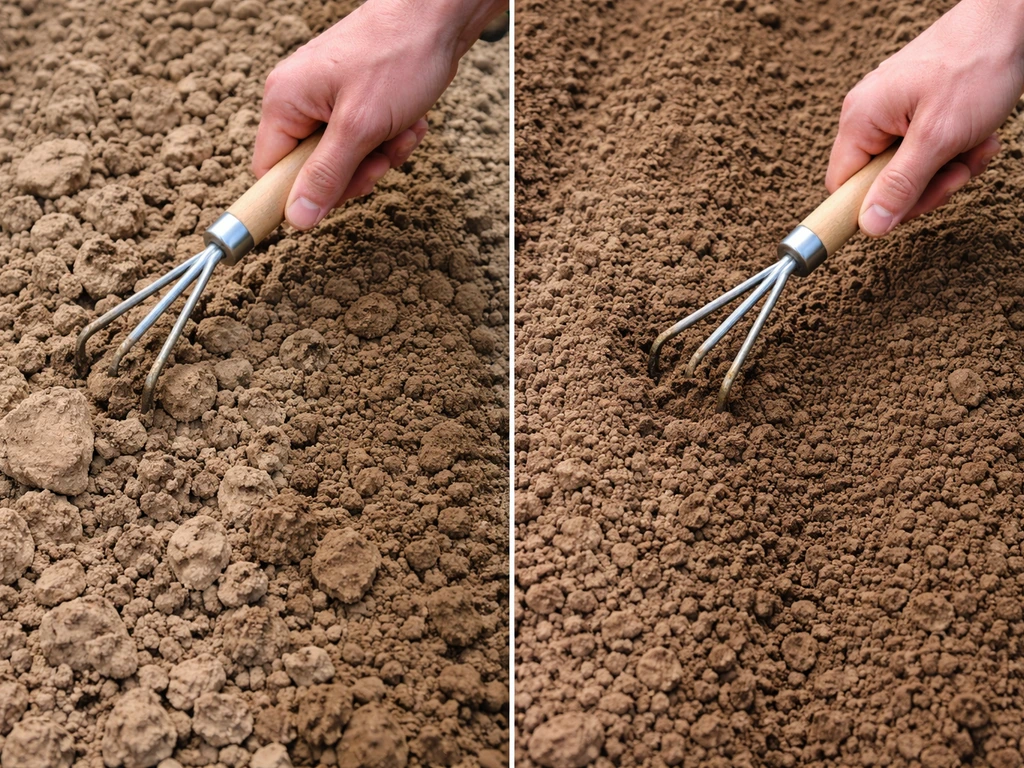
You can have the right seed and the right timing and still get poor results if the soil isn't ready. NMSU extension is direct about this: fix seedbed issues before you seed, not after. Here's how to handle the most common New Mexico soil situations.
Clay soil
Clay compacts, drains poorly, and can form a nearly impenetrable crust on top when it dries out in the New Mexico sun. Seeds sitting on or near a dry clay crust won't germinate reliably. If you have clay, till or loosen the top 4 to 6 inches and work in organic compost, at least a 2 to 3 inch layer incorporated into the soil. This improves drainage, improves aeration, and gives roots somewhere to go.
If you find caliche within 4 to 6 inches of the surface, you'll need to either break through it with a pick or rented breaker, or bring in topsoil to build above it. NMSU specifically recommends adding topsoil and amendments when adequate soil depth can't otherwise be achieved.
Sandy soil
Sandy soil is the opposite problem: water drains through it so fast that seedlings dry out before roots develop. Compost amendment helps here too, added at a similar rate to what you'd use for clay. The goal is to improve moisture retention. On very sandy soil, you may need to water more frequently during germination to compensate for how fast moisture leaves the root zone.
Bare and patchy areas
For bare spots or patchy areas rather than a full-lawn renovation, loosen the existing soil in those spots with a hand cultivator or small tiller to a depth of 2 to 3 inches. Remove any dead thatch, rocks, or debris. If the area is compacted, break it up. Rake the seedbed smooth to remove high and low spots, which is something NMSU specifically calls out in their establishment guidance: fine grade using a rake or drag mat so you get uniform seed placement and establishment.
Weed control before you seed
Bare soil in New Mexico fills with weeds fast. If you have existing weed pressure, consider watering the prepared seedbed for one to two weeks before seeding to germinate waiting weed seeds, then kill them with a contact herbicide or by shallow cultivation before you put your grass seed down. This pre-plant weed flush significantly reduces the competition your new grass seedlings will face. Do not use pre-emergent herbicides within the timeframe before seeding, as they'll prevent your grass seed from germinating too.
Seeding method and rates: getting seed into the soil
The single biggest mistake homeowners make when seeding is spreading seed on top of hard, unprepared ground and walking away. Seed needs to make contact with moist soil to germinate. On top of dry, loose surface soil in New Mexico heat, most of it will just blow away or bake. Good seed-to-soil contact is the job.
How to seed
- Prep and fine-grade the seedbed as described above. The surface should be loose, smooth, and free of large clumps.
- Water the seedbed thoroughly before seeding to moisten the top 6 to 8 inches of soil. Let it drain until the surface is moist but not muddy.
- Spread seed using a broadcast spreader (for large areas) or by hand for small patches. Split the seed into two passes: go in one direction with half, then cross in a perpendicular direction with the second half for more even coverage.
- Rake lightly after spreading to work seed into the top ¼ inch of soil. You can also use the back of a flat rake to press seed into contact with the soil surface.
- Optionally, tamp the seeded area with a lawn roller (many hardware stores rent these) to firm up seed-to-soil contact. On small bare spots, a flat board you step on works fine.
- Cover lightly with a thin layer of weed-free straw or seed-starting mulch to reduce moisture loss and protect seed from wind. Keep it thin enough that you can still see about half the soil surface.
Seeding rates
Using the right amount of seed matters. Too little and you get thin, patchy coverage. Too much and you get overcrowded seedlings competing for resources, which can lead to disease and die-off. General seeding rates per 1,000 square feet for new lawn establishment in New Mexico conditions are as follows. If you're in Las Vegas, you can use these same seeding-rate guidelines as a starting point, then adjust based on your yard’s sun, shade, and watering schedule new lawn establishment in New Mexico conditions. For overseeding thin areas, you can cut these rates roughly in half.
| Grass Type | New Lawn (lbs per 1,000 sq ft) | Overseeding (lbs per 1,000 sq ft) | Expected Germination |
|---|---|---|---|
| Common Bermudagrass (hulled) | 1–2 lbs | 0.5–1 lb | 7–14 days (soil 70°F+) |
| Tall Fescue | 6–8 lbs | 3–4 lbs | 7–14 days |
| Perennial Ryegrass | 6–9 lbs | 3–5 lbs | 5–10 days |
| Zoysiagrass (seeded varieties) | 1–2 lbs | 0.5–1 lb | 14–21 days |
For bermuda specifically, make sure you're buying hulled seed. Unhulled bermuda seed has the outer coating intact, which significantly delays germination. Hulled seed germinates much faster and more reliably in hot, dry conditions.
Watering, germination, and what to expect
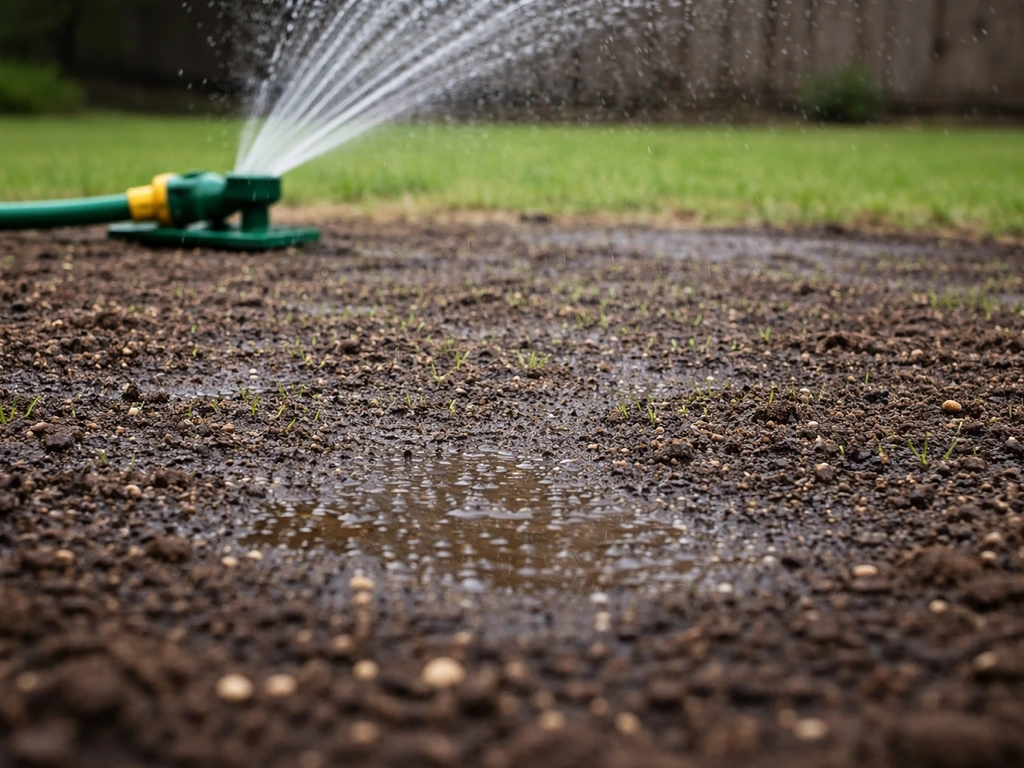
Watering is where New Mexico lawn establishment succeeds or falls apart. The standard advice from NMSU extension is that irrigation is the most important cultural practice for promoting seed germination here. In practical terms, that means you need to be more consistent and attentive with watering than you probably expect.
Phase 1: Pre-germination (day 1 through first sprouts)
Keep the top inch of soil consistently moist from the moment you seed until germination. In Albuquerque summer heat, that may mean watering two to three times per day in short cycles (5 to 10 minutes each) rather than one long watering. The goal is to prevent the soil surface from drying out between waterings. Morning and midday are the priority windows. Avoid watering in the evening to reduce disease risk. You're not trying to soak deep during this phase: light and frequent is the right approach. If the surface crust dries out and crusts over, germination stalls or stops entirely.
Phase 2: Seedling establishment (first sprouts to about 2 inches tall)
Once you see sprouts, you can relax very slightly. Once seedlings reach about half an inch to an inch tall, their roots are beginning to reach into the soil profile and the surface can dry briefly between waterings without killing them. Once seedlings are around 2 inches tall, NMSU recommends reducing irrigation frequency and shifting to deeper, less frequent watering. This trains roots to grow downward and starts building real drought tolerance. At this stage, watering once or twice daily is typically sufficient, focusing on wetting the top 3 to 4 inches of soil.
Phase 3: First mow and beyond
Mow your new bermuda or tall fescue lawn when it reaches about 3 to 4 inches tall for the first time. Set the mower high for that first cut: you don't want to scalp young seedlings. After the first mow, continue the shift toward deeper, less frequent irrigation. A new bermuda lawn typically needs 4 to 6 weeks to fill in from seeding under good conditions. Tall fescue will be mowable in about 3 to 4 weeks. Full establishment with a dense, traffic-tolerant turf takes 60 to 90 days.
Shade, pets, and troubleshooting problem areas
Growing grass in shaded areas
Shade is genuinely difficult in a New Mexico lawn context because the grass varieties that handle heat best (bermuda) are also the worst at tolerating shade. Bermuda needs full sun and will thin out and die under tree canopies or in areas shadowed by walls for most of the day. For shaded spots, zoysia is your best warm-season option: it's one of the only warm-season grasses that NMSU rates as shade-tolerant. Tall fescue also handles partial shade better than bermuda. If you have deep shade (less than 4 hours of direct sun per day), you may be better off using shade-tolerant ground cover or mulch rather than fighting a losing battle with any grass variety.
Lawns with pets
Dogs are hard on new seedings. Foot traffic on recently seeded areas before establishment compacts the soil, breaks contact between seed and soil, and physically damages fragile seedlings. If you have dogs, fence off the seeded area entirely for the first 4 to 6 weeks if at all possible. Bermuda actually handles heavy pet traffic better than most grasses once it's established because it's so aggressive about spreading and self-repairing. Dog urine spots (which show up as brown circles) can be spot-reseeded once the lawn is established: scratch the spot, add a pinch of compost, and reseed. For frequent urine areas, flushing with water right after your dog goes significantly reduces nitrogen burn damage.
Troubleshooting bare spots and poor germination
If seed isn't germinating after 14 days in warm conditions, there are only a few possible causes. The most common is that the seedbed dried out: even a few hours of surface dryness during the first week in Albuquerque heat can kill germinating seeds that have already begun to sprout. Check your watering frequency. Second, confirm your soil temperature: bermuda won't germinate reliably below 65°F. Third, check seed depth: if you've buried the seed deeper than about a quarter inch, especially bermuda, germination rates drop. Bermuda needs light to germinate and should barely be covered.
For persistent bare spots in an otherwise established lawn, the usual causes are compaction, shade, drainage issues, or pet traffic. Loosen the soil in those spots, amend with a little compost, reseed at the overseeding rate, keep moist, and protect from foot traffic. If the same spot keeps failing, investigate why before reseeding again: there's usually an underlying condition causing it.
Heat and dryness stress during establishment
If your seedlings are emerging but then yellowing or wilting, heat and moisture stress is almost certainly the issue. Increase watering frequency, not volume, during the hottest part of the day. A quick 3 to 5 minute cool-down irrigation at midday can make a real difference for seedlings in late June or July Albuquerque heat. Once seedlings reach 2 inches, they become substantially more resilient and this kind of stress management becomes less critical.
Your next steps right now
If you're starting today (late June), here's the short version of your action plan. If you’re specifically in Tucson, you can use the same grass-choice and timing principles, then adjust watering and seeding windows to your local heat and rainfall patterns late June. For a bermuda lawn, you're at the tail end of the ideal seeding window but can still get a good stand if you act this week and commit to twice or three-times-daily irrigation for the first two weeks. For tall fescue, your best move is to prep the soil now and seed in late August or early September. For overseeding a dormant bermuda lawn with perennial rye, plan for September or October.
- Test or assess your soil: dig down 6 inches and see what you're working with. Clay, sand, or caliche will determine how much amendment you need.
- Amend and loosen the seedbed: work in 2 to 3 inches of compost, rake smooth, and level out any high or low spots.
- Choose your seed: hulled common bermuda for a warm-season lawn now, turf-type tall fescue if you're prepping for a fall seeding.
- Set up your irrigation before you seed: make sure you can water the area multiple times per day during germination without it being a manual hassle every time.
- Seed at the correct rate, rake lightly for seed-to-soil contact, and apply a thin straw cover.
- Water light and frequently until germination, then gradually shift to deeper, less frequent irrigation as seedlings grow.
- Protect the area from foot traffic and pets for the first 4 to 6 weeks.
New Mexico's climate is tough on grass, but it's not impossible. The homeowners who end up with good lawns here aren't doing anything magical: they just pick the right grass, plant at the right time, and take watering seriously during establishment. Get those three things right and you're most of the way there. If you're working through similar desert-climate challenges in neighboring states, the constraints in Arizona, Nevada, and southern Utah are close enough that much of this same logic applies there too. If you're also planning your lawn in Arizona, the approach is similar, but you'll still want to tune the grass type and timing to local heat and rainfall patterns how to grow grass in Arizona.
FAQ
Can I grow grass in New Mexico if I’m starting in late June?
Yes, but only if you match the grass to what survives summer in your yard. In late June, bermuda can still be seeded if you can commit to keeping the top inch of soil consistently moist, typically two to three short waterings daily for the first 10 to 14 days. If you cannot irrigate that frequently, you will usually get better results starting with tall fescue prep now and seeding in late August to mid October.
How do I water seed in Albuquerque so it actually germinates?
The fastest way to fail is to seed and then let the surface dry out, or to water in long cycles that leave the top crust dry between irrigations. Aim to keep the surface consistently moist until germination, then shift to less frequent but deeper watering once seedlings are about 2 inches tall (wetting roughly the top 3 to 4 inches).
How deep should grass seed be planted in New Mexico?
In most New Mexico conditions, bermuda seed should be barely covered, around a quarter inch or less, because it needs light to germinate reliably. Tall fescue can tolerate slightly more coverage, but burying seed too deep in hot, dry weather usually causes patchy or no germination.
What should I check if my grass seed is not coming up after two weeks?
If seed is not germinating after about 14 days in warm conditions, the common causes are surface dryness, seed temperature (bermuda often will not germinate reliably below about 65°F), or seed planted too deep. Before reseeding, correct the moisture and seed-to-soil contact, then consider whether you are still within the right planting window for the grass you chose.
Can I use pre-emergent herbicide before seeding grass in New Mexico?
You usually should not apply pre-emergent weed control before seeding because it can block grass seed germination. If weed pressure is a problem, use a pre-plant approach like watering to trigger a weed flush, then knock it back with shallow cultivation or a contact herbicide, and then seed.
How long should I keep people and pets off a newly seeded lawn?
For new lawns, avoid heavy foot traffic for the first 4 to 6 weeks because compacted soil and broken seed-to-soil contact reduce germination. If you have to protect a seeded area, fencing is the simplest solution, since even mowing, running sprinklers over seed, or walking the lawn can interfere with establishment.
My seedlings are yellowing, is it lack of fertilizer?
Don’t treat yellowing during establishment as a fertilizer problem first. In Albuquerque, the more common cause is heat plus inconsistent moisture, especially if the surface dries midday. Increase the consistency of watering during the hottest part of the day, and only then consider nutrient adjustments once the lawn is established.
What’s the best way to handle dog urine spots on bermuda?
Bermuda can outperform many grasses with pet traffic once established because it spreads and self-repairs. For urine damage, wait until the lawn is established, then scratch and improve the spot (lightly add compost and reseed). For ongoing issues, flushing the area soon after urination reduces nitrogen burn damage.
Why do I keep getting bare patches even after I reseed?
If the same bare spot keeps failing, stop before reseeding again and diagnose the cause. Compaction, shade, poor drainage, caliche close to the surface, or repeated traffic are frequent culprits. Fix the physical limitation first (loosen/amend/regrade or bring in topsoil), then reseed at the overseeding or repair rate with seed kept moist during germination.
Which grass is more forgiving in New Mexico, tall fescue or bermuda?
The main trade-off is green color versus water and stress tolerance. If you want winter-green and can handle summer irrigation, tall fescue is the usual choice. If you want a drought-tolerant lawn and can accept brown winter dormancy, bermuda is typically the lowest-maintenance option.
Next Article
How to Grow Grass in the Desert: Step-by-Step Guide
Step-by-step plan to grow grass in desert sand, fix germination problems, choose the right seed, and water for establish