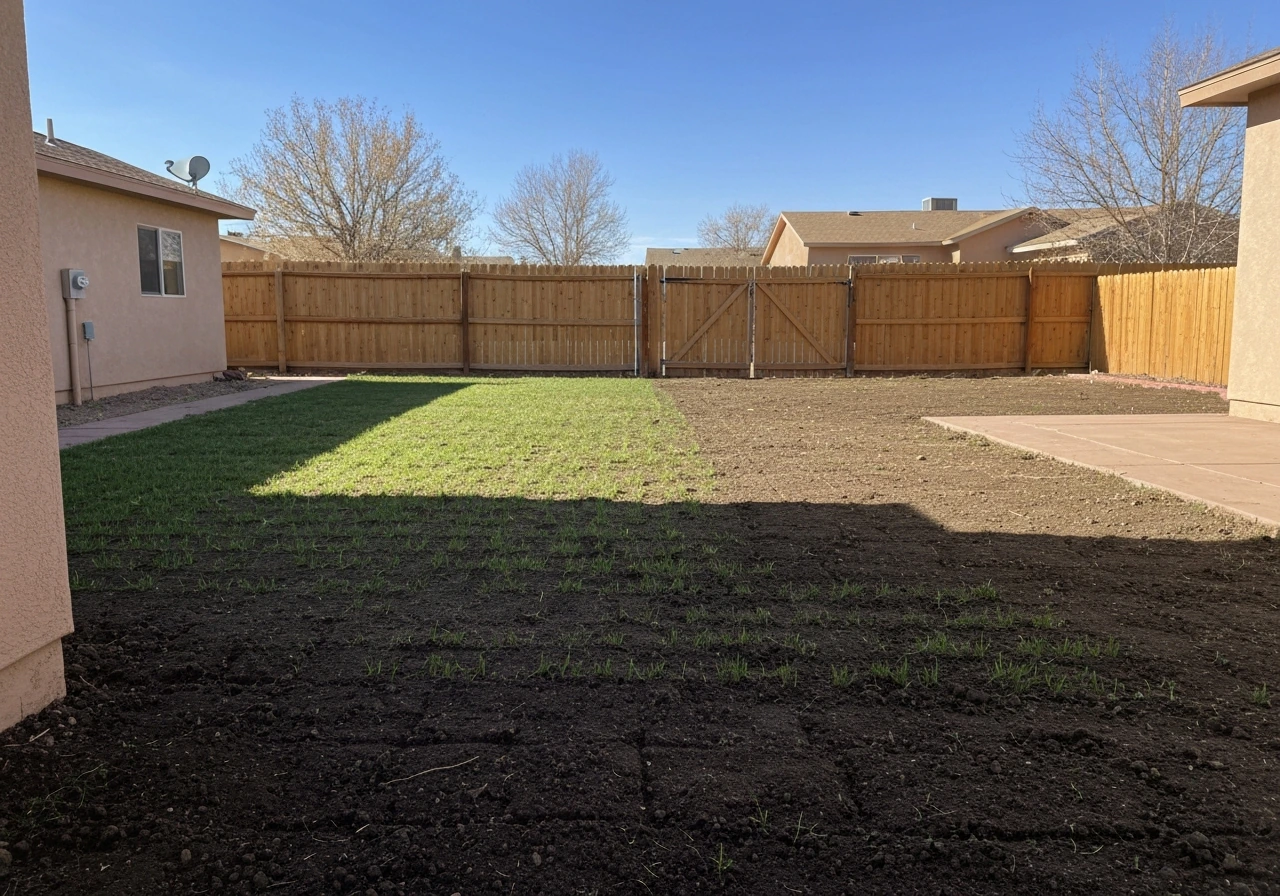
Yes, you can grow grass in Las Vegas, but you need to pick the right grass for the heat, work with your soil instead of against it, and water smart from day one. Bermudagrass is the single most reliable choice for most Las Vegas yards. It thrives in full sun, handles extreme summer heat, tolerates drought once established, and can be grown from seed at a fraction of the cost of sod. If you have shade or want something a little fancier, zoysia is worth considering. blank" rel="noopener noreferrer">Tall fescue works in partial shade and cooler microclimates, though it drinks more water. Annual ryegrass is mainly useful for overseeding dormant bermuda in winter. The sections below walk you through every step from bare dirt to a thick, established lawn.
How to Grow Grass in Las Vegas: Best Types and Steps
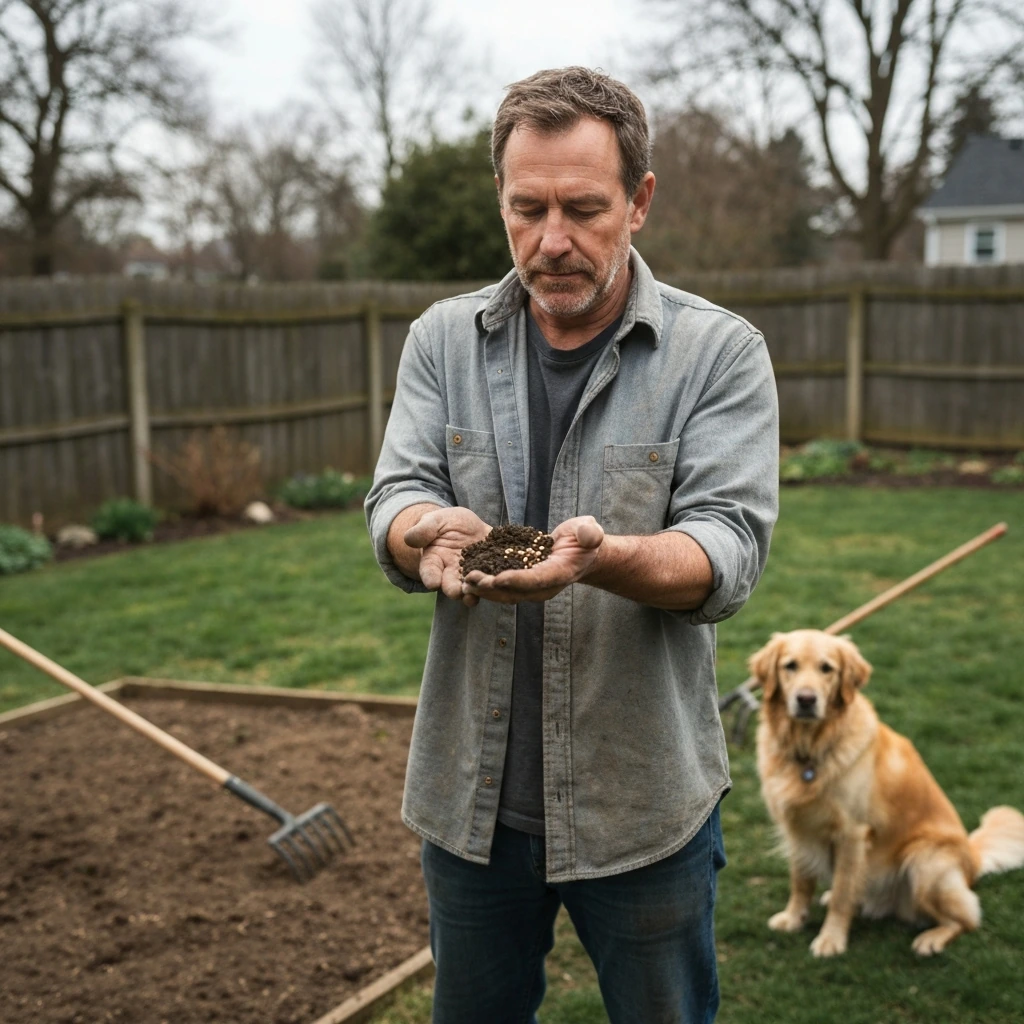
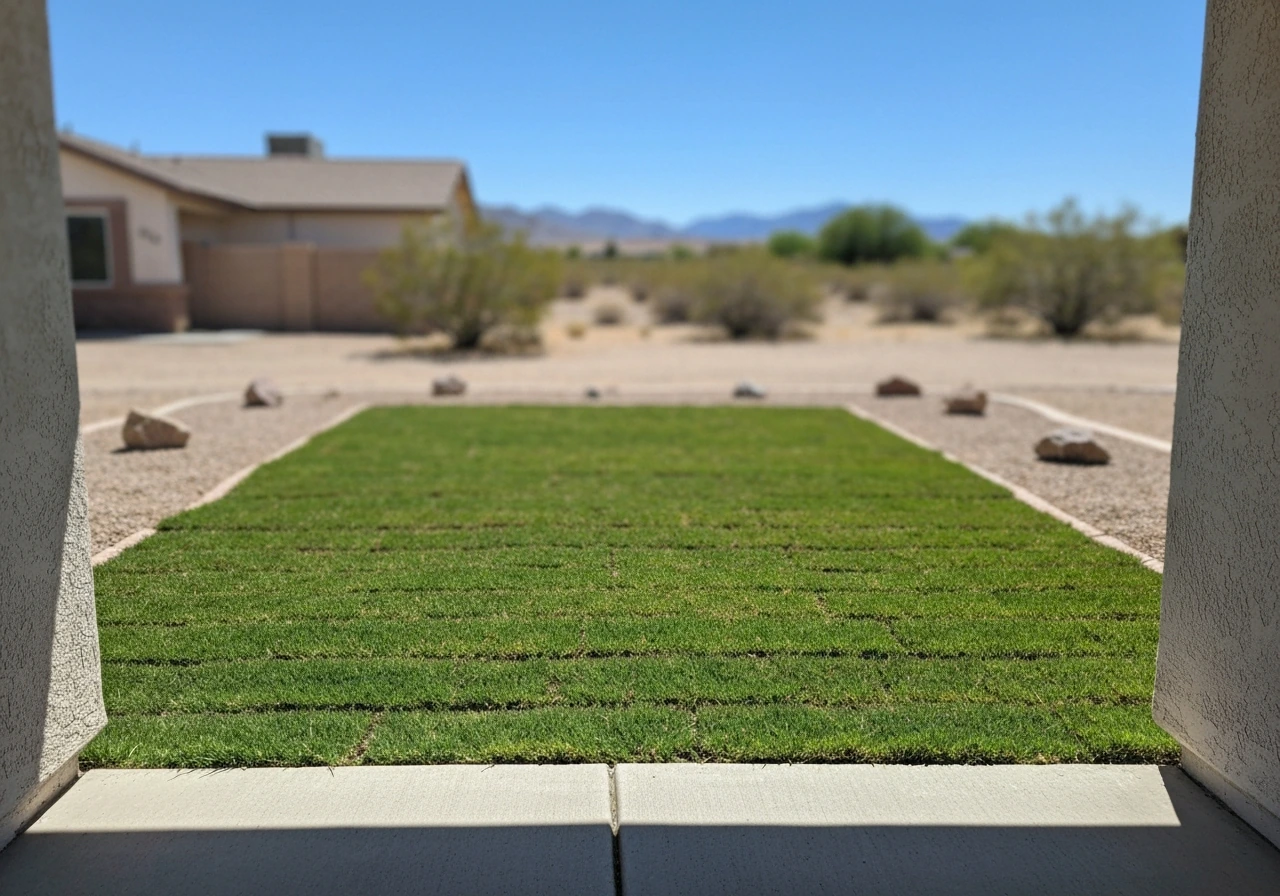
Can You Really Grow Grass in Las Vegas?
The honest answer is: yes, but you have to respect the climate. Las Vegas sits in the Mojave Desert, which means summer temperatures regularly exceed 110°F, annual rainfall averages around 4 inches, soil is often either compacted clay or fast-draining sandy decomposed granite, and the sun is relentless. Cool-season grasses like Kentucky bluegrass that thrive in Denver or Salt Lake City simply are not well-suited for Mojave heat. University of Nevada, Reno Extension research confirms this clearly. The grasses that actually work here are warm-season types, bermuda and zoysia especially, because they evolved in exactly this kind of punishing environment.
That said, expectations matter. A Las Vegas lawn is not going to look like a Pacific Northwest lawn. You are working against a tough climate, strict water restrictions from the Las Vegas Valley Water District, and soil that needs real attention before seed will germinate reliably. If you go in knowing that, prepare the ground properly, and follow a consistent watering schedule during establishment, you can absolutely grow a healthy, green, usable lawn. If you are trying to do this in New Mexico, the process is similar, but you will need to match the grass type and watering approach to your local desert conditions Grow a healthy, green, usable lawn. Plenty of homeowners do it every year. The key is doing the right things in the right order.
One important practical note: the Southern Nevada Water Authority allows residents to water as much as needed during the first month of establishment for new seed or sod. That window is critical, it is your best chance to get seed germinated and roots established before normal seasonal water restrictions kick back in. Plan your seeding timing to make the most of it.
Best Grass Types for Las Vegas
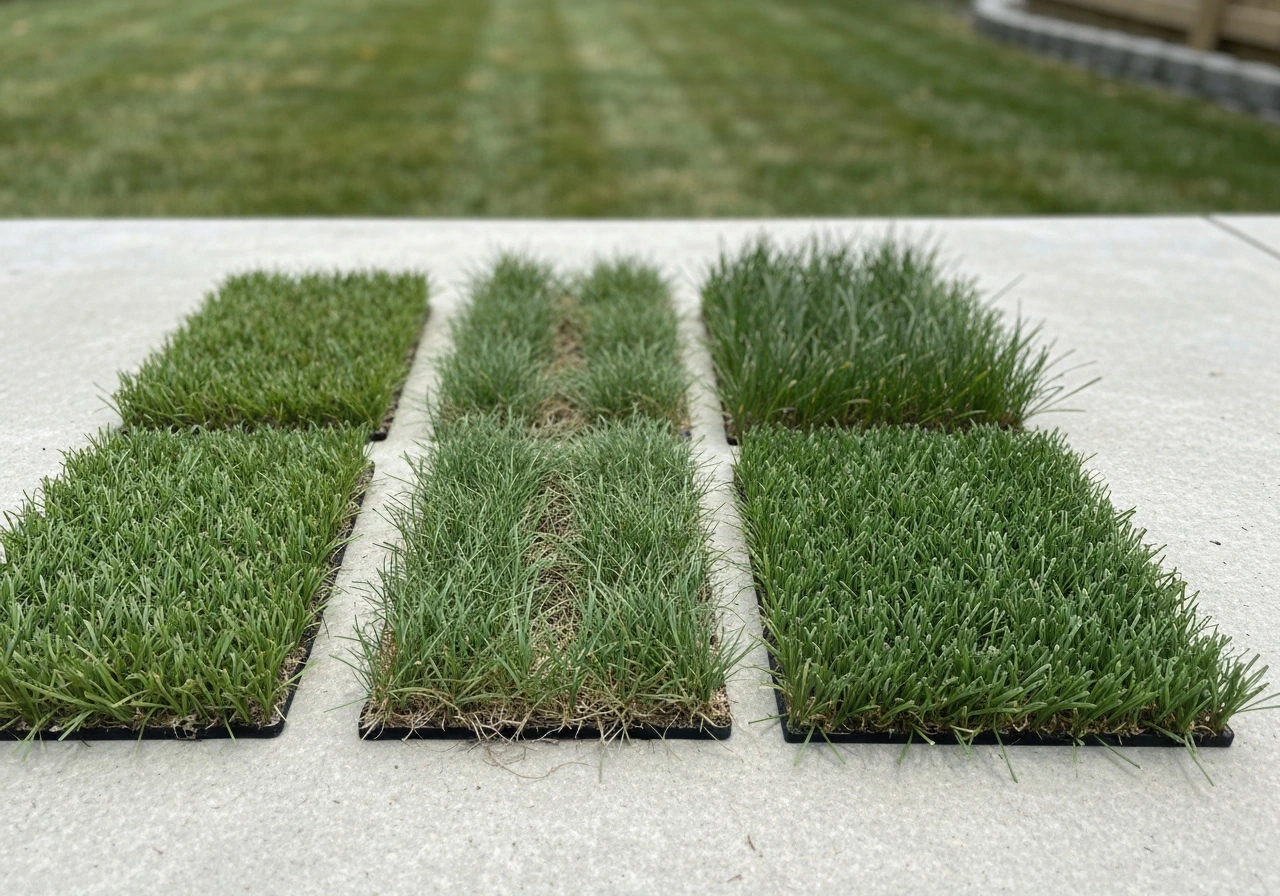
There are four grass types worth knowing about for Las Vegas. Here is how they actually perform in local conditions.
Bermudagrass: The Workhorse
Bermudagrass is the top choice for most Las Vegas yards, and it is not even close. It loves full sun, tolerates high heat and drought, and once established, it is genuinely tough. Common bermudagrass is typically planted from seed and performs well even in poor, unimproved soils, which makes it forgiving for homeowners who are still figuring out their soil situation. Seeded bermuda is affordable, widely available, and germinates in Las Vegas heat without much fuss as long as you keep the soil surface moist. The main downside: it goes dormant and turns brown in winter. It also has very low shade tolerance, if more than about 30% of your yard is shaded, bermuda will struggle and grow thin and spindly in those spots. Mow it at 1 to 1.5 inches once established.
Zoysiagrass: Tougher to Establish, Worth It in the Right Yard
Zoysia is a solid upgrade option if you want better shade tolerance and a slightly more refined look. It handles drought and wear well once established, and varieties like Zeon zoysia are more shade-tolerant than bermuda. The catch is that zoysia is slow to cover completely, expect it to take a full season or more to fill in from plugs or seed, and it is pricier than bermuda. It is really only worth pursuing if you are willing to give it the time and consistent maintenance it needs. Mow zoysia at roughly 1.5 to 2 inches. Like bermuda, it goes dormant in winter.
Tall Fescue: The Shade and Cool-Season Option
Turf-type tall fescue has carved out a niche in the Mojave's transition zone, especially in areas with significant shade or in slightly cooler microclimates like north-facing slopes or spots shaded by walls and structures. It stays green year-round, handles shade better than bermuda, and tolerates moderate foot traffic. The honest trade-off: tall fescue is among the highest water-use turfgrasses you can plant in Las Vegas. In a region where water costs money and the LVVWD enforces seasonal irrigation schedules, that matters. If you have a shaded yard and want year-round color, fescue can work, just budget for the water bill. Germination under ideal conditions takes roughly 7 to 12 days. Mow tall fescue at 2 to 4 inches, taller mowing heights help it survive summer heat.
Ryegrass: Not a Permanent Solution
Perennial and annual ryegrass are used almost exclusively in Las Vegas for winter overseeding, the practice of throwing cool-season seed over a dormant bermuda lawn in fall to keep things green through winter. Annual ryegrass is cheap and germinates fast; perennial ryegrass looks better and holds up a bit longer. Neither is a permanent lawn solution for Las Vegas heat. If you have already established bermuda and want green color in winter, ryegrass overseeding makes sense, but do not overseed your bermuda the first year after planting, because it interferes with establishment. Focus on getting the base grass established first.
| Grass Type | Best Use Case | Sun/Shade | Water Need | Goes Dormant in Winter | Can Start from Seed |
|---|---|---|---|---|---|
| Bermudagrass | Full-sun lawns, most yards | Full sun only | Low-moderate | Yes | Yes |
| Zoysiagrass | Moderate shade, refined look | Full sun to part shade | Low-moderate | Yes | Yes (slow) |
| Tall Fescue | Shade, year-round green | Part shade to full sun | High | No | Yes |
| Perennial/Annual Ryegrass | Winter overseeding only | Full sun to part shade | Moderate | No (cool-season) | Yes |
Size Up Your Yard Before You Buy Seed
Before you spend money on seed or amendments, walk your yard at different times of day and honestly assess what you are working with. This matters more in Las Vegas than almost anywhere else, because picking the wrong grass for your actual conditions means starting over.
Sun and Shade
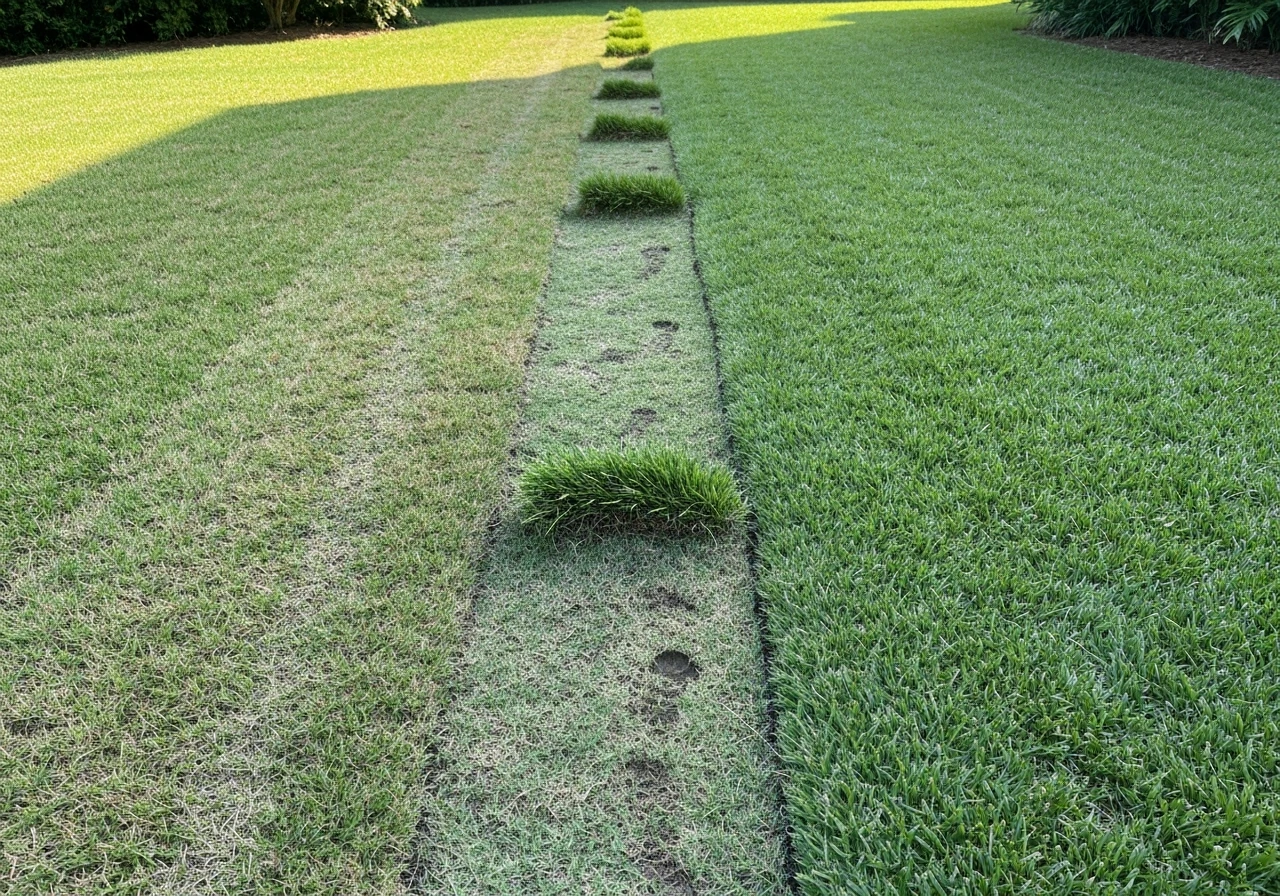
Check your yard at 10 a.m., noon, and 3 p.m. on a clear day. If a spot gets fewer than 6 hours of direct sun, bermuda will not thrive there. Switch to tall fescue or zoysia for those zones. Full-sun areas facing south or west get the worst of Las Vegas summer heat, bermuda handles this better than any other option. Do not fight the sun exposure. Work with it.
Foot Traffic and Pets
Bermuda and zoysia are both wear-resistant once established, making them good choices for yards with kids or dogs. If you have a dog that runs the same path repeatedly, bermuda is your most forgiving option because it spreads aggressively and will try to fill in bare spots on its own. The problem with pets and new seeding is urine burn and digging, both destroy germinating seed fast. If you have dogs, plan to keep them off newly seeded areas for at least 4 to 6 weeks, or fence off a section of the yard to establish before letting pets back in. Tall fescue in high-traffic pet zones tends to show wear more and recovers more slowly than bermuda.
Slopes and Drainage
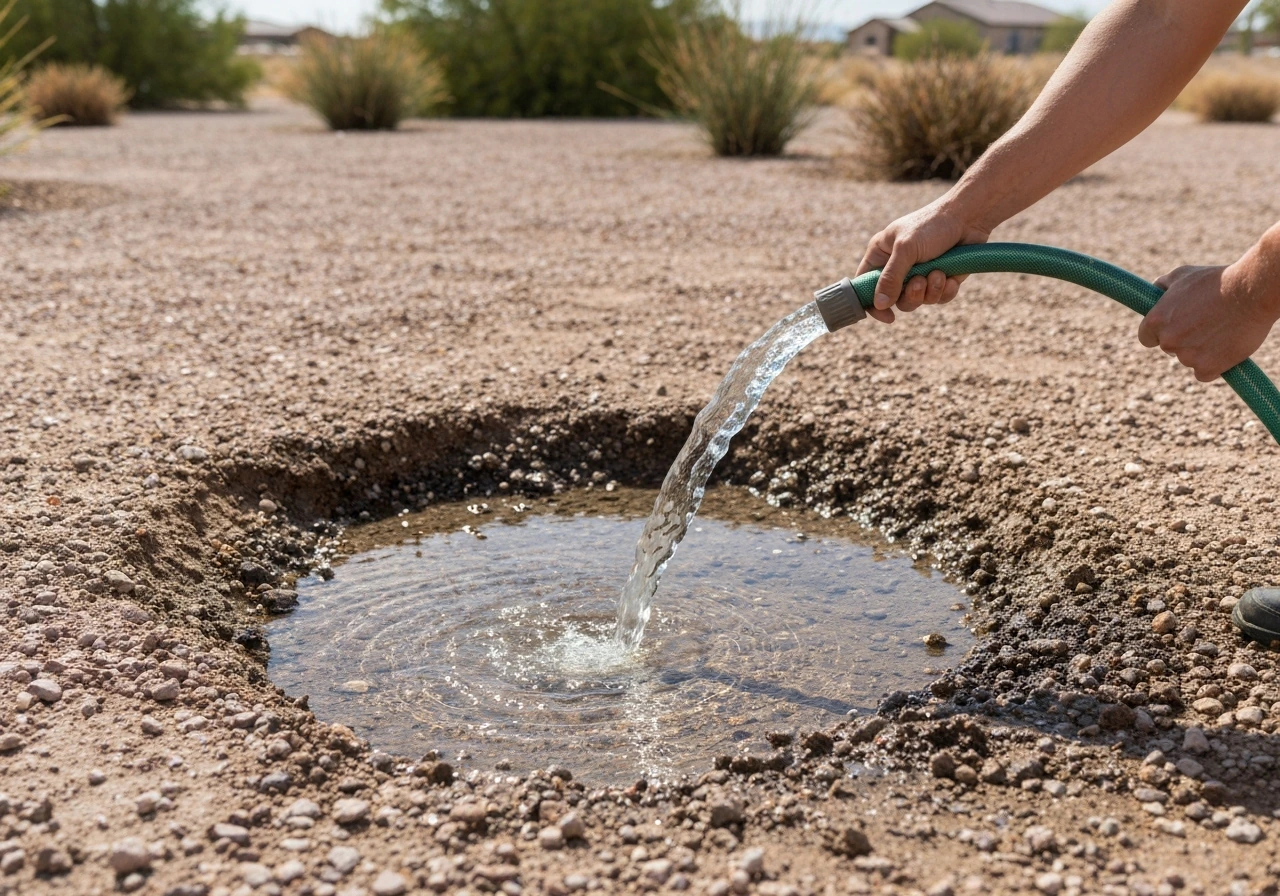
Las Vegas yards often have caliche layers or compacted subsoil that prevents water from draining properly. If water pools in any spot after you run a hose for a few minutes, that is a drainage problem that needs fixing before you seed. Standing water will rot germinating seed and kill young roots. On slopes, water runs off fast before it soaks in, cycling your irrigation (short bursts with rest periods) rather than one long session is the fix, and UNR Extension specifically recommends this approach for infiltration on difficult soils.
Getting Your Soil Ready
Las Vegas soil is rarely ideal out of the box. The most common issues are: heavy clay that compacts and cracks, fast-draining sandy/decomposed granite mix that cannot hold moisture long enough for seed to germinate, high pH (alkaline soil is the norm in the Mojave), and salt or sodium buildup. A soil test from the UNR Extension or a local lab costs around $20 to $30 and tells you exactly what you are dealing with, pH, salinity, sodium, texture, and organic matter. It is worth doing before you start buying amendments, because guessing wastes money.
If You Have Clay Soil
Clay soil in Las Vegas compacts hard in summer heat, sheds water instead of absorbing it, and makes it difficult for grass roots to penetrate. The fix is organic matter, composted manure or finished compost worked into the top 4 to 6 inches before seeding. Aim for a 2 to 3 inch layer of compost tilled in. This improves soil structure, water infiltration, and oxygen availability for roots. UNR research confirms that compost amendment increases both infiltration and water-holding capacity in compacted desert soils. Core aeration on established clay lawns (or before seeding on existing compacted ground) helps break up the surface and gives roots somewhere to go. One note on gypsum: it is sometimes marketed as a clay-breaker for desert soils, but UNR Extension is clear that gypsum does not decrease soil pH or reduce alkalinity. It has limited benefit for most Las Vegas clay situations and is not a substitute for compost.
If You Have Sandy or Decomposed Granite Soil
Sandy and decomposed granite soils are the opposite problem: water drains through too fast, seed dries out before it can germinate, and young roots struggle to find moisture. Compost is still your answer here, it adds water-holding capacity and nutrients that sandy soil lacks. Work in a 2 to 3 inch layer and mix it thoroughly. You may also need to water more frequently during germination (short cycles several times a day) to keep the surface from drying out completely between waterings.
Dealing with High pH and Salts
Most Las Vegas soils are alkaline, with pH often between 7.5 and 8.5. Bermudagrass and tall fescue both tolerate alkaline conditions reasonably well. If your soil test shows high sodium or salt levels, common near older landscaping or areas with poor water drainage, leaching with deep watering before planting can help flush salts down below the root zone. Adding organic matter also helps. Do not chase a perfect pH before you plant; focus on improving structure and organic content first, and let the grass adapt to moderate alkalinity.
Final Surface Prep Before Seeding
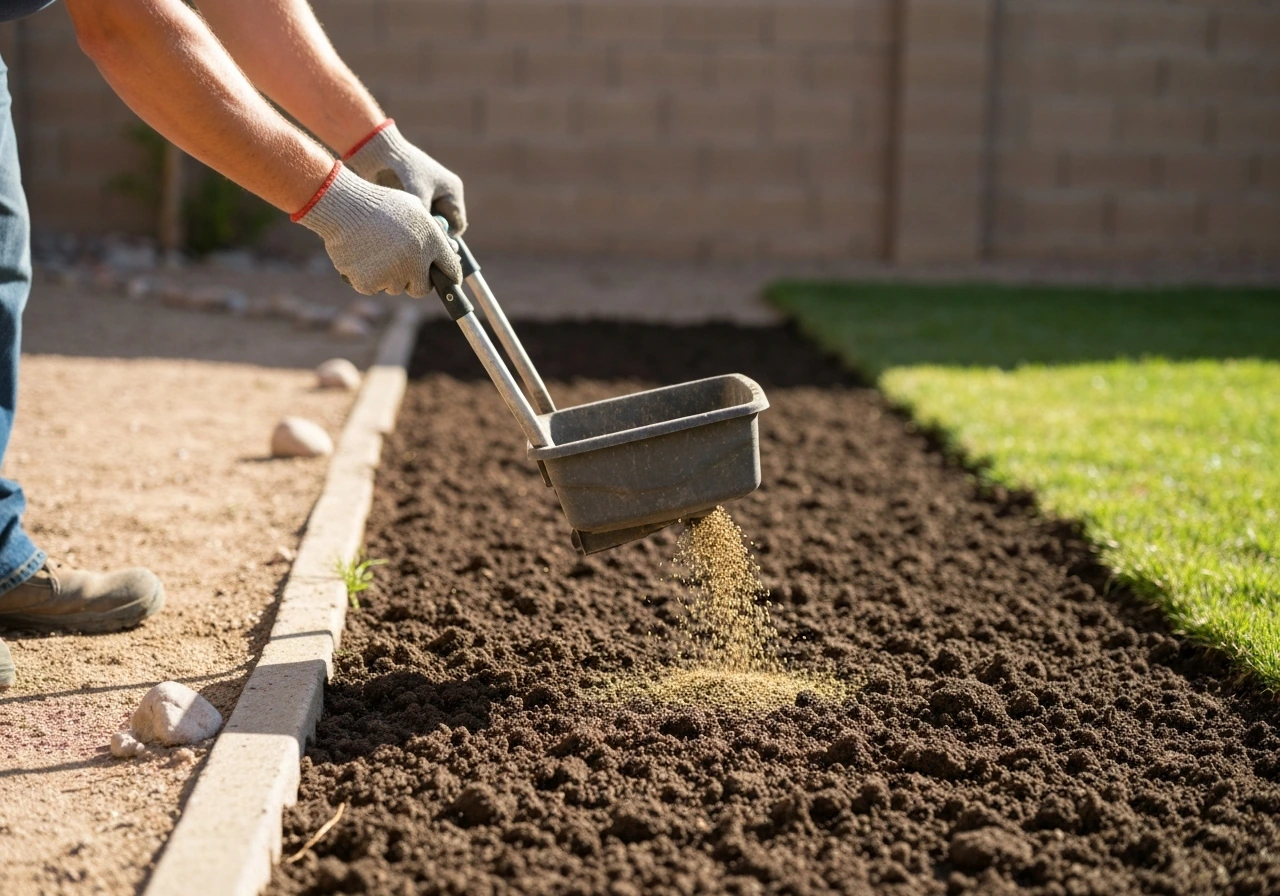
UNR notes that soil preparation for lawn establishment is essentially the same regardless of whether you are seeding, sodding, or plugging. Till or loosen the top 4 to 6 inches, incorporate compost, rake smooth to remove rocks and clumps, then lightly firm the surface with a roller or your feet. You want good seed-to-soil contact, a fluffy, uncompacted surface that still holds a footprint when you step on it. Rake in one direction, then again perpendicular, to get an even seedbed.
Seeding: When to Plant and How to Do It
Best Timing for Las Vegas
Timing is everything with Las Vegas grass seed. The last spring frost in the Las Vegas area typically falls in late February to mid-March. For warm-season grasses like bermuda and zoysia, soil temperature needs to be consistently above 65°F, ideally 70°F or warmer, for reliable germination. In Las Vegas that means late April through June is your primary seeding window for bermuda. June and even early July work fine for bermuda because the heat actually helps. Do not seed warm-season grasses after mid-August, because they will not have enough time to establish before the first fall frost (typically late November in Las Vegas).
For tall fescue, the ideal windows are early spring (mid-February to March, as soon as frost risk drops) or fall (September to October). Fall seeding is often better for fescue in Las Vegas because cooler temperatures reduce water stress during germination, and the grass has all winter to establish roots before facing summer heat.
Seeding Rates and Application
For common bermudagrass seed (unhulled or hulled), a typical seeding rate is 1 to 2 pounds of pure live seed per 1,000 square feet. Hulled seed germinates faster and is worth the small extra cost. For tall fescue, aim for 6 to 8 pounds per 1,000 square feet. Use a broadcast spreader to get even coverage, then go over the area twice in perpendicular directions to avoid stripes. After spreading, drag a rake lightly over the seed, or use the back of a leaf rake, to push seed into slight contact with the soil. Then roll or tamp lightly. Seed sitting on top of loose soil without contact will dry out and fail to germinate. A very light topdressing of compost (no more than about 1/4 inch) over the seeded area helps hold moisture around the seed without burying it too deep.
What to Expect: Germination Timeline
- Bermudagrass (hulled): 5 to 10 days in warm soil (70°F+), can take up to 14 days if soil is cooler
- Tall fescue: 7 to 12 days under ideal conditions
- Zoysiagrass from seed: 14 to 21 days, often longer — zoysia is notoriously slow
- Annual ryegrass (winter overseeding): 5 to 7 days in cool fall weather
If you hit the two-week mark with no visible sprouts at all, check a few things: Is the soil surface staying consistently moist (not just damp, but actually moist to the touch)? Did the seed wash or blow into low spots? Is soil temperature actually warm enough? In June Las Vegas heat, bermuda seed left to dry out for even half a day can fail. The most common reason germination fails in Las Vegas is inconsistent moisture in the first two weeks, not bad seed.
Watering Schedule: Germination Through Establishment
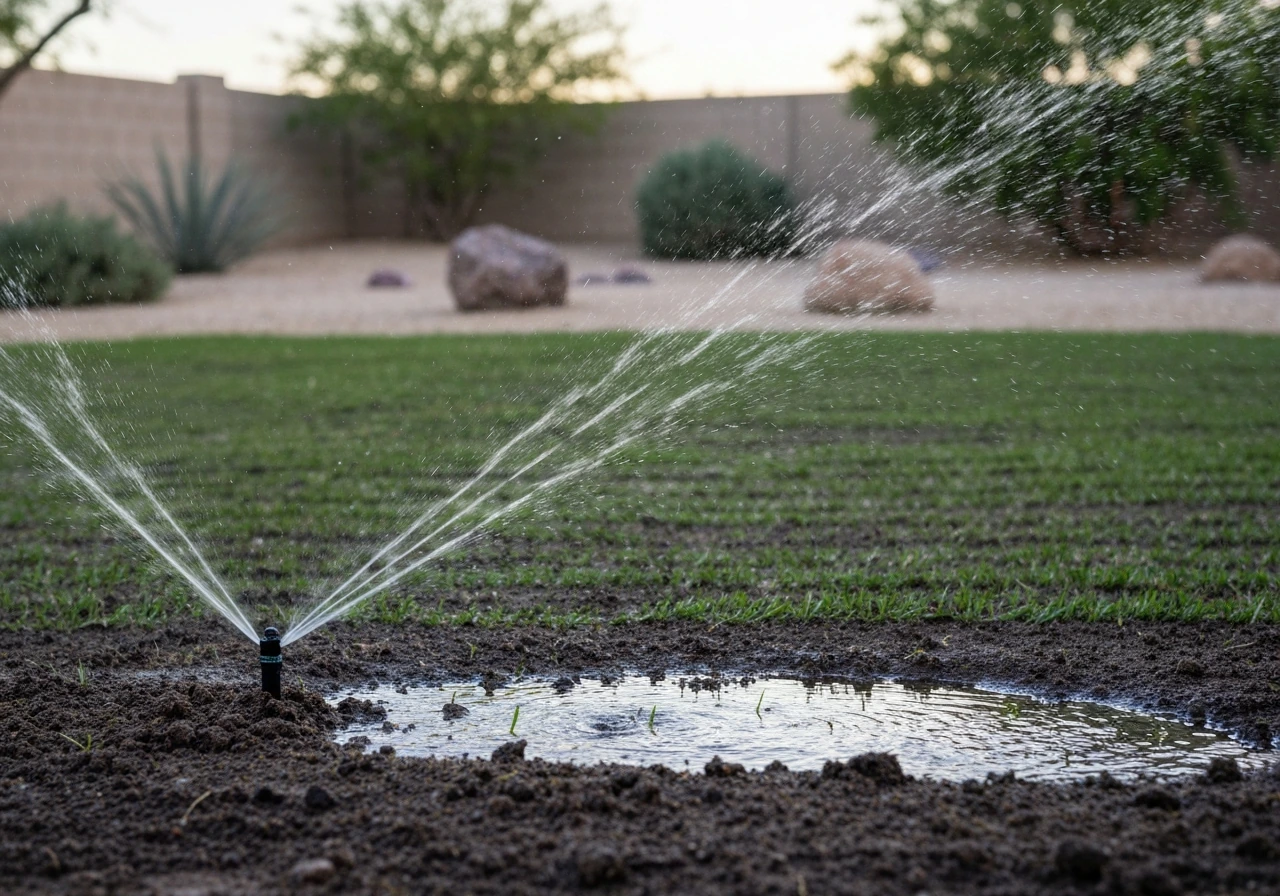
Watering new grass seed in Las Vegas is a different job than watering an established lawn, and getting this phase right makes or breaks the whole project. The good news: the Southern Nevada Water Authority allows you to water as much as necessary during the first 30 days of establishment. Use that window.
Phase 1: Germination (Days 1 to 14)
During germination, your only goal is keeping the soil surface consistently moist. That means watering 2 to 4 times per day in short cycles, maybe 5 minutes each, to prevent the top 1/4 inch of soil from drying out. In June or July Las Vegas heat, the surface can dry completely in under an hour. You are not trying to soak deep; you are just keeping the seed zone moist. Water early morning, midday, and late afternoon at a minimum. If you can add a fourth cycle around sunrise, do it.
Phase 2: Early Growth (Weeks 2 to 4)
Once sprouts are visible and the lawn has light coverage, start transitioning. Reduce watering to 1 to 2 times per day but increase the duration so water penetrates 2 to 3 inches into the soil. You are starting to encourage roots to chase moisture deeper. UC IPM recommends watering every second or third day with deep irrigation to keep soil moist to about a 6-inch depth, but that is for established turf. In weeks 2 to 4, you are in between: longer sessions than germination phase but not yet the once-or-twice-per-week deep soaks of a mature lawn.
Phase 3: Establishment (Weeks 4 to 8 and Beyond)
By week 4 to 6, bermuda should be showing good coverage and the roots should be starting to knit into the soil. Now you shift to deep, infrequent watering: aim to wet the soil to 6 inches deep, then let it dry slightly before watering again. On clay soils, cycle your irrigation (run for 5 to 10 minutes, pause 30 minutes, repeat) to let water infiltrate without runoff. UNR Extension specifically recommends this cycling approach for desert soils with slow infiltration rates. Once fully established, deep watering once or twice per week is typically sufficient for bermuda during summer, but always adjust based on how the lawn looks and current temperatures.
After your 30-day establishment window closes, you fall under LVVWD seasonal outdoor watering rules: 3 assigned days per week in spring (March and April), and the year-round seasonal schedule for the remaining months including summer and fall. Winter drops to 1 assigned day per week from November through February. Check the LVVWD website for your specific assigned days and any updates to the schedule, as rules can change.
Keeping It Alive: Maintenance During Establishment and Fixing Bare Spots
First Mow and Ongoing Mowing
Do not mow new bermuda until it reaches about 2 to 2.5 inches tall, which gives the roots time to anchor. Set your mower to cut it back to about 1 to 1.5 inches. Never remove more than one-third of the blade height at once, scalping young grass in Las Vegas summer heat sets it back significantly. For tall fescue, let it reach 3 to 4 inches before the first cut, then mow to about 2.5 to 3 inches. Taller mowing heights for fescue help shade the soil and reduce heat stress.
Fertilizing New Grass
Wait until bermuda has been mowed at least twice before applying fertilizer. Young grass does not need a nitrogen push, it needs to build roots first. A starter fertilizer (higher phosphorus ratio) can be applied at seeding if your soil test shows low phosphorus, but most Las Vegas soils are not phosphorus-deficient. Once bermuda is actively growing and mowing has started, a balanced slow-release nitrogen fertilizer in early summer (June) and again in August works well. Do not fertilize bermuda after mid-September, as it needs to start hardening off before dormancy.
Fixing Bare Spots
Bare spots in new seedings are almost always caused by one of four things: uneven seed distribution, seed washing to low spots during watering, soil drying out during germination, or pet/foot traffic damage. For small bare spots in bermuda, the grass will often fill in on its own through lateral spread, give it 3 to 4 weeks before you decide action is needed. For spots that are not filling in, scratch the surface lightly with a hand rake to loosen the top inch, reseed at the same rate as the original seeding, topdress lightly with compost, and resume the Phase 1 watering schedule for just that area. Tall fescue does not spread laterally, so bare spots will not self-repair, you have to reseed them every time.
Compaction and Aeration for Established Lawns
Once bermuda or fescue is established (typically after the first full growing season), compaction becomes the ongoing enemy in Las Vegas clay soils. Core aeration once a year, ideally in late spring for bermuda, or early fall for fescue, breaks up compaction, improves water infiltration, and lets roots breathe. After aerating, topdress with a thin layer of compost (no more than 1/4 inch) and water it in. This is one of the highest-return maintenance tasks you can do on a Las Vegas lawn.
One Thing to Skip in Year One
Do not overseed your new bermuda lawn with ryegrass in the first winter. It is tempting to keep things green, but overseeding interferes with bermuda establishment and stresses the young grass. Let bermuda go dormant and brown that first winter, it will come back stronger in spring. After the second growing season, once the bermuda stand is thick and well-established, you can consider overseeding with ryegrass if you want winter color.
Your Next Steps: A Practical Plan from Bare Dirt to Growing Lawn
If you are starting from bare ground right now in late June 2026, here is exactly what to do: Because Tucson’s climate can be even drier and hotter, the steps for seeding, watering schedules, and choosing warm-season grasses often need to be adjusted how to grow grass in Tucson.
- Decide on your grass: Bermudagrass for full-sun yards, tall fescue for shaded areas or year-round green. Zoysia if you want a premium warm-season option and have patience.
- Get a soil test: Contact the UNR Cooperative Extension or a local garden center. Costs around $20 to $30 and tells you exactly what amendments you need.
- Prep the soil: Till 4 to 6 inches deep, incorporate 2 to 3 inches of compost, rake smooth, firm the surface lightly.
- Buy seed: Hulled bermuda seed for sun areas (1 to 2 lbs per 1,000 sq ft), turf-type tall fescue for shade (6 to 8 lbs per 1,000 sq ft). Buy from a reputable local supplier or online — check for recent-year seed date on the bag.
- Seed and topdress: Broadcast seed, rake in gently, topdress with no more than 1/4 inch of compost.
- Water intensively for the first 30 days: 2 to 4 short cycles per day during germination, transitioning to deeper less frequent sessions as coverage develops. Use your SNWA establishment window.
- Mow for the first time once bermuda hits 2 to 2.5 inches, fescue at 3 to 4 inches.
- Fertilize only after two mows — use a slow-release balanced fertilizer.
- Fix bare spots by rescraching, reseeding, and repeating the germination watering schedule locally.
- Skip winter overseeding this first year — let the warm-season grass go dormant and focus on a strong root system for year two.
Late June through July is actually a great time to seed bermuda in Las Vegas, the heat is working for you, not against you. If you are planting tall fescue, wait for a fall window in September or October instead. The same general principles apply to other hot, dry desert regions, though Las Vegas has specific water rules and Mojave soil conditions that make it worth treating as its own challenge rather than borrowing advice wholesale from neighboring states. Get the prep right, water consistently in the first 30 days, and you will have germination you can see within two weeks.
FAQ
Can I grow grass in Las Vegas from sod, or is seed always better?
You can use sod, it follows the same grass type logic and soil prep (especially compost and drainage). Sod can reduce the “two-week germination gamble,” but it still needs frequent watering right after installation, and choosing Bermuda or Zoysia still matters for winter dormancy. Seed is usually cheaper per square foot, but sod gives faster visual coverage.
What is the best way to test whether my yard has enough sun for Bermuda or Zoysia?
Besides checking a few times of day, mark the shade boundaries on the ground with flags and observe where the shade falls during the hottest part of summer (roughly 11 a.m. to 4 p.m.). If those shaded areas regularly exceed about 30% of the lawn footprint, switch part of the yard to tall fescue or redesign the planting, because Bermuda will thin even if you water perfectly.
How do I handle sprinkler coverage so seedlings do not wash out or dry unevenly?
Use short-cycle watering with multiple heads that overlap, then do a “catch test” by placing small straight-sided containers or tuna cans around the seed zone for one cycle. Evenness matters more than total volume during germination, because dry pockets will fail while other areas may create runoff that moves seed into low spots.
Should I bury the seed deeper if my soil is sandy or decomposed granite?
Usually no. The goal is seed-to-soil contact, not deep planting. Stick to a light raking or drag-in after spreading, and if you topdress, keep it thin (about 1/4 inch). Deep burial in fast-draining desert soil often delays or prevents emergence because the seed zone dries or the sprout has to travel too far.
What should I do if my soil test shows high sodium or salt levels?
Plan on leaching with deep irrigation before seeding, then improve structure with compost so salts are less concentrated at the surface. If sodium is high, also watch for crusting that blocks infiltration, you may need soil loosening and more careful cycling during establishment to avoid salt staying in the root zone.
How much bare seed is acceptable before I reseed a spot?
For Bermuda, wait 3 to 4 weeks before acting because it spreads laterally and can fill gaps. If there is absolutely no movement after that window, scratch lightly, reseed at the original rate, topdress thinly, then restart the short-cycle “keep the surface moist” watering for that patch. For tall fescue, reseed promptly, because it does not self-repair laterally.
Is it okay to use a landscape fabric or weed barrier under seed in Las Vegas?
Avoid it for seeding. Weed barriers prevent the seed zone from staying evenly moist and interfere with infiltration, so germination becomes patchy. If you must control weeds, address the problem by preparing the soil and using spot treatments after establishment rather than trapping the seed under fabric.
How do I prevent pet urine burn during the first month?
The safest approach is physical control, fence off newly seeded areas and keep pets out for at least 4 to 6 weeks. If you are working a large yard, create a smaller “establishment zone” first, sod or seed it, then gradually expand once the grass has been mowed at least a couple times.
Do I need fertilizer right away after seeding Bermuda or tall fescue?
Not usually. Let the roots establish before pushing growth, and wait until Bermuda has been mowed at least twice before fertilizing. If a soil test shows low phosphorus, a starter fertilizer can be used, but in many Las Vegas soils phosphorus is not the limiting factor.
Can I seed bermuda in late summer in Las Vegas?
Yes, late June through July is often workable because the heat supports germination. The key limitation is time for roots to establish before first frost (typically late November). Avoid seeding warm-season grasses after mid-August, because young plants often cannot build enough root mass before winter dormancy.
What mowing mistakes most often ruin new grass in Las Vegas?
Scalping and mowing too early. Never cut new Bermuda before it reaches roughly 2 to 2.5 inches tall, and avoid removing more than one-third of the blade height at once. For tall fescue, start around 3 to 4 inches and keep a higher mowing height so the crown and soil stay shaded during summer stress.
Why did my Bermuda seed fail even though I watered?
The most common causes are inconsistent surface moisture during the first two weeks, seed washing into low spots, or soil temperature that was not consistently warm enough for germination. In Las Vegas heat, the surface can dry out in under an hour, so “watering once per day” often is not enough for seedlings, even if it seems reasonable for an established lawn.
How to Grow Grass in New Mexico: Albuquerque Guide
Step-by-step guide for Albuquerque to grow grass in New Mexico: seed choice, timing, soil prep, seeding and watering, fi