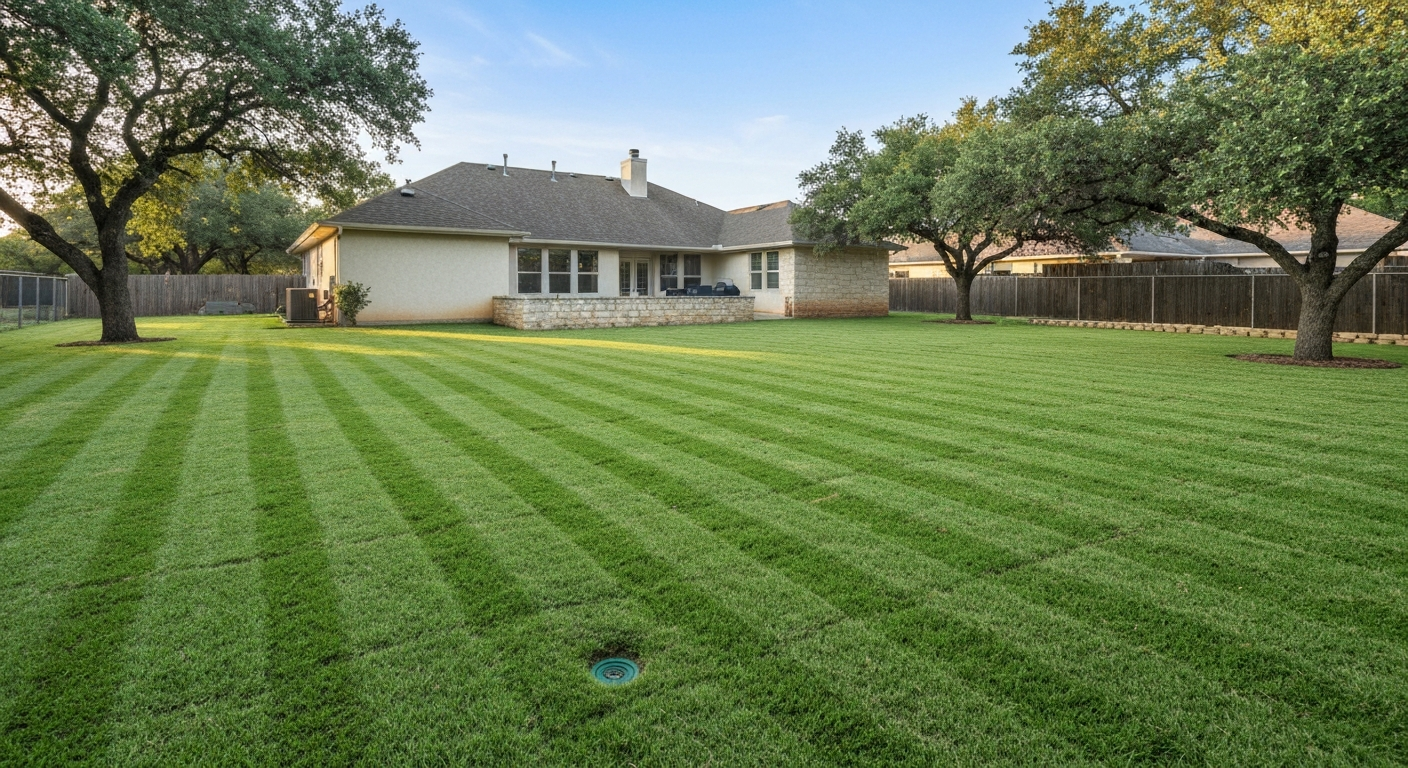
If you're in Phoenix or anywhere in the low Arizona desert, plant bermudagrass as your permanent lawn and overseed it with perennial ryegrass every October if you want green turf through winter. Bermuda is hands-down the best grass for Arizona heat, it's drought-tolerant once established, and the University of Arizona agrees. The challenge isn't choosing the grass, it's getting it through germination in brutal 'Arizona dirt' and keeping it alive long enough to root. This guide walks you through exactly how to do that.
How to Grow Grass in AZ: Step-by-Step for Phoenix Dirt
Marcus Tillwell
27 Apr 2026
What Arizona's climate actually means for your lawn
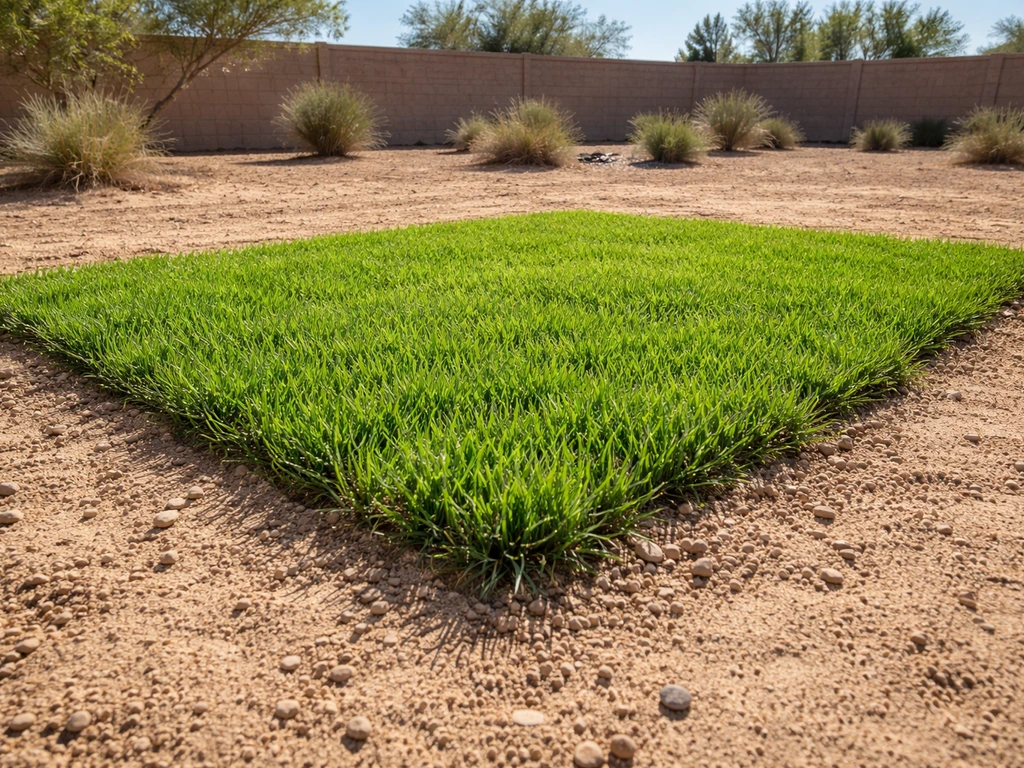
Phoenix sits in the low Sonoran Desert, which means two things dominate your lawn calendar: extreme summer heat and two distinct rainfall seasons. You get winter rain from December through April, then a monsoon season from July through September when thunderstorms can dump more than half your annual rainfall in just a few months. Between May and June, and again in October, you're largely on your own with the hose.
Summer highs regularly exceed 110°F, and soil surface temps during June can cook seeds before they even have a chance to sprout. Winter nights can dip below freezing, which kills warm-season grasses like bermuda into dormancy (it turns brown) but opens a window for cool-season grasses like ryegrass and fescue. Understanding these two seasons is the entire foundation of Arizona lawn strategy. Get the timing wrong and you'll be fighting your own climate instead of working with it.
The sun situation matters too. Most Phoenix yards get full, relentless sun from spring through fall, which is actually great for bermudagrass. Shaded yards, especially those under large trees or north-facing walls, are a different challenge entirely and require a completely different approach.
Choosing the right grass for Arizona
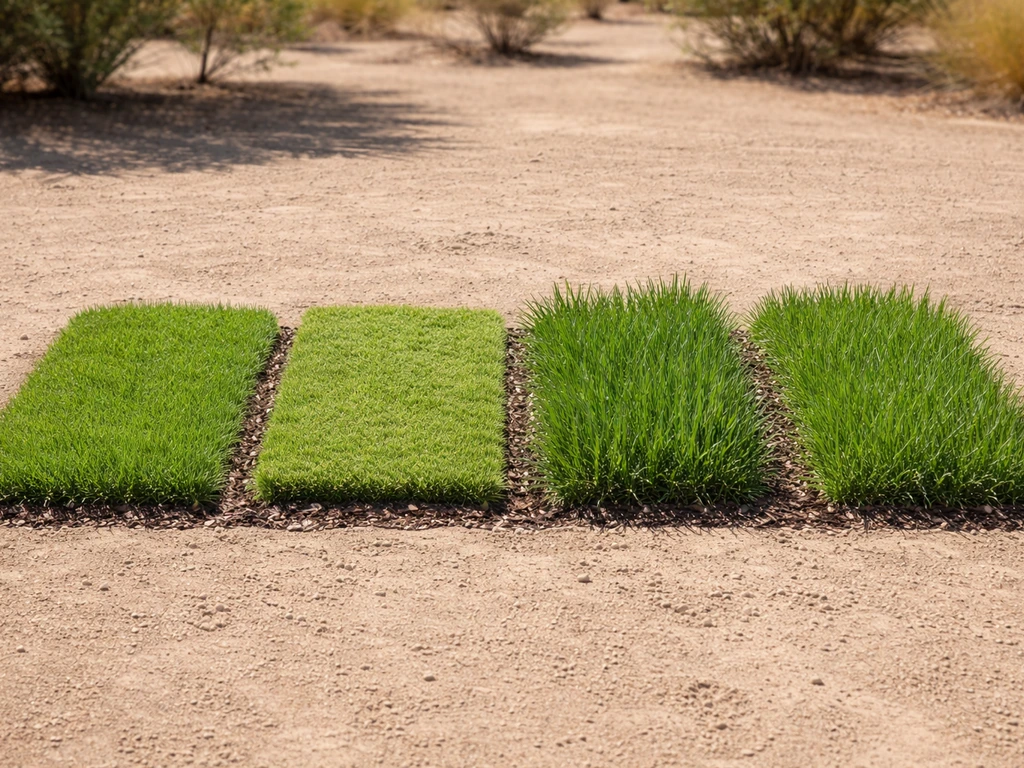
You've got four realistic options in Arizona: bermudagrass, zoysiagrass, tall fescue, and perennial ryegrass. Each fills a different role. Here's how they stack up for typical Arizona homeowners.
| Grass Type | Best Use Case | Sun/Shade | Maintenance | Stays Green Year-Round? |
|---|---|---|---|---|
| Bermudagrass | Primary permanent lawn in Phoenix and low desert | Full sun only | Moderate (grows fast in summer) | No, goes dormant/brown in winter |
| Zoysiagrass | Low-maintenance permanent lawn, slightly slower to establish | Full sun, slight shade tolerance | Low once established | No, greens up slightly slower than bermuda in spring |
| Tall Fescue | Shaded areas or higher-elevation AZ cities | Partial to full shade | Moderate | Yes (cool-season, struggles in peak summer heat) |
| Perennial Ryegrass | Winter overseeding into dormant bermuda | Full sun to partial shade | Low (temporary seasonal grass) | Yes during winter months only |
Bermudagrass: the go-to for Phoenix
Bermudagrass is the best-adapted turfgrass for the heat in the low Arizona desert, according to the University of Arizona Cooperative Extension. It handles Phoenix summers, it's relatively drought-tolerant once established, and it recovers from damage quickly. You can grow it from seed (common bermuda) or from sod or plugs (hybrid varieties). From seed, expect to pay less but wait longer for a full lawn. Hybrid bermudas like Tifway 419 have to be planted vegetatively since they don't produce viable seed, but they give you a tighter, finer-textured lawn.
Zoysiagrass: the low-maintenance alternative
Zoysia is worth considering if you want a lower-maintenance permanent lawn and don't mind slower establishment. It holds color a bit later into fall than bermuda and greens up at roughly the same time in spring, just slightly slower. It handles foot traffic well, which matters if you have kids or pets. The catch is that zoysia is slow to fill in from plugs, so you need patience, and it's not as heat-aggressive as bermuda, which can actually be a good thing if you prefer less frequent mowing.
Tall fescue: for shade or higher elevations
Tall fescue is a cool-season grass that can survive Arizona winters but struggles in Phoenix's peak summer heat unless it's in a shaded spot. If you're in a higher-elevation Arizona city like Flagstaff or Prescott, fescue is a much more viable year-round option. In Phoenix, it's really only worth trying in areas with significant shade. It stays green through winter without overseeding, which is its main advantage. The University of Arizona lists October as the planting window for tall fescue in Phoenix.
Perennial ryegrass: your winter green solution
Ryegrass isn't a permanent lawn grass in Arizona. It's a seasonal solution: you overseed it into dormant bermuda in mid-October to keep your lawn green through winter, and it dies off naturally as temperatures rise in spring and the bermuda comes back. Perennial ryegrass is by far the most common winter grass used at lower elevations across Arizona. It germinates fast (usually 5 to 7 days), stays green from October through May, and gives you that lush green lawn all winter long without replacing your permanent grass.
Dealing with 'Arizona dirt': clay, sandy soil, and everything in between
Arizona soil is genuinely different from what most lawn guides assume. Depending on where you are in the state, you're dealing with dense clay caliche layers, sandy desert soil with almost no organic matter, or high-sodium (sodic) soil that repels water. None of these are ideal for germinating grass seed, but all of them can be fixed with the right prep work.
If your soil is clay or has caliche
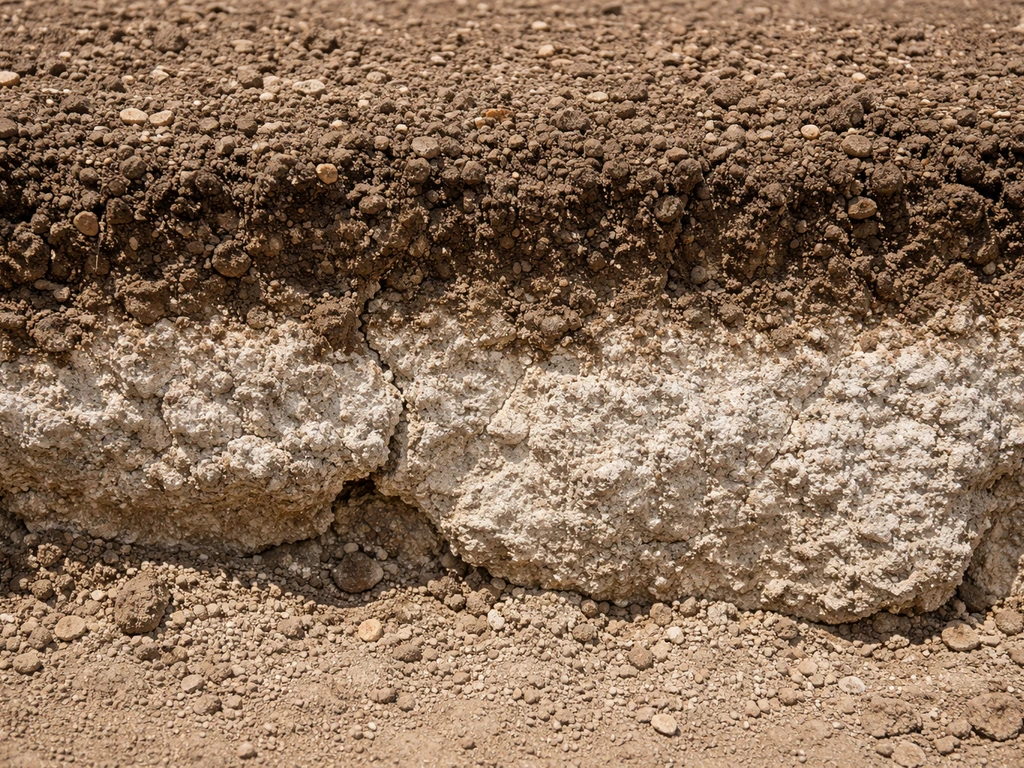
Clay soil and caliche layers are common in Phoenix-area yards. Caliche is that hard, whitish layer a few inches down that basically acts like concrete, blocking water drainage and root penetration. If your lawn puddles after watering and takes forever to dry, you've probably got a clay or caliche issue. You have a few options: break through it with a pick or rented tiller, add gypsum to improve structure over time, or create raised planting areas above the problem layer.
Gypsum is a popular amendment in Arizona, but be clear on what it does: it's used to reclaim high-sodium (sodic) soil conditions in southwestern soils and does not reduce soil pH. If you have sodic soil (common in AZ), gypsum is genuinely useful applied at around 20 to 40 lb per 1,000 sq ft and watered in. For straight clay compaction, gypsum helps some, but physical aeration and adding compost are more directly useful.
If your soil is sandy
Sandy desert soil drains water so fast that seeds dry out before they can germinate. The fix is to add organic matter, specifically 2 to 3 inches of compost tilled into the top 4 to 6 inches of soil. This improves water retention, adds some nutrients, and gives seeds something to hold onto. Don't skip this step with sandy soil: it's the difference between seeds that sprout and seeds that shrivel up in 24 hours.
General soil prep steps for any AZ yard
- Remove existing weeds and dead vegetation. A non-selective herbicide applied 2 weeks before seeding works well, or you can hand-pull if the area is small.
- Till or loosen the top 4 to 6 inches of soil with a rented tiller or hand rake. This is non-negotiable in compacted AZ soil.
- Add 2 to 3 inches of compost and till it in. This helps both clay and sandy soil.
- If you have sodic soil (water beads up and runs off rather than soaking in), apply gypsum at 20 to 40 lb per 1,000 sq ft and water it in before seeding.
- Level the area and smooth it out so you have good seed-to-soil contact. A lawn roller or even a flat board dragged across works fine.
- Do a light pre-irrigation to settle the soil and check for low spots before you seed.
When to seed or establish grass in Arizona
Timing is probably the single most important variable in Arizona lawn success. Plant at the wrong time and it doesn't matter how well you prepped your soil.
| Grass Type | Establishment Method | Best Window in Phoenix | Why |
|---|---|---|---|
| Bermudagrass (seeded) | Seed | May 15 through August | Needs consistent soil temps above 65°F to germinate; monsoon humidity helps |
| Bermudagrass (sod/plugs) | Sod or plugs | April through August | Warm soil accelerates rooting; avoid planting in extreme heat without irrigation |
| Zoysiagrass | Plugs or sod | Late April through July | Needs warm soil temps similar to bermuda |
| Tall Fescue | Seed | October | Cool temperatures improve germination and reduce summer heat stress on seedlings |
| Perennial Ryegrass (overseeding) | Seed into dormant bermuda | Mid-October in Phoenix | Later risks frost damage to young seedlings; too early competes with bermuda still active |
For bermudagrass from seed in Phoenix, the University of Arizona Turfgrass program recommends a seeding window of May 15 through August, with a seed rate of 1.0 to 1.5 pounds of hulled seed per 1,000 sq ft. For ryegrass overseeding, mid-October is the ideal timing in Phoenix. Overseeding too late puts young seedlings at risk of frost damage during cold snaps. Tucson homeowners can go a bit earlier (late September), and Casa Grande is similar to Phoenix at mid-October.
Step-by-step: how to actually grow grass from seed in Arizona
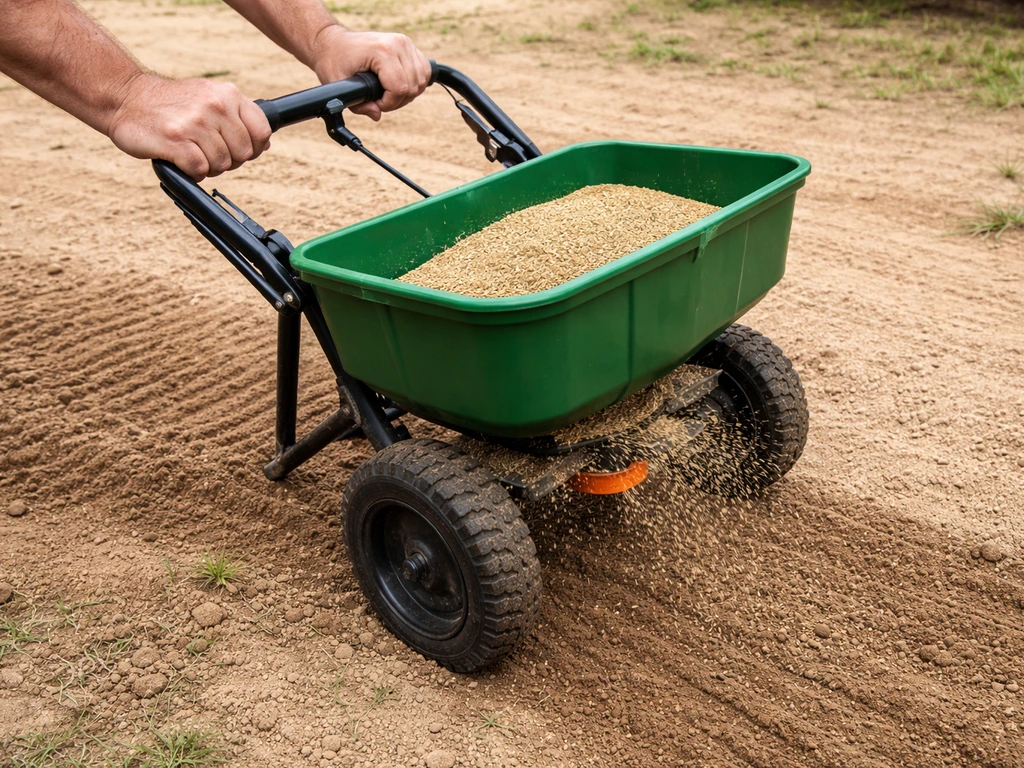
Step 1: Seed correctly
For bermudagrass from seed, use hulled common bermuda seed at 1.0 to 1.5 lb per 1,000 sq ft. Spread it with a broadcast spreader, then rake it lightly so seed makes contact with the soil but isn't buried more than about 1/4 inch. For perennial ryegrass overseeding, the University of Arizona recommends 12 to 15 lb per 1,000 sq ft, seeded directly into bermuda that has been mowed short (around 1/2 to 1 inch) and ideally verticut or dethatched first to improve seed-to-soil contact.
Step 2: Water, water, water (but smartly)
This is where most Arizona homeowners fail their new seed. During germination, the top 1/4 to 1/2 inch of soil needs to stay consistently moist. In Phoenix summer heat, that means watering lightly 3 to 5 times per day: once in the early morning, once mid-morning, once around noon if temps are above 100°F, and again in late afternoon. Each watering should just moisten the surface without soaking deep. You're not trying to push water down into the soil yet, you're keeping the seed zone damp. This phase lasts 10 to 14 days for bermuda, and 5 to 7 days for ryegrass, which germinates faster.
Once the grass has germinated and has visible blades 1 to 2 inches tall, you shift to deeper, less frequent watering. Water every 2 to 3 days, applying enough to wet the soil 3 to 4 inches deep. Once the lawn is fully established (around 6 to 8 weeks), bermudagrass can be watered every 3 to 7 days depending on season, monitored against actual plant water needs. The University of Arizona's AZMET Phoenix Lawn Watering Guide is the best resource for dialing in exactly how much to water based on real daily weather data.
Step 3: Germination timelines to expect
- Bermudagrass from seed: 10 to 14 days for first sprouts, 60 to 90 days for substantial coverage
- Perennial ryegrass (overseeding): 5 to 7 days to germination, visible green coverage in 2 to 3 weeks
- Tall fescue: 7 to 14 days, coverage in 3 to 4 weeks under cool fall conditions
- Zoysia from plugs: slow-spreading, expect 1 to 2 growing seasons for full coverage
Step 4: First mowing
Don't mow until the grass reaches about 1.5 to 2 times your target mowing height. For bermuda, that means waiting until it hits about 2 to 3 inches before cutting it down to 1 to 1.5 inches. Mowing too soon pulls seedlings out of the soil before their roots have anchored. When you do mow, use a sharp blade and never remove more than one-third of the blade height in a single mowing. University of Arizona research shows that mowing at shorter heights within a variety's tolerance improves shoot density and narrows leaf blades over time, but you need to earn that by letting the lawn establish first.
Step 5: First fertilization
Hold off on fertilizing until after the first or second mowing. Then apply a starter fertilizer or a balanced nitrogen fertilizer at the low end of the recommended rate. Don't overdo nitrogen on new seedlings: you'll push leaf growth before the root system is ready to support it, which actually weakens the lawn going into its first real stress period.
When things go wrong: fixing common AZ lawn problems
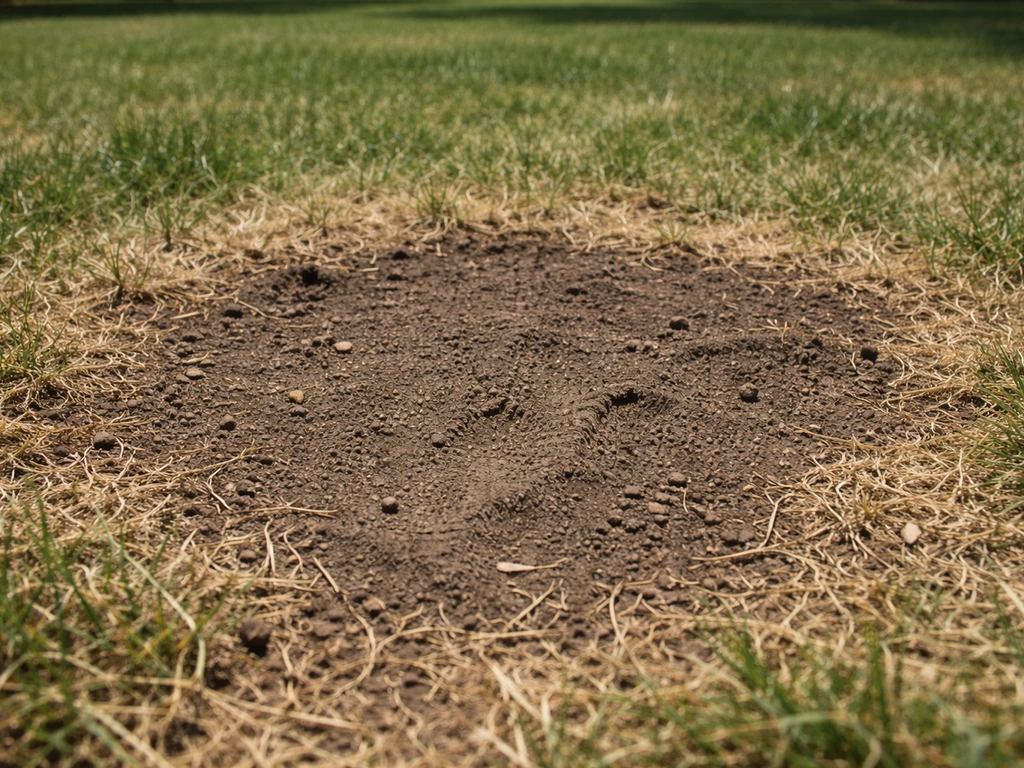
Bare spots that just won't fill in
Bare spots in Arizona lawns are almost always caused by one of three things: compacted soil preventing root establishment, inconsistent watering during germination, or foot traffic too early on new seed. Fix the soil first (loosen it, add compost, level it) before reseeding. Then protect the spot with a temporary barrier if foot traffic is the issue. A light layer of seed-starting mulch or even just a thin layer of compost over the bare-spotted area helps retain moisture for germination in the Arizona sun.
Heat stress and summer burnout
Even established bermudagrass can show heat stress during Phoenix's June heat before the monsoon arrives. Signs are a grayish-blue tinge to the grass, footprints remaining visible after walking across it, and browning at the tips. The fix is usually watering: increase frequency, not necessarily volume. Water early in the morning to reduce evaporation, and avoid evening watering in summer which can promote fungal issues. During the worst of the heat (105°F+), bermuda may slow growth but it won't die. Don't panic and overwater, which causes its own problems.
Shade: don't fight it with the wrong grass
Bermudagrass needs full sun, roughly 8 hours minimum. If you have dense shade from trees or a covered patio area, bermuda will thin out and eventually die regardless of what you do. In shaded spots, tall fescue is a better option. Mow any shade-area grass higher than you normally would: the University of Arizona notes that raising mowing height helps shade-stressed turf store energy and stay healthier. If you have only partial shade (4 to 6 hours of direct sun), zoysia handles it a bit better than bermuda and is worth considering as a permanent option in those zones.
Pets and high-traffic areas
Dog urine creates brown spots because of nitrogen burn and salt concentration. The fix in Arizona is the same as anywhere: water those spots immediately and heavily after the dog goes, diluting the urine into the soil. Bermuda actually recovers from pet damage faster than other grass types because of its aggressive lateral spread from stolons. If you have a dog run or a specific high-traffic path your dog takes, consider accepting that those areas will need reseeding every season and focus your establishment energy on the rest of the yard. Zoysia is a reasonable choice for pet yards too, as it's dense and recovers reasonably well, though slower than bermuda.
Watering smarter, not more
Water bills in Phoenix can get out of hand fast with a lawn. Once your bermuda is established, the University of Arizona recommends using AZMET (the Arizona Meteorological Network) to get real daily data on how much water your lawn actually needs based on local weather. This prevents both overwatering (which wastes money and promotes disease) and underwatering (which causes heat stress). Deep, infrequent watering produces deeper roots, which means your lawn survives drought and heat spikes much better than a lawn trained on shallow daily watering. After overseeded ryegrass is established in winter, you only need to water every 3 to 7 days depending on rainfall and temperature.
Your Arizona lawn plan at a glance
If you're starting fresh today in late April, here's where you stand: it's a bit early for bermuda seeding (wait until mid-May for soil temps to stabilize above 65°F consistently), but it's a great time to prep your soil, fix your irrigation, and get your plan locked in. If you have an existing bermuda lawn that looks rough, your first real window to overseed for green color is coming in October.
Use that time between now and then to improve the soil, deal with bare spots, and get the lawn as healthy as possible heading into summer. And if you're in a different part of Arizona, the timing and grass choices shift: higher elevations like Flagstaff operate more like a traditional cool-season climate, while Las Vegas and New Mexico face their own regional variations that are worth looking into separately.
For Las Vegas specifically, you will need to adjust the grass choice and seeding timing to match the Mojave-area heat and winter conditions. In New Mexico, the best approach is to match the grass to your elevation and seasonal timing, then follow the same seed-prep, watering, and mowing fundamentals how to grow grass in New Mexico.
If you want a similar step-by-step for Tucson conditions, use the same principles and focus on the right timing for your grass type how to grow grass in New Mexico.
The bottom line for Arizona: commit to bermudagrass as your permanent summer lawn, overseed with perennial ryegrass in mid-October for winter color, fix your soil before you seed, and water constantly during germination then dial it back once established. That's the system that works. Everything else is details. If you are specifically trying to grow grass in hotter, drier desert conditions, this plan also lines up with how to grow grass in the desert.
FAQ
Can I seed bermudagrass earlier or later than the recommended window in Arizona?
In Phoenix, the easiest “rule” is to use germination timing, not calendar dates. If daytime highs are staying above about 65°F consistently, you can seed bermuda (roughly mid-May onward). If nighttime lows drop near freezing, avoid starting seed that depends on warm-season growth, because young bermuda is easily damaged by cold snaps.
Will perennial ryegrass grow permanently in Phoenix without bermuda?
Yes, but only for the right situation. Perennial ryegrass overseeding is for winter color, not a permanent lawn, and you still need bermuda underneath. If you skip mowing bermuda short before rye overseeding, seed-to-soil contact drops and germination becomes spotty.
What’s the most common reason bermuda or rye seed fails to sprout in Arizona?
Start by correcting irrigation coverage. If you see dry rings or patchy germination, it usually means you are overwatering in some spots and underwatering in others, or your sprinkler arc is uneven. During the 10 to 14 day germination phase, verify output with a few shallow catch-can tests so every area stays consistently moist at the seed depth.
How deep should I bury grass seed when planting in Arizona dirt?
For bermuda from seed, light raking is correct, you do not want deep burial. As a quick check, the seed layer should end up around a quarter inch deep, not more. Too deep slows emergence, too shallow dries out quickly in desert sun.
When should I fertilize new grass in AZ, and what happens if I fertilize too soon?
Use a simple sequence: seed your area, then keep the top layer moist, and only fertilize after the first or second mowing. Fertilizing too early can push leaf growth before roots are established, which increases seedling stress during Phoenix’s hottest stretch.
My bermudagrass is coming in thin, but the seed rate was right. What should I troubleshoot first?
If the lawn is thinning, start with these checks in order: full sun hours, mower height (too low weakens seedlings), and watering schedule during germination (surface kept moist). If you have dense shade, bermuda will not reliably survive long term, and tall fescue or zoysia may be better depending on how much direct sun you get.
What’s the risk if I overseed ryegrass later than mid-October in Phoenix?
Cold snaps are the issue, not just average winter conditions. If you overseeded rye late and temperatures dip hard soon after germination, young seedlings can be injured. A practical fix is to time rye overseeding for mid-October in Phoenix and avoid “late” seeding that leaves seedlings exposed during sudden freezes.
How do I handle brown spots if my dog keeps returning to the same part of the lawn?
Dog urine spots are usually manageable, but they can be recurring if your dog returns to the same area. Instead of relying only on rinsing after the fact, you can train your dog to use a designated patch and treat that patch as a regular maintenance area, reseeding or overseeding it more often than the rest of the yard.
My lawn puddles after watering. Should I change the seed rate or adjust soil before re-seeding?
If you have a puddling problem, do not assume “more watering” will fix it. Puddling after irrigation usually means clay, caliche, or compaction. The fast decision aid is this: if water sits, you need aeration and soil modification or raised areas above the restrictive layer, then re-seed, rather than changing only the watering frequency.
When is it safe to mow after seeding, and how do I avoid damaging new grass?
Yes, but be careful about the timing. You should not mow until seedlings reach roughly the mowing height stage described in the guide, and when you do mow, never remove more than one-third of the blade each pass. If you mow too early, you can pull seedlings out, and the recovery time can overlap with hotter weather.
How can I avoid wasting water while still keeping bermudagrass healthy in Phoenix summers?
Your best “water dial” is to let weather data drive the final watering schedule once seedlings are established. AZMET helps you avoid both extremes. A practical rule is that deeper, less frequent watering trains roots better than daily shallow watering, and it also reduces disease pressure compared with constantly wet turf.
Will bermudagrass survive under partial shade in my Phoenix yard?
Partial shade can work, but you need the right grass and mowing adjustment. Bermuda generally needs about 8 hours of direct sun, while zoysia can handle 4 to 6 hours better. In shaded areas that still hold grass, raising mowing height helps the turf store energy and maintain thickness.
Next Article
How to Grow Grass in San Antonio Texas: Step-by-Step Guide
How to grow grass in San Antonio: best turf choices, planting windows, soil prep, watering schedules and troubleshooting