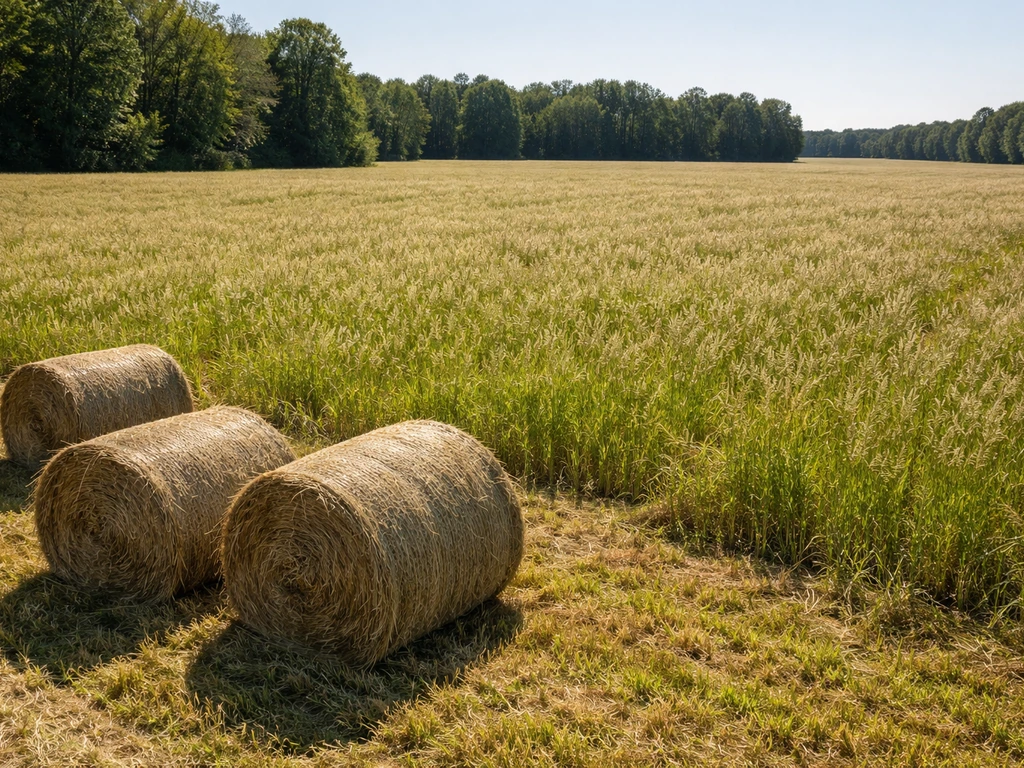
The fastest way to get ornamental grasses growing quickly is to match the right species to your climate, plant at the correct time of year, prep your soil so it drains well, and water deeply rather than often during the first growing season. Do those four things and most ornamental grasses will establish noticeably faster. Skip one of them and you can do everything else right and still end up staring at a struggling clump six months later.
How to Make Ornamental Grass Grow Faster: A Step-by-Step Plan

Marcus Tillwell
2 Jul 2026
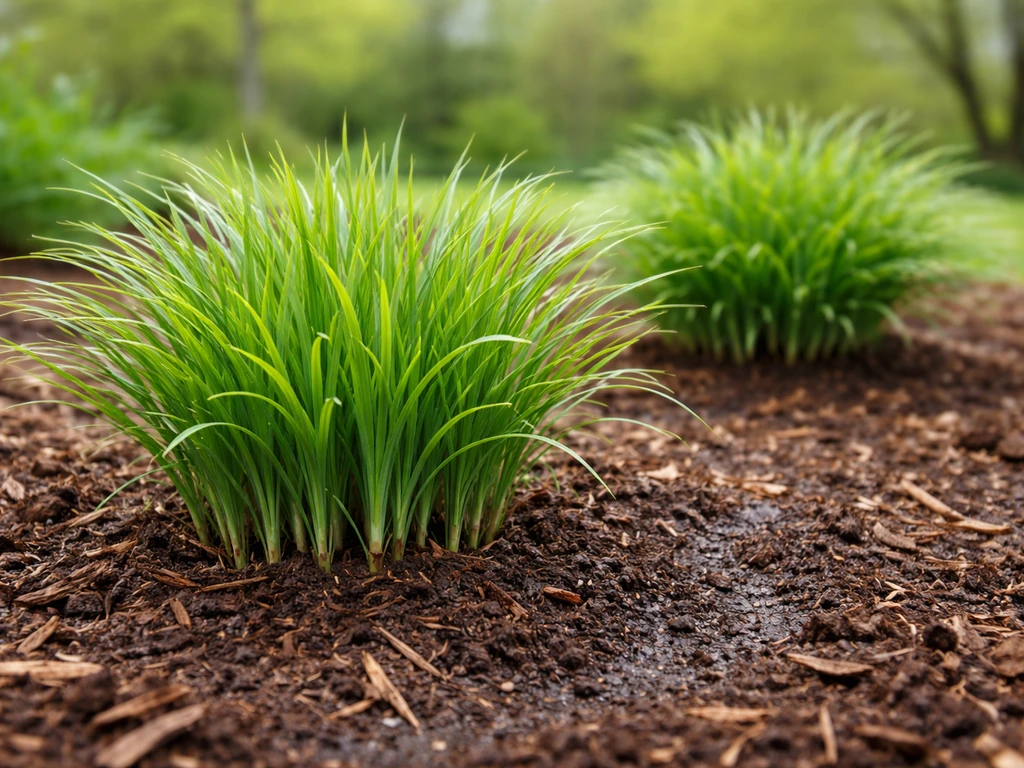
This guide walks through every lever you can pull, in the order you should pull them, with realistic timelines so you know what to expect at each stage.
Pick the right ornamental grass and location for fast growth
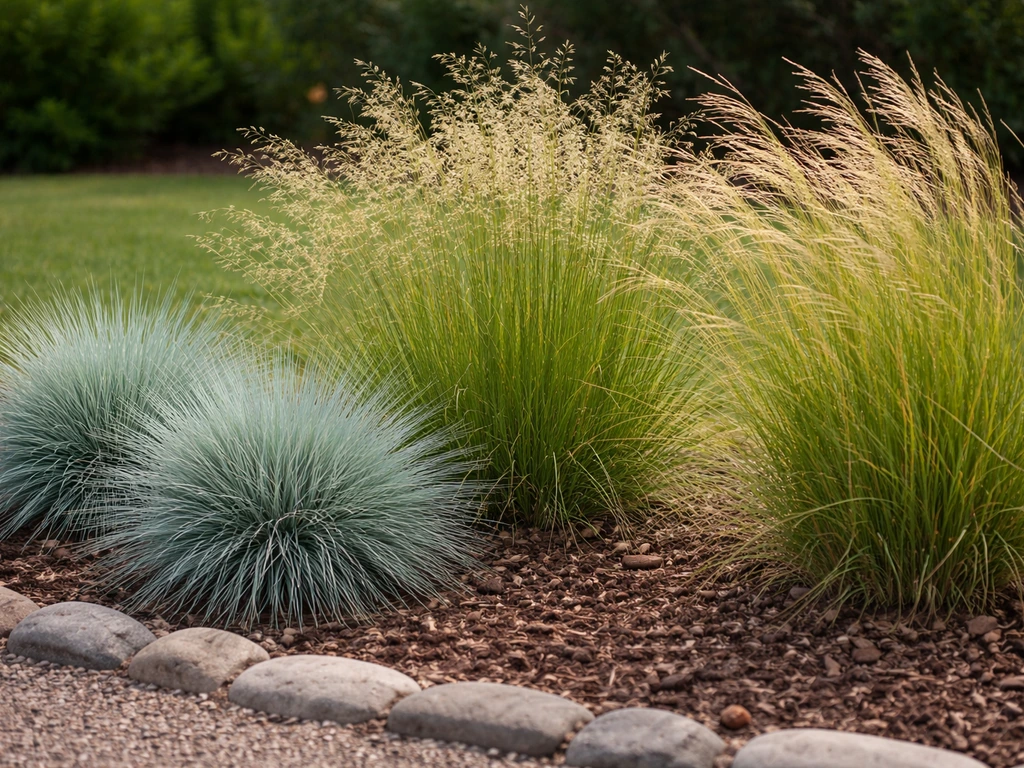
Species choice is the single biggest factor in how fast your ornamental grass takes off. Cool-season grasses like Festuca, Deschampsia, Helictotrichon, and Stipa grow actively in spring and fall and can look great early in the season. Warm-season grasses like Miscanthus, Pennisetum (now classified as Cenchrus), and Panicum don't even begin serious growth until late spring when temperatures warm up, and they flower after midsummer. If you're in a cold climate and you plant a warm-season grass in March, it will just sit there looking dormant while you wonder what went wrong.
For the fastest visible results in the next three to six months, choose a species that matches your climate's active growing window. In northern zones, cool-season grasses like blue fescue or tufted hair grass will give you the most immediate payoff. In southern zones and anywhere with hot summers, Miscanthus, fountain grass, or switchgrass will explode once the soil warms.
Location matters just as much. Ornamental grasses are full-sun plants. Most need at least six to eight hours of direct sunlight daily for best growth. Plant one in a spot that gets three to four hours and it will grow, but slowly and weakly. If your site is partially shaded, focus on shade-tolerant species like Hakonechloa or Carex, which are designed for those conditions and will still outperform a sun-loving grass stuck in the shade.
Also think about air circulation. Grasses planted too close to walls, dense shrubs, or other grasses that crowd them out suffer from poor airflow, which sets up disease pressure and stunts growth. Give each plant room to breathe and reach its natural spread.
Timing: when to plant for fastest establishment
Timing your planting correctly can shave weeks off your establishment timeline. Get it wrong and you're fighting the plant instead of helping it.
- Cool-season ornamental grasses (Festuca, Stipa, Deschampsia, Helictotrichon): plant in autumn or early spring. Autumn planting lets roots establish during cooler months so the plant is ready to surge in spring.
- Warm-season ornamental grasses (Miscanthus, Pennisetum/Cenchrus, Panicum): plant in late spring, after your last frost and once soil temperatures are consistently warm. These grasses won't establish well in cold soil.
- Dividing existing clumps of warm-season grasses: do it in early spring, right when you see new shoots emerging but before significant stem elongation. This timing gives the divisions the entire growing season to root in.
- Starting from seed: expect the first year to be slow for most ornamental grasses. Many seedlings look unimpressive in year one and really take off in year two. Transplants from a nursery will almost always give you faster results.
Late planting is one of the most common reasons warm-season grasses fail to establish strongly. For a faster, more reliable start, use these same timing principles when you’re learning how to grow Easter grass late-spring window. If you miss the late-spring window and plant a warm-season grass in late summer, it simply won't have time to build a root system before the season ends. You're better off waiting until the following spring.
Soil prep for speed
Most ornamental grasses are surprisingly unfussy about soil fertility, but they are very particular about drainage. Poor drainage is probably the most common reason ornamental grasses grow slowly or fail outright.
Test your drainage first
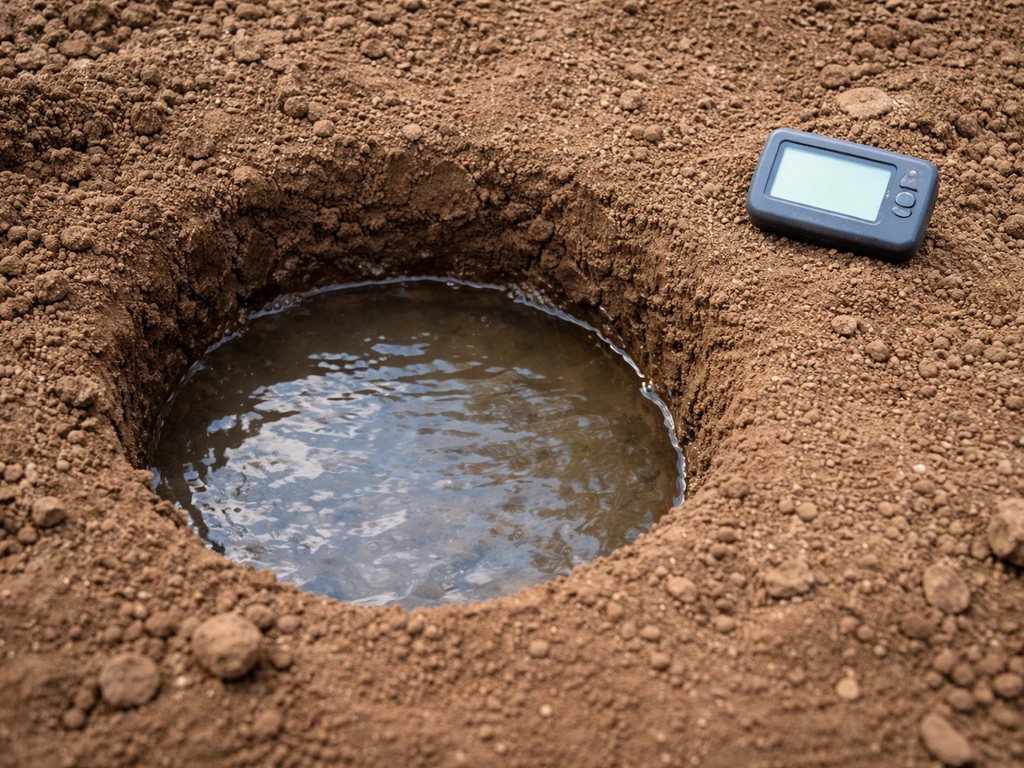
Before you plant anything, dig a hole about 12 inches deep, fill it with water, and time how long it takes to drain. If the water is still sitting there 30 minutes later, you have a drainage problem that needs to be fixed before anything else. Standing water in the root zone is one of the fastest ways to kill ornamental grasses or lock them in a state of permanent slow growth.
If your soil is clay
Clay soil compacts easily and holds water around roots far too long. Work in two to three inches of coarse grit or perlite plus a few inches of compost to improve both drainage and aeration. Avoid tilling too deeply and bringing up raw subsoil. Raised beds or mounded planting areas are an excellent option for heavy clay because you can build the soil profile you need from scratch.
If your soil is sandy
Sandy soil drains fast, sometimes too fast, so moisture doesn't stick around long enough for roots to absorb it. Add two to three inches of compost worked into the top 8 to 10 inches to improve water retention and give the plant something to hold onto. Many ornamental grasses actually do fine in lean sandy soil once established, but they need that extra organic matter early on to get their roots going.
pH and fertility
Most ornamental grasses are happy in a pH range of 5.5 to 7.0. If you're outside that range, a simple soil test (available cheaply at most garden centers) will tell you. For fertility before planting, apply one to two pounds of a balanced, complete fertilizer like a 5-10-5 or 10-10-10 per 100 square feet and work it into the top few inches of soil. That pre-plant feeding gives roots something to find immediately without pushing excessive leafy growth.
Watering strategy for rapid root establishment
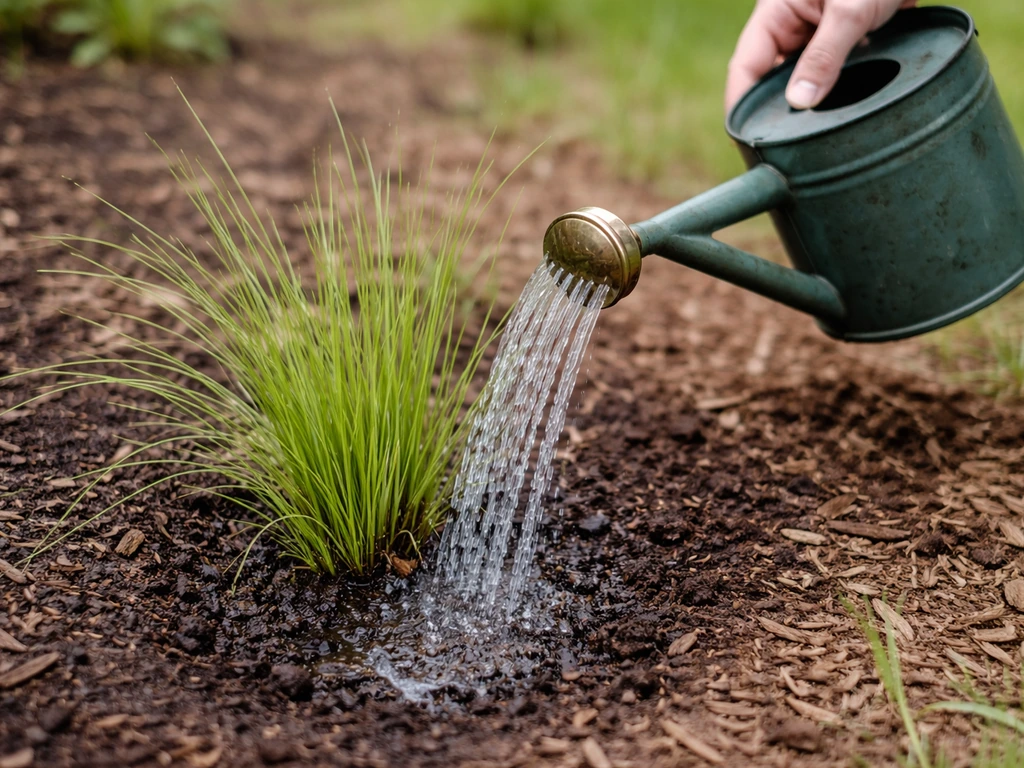
The goal during the first growing season is to push roots deep into the soil, not keep the surface constantly wet. Deep roots are what make ornamental grasses drought tolerant and fast growing in the long run.
Water newly planted grasses regularly throughout their first full growing season, especially during hot spells. But water deeply and then let the soil dry out somewhat between waterings. A long, slow soak every few days beats a quick sprinkle every day. When you water shallowly and often, roots stay near the surface chasing moisture instead of pushing down.
Overwatering is a real risk, especially in clay soil. If water is pooling around the base of the plant or the soil stays soggy for days after watering, you're overdoing it. Utah State University Extension identifies standing water in the root zone as a primary cause of ornamental grass failure. Wilting during a heat wave is normal; soggy soil for a week straight is a problem.
Once established, most ornamental grasses are remarkably drought tolerant and need much less attention. But skimping on water during that first season is one of the surest ways to slow down establishment. In dry winters, if you go more than four weeks without an inch of rainfall, give your grasses a deep watering even in the cold months.
Fertilizing schedule and what to avoid
Less is genuinely more when it comes to fertilizing ornamental grasses. This is one area where the instinct to push harder backfires badly.
For the establishment phase, aim for about 1 pound of nitrogen per 1,000 square feet per growing month. For establishment, Mississippi State University Extension recommends using fertilization guidance of about 1 lb of nitrogen per 1,000 sq. ft. per growing month about 1 pound of nitrogen per 1,000 square feet per growing month. A balanced slow-release granular fertilizer applied once in spring when growth begins is usually all you need. Scratch it in lightly and water it in well.
Here's the trap many people fall into: excessive nitrogen encourages fast, lush, soft growth that literally cannot support itself. Gardening Know How notes that too much nitrogen in the soil is a common cause of ornamental grass flopping, worsening performance even when growth seems fast at first. The result is floppy, droopy clumps that look terrible and are more susceptible to disease. Too much nitrogen is one of the most common reasons ornamental grasses start leaning and falling over. Once established, many species need no supplemental fertilizer at all, and adding it can actually make them too aggressive, crowding out neighboring plants and looking messy.
If your established grass is growing slowly despite good sun, good drainage, and correct watering, a single light application of a balanced fertilizer in spring is worth trying. But if it's growing steadily, leave it alone.
Planting methods and early care
Transplants vs. seed
If you want fast results, buy transplants. Full stop. Starting ornamental grasses from seed is slower, and most species grow sluggishly in their first year from seed before accelerating in year two. Transplants from a nursery give you an established root system from day one and can produce visible growth within weeks of planting. Spring is the best time to find the widest selection at garden centers, because that's when grasses are actively growing and are in peak condition.
Planting depth and crown placement

Get the planting depth right. The crown of the plant (the point where roots meet stems) should sit just at or just above the soil surface. Bury the crown too deep and you risk rot. Plant too shallow and the roots dry out. After planting, apply two to three inches of mulch around the base of the plant, but keep the mulch pulled back from the crown itself. Mulch against the crown traps moisture and causes rot, which will set back or kill the plant.
Spacing
Space plants according to their mature spread, not their current size. Crowding plants together might look full initially but limits airflow, creates competition, and ultimately slows everyone down. Check the tag or variety information for mature spread and use that as your spacing guide.
Weed control
Weeds compete directly with your grass for water, nutrients, and light during the critical first season. Pull weeds by hand around new transplants rather than using pre-emergent herbicides, which can interfere with young root development. A good mulch layer (two to three inches) will suppress most weeds and buy you time. If you're dealing with a spreading grass variety that might take over neighboring beds, consider sinking a 5 or 7-gallon nursery container into the ground and planting the grass inside it. This contains the roots without restricting growth above ground.
Speed up growth with maintenance
Annual cutback
Cutting ornamental grasses back at the right time is one of the best things you can do for growth speed. For warm-season grasses, cut them back in late winter to early spring, just before new growth emerges. Leave a few inches of stem above ground. Removing the dead material lets light reach the crown and new shoots, and the plant responds with faster, stronger growth. Fountain grass, for example, won't even start growing visibly until temperatures warm, so the cutback is your signal that the season is beginning.
Cool-season grasses can also be tidied up in early spring, though some (especially the more structural types) look good through winter and can be left until late winter.
Division to rejuvenate slow clumps
If you have an older ornamental grass that seems to have lost its drive, the likely culprit is root congestion. Clumps that haven't been divided in several years develop dead centers and the roots are so tightly packed that nutrient and water uptake slows down. Cool-season grasses particularly may need dividing every three years to stay vigorous. Divide warm-season grasses in early spring when you see new shoots emerging. Dig up the clump, cut it into sections with a sharp spade or saw, and replant the outer sections with fresh growth. Each new division will establish and grow much faster than the congested original clump was.
Airflow and microclimate
Make sure grasses aren't crowded by nearby plants or structures. Good airflow reduces disease pressure and helps plants transpire and grow efficiently. If a grass is struggling in a spot surrounded by dense shrubs, moving it to a more open location can make an immediately noticeable difference.
Diagnose slow growth and fix it
If your grass is planted but not performing, run through this diagnostic before doing anything else.
| Symptom | Likely Cause | Fix |
|---|---|---|
| Weak, sparse growth despite regular watering | Not enough sun (under 6 hours daily) | Move to a sunnier spot or choose a shade-tolerant species like Hakonechloa or Carex |
| Yellow or pale leaves, poor growth | Waterlogged/clay soil smothering roots | Improve drainage with grit and compost, consider raised planting mound |
| Floppy, leaning stems | Excess nitrogen from over-fertilizing | Stop fertilizing; reduce to one light balanced feeding in spring only |
| Slow growth in sandy soil, drought stress | Water not retained near roots | Add compost to top 8-10 inches; water deeply but less frequently |
| Dead center in clump, weak outer growth | Root congestion in older clump | Divide in early spring, replant vigorous outer sections |
| No visible growth in spring | Warm-season grass waiting for soil warmth | Wait until consistent warm temps; cut back dead stems to let light in |
| Wilting or discoloration with irregular patterns | Pest or disease pressure | Inspect for aphids, rust, or fungal spots; improve airflow and avoid wet foliage at night |
| Poor growth after a hard winter | Winter kill or crown damage | Cut back fully, check crown for rot; replace if crown is mushy |
Climate timing issues are especially common for warm-season grasses in northern zones. If you planted a Miscanthus or fountain grass in a zone 5 or 6 garden, it simply won't look like much until June or even July. That's normal, not failure. The growth that happens between July and September can be dramatic once the plant is established.
Realistic expectations: how fast do ornamental grasses actually grow?
There's a well-worn saying about perennials: sleep, creep, leap. Year one they sleep, year two they creep, year three they leap. Ornamental grasses follow this pattern closely, especially from seed. From transplant, the timeline compresses, but you should still expect the first growing season to be about root building rather than dramatic top growth. If you specifically want to know how to grow orchard grass for a steady, reliable stand, the same focus on sunlight, drainage, and spacing will matter a lot growth speed.
| Growth Phase | What to Expect | Timeline from Transplant |
|---|---|---|
| Establishment | Minimal top growth, roots spreading below ground | Weeks 1-8 |
| Early active growth | Visible leaf elongation, plant starting to fill out | Month 2-3 (warm-season) or Month 1-2 (cool-season) |
| Strong growth | Clump size increasing noticeably, approaching half of mature size | End of first full growing season |
| Full performance | Mature height, full clump, flowering | Year 2-3 |
Fast-growing species like Miscanthus sinensis, some Panicum varieties, and Pennisetum can reach their mature size in two to three years from a container transplant. Slower types like Festuca or Helictotrichon take a bit longer but are more patient growers that establish reliably.
Your action plan: what to do this week and over the next 3-6 months
This week
- Identify what type of grass you have or want to plant (cool-season vs. warm-season) and confirm it matches your climate and available sunlight.
- Do the drainage test: dig a hole, fill it with water, and check if it drains within 30 minutes. If it doesn't, plan to amend with grit and compost before planting.
- Get a soil test if you haven't in the last two years. It costs a few dollars and tells you exactly what amendments you need.
- If you're buying transplants, choose container-grown plants that are actively growing (not yellowing or rootbound). Spring offers the widest selection.
- Prepare your planting area: remove weeds, amend soil for drainage and pH if needed, and work in a balanced pre-plant fertilizer at 1-2 lbs per 100 sq ft.
Over the next 3-6 months
- Plant transplants at the correct time for your grass type: autumn or early spring for cool-season types, late spring for warm-season types.
- Water deeply every few days for the first 4-6 weeks, then taper off to once or twice a week, letting the soil dry somewhat between waterings.
- Apply a 2-3 inch mulch layer around the base of each plant, keeping it clear of the crown, to conserve moisture and suppress weeds.
- Pull weeds by hand or hoe regularly to eliminate competition during the critical establishment window.
- Apply one light balanced fertilizer feeding in spring if growth seems slow, and avoid all additional nitrogen applications.
- Once warm-season grasses show active growth (typically late spring to early summer), step back and let them grow. Resist the urge to overwater or overfeed.
- At the end of the growing season, note which plants thrived and which struggled. Use that information to adjust species choice, location, or soil prep for any additions next year.
- In late winter, cut back warm-season grasses before new growth appears to give the new shoots a clean start and accelerate spring growth.
If you're exploring related areas like how to grow ornamental grass from scratch, or thinking about decorative grass options for specific landscape roles, the same core principles apply: right species, right timing, well-draining soil, and deep watering during establishment. The details shift by species and situation, but that foundation stays constant.
FAQ
My ornamental grass looks dormant, how can I tell if it is normal season timing versus a problem?
A quick test is to check the crown and surrounding soil 2 to 4 days after watering. If the crown area stays wet or the soil clumps together and squishes when pressed, the roots likely cannot get enough oxygen, slowing growth. Fix it by improving drainage (raised bed, mounding, or amending clay with coarse grit) before adding more water or fertilizer.
How often should I water to help ornamental grass grow faster without overwatering it?
If you water more than once per day or the soil stays damp for many days, you are probably keeping roots too shallow. Switch to deep soaking (until moisture penetrates well below the planting hole) then allow drying before the next watering. In clay, this adjustment often makes the biggest visible difference within a couple of weeks.
Can I speed growth by adding more fertilizer during the growing season?
Yes, but keep it targeted. If soil drainage is excellent and you are in the establishment period, a single light spring application of balanced slow-release fertilizer is usually enough. Avoid repeating nitrogen “just because it looks slow,” since extra nitrogen often produces floppy growth that slows stand quality and increases disease.
Should I mow or trim ornamental grass throughout the season to make it grow faster?
Most ornamental grasses should not be cut repeatedly to “force” height. The best approach is a one-time cutback in late winter to early spring for warm-season grasses (right before new shoots emerge) or early spring/late winter tidy-up for cool-season types. Frequent trimming can remove emerging shoots and delay visible growth.
Is it faster to grow ornamental grass from seed or from nursery plants, and what if I must use seed?
For fastest establishment, use a container transplant with an established clump rather than seed. If you must start from seed, accept that the first year is usually root-focused and visual growth may lag. To maximize seed success, sow when temperatures match the species’ active window and keep moisture consistently mild (not soggy) until seedlings are established.
What is the most common spacing mistake that slows down ornamental grass growth?
Use spacing based on the plant’s mature spread, not the tag’s current size. If clumps touch or overlap, airflow drops, competition increases, and growth often slows. If you already planted too close, thinning by removing weaker clumps or dividing congested centers can restore airflow and vigor.
My grass is not growing fast and the leaves look off-color, what should I check first?
It depends on the issue. Yellowing plus slow growth after planting often points to drainage problems or incorrect planting depth (especially burying the crown). Yellowing with persistent dampness suggests rot risk, while yellowing with dry, compacted soil suggests poor root access. Adjust the biggest constraint first rather than treating with fertilizer.
How do I know when to divide my ornamental grass, and will dividing make it grow faster?
Divide when the clump shows dead centers, reduced vigor, or crowded outer growth that seems to struggle. Cool-season types often need division more frequently (commonly about every three years), while warm-season types are divided in early spring when new shoots appear. After dividing, replant promptly at correct depth and water deeply to re-establish roots.
Can mulch help ornamental grass grow faster, and what mistakes make it backfire?
Multiyear grasses generally do best with 2 to 3 inches of mulch, but keep mulch pulled back from the crown. If mulch is piled against the crown, it can stay wet and trigger rot, which looks like stunted growth and patchy dieback. Repositioning mulch away from the crown can immediately reduce setbacks.
I followed the steps, but my grass still grows slowly, could it be the climate mismatch?
If growth is slow despite sun, drainage, and correct watering, consider the climate match. Warm-season grasses in cooler zones often look inactive for weeks until soil temperatures rise, and that delay is not fixable with extra watering. Replacing with a locally matched species (or waiting for the next active window) is often the fastest real solution.
Next Article
How to Grow Orchard Grass for Hay: Step-by-Step
Step-by-step guide to grow orchard grass hay: site, soil, planting timing, seeding rates, mowing, yield, and fixes for p