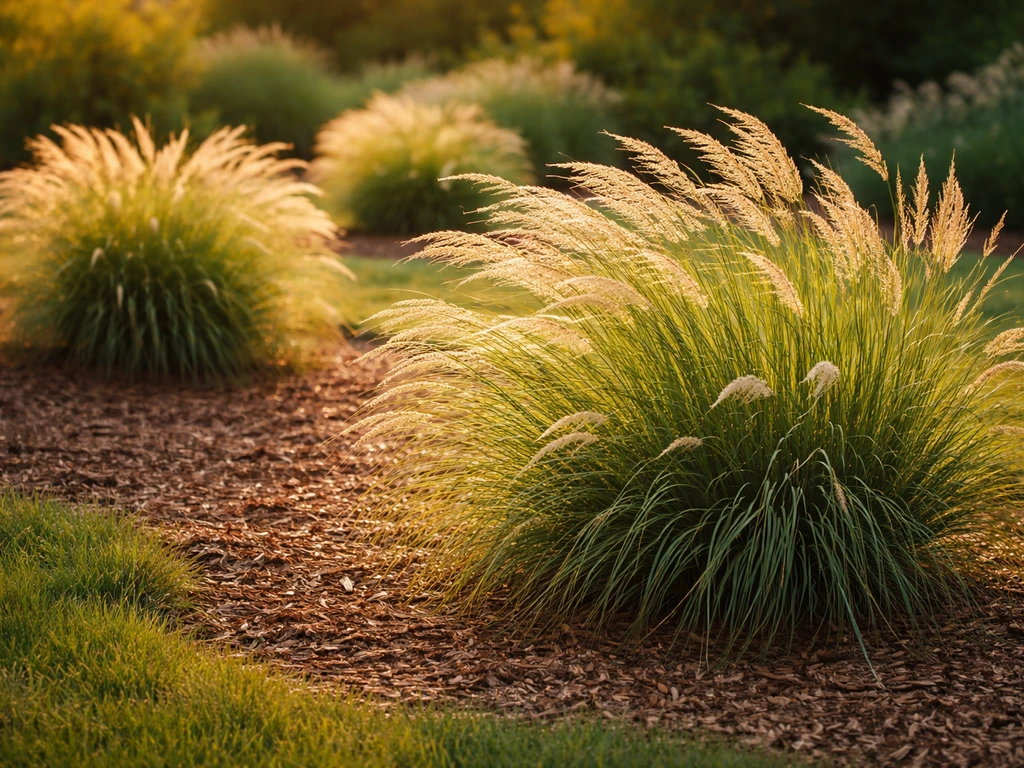
You can grow decorative grass from seed successfully if you match the variety to your climate, sow at the right soil temperature, keep the seedbed consistently moist, and give the seedlings a few weeks of protection. Most decorative grasses germinate in 7 to 21 days under good conditions, but timing and seed depth are where most people go wrong. Get those two things right and the rest is straightforward.
How to Grow Decorative Grass From Seed Step by Step
Marcus Tillwell
25 Apr 2026
Pick the right decorative grass variety
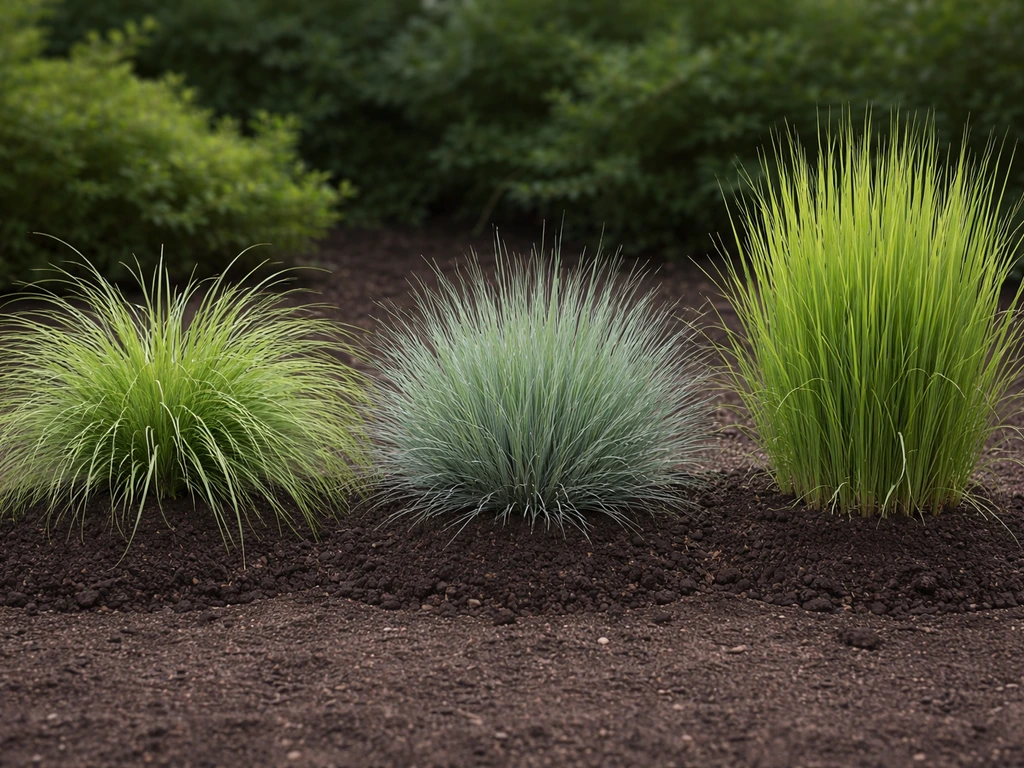
This is the decision that controls everything else, because a warm-season grass and a cool-season grass need almost opposite planting windows. Before you buy a single seed packet, figure out which category fits your region and your goals.
Warm-season decorative grasses thrive in heat and go dormant in winter. Bermudagrass is one of the most widely seeded warm-season options and a solid choice for sunny, open areas in the South and transition zones. Zoysiagrass is another warm-season pick that's available from seed, though it establishes more slowly. Little bluestem is a native warm-season ornamental that's extremely drought-tolerant once established and looks stunning with its blue-green blades turning copper-red in fall. Switchgrass is another native warm-season option that works well in mass plantings or as a tall accent grass. All of these need warm soil to germinate and won't perform well if sown into cold ground.
Cool-season decorative grasses, including ornamental fescues and perennial ryegrass, peak in spring and fall and can stay green through mild winters. Tall fescue is tough, shade-tolerant compared to most warm-season grasses, and germinates reliably in fall. If you're in the upper South, mid-Atlantic, or Pacific Northwest, cool-season options may suit you better. The key thing to know: if you're trying to grow something with ornamental appeal that also doubles as lawn grass, fescue and ryegrass blur the line between turf and decorative use. That's completely fine.
| Grass | Type | Best Use | Germination Time | Light Need |
|---|---|---|---|---|
| Little bluestem | Warm-season native | Accent, meadow, mass planting | ~6–21 days (68–86°F) | Full sun |
| Switchgrass | Warm-season native | Tall accent, wildlife habitat | 14–21 days | Full sun to part shade |
| Bermudagrass | Warm-season turf/ornamental | Sunny lawn areas, edges | 7–14 days (soil 65°F+) | Full sun |
| Zoysiagrass | Warm-season | Low-maintenance lawn grass | 14–21 days | Full sun to light shade |
| Tall fescue | Cool-season | Lawn, shaded or transition areas | 7–14 days | Sun to partial shade |
| Perennial ryegrass | Cool-season | Quick cover, ornamental mix | 5–10 days | Sun to light shade |
Choose the best time and location
Timing is the single biggest factor in whether your seed germinates or just sits there rotting. Get this wrong and no amount of good technique will save you.
Warm-season grasses: sow when the soil is actually warm
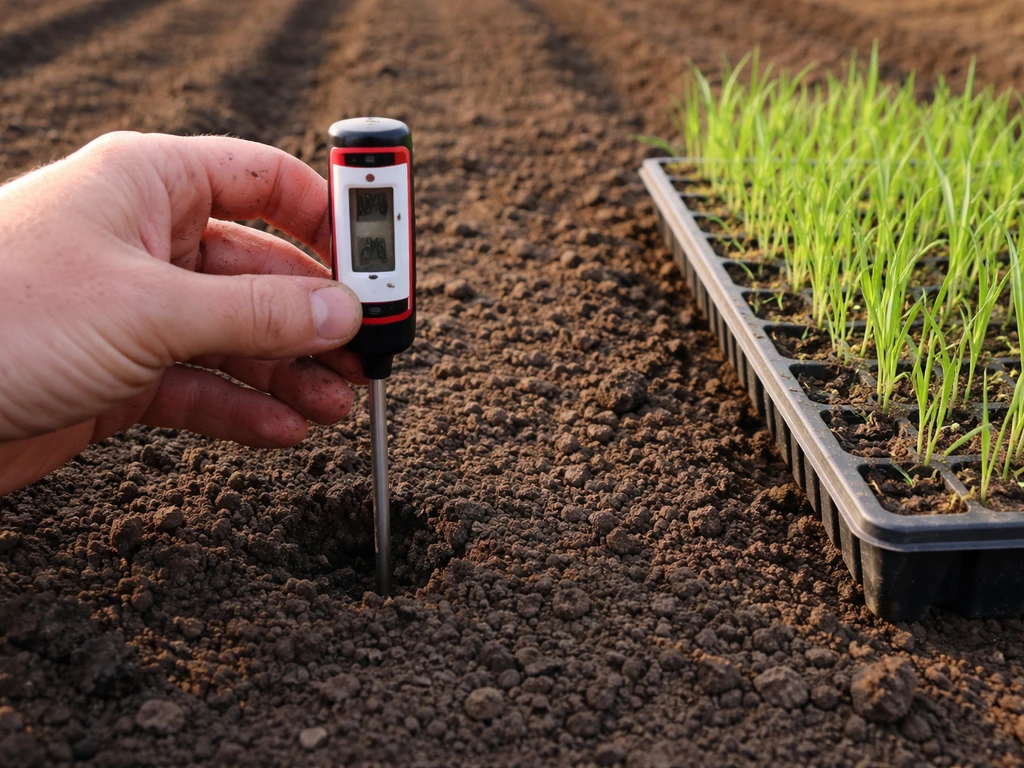
Bermudagrass won't germinate until soil temperatures reach at least 65°F, and the optimum planting window in most warm climates runs from May 1 through mid-June. In Mississippi and similar Gulf Coast states, the seeding window stretches from April 15 through September 30, but earlier sowings in that window tend to produce stronger stands before summer heat peaks. Zoysiagrass has a similar window, roughly March through mid-September, but the sweet spot for establishment is May through August. Little bluestem and switchgrass should go in as early in spring as your soil is warm enough, because these natives need the full growing season to establish from seed.
If you're unsure whether your soil is warm enough, a cheap soil thermometer (under $15 at any garden center) is the most useful tool you can buy. Check at a 2-inch depth in the morning. If it reads below 60°F, wait.
Cool-season grasses: fall is almost always better than spring
For fescue and ryegrass, late summer to early fall is the optimal window in most regions. In Pennsylvania, late summer is considered the best time. In the South, perennial ryegrass seeding typically runs from mid-October through the end of November. Fall seedings succeed more often than spring ones because you avoid summer heat stress and weed competition is much lower. Spring seedings can work, but the window is narrow: you need enough time for seedlings to establish before hot weather arrives. Waiting too long into the cool season cuts germination rates significantly.
Sun and shade requirements
Most decorative grasses want full sun, meaning at least 6 hours of direct sunlight per day. Little bluestem and bermudagrass are especially unforgiving of shade. If your planting area only gets 3 to 4 hours of sun, tall fescue is your most reliable option among the grasses covered here. Switchgrass tolerates part shade better than most warm-season natives. If you're dealing with deep shade under trees, decorative grass from seed is a tough sell no matter what variety you choose. You'd get better results with plugs or divisions in those spots.
Soil prep for seed germination
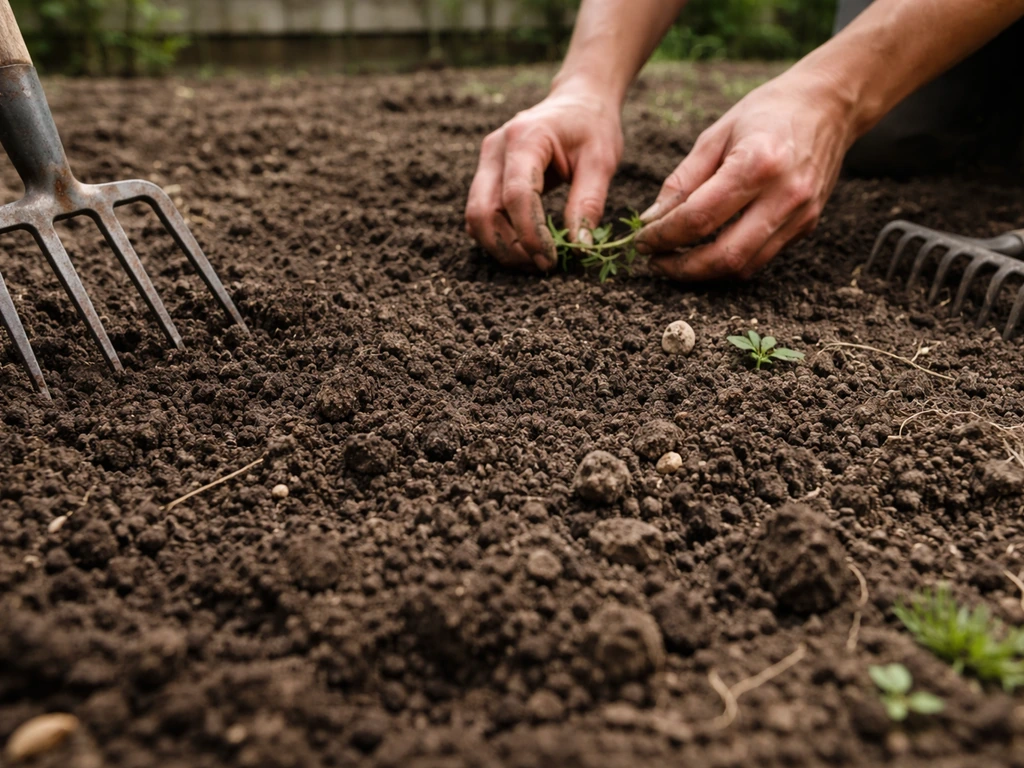
Skipping soil prep is the fastest way to waste money on seed. New seeds need firm, loose, weed-free soil with decent fertility. You don't need perfect soil, but you do need to address big problems before you sow.
Start with a soil test if you haven't done one recently. Most county extension offices process them for $10 to $20, and the results tell you exactly how much lime or fertilizer to add. Apply starter fertilizer just before or right after seeding, not weeks later. Getting the fertility baseline right before germination gives seedlings a much better shot.
If your soil is clay
Clay soil compacts easily and can form a hard crust that prevents tiny grass seedlings from breaking through. Before seeding, loosen the top 2 to 3 inches with a garden fork or a rented tiller. Work in a 1-inch layer of compost if you can. You don't need to turn the whole yard into raised-bed quality soil, but the top few inches need to be loose enough for roots to grab hold. After seeding, a light roller pass (more on that below) will firm the soil back up without creating a new crust.
If your soil is sandy
Sandy soil drains so fast that seeds can dry out between waterings. Add organic matter (compost works great here too) to improve moisture retention. Sandy soil is actually easier to work with than clay for seed germination, but you'll need to water more frequently in the early weeks to keep that top inch moist.
Regardless of soil type, clear the area of weeds and debris before seeding. Existing weeds compete aggressively with grass seedlings and will win. If the area has heavy weed pressure, consider a non-selective herbicide treatment 2 weeks before seeding, then rake and loosen the surface before sowing.
How to grow decorative grass from seed: step-by-step
Once your timing is right and your soil is prepped, the actual seeding process is simple. If you want a full walkthrough, review the step-by-step seeding process and care timeline for ornamental grasses. Here's exactly how to do it.
- Loosen the top 2 to 3 inches of soil and remove large rocks, sticks, or clumps. You want a fairly smooth, crumbly surface. Rake it level.
- Apply starter fertilizer according to the package rate and rake it lightly into the top inch of soil.
- Broadcast the seed at the correct rate. For little bluestem, that's roughly 7 to 10 pounds of pure live seed per acre (about 0.15 to 0.25 lb per 1,000 sq ft). For bermudagrass, seeding rates vary by cultivar but are typically 1 to 2 lb hulled seed per 1,000 sq ft. Check your specific seed packet, because overseeding causes crowding and weak plants, not faster coverage.
- Lightly rake the seed into the top 1/4 inch of soil. Most decorative grass seeds are tiny and should not be buried deeper than 1/4 inch. Some, like zoysiagrass and little bluestem, actually need light exposure to germinate, so a very light raking is enough. Do not bury them an inch down thinking that protects them. It does the opposite.
- Roll the seedbed with a lawn roller after seeding, but only when the soil surface is dry to avoid smearing. Rolling firms the soil and creates better seed-to-soil contact, which dramatically improves germination rates.
- Apply a thin layer of straw mulch (no more than a light covering that still lets some light through) to hold moisture and protect against erosion. Skip this if you're growing a grass that requires light for germination, like zoysiagrass or little bluestem, unless you use an extremely thin layer.
- Water gently and immediately after seeding. The goal is to wet the top 1 to 2 inches without washing seed away. Use a sprinkler setting or hose setting that delivers a fine mist, not a hard stream.
Watering, temperature, and germination expectations
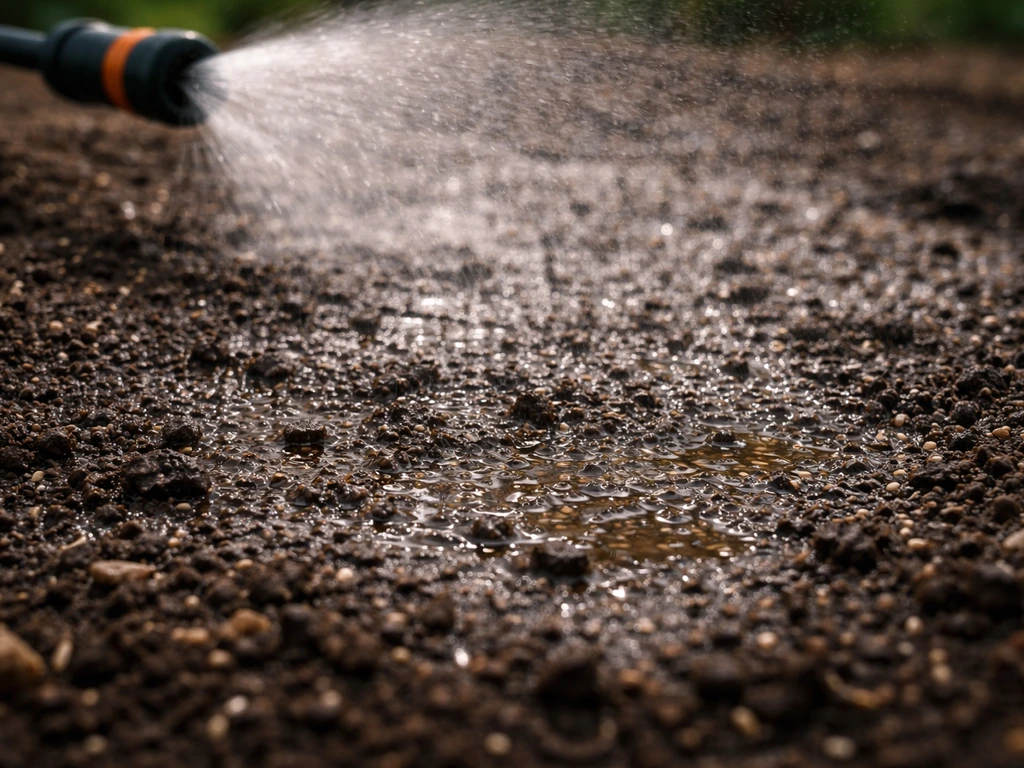
Keeping the seedbed consistently moist is your only real job for the first few weeks. The target is the top 1 to 2 inches staying moist but never waterlogged. In hot or windy weather, that might mean watering twice a day in short sessions. In mild, cloudy weather, once a day or every other day may be enough. The moment you let the surface dry out and crack, you're likely losing germinating seeds.
For zoysiagrass specifically, plan on keeping the soil surface continuously moist for the first 3 to 4 weeks. That's a real commitment, but zoysiagrass germination is slow and drying out even once can set you back significantly.
Here's what to expect on timing by variety: perennial ryegrass is the speed champion at 5 to 10 days under good conditions. Bermudagrass typically germinates in 7 to 14 days once soil hits 65°F. Tall fescue takes 7 to 14 days. Zoysiagrass runs 14 to 21 days. Little bluestem can show around 50% germination within 6 days under ideal conditions (68 to 86°F daytime temperatures), but full stand development takes 90 to 110 days from seeding, so don't expect an instant meadow. Switchgrass is similar, needing the full growing season to fill in properly.
A practical note on temperature: the figures above are for soil temperature at the seed depth, not the air temperature reading from your phone's weather app. On a sunny day, bare soil can be 10 to 20°F warmer than air temperature. When clouds roll in, that gap closes. If you're on the borderline of the right seeding window, check soil temperature directly rather than guessing from the forecast.
Thinning, transplanting, and early care
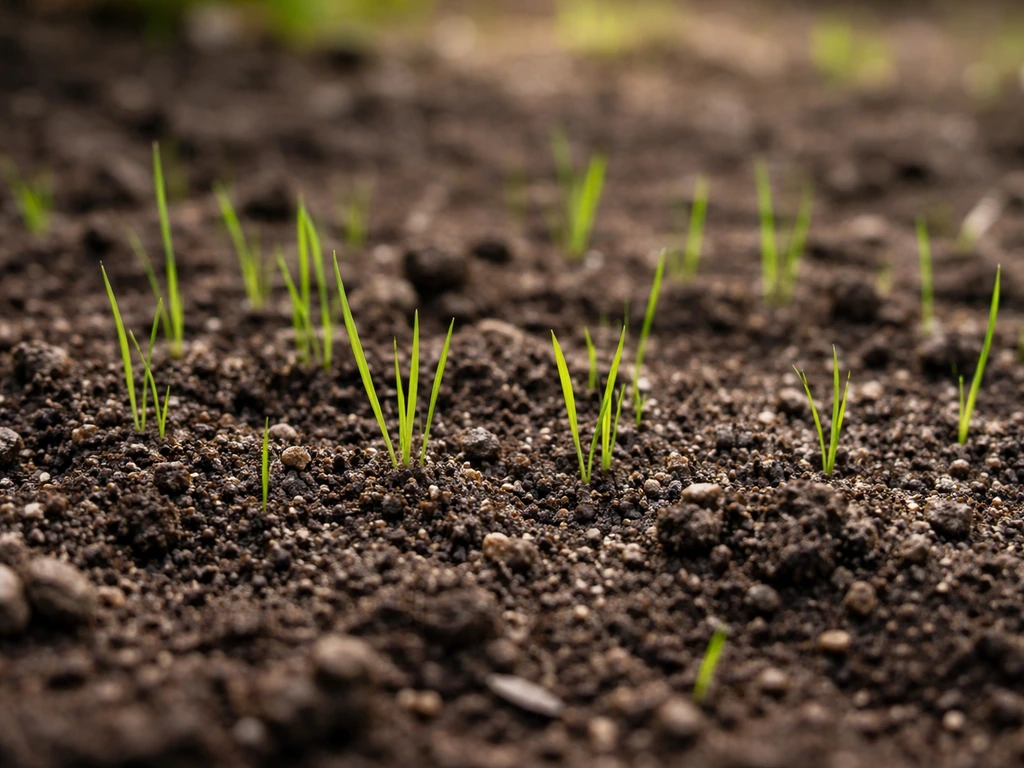
Once seedlings are about 1/4 to 1/2 inch tall (you'll notice a green cast across the seedbed), you can start transitioning from frequent light watering to deeper, less frequent watering. This encourages roots to chase moisture downward and builds a stronger plant.
Thinning is mostly relevant if you over-seeded heavily or if you're growing a clumping ornamental grass that you intend to keep as individual specimens rather than a mass planting. If clumps are crowding each other within the first 4 to 6 weeks, pull the weakest seedlings to give remaining plants room. Crowded seedlings compete for nutrients and are more vulnerable to fungal disease.
Transplanting seedlings started indoors is an option if you want a head start in regions with a short warm season. Start seed in trays 6 to 8 weeks before your outdoor planting date, harden off seedlings for a week by setting them outside in a sheltered spot, then transplant into prepared ground. Handle root balls gently. Tiny grass seedlings look fragile because they are. Firm them in, water immediately, and shade them for a day or two if temperatures are extreme.
Keep foot traffic off the new seeding area for at least 4 to 6 weeks. Use stakes and string or a simple sign. The seedlings look tough once they're green, but their roots are shallow and easily disturbed. One shortcut across a new seeding can tear out dozens of plants.
Ongoing maintenance and troubleshooting
Bare patches and uneven germination
If you get patchy germination, the most common culprits are uneven seeding, inconsistent moisture, seed buried too deep, or a soil crust forming over the surface. For thin spots, scratch the surface lightly with a rake, reseed at half the original rate, and water back in. Don't wait too long to fill bare patches, because weeds move in fast. If an entire area failed to germinate, check whether the soil dried out, whether temperatures were in the right range, and whether the seed was viable (old or improperly stored seed has poor germination rates).
Weeds during establishment
You will get weeds. That's just reality with any fresh seeding. The goal is to minimize them, not eliminate them entirely. Pre-emergence herbicides are mostly off the table during germination because they can harm your grass seed. Hand-pulling is tedious but safe. For bermudagrass and warm-season grasses, check with your local extension office for post-emergence herbicide options that are safe during establishment. Getting weed control right before seeding (killing existing weeds and waiting the appropriate interval) is far more effective than reacting after the fact.
Pets and foot traffic
Dogs are genuinely destructive to new grass seedings, both through digging and urine damage. The practical answer is a temporary fence or barrier for 6 to 8 weeks. If your dog has a predictable path or favorite corner, plan for it before you sow: either fence that area off or accept that you'll need to reseed it. Urine spots on established decorative grasses often show up as brown circles with greener edges. Flush those areas with water immediately after you notice them to dilute the nitrogen concentration.
Poor germination despite doing everything right
Sometimes seed just doesn't perform, especially if it's been sitting in a warehouse for a long time. Always check the germination percentage listed on your seed bag and the test date. Seed tested more than a year ago may have dropped significantly in viability. For native grasses like little bluestem and switchgrass, some seed lots require cold stratification (a period of moist cold) to break dormancy. If your spring germination is poor, check whether the seed you bought has been properly conditioned for direct sowing, or whether it was intended for fall dormant seeding, which is a legitimate technique for natives where you sow in late fall and let winter cold do the stratification work.
Mismatched sun and shade conditions
If a grass variety that needs full sun is planted in partial shade, you'll get sparse, weak growth that never fully fills in no matter how much you water or fertilize. The fix is to switch to a shade-tolerant variety (tall fescue is your best bet among the commonly seeded types) or to address the shade itself by pruning trees to let more light through. There's no amount of care that will make a sun-loving grass thrive in deep shade.
If you're interested in purely ornamental species that aren't also lawn grasses, many of the principles here apply directly. Ornamental grasses started from seed and ornamental grass growing faster tips both follow the same seed-depth, moisture, and temperature logic described above, just applied to different species. The biggest thing that changes between this type of decorative/lawn use and purely ornamental planting is spacing and intent, not the seed-starting fundamentals.
Your next steps from here
If it's April and you're in a warm-season region, you're right at the edge of the ideal seeding window for bermudagrass and native warm-season grasses. For seeded bermudagrass, Mississippi State University Extension recommends planting between February and March at a seeding rate of 5 to 10 lb/ac with a seeding depth of 1, 2 inches blank" rel="noopener noreferrer">seeded bermudagrass should be planted between February and March. Get your soil test ordered now, prep the bed this week, and aim to sow as soil temperatures cross 65°F. If you're in a cool-season region and missed fall seeding, a spring sowing of fescue or ryegrass is still worth trying with realistic expectations. Either way, buy fresh seed from a reputable source, check the test date on the bag, and commit to the watering routine for the first 3 to 4 weeks. If you want ornamental grass to establish faster, focus on matching the right variety and sowing at the correct soil temperature how to make ornamental grass grow faster. For a more hands-on approach tailored to orchard grass, use the guidance in how to grow orchard grass for best results. That's where success or failure is actually decided. If you're working on Easter grass specifically, review the planting and moisture tips for how to grow Easter grass so you can time it correctly and get better germination.
FAQ
What should I do if my decorative grass seed comes up patchy?
Yes, but only if you treat it as a brand new seeding effort, not a top-up. If germination was patchy due to surface drying, crusting, or wrong depth, lightly rake the top layer, reseed at about half the original rate (so you do not overcrowd), and keep the top 1 to 2 inches moist until you see consistent green.
Can I fertilize decorative grass seed right away or should I wait?
It depends on the grass type, but a good rule is to avoid fertilizer until you see seedlings emerge and green up. Starter fertilizer right before or immediately after seeding helps, but if you feed heavily before germination you can promote algae on the seedbed and stress tiny roots.
Should I cover decorative grass seed with mulch for better germination?
Yes, and the common mistake is using mulch that is too thick or water-holding in a way that keeps the surface too wet. If you cover at all, use a very light layer (just enough to reduce splash and heat swings) and keep it loose so seedlings can push through. When in doubt, prioritize correct seed depth and consistent moisture rather than thick mulching.
Why would decorative grass seed germinate in some areas but fail in others?
If seeds are failing in one spot, check for a moisture mismatch and compaction. Low areas can stay waterlogged, while slopes can dry out quickly, both causing poor emergence. Use a simple test, press a finger into the top 2 inches daily during the first weeks, and adjust watering so the surface never cracks but also never stays soggy.
How do I tell if I’m overwatering versus underwatering new decorative grass seed?
Overwatering is as damaging as underwatering early on. Aim for moisture in the top 1 to 2 inches, keep it damp not puddled, and water in short cycles in heat so water penetrates without saturating. If you notice a sour smell, constant mud, or crusty clumps that form after watering, reduce frequency and switch to shorter sessions.
When can I mow after decorative grass seed starts to grow?
For decorative grasses, mowing too early can pull out shallow roots and create bald streaks. Wait until plants form a visible clump or mat and have enough blade length to handle a first cut without scalping. If you need a target, delay mowing at least until after the initial establishment period, then use a higher mower setting.
Is it better to start decorative grass seed indoors or sow directly?
Indoor starting can work for a head start, but it can also lead to root disturbance and transplant shock because grass seedlings are delicate. If you start indoors, transplant only when roots fill the container lightly, harden off for about a week, and keep the soil evenly moist for the first 1 to 2 weeks after transplant.
How do I protect decorative grass seedlings from dog digging and urine?
Dogs can create repeated damage in the same corner. The practical fix is a physical barrier that covers the entire seeding zone for the first 6 to 8 weeks, plus a plan for where your dog can go instead. For recurring urine spots, flush immediately with plenty of water when you notice it, and expect you may need to reseed those exact patches.
How can I tell if my decorative grass seed is still viable?
Seed age matters more than most people think. Always check the germination percentage and the test date on the bag, and if it is older than about a year past test date, plan on lower success and consider increasing the reseed rate or using fresh seed for best odds. Improper storage, especially heat and humidity, can drop viability even if the bag looks fine.
What if my soil temperature is right on the edge, should I still plant?
If you are unsure about timing, do the decision the article already recommends but with a consistency check. Measure soil temperature at seed depth in the morning, then compare across several days. If you are hovering near the minimum threshold, wait for a sustained warm period rather than seeding on a single warm morning.
My site has partial shade, what variety and expectations should I have?
Even with perfect variety choice, deep shade limits density and blade quality. Tall fescue is the best bet among the common seed options, but if you only get a few hours of sun, you may still get patchy growth. In that case, you can improve results by pruning to increase light, or switch to plugs or divisions instead of seed.
Do I need cold stratification for native decorative grasses like little bluestem and switchgrass?
Yes, some native grasses require cold treatment to germinate well. If you are growing little bluestem or switchgrass and spring germination is poor, confirm whether your seed lot was conditioned for direct sowing, and if not, you may need fall dormant seeding so winter cold can provide the stratification.
Why is my decorative grass green but not spreading after germination?
If you see green but slow spread, it can be normal. Zoysiagrass and the native warm-season types can take a long time to fill in, even after germination, while ryegrass often shows earlier color. Use your timeline by variety expectations, not by the first week or two of sprouting.
Next Article
How to Grow Ornamental Grass: Planting and Care Guide
Step-by-step guide to grow ornamental grass, from choosing varieties and timing to planting, soil prep, watering, and tr