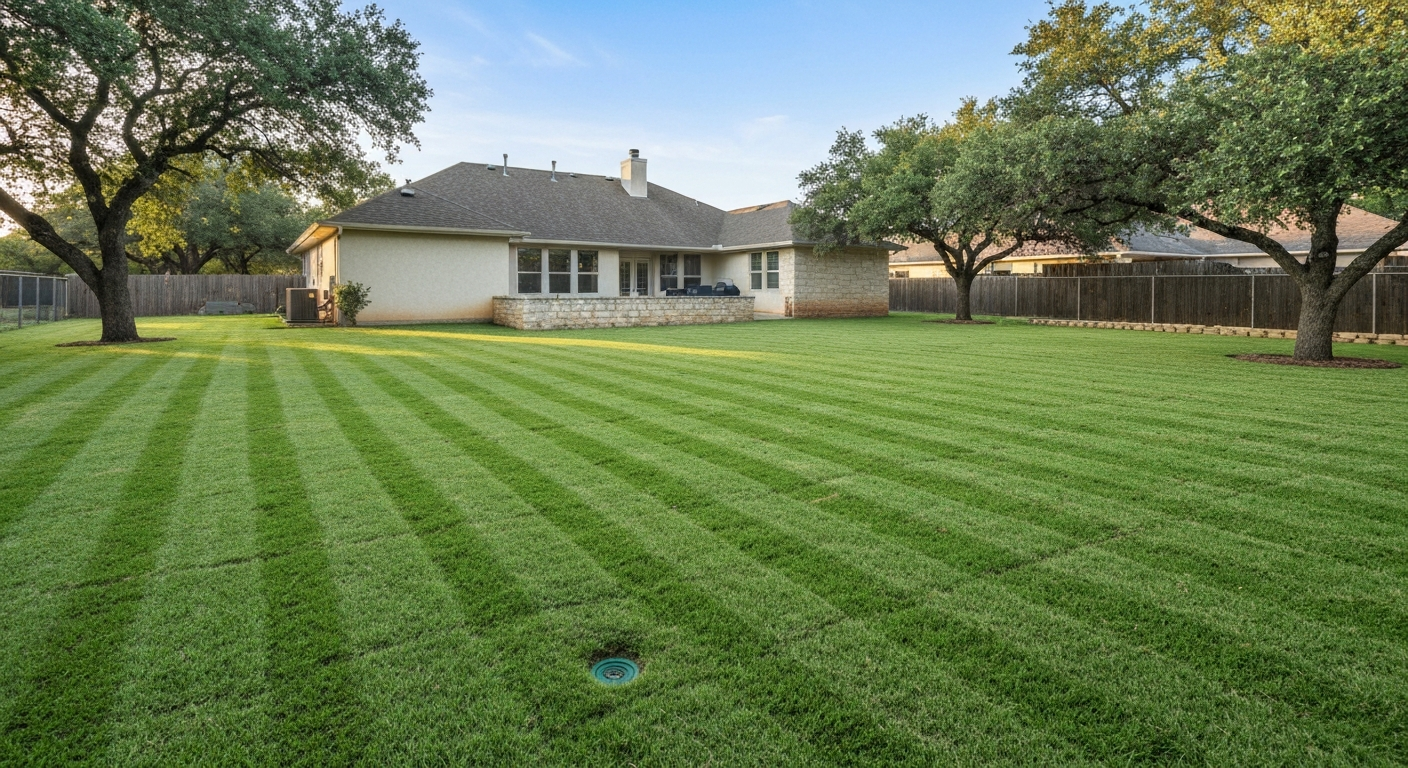
Plant ornamental grasses in spring or early fall, choose a variety matched to your sun exposure and climate zone, prep the soil with compost if it's clay or sandy, and water consistently for the first 4–6 weeks. Orchard grass has its own specific planting and care needs, so follow guides for orchard grass for best results how to grow orchard grass.
How to Grow Ornamental Grass: Planting and Care Guide

Marcus Tillwell
24 Apr 2026
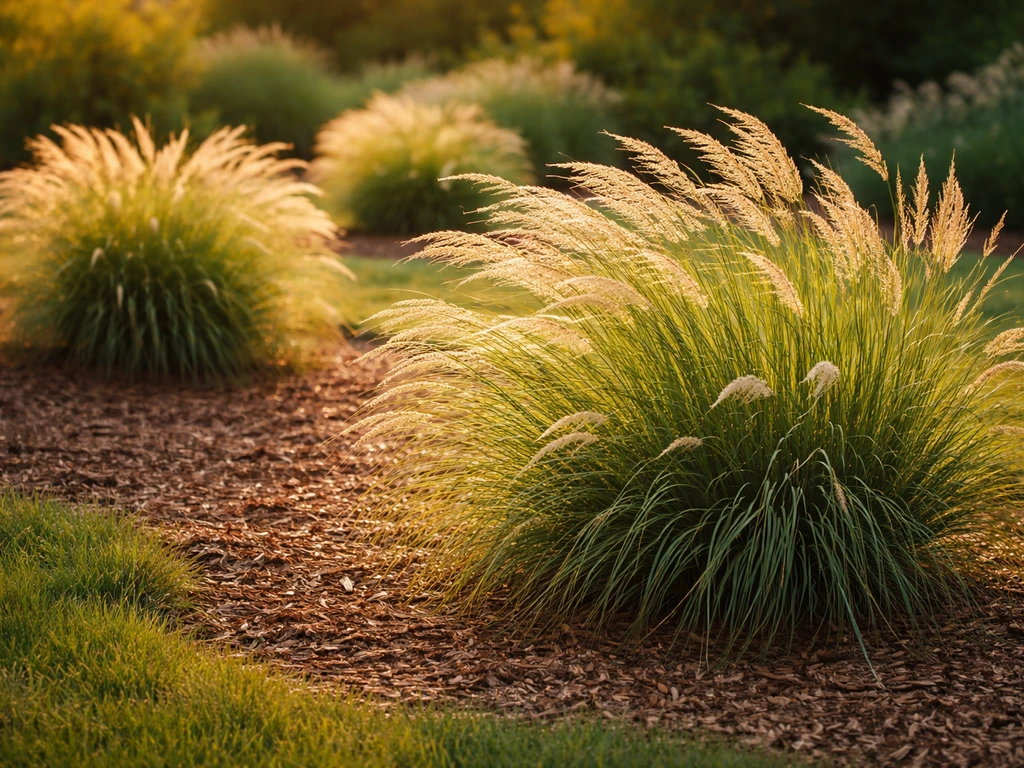
If you are growing easter grass specifically, the same focus on choosing the right light and soil, then consistent early watering, will help it establish well how to grow easter grass. Most ornamental grasses establish easily once you pick the right one for your conditions and get the planting window right. Follow the tips on this page to learn how to grow decorative grass successfully, from choosing the right variety to watering and maintenance. The rest is mostly patience.
Choose the right ornamental grass for your conditions
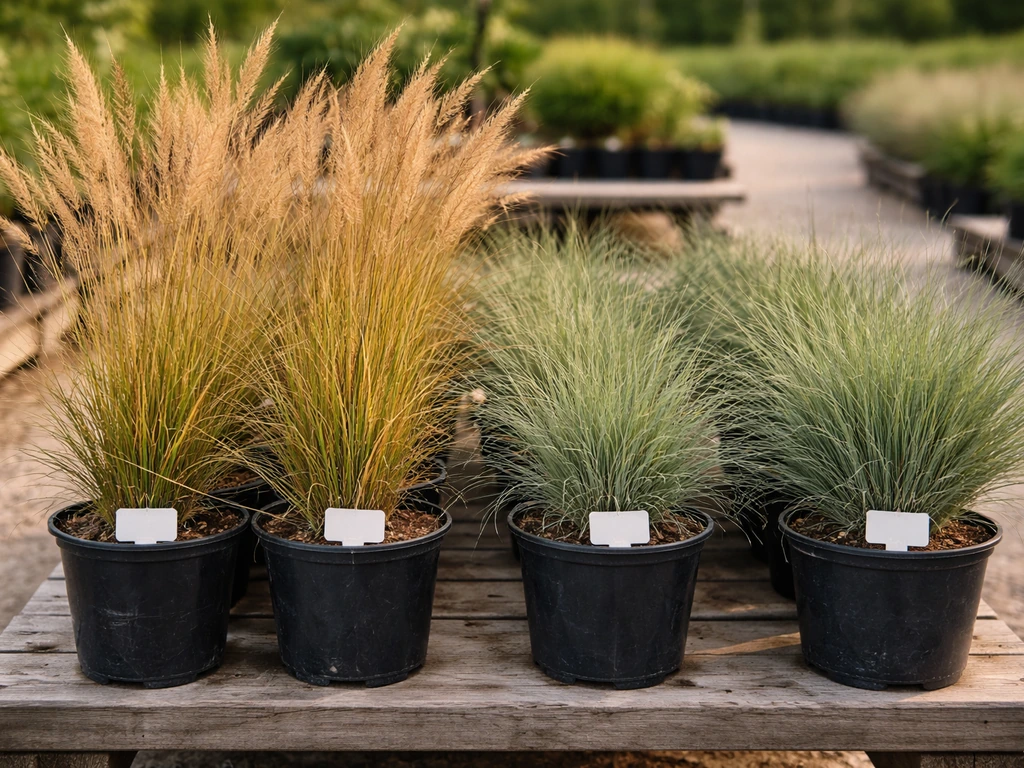
This is the step most people skip, and it's the reason their grass looks miserable by midsummer. Ornamental grasses split into two main camps: warm-season and cool-season. Warm-season types go dormant in winter and green up in late spring. Cool-season types stay green in winter in mild climates and do most of their growing before temperatures break 75°F. Get this wrong and even perfect planting won't save you.
Here's a quick breakdown of the most common ornamental grasses and where they actually perform well:
| Grass | Type | Mature Height | Hardiness Zones | Sun/Shade | Soil Preference |
|---|---|---|---|---|---|
| Switchgrass (Panicum virgatum) | Warm-season | 3–5 ft | Zones 5–9 | Full sun | Tolerates poor, dry soils |
| Maiden grass (Miscanthus sinensis) | Warm-season | 3–7 ft | Zones 4/5–9 | Full sun | Adaptable, well-drained |
| Fountain grass (Pennisetum alopecuroides) | Warm-season | 2–4 ft | Zones 5–9 | Full sun | Moist, well-drained |
| Feather reed grass (Calamagrostis x acutiflora) | Cool-season | 4–6 ft | Zones 4–9 | Full sun to part shade | pH 5.0–7.5, moderate drought tolerance |
| Blue oat grass (Helictotrichon sempervirens) | Cool-season | 2–3 ft | Zones 5A–9A | Full sun | Acidic to neutral, well-drained |
If your yard gets fewer than 6 hours of direct sun, feather reed grass is your best bet among commonly available ornamentals. Most others, especially fountain grass and maiden grass, really want full sun and will get floppy and sparse in shade. Blue oat grass is a good compact option for full-sun spots in zones 5–9, especially if your soil leans slightly acidic. Switchgrass is the toughest of the group and one of the few that handles poor, dry soil without complaints.
Planting timing and site planning
When to plant by season and climate
For warm-season ornamental grasses, spring is your primary planting window. In the South, that means roughly mid-April through mid-May. In northern zones, aim for late May into early June once soil temperatures are consistently warm. Cool-season grasses like feather reed and blue oat grass can go in earlier, since they thrive in cool weather and don't need warm soil to root in.
Fall planting works well too, especially if you missed the spring window. Just make sure you're getting plants in the ground at least 6–8 weeks before your first expected frost. This gives roots enough time to anchor before winter. Summer planting is possible but not ideal, you'll be fighting heat stress and watering constantly. If you must plant in summer, stick to cloudy days, water immediately, and give the plant some shade cloth for the first week.
Sun, spacing, and site layout

Most ornamental grasses need at least 6 hours of direct sun daily. Before you plant, stand in your yard at midday and honestly evaluate the light. Dappled shade from a nearby tree is not the same as full sun, no matter what it looks like in the morning. Pick your site based on what it looks like between 10am and 3pm.
Spacing depends on the mature size of the grass you've chosen. Maiden grass gets 3–7 feet tall and spreads just as wide, give it at least 4–5 feet of clearance from sidewalks, fences, and other plants. Smaller varieties like fountain grass or blue oat grass can be spaced 2–3 feet apart. If you're using them as a mass planting or screen, tighter spacing fills in faster but can restrict airflow as plants mature, which invites fungal problems.
Soil prep and amendments for clay, sandy, and poor soils
Ornamental grasses are forgiving, but they're not invincible. If your soil drains poorly or compacts into a brick in summer, take the time to fix it before planting. The work you do here pays off for years.
Clay soil
Clay soil holds moisture too long and can rot crowns, especially in fountain grass. Work in 3–4 inches of compost and till it into the top 6–8 inches of soil. Don't just layer it on top, if you create a distinct layer between amended and native soil, water pools right at that boundary and roots have trouble penetrating it. Mix it in thoroughly. If drainage is severely poor, consider raising the planting area by a few inches rather than fighting the native soil.
Sandy soil
Sandy soil drains fast, which grasses generally like, but it also loses nutrients quickly. Adding compost helps with both moisture retention and nutrient holding. Sandy soil actually needs more compost by volume than clay to get the same benefit, so don't be shy with it. Work in 4–6 inches of compost and mix well. You'll likely need to water more often during the first growing season than you would in heavier soil.
Poor or compacted soil
If your soil is just thin, worn out, or heavily compacted from construction or foot traffic, switchgrass is your friend. It's native to poor soils and one of the few ornamental grasses that genuinely thrives without rich soil. But even switchgrass benefits from breaking up compaction before planting. Use a fork or tiller to loosen the planting area at least 8 inches deep and mix in compost if you have it.
Planting methods: seed vs divisions and transplants
Starting from seed
Most ornamental grasses can be started from seed, but the experience varies a lot by species. Switchgrass is one of the most commonly seeded ornamental grasses, and it has one catch: the seeds have dormancy requirements. For best results, blank" rel="noopener noreferrer">cold-stratify the seed by keeping it moist in a refrigerator for about 4 weeks before planting. If you're planting in late winter directly into the ground, the natural cold does this for you. Either way, don't bury the seed deep, switchgrass and similar species germinate best at 1/8 to 1/4 inch depth. A firm, level seedbed is essential. If the soil is fluffy and loose, seeds end up too deep and germination suffers badly.
Maiden grass, fountain grass, and feather reed grass can also be started from seed, but germination is slower and more variable. Many homeowners find it easier to buy transplants for these and save the seed starting for switchgrass or native grasses. If you're patient and working with a large area on a budget, seeding is worth exploring.
Transplants and divisions
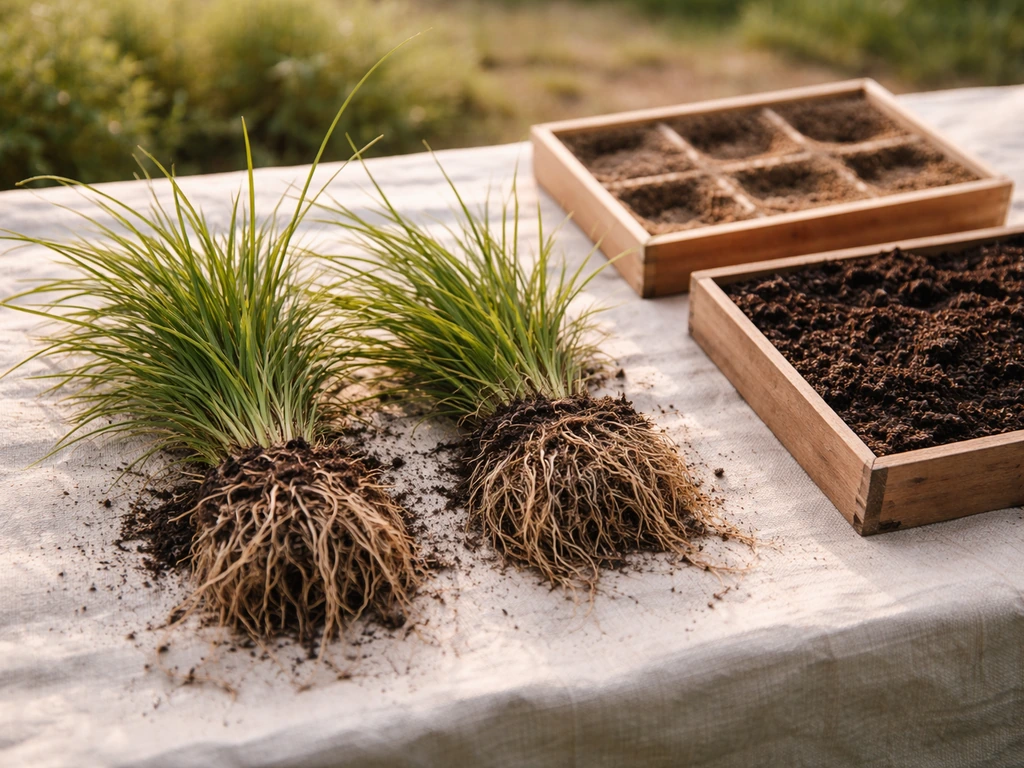
Buying potted transplants from a nursery is the fastest and most reliable route for most ornamental grasses. Dig a hole roughly twice the width of the root ball and the same depth. Set the crown (the point where roots meet the stems) at or slightly above soil level, not buried. This is especially important with fountain grass, which is prone to crown rot if the crown sits in wet soil. Backfill, firm the soil gently around the roots, and water immediately.
Divisions from established clumps are another excellent option, especially if a neighbor or friend has a grass you like. Divide warm-season grasses in early spring just as new growth starts. Use a sharp spade or pruning saw to cut through the clump, making sure each division has healthy roots and some green growth. Replant divisions at the same depth they were growing before and water well. Divisions from larger grasses like maiden grass can be heavy work, these root systems get dense and tough after a few years.
Watering, establishment timeline, and early care
Water immediately after planting, regardless of whether you used seeds, transplants, or divisions. Don't wait until tomorrow. The first watering sets the root-to-soil contact that everything else depends on.
First 4–6 weeks
Water transplants every other day for the first 2–3 weeks, then back off to every 2–3 days as the plant starts showing new growth. After 4–6 weeks, you can shift to weekly deep watering during dry spells. Morning watering is better than evening, less disease pressure and better infiltration as the day warms up. If your soil is very dry or compacted, try the two-stage approach: water once, wait 20–30 minutes for the first application to absorb, then water again. This gets moisture to the root zone instead of running off the surface.
Establishment timeline
Here's the honest truth about ornamental grass timing: the first year is slow. Most ornamental grasses spend their first growing season putting energy into root development, not visible top growth. Don't panic if your new plants look small and unimpressive through summer. By the second year, most will be approaching their mature size and filling in noticeably. The common saying in ornamental-grass gardening is 'sleep, creep, leap', year one they sit there, year two they grow modestly, year three they really take off.
For seed-started grasses, add another layer of patience. Switchgrass germination can take 3–4 weeks even under ideal conditions. Keep the seedbed consistently moist but not soggy during this window. Once seedlings appear, thin them to appropriate spacing and continue watering regularly. Once established after the first full growing season, most ornamental grasses handle drought well and rarely need supplemental watering unless you go more than 10 days without about an inch of rainfall.
Fertilizing, weed control, and seasonal maintenance
Fertilizing
Ornamental grasses are light feeders. Over-fertilizing, especially with nitrogen, gives you lush floppy growth that flops over by midsummer. A single light application of a balanced slow-release fertilizer in early spring is usually enough. If you want the best results, pair that light feeding with a simple seasonal routine for how to grow decorative grass from establishment through maintenance. If your soil is already reasonably fertile and you've added compost at planting, you might not need to fertilize at all. Skip the fall fertilizer, you want the plant to harden off for winter, not push tender new growth.
Weed control
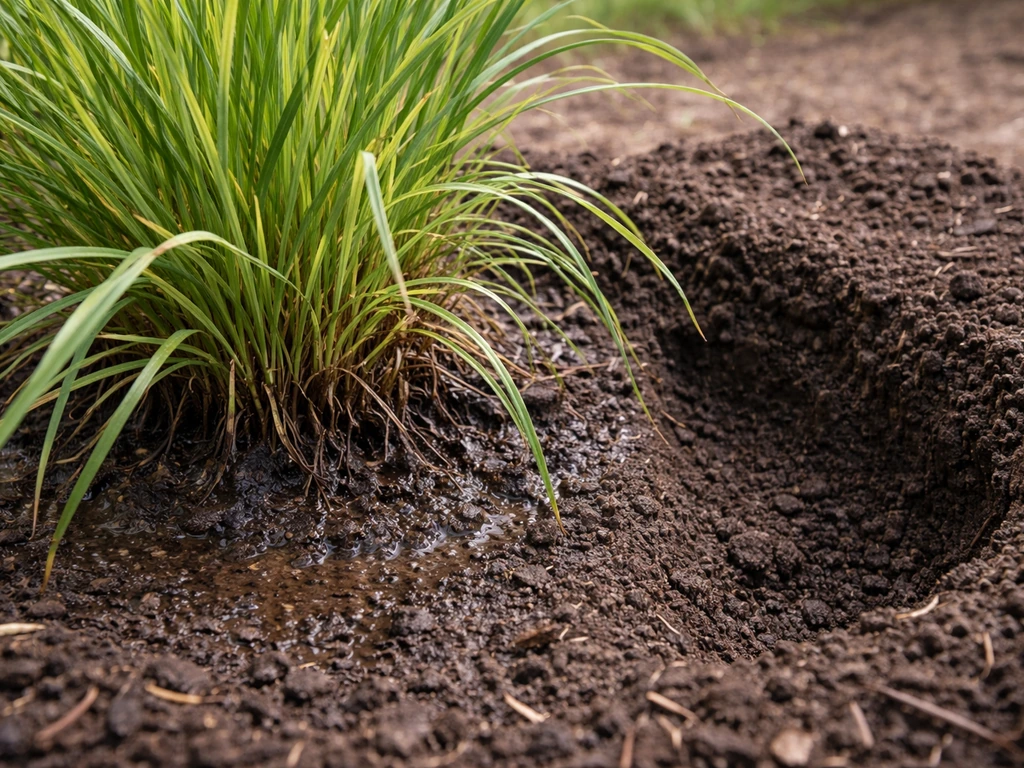
Weeds are the biggest threat during the first season when plants are still small and haven't closed the canopy. Hand pull weeds close to the crown, herbicides can damage young grass. Once the clump fills in, it naturally crowds out most weeds. A 2–3 inch layer of mulch around (but not touching) the base of new plants helps suppress weeds and retain moisture through establishment.
Cutting back in spring
For deciduous ornamental grasses like maiden grass and switchgrass, cut the clump back to about 4–6 inches above ground level in late winter or early spring, before new shoots emerge. For maiden grass specifically, mid-March to April is a good window in most climates. Don't cut back in fall, the dried stems add winter interest and protect the crown.
Missouri Extension also notes that warm-season ornamental grasses die back after the first hard freeze but keep their ornamental value in dried form through winter Don't cut back in fall. Cool-season grasses like feather reed grass are semi-evergreen and don't need cutting back as aggressively, just remove the dead growth in early spring.
Use heavy gloves and either loppers or a hedge trimmer for large clumps. Tying the clump with twine before cutting keeps the mess manageable.
Dividing mature clumps
Most ornamental grasses benefit from division every 3–5 years when the center of the clump starts dying out and leaving a hollow ring. Divide in early spring before new growth gets more than a few inches tall. This is also a free way to get more plants for other parts of the yard or to share with neighbors.
Troubleshooting and common problems after planting
Plant looks dead or isn't growing
Warm-season grasses can look completely dead until late spring. If you planted in spring and nothing is happening by late May or early June, scratch the crown with your fingernail, green tissue underneath means it's alive and just slow to break dormancy. Give it more time and keep watering. If the crown is brown and mushy, it's likely rotted from overwatering or poor drainage. This is especially common with fountain grass planted in heavy clay without drainage improvement.
Crown rot and wilting
Wilting combined with leaves that turn dull yellow or purplish, especially in plants sitting in wet soil, points to crown or root rot. The fix is almost always drainage, not watering. Stop watering, improve drainage around the plant, and make sure the crown isn't buried. If the damage is severe, pull the plant, cut away rotted tissue, let the healthy portion dry for a day, and replant in a better-draining spot. Prevention is easier: always plant the crown at or just above soil level, and never let water sit in the root zone for days at a time.
Patchy or uneven establishment from seed
If seed germination is spotty, the two most likely culprits are inconsistent moisture during germination (the seedbed dried out at some point) or seeds planted too deep. Ornamental grass seeds are tiny and need to be close to the surface. Lightly rake the surface after seeding to ensure good seed-to-soil contact without burying seeds. Water the seedbed lightly every day until germination, then gradually back off. If bare patches remain after 6 weeks, overseed those areas and keep them consistently moist.
Floppy or open growth habit
Grasses that flop open by midsummer are usually getting too much nitrogen, too much shade, or both. Cut back on fertilizer and honestly re-evaluate the sun exposure. If the site gets less than 6 hours of direct sun, switch to feather reed grass, which handles partial shade better than most. You can tie floppy clumps with twine to keep them upright, but that's a band-aid, the real fix is matching the grass to the conditions.
Heat and drought stress in the first summer
New plantings hit hardest in their first summer, especially in hot climates. If leaves are rolling or browning at the tips during a heat wave, increase watering frequency temporarily. Water deeply rather than frequently: slow, thorough watering that reaches 6–8 inches down is better than a daily sprinkle that evaporates before it gets to the roots. Once grasses make it through their first full summer, they become dramatically more drought tolerant.
If you're working to speed things along, the same principles that apply when you want to make ornamental grass grow faster generally come back to consistent early watering and good soil prep, getting those roots deep is what really drives faster establishment. To make ornamental grass grow faster, focus on consistent early watering, good soil preparation, and giving the roots what they need to establish quickly.
FAQ
My yard gets about 4 to 5 hours of sun, can I still grow ornamental grass?
It helps to treat “direct sun” as a range. If your site averages 4 to 6 hours of true direct sun, consider feather reed grass or other shade-tolerant types, and expect less height and a slower fill-in. If you are consistently below 4 hours, most popular ornamentals (like fountain or maiden grass) will stay sparse unless you increase light with pruning nearby branches.
Can I grow ornamental grass in a container, and does care change?
Yes, but pick the right moment and method. In containers, water needs are more frequent because soil dries faster, but overwatering causes crown problems. Use a fast-draining potting mix, keep the crown at or slightly above the soil line, and avoid heavy nitrogen feeding because container plants can become floppy quickly.
What are the most common reasons newly planted ornamental grass fails?
Most establishment problems come from the crown being too deep or soil staying wet. After planting, aim for evenly moist soil for the first weeks, not mud. If water pools or the soil stays soggy beyond the next day, improve drainage (amending thoroughly and, if needed, raising the planting area) before adding more water.
How do I know when to water ornamental grasses after the first few weeks?
A useful rule is to water based on root-zone moisture, not the calendar. After the initial establishment period, deep watering during dry spells is best, but only when the top few inches of soil are dry. If grasses are looking yellow while the soil is wet, pause watering and fix drainage rather than watering more.
How much mulch should I use around ornamental grass, and should it touch the crown?
Mulch should suppress weeds and moderate moisture, not trap wetness against the crown. Keep mulch 2 to 3 inches away from the base, and use a thin, breathable layer (about 2 to 3 inches). Thick, piled mulch near the crown can keep the area too damp and increase crown rot risk.
When is the best time to cut back ornamental grasses, and does it differ by type?
If you cut back too late, new growth can be damaged or set back. For deciduous clumps like maiden grass and switchgrass, cut in late winter or early spring before shoots emerge. For semi-evergreen types like feather reed grass, you can remove only dead material in early spring, and avoid a hard cut unless the plant is truly overgrown.
My ornamental grass flops over by midsummer, how can I fix it?
It is usually a nitrogen issue, a light issue, or both. Reduce or skip fertilizer beyond a light spring dose, and verify the plant gets at least about 6 hours of direct sun (10am to 3pm). If shade is unavoidable, switch to a more shade-tolerant grass rather than trying to force height with more feed.
Should I fertilize ornamental grass, and what should I avoid?
Fertilize lightly and sparingly. If you already amended with compost and the clumps look healthy, you may not need any fertilizer at all. When you do fertilize, use a balanced slow-release product in early spring and avoid fall feeding, since late growth can be tender going into winter.
Why did my ornamental grass seeds fail to germinate, and what should I do next?
Seed-grown grasses often need consistent moisture at the surface and correct depth. If germination is spotty, check seed depth (tiny seeds should be lightly covered, around 1/8 to 1/4 inch for species like switchgrass) and keep the seedbed evenly moist until sprouting. If it has been 6 weeks with bare patches, overseed and maintain steady moisture.
It looks dead in late spring, how can I tell if the plant is just slow or actually rotted?
First, scratch the crown if you planted warm-season types in spring, and look for green tissue beneath the surface. If the crown is brown and mushy, that points to rot from poor drainage or crown burial. Stop watering, improve drainage, and replant in a drier location if necessary.
Next Article
How to Grow Grass in San Antonio Texas: Step-by-Step Guide
How to grow grass in San Antonio: best turf choices, planting windows, soil prep, watering schedules and troubleshooting