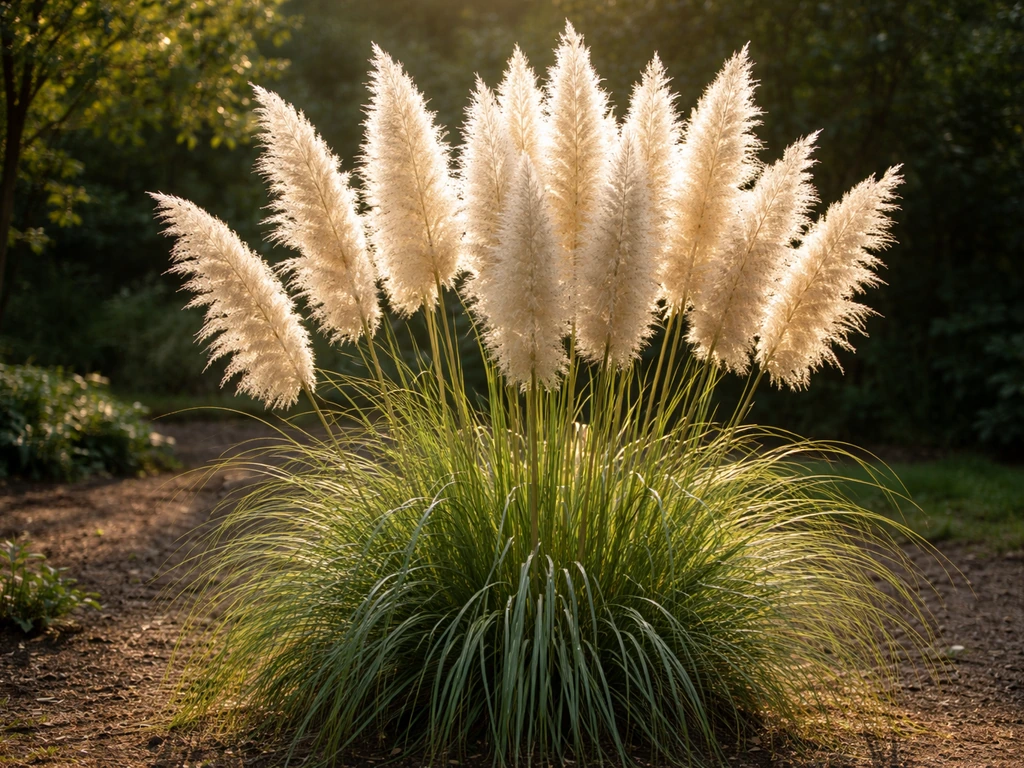
You can grow purple or pink pampas grass from seed, but here is the honest truth upfront: seed-grown plants are a gamble on color. The deep pink and purple plume shades you see in photos come from named cultivars like 'Rosea' or 'Highfield Pink,' and those traits are maintained by division, not seed. When you sow pampas grass seed, you get genetic variability, meaning some plants may produce pale or unremarkable plumes, and you will not know the sex of each plant until it flowers, which takes at least two years. That said, plenty of gardeners do get beautiful pink and purplish plumes from seed lots sold specifically for those colors, and with the right germination setup, timing, and establishment care, you can absolutely end up with a stunning clump. Just go in with realistic expectations and follow the steps below. For a full, step-by-step guide on how to grow pampas grass seeds, follow the sowing and seed-starting setup in this article.
How to Grow Purple Pampas Grass From Seed Step by Step
Purple vs pink pampas grass: what you are actually buying
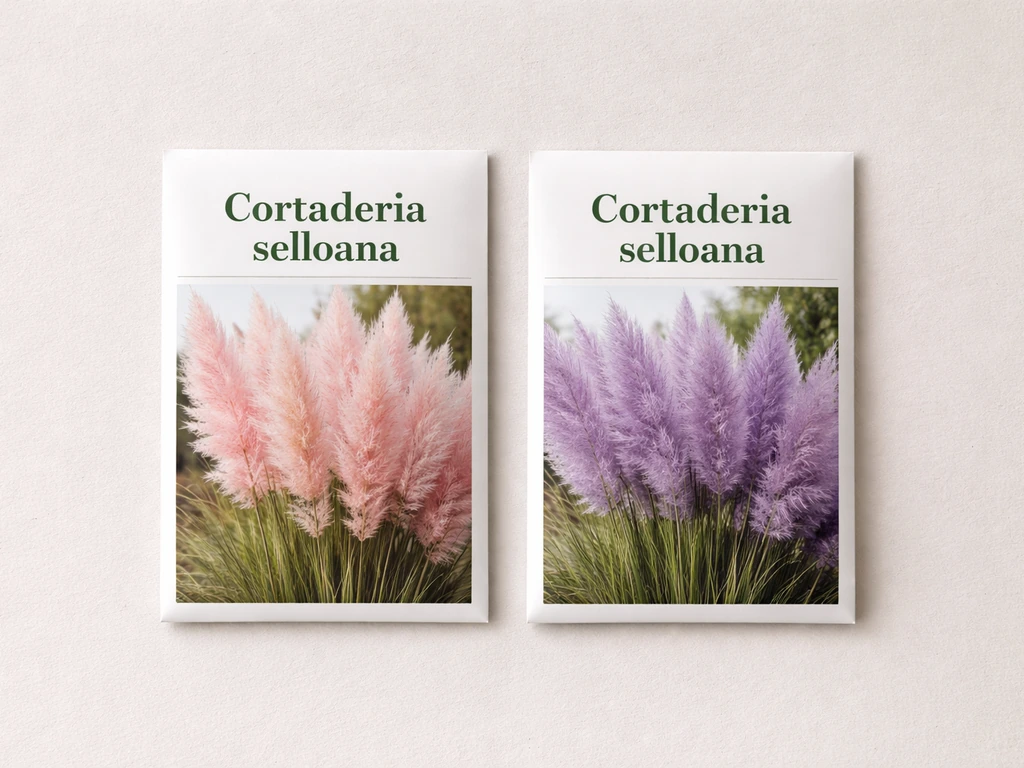
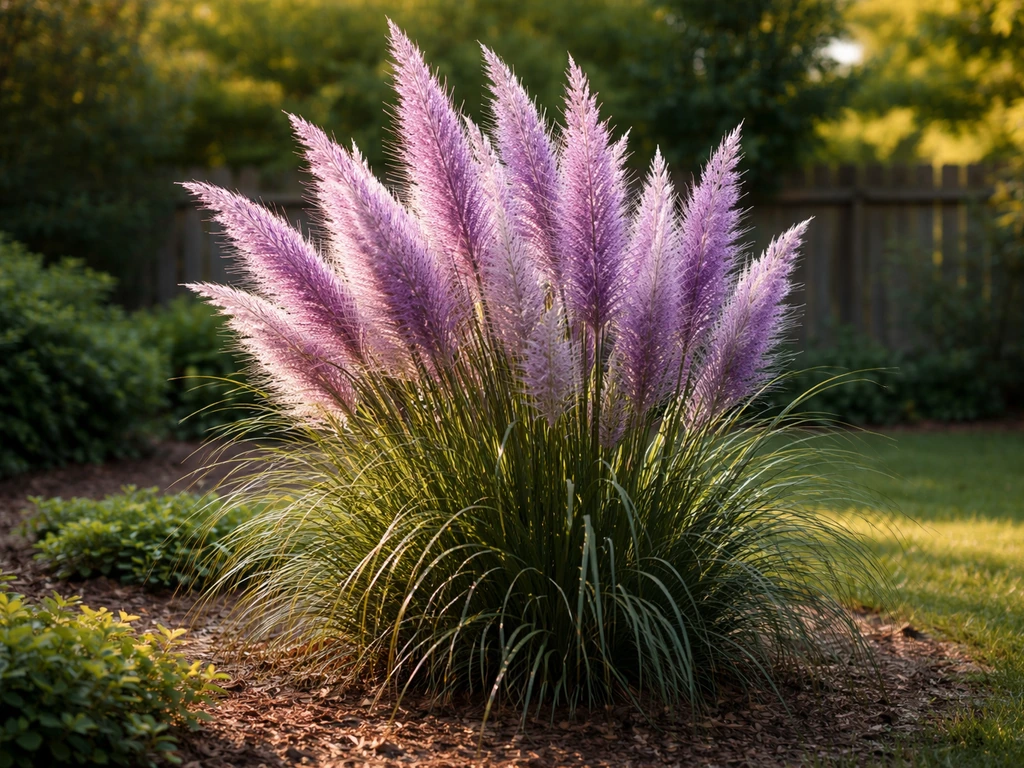
This is worth sorting out before you buy seed, because 'purple pampas grass' can refer to two completely different plants. Cortaderia selloana is the classic ornamental pampas grass, and some of its cultivars produce plumes flushed with pink or soft purple. 'Rosea' is one of the best-known pink-plume selections, recommended for USDA Zones 8 to 9, and it reaches roughly 8 to 10 feet tall with a spread of around 6 feet. Then there is Cortaderia jubata, which blank" rel="noopener noreferrer">Oregon's Department of Agriculture classifies as 'jubata grass' or 'purple pampas grass.' It is a distinct species, generally considered more invasive, and it behaves differently in the landscape. When you see seed packets labeled 'purple pampas grass,' check whether they specify C. selloana or C. jubata, because your growing expectations, hardiness, and results will differ. p2s7: None of this means skip the seeds pampas grass how to grow.
The pink and purple color forms of C. selloana are cultivars, which means nurseries keep those traits consistent through vegetative propagation (dividing existing plants), not through seed. So when you grow from seed, even from a packet marketed as 'pink pampas grass,' the plants may not perfectly match the photos. Some will come close. Others will produce lighter, cream-colored plumes. And because C. selloana produces both male and female plants, and only the female produces those showy, fluffy plumes, you may end up with a plain-looking male plant in the mix. None of this means skip the seeds. It just means you should sow a few extra plants to increase your odds of getting the color you want.
Best time to sow and where to plant
Start seeds indoors between February and April. That window gives seedlings enough time to establish before outdoor transplanting in spring, and it avoids the mistake of starting too late. If you are past mid-June, wait until the following February. Pampas grass grown from seed will not flower for at least two years, so you are playing a long game regardless. Starting at the right time just means your plants go into the ground with a full growing season ahead of them. If you want a similar, fast way to establish a dense lawn, see how to grow super Napier grass next growing season.
For the outdoor location, pampas grass needs full sun: aim for at least six to eight hours of direct sun daily. It is wind-tolerant and actually benefits from open, airy spots that give the plumes room to show off. Mature clumps of C. selloana can reach around 8 to 10 feet tall and spread 6 feet or more, so give each plant plenty of room and keep it away from walkways, driveways, and structures. The leaf edges are razor-sharp, which is a real consideration if you have pets or kids. In terms of hardiness, standard C. selloana cultivars are generally reliable in USDA Zones 7 to 10. If you are in Zone 6 or colder, look into hardier alternatives because standard pampas grass will struggle through severe winters without significant protection. If you are in Zone 6 or colder, look into hardier alternatives because standard pampas grass will struggle through severe winters, and you may want to compare that with how to grow penny grass for a tougher option.
How to grow purple or pink pampas grass from seed, step by step
- Buy seed from a reputable seller that specifies Cortaderia selloana in a named pink or purple strain. Vague labeling is a red flag for poor color outcomes.
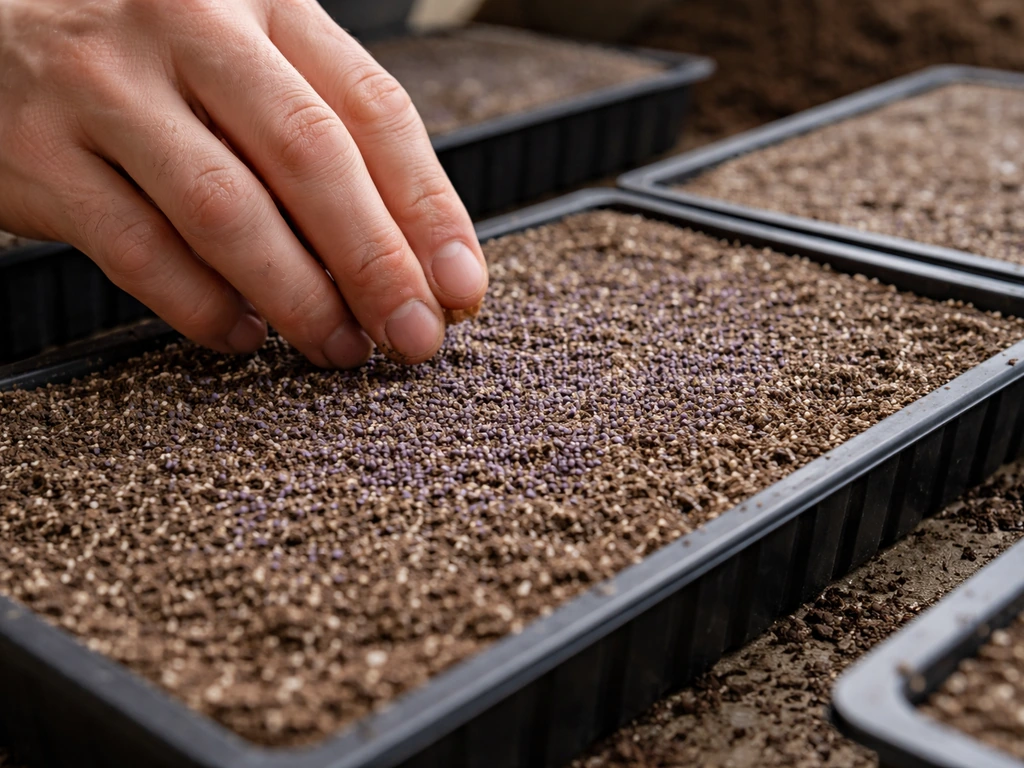
- Fill shallow seed trays or cell packs with a fine, well-draining seed-starting mix. Avoid heavy garden soil, which compacts and smothers tiny seeds.
- Sow seeds thinly on the surface of the mix. Pampas grass seed needs light to germinate, so do not bury them. Press them gently into the surface so they make contact with the mix, then cover with the thinnest dusting of mix or vermiculite, just enough to barely obscure the seeds.
- Water gently using a fine mist or by bottom-watering (set the tray in a shallow dish of water and let it soak up). The goal is consistent, even moisture without waterlogging.
- Place trays in a warm spot at around 68 to 77 degrees Fahrenheit (20 to 25°C). A heat mat set to that range works well if your home runs cooler.
- Provide bright, indirect light or grow lights from the start. Direct harsh sun through a window can dry out the surface too fast before seedlings emerge.
- Expect germination in roughly 2 to 4 weeks under good conditions, though it can take longer. Check daily and maintain moisture.
- Once seedlings have two or three small leaves, thin or prick out the weakest ones so each cell or small pot has a single plant.
- Grow seedlings on indoors for 8 to 10 weeks before transplanting, hardening them off for one to two weeks by gradually exposing them to outdoor conditions.
Seed starting setup: containers, temperature, light, and what to expect
You do not need fancy equipment. A standard seed tray with a clear plastic dome works perfectly to hold humidity while seeds germinate. Once seedlings emerge, remove the dome to prevent damping-off, which is a fungal problem that collapses seedlings at the soil line and is almost always caused by poor air circulation combined with wet conditions.
Temperature is the most important variable early on. Keep the germination environment at 68 to 77°F (20 to 25°C) consistently. If your seed tray sits on a cold windowsill in February, germination will be slow and patchy. A simple seedling heat mat under the tray makes a noticeable difference. Once seedlings are up and growing, normal room temperature is fine.
Light is the second critical factor. Research on C. selloana germination shows that too much direct light at the surface can actually reduce germination rates compared to partially shaded conditions during the germination phase. This supports the surface-sow approach with minimal covering rather than putting trays on a sunny south-facing windowsill during the first couple of weeks. After germination, move seedlings to the brightest available light so they grow stocky rather than leggy.
Germination rates from home seed starting are genuinely variable. Some batches sprout quickly and thickly, others are slow and thin. Sow more seed than you think you need. If you want three mature clumps in the yard, start 15 to 20 seeds so you can select the strongest seedlings.
Transplanting and getting young plants established
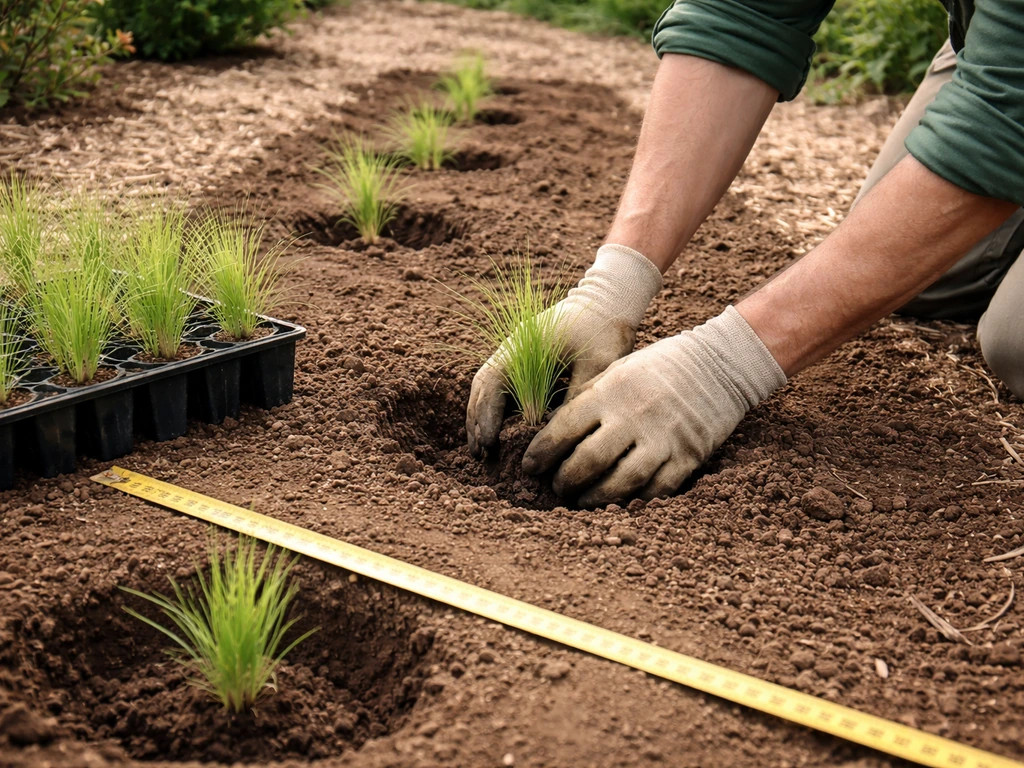
Transplant outdoor after the last frost date for your area, typically sometime in April or May depending on your zone. Your seedlings should be 3 to 4 inches tall and have a small but visible root system before going into the ground. Harden them off over 7 to 14 days by setting them outside for increasing amounts of time each day, starting with a sheltered, partly shaded spot and working up to full sun.
Spacing matters a lot with pampas grass. Give each plant at least 6 feet of space in every direction, ideally 8 feet if you have room. These are big plants at maturity and crowding them leads to weak, floppy growth and poor airflow, which increases disease risk. Dig a hole roughly twice the width of the root ball and the same depth. Set the plant so the crown sits at soil level, not buried. Backfill, firm lightly, and water thoroughly right after planting.
For the first few weeks, water every two to three days if there is no rain. The goal is to keep the root zone consistently moist while the plant gets anchored. Once you see new green growth pushing from the center of the clump, the plant is establishing and you can ease back on watering frequency.
Soil and water: what works, what does not
Pampas grass is more forgiving about soil than many ornamentals, but it still has preferences. It does best in well-draining soil with moderate fertility. For best results when you grow prairie grass, use a similarly well-draining planting site and avoid keeping the roots constantly wet well-draining soil. Here is how to handle the two problem soils that come up most often for homeowners.
| Soil Type | Main Problem | What to Do |
|---|---|---|
| Clay soil | Holds too much water, can waterlogged roots and cause rot | Amend the planting hole and surrounding area with coarse sand and compost to improve drainage. Raise the planting site slightly if drainage is really poor. Avoid overwatering. |
| Sandy soil | Drains too fast, dries out quickly, low in nutrients | Work in generous amounts of compost before planting to improve water retention and add organic matter. Plan on more frequent watering during the first growing season. |
Once established (usually by the end of the first full growing season), pampas grass is notably drought-tolerant. It does not need constant irrigation. Overwatering an established plant in clay soil is one of the more reliable ways to kill it. During the growing season, water deeply but infrequently, letting the soil dry out somewhat between waterings. In sandy soils, water a bit more often but still let the top inch or two dry before watering again.
Avoid planting in spots that collect standing water after rain. Pampas grass roots sitting in waterlogged soil for extended periods will rot, and the plant will decline quickly even if it looked fine when you put it in.
Ongoing care for strong, showy clumps
Annual pruning
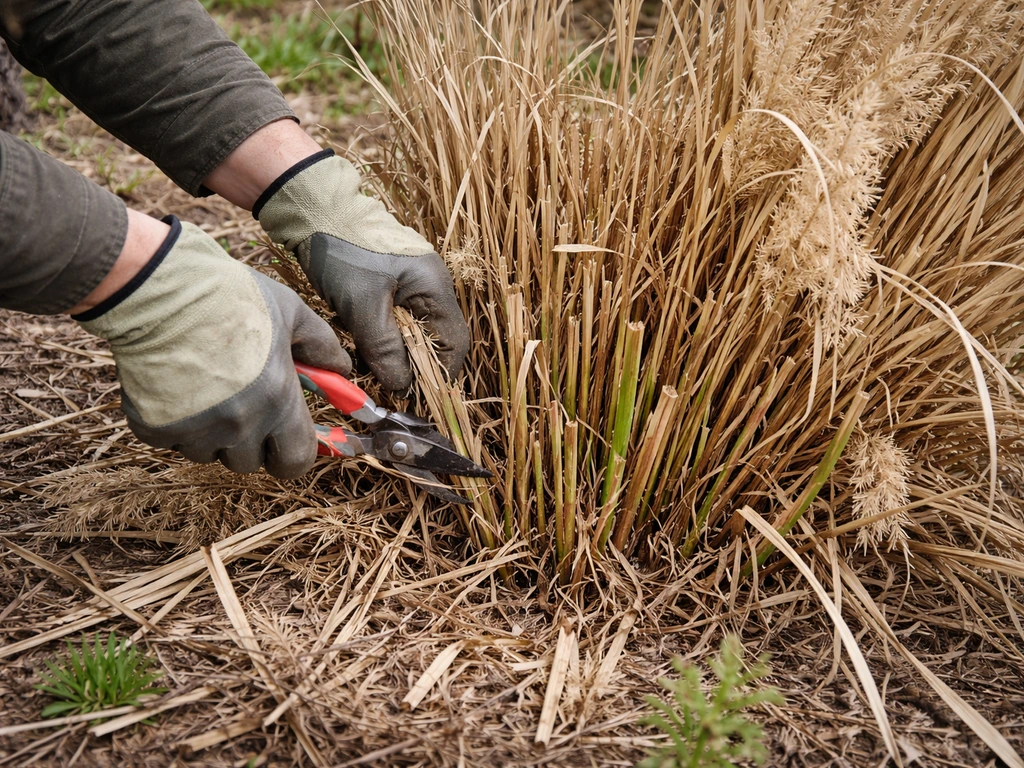
Cut pampas grass back hard in early to mid-spring, before new growth starts pushing from the center. The dead foliage provides structure through winter and protects the crown from frost, so leave it until spring. When you do cut back, use loppers, a hedge trimmer, or even a reciprocating saw because the clumps get dense and the leaves are sharp. Wear heavy gloves and long sleeves. Cut the entire clump down to about 12 inches from the ground. It looks brutal but the plant responds vigorously.
Fertilizing
Right after the spring cutback, apply a light broadcast of a balanced complete fertilizer such as 8-8-8 or 10-10-10. This is the nudge the plant needs to push strong new growth. You do not need to fertilize heavily: pampas grass is not a heavy feeder, and too much nitrogen drives soft, floppy growth rather than the upright, robust clumps you want. One application per year after the spring pruning is enough for most home landscapes.
Pests and other problems
Established pampas grass has very few serious pest or disease problems. Aphids occasionally appear on new growth but rarely cause lasting damage. Helminthosporium leaf blight can cause brown spotting in wet conditions, but good air circulation (which comes back to spacing) keeps this in check. The bigger threat is the plant itself becoming invasive in mild-winter regions. In California and parts of the Pacific Northwest, both C. selloana and C. jubata are listed invasive species, so check your local regulations before planting, especially if you are considering the C. jubata 'purple' type.
Troubleshooting: low germination, weak growth, and failed establishment
If your seeds are not germinating after four weeks, the most common culprits are soil temperature that is too low, seeds buried too deep, or soil that dried out between waterings. Check that your germination environment is consistently in the 68 to 77°F range and that the surface of your seed mix stays evenly moist without being soggy. Research on C. selloana confirms that water deficit is a significant factor suppressing germination, so do not let the trays dry out.
If seedlings are flopping over and dying at the soil line, that is damping-off. Remove affected seedlings immediately, improve airflow around the remaining plants (take the dome off if you have one), and let the surface dry slightly between waterings. A small fan on low nearby helps a lot.
If your transplanted seedlings are not growing after four to six weeks in the ground, check two things first: watering and root contact. Either the plant is not getting enough water during establishment, or the roots were planted too deep or in compacted soil and are struggling to spread. Gently firm the soil around the base of the plant, water deeply, and give it more time. Transplant shock can stall growth for several weeks.
If your plants flower after two years and the plumes are not the pink or purple color you expected, that is the seed variability issue discussed earlier. Unfortunately there is no fix at that point: the genetic dice were rolled when you sowed the seed. Going forward, if a specific color matters a lot to you, source plants vegetatively propagated from a named cultivar rather than growing from seed.
One more failure mode worth mentioning: buying seed labeled 'purple pampas grass' that turns out to be C. jubata rather than a colored form of C. selloana. If the plant grows aggressively and self-seeds prolifically in your yard, that is probably what happened. C. jubata is a prolific self-seeder and in many states is considered a noxious weed, so if that is your situation, remove it before it spreads.
Your next steps right now
If it is February through April, start your seeds indoors this week using the surface-sow method above. If it is later in the season and you are reading this in summer, order seed or source a nursery-grown plant from a named pink or purple cultivar and plan for a fall planting in warm climates or a spring start next year in cooler ones. Either way, pick your outdoor site now: full sun, well-draining soil, plenty of space, and away from foot traffic. Amend the soil if needed. Growing pampas grass from seed takes patience, but the payoff of a mature clump covered in those tall, feathery plumes in late summer is genuinely worth the wait. If you want a full walkthrough, focus on timing, sun, and the right seed-starting setup for how do you grow pampas grass successfully Growing pampas grass from seed takes patience. If you enjoy starting ornamental grasses from seed, the same general approach applies to other ornamental species, and getting comfortable with the germination basics here will set you up well for experimenting with other grass varieties too.
FAQ
Can I grow purple pampas grass in a container or will it always need to go in the ground?
Yes, but only if you treat it like a new establishment project, not a transplant of an older plant. Pampas grass crowns dislike being buried, and divided clumps need the same full-sun, airy spacing as seed-grown seedlings. If you can’t spare the space, grow in a large container instead, but expect less mature plumes and plan for winter protection because container roots freeze faster than ground roots.
When buying “purple pampas grass” seed, how do I make sure I am getting the right plant?
If the seed packet says both a species and a “color,” prioritize the species first. In general, C. selloana is the classic ornamental type, while C. jubata is often sold under “purple pampas grass” but behaves more aggressively and may be regulated. Look for the botanical name (Cortaderia selloana versus Cortaderia jubata) before you decide what your “purple” results can realistically be.
Can I control the purple color from seed by selecting or cross-pollinating?
Hand pollination will not reliably “fix” color because the plume shade you see later comes from genetic makeup and which sex a plant turns out to be. Since seeds produce both male and female plants, you cannot guarantee that your seedlings will become the showy, fluffy-plume females. The practical approach is to grow extra seedlings and select the best females once flowering begins.
Will pampas grass from seed fill in fast enough for privacy or quick landscaping?
Pampas grass is not a good candidate for close, quick cover because it takes at least two years from seed before plumes appear. If you need faster structure, use a temporary filler plan (annuals or short-lived perennials) while waiting, and keep the pampas at the full recommended spacing so airflow stays strong and disease risk stays low.
When is the best time to cut pampas grass back, and does it hurt the plant if I cut it in fall?
Leave the plants standing through winter, then cut back in spring once you can see new growth starting in the center. Cutting too early can expose the crown to cold snaps. When you do cut, secure yourself with gloves and long sleeves and cut the whole clump down to about 12 inches to reset growth evenly.
What should I do if my transplanted seedlings look pale or stop growing?
If you see yellowing or stalling right after transplanting, avoid feeding immediately. Focus on root recovery first by ensuring the crown sits at soil level, firming soil around the base, and watering deeply but infrequently during establishment. After spring pruning, one light balanced fertilizer application is usually enough, too much nitrogen can cause weak, floppy growth.
My pampas grass seeds are not germinating after a month, what are the most likely causes?
For seed-starting, use minimal covering, keep the surface evenly moist, and do not let the tray dry out. If temperatures drop below the target range consistently, germination can stall and become patchy. If you have persistent failures after four weeks, check whether the seed was buried too deep, the mix is drying between waterings, or the tray is too cold.
Why are my seedlings flopping over and dying near the soil line?
Expect flopping if airflow is poor or watering is inconsistent, damping-off can also collapse seedlings at the soil line. Remove weak or affected seedlings, improve ventilation (for example, remove the dome once sprouts appear), use gentle bottom-up watering if possible, and consider a small fan nearby to reduce fungal pressure.
My seedlings are in the ground but not growing, what should I check first?
First confirm you are planting in a spot that does not collect standing water and that the soil drains well. Then check planting depth, the crown should be at soil level, not buried. If roots were set in compacted soil or too-deep holes, growth can stall for several weeks, and gentle re-firming and deep watering can help the roots re-establish.
What should I do if my “purple” pampas grass starts self-seeding or spreading aggressively?
In mild-winter regions, self-seeding can become a long-term problem, especially if your seed ended up being C. jubata. If you see lots of volunteer seedlings or aggressive spread, remove the plants before they mature and set seed. Also check local rules, because some species or types are listed as invasive or noxious weed.
Is it safe to plant pampas grass in Zone 6 or colder?
If you are in colder than Zone 7, don’t assume the standard plant will survive without help. Provide winter crown protection (for example, insulating mulch around the crown and keeping the area from staying soggy), and consider choosing a more winter-hardy alternative if your winters are harsh. Container growing also increases frost risk to roots.
How to Grow Pampas Grass Seeds Step by Step Guide
Step-by-step tips on how to grow pampas grass from seeds, including timing, germination needs, transplanting, and troubl