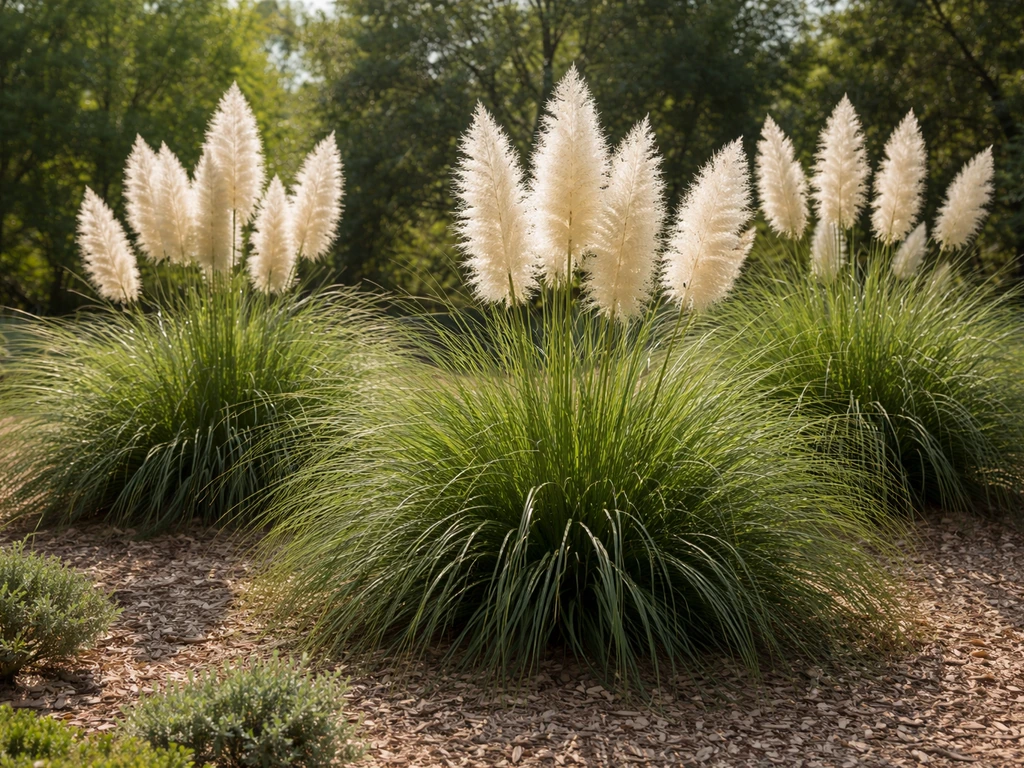
Pampas grass is one of those plants that looks intimidating to grow but is actually pretty forgiving once you get the basics right. If you plant it in the right spot, give it decent drainage, and water it consistently during the first season, it will almost certainly take off and reward you with those iconic feathery plumes. The key is setting it up correctly from day one rather than trying to rescue it later.
Pampas Grass How to Grow: Step-by-Step Planting Guide

Marcus Tillwell
7 Apr 2026
How pampas grass actually grows
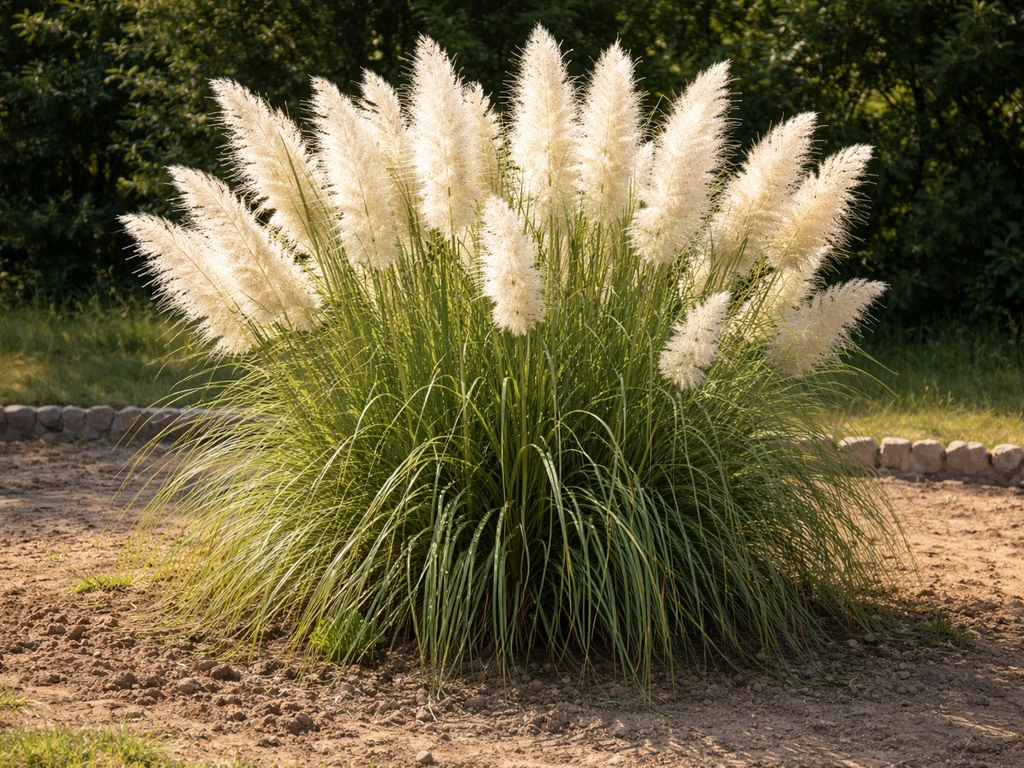
Cortaderia selloana, the common pampas grass most homeowners are planting, is a clump-forming perennial. That means it grows in tight mounds that get wider and taller every year, not spreading underground like a lawn grass does. At full maturity, you are looking at anywhere from 6 to 10 feet tall and 5 to 10 feet wide depending on the cultivar. That is a significant footprint, and it is worth keeping in mind when you pick your planting location.
The flowering plumes, which are the whole reason most people plant it, appear in late summer through fall, typically August through October. But here is the thing that catches a lot of first-time growers off guard: you probably will not see plumes in year one. It usually takes two to three seasons before the clump is mature enough to produce flowers reliably. If you start from seed, that timeline can stretch even longer. Starting from a nursery plant or a division is the fastest route to those plumes, and if that is your goal, I would strongly recommend it.
If you are curious about how pampas grass grows through each life stage, from its first season clump to full bloom, it helps to know what you are managing at each point. The plant is essentially building energy storage in its root system for the first year or two, so do not be discouraged if the above-ground growth seems slow at first.
The best spot to plant it (sunlight matters a lot)
Full sun is non-negotiable if you want plumes. Pampas grass needs direct sunlight all day to bloom well, and sites that get even partial shade tend to produce fewer flowers or none at all, with the foliage often growing leggy and stretched instead of forming a dense, upright clump. If your planting location gets less than six hours of direct sun, I would pick a different spot.
That said, pampas grass can technically survive in partial shade. It will grow foliage, and if you are only using it as a screening plant or for structure in a landscape bed, it can work. But if the plumes are the point, you need full sun. A University of Florida fact sheet does acknowledge partial shade as a possible growing condition, but practically speaking, low-light sites are one of the most common reasons homeowners end up with a pampas grass that never blooms.
Keep mature size in mind when placing it. Give it at least 6 feet of clearance from structures, fences, and other plants. Pampas grass edges are sharp enough to cut skin, so you also want to site it away from foot-traffic areas and places where kids or pets regularly run. Speaking of which, if you are also managing lawn grass in the same yard, the approach to growing prairie grass alongside ornamental plantings can give you useful context for managing a mixed landscape.
Getting the soil and drainage right
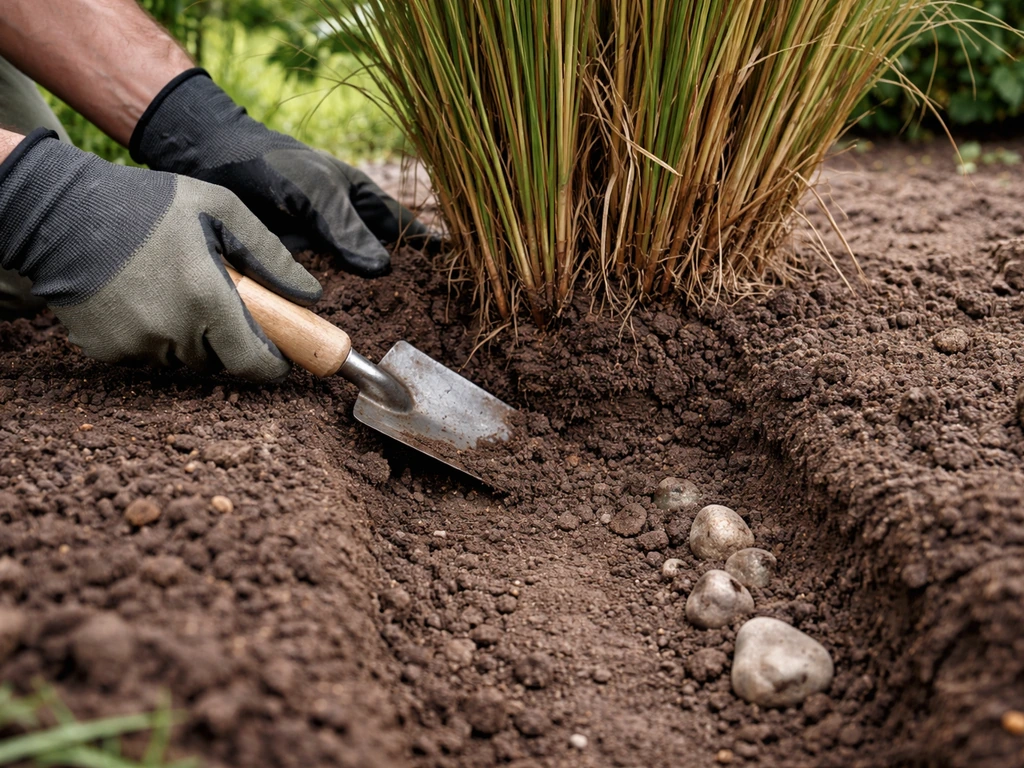
Pampas grass is tolerant of a wide range of soil types, but the one thing it absolutely cannot handle is standing water around the crown. Wet, waterlogged soil invites crown rot, which is exactly what it sounds like: the base of the plant rots, usually killing it entirely. This is the single biggest establishment killer I see with this plant, and it is almost always a drainage problem.
If your soil is clay
Clay soil holds moisture and drains slowly, which creates the conditions crown rot thrives in. Before you plant, dig your hole about twice the width of the root ball and work in a generous amount of coarse sand and compost to break up the clay structure. You can also plant on a slight raised mound, just 4 to 6 inches above grade, so water drains away from the crown rather than pooling around it. This one adjustment makes a significant difference in clay-heavy yards.
If your soil is sandy
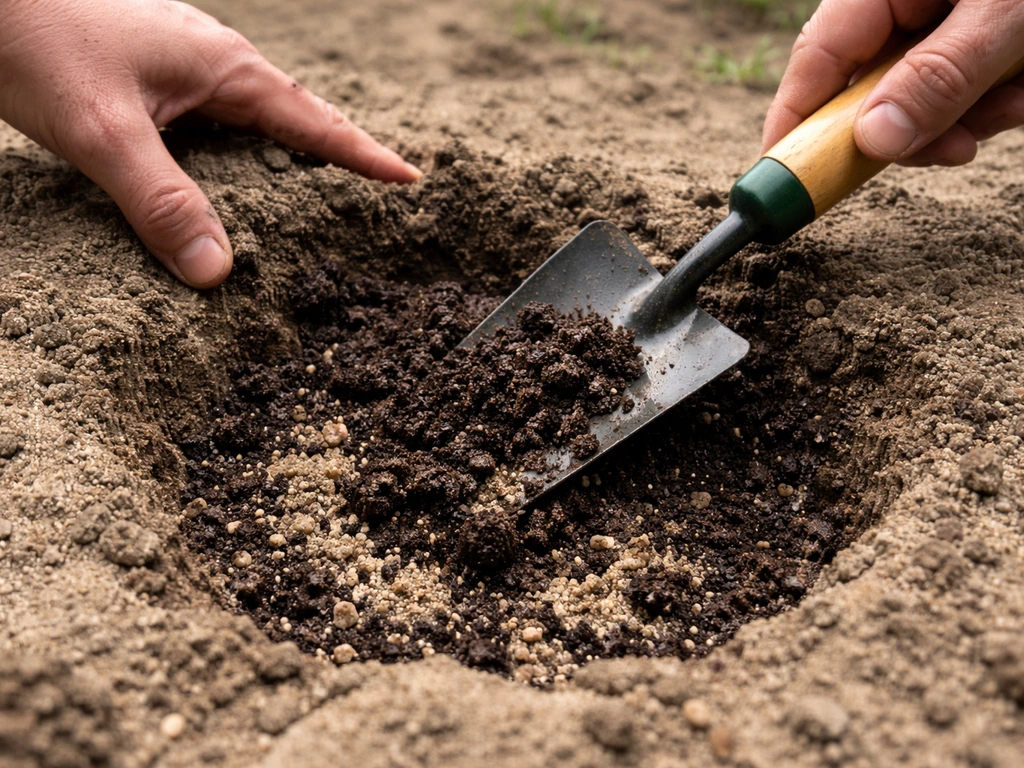
Sandy soil drains too fast, which means your newly planted pampas grass will dry out quickly before it has developed a deep root system. Work in compost at planting time to improve water retention, and plan on watering more frequently during the first few months. Once established, pampas grass is quite drought-tolerant, so this is really just a first-season concern.
If you want a reliable drainage test before planting, dig a hole about 12 inches deep, fill it with water, and watch how long it takes to drain. If water is still sitting in that hole after an hour or two, you have a drainage problem that needs to be addressed before planting. No amount of watering management will compensate for soil that simply does not drain.
When to plant pampas grass
Spring is the right time to plant, specifically after your last frost date has passed. This gives the plant a full growing season to establish its root system before winter. In most climates, that means planting between late March and early June. In warmer zones (USDA 8 and above), you have more flexibility and can push into early summer without much risk.
Avoid fall planting if you can. A plant that goes into the ground in September or October does not have enough time to develop a strong root system before cold weather arrives, and first-year plants are more vulnerable to winter damage. If you are in a warm climate where frost is rare or absent, fall planting becomes less of a concern, but spring is still the safer and more reliable window for most homeowners.
For anyone considering starting from seed, the timing framework shifts slightly. Seeds need soil temperatures around 68 to 75 degrees Fahrenheit to germinate, and germination typically takes three to four weeks under consistent warmth and moisture. For more detail on managing the seed-starting process specifically, this guide on growing pampas grass from seeds walks through surface sowing, moisture management, and what to expect.
How to plant pampas grass step by step
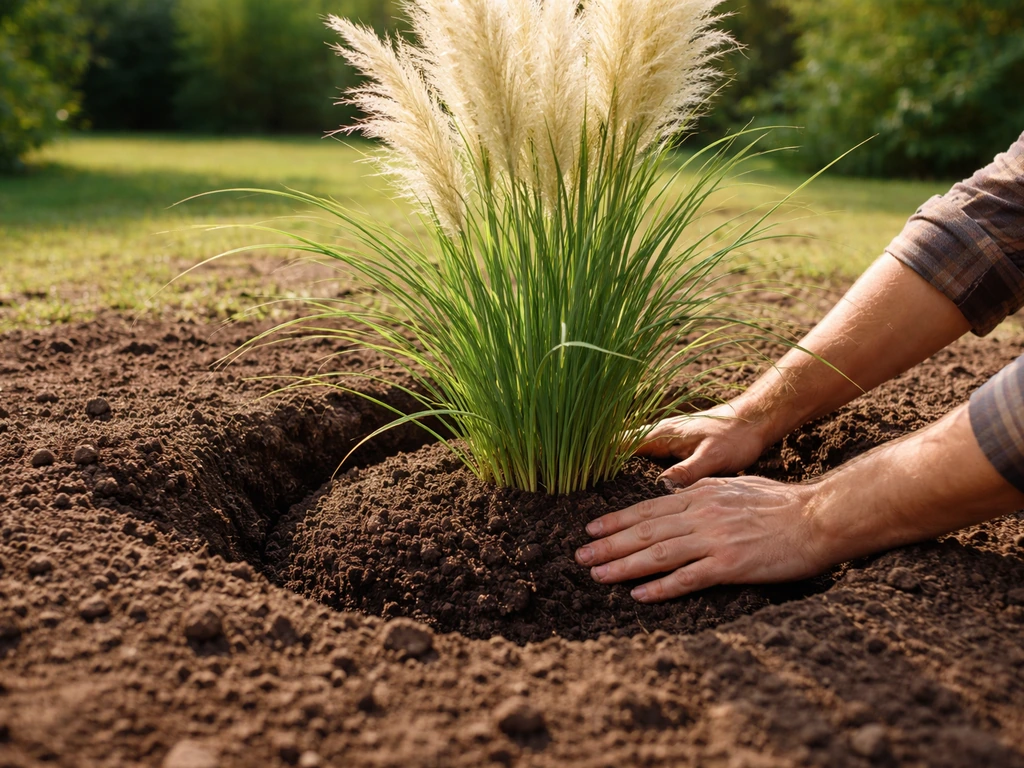
Whether you are starting from a nursery container plant or using a division from an established clump, the planting process is the same. Seeds are a different method entirely and are covered separately above.
- Pick your location: full sun, away from foot traffic, with at least 6 feet of clearance on all sides from structures or other plants.
- Test your drainage using the hole-and-water method described above. If it drains slowly, amend with coarse sand and compost or create a raised planting mound.
- Dig a hole twice the width of the root ball and the same depth. You do not want to plant too deep because burying the crown invites rot.
- Work compost into the removed soil at roughly a 1: 3 ratio (one part compost to three parts native soil) before backfilling.
- Set the plant so the crown sits at or just slightly above ground level, not below it.
- Backfill, press the soil firmly around the roots to eliminate air pockets, and water deeply right after planting.
- Mulch the area with 2 to 3 inches of wood chip or bark mulch, keeping mulch away from the crown itself by a few inches.
- Water thoroughly again 24 hours later and then begin your regular establishment watering schedule.
If you are working with a division from an existing clump, be aware that large established clumps are extremely difficult to split. They are dense, woody at the center, and the foliage is sharp. Wear heavy gloves and long sleeves, and use a sharp spade or even a reciprocating saw for older clumps. Divisions taken in spring, before new growth takes off, establish the most reliably.
Watering through establishment
The first four to six weeks after planting are the most critical watering window. During this time, water one to two times per week, deeply enough that moisture reaches 6 to 8 inches down into the soil. Shallow, frequent watering encourages shallow root development, which leaves the plant vulnerable to drought later.
A good rule of thumb: water thoroughly, then let the top inch or two of soil dry out before watering again. You want consistent moisture, not constant wetness. Constantly wet soil around the crown is how crown rot starts. Once the plant has been in the ground for a full growing season and shows strong new growth, you can taper back to watering once a week or even less, depending on rainfall.
During winter dormancy, stop supplemental watering entirely in most climates. Pampas grass does not need water when it is not actively growing, and wet soil in winter is one of the conditions that can cause crown problems.
Ongoing care and what to do when things go wrong
Annual pruning
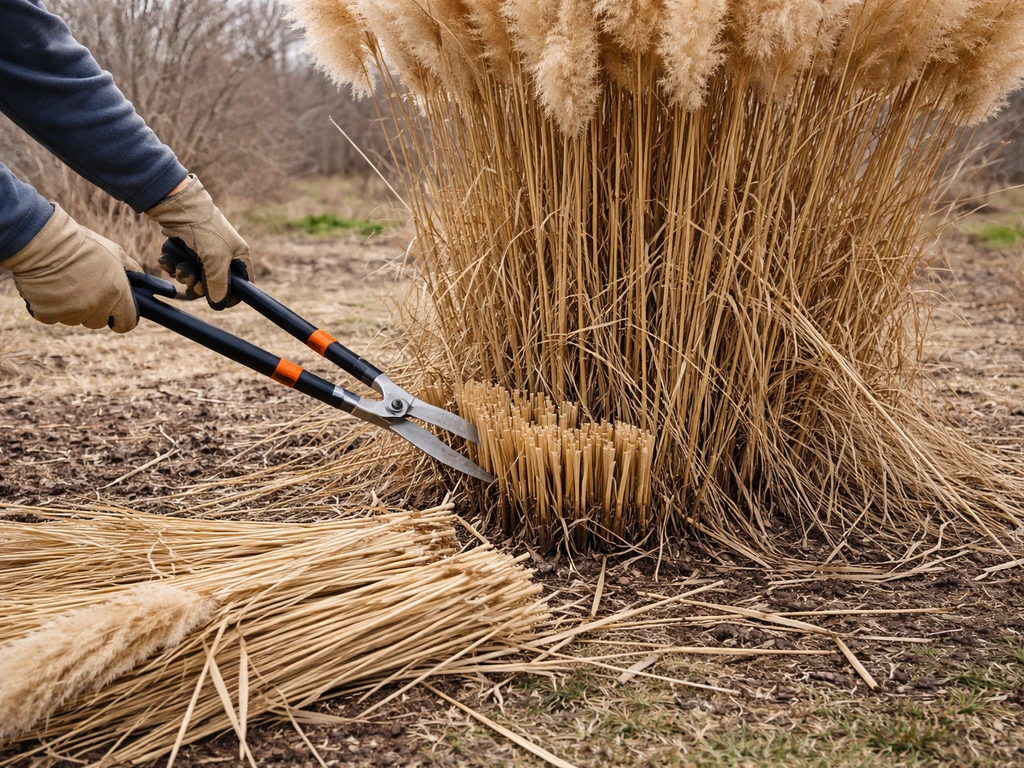
Pampas grass needs to be cut back once a year, and timing matters more than most guides let on. The standard recommendation is late winter to early spring, typically February or March depending on your climate, before new growth emerges from the base. Cut the entire clump down to about 6 to 12 inches above the ground. Cutting too early in winter, when the plant is still in deep dormancy, can leave the hollow center exposed to moisture and increase rot risk. Wait until the coldest stretch is clearly over but cut before new shoots push up and get damaged in the process.
Use heavy-duty loppers or a reciprocating saw for this job. String trimmers work for smaller plants. Pampas grass foliage is sharp, so gloves and long sleeves are not optional. Tying the clump loosely with twine before cutting makes the whole process cleaner and easier to manage.
Troubleshooting the most common problems
| Problem | Likely Cause | What to Do |
|---|---|---|
| No plumes or flowers | Insufficient sunlight or plant is too young | Move to a full-sun location; wait for year 2 or 3 if recently planted |
| Leggy, floppy growth | Not enough direct sun | Relocate to a spot with full day sun |
| Crown rot / plant dying at base | Waterlogged soil or overwatering | Improve drainage; plant on a raised mound; reduce watering frequency |
| Slow or no establishment | Planted too deep or wrong season | Check that crown is at or above soil level; replant in spring if fall-planted |
| Clump not expanding year over year | Soil too compacted or nutrient-poor | Top-dress with compost each spring; aerate surrounding soil |
If your plant is producing foliage but zero plumes after three full growing seasons in a sunny spot, the most likely culprit is that it was started from seed and the resulting plant may simply be a low-blooming variety. Pampas grass grown from seed does not always reproduce the parent plant's traits exactly, which is one reason vegetative propagation (nursery plants or divisions) is more reliable if consistent flowering is the goal.
A note on invasiveness
Pampas grass is classified as invasive in parts of California, Hawaii, and some coastal regions, largely because a single mature plant can produce enormous quantities of seeds that spread easily on the wind. USDA APHIS includes an official Weed Risk Assessment for Cortaderia selloana that discusses invasion risk and spread pathways in a regulatory-science format blank" rel="noopener noreferrer">Cortaderia selloana is classified as invasive. Before planting, check whether it is restricted or discouraged in your area. If you want a similar look with less invasive potential, growing purple pampas grass is worth looking into, as some ornamental varieties are less aggressively seeding.
When and how to divide an established clump
Pampas grass does not need dividing frequently, but if your clump is getting very large or the center is dying out (a hollow center is normal in older clumps), division every three or so years in spring can help rejuvenate it. This is also a good way to propagate more plants for free. Just be prepared: dividing a large, established clump is a genuine workout. Rent or borrow a sharp spade or consider a reciprocating saw if the root mass is dense and woody.
If you are exploring other ornamental and specialty grasses beyond pampas, it is worth knowing your options. For instance, how to grow super napier grass is a completely different growing challenge suited to those interested in high-biomass or tropical forage grasses, while growing gold coin grass and growing penny grass cover low-growing ground cover alternatives that work in spots where pampas would simply be too large.
What realistic expectations look like
Year one: the plant establishes roots, puts on modest foliage growth, and probably does not flower. Following these basics, including consistent watering and good drainage, is the core of how to grow penny grass successfully as well water consistently. This is normal. Your job is to water consistently, keep the crown drainage clear, and not stress about the lack of plumes.
Year two: the clump noticeably expands. You may see your first plumes in late summer if conditions are good. Cut back in late winter and watch for strong new growth in spring.
Year three and beyond: a well-sited, established clump in full sun should produce reliable plumes each fall. At this stage, pampas grass is genuinely low-maintenance: one annual cutback, minimal watering once deep roots are in place, and no regular fertilizing required in decent soils.
The plants that fail usually fail in the first season, almost always from one of three issues: not enough sun, waterlogged soil, or being planted at the wrong time of year. Get those three things right, and pampas grass is one of the more reliable ornamental plants you can put in a yard.
FAQ
Can I grow pampas grass in a container?
Yes, but it is a higher-risk approach. Container-grown pampas grass still needs near-full sun and excellent drainage, and the crown must never sit in water during watering or after rain. Use a large pot (at least 20 to 24 inches wide), a fast-draining mix, and ensure the pot has multiple drainage holes. Plan on more frequent watering than in-ground during the first season because containers dry out faster.
How do I know if I am watering too much, especially around the crown?
It can tolerate wet periods poorly, so the goal is “moist but not soggy” near the crown. During establishment, water deeply, then let the top inch or two dry before watering again. In winter or during extended rain, do not add supplemental water, and consider a slight mound or improved drainage if you often see standing water.
What should I do differently for winter if my area stays wet or has freeze-thaw?
If you are in a climate with cold winters and your plants get wet during freeze-thaw cycles, provide extra protection from winter wet rather than heavy insulation. After cutting back in late winter, keep the crown area free of debris and avoid mulch piled against the base. In consistently wet soils, drainage improvements (raised planting or soil amendment) matter more than covering the plant.
Do I need fertilizer to get plumes, or will it bloom without it?
Fertilizer usually is not required for reliable plumes if the plant is in full sun and drainage is good. Overfeeding, especially with high nitrogen, can promote leafy growth at the expense of flowering. If you want to feed, do it sparingly in spring once new growth is visible, and avoid heavy feeding late in the season.
What if I cut it too early and the center stayed exposed?
Most homeowners cut at the right time (late winter to early spring), but leaving the hollow center exposed too long can increase rot risk. If you accidentally cut too early, do not try to “fix” it with extra watering, instead reduce moisture stress and let the plant recover while temperatures stabilize. For future seasons, time the cut after the coldest period passes but before new shoots emerge.
Can pampas grass be planted near a house or walkway if I give it space?
Use the shortest, most direct path. Keep the plant at least 6 feet away from buildings, and also avoid planting where runoff from gutters or downspouts lands on the crown. If you must place it near a wall, extend the distance and improve drainage in that specific zone.
What if I have clay soil, will coarse sand by itself prevent crown rot?
Often, yes. If your soil is slow-draining, adding coarse sand alone may not solve the problem long-term. Focus on improving drainage and structure in the planting zone, consider a raised mound (4 to 6 inches above grade), and confirm by doing the water-drain test before planting. For consistently wet yards, raised beds or a dedicated drainage channel may be necessary.
How can I reduce the chance my pampas grass spreads seeds?
Pampas grass can spread by seed even if it is a clump-former, because mature plumes can produce wind-dispersed seeds. If your plant is allowed to flower, manage risk by cutting plumes before seeds mature when local rules allow it, or wear protection and bag debris during cleanup. This is especially important in regions where it is regulated.
What are the most common reasons pampas grass stays plume-free after several years?
Start with a realistic expectation. Even in ideal conditions and full sun, plumes commonly appear in year two or later, and seed-grown plants may take longer or bloom less reliably. If you have full sun but no plumes after three full growing seasons, re-check sunlight hours, confirm drainage at the crown, and consider switching to a nursery plant or division for more consistent flowering.
Is it worth dividing a very large clump, or should I just replace it?
Large divisions are very hard to split and can be risky to the plant if attempted at the wrong time. The best time is spring before new growth is vigorous, use heavy protection, and if the center is woody and dense, using a reciprocating saw or renting a tool is often safer than forcing with a shovel. After dividing, keep the roots slightly protected and establish it quickly in a well-draining site.
Does pampas grass come back by itself, and is that part of why it can be invasive?
Yes, in some climates pampas grass can reseed or behave aggressively, especially near open windy areas. In addition to local restrictions, pay attention to where plumes land and whether volunteer seedlings pop up in nearby beds or lawns. If it is discouraged where you live, choose an alternative like smaller ornamental varieties or different grasses.
Next Article
How Do You Grow Pampas Grass Step by Step
Step-by-step guide to grow pampas grass, including white plumes, site setup, watering, fertilizing, and seasonal upkeep.