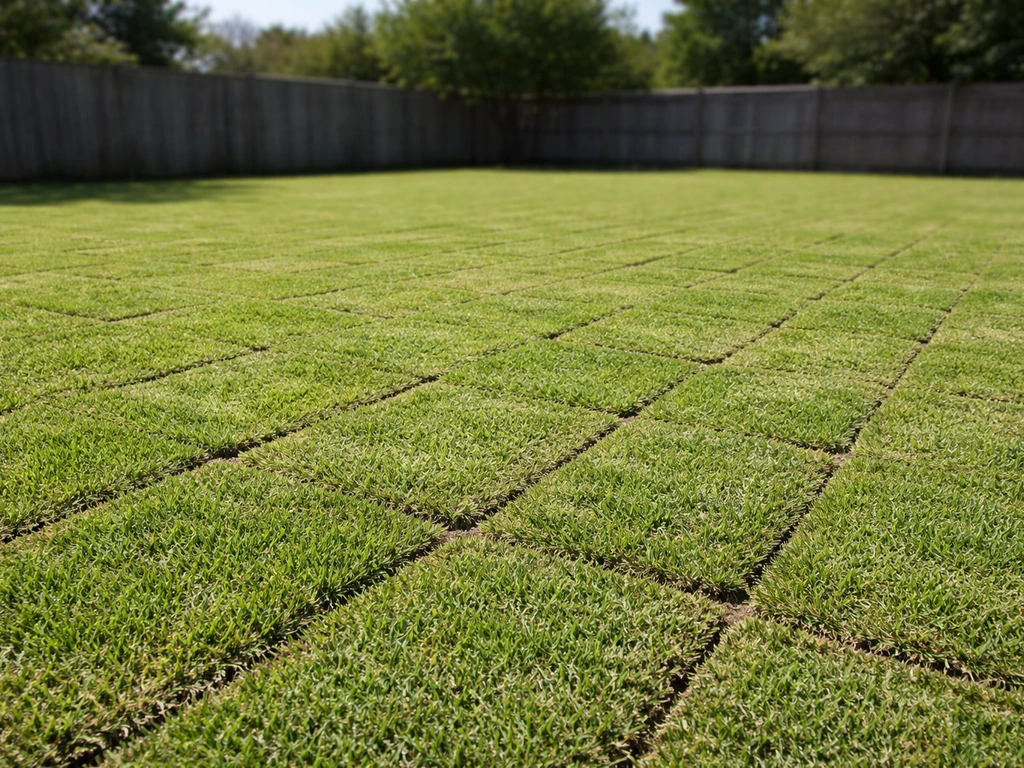
The best way to grow St. Augustine grass is to start with sod or plugs (not seed), plant during the warm growing season, prep your soil properly, and then water consistently while keeping weeds out until the grass fills in. That's the short version. Below is everything you need to make it happen step by step, whether you're starting from scratch, filling in bare spots, or trying to thicken up a lawn that's looking thin.
Best Way to Grow St. Augustine Grass in Florida and Texas
Marcus Tillwell
23 May 2026
What You Need to Know About St. Augustine Before You Start
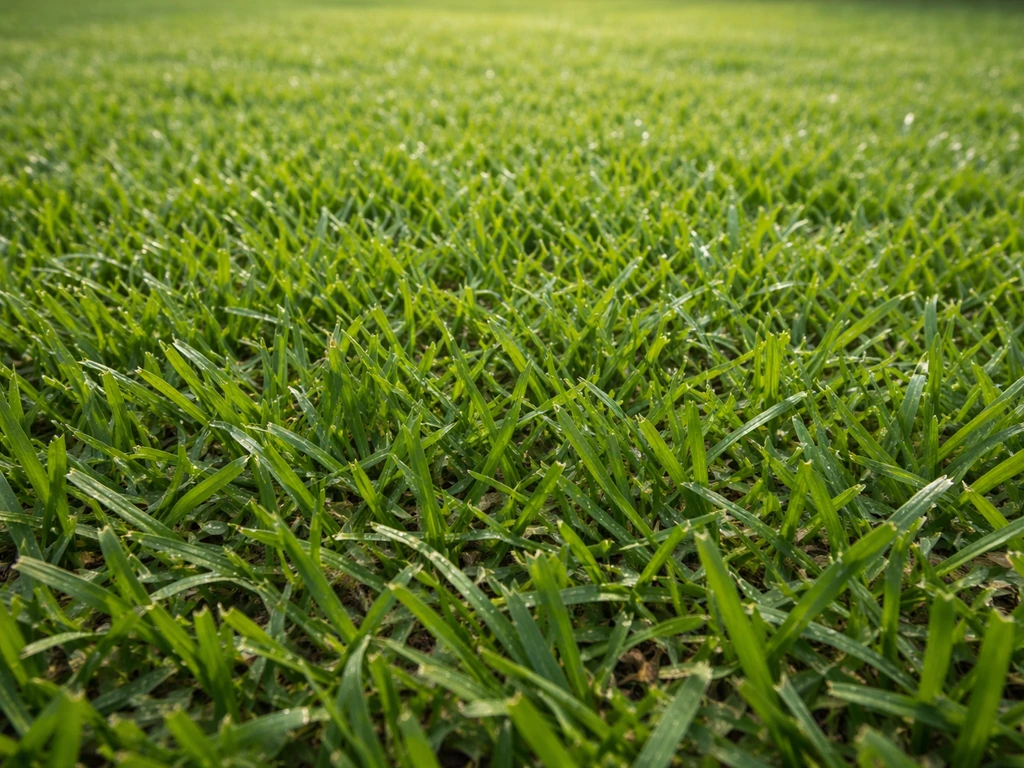
St. Augustine is a warm-season grass that spreads by stolons (above-ground runners), which is why it fills in so well when given the right conditions. It thrives in heat and humidity, tolerates some shade better than most warm-season grasses, and does well in a range of soils as long as pH is near neutral to slightly alkaline. It's a popular choice across the Gulf Coast, Florida, and Texas for good reason: it's tough, it looks great when healthy, and it recovers well from stress if you catch problems early.
One thing that surprises a lot of people: you cannot grow St. Augustine grass from seed. It is not commercially available in seed form. If you want to start St. Augustine without seed, you can learn the best options like sod, plugs, or sprigs and how to plant them for faster coverage St. Augustine grass from seed. Every University of Florida IFAS and Texas A&M extension resource confirms this. Your only options are sod, plugs, or sprigs. That matters because it changes your budget, your timeline, and your game plan entirely. Once you accept that, everything else clicks into place.
When to Plant: Timing, Weather, and Getting the Fast Start
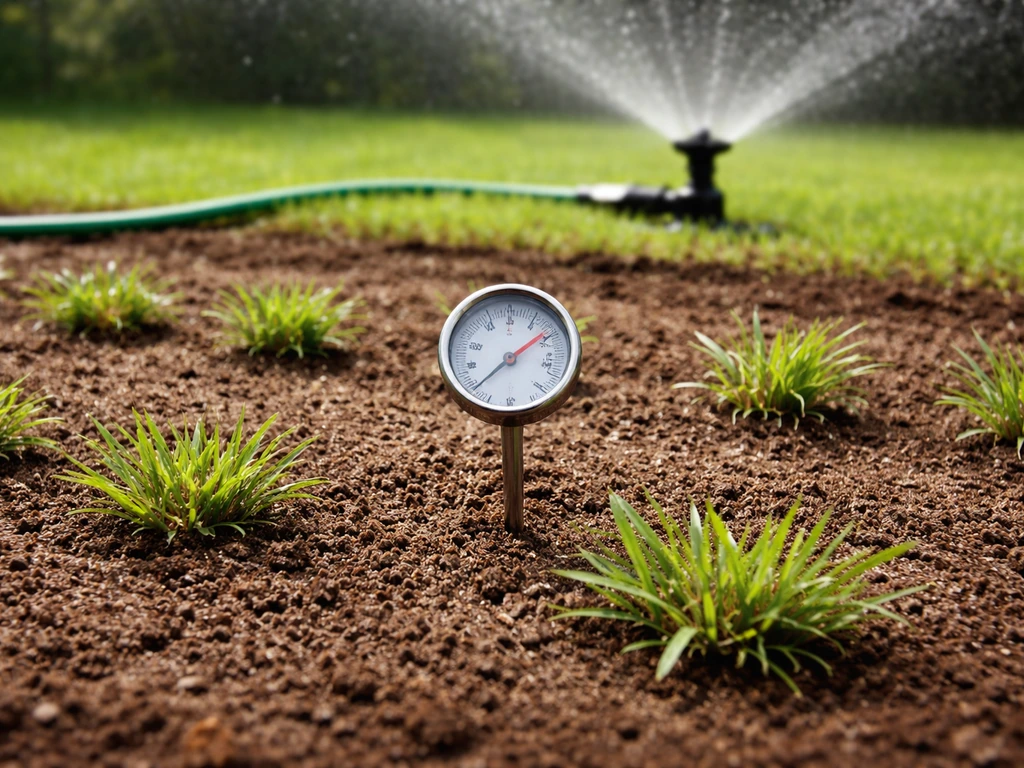
St. Augustine establishes fastest when soil temperatures are warm and the grass is in active growth. In Florida, that means you can technically plant year-round in the warmer southern regions, but your fastest results come from planting between late spring and early summer when temperatures are consistently above 70°F. In Texas, aim for late April through early June for the best establishment window before summer heat peaks.
Avoid planting during dry months if you don't have reliable irrigation. Newly planted sod and plugs need consistent moisture for the first few weeks, and skipping that phase is one of the most common reasons lawns fail. If you're planting in late summer, that's still workable in both Florida and Texas, but you'll want to be done by late August or early September so the grass has time to root before temperatures drop.
| Region | Ideal Planting Window | Avoid Planting |
|---|---|---|
| South Florida | Year-round possible; best March–June | During drought without irrigation |
| North Florida | April–August | November–February |
| Central/East Texas | Late April–early June | Late September onward |
| South Texas | March–June | During drought without irrigation |
Soil Prep and Planting Methods: Do This Before You Lay a Single Plug
Good soil prep is where most DIY lawn projects succeed or fail. Before you plant anything, get a soil test. St. Augustine grows best in near-neutral to slightly alkaline soil. If your pH is too low (common in sandy Florida soils), lime will help. If phosphorus is low on your soil test, amend it before planting because phosphorus is critical for root development early on and you won't be able to get it deep enough into the soil once grass is established.
Till or loosen the top 3–4 inches of soil if it's compacted. Remove debris, old dead grass, and weeds. Grade the area so water drains away from your house and doesn't pool. If you're working with sandy soil (common in Florida), the grass will drain fast and need more frequent early watering. Clay soil in Texas holds moisture longer but can suffocate roots if it stays waterlogged, so break it up and consider adding compost to improve drainage.
Choosing Your Starting Method: Sod, Plugs, or Sprigs
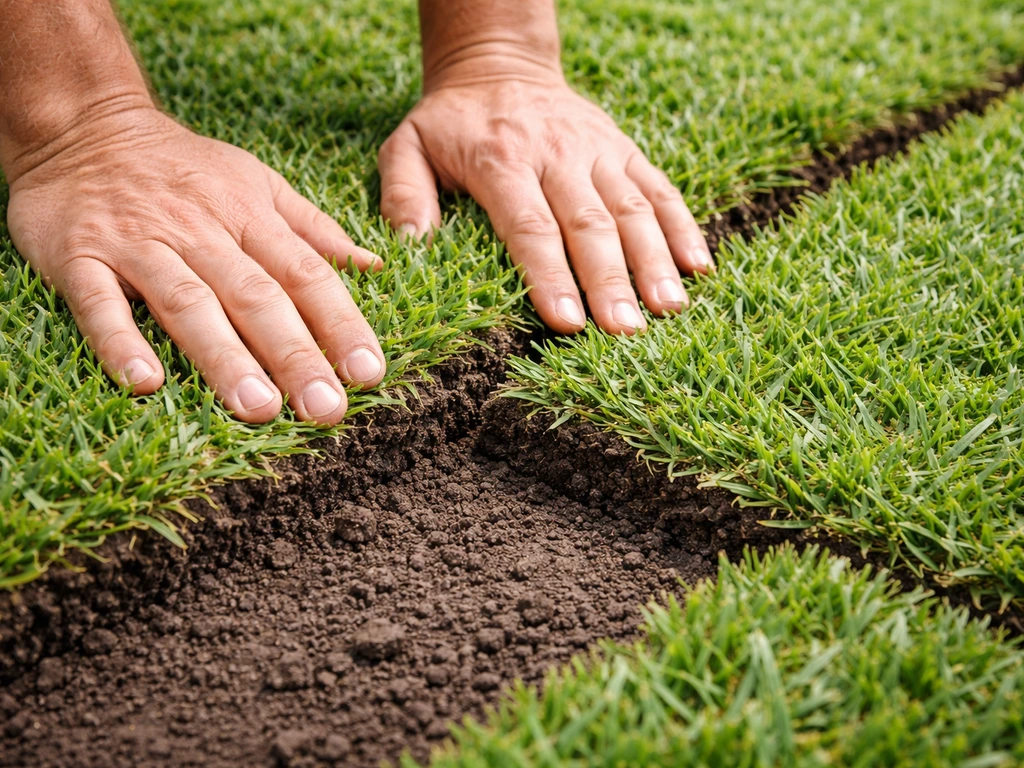
Sod is the gold standard. You get an instant lawn, the grass roots in within 2–3 weeks under good conditions, and you have almost no window for weeds to invade during establishment. It costs more upfront, but you're buying time and reliability. For front yards or large areas where you want fast results, sod is worth every dollar.
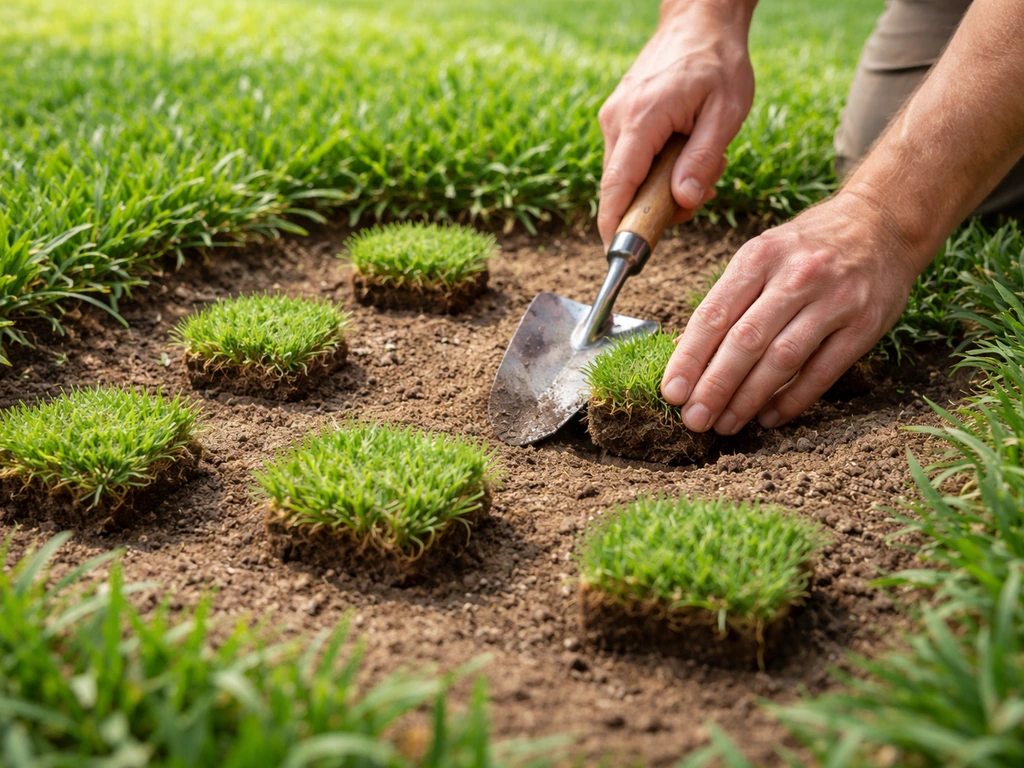
Plugs are a cheaper alternative. You plant small sections of sod about 6–12 inches apart in a grid pattern and let the stolons spread to fill in the gaps. The tradeoff is time: expect 6–12 months for full coverage depending on spacing, season, and care. The open soil between plugs is a prime target for weeds, so weed management becomes critical during this phase. Growing St. Augustine grass from plugs is a legitimate and affordable approach, just plan for a longer establishment window.
Sprigs are pieces of runner cut from existing sod, planted into prepared soil. They're less expensive than sod but take even longer to establish. Sprigging is mostly used for large areas where cost is the main constraint. Like plugs, sprigs require excellent moisture management and weed control while they're getting established.
| Method | Cost | Time to Full Coverage | Weed Risk During Establishment | Best For |
|---|---|---|---|---|
| Sod | Highest | 2–4 weeks to root; instant appearance | Low | Fast results, any size yard |
| Plugs | Moderate | 6–12 months | Moderate to high | Budget-conscious, patient homeowners |
| Sprigs | Lowest | 6–18 months | High | Large areas on a tight budget |
Laying Sod the Right Way
- Moisten the soil lightly before laying sod (not soaking wet, just damp).
- Lay sod in a staggered brick-like pattern so seams don't line up.
- Press edges tightly together with no gaps where soil can dry out.
- Roll the sod with a lawn roller to ensure good soil contact.
- Water immediately after laying: apply 1/4–1/2 inch of water on day one.
- For the first 7–10 days, irrigate once daily to maintain moisture.
Florida vs. Texas: What's Different and Why It Matters
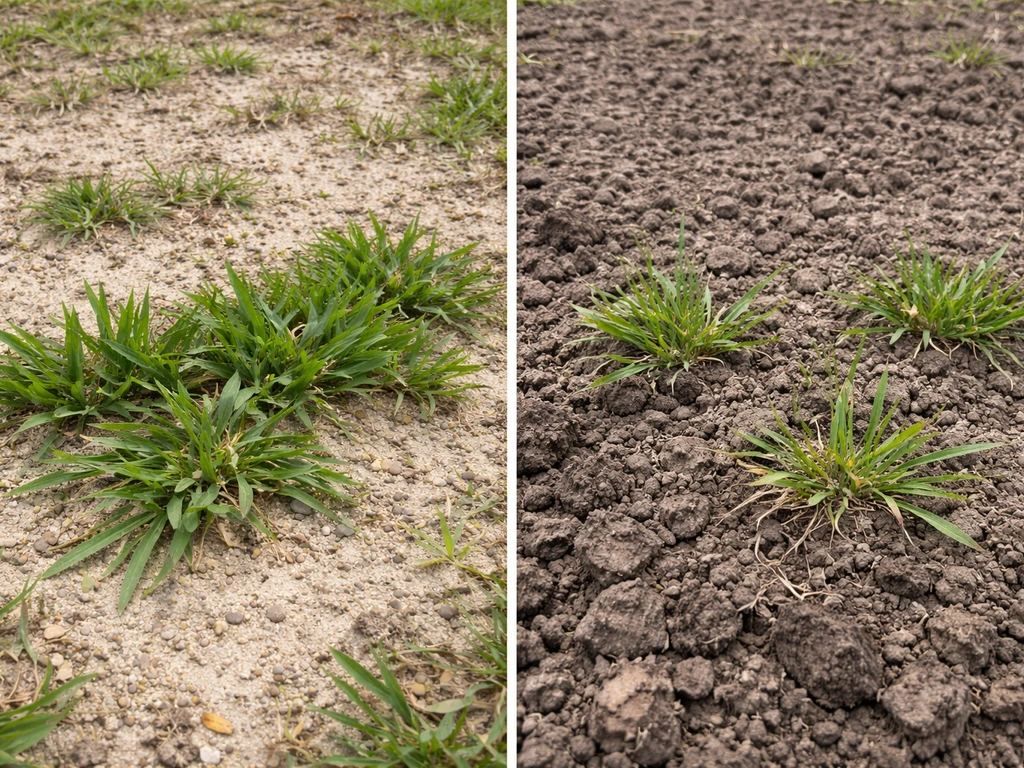
Both states are ideal for St. Augustine, but the growing conditions are different enough that you need to adjust your approach. Florida soils, especially in central and south Florida, tend to be sandy and acidic. That means fast drainage (so you need to water more frequently during establishment), and you'll want to monitor pH closely. Many Florida homeowners need to lime annually. Weed pressure in Florida is intense year-round, so preemergence herbicide timing is critical: apply before weed seeds germinate, because once they've sprouted, preemergents do nothing.
Texas soils vary widely. Houston-area lawns often deal with heavy clay that compacts easily and drains poorly. In the Hill Country and further west, soils can be alkaline and rocky. St. Augustine is well-suited to the Gulf Coast region of Texas but struggles further inland and west where drought stress is more severe. Texas A&M recommends applying preemergence herbicides when soil temperatures consistently hit 55°F for 4–5 days, which typically happens in late February to March in central Texas. In Florida, that timing shifts earlier in the south.
Fertilization timing also differs. In Florida, St. Augustine can start taking up fertilizer earlier in the year because the growing season starts sooner. In Texas, wait until the grass is actively growing in spring before applying nitrogen, which aligns with two weeks after full green-up. Pushing nitrogen before the grass is ready just feeds weeds and wastes money.
How to Grow Thick, Lush St. Augustine: Mowing, Watering, Fertilizing, and Weed Control
Mowing Height and Frequency
Keep St. Augustine between 2.5 and 4 inches tall. Texas A&M AgriLife Extension’s Lawn Maintenance Guide provides a mowing-height chart for St. Augustinegrass that lists 2.5 to 4 inches, with 2.5 inches shown as the target value in the chart row blank" rel="noopener noreferrer">2.5 and 4 inches tall.. Most homeowners do best targeting 3 to 3.5 inches. Cutting it shorter stresses the grass, reduces root depth, and opens the canopy to weed invasion. Never remove more than one-third of the blade in a single mowing. If you miss a week and the grass gets tall, blank" rel="noopener noreferrer">don't scalp it to get back to your target height in one pass. Drop the height gradually over two or three mowings instead.
Mow often enough during the growing season that you're always removing less than a third of the blade. In peak summer that might mean once a week or more. Keeping a consistent height and not letting the grass get too tall is one of the simplest things you can do to push density.
Watering the Right Way
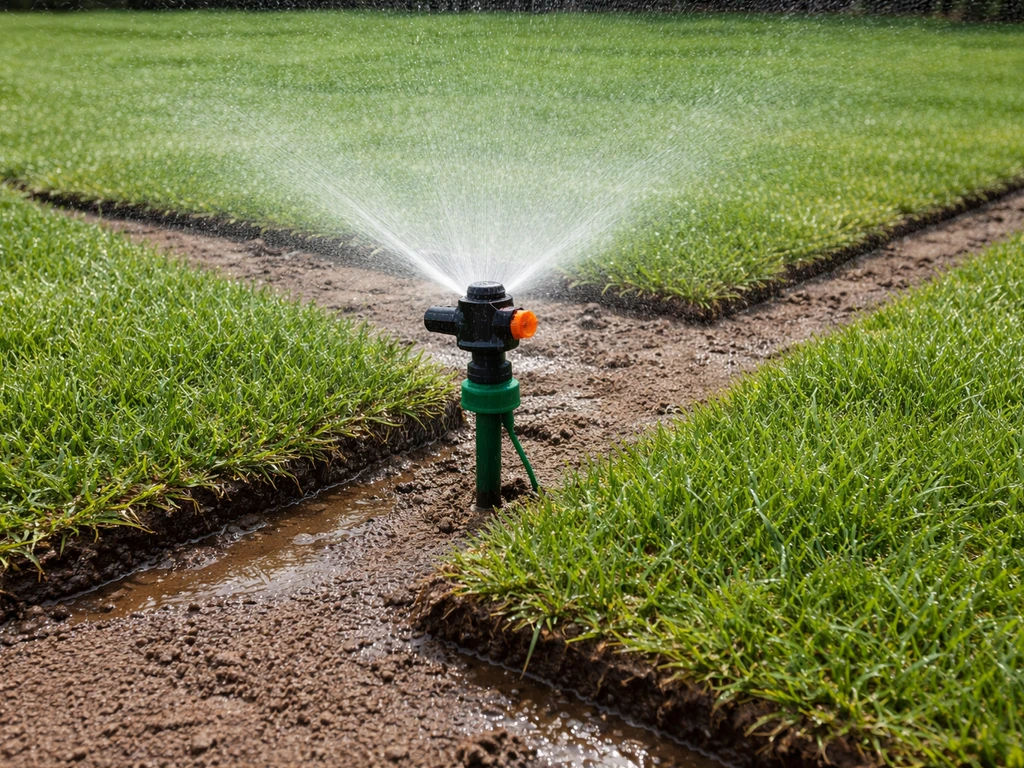
For newly planted sod or plugs, water once daily for the first 7–10 days, applying about 1/4 to 1/2 inch each time. After that, start transitioning to less frequent but deeper watering: aim for roughly 1/2 to 3/4 inch per session, and let the soil dry slightly between waterings to encourage roots to grow downward. Once established, water only when the grass shows early signs of drought stress (leaves folding, color going slightly blue-green) or when rainfall hasn't replaced at least 60% of what evapotranspiration demands.
Deep, infrequent watering builds a stronger root system than shallow daily watering. A shallow-rooted lawn wilts faster in heat, thins out quicker under foot traffic, and is harder to recover. Train the roots deep from the start and you'll have a tougher lawn.
Fertilizing for Thickness
Don't fertilize until new sod, plugs, or sprigs have uniformly rooted in and established. Newly planted grass can't take up nutrients effectively because its roots are still shallow and limited. Fertilizing too early just moves the nutrients past the root zone and potentially into waterways.
Once established, apply nitrogen during the active growing season. A rate of 0.5 to 1 pound of actual nitrogen per 1,000 square feet per application is appropriate for summer feeding. A good starting point if you're in the Carolinas or northern range of St. Augustine territory is applying 1/2 pound of nitrogen per 1,000 square feet in May or about two weeks after full green-up, whichever comes later. In Florida and south Texas, the schedule starts earlier and can extend longer given the longer growing season. Always do a soil test before adding phosphorus; over-application of phosphorus is a common and costly mistake.
Weed Control During Establishment and Ongoing
Timing preemergence herbicides correctly is everything. Apply them before weed seeds germinate, triggered by soil temperature reaching 55°F consistently. Once weeds have already sprouted, preemergents won't help. For postemergent weeds in an established St. Augustine lawn, select herbicides that are labeled safe for St. Augustine because this grass can be sensitive to certain broadleaf and grass herbicides.
The best long-term weed defense is a thick, healthy St. Augustine lawn itself. Dense turf leaves no room for weeds to germinate. That's why the mowing height, watering depth, and fertilization timing all matter: they all feed into building a canopy thick enough to shade out most weed pressure naturally.
Getting St. Augustine to Grow Back After Bare Spots or Damage
Bare spots in St. Augustine lawns are usually caused by shade stress, drought, pests (especially chinch bugs in Florida), disease, or heavy foot traffic. Before you patch anything, figure out why the spot died. If you plug or re-sod over the same problem without fixing the cause, you'll be back in the same spot in six months.
Once you've addressed the root cause, use plugs or sod to fill in the damaged area. Cut out any dead or diseased material first, loosen the soil, and then press in plugs spaced about 6 inches apart or cut sod pieces to fit the area snugly. Water daily to keep the patched areas moist until the new grass is firmly rooted and you can no longer lift it by pulling gently at the edges. That's your cue that it's anchored in.
Hold off on fertilizing the patched areas until you see the grass actively growing and spreading. Starting fertilizer too soon on fresh patches stresses the new roots. Once the patch starts sending out runners and filling in, you can bring it into your regular feeding schedule.
For widespread thinning across the whole lawn rather than isolated bare spots, renovation is sometimes the better call. That means removing the struggling turf, re-prepping the soil, and replanting with sod or plugs. It's more work upfront, but trying to nurse a severely thin lawn back with just fertilizer and water often takes longer than starting fresh.
A Simple Timeline: What to Expect Week by Week
| Timeframe | What's Happening | What You Should Do |
|---|---|---|
| Days 1–10 | Sod/plugs rooting in, stolons not yet spreading | Water daily (1/4–1/2 inch), no fertilizer, keep foot traffic off |
| Weeks 2–4 | Roots anchoring, sod knitting to soil | Reduce watering frequency, begin mowing when grass won't lift |
| Months 1–3 | Plugs/sprigs beginning lateral spread | Apply first fertilizer after uniform cover, maintain mowing height |
| Months 3–6 | Plugs filling in gaps, lawn thickening | Weed control critical, continue fertilizing on schedule |
| 6–12 months | Full coverage from plugs, established lawn | Transition to full maintenance schedule, deep infrequent watering |
St. Augustine is not a slow grass when conditions are right. Sod can look nearly seamless in a month. Plugs can fill a lawn in under a year if spaced well and cared for properly during summer. The key is stacking all the basics at once: right timing, right soil pH, consistent moisture early on, and weed pressure managed from day one. Get those four things right and St. Augustine will do the rest.
FAQ
How long should I wait to stop daily watering after planting sod or plugs?
Most lawns can transition off daily watering after the first 7 to 10 days, but the real cue is root hold. If you can still lift an edge easily, keep watering more consistently. Once the new turf resists gentle tugging, you can start stretching intervals while staying in the 1/2 to 3/4 inch per watering range.
What’s the best way to tell if my soil pH is in the right range for St. Augustine?
Use a soil test and focus on both pH and existing lime recommendations. If your soil is on the acidic side, lime does not work instantly, and it often takes weeks to a few months to show results, so apply it before planting and re-test if you are planning major amendments. Over-liming can cause nutrient availability problems even if the grass tolerates a slightly alkaline range.
Can I plant St. Augustine in shade, and will it always fill in later?
St. Augustine tolerates some shade, but deep shade and tree roots can prevent full density. If the area stays wet or competition from roots is heavy, you may get patchiness no matter how well you water. For these areas, consider planting earlier in the warm season and prioritize consistent moisture, because plugs in shade take much longer to cover gaps.
What soil amendment should I add if my soil is sandy and dries out quickly?
Besides correcting pH and addressing low phosphorus, add organic matter such as compost to improve water holding in sandy conditions. Keep amendments top 3 to 4 inches so roots contact them early. In very fast-draining sand, you may also need shorter irrigation cycles during the first few weeks to keep the root zone evenly moist, not soggy.
Do I need to fertilize before the lawn fills in after planting?
Generally no. Wait until the sod or plugs have rooted and are actively growing. A practical check is visible runner growth and reduced soil exposure between pieces. Fertilizing before that can end up feeding weeds or leaching past the shallow root zone, especially in sandy Florida soils.
How do I avoid burning St. Augustine when applying nitrogen or herbicides?
Do not apply fertilizer or weed products if the lawn is drought-stressed, and follow label rates closely. After any product application, water lightly as directed by the label so granules do not sit on blades. If you see yellowing or crisping shortly after application, pause feeding and confirm the product is labeled safe for St. Augustine before continuing.
What’s the safest way to handle chinch bugs or persistent pest pressure?
Treat the problem at the cause, not just the symptoms. Chinch bug damage often starts as small, thinning patches that expand, so monitor those edges closely. If you spot widespread issues, confirm the insect before using control products, since some treatments can harm beneficial insects and timing matters for best results.
Should I bag grass clippings or leave them on the lawn?
Typically leave clippings in place, because St. Augustine clippings can break down and return small amounts of nutrients. Avoid heavy buildup after mowing if your lawn is thin or you are in a weed control phase. If clippings are clumping, it can smother the canopy, so mow when the grass is drier and cut at the correct height.
What mowing schedule works best in winter if growth slows?
As growth slows, you usually mow less often and keep the height toward the upper end of your target range. Do not try to force a short cut just because growth is slower, since that can reduce canopy strength going into warmer months. Adjust frequency based on how fast you are reaching the one-third rule, rather than a fixed day each week.
Can I overseed St. Augustine to thicken it up, or should I re-sod?
Overseeding is not a reliable way to thicken St. Augustine because it does not grow from seed the way you might expect. For thin areas, the most consistent options are plugs or sod, and for widespread thinning you may need renovation (remove and replant). If you overseed a warm-season lawn with something else, it can create long-term mismatched texture and extra weed pressure.
Why do some patches stay bare even after I re-sod over them?
If the underlying issue remains, the patch will fail again. Common causes include lingering compaction, chronic shade, irrigation problems, or pests and disease. Before replanting, correct drainage and loosen compacted soil so water and roots can move downward, then match watering to the new turf’s needs until it anchors.
How do I time preemergence herbicides if I missed the window?
Preemergence herbicides only prevent new germination, so missing the soil-temperature trigger usually means you will not stop weeds that are already sprouting. At that point, switch to a strategy for existing weeds using products labeled safe for St. Augustine, and focus on a stronger mowing height and dense turf coverage to reduce future emergence. For later applications, track soil temperature so timing is consistent year to year.
Next Article
How to Grow St Augustine Sod: Step by Step Guide
Learn step-by-step how to grow St Augustine sod: prep, install timing, watering, mowing, fertilizing, weed control, fixe