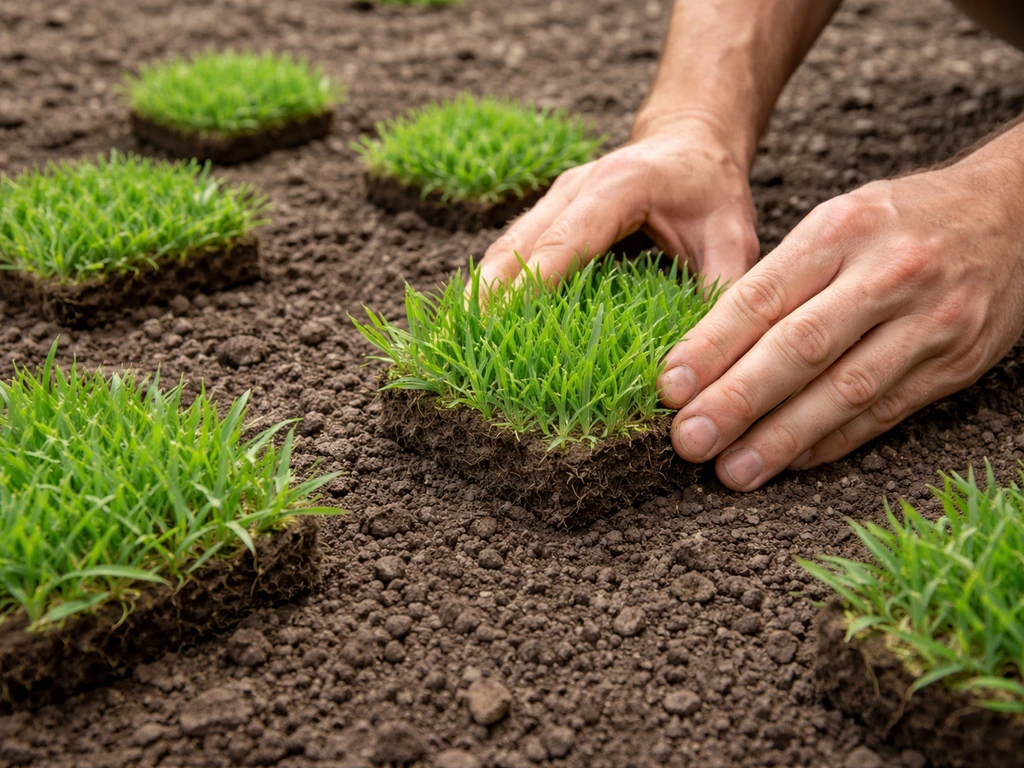
Here is the honest answer you need before spending any money: St. Augustine grass seed does not exist in any commercially viable form for homeowners. It is not available in seed bags at any garden center or online retailer. Every major turfgrass research institution, including the University of Florida's Institute of Food and Agricultural Sciences, confirms that St. Augustine is established exclusively through vegetative propagation: sod, plugs, or sprigs. If you have found a product labeled 'St. Augustine grass seed,' it is mislabeled, a different grass species entirely, or a scam. There is no seeding method to walk you through because the seed simply is not a real option for this grass.
How to Grow St Augustine Grass From Seed: Step by Step
Marcus Tillwell
23 Apr 2026
Can you grow St. Augustine grass from seed?
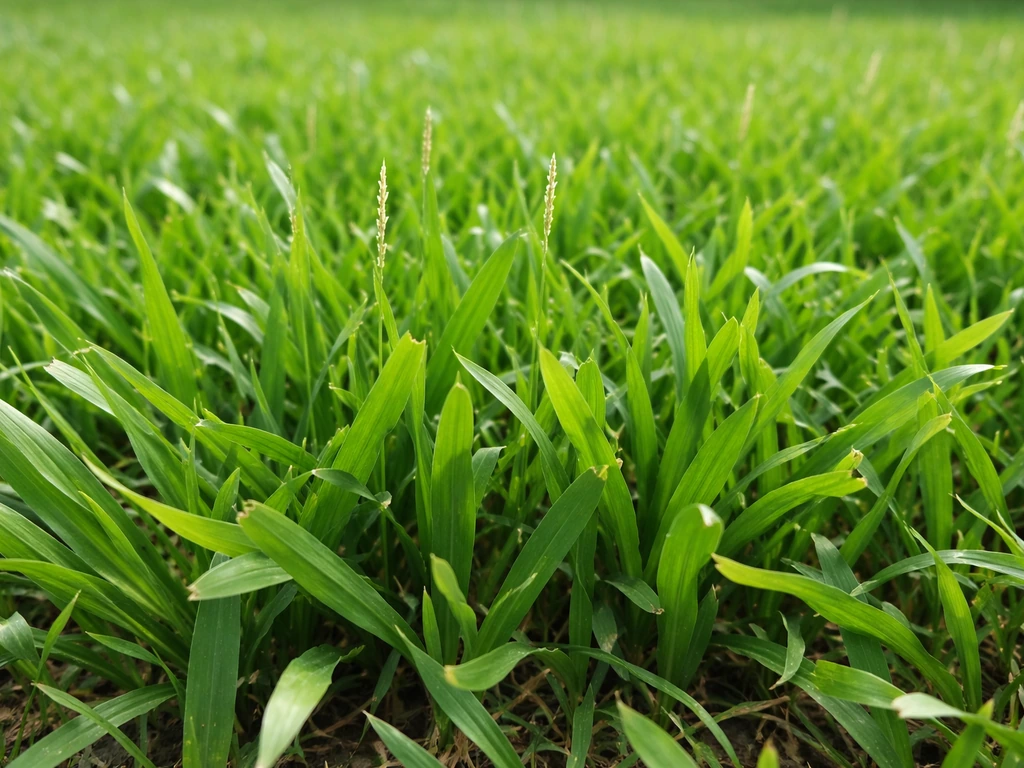
No, you genuinely cannot. This is not a matter of technique or timing. St. Augustine grass (Stenotaphrum secundatum) does not produce viable seed that can be collected, packaged, and sold for lawn establishment. The plant does produce seed heads, but the seeds are sterile or non-viable at the level needed for lawn use. This is why every legitimate turfgrass guide, extension office, and university research program points exclusively to sod, plugs, and sprigs as the establishment methods. It is a biological limitation of the grass itself, not a gap in homeowner knowledge.
This separates St. Augustine sharply from other warm-season grasses. Bermuda grass, for instance, establishes very well from seed and is one of the most common seeded lawns in the South. Zoysia seed is available and usable, though slow. Tall fescue and ryegrass seed readily across cool-season regions. If you are open to another grass type and your heart is set on seeding, bermuda is almost certainly the right choice for the same climate zones where St. Augustine thrives. But if you specifically want St. Augustine, you need to shift your approach entirely to vegetative methods.
What 'best time and conditions' actually means for St. Augustine establishment
Since seeding is off the table, let's talk about the timing question in a way that is actually useful: when is the best time to establish St. Augustine using the methods that actually work? The answer is late spring through early summer, when soil temperatures are consistently above 65°F and ideally between 70°F and 85°F. UF/IFAS notes that St. Augustinegrass is best planted during active growth periods, with blank" rel="noopener noreferrer">late spring through early summer being the quickest way to establish. In most of the Gulf Coast, Florida, and lower South, that window runs from April through June. Planting during this period gives the grass a full warm growing season to root and spread before cooler temperatures slow growth in fall.
St. Augustine needs full sun to partial shade and does not tolerate prolonged frost. It is best suited to USDA hardiness zones 8 through 10, covering states like Florida, Louisiana, Texas, Georgia, and coastal South Carolina. If you are in a zone colder than 8, St. Augustine is a poor long-term bet regardless of planting method. High humidity and heat are actually where St. Augustine thrives, so summer establishment works well as long as irrigation is available during dry spells.
Soil prep for St. Augustine plugs, sod, or sprigs (clay, sand, and bare spots)
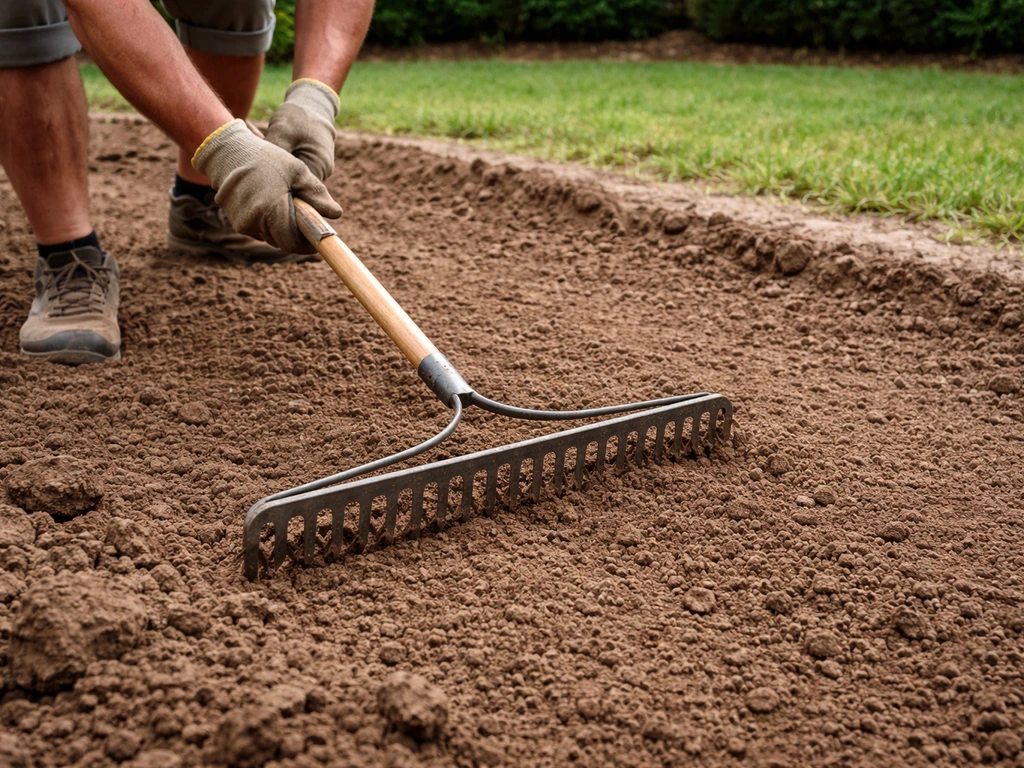
Even though you are not seeding, soil preparation still matters enormously and the same principles apply regardless of planting method. Getting the soil right before you lay sod or install plugs is the single biggest factor in how fast St. Augustine establishes and spreads.
Clay soil
If your soil is heavy clay, it will hold water around the roots and St. Augustine will rot out in wet weather or develop shallow roots that make it vulnerable to drought stress. Before planting, till the top 4 to 6 inches and work in a 2-inch layer of compost or coarse sand. The goal is not to make the clay disappear but to break up the compaction and improve drainage. Avoid tilling when the clay is wet or you will create rock-hard clumps that are worse than what you started with.
Sandy soil
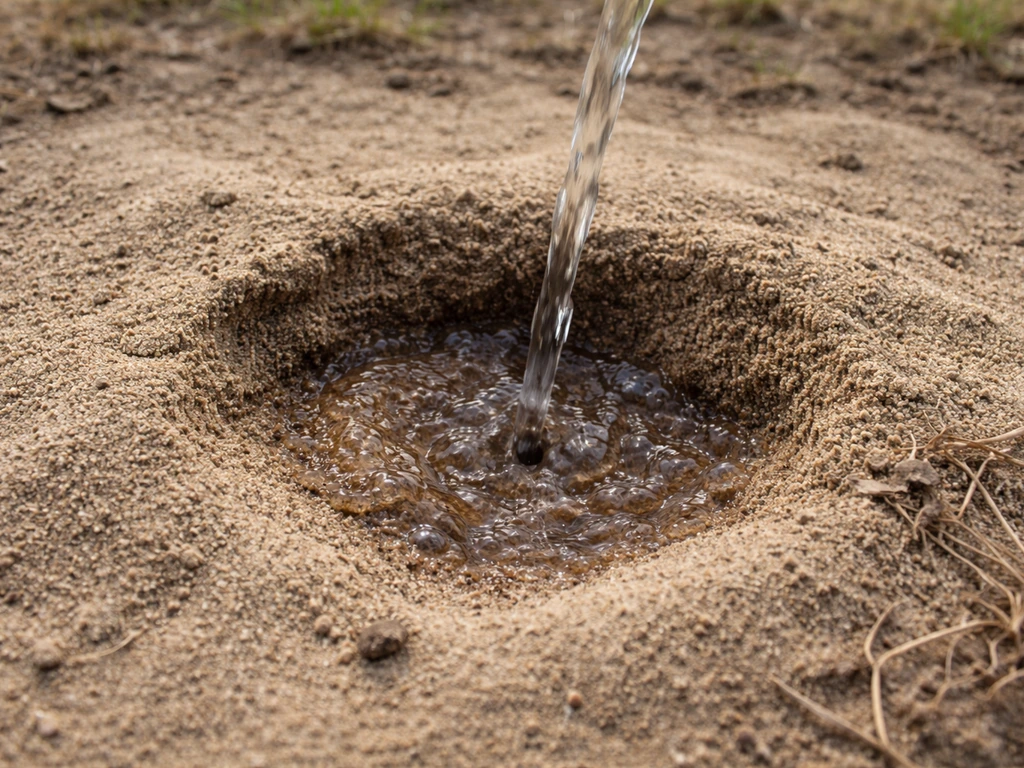
Sandy soil is actually where St. Augustine performs naturally well, especially across Florida and the Gulf Coast. The challenge with sand is that it drains so fast the plugs or sod can dry out before they root. Work 2 to 3 inches of compost into the top layer to improve water retention, and plan to water more frequently in the first few weeks. Sandy soil also loses nutrients fast, so starter fertilizer matters here more than it does in clay.
Bare spots and patchy areas
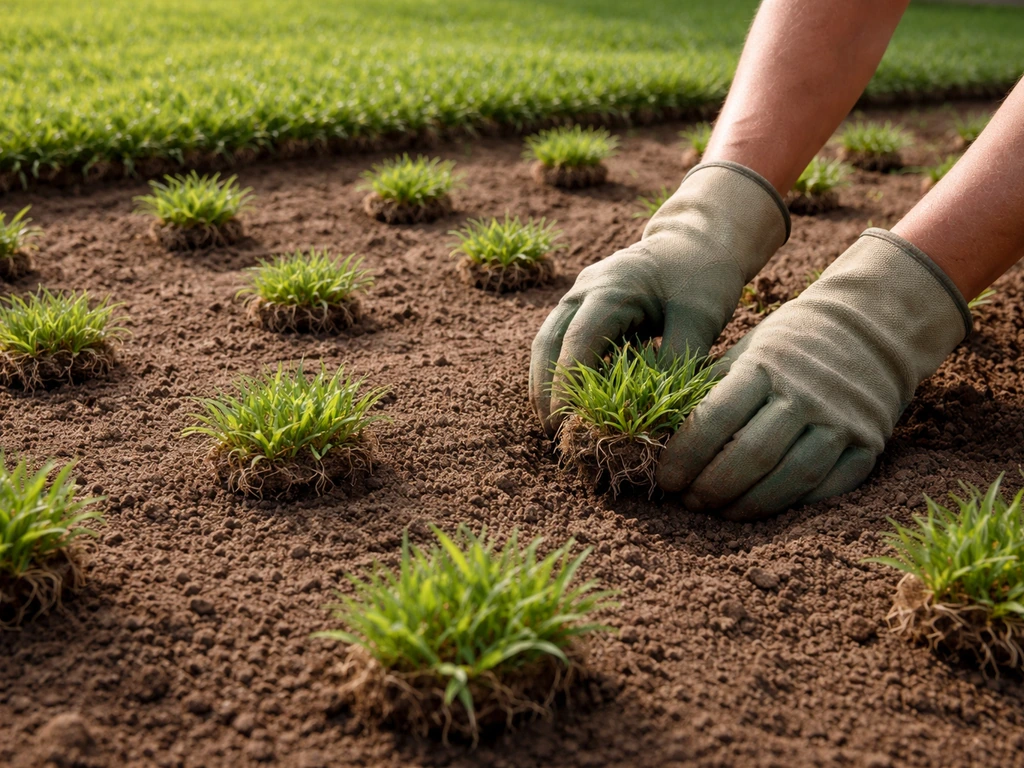
Bare spots from pet damage, disease, or shade loss are one of the most common reasons homeowners look into reseeding in the first place. Since seeding is not an option, bare spots in a St. Augustine lawn are fixed with plugs. Cut 2-inch to 4-inch plugs from a healthy area or purchase them, and plant them 6 to 12 inches apart in the bare zone. Scratch up the bare soil surface with a rake first, press each plug firmly into contact with soil, water immediately, and keep them moist for two to three weeks. Plugs in warm soil will knit together and fill a bare spot within one growing season.
Choosing your planting method and doing it right
You have three real options for establishing St. Augustine, and the right one depends mostly on your budget, timeline, and how much bare ground you are covering.
| Method | Cost | Time to Full Cover | Best For |
|---|---|---|---|
| Sod | Highest (typically $0.30–$0.80 per sq ft plus labor) | 4 to 8 weeks | Full lawn installation or large bare areas where you need fast results |
| Plugs | Moderate (around $0.20–$0.50 per sq ft) | 3 to 6 months | Budget-conscious installs, partial coverage areas, bare spots |
| Sprigs/Runners | Low to moderate | 4 to 8 months | Large areas on a tight budget, if you can source runners locally |
For a full lawn from scratch, sod gives you the fastest, cleanest result. For bare spots or budget installs across a larger yard, plugs are the practical choice most homeowners land on. Sprigs (basically individual runners or stolons) are an economical option if you have a local source, but they require the most patience.
How to plant plugs step by step
- Mow and clear the area of any existing weeds or dead grass. If weeds are heavy, apply a non-selective herbicide and wait 7 to 14 days before planting.
- Loosen the top 2 to 4 inches of soil with a rake or tiller. Do not till deeply unless your drainage is genuinely poor.
- Apply a starter fertilizer with phosphorus (look for a higher middle number like 10-20-10) and work it lightly into the surface.
- Use a plug tool, bulb planter, or drill-powered auger to make holes 6 inches apart for faster fill-in, or 12 inches apart if you are willing to wait a full season.
- Press each plug firmly into the hole so the base is in solid soil contact. The crown (where the grass meets the roots) should sit at or just above the soil surface.
- Water the entire area immediately and thoroughly after planting.
- Keep the area moist for the first 10 to 14 days while roots establish.
Watering schedule after planting (and what to watch for)
The first two weeks after installing plugs or sod are the most critical. Water once or twice daily in short sessions, enough to keep the top inch of soil moist but not saturated. For establishment, St. Augustinegrass is established vegetatively with sprigs, plugs, or sod, and during plug establishment watering daily helps support survival and establishment watering daily to support plug survival and establishment. For plugs, about 10 to 15 minutes per zone is usually right. For sod, you want to lift a corner after watering to confirm the soil beneath is moist, not just the sod itself. If the soil under the sod is dry, you are not watering enough.
After two weeks, start scaling back to once daily. Around week four, if the plugs or sod are rooting well (tug gently and they resist pulling up), you can shift to a deeper, less frequent watering schedule: two to three times per week with longer run times. Deep and infrequent watering trains the roots to grow downward rather than staying shallow. Shallow-rooted St. Augustine is the grass that browns out fast in a summer dry spell.
In sandy soil, you may need to continue daily watering longer than in clay because sand simply does not hold water. If you are in Florida during the summer rainy season, nature may handle most of this for you, but do not assume it will cover every day consistently.
How long until you have a real lawn (and what to do when things go wrong)
Sod installed in late spring will be rooted and usable within 4 to 8 weeks under normal conditions. You will know it has rooted when you cannot easily lift a corner from the ground. Plugs take considerably longer to give you a solid, filled-in lawn. Expect 3 to 6 months for plugs placed 6 inches apart to close in the gaps, and up to a full growing season for plugs spaced 12 inches apart.
University research consistently shows that vegetative methods like sod and plugs establish faster and more reliably than seed-based methods for grasses that do support seed use. For St. Augustine specifically, plugs are actually slower than sod but still produce a high-quality, durable lawn that holds up to regular use once established.
Why plugs fail and how to fix it
- Plugs dry out in the first week: water twice daily without exception for the first 14 days. One missed day in summer heat can kill newly planted plugs before they root.
- Plugs are not spreading after 6 weeks: check fertilizer. St. Augustine spreads via stolons and needs nitrogen to push runners. Apply a balanced lawn fertilizer (like 16-4-8) at the label rate and water it in.
- Plugs turn yellow: often a sign of overwatering or poor drainage. Let the soil dry out slightly between waterings and check that the planting area is not sitting in standing water.
- Weeds overtake the plugs: hand-pull or spot-treat carefully. Many common broadleaf herbicides will damage St. Augustine, so confirm the product is labeled safe for this grass before applying.
- Plugs fail in shade: St. Augustine tolerates partial shade better than bermuda, but deep shade (under large trees with full canopy) will kill it. If you have dense shade, a shade-tolerant variety like Seville or Palmetto gives better results than standard plugs.
The bottom line on St. Augustine grass and seeding
If growing a lawn from seed is important to you, and you are in a warm-season region, bermuda grass is almost certainly the better path. It seeds reliably, establishes faster from seed than most warm-season grasses, and thrives in the same hot, sunny conditions where St. Augustine performs well. Zoysia is another option worth considering if you want something that handles shade better than bermuda.
But if you specifically want St. Augustine, the path forward is clear: skip the seed search entirely and go with plugs, sprigs, or sod. For a full walkthrough of best practices, see the best way to grow St. Augustine grass best way to grow st augustine grass. Growing St. Augustine from plugs is a DIY-friendly project most homeowners can handle in a weekend, and it is the method that actually works. If you want the plug-specific version of that process, review how to grow st augustine grass plugs as the next step. Plugs and runners are covered in detail in related guides on this site that walk through spacing, sourcing, and the specific timing that makes the process go smoothly. If you want to grow St. Augustine grass from runners, focus on proper spacing, soil contact, and keeping the runners consistently moist until they root. Getting that foundation right is what leads to the dense, thick St. Augustine lawn most people are picturing when they start researching this grass. If you want the sod-specific version of this process, check how to grow st augustine sod as the next step.
FAQ
What should I do if I find “St. Augustine grass seed” for sale online?
If a product is labeled “St. Augustine grass seed,” do not plant it expecting St. Augustine results. A better check is the botanical name on the label, Stenotaphrum secundatum. If there is no botanical name or it lists a different grass, treat it as mislabeling or a scam, and switch to sod, plugs, or sprigs for reliable establishment.
Can I collect seed from my St. Augustine lawn and plant it to grow new grass?
No. Even if you harvest seed heads from existing St. Augustine, the seed is not reliably viable for lawn establishment. Practically, it will be a waste of time and money compared with plugs, sprigs, or sod, which are the establishment methods that consistently produce a turf stand.
How do I make sure I’m buying real St. Augustine plugs and not something else?
Before you buy plugs, confirm the source is delivering true St. Augustine material (Stenotaphrum secundatum) and that the plugs are healthy and actively growing. Avoid plugs that look dried out, are weedy, or have patchy discoloration, and ask how soon they were pulled and how they are kept moist for transport.
What plug spacing gives the fastest fill-in without blowing the budget?
Spacing affects speed, but also quality. If you need faster closure, use tighter spacing (for example 6 to 8 inches rather than 12 inches) in high-traffic or highly visible areas, then you can use wider spacing (up to around 12 inches) in less noticeable zones to stretch budget. Regardless of spacing, firm soil contact is what prevents plugs from drying and failing.
How can I tell if I’m overwatering or underwatering plugs or sod?
A common mistake is keeping the surface wet for too long after the roots start forming. The fix is to follow the shift from frequent light watering to less frequent deeper watering after about two weeks, and only increase watering if you see plug edges shrinking, footprints staying visible, or the grass losing color during hot afternoons.
What if I miss the late spring to early summer planting window?
If your installation is starting in a cooler period, you still can plant vegetatively, but expect slower rooting and a longer timeline. For best results, prioritize consistent warmth (soil stays reliably above about 65°F) and maintain irrigation through dry spells, because St. Augustine establishment stalls when temperatures drop.
My yard has heavy clay. What’s the biggest mistake to avoid before laying sod or plugs?
For heavy clay, focus on drainage first, not just fertilizing. Work compost or coarse sand only to the top 4 to 6 inches as a drainage and structure amendment, and avoid tilling when the clay is wet to prevent compaction clods. If water pools after rain, consider improving site drainage before installing sod or plugs, otherwise rot and shallow rooting become likely.
Will St. Augustine plugs or sod work the same in shade?
If the area is shady, do a realism check. St. Augustine tolerates partial shade, but deep shade reduces density and can slow plug knitting. To improve outcomes, install in the sunniest available spots, keep tree roots and competing plants trimmed back if possible, and water based on soil moisture because shade can make the surface stay damp longer.
When should I fertilize after installing sod or plugs?
Yes, but you generally should not fertilize immediately at a high rate. Use a starter-focused approach after installation, and keep nitrogen modest until roots are established, because too much fertilizer while roots are still developing can increase stress during heat. If you see rapid soft growth at the expense of rooting, reduce feed and tighten irrigation timing.
What’s the best way to repair a pet-damaged bare spot in St. Augustine?
If pet damage created bare areas, plugs are the usual fix, because seed is not an option. For recovery speed, choose plugs from a healthy edge area (not a patch already stressed), roughen the soil surface before planting, and keep the plugs consistently moist for two to three weeks so they can knit before the area dries.
Next Article
How to Grow St Augustine Grass Plugs: Step-by-Step Guide
Learn when and how to plant St Augustine grass plugs, prepare soil, water correctly, and troubleshoot for fast rooting.