Bentgrass grows best when you plant certified creeping bentgrass seed at 1 to 1.5 lb per 1,000 sq ft onto a firm, smooth seedbed with a soil pH between 5.5 and 6.5, keep the surface consistently moist for the first two weeks, and mow as soon as seedlings reach about 1 inch tall. Evidence‑based seed establishment irrigation protocol used in extension guidance: keep the surface (top ~1/8–1/4 in) consistently moist during germination (typically first 10–14 days) with light, frequent applications (2–3×/day in hot/dry conditions); after emergence reduce frequency and increase depth (by week 3–4 transition to deeper, less frequent irrigation to deliver ~1 in/week total water and promote root growth) Oregon State Extension recommends keeping the surface (top ~1/8–1/4 in) consistently moist during germination with light, frequent applications (2–3×/day in hot/dry conditions), then by week 3–4 reducing frequency and increasing depth to deliver about 1 in/week to promote root growth.. Expect germination in 7 to 21 days depending on soil temperature. Get those fundamentals right and bentgrass is manageable. Get them wrong, especially the pH, the watering frequency, or the seeding depth, and you will be reseeding bare patches in six weeks.
How to Grow Bent Grass: Complete Guide for Lawns & Greens Now
Is bentgrass actually right for your site?
Before you buy a single pound of seed, be honest with yourself about what you are trying to grow and why. Bentgrass is a cool-season, fine-bladed turf that thrives where summers are mild and winters are cold. It looks stunning on a golf putting green, dense, velvety, cut at 0.1 to 0.5 inches. As a home lawn it is a different story. It demands more mowing, more water, more fertilizer, and more fungicide attention than almost any other grass you could plant. I have seen homeowners fall in love with the look and then spend three summers fighting dollar spot and Pythium blight because they live in a humid mid-Atlantic climate and mow once a week with a rotary mower.
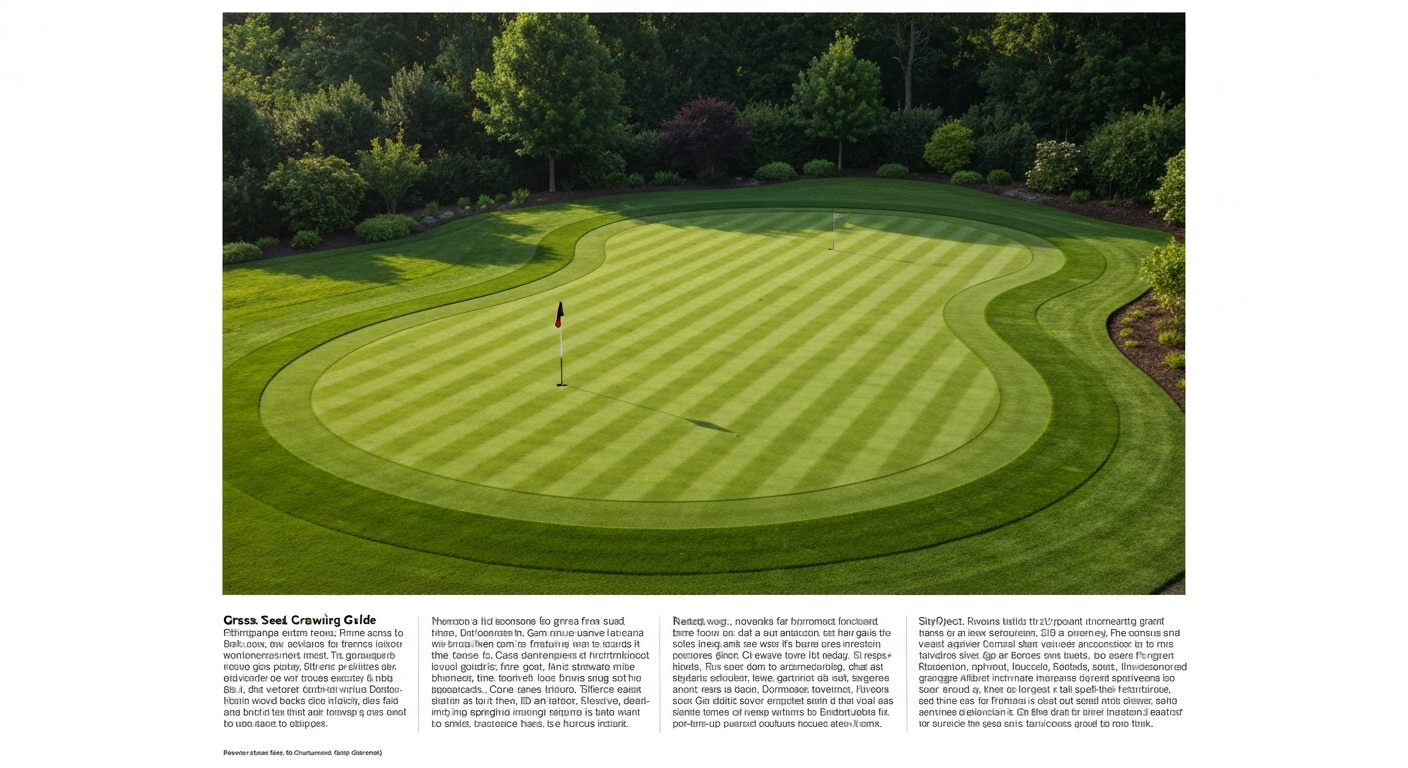
That said, bentgrass genuinely earns its place in the right situation: a putting green in the backyard, a croquet lawn, a bowling-green-style feature in a cool northern climate, or a golf course superintendent managing an actual green. If that matches your goal, read on. If you are just looking for a tough, low-maintenance lawn in the South or anywhere summers stay consistently above 85°F, bentgrass will likely struggle or die back in summer heat, and you would be better served by bermuda, zoysia, or a tall fescue blend.
Quick decision checklist
- Location: USDA Hardiness Zones 3–7 or cool coastal regions are the sweet spot for bentgrass; zones 8+ are marginal to problematic.
- Summer temperatures: average highs consistently above 90°F will cause bentgrass to thin and require rescue watering and fungicide programs.
- Mowing commitment: bentgrass lawns need cutting at least 3–4 times per week at low heights; greens need daily mowing during the growing season.
- Irrigation: bentgrass is not drought-tolerant; you need either reliable rainfall or a functional irrigation system.
- Disease tolerance: humid climates mean active fungicide programs; if you prefer a low-spray lawn, choose fescue or ryegrass instead.
- Pets and heavy foot traffic: bentgrass at putting-green heights is fragile under heavy use; a Colonial bentgrass lawn cut higher tolerates moderate traffic.
- Budget: seed, amendments, topdressing sand, and maintenance equipment add up fast — especially for a proper greens build.
If you checked off most of those boxes positively, you are in good shape to proceed. If you are on the fence about climate or maintenance, consider that grasses like buffalo grass or certain fine fescues can give you a similar fine-textured look with far less work in the right region.
Bentgrass basics: species, creeping bentgrass, and what 'bentgrass greens' means
The term 'bentgrass' covers several species in the genus Agrostis. The three you will encounter most often are creeping bentgrass (Agrostis stolonifera), Colonial bentgrass (Agrostis capillaris, also called A. tenuis), and velvet bentgrass (Agrostis canina). Each has a different growth habit, mowing tolerance, and best use.
| Species | Common name | Growth habit | Ideal mowing height | Best use |
|---|---|---|---|---|
| Agrostis stolonifera | Creeping bentgrass | Spreads by stolons (above-ground runners) | 0.10–0.50 in (greens); up to 0.75 in (fairways) | Putting greens, bowling greens, croquet lawns |
| Agrostis capillaris | Colonial bentgrass | Bunch-type with some stolons | 0.25–0.75 in | Home lawns, fairways, sports turf in cool climates |
| Agrostis canina | Velvet bentgrass | Dense, fine-leafed, slow-spreading stolons | 0.10–0.30 in | Ultra-low-cut greens, specialty surfaces |
When people say 'bentgrass greens,' they almost always mean a putting surface established with creeping bentgrass, maintained at heights between 0.10 and 0.13 inches on competition greens and up to 0.50 inches on recreational surfaces. At those heights, a reel mower is non-negotiable, a standard rotary mower will scalp the turf and leave a ragged, stressed surface. Colonial bentgrass is the more practical choice for a home lawn because it tolerates slightly higher mowing heights and is less aggressive about spreading into garden beds and driveways. Velvet bentgrass is beautiful but finicky; it suits specialist greenskeepers more than homeowners.
Choosing the right bentgrass type and seed blend
Penn State's multi-year cultivar trials (2009–2013) and USGA on-site evaluation programs run from 2019 to 2022 have produced clear cultivar rankings for creeping bentgrass on putting greens. The top performers in those trials consistently show high turf quality, strong density, and lower susceptibility to dollar spot and other common diseases compared to older varieties. For backyard greens and small-scale greenskeeping, choosing a modern, trial-proven cultivar is worth the slightly higher seed cost.
Cultivar categories to know
- Older standard cultivars (Penncross, Pennlinks II): widely available, affordable, well-understood performance — solid choices for a first green or renovation where budget matters.
- Modern fine-leafed cultivars (T-1, 007, Declaration, Tyee): finer texture, better disease resistance in trial data, higher seed cost — preferred for competition or showcase greens.
- Colonial bentgrass varieties (Highland, Exeter): suited for lawn use at higher mowing heights; less disease pressure than creeping types when managed as a lawn.
- Velvet bentgrass (Vesper): ultra-fine, requires consistent low mowing and skilled management — not recommended for first-time growers.
On blends versus pure stands: for a putting green, plant a single, high-performing cultivar as a pure stand. Mixing cultivars on a green creates visual inconsistency as different cultivars mature at different rates and respond differently to stress. For a lawn or fairway, a blend of two compatible Colonial bentgrass varieties can provide some resilience against disease pressure, but avoid mixing creeping and Colonial bentgrass in the same area, the aggressive stolons of creeping bentgrass will eventually dominate and create an uneven surface.
Seed quality matters more than most homeowners realize. Under the U.S. Federal Seed Act and state seed laws, every bag must display kind, variety, lot number, percent germination, test date, percent purity, and any noxious weed seed counts. Buy certified seed from a supplier that lists AOSCA-certified variety status on the bag. Minimum acceptable benchmarks for bentgrass: germination above 85%, purity above 95%, and a test date within the past 12 months. Calculate your pure live seed (PLS) percentage, multiply germination by purity, both as decimals, and use that figure to adjust how much bulk seed you actually need to buy.
Seeding rates and planting alternatives
Creeping bentgrass seed is tiny, roughly 7 to 8 million seeds per pound. That sounds like a lot, but those seeds are fragile and need excellent seed-to-soil contact to germinate reliably. The commonly cited establishment rate for greens is 1.0 to 1.5 lb per 1,000 sq ft of bulk seed, with USGA trial protocols using approximately 1.1 lb per 1,000 sq ft. For lawns or fairways using Colonial bentgrass, similar rates apply: 1 to 1.5 lb per 1,000 sq ft. For overseeding thin areas, drop to 0.5 to 0.75 lb per 1,000 sq ft.
| Planting objective | Seeding rate (bulk seed) | Notes |
|---|---|---|
| New green or lawn (full establishment) | 1.0–1.5 lb per 1,000 sq ft | Use PLS-adjusted rate if germination is below 90% |
| Overseeding thin turf | 0.5–0.75 lb per 1,000 sq ft | Vert-cut or scarify first for seed-to-soil contact |
| Bare-spot repair | 1.5–2.0 lb per 1,000 sq ft | Higher rate compensates for variable surface conditions |
| USGA trial benchmark | ~1.1 lb per 1,000 sq ft | Based on 25 g per 50 sq ft experimental plots |
Plugs, sprigs, and sod as alternatives to seed
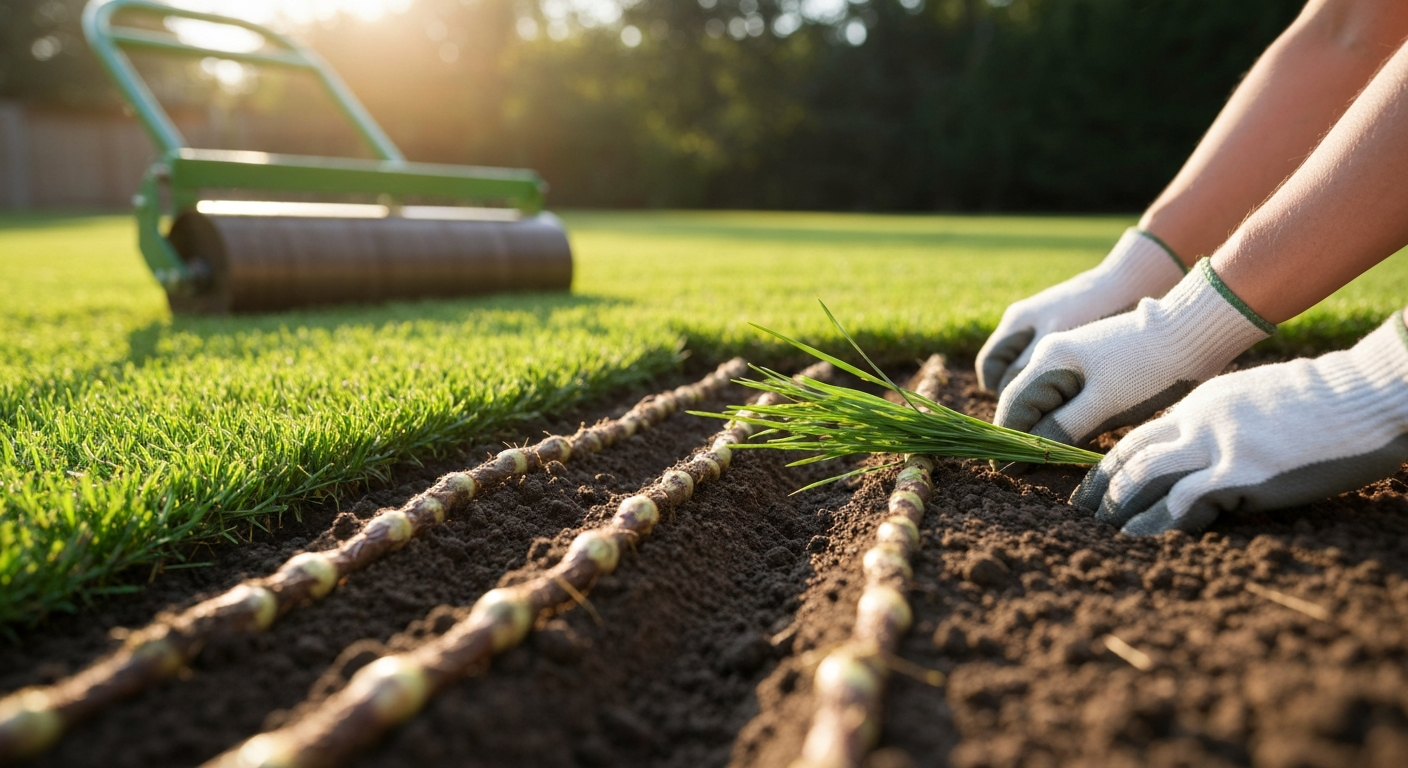
If you are building a backyard putting green and want faster coverage, vegetative planting methods are worth considering. For alternative establishment techniques, see guidance on how to grow buffalo grass from runners. Thin-cut sod (0.3 to 1.0 inch of soil attached) roots faster than thick sod into a prepared rootzone because roots do not have to penetrate a thick native-soil layer before reaching your prepared mix. Strip sodding, laying strips of sod 8 to 10 inches apart and letting stolons fill in the gaps, uses less material than full sodding and typically fills in within 4 to 8 weeks during active growing conditions. Plugging (4-inch plugs on 6 to 12-inch centers) works on smaller areas and is often cheaper than full sod coverage. The tradeoff versus seeding: vegetative methods cost more upfront but reduce your establishment window and lower the risk of poor germination from weather events.
Regional timing and germination windows
Bentgrass is a cool-season grass, which means its germination and establishment windows align with soil temperatures between 50°F and 75°F. The practical planting windows differ by region, but the biology is consistent: plant when daytime soil temperatures are in the 60 to 70°F range and you get germination in 7 to 12 days. Plant when soils are hovering around 50°F and expect 14 to 21 days. Plant in summer heat above 85°F soil temperature and germination becomes erratic and disease pressure on seedlings spikes sharply.
| Region | Best planting window | Soil temp at planting | Expected germination |
|---|---|---|---|
| Northern Tier (Zones 3–5): MN, WI, MI, northern NY | Mid-Aug to mid-Sep (fall) or late Apr to mid-May (spring) | 55–68°F | 10–18 days |
| Transition Zone (Zones 6–7): PA, OH, VA, KS, MO | Late Aug to late Sep (fall preferred) or mid-Apr to May | 60–70°F | 7–14 days |
| Pacific Northwest cool coast (Zones 7–8 coastal) | Sep–Oct or Mar–Apr | 55–65°F | 10–18 days |
| High Elevation West (Zones 4–6): CO, UT mountains | Late May to Jun (spring only in many areas) | 55–65°F | 10–18 days |
| Southern marginal areas (Zone 8+) | Oct–Nov only; summer dormancy likely | 55–65°F at planting | 10–18 days; summer survival uncertain |
Fall planting is strongly preferred in most of the country. Soil temperatures are declining but still warm enough for germination, weed competition from summer annuals drops off, and seedlings have weeks to establish before hard frost. Spring planting works in northern zones where fall planting windows are short, but the risk is that seedlings established in spring head straight into summer heat with minimal root depth. If you are planting in spring, target the earliest window when soils hit 55°F consistently, give seedlings as much cool weather as possible before summer arrives.
Soil testing, target pH, and your amendment plan
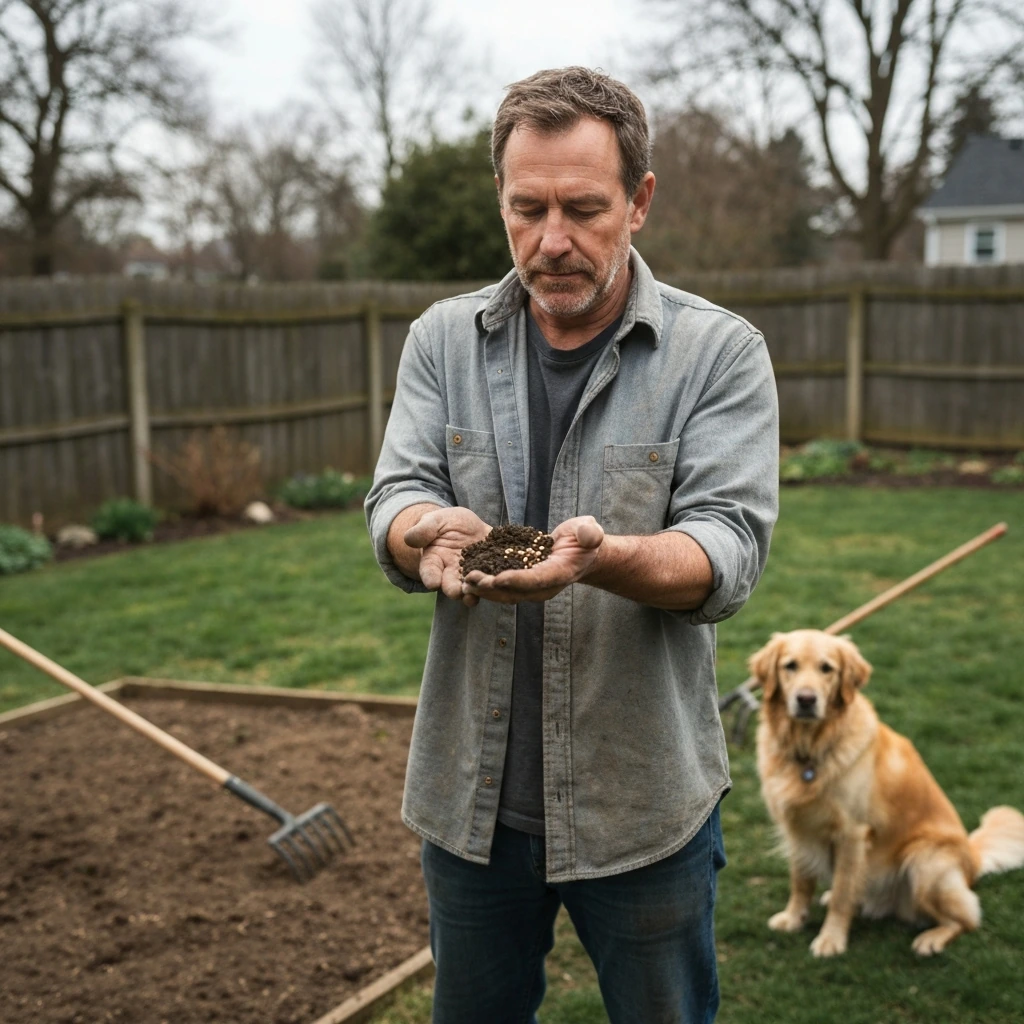
Do not skip this step. I know it sounds tedious, but I have watched people seed bentgrass into soil with a pH of 7.2 and wonder why their new turf looks chlorotic and thin two months later. Bentgrass needs a slightly acidic soil, the target range is pH 5.5 to 6.5, with 6.0 to 6.2 being the sweet spot for most creeping bentgrass situations. Outside that range, nutrient availability shifts and disease pressure increases.
How to test your soil
Get a composite sample from 8 to 15 cores taken to a 2 to 4-inch depth across your planned planting area. Mix them in a clean bucket, remove debris, and send about 1 cup to your state's university soil testing lab. Request the full turf panel: pH (active and buffer pH if available), phosphorus, potassium, calcium, magnesium, organic matter, and texture. Buffer pH tells you how much lime or sulfur you actually need to move the pH, active pH alone is not enough to calibrate an amendment rate. Results usually arrive within 1 to 2 weeks and include specific amendment recommendations.
Adjusting pH up or down
If your pH is below 5.5, apply pelletized calcitic or dolomitic limestone at the rate your soil test recommends, but cap single applications at 50 lb per 1,000 sq ft (roughly 1 ton per acre) to avoid surface burn and pH overshoot. UMass Extension guidance specifically recommends splitting large lime requirements across multiple seasons. Work lime into the top 4 to 6 inches before seeding for best results, surface-applied lime on established turf moves slowly. If your pH is above 6.5, apply elemental sulfur at 1 to 2 lb per 1,000 sq ft to nudge it down; work it into the seedbed at the same time you do your final grading. Sulfur-coated acidifying fertilizers are a slower alternative that work well during establishment.
Organic and mineral amendments
For a lawn-use bentgrass area in native soil, incorporate 2 to 3 inches of compost into the top 6 inches before planting. This improves drainage in clay soils and water retention in sandy soils. For a putting green, a USGA-specification sand rootzone (80 to 85% sand by weight, with specific pore-space targets) is the standard approach, native soil is not suitable for a surface mowed below 0.25 inches. A properly built USGA green also includes a gravel layer and drainage pipes below the rootzone mix. This is an investment, but it is the foundation that makes a real bentgrass green manageable long-term.
Seedbed preparation: getting the surface right
Bentgrass seed is so small that surface preparation matters more here than with almost any other grass. A rough, cloddy seedbed with low spots and debris will produce an uneven stand no matter how good your seed is. The goal is a firm, smooth surface with no clods larger than a marble and no thatch or organic debris sitting on top.
- Kill existing vegetation: use a non-selective herbicide (glyphosate) 2 to 3 weeks before planting, or solarize with clear plastic for 4 to 6 weeks in summer. Wait for the full withholding period before disturbing soil.
- Grade the area: establish positive drainage away from structures. Fill low spots, cut high spots. For greens, work with a laser or string level to achieve a smooth contour.
- Till to 4–6 inches: break up compaction and incorporate amendments (lime, sulfur, compost, starter fertilizer). For USGA greens, the sand rootzone replaces native soil entirely.
- Firm the seedbed: this is critical for small-seeded grasses. Rake or drag to remove debris, then roll or cultipack the surface until it is firm enough that you leave only a light footprint when you walk on it. A spongy seedbed causes uneven seeding depth.
- Final rake pass: lightly drag or hand-rake the surface just before seeding to create a fine, loose layer on top of the firm base. This is where seeds will sit. Depth from surface to firm layer should be about 1/8 to 1/4 inch — no more.
If you are dealing with heavy clay soil, till in 3 to 4 inches of coarse sand plus compost to improve drainage before you start grading. A clay surface that crusts after rain will prevent seedling emergence even if germination starts below ground. For sandy soil, compost incorporation improves moisture retention during the critical first two weeks. On extremely sandy or gravelly soils, a USGA-style rootzone approach is actually easier to build from scratch than trying to improve the native soil.
Step-by-step planting checklist and 12-week timeline
This is the full process from soil prep through early establishment. Follow the sequence and the timing and you will avoid the most common failures: seeding too deep, inconsistent moisture in the first two weeks, and mowing too late (or too early).
Pre-plant (4–6 weeks before seeding)
- Submit soil test and receive results.
- Kill existing vegetation; wait full withholding period.
- Order certified bentgrass seed from a reputable supplier; check germination %, purity %, and test date on the label.
- Purchase amendments: lime or sulfur as needed, starter fertilizer (high phosphorus, e.g., 18-24-12 or similar), compost if amending native soil.
- For a USGA green, source and install rootzone mix, gravel blanket, and drainage pipes before proceeding.
Planting day (Week 0)
- Apply starter fertilizer according to soil test recommendations; work into top 2 inches.
- Complete final grading, rolling, and surface preparation as described above.
- Broadcast seed with a drop spreader or rotary spreader at 1.0–1.5 lb per 1,000 sq ft. Split into two passes at 90 degrees to each other for even coverage.
- Lightly drag or hand-rake seed into the surface — do not bury deeper than 1/4 inch. Bentgrass germination drops sharply when seed is more than 1/4 inch below the surface.
- Roll or cultipack the seeded area immediately after seeding to press seed into contact with soil. This single step improves germination uniformity more than almost anything else you can do.
- Water gently until the top 1 inch is moist but not waterlogged. Do not wash seed off the surface.
Germination phase (Weeks 1–3)
- Water lightly 2 to 3 times per day to keep the top 1/8 to 1/4 inch of soil consistently moist. Short cycles (3 to 5 minutes with a sprinkler, or 1 to 2 minutes with irrigation) are better than one long soak.
- Do not let the surface dry out — this is the single most common reason bentgrass seed fails to emerge.
- Expect first seedlings to appear within 7 to 12 days at soil temperatures of 60 to 70°F, or 14 to 21 days at 50 to 58°F.
- Do not apply any herbicides during this phase. Pre-emergent herbicides applied before seeding can prevent bentgrass germination just as effectively as they block weed seeds.
- Protect the surface from foot traffic, birds, and pets with lightweight row cover or erosion-control netting if needed.
Early establishment (Weeks 3–6)
- Once seedlings reach 1.0 to 1.25 inches, make your first mow. For lawns, set the mower at 0.75 inches. For greens, start at 0.5 inches and gradually drop height over the following weeks. Use a sharp reel mower for greens.
- Transition irrigation to deeper, less-frequent watering: target about 1 inch of total water per week (rainfall plus irrigation), applied in 2 to 3 sessions rather than daily light applications. This encourages roots to grow downward.
- Apply a light application of nitrogen fertilizer at 0.25 to 0.5 lb N per 1,000 sq ft once seedlings are clearly established and have been mowed twice. A soluble quick-release source (urea or ammonium sulfate) works well at this stage.
- Watch for bare patches where germination was uneven; spot-reseed at 1.5 to 2.0 lb per 1,000 sq ft and return to the daily watering schedule for those areas.
Weeks 6–12: filling in and transitioning to mature management
- Continue mowing on a schedule that removes no more than one-third of the leaf blade per session; increase mowing frequency rather than lowering height too aggressively.
- For greens, begin light topdressing with USGA sand (1/8 inch layer) every 2 to 3 weeks to start building a smooth surface and dilute any organic matter accumulation.
- Fertilize monthly at 0.5 lb N per 1,000 sq ft through the remainder of the growing season. Avoid heavy nitrogen applications in fall — you want the plant hardening off, not pushing lush growth into frost.
- At week 8 to 10, if you have a core aerator, consider a light aerification (1/4-inch tines) to relieve any early compaction from foot traffic. This is optional for lawns but standard practice for greens.
- Assess overall density by week 10 to 12. A healthy new bentgrass planting should have 70 to 90% coverage by this point. Light seeding, poor seed-to-soil contact, or inconsistent watering are the usual culprits for thin stands — address with overseeding before the end of the growing season.
Lawn use vs. bentgrass greens: maintenance differences
Once established, a bentgrass lawn and a bentgrass putting green are managed very differently. Understanding those differences before you plant helps you set realistic expectations and choose the right cultivar and equipment.
| Maintenance factor | Bentgrass lawn (Colonial or creeping) | Bentgrass putting green |
|---|---|---|
| Mowing height | 0.5–0.75 in (Colonial); 0.5–1.0 in (creeping) | 0.10–0.13 in (competition); 0.20–0.50 in (recreational) |
| Mowing frequency | 2–4 times per week | Daily to every other day during growing season |
| Mower type | Reel preferred; sharp rotary acceptable above 0.5 in | Reel mower required |
| Topdressing | Optional; light sand dressing once or twice per year | Every 1–3 weeks with USGA sand during growing season |
| Rolling | Not typically needed | Weekly rolling improves surface speed and smoothness |
| Fertilizer (N per year) | 2–4 lb N per 1,000 sq ft | 4–6 lb N per 1,000 sq ft, split into frequent light applications |
| Fungicide program | Reactive (apply when disease appears) | Preventive program typically required in humid climates |
| Aerification | Once per year in fall | 2–3 times per year; core aerate plus solid-tine aerate |
Troubleshooting common problems
Seed germinated unevenly or not at all
Check three things first: soil temperature, surface moisture, and seeding depth. If soil temps were below 50°F, the seed may simply not have germinated yet, wait another week before reseeding. If the surface dried out between waterings at any point during the first 10 days, germination will be spotty regardless of how good the seed was. If seed was buried deeper than 1/4 inch by over-raking or heavy rain, seedlings may not have had enough energy to push through to the surface. Intermountain Planting Guide, Utah State University Extension (seeding depth guidance for small grasses) states small grass seeds are typically planted about 0–1/4 inch deep (roughly five times the seed width), with establishment falling off sharply if buried deeper Intermountain Planting Guide — Utah State University Extension (seeding depth guidance for small grasses). For bare patches, scratch the surface, overseed at a higher rate (1.5 to 2 lb per 1,000 sq ft), roll the area, and resume the twice-daily watering protocol.
Dollar spot and other early disease issues
Dollar spot (small, silver-dollar-sized bleached patches) is the most common disease you will see on establishing bentgrass, especially during humid, warm nights. On seedlings it can wipe out large areas fast. Keep nitrogen levels adequate (deficiency makes turf more susceptible), improve air circulation if possible, and water in the morning rather than evening so foliage dries before nightfall. If dollar spot appears on a green during establishment, a single fungicide application (iprodione or chlorothalonil at labeled rates) can halt it before it spreads. For lawns managed at higher heights, dollar spot pressure is lower and often manageable without fungicides.
Clay soil problems
Heavy clay soils crust after rain and restrict drainage, both of which are bad for bentgrass seedlings. If your native soil is clay, the pre-plant amendment step (3 to 4 inches of coarse sand and compost tilled in) is not optional. After establishment, aerate once a year at minimum and topdress with sand to gradually improve the rootzone over time. Avoid overwatering, clay retains moisture much longer than sandy soils and waterlogged bentgrass is prime territory for Pythium blight.
Sandy soil problems
Sandy soils dry out fast, which means you need more frequent irrigation during establishment than the standard schedule. During the first two weeks on sandy ground, check the surface after 30 minutes in direct sun, if the top 1/8 inch has dried, run another short irrigation cycle. After establishment, sandy rootzones can struggle to hold nutrients; a split fertilizer program with slow-release nitrogen carriers works better than infrequent heavy applications.
Shade
Bentgrass tolerates light to moderate shade better than bermuda or zoysia, but it is not a shade grass. Below 4 to 5 hours of direct sun per day, bentgrass thins out, becomes more disease-prone, and struggles to recover from wear. In a shaded backyard, fine fescue (creeping red fescue or chewings fescue) is a much better match. If you have partial shade on a green, trees on one or two sides, manage it with selective pruning to improve air circulation and light penetration rather than fighting a losing battle with fungicides.
Pets and heavy foot traffic
Bentgrass at putting-green heights is fragile under pet traffic. Dog urine causes concentrated nitrogen burn and dead patches that require reseeding. If you have dogs and want bentgrass, either fence them off the area entirely or accept that you will be doing regular spot repairs. For general family lawn use with kids and pets, Colonial bentgrass maintained at 0.5 to 0.75 inches is far more durable than creeping bentgrass at low heights, but even Colonial bentgrass is more delicate than tall fescue or bermuda under heavy foot traffic.
When to choose a different grass entirely
Bentgrass is genuinely not the right answer for many homeowners, and that is okay. Bermuda and zoysia are far better options in the transition zone and South, they handle heat, drought, and wear better than bentgrass ever will. For hot, dry sites you might also consider buffalo grass; learn more about how to make buffalo grass grow fast. Tall fescue and perennial ryegrass suit homeowners in cool-season regions who want a durable, low-maintenance lawn without the disease and mowing demands of bentgrass. For region-specific planting advice and step-by-step instructions on how to grow American grass consult the linked guide. If your goal is simply a dense, fine-textured lawn and you are not committed to the greens management routine, fine fescue or a fescue-ryegrass blend will get you most of the aesthetic result with a fraction of the effort. Some homeowners in the cool Pacific Northwest and upper Midwest have success with Colonial bentgrass mixed into a fescue blend, gaining some bentgrass texture without committing to a pure-stand maintenance program. If you prefer a warm-season, low-maintenance lawn, see our guide on how to grow buffalo grass from seed for a drought-tolerant alternative.
FAQ
Which bentgrass type should I choose — creeping bentgrass, colonial bentgrass, or a blend — and how do I pick a seed variety?
Choose creeping bentgrass for fine‑textured, dense turf and putting greens under cool climates and close mowing; colonial/‘bent’ types tolerate slightly lower cutting heights and are sometimes used in turf mixes. Pick certified seed (AOSCA or state certified) and prioritize cultivars with proven trial performance for your use (see Penn State & USGA cultivar trial summaries). For lawns, use a blend that lowers monoculture risk (2–3 compatible cultivars). For greens, select cultivars recommended in USGA/Penn State trials for quality and disease resistance.
What seeding rate should I use for bentgrass from seed (and how do I convert certified seed bags/PLS)?
Common establishment/overseeding targets: 1.0–1.5 lb per 1,000 ft² for creeping bentgrass (USGA/label guidance and trials). Research trial seeding used about 1.1 lb/1,000 ft². Because seed lots vary, calculate Pure Live Seed (PLS) = (% germination × % purity) / 100 and scale bulk pounds = recommended PLS weight ÷ (PLS fraction). Verify seeds/lb (several million seeds/lb) on the label for precise calibration.
When is the best time to seed bentgrass in different U.S. regions and what germination times should I expect?
Timing: seed when soil temperatures favor cool‑season germination — typically spring or early fall. Northern regions: late summer–early fall is best (consistent soil temps 50–65°F). Transitional regions: early fall preferred. Soil temp and moisture influence germination: expect ~7–21 days depending on temperature (faster ~7–12 days at ~60–70°F, ~14–21+ days near 50°F). Avoid midsummer seeding in hot, dry regions unless irrigation and shade mitigation are available.
What soil tests and pH targets do I need before planting, and how do I sample?
Get a turf‑oriented soil test from your land‑grant extension: request pH (active/buffer), P, K, Ca, Mg, organic matter, texture and salts/EC if relevant. Collect 8–15 cores from the entire area to a depth of 2–4 in, mix into one composite sample. Target pH for bentgrasses: ~5.5–6.5 (slightly acidic). Apply lime or sulfur per lab recommendations; split large lime applications rather than applying excessive amounts at once.
How should I prepare the seedbed (amendments, firmness, depth) for best bentgrass establishment?
Remove debris and existing vegetation, grade smooth, correct drainage, incorporate only required amendments per soil test (light sand if needed for heavy clay). Aim for a firm, smooth seedbed — firm enough that a footprint compresses but doesn’t leave deep holes. Seed depth: surface to 1/4 in (0–1/4 in, ideally 1/8–1/4 in). After broadcasting, lightly rake then cultipack/roller to ensure seed‑to‑soil contact without burying seed deeper than 1/4 in.
What are acceptable alternatives to seeding: plugs, sprigs or sod, and when should I use them?
Use plugs or sprigs when seeding is impractical (hot season, erosion risk, limited watering) — install plugs in a grid or strip sod in 8–10 in rows. Thin‑cut sod (0.3–1.0 in of soil attached) establishes fastest for greens/patches; strip or staggered rows speed infill. Sod gives immediate cover but costs more; plugs/strips are slower but effective for renovation when seedbeds or schedules limit seeding.
How to Grow Buffalo Grass from Runners: Step-by-Step Guide
Step-by-step guide: how to grow buffalo grass from runners, soil prep, planting, watering, timelines and troubleshooting.