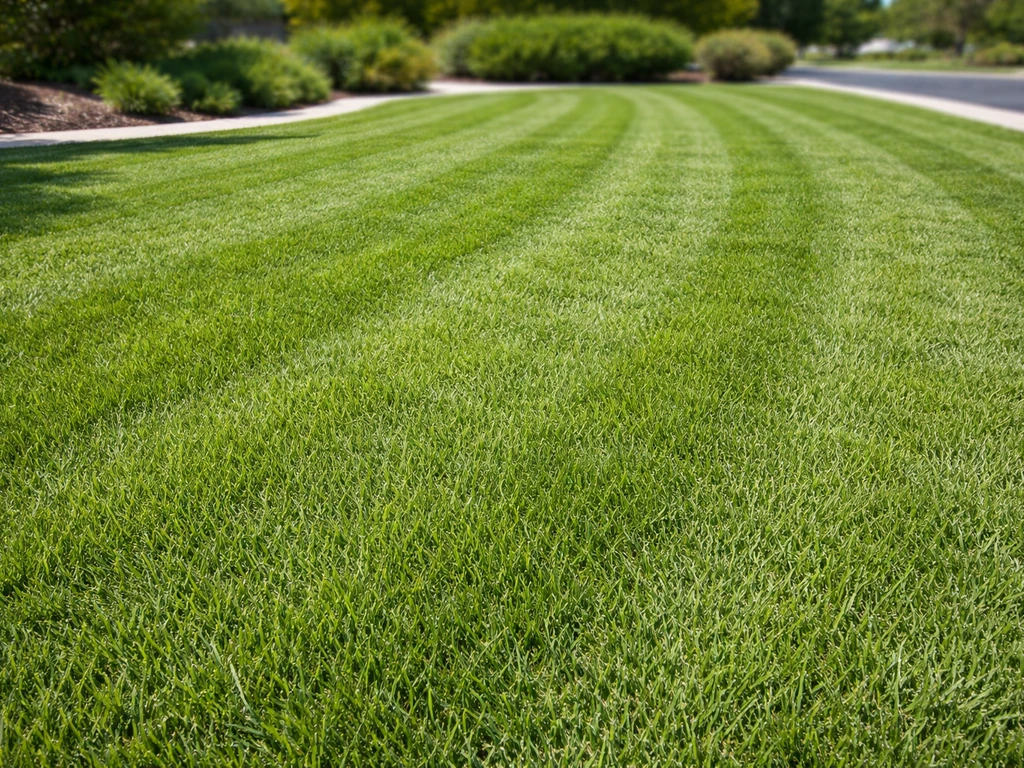
Yes, buffalo grass absolutely grows from seed, and it can produce a beautiful, drought-tolerant lawn with relatively little upkeep once it's established. Getting there is the hard part. Seeding buffalo grass is genuinely labor-intensive and, for many homeowners, a little frustrating at first. But if you nail the timing, keep the seed shallow, and stay on top of moisture for the first few weeks, you'll get germination and a lawn that more or less takes care of itself for years to come.
How to Grow Buffalo Grass From Seed Step by Step
Marcus Tillwell
11 May 2026
Can you actually grow buffalo grass from seed?
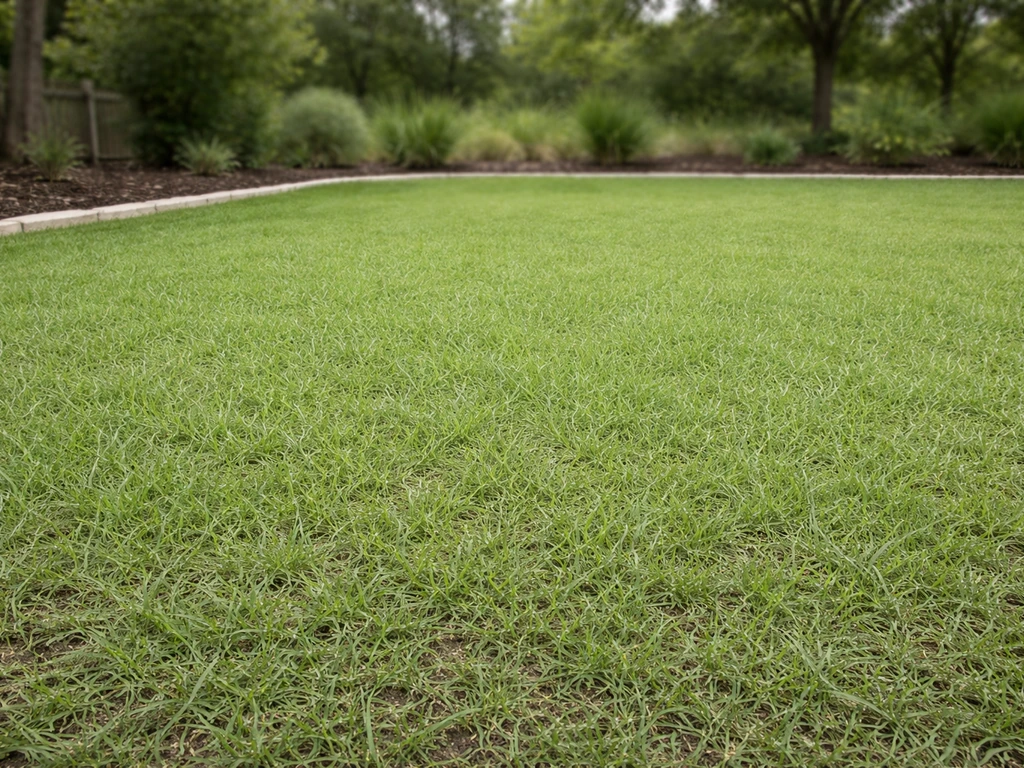
Buffalo grass is one of those grasses that divides gardeners. It's native to the Great Plains, thrives with minimal water once established, and looks gorgeous in the right climate. But seed-based establishment is a different experience from, say, seeding a cool-season fescue lawn. Germination is slower, the seed needs specific conditions to perform well, and weed competition during the establishment window is a real problem. That said, seeding is genuinely the most affordable way to get buffalo grass established, and it works reliably when done correctly. (If you'd rather skip the seed process entirely, buffalo grass also spreads through runners, and plugs are another route worth knowing about for faster coverage.)
One of the biggest factors in success is whether you're using treated or untreated seed. Treated (primed) buffalo grass seed can hit 80–90% germination rates. Untreated seed? Often only around 20%. That gap is enormous and explains why so many homeowners feel like buffalo grass is impossible to establish from seed. Always buy treated seed for a residential lawn project.
When to plant buffalo grass seed
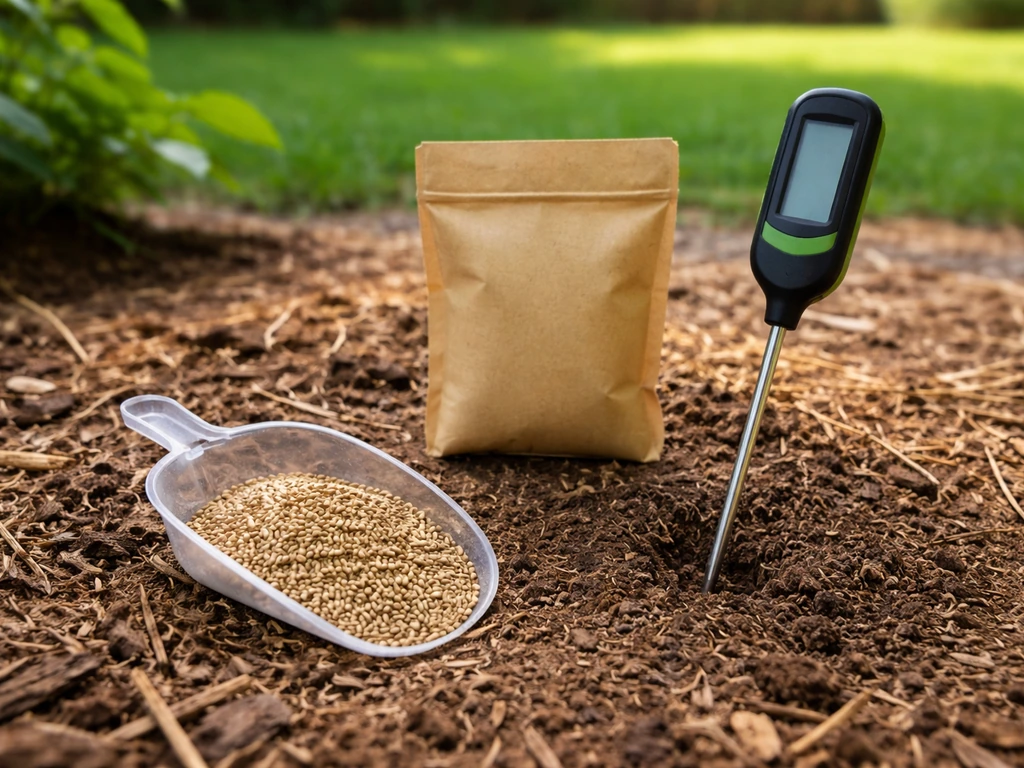
Timing is the single most controllable factor in whether your seeding succeeds. Buffalo grass is a warm-season grass, which means it needs warm soil to germinate. The minimum soil temperature for germination is 55°F (13°C), but warmer is better. Practically speaking, that points to a spring or early summer window in most regions.
For most of the central U.S. and similar climates, aim to seed between late April and mid-July. The optimal window is often described as April 1 through August 15, capturing warm nights, long days, and the temperatures buffalo grass needs to push roots and runners quickly. If you plant too early in cool, wet spring soil, germination will be patchy and slow. If you plant in late summer, you risk running out of warm-weather growing days before the lawn fills in.
One exception: fall planting with untreated seed can work in some situations, but results are unpredictable. The seed essentially goes dormant and germinates the following spring. This is a strategy, not a recommendation for most homeowners. Stick with spring or early summer planting if you want predictable results this season.
How to prepare your soil for buffalo grass seed
Buffalo grass isn't picky about soil fertility, but it needs a firm, weed-free seedbed to establish well. A properly prepared seedbed is the actual foundation of this whole project. If you rush through this part, you'll pay for it with thin, weedy coverage.
- Kill or remove existing vegetation. If you're converting an existing lawn, use a non-selective herbicide or solarization to clear the area. Wait at least two weeks after herbicide application before seeding.
- Lightly till or rake to loosen the top 1–2 inches of soil. You don't need deep tillage. Buffalo grass roots spread horizontally as much as vertically, and you're mostly creating a surface for seed contact.
- Level the area and firm the seedbed. Use a lawn roller or just walk the area down. You want the soil to be firm enough that your footprint barely sinks in. Loose, fluffy soil leads to poor seed-to-soil contact and uneven germination.
- If your soil is clay-heavy, break up any hard crust on the surface and consider a light topdress of sandy loam to help with drainage and seed contact. If it's sandy, moisture retention during establishment is your main challenge, so plan for more frequent irrigation.
- Do not add heavy amendments or fertilizer at seeding. Buffalo grass prefers lean conditions. High nitrogen especially encourages weed competition and is counterproductive at this stage.
Choosing the right seed and how much to use
Picking a buffalo grass cultivar
Not all buffalo grass seed is the same. There are several cultivars on the market, and the one you choose matters for both climate suitability and establishment performance. Common seeded varieties include Cody and Tatanka, both of which are widely available and well-suited to the central U.S. Great Plains climate. UC Verde is a patented California cultivar developed for mediterranean climates, but it's typically sold as plugs rather than seed because of propagation restrictions. If you're in California or the Southwest, research cultivar-specific performance in your region carefully, as some varieties have shown very poor germination or extended dormancy of up to six months in certain western climates.
As mentioned above, always buy treated (primed) seed. The germination difference between treated and untreated seed is too significant to ignore on a residential project.
Seeding rate
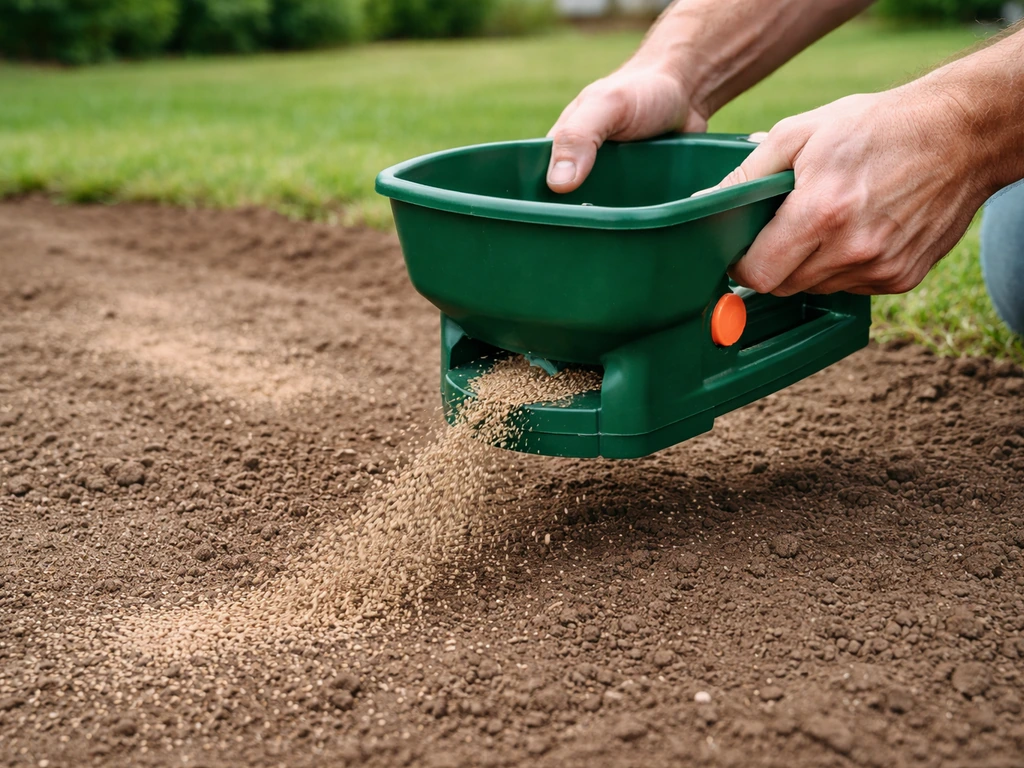
For a residential lawn, use 2–3 pounds of treated buffalo grass seed per 1,000 square feet. Going toward the higher end of that range (closer to 3 lb/1,000 sq ft) will generally reduce establishment time by producing denser initial coverage. This is worth the small extra cost if your goal is a usable lawn this season rather than next.
Seed vs. plugs: which is right for you?
| Method | Cost | Coverage timeline | Labor level | Best for |
|---|---|---|---|---|
| Seed (treated) | Low | Full cover in one full growing season | Moderate (prep + consistent watering) | Large areas, budget-conscious projects |
| Plugs | Higher upfront | Complete cover in 6–12 weeks | Low-moderate (planting only) | Smaller areas, faster results, clay-heavy soils |
| Runners/sod | Highest | Nearly immediate | Low | Instant coverage, no germination wait |
Seed is the most economical choice for larger areas. Plugs give you quicker, more predictable coverage and are worth considering if your lawn area is small or if you've had trouble getting buffalo grass to germinate from seed before. If you're interested in establishment from runners specifically, that's a related approach worth exploring separately. If you want, you can also learn how to grow buffalo grass from runners, which is often faster for coverage than starting with seed establishment from runners.
Step-by-step: seeding, planting depth, and watering
Applying the seed
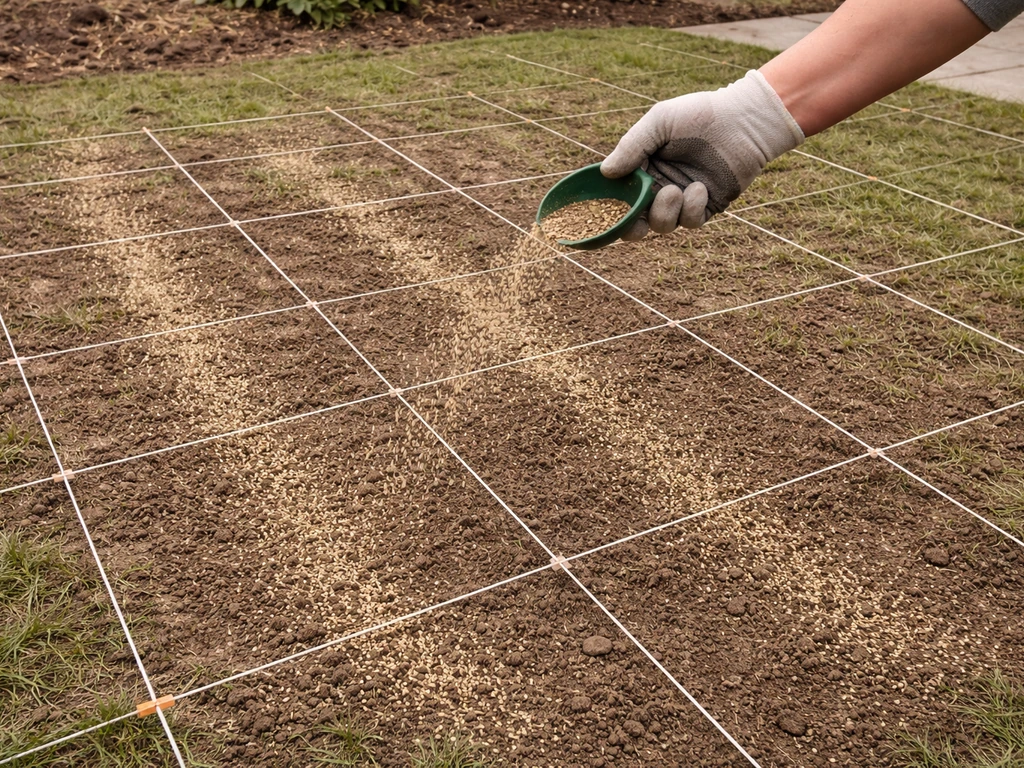
- Divide your seed into two equal portions. Spread one pass walking north-south across the area, then spread the second pass walking east-west. This cross-hatching pattern gives you much more even coverage than a single pass.
- Rake lightly to incorporate the seed into the top 1/4 to 1/2 inch of soil. Do not bury the seed deeper than 1/2 inch. Research consistently shows that germination rates drop significantly as planting depth increases. Shallow is the rule here.
- Roll the seeded area with a lawn roller to press seed into firm contact with the soil. This step is not optional. Good seed-to-soil contact is one of the most important predictors of germination success.
- If you have access to a slit-seeder or mechanical seeder, use it. These tools place seed at the correct depth and create contact in one pass, which is more reliable than hand-raking over larger areas.
Watering through germination
This is where most homeowners either succeed or fail. Buffalo grass seed needs consistent surface moisture to germinate, but it also can't sit in standing water. Johnston Seed Company’s planting documentation includes guidance on buffalograss seed germination and establishment conditions, which can help set expectations for timing and care [consistent surface moisture to germinate](https://www. johnstonseed.
com/wp-content/uploads/2017/09/15-Buffalograss_1. pdf). The goal is to keep the top inch of soil consistently moist for the first seven to ten days without washing seed away or crusting the surface. CSU Extension notes that buffalograss establishment relies on warm-season timing and emphasizes that watering needs in the establishment phase are critical and may be similar to other turfgrasses [keep the top inch of soil consistently moist for the first seven to ten days](https://extension.
colostate. edu/docs/pubs/garden/07224. pdf).
- Week 1: Water every day. Run three to five short irrigation cycles daily, roughly every two to four hours, starting around 8 or 9 a.m. Each cycle should wet the surface without runoff. You're not soaking the soil deep, you're just keeping the surface from drying out.
- Week 2: Water every other day, still maintaining a moist surface. Reduce frequency as you watch for seedling emergence.
- Week 3 and beyond: Water every third day as seedlings establish and roots begin to deepen. Once you see consistent green coverage and the grass is actively growing, taper to deeper, less frequent watering to encourage deep root development.
- After the initial establishment phase, reduce to once-daily irrigation (around midday) for the next two weeks before transitioning to normal buffalo grass watering (which is minimal once the lawn is established).
What to expect from germination
With treated seed and warm soil temperatures, expect germination in roughly 14 to 30 days. The range is wide because soil temperature, moisture consistency, and seed quality all interact. If your soil is consistently warm (above 65–70°F), you'll be toward the lower end of that range. Cooler or fluctuating soil temperatures push you toward 30 days or beyond. Be patient. The seed is not dead if you don't see green on day 15.
What goes wrong and how to fix it
Poor or no germination
If you're past 30 days with no real germination, the most common culprits are soil temperature (too cool), planting depth (too deep), untreated seed, or moisture inconsistency. Check your soil temperature at 2–3 inches with a basic soil thermometer. If it's below 60°F, you may just need to wait. If the seed was buried more than 1/2 inch, there's not much to do but reseed shallower. Untreated seed is the sneaky cause of widespread failure, as those 20% germination rates feel like total failure at first glance.
Soil crust forming over seed
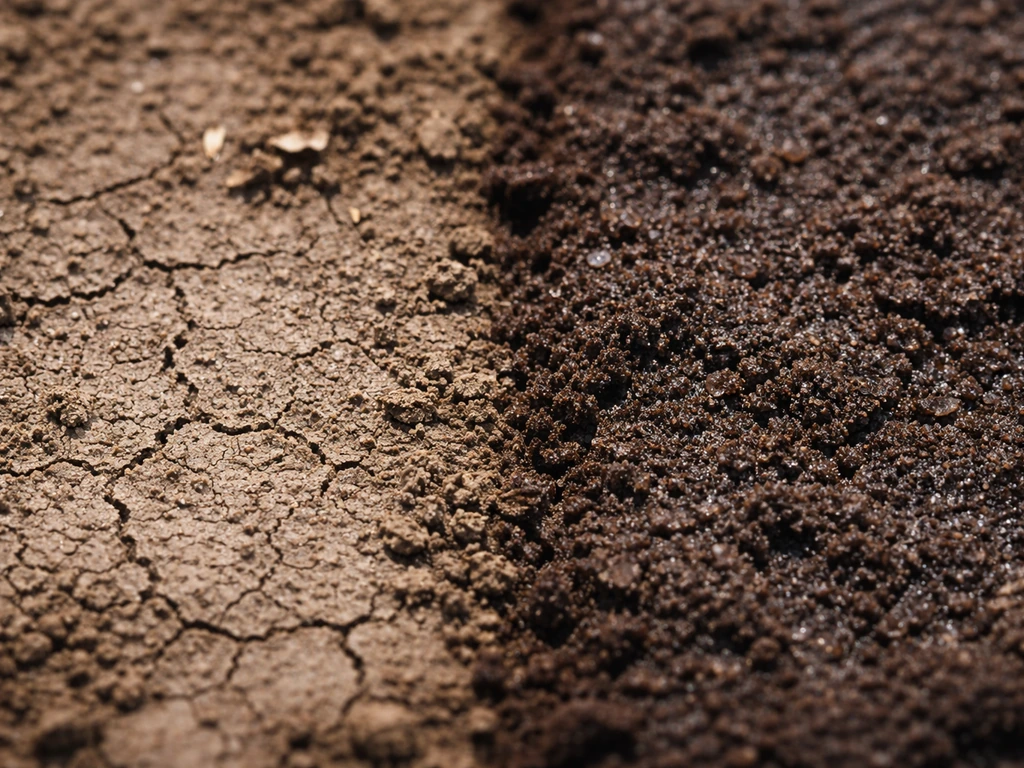
Clay soils are prone to forming a hard crust when they dry out, which can physically block seedling emergence. If you notice crust forming, mist the surface gently to break the crust without washing seed away. This is one reason a light sandy topdress over clay before seeding helps. Keeping moisture consistent also prevents the wet-dry cycles that create crust in the first place.
Weed competition
Weeds are the biggest threat during establishment, especially in the first season. Buffalo grass is slow to fill in compared to aggressive annual weeds, and if you let weeds get ahead of the buffalo grass, they'll outcompete the seedlings for light and moisture. Mow weeds short (2–3 inches) rather than pulling or spraying during establishment, since disturbing the soil around young seedlings sets them back. Avoid applying pre-emergent herbicides right after seeding since they'll prevent buffalo grass germination too. Once your buffalo grass is actively growing and you can mow it at least once, you have more herbicide options available.
Patchy or thin coverage
Patchy areas after the first season are very common. Buffalo grass fills in slowly via stolons (horizontal runners), so thin spots will often fill naturally given time and proper watering. If patches persist beyond the first full growing season, overseed those areas in the following spring using the same treated seed at the same rate. Increasing your overall seeding rate to the higher end (3 lb/1,000 sq ft) from the start reduces patchiness by giving you a denser initial stand.
Seed washout
Heavy rain or aggressive irrigation right after seeding can wash seed into low spots or completely off sloped areas. If you seed on a slope, use erosion netting or a light straw mulch to hold seed in place. Keep your irrigation cycles short rather than long to prevent runoff. If washout has already happened, re-rake exposed areas and reseed.
After establishment: keeping your buffalo grass lawn healthy
Once your buffalo grass is established, it becomes the low-maintenance lawn it's famous for. But the transition from seedling to established lawn requires a few specific steps to get right.
- First mowing: Wait until the grass reaches about 3–4 inches before mowing for the first time. Set your mower to 2–3 inches. Mowing too early stresses young seedlings that haven't yet developed deep enough roots.
- Watering in year one: Even after germination, newly seeded buffalo grass benefits from supplemental watering during dry spells in its first summer. Taper frequency as the lawn fills in, but don't let it go fully dormant during establishment.
- Fertilization: Buffalo grass doesn't need much. A light application of a low-nitrogen fertilizer in late spring (once the lawn is actively growing) is plenty. Avoid high-nitrogen fertilizers, which promote lush soft growth that's less drought-tolerant and more susceptible to disease.
- Mowing height long-term: Keep buffalo grass at 2–3 inches. It can be left unmowed for a natural prairie look at 4–6 inches, but regular mowing at 2–3 inches gives a tidier lawn appearance.
- Overseeding thin areas: If your lawn has thin spots after the first season, overseed in spring once soil temperatures reach 55–60°F using the same treated seed.
- Weed control in year two and beyond: Once your buffalo grass lawn is fully established, its dense mat crowds out most weeds. A pre-emergent herbicide applied in early spring (before soil temperatures hit 55°F) can help prevent warm-season weed germination without affecting your established grass.
The honest truth about growing buffalo grass from seed is that the first season requires real attention, especially around watering and weed control. If you also want a bigger picture of the full process, see our guide on how to grow buffalo grass step-by-step from seed growing buffalo grass. But once you get through that first growing season with a reasonable stand, the maintenance drops off sharply.
Most homeowners who struggle with buffalo grass from seed are either planting at the wrong time, using untreated seed, or not staying on top of moisture in those critical first two to three weeks. If your goal is to speed up how fast buffalo grass spreads and thickens, focus on consistent surface moisture and correct timing during this window first two to three weeks. Get those three things right, and the rest follows naturally. If you live in the U.
S. , the same warm-season timing and seed-establishment steps apply, so you can use this guide to learn how to grow American grass.
FAQ
My buffalo grass seed hasn’t sprouted yet, how long should I wait before reseeding?
If germination is delayed, don’t switch seed sources immediately. First verify three things on the day you plan to “bail”: soil temperature at 2 to 3 inches, that seed was incorporated no deeper than about 1/2 inch, and whether moisture stayed consistent (not drying out completely between waterings). If all three check out but you are still under 30 days, give it time, buffalo grass can remain invisible while roots form.
Should I overseed if the lawn looks sparse during the first few weeks?
For most residential situations, avoid overseeding just a few days after seeding. Instead, wait until you can see at least some emergence, then check coverage density. If it’s thin after the first season or still patchy going into spring, that is the right time to overseed those specific areas at the treated-seed rate rather than trying to correct during the initial germination window.
Is straw mulch okay when I’m seeding buffalo grass, and will it prevent germination?
Yes, you can use a light straw mulch, especially on slopes, but keep it thin enough that the top layer can still receive water and sunlight. The goal is erosion control, not a thick blanket. If mulch gets matted or blocks the seed surface, emergence often slows or becomes patchy.
What should I do if heavy rain washed the seed into low areas?
If you seeded on a slope and experienced runoff, the fix is to re-rake any washed seed back into contact with the soil, then reseed the exposed areas shallowly. After that, shorten irrigation cycles to reduce further movement and consider erosion netting for the next watering period. A full reseed of the entire lawn is usually unnecessary if only low spots washed.
Can I seed buffalo grass in fall or winter?
Winter seeding is generally a poor fit for buffalo grass from seed because it needs warm soil to start germination. The only “fall planting” approach that sometimes works is using untreated seed and letting it go dormant to germinate the following spring, but results are inconsistent. If you want predictable establishment, stick to spring or early summer for treated seed.
When can I mow after seeding, and should I mow to control weeds?
Yes, you can mow for weed management early, but only once buffalo grass is actively growing and you can mow without tearing up seedlings. Cutting weeds short is helpful, yet constantly mowing too low can stress young buffalo grass. Use sharp blades, avoid scalping, and do not pull or spray whenever possible during the establishment phase.
How do I handle crusting on clay soil after seeding buffalo grass?
Clay that crusts needs both moisture management and surface treatment. The practical approach is to seed shallowly, water more frequently with shorter cycles to prevent a wet-dry crust pattern, and, if possible, lightly topdress with a fine sandy material before seeding to reduce crusting risk. Once crust has formed, gently misting can help without washing seed away.
Can I use herbicides on newly seeded buffalo grass to fight weeds?
Most herbicide products are not “one-size-fits-all” for new buffalo grass stands. During establishment, the safe rule is to avoid pre-emergent applications right after seeding because they can block germination. Once you can mow at least once and the lawn is actively growing, you may have more options, but always target weeds rather than blanket-treating the entire new seeding.
What are the most common reasons buffalo grass seeding fails even if I watered it?
If you don’t get results, the most overlooked causes are untreated seed, planting too deep, and moisture swings. Before reseeding, do a quick diagnostic: check seed depth, confirm the soil was kept consistently moist for about the first week, and verify soil temperature stayed warm enough. Buying treated seed is often the biggest improvement, because untreated seed can make germination look like failure even when conditions are otherwise correct.
How should I water seeded buffalo grass each day, and how do I avoid overwatering?
Calibrate your irrigation to keep the top layer consistently moist, not soaked. Use short, frequent cycles that re-wet the surface before it dries out and crusts, especially on hot days, then taper as seedlings establish. If you are irrigating long enough to create puddling, you increase washout and seed movement risk.
Next Article
How to Grow Buffalo Grass: Step-by-Step Lawn Setup
Step-by-step how to grow buffalo grass: pick the right variety, prep soil, seed or sod, water, mow, and troubleshoot.