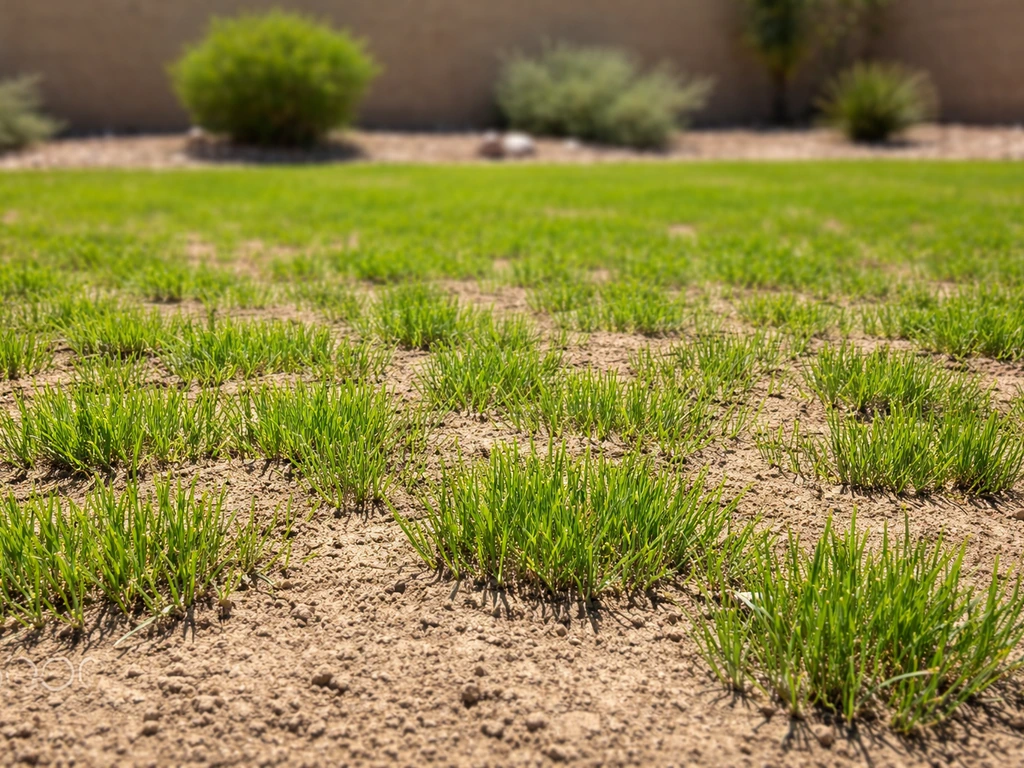
Buffalo grass is one of the most drought-tolerant, low-maintenance lawn grasses you can grow in the central and southern United States. If you are in the right region, it can cut your watering and mowing workload dramatically compared to most other turf types. But it is also one of the easiest grasses to establish badly. Get the timing wrong, skip soil prep, or use the wrong cultivar, and you will spend the season staring at a patchy mess. This guide walks you through every step of the process so you can avoid those mistakes and get a lawn that actually fills in.
How to Grow Buffalo Grass: Step-by-Step Lawn Setup
Marcus Tillwell
15 Apr 2026
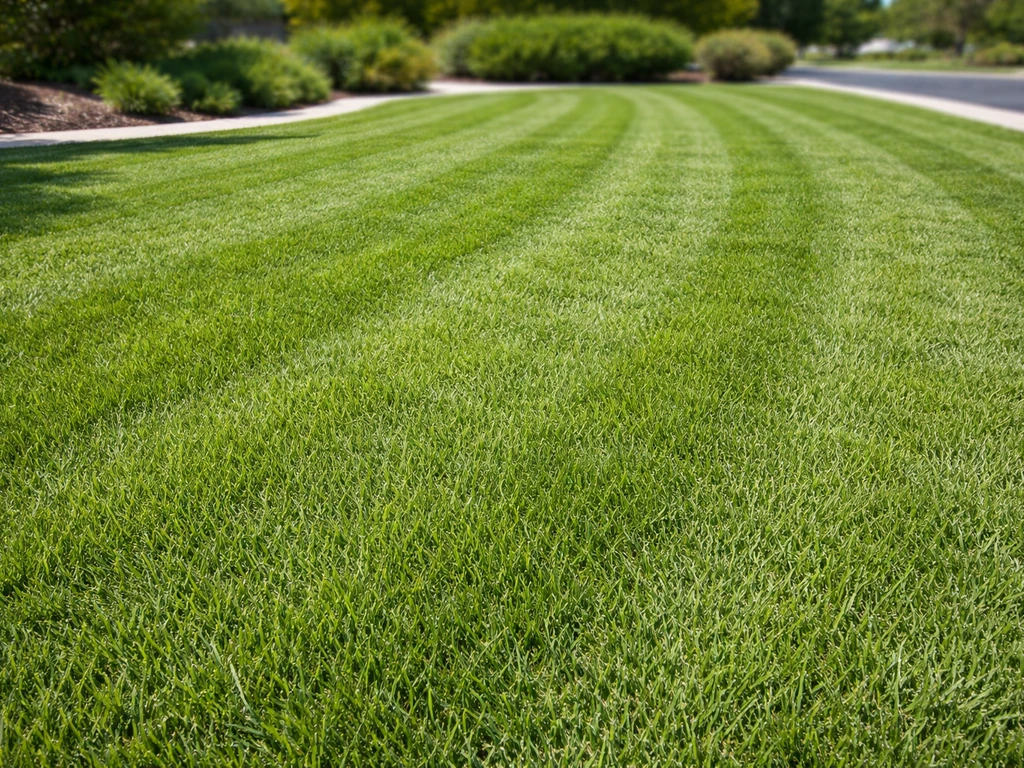
Is buffalo grass actually right for your lawn?
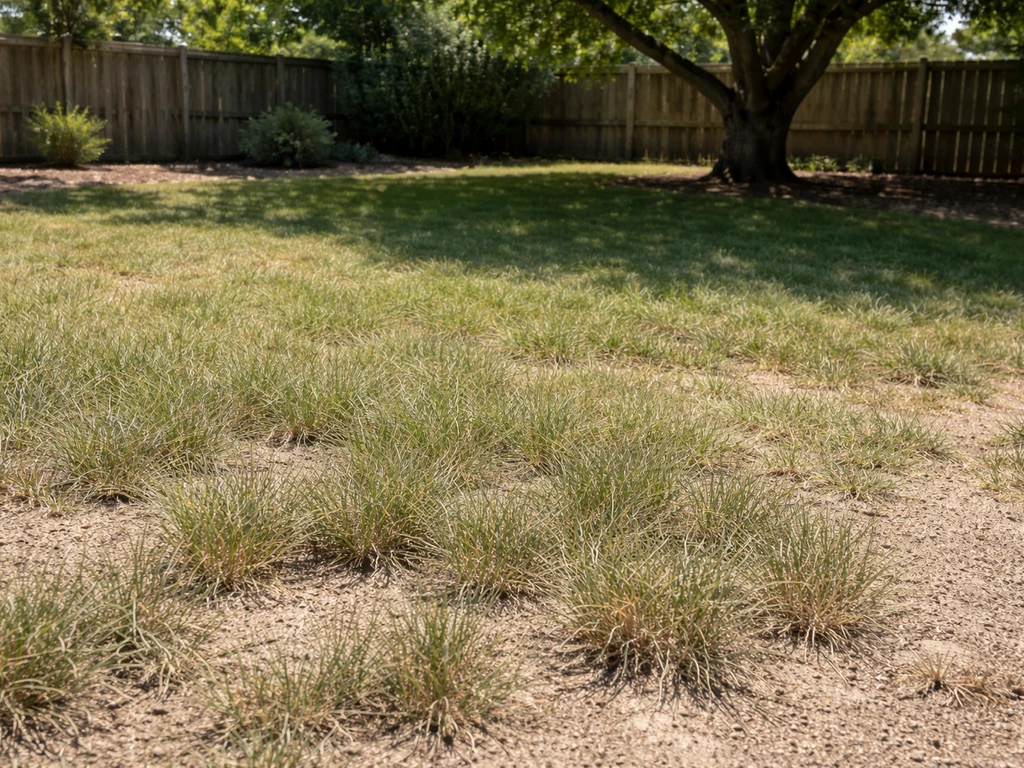
Before you spend money on seed or sod, run through this checklist. Buffalo grass thrives in specific conditions, and forcing it into the wrong setting is a recipe for frustration.
- You are in a low-to-moderate rainfall zone (roughly 15–30 inches per year), typically the Great Plains, southern Midwest, or parts of the Southwest and Texas
- Your lawn gets full sun or very close to it (buffalo grass performs poorly in shade and will thin out quickly under tree canopy)
- Your soil is not waterlogged or prone to standing water — poor drainage is one of the fastest ways to kill a buffalo grass stand
- You want a low-maintenance lawn: once established, buffalo grass needs very little water, little to no fertilizer, and infrequent mowing
- Your soil pH is tolerable — buffalo grass adapts to a wide range including alkaline soils with pH above 8.0, though the closer to 6.5–7.0 the better for overall lawn health
- You are not in a high-humidity coastal climate (the Gulf Coast, Pacific Coast, or humid Southeast) where other warm-season grasses like bermuda or zoysia will outperform it
- You are not fighting heavy shade or a lot of tree competition — if that describes your yard, a different grass type will serve you better
If you checked most of those boxes, you are a good candidate. If your lawn has a lot of shade or you are in a high-humidity region, it is worth reading up on how to grow American grass varieties that might be a better fit for your specific conditions before committing to buffalo grass.
Choose the right buffalo grass type for your conditions
Not all buffalo grass is the same. The difference between native-type buffalo grass and turf-type cultivars is significant when you are trying to establish a lawn. Turf-type cultivars are bred for short internodes, which means they form a denser, lower-growing turf that competes better with weeds. Native-type buffalo grass tends to grow more loosely and leaves more room for weeds to sneak in during establishment. For a home lawn, always go with a named turf-type cultivar.
Common cultivars worth looking for include '609', 'Bison', 'Cody', 'Texoka', and 'Tatanka'. '609' is a popular sod-type that is widely available in plugs and sod. 'Bison' is a good seeded option for the northern Plains. The right choice usually comes down to what is available in your region and whether you are seeding or sodding, which we will cover below.
| Cultivar | Best Use | Notes |
|---|---|---|
| 609 | Sod / plugs | Dense, turf-type; widely available in central and southern U.S. |
| Bison | Seed | Good cold tolerance; suited to northern Plains states |
| Cody | Seed or plugs | Dense turf-type; competitive against weeds |
| Texoka | Seed | Older variety; widely adapted across the southern Plains |
| Tatanka | Seed | Improved density; good for Kansas and Nebraska climates |
When buying seed, look for treated (scarified or hulled) seed rather than burrs. Hulled seed germinates more reliably and evenly. Burr seed can work but germination is slower and more irregular, which makes weed competition harder to manage.
Site prep and soil amendments
Good site preparation is the foundation of a successful buffalo grass stand. Skimp on this step and you will pay for it all season with poor germination, uneven coverage, and weed problems that are hard to fix after the fact.
Start with a soil test
Get a basic soil test before you do anything else. Buffalo grass tolerates alkaline soils well (even pH above 8.0), but knowing your pH and nutrient levels tells you whether you need to amend at all. The ideal range is around 6.5–7.0. If your pH is far outside that range, light lime or sulfur applications can help, but do not chase a perfect number if you are in naturally alkaline soil, buffalo grass handles it.
Clay soil
Buffalo grass actually handles clay reasonably well once established, but heavy clay makes it hard for seedlings to push through the surface and for water to penetrate evenly. Till the top 4–6 inches and work in a 1–2 inch layer of compost to loosen it. A compost top dressing is a practical, affordable way to improve organic matter and soil structure without over-amending. You are aiming for good water movement, not a perfect sandy loam.
Sandy soil
Sandy soils drain fast, which buffalo grass likes in principle, but they also dry out quickly during the critical establishment period when you need consistent moisture. Add compost to improve water retention. Aim for 5–8% organic matter in the top few inches of soil. You may need to water more frequently during establishment on sandy sites compared to the standard schedule.
Compacted or low-fertility soil
Compacted soil is a serious issue. Aerate before you seed or sod, a core aerator is the right tool for this, and you can rent one from most hardware stores. Low-fertility soil does not need much amendment for buffalo grass (it is a low-input grass), but a light starter fertilizer at planting can help early establishment. Fix any drainage problem areas, low pockets, or spots where you have removed rocks or debris before you plant. Those low spots will hold too much water and cause localized die-off.
Seeding vs. sprigging vs. sodding: which method and when
You have three options for establishing buffalo grass: seeding, plugs (sprigging), or sod. Each has a different cost, labor requirement, and timeline to coverage.
| Method | Cost | Time to Coverage | Best For |
|---|---|---|---|
| Seeding | Lowest | 8–12+ weeks | Large areas, budget-conscious setups, Plains and Midwest |
| Plugs / sprigging | Moderate | 6–10 weeks with proper spacing | Medium areas, DIY installs, transitional climates |
| Sod | Highest | 2–4 weeks to knit | Fast results, smaller areas, immediate coverage needs |
Seeding is the most affordable option but requires the most patience and the most attention to timing. CSU Extension recommends a buffalograss seeding rate of about 3 to 5 lb of seed per 1,000 sq ft. The key rule: soil temperature must be above 50°F for germination to occur. That typically means late spring to early summer in most of the buffalo grass belt. Avoid seeding after about August 15 in cooler climates, fall seedings with young seedlings going into winter (especially when soil is still warm but nights are dropping) have a high failure rate due to frost damage and winter drying.
Plugs are a great middle-ground option. Plant them on 12–18 inch centers after the last spring frost, and at least 6 weeks before the first expected fall frost. Closer spacing (12 inches) means faster coverage but more cost. Wider spacing (18 inches) saves money but leaves more open ground for weeds to fill in while the grass spreads.
Sod gives you the fastest coverage and is the best option if you need a functional lawn quickly or are installing on a slope where erosion is a concern. For a full comparison of seeding approaches and what to expect from each, the guide on how to grow buffalo grass from seed goes deeper into the seeding-specific process. If you are leaning toward vegetative spread rather than seed, check out the details on how to grow buffalo grass from runners for tips on using stolons to fill in your lawn.
Planting steps from prep to coverage
Seeding step by step
- Kill or remove existing vegetation. Solarize, use a non-selective herbicide, or till and rake clean. Existing grass and weeds compete heavily with buffalo grass seedlings.
- Till the seedbed 4–6 inches and work in compost if needed. Rake smooth and firm the surface. You want a slightly firm, fine seedbed — not fluffy and loose.
- Apply seed at 2–4 lb per 1,000 sq ft for broadcast seeding on small areas. For larger areas using a drill seeder, you can drop to about 0.5 lb per 1,000 sq ft because drill seeding places seed more precisely.
- Set seed depth to 1/4–1/2 inch. This is the sweet spot for soil contact and germination. Deeper than 1/2 inch and seedlings struggle to emerge. Shallower and they dry out too easily.
- Firm the seedbed after seeding with a lawn roller or by foot traffic on small areas. Good seed-to-soil contact is critical.
- Apply a light straw mulch (about 1 bale per 1,000 sq ft) to retain moisture and reduce surface crusting, especially on clay soils.
- Water immediately after seeding and begin your establishment irrigation schedule (see the watering section below).
Plugging step by step
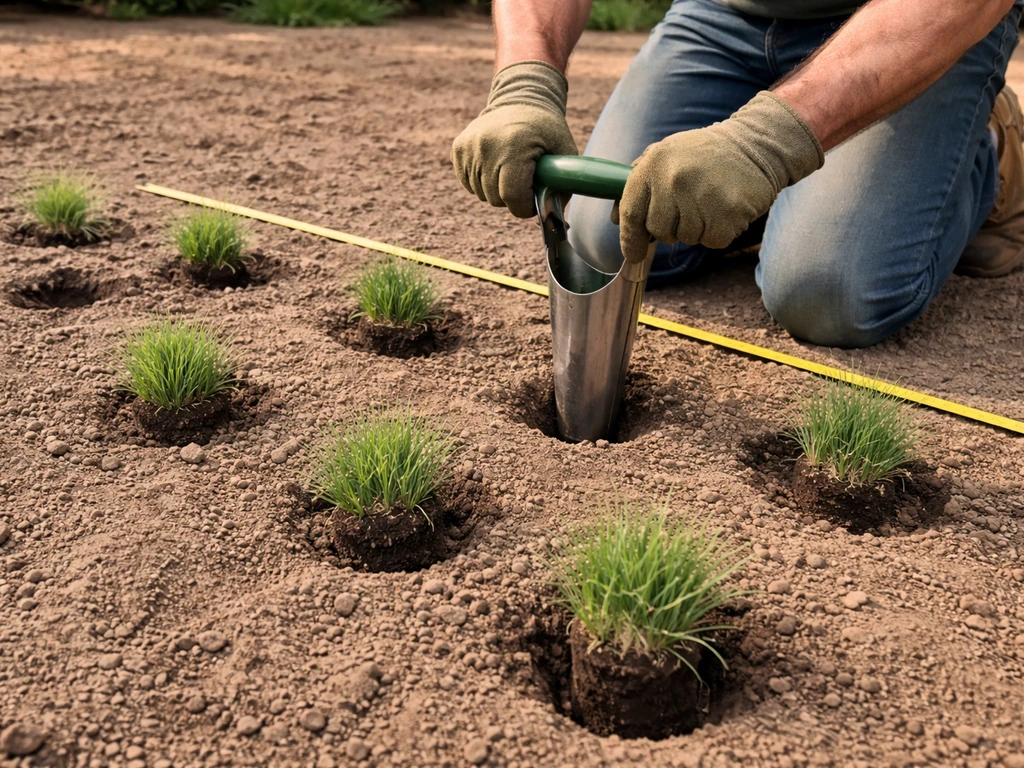
- Prepare the seedbed the same way: kill existing vegetation, till lightly, rake smooth.
- Dig holes or use a bulb planter on 12–18 inch centers across the entire area.
- Set plugs so the crown is at or just above soil level. Backfill and firm soil around each plug.
- Water immediately and begin the plug watering schedule: 3–5 short irrigation cycles per day for the first 7–10 days, then taper off as roots establish.
- Sod plugs should be at least 2 inches square for reliable establishment. Larger plugs (3–4 inches) establish faster.
Sodding step by step
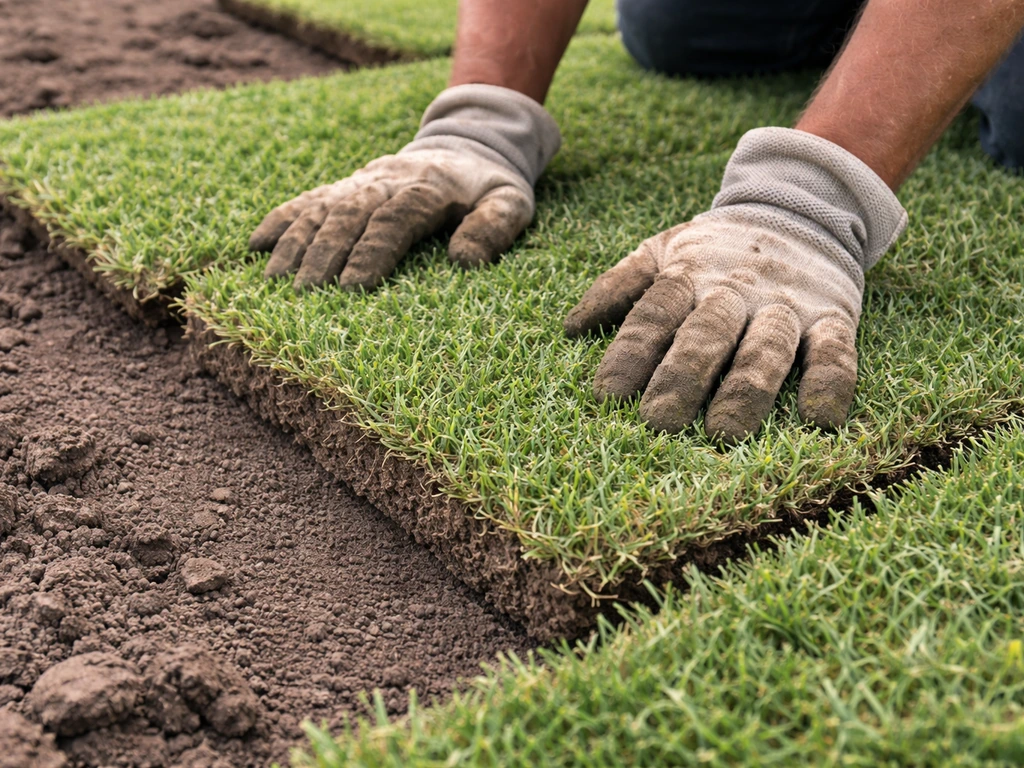
- Prepare the soil surface as above. Grade so the finished sod surface will be 1 inch below sidewalks and driveways.
- Lay sod in staggered rows, tight against each seam with no gaps. Avoid stretching sod.
- Roll the sod after laying to ensure firm contact with the soil.
- Water within 30 minutes of installation and follow the post-plant irrigation schedule for sod.
Watering, germination, and early care
Establishment watering schedule
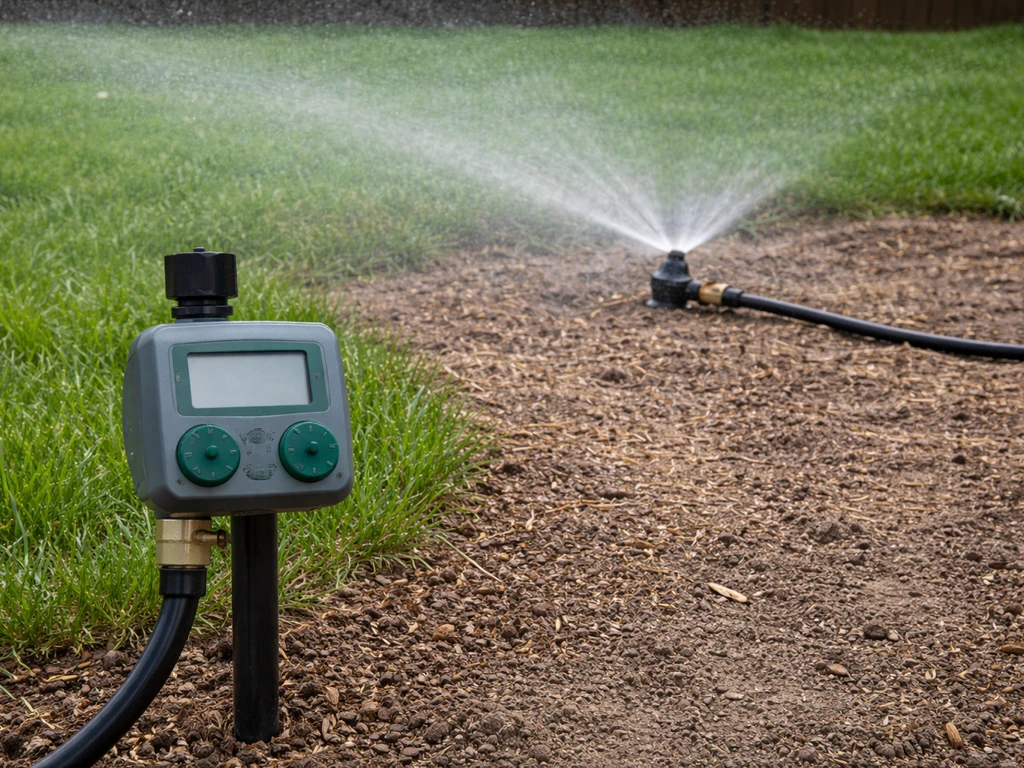
Watering during establishment is where most buffalo grass lawns succeed or fail. For example, the USDA NRCS East Texas Plant Materials guide notes that buffalograss establishment can be done through direct seeding or vegetative methods and emphasizes watering to help prevent the soil surface from drying out buffalograss can be established by direct seeding or vegetative methods. The schedule below is for irrigated sites where soil temperature has reached 50°F. If you are on a sandy site, lean toward the more frequent end. If you get some rain, back off accordingly.
| Week | Seeded Sites | Plug / Sod Sites |
|---|---|---|
| Week 1 | Daily irrigation to keep surface moist | 3–5 short cycles per day (every 2–4 hours), water every other day for plugs/sod |
| Week 2 | Every other day | Every third day |
| Week 3 | Every third day | Once per week if less than 1/4 inch rain since last watering |
| Weeks 4–5 | Taper to once weekly as stand develops | Once per week or rely on rainfall |
Keep the irrigation amounts shallow and frequent early on. Deep watering during germination encourages the seeds to rot or the surface to crust. Once seedlings are up and growing, shift toward deeper, less frequent water to encourage root depth.
What to expect with germination
With treated (hulled) seed at the right soil temperature and consistent moisture, you should see germination beginning in 7–14 days. Burr seed can take 3–4 weeks or longer. Do not panic if the stand looks thin at 2 weeks, buffalo grass fills in laterally through stolons, so what starts as scattered seedlings will gradually knit into a lawn over the summer. Full coverage from seed typically takes 8–12 weeks under good conditions.
First mowing and weed control
Hold off on mowing until seedlings reach about 3–4 inches. The first mow should be set high (around 3–4 inches) and only remove the top inch or so. Cutting too low too early stresses young plants and invites weeds. Keep your mowing height in the 2.5–4 inch range during the establishment period.
Weed control during establishment requires a careful approach. Some herbicides can be applied at seeding time. Tenacity (mesotrione) is one option that is labeled for use at seeding and after emergence for buffalo grass. Dimension (dithiopyr) is another tool used during establishment. Products like Drive, Dismiss, and SquareOne have also been used safely during buffalo grass establishment. Always read the label for the product you choose, rates and timing vary, and misapplication can damage young grass. Barricade (prodiamine) can be applied approximately 60 days after spring seeding to prevent a second flush of weeds.
Maintenance after your lawn is established
Watering
Once established, buffalo grass is genuinely drought-tough. In most areas, watering once every 1–2 weeks is adequate through the summer. This is a dramatic shift from the establishment schedule. Overwatering an established buffalo grass lawn actually causes problems: it promotes shallow roots, encourages weed competition, and can allow other grass species to invade. Less is more once your stand is solid.
Fertilizing
Buffalo grass is a low-fertility grass. The recommended nitrogen rate for established buffalo grass is 0–2 lb of actual nitrogen per 1,000 sq ft per growing season. Applying more than about 2 lb total N per 1,000 sq ft per season does not produce meaningful improvement in color or growth, and it actively increases weed pressure by favoring weed species over buffalo grass. A single application of 1 lb N in late spring or early summer is plenty for most lawns. If your soil test shows good existing fertility, you may not need to fertilize at all.
If you planted from plugs or sod, a light starter fertilizer at planting and then a follow-up application 6–7 weeks later can support early establishment. After that, stick to the low-N approach.
Mowing height and frequency
Keep your mower set between 2.5 and 4 inches for a home lawn. Buffalo grass grows slowly and has a natural height that stays relatively low, so you may find you only need to mow every 2–3 weeks during peak growth. Mowing too low stresses the grass and opens the canopy to weed encroachment. If you want to really dial in your approach and push for a faster, denser lawn, the tips in this article on how to make buffalo grass grow fast are worth reading.
Dealing with bare spots
Buffalo grass spreads via stolons, so small bare spots will often fill in on their own if the surrounding grass is healthy. For larger bare areas, the fastest fix is to transplant plugs from a thick section of your lawn into the bare zone, or buy additional plugs and install them on 12-inch centers in the problem area. Keep those plugs watered on the establishment schedule until they root in.
Troubleshooting: patchy growth, weeds, drought stress, and slow establishment
Patchy or thin coverage
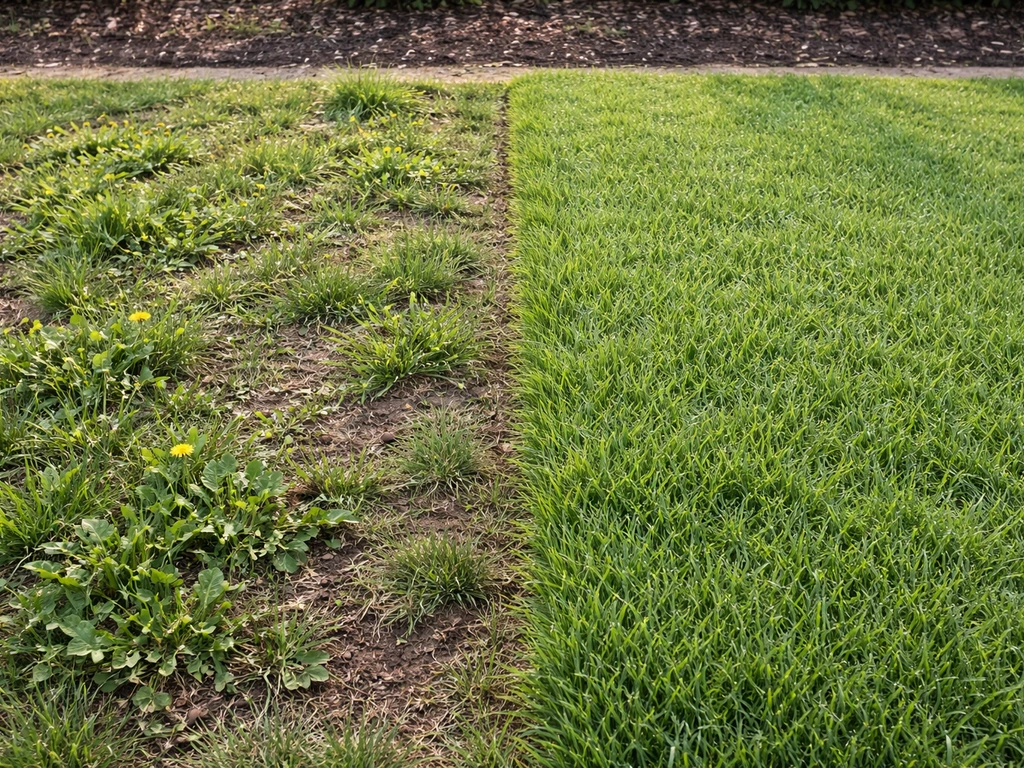
The most common reasons for patchy growth are inconsistent watering during establishment, shade from trees or structures, soil variability (low spots, compacted areas, or spots with poor drainage), and inadequate seed-to-soil contact. Walk your lawn and look for patterns. If the thin areas are consistently under trees or on the north side of the house, that is a shade problem and buffalo grass may never fill there reliably. If patchiness seems random, suspect watering coverage gaps or subsurface soil problems.
Heavy weed pressure
Weeds during establishment are almost inevitable. The best defense is a dense stand of turf-type buffalo grass (which competes better than native types), proper watering that does not favor broad-leaf weeds, and targeted herbicide use. Do not let broadleaf weeds go to seed in a newly establishing lawn, mow or hand-pull them before seed set, even if the grass is still filling in. Once your buffalo grass is thick and established, it will crowd out most weeds on its own.
Drought stress during establishment
If you are establishing during a hot, dry period and you see seedlings wilting or going dormant before the stand is full, you are likely under-watering or watering at the wrong time of day. Water in the early morning. Avoid evening watering (increases disease pressure) and midday watering (too much evaporation loss). If you are in a region where summer heat is extreme, consider targeting a late-spring establishment window before peak summer heat hits.
Slow establishment
If your buffalo grass seems stalled after 4–6 weeks, the most likely culprits are soil temperature that dropped back below 50°F, poor seed-to-soil contact, seed planted too deep or too shallow, or a seed lot with low germination rate. Check your seed source: treated, hulled seed from a reputable supplier will outperform bargain seed every time. If you are comparing buffalo grass to other native or specialty turf species and are unsure which direction to go, the article on how to grow bent grass is a useful comparison point to understand how establishment timelines and requirements differ between low-maintenance grass types.
Regional adjustments
If you are in Nebraska, Kansas, or Colorado, you have a little more flexibility on timing because your summers are warm but not brutally hot. Plant in late May to mid-June when soil temperatures are solidly above 50°F. In Texas and Oklahoma, you can often get started in early May. In higher elevations or northern fringe areas, wait until late May to be safe and make sure you have at least 10–12 weeks of warm growing season ahead before fall frost arrives. The principle of establishing a solid, region-specific lawn from seed is something the guide on how to grow American grass covers broadly if you want to understand how regional timing affects warm-season lawn success more generally.
Buffalo grass rewards patience and proper setup. Get the soil ready, choose a turf-type cultivar, hit your timing window, and follow the watering schedule during establishment. After that, it is genuinely one of the easiest lawns to maintain in the right climate. The biggest mistake most people make is treating it like other turf grasses, over-watering, over-fertilizing, and mowing too low. Back off on inputs, give it sun, and it will handle the rest.
FAQ
What if I do not know my soil temperature, can I still figure out when to seed buffalo grass?
In most of the buffalo grass belt, the safest window is when soil temperature stays above 50°F, which often lines up with late spring to early summer. If you want a simple check, track soil temp at planting depth (about 2 inches) and only seed or set plugs when you expect that warmth to hold long enough for roots to form before fall cools.
Can I grow buffalo grass in shade, or should I pick a different grass?.
Yes, but only if you can manage establishment moisture and weed pressure. Buffalo grass is drought-tolerant once rooted, but newly planted seed needs consistent surface moisture to germinate, and shade delays lateral spread, so expect slower fill-in and more open ground for weeds.
My buffalo grass looks patchy early on, when should I take action?
You should not rely on “thin” areas at 2 weeks as a final result, but you also should not ignore persistently bare patches after 6 to 8 weeks. Use a quick dig test, gently check for rooted seedlings, and if you see no rooting plus poor density, add plugs (or sod) into the problem zone instead of continuing the same watering pattern.
What are common herbicide mistakes people make when establishing buffalo grass?
Apply herbicides only when the label says it is safe for buffalo grass at your life stage, and never mix products or apply extra “to make it work.” If you used turf-appropriate pre-emergents or targeted post-emergents, avoid spot-spraying repeatedly, because overspray can stunt young plants and slow lateral fill.
Should I fertilize buffalo grass to help it thicken faster?
For buffalo grass, more fertilizer usually means more weeds and slower recovery. As a practical rule, stick to 0 to 2 lb actual nitrogen per 1,000 sq ft per year once established, and only consider starter fertilizer at planting for plugs or sod (plus a light follow-up 6 to 7 weeks later).
How high should I mow buffalo grass during the first season?
Mow high enough to avoid scalping. If the stand is new, wait until seedlings are about 3 to 4 inches tall, then remove only the top inch, keeping the mowing height in the 2.5 to 4 inch range during establishment. Cutting lower exposes soil, which invites weeds and slows lateral knitting.
What watering schedule should I follow if my lawn does not have an irrigation system?
Watering depth and timing matter more than total gallons. During germination, keep irrigation shallow and frequent to prevent rot and crusting, then gradually shift to deeper, less frequent watering once seedlings are established so roots push down. Also, water early morning to reduce disease risk if nights stay humid.
Is sod or seeding better for a slope or erosion-prone area?
If you are on a slope or have erosion risk, sod usually gives the most reliable immediate cover. If you must seed, reduce washout by using seed or plugs with good soil contact (firming after seeding), light mulch as allowed by your seed product, and irrigate more frequently in short cycles rather than one long soak.
How do I avoid buying the wrong buffalo grass seed or plugs?
Mix-ups can happen when people buy native-type buffalo grass or unlabeled seed blends. For a home lawn that establishes densely, look for named turf-type cultivars and treated (hulled or scarified) seed, because the treated seed improves germination speed and uniformity compared to burr seed.
Can I start buffalo grass from plugs or sod in a year with a short warm season?
Yes, but plan for a slower timeline and more aggressive weed prevention. Treat the first season like an establishment project, prioritize adequate sun exposure (even if partial), and consider overseeding or plug “patching” after initial fill if bare zones remain once warm weather stabilizes.
Next Article
How to Grow Grass in El Paso TX: Seed, Plant, and Care
Step-by-step guide to grow grass in El Paso: pick Bermuda, Zoysia or fescue, prepare soil, seed timing, watering, fixes.