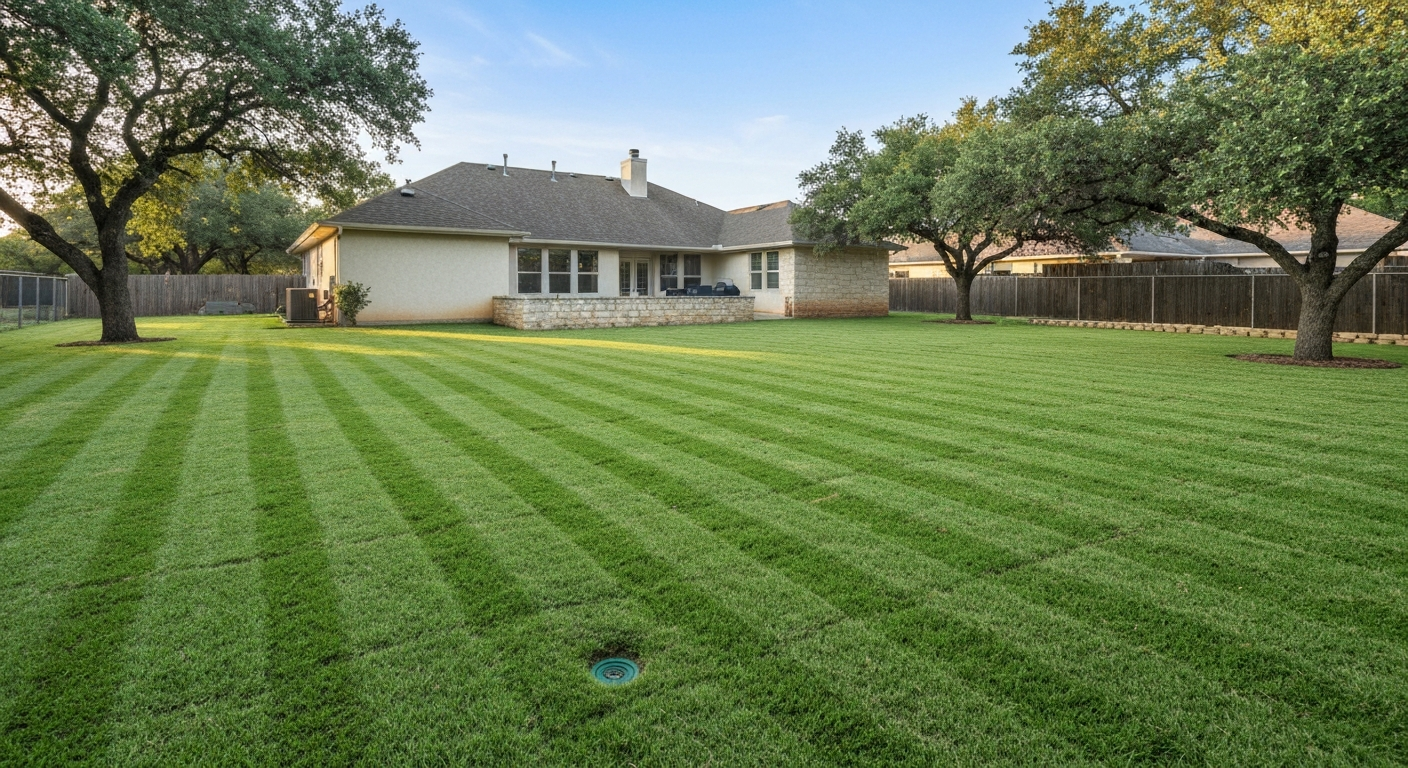
Korean grass is a variety of zoysiagrass (most often Zoysia japonica) that forms a dense, low-growing, wear-tolerant lawn. It establishes best when planted in late spring through early summer, once soil temperatures are consistently above 65°F. If you want the fastest results, plug or sod installation beats seeding by weeks, but seed works fine if you time it right, prep your soil well, and stay consistent with watering in the first 3 to 4 weeks.
How to Grow Korean Grass Fast: Step-by-Step Guide
Marcus Tillwell
23 Jun 2026
What Korean grass actually is and where it thrives
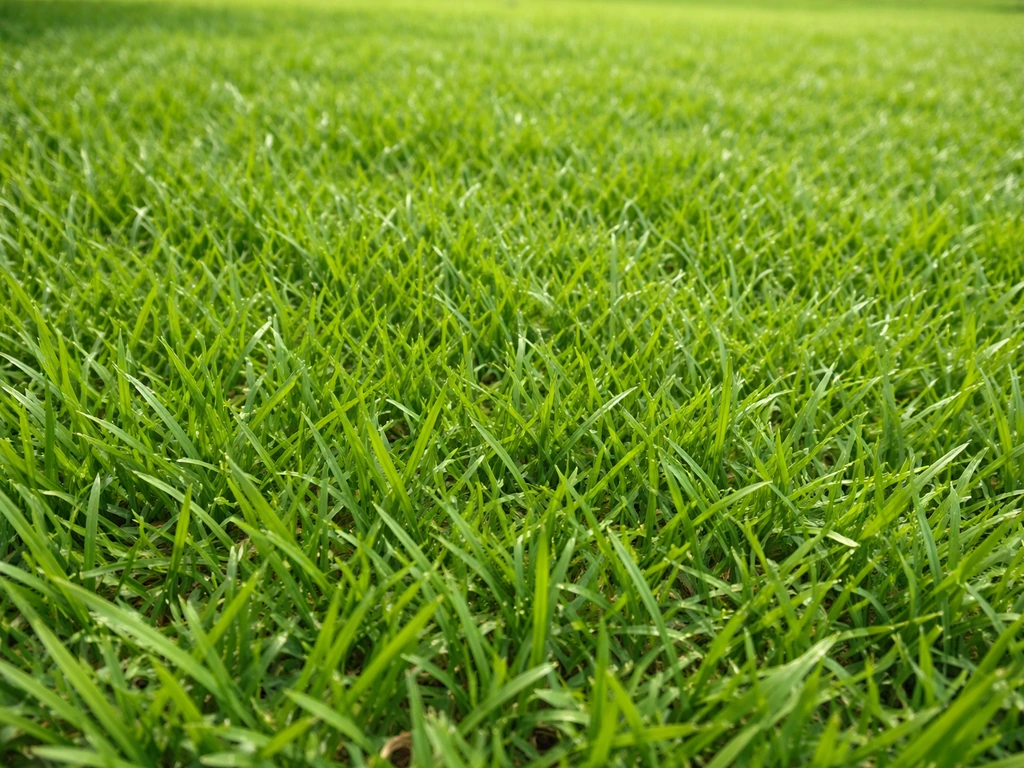
Korean grass and Japanese lawngrass are two common names for the same species: Zoysia japonica. In turfgrass circles the names are used interchangeably, and most bags of zoysiagrass seed at garden centers are this species. You'll also sometimes see Zoysia matrella referred to as Korean grass, especially for finer-textured varieties. Zoysia tenuifolia is treated as a synonym of Zoysia matrella var. matrella in turfgrass commerce and literature. Both are warm-season perennial grasses that spread by both stolons (above-ground runners) and rhizomes (below-ground runners), which is exactly why they eventually form that famously thick, weed-suppressing mat.
This grass is built for heat, humidity, and sun. If you’re wondering how to grow China grass, start by matching those needs with warm-season sun and consistent moisture during establishment heat, humidity, and sun. It performs best across the transition zone and the Southeast US, including Georgia, the Carolinas, Texas, and Florida, though it can work in parts of the Pacific Coast and other warm, humid climates too. It tolerates light shade, though Z. matrella handles shade a bit better than Z. japonica. One honest caveat: zoysia goes dormant and turns tan in winter, which surprises homeowners in cooler transition-zone states. If you need green turf year-round, that's worth knowing upfront.
The best time to plant for fast establishment
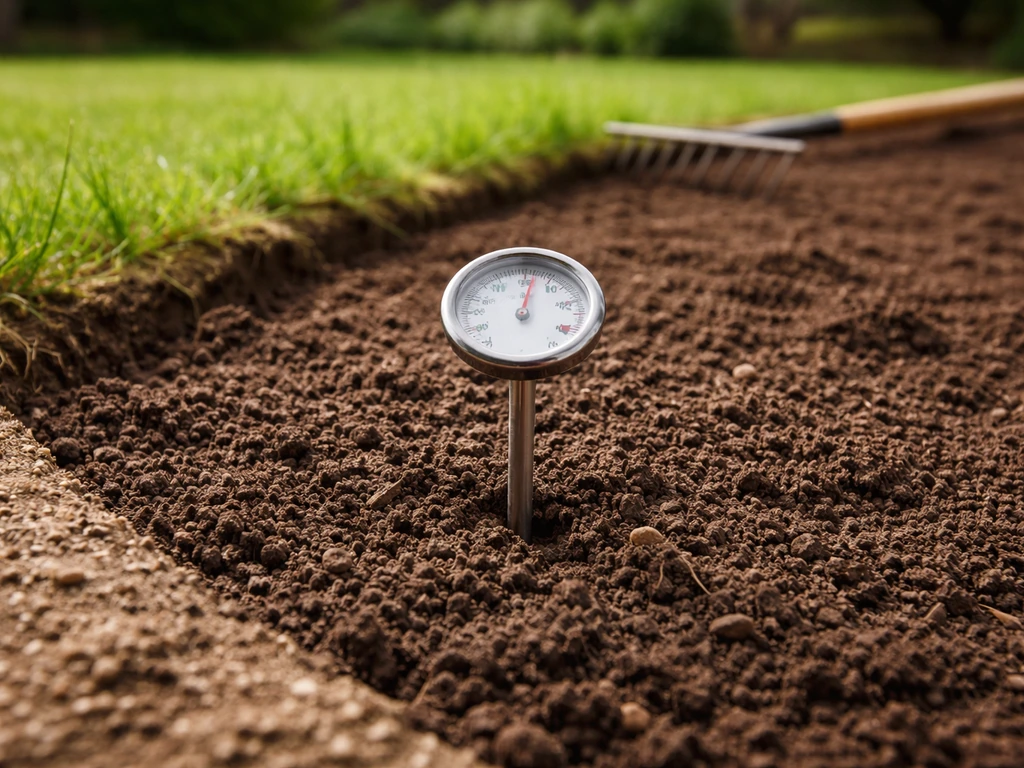
Timing is probably the biggest lever you have for speeding things up. Zoysia is a warm-season grass, which means it germinates and roots best when soil temperatures are between 65°F and 85°F. In practical terms that's late spring to early summer, roughly mid-April through June in most of the Southeast and transition zone. If you're reading this in late June 2026, you're right inside that window for most warm climates. Planting now means the grass has the entire summer growing season to fill in before it goes dormant in fall.
Avoid planting in late summer or early fall. It seems logical to plant before cool weather, but zoysia needs several months of warmth to root and spread before dormancy. Planting in August or September almost always results in thin, weak turf that can't survive winter. Spring planting, even if the grass looks slow at first, gives you far better results by October.
Soil prep that actually makes a difference
Don't skip this step. Seed or plugs sitting on compacted, nutrient-poor soil will germinate poorly no matter how well you water. Start with a soil test if you can get one (your local cooperative extension office usually offers these for $15 to $20). Zoysia prefers a soil pH of 6.0 to 7.0. If you're in the acidic Southeast, you may need to add lime to bring the pH up. Sandy soils need organic matter like compost worked in to improve water retention; clay soils need core aeration and possibly gypsum or compost to loosen structure and reduce crusting.
Here's a simple prep sequence that works for most homeowners:
- Mow existing vegetation as short as possible and remove debris.
- If starting from scratch, kill existing weeds and grass with a non-selective herbicide (like glyphosate) 2 weeks before planting, then wait for it to fully break down.
- Till or rake the top 2 to 3 inches of soil to break up the surface and remove rocks or clumps.
- Work in 1 to 2 inches of finished compost if your soil is sandy or very clay-heavy.
- Add a starter fertilizer (low nitrogen, higher phosphorus such as 10-20-10) at label rate to support root development.
- Rake the surface smooth and level. You're looking for a firm, crumble-textured seedbed, not loose fluff.
If your site is heavily compacted clay, consider renting a core aerator before tilling. Running an aerator over compacted ground before you add amendments gets organic matter deeper and gives roots somewhere to go early on.
How to plant Korean grass: seeding rate, method, and getting good coverage
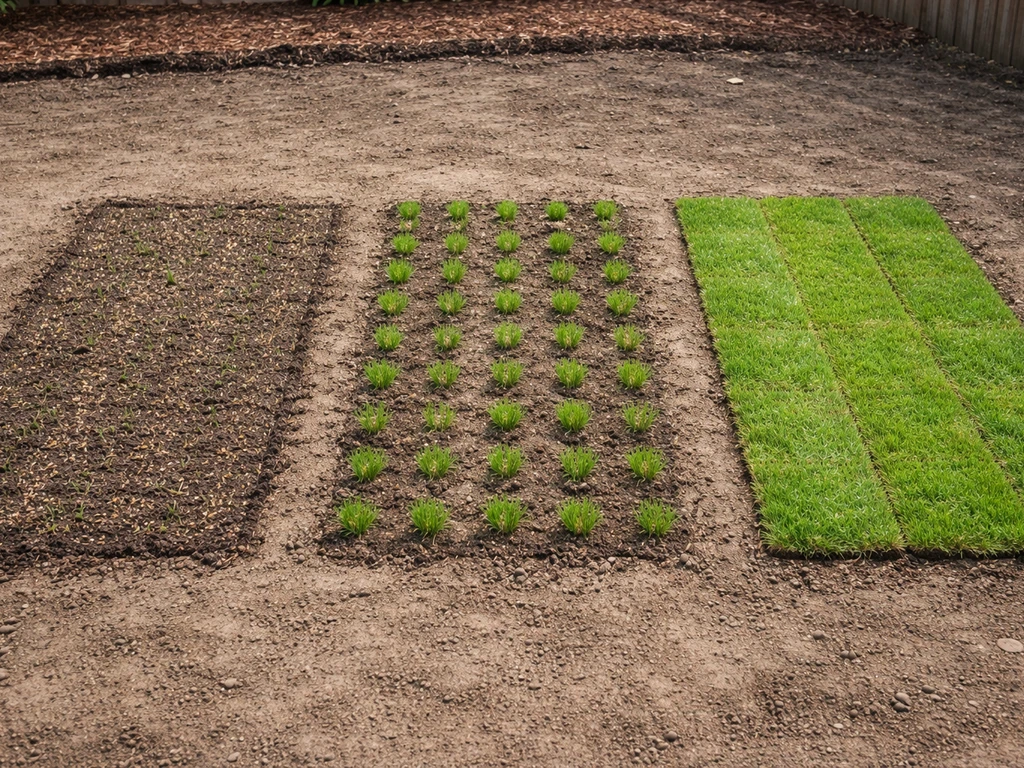
You have three options for establishment: seed, plugs, or sod. If you are specifically wondering how to grow kusha grass, you can follow these same planting options and timing principles for best establishment seed, plugs, or sod. Sod is the fastest but the most expensive. Plugs are a middle ground and work well for filling an existing lawn. Seeding is the cheapest method but requires the most patience, typically 14 to 21 days to germination and a full growing season to fill in completely.
Seeding
For seeding, use a seeding rate of 1 to 2 pounds of hulled zoysia seed per 1,000 square feet. Hulled seed (with the outer hull removed) germinates faster than unhulled, so always go hulled if you want quicker results. Split the seed into two equal passes and sow perpendicular to each other for even coverage. If your goal is how to make kikuyu grass grow faster instead, the biggest levers are similar, especially timing and consistent early watering. A broadcast spreader works well for larger areas; for small patches you can hand-broadcast and rake lightly.
The single most important thing after sowing is seed-to-soil contact. Press the seed into the soil surface by rolling with a lawn roller (you can rent one for about $40 a day) or by walking the area in flat-soled shoes. Seed sitting on top of loose soil or thatch will dry out and fail. After rolling, apply a thin topdressing of fine compost or straw mulch (not hay, which contains weed seeds) at about 1 bale per 1,000 square feet to hold moisture and reduce surface crusting.
Plugs
Plugs go in on a grid pattern, typically 6 to 12 inches apart. Closer spacing means faster fill-in. Plant plugs at the same depth they were in the tray, firm the soil around them, and water immediately. If you're filling bare spots in an existing lawn, plugs are usually the most practical and affordable fix.
Sod
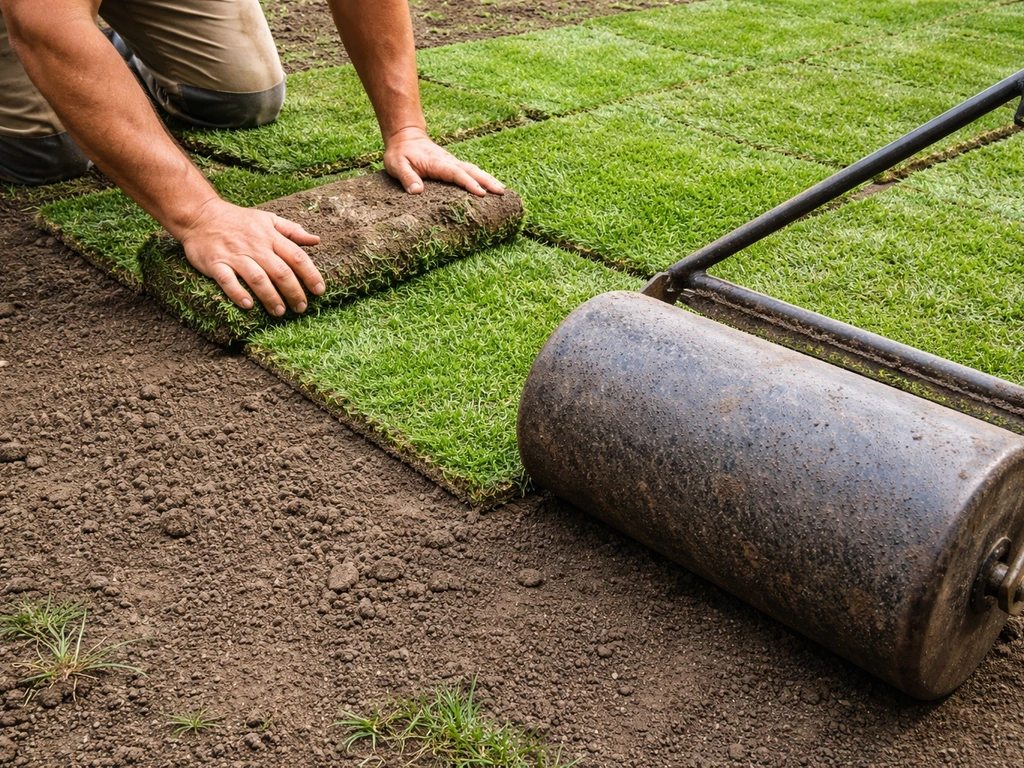
Sod gives you near-instant coverage and the lawn is usable in 2 to 3 weeks once rooted. Lay it on a moist, prepped seedbed, stagger joints like brickwork, roll after laying, and water immediately. It's the best option if you need results fast and budget isn't the primary concern. If you are wondering how to grow kikuyu grass instead, the process is different, so it helps to follow kikuyu-specific planting and watering tips.
Watering and care in the first few weeks
This is where most people either succeed or fail with zoysia. The seed (or plugs) must stay consistently moist until germination, but you can't waterlog the soil or you'll encourage disease and runoff.
| Phase | Frequency | Duration/Amount | Goal |
|---|---|---|---|
| Seeding to germination (days 1–21) | 2–3 times per day | 5–10 minutes per zone (light, frequent) | Keep soil surface moist without runoff |
| Early sprouting (weeks 3–5) | Once daily, early morning | 10–15 minutes per zone | Encourage shallow roots to chase moisture down |
| Establishment (weeks 5–10) | Every 2–3 days | 20–30 minutes per zone (deeper watering) | Drive roots deeper, reduce surface dependence |
| Fully rooted lawn | 1–2 times per week | About 1 inch per week total | Maintain without overwatering |
The key shift to understand is moving from frequent, shallow watering during germination to deep, infrequent watering once shoots are visible. If you keep watering lightly forever, roots stay shallow and the lawn becomes drought-sensitive. Once you see consistent green sprouts (around week 3 for seeded lawns), start stretching the interval between waterings to push roots downward.
For fertilizer, wait until the grass has germinated and is actively growing, usually 4 to 6 weeks after seeding. Then apply a balanced slow-release fertilizer like 16-4-8 at label rate. Don't over-fertilize a newly seeded lawn, it pushes leaf growth before the roots are ready and can cause stress.
Weed control, mowing, and keeping the establishment on track
Weed control during establishment is tricky because most preemergence herbicides will also prevent zoysia seed from germinating. If you're seeding from scratch, skip preemergence products until the lawn has been mowed at least 3 to 4 times. Instead, rely on a dense, properly mulched seedbed to suppress weeds early on. Hand-pull any large weeds that pop up in the first few weeks rather than reaching for a spray.
For plugs and sod, you can apply a preemergence herbicide before installation if you time it at least 6 to 8 weeks out from the planting date, following label instructions for re-seeding intervals. Once the zoysia is fully established, its density is one of the best natural weed suppressors available in warm-season grasses, which is one of the reasons people choose it.
Wait to mow until the grass reaches about 2 to 2.5 inches. For seeded lawns that's usually 5 to 8 weeks after germination. Set your mower to cut at 1 to 1.5 inches for Z. japonica types (up to 2 inches if you want a slightly softer look). Never remove more than one-third of the blade height in a single mowing. Mowing too short too early stresses new seedlings badly.
Troubleshooting: bare spots, slow germination, and other common problems
Germination is taking forever
Zoysia seed is naturally slow to germinate, often 14 to 21 days under ideal conditions and up to 30 days if temperatures dip or the surface dries out. Before you give up, check soil temperature. If it's below 65°F, germination will stall. Also check whether you used hulled seed: unhulled seed can take twice as long. If everything checks out but germination is patchy, the likely culprit is poor seed-to-soil contact or surface crusting. Lightly rake the surface to break up any crust and water again.
Bare spots won't fill in
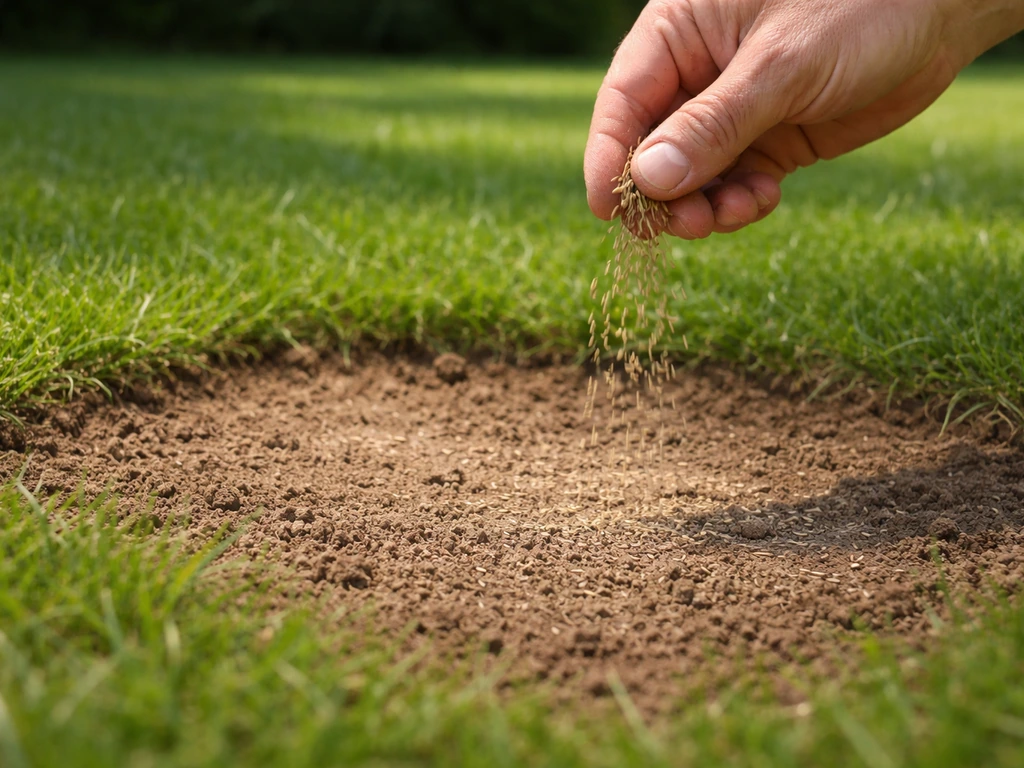
Zoysia spreads slowly by rhizomes and stolons, so bare spots in a seeded lawn can take a full growing season to fill naturally. Speed this up by overseeding those areas in late spring, or by pressing in a few plugs directly into bare patches. Make sure the bare areas aren't shaded, compacted, or sitting in a drainage low spot, those conditions will keep them bare no matter how much seed you throw down.
Shade is causing thin or dead patches
Zoysia grows best in full sun and tolerates only light shade (about 4 to 6 hours of direct sun per day). If you're trying to grow it under heavy tree canopy, you're fighting a losing battle. Zoysia matrella varieties handle shade better than Z. japonica, so if shade is a consistent issue, switch to a matrella type or consider a shade-tolerant alternative like fine fescue for those spots. Don't keep reseeding a shady area expecting different results.
Runoff washing seed away
If your yard has any slope, watering too heavily at once will wash seed into low spots or off the site entirely. Stick to short, frequent watering cycles during germination (5 to 10 minutes at a time) and use straw mulch to anchor seed in place. On slopes steeper than about 10 degrees, plugs or sod are a much better choice than seed.
Clay soil causing standing water and poor rooting
Dense clay that holds water after rain creates anaerobic conditions that prevent zoysia from rooting. If you're dealing with this, core aerate before planting, work in coarse sand and compost (at least 2 inches incorporated to 4 to 6 inches depth), and avoid overwatering. Once zoysia is established it handles drought very well, but waterlogged clay during establishment is a quick way to lose a new planting.
Picking the right variety and matching your climate
Most "Korean grass" seed sold at retail is Z. japonica. It's the coarser-textured, more cold-tolerant type and the easiest to establish from seed. If you're in the deep South (Florida, coastal Gulf Coast), Z. matrella gives a finer texture and better shade tolerance but is typically only available as sod or plugs, not seed. If you're in the upper transition zone (Virginia, Missouri, Kansas), look for named Z. japonica varieties specifically bred for cold tolerance, like 'Meyer' or 'Zenith', which are proven performers in marginal climates.
| Type | Texture | Cold Tolerance | Shade Tolerance | Best Establishment Method | Best Climate |
|---|---|---|---|---|---|
| Zoysia japonica (Korean/Japanese lawngrass) | Medium-coarse | Good (transition zone friendly) | Low to moderate (full sun preferred) | Seed, plugs, or sod | Southeast US, transition zone, Texas |
| Zoysia matrella (Manila grass) | Fine | Moderate | Better than japonica | Plugs or sod only | Deep South, Gulf Coast, Florida |
| Zoysia tenuifolia (Mascarene grass) | Very fine | Low | Low | Plugs or sod | Tropical/subtropical only |
If you're in a region where zoysia is borderline (like northern Virginia or coastal California), go with Z. japonica and plant as early in the warm season as possible to maximize the establishment window. Zoysia is a better fit for hot, humid climates than cool, dry ones. For purely cool-season climates, a different grass type will perform much better.
It's also worth comparing zoysia to other warm-season grasses used in similar climates. Kikuyu grass, for instance, is another aggressive spreader that some homeowners use in transition-zone and subtropical lawns, though it behaves quite differently in terms of spread rate and invasiveness. Kikuyu, for example, is commonly grown from runners, so you’ll want to transplant healthy runner segments and keep the soil lightly moist until new roots form how to grow kikuyu grass from runners. The right choice always comes back to your specific climate, sun exposure, and how much maintenance you're willing to do.
Your next steps right now
If you're planting in late June, you're in a good window for most of the South and transition zone. If you want a full walkthrough, the steps for planting, spacing, and early watering are the same for growing khus grass, too planting in late June. Get a soil test done or at least check your pH with an inexpensive home kit, pick up hulled Z.
japonica seed (or plugs for faster results), prep the seedbed properly, and commit to that twice-daily watering for the first three weeks. The grass will reward consistency. The biggest mistakes are planting too late in the season, skipping soil prep, and giving up on watering during that critical first month. Nail those three things and you'll have a lawn filling in by late summer.
FAQ
Can I grow Korean grass from seed year-round, or is timing critical?
Yes, but only if you match the grass’s warm-season window. Korean grass will not establish well if soil stays below about 65°F. If you’re planting outside late spring through early summer, expect slow rooting, higher dieback risk, and a thinner lawn by winter.
What should I do if my Korean grass seed germination is patchy?
For seeded lawns, assume you may need 30+ days for full, even emergence if temperatures are cool or the surface dries. Don’t re-seed a patch until you’ve verified soil temp is staying above 65°F and you see whether seed-to-soil contact is poor or crusted.
How do I know whether I actually need lime for Korean grass?
Use a home kit to check pH first if you cannot get a soil test, but don’t lime “by guess.” Apply lime based on results, and re-test if you make a larger correction, because overshooting pH can limit nutrient availability and slow establishment.
How much should I water Korean grass during the first month, and what counts as too much?
Aim for consistently moist, not saturated. A quick check is to dig a small plug area 1 to 2 inches after watering, the soil should feel evenly damp, not muddy. If you see runoff or standing water, shorten the watering cycle and improve drainage before continuing.
When is it safe to mow Korean grass that was planted by seed or plugs?
Yes, mowing too early is one of the quickest ways to set seeded zoysia back. Wait until it reaches about 2 to 2.5 inches, and keep the cut high at first (around 1 to 1.5 inches for Z. japonica). If you must mow, remove less than one-third of the blade each time.
Should I fertilize Korean grass immediately after seeding or sodding?
Lime or fertilizer in the first weeks is a common mistake. For seeding, wait until you see active growth, typically 4 to 6 weeks after germination, then use a balanced slow-release fertilizer at label rate. Overfeeding early can push top growth before roots are established.
Will Korean grass fill in under tree shade if I keep watering and reseeding?
If you have heavy shade, the best move is to either choose a more shade-tolerant Z. matrella variety (when available) or choose a different grass for that area. Expect thin, slow recovery in deep canopy, reseeding won’t fix the root cause if light is consistently low.
What’s the best way to establish Korean grass on a slope without losing seed?
Yes, and it matters on slopes. Seed can wash into low areas or off the site if watering is too heavy. Use shorter watering cycles during germination, anchor seed with straw mulch, and for slopes steeper than about 10 degrees use plugs or sod instead of seed.
My Korean grass looks like it’s not growing at all after a few weeks. Why, and how do I troubleshoot?
Common causes are poor seed-to-soil contact and surface crusting. Roll or press again if the surface is loose, rake lightly to break crust if emergence is stalled, and then water appropriately to keep the top layer evenly damp.
How do I care for Korean grass sod in the first 2 to 3 weeks after installation?
Sod can look “alive” quickly, but root anchoring takes time. Don’t treat it like it’s finished once it’s green; keep watering until roots knit into the soil, then gradually reduce. Also avoid walking on seams for the first couple weeks to prevent joint separation.
How can I speed up Korean grass fill-in for bare spots in a mixed lawn?
If your goal is a uniform lawn, spot repair can still work. Overseed bare patches in late spring and press seed in for contact, or plant a few plugs directly into cleaned, prepared bare soil. Also confirm bare zones aren’t drainage lows or consistently compacted areas.
What lawn maintenance mistakes should I avoid in the first season after planting Korean grass?
Korean grass is usually not tolerant of full cool-season lawn maintenance habits, like frequent aggressive dethatching during establishment. For the first season, prioritize correct watering, mowing height, and weed control timing, then adjust other lawn practices once it’s fully established.
Can I use preemergence herbicides while establishing Korean grass from seed, plugs, or sod?
If you used a preemergence herbicide incorrectly, you can prevent seed germination. For seeding from scratch, skip preemergence products until after you’ve mowed several times, and for plugs or sod only apply with proper timing relative to installation, follow the label re-seeding guidance exactly.
Next Article
How to Grow Grass in San Antonio Texas: Step-by-Step Guide
How to grow grass in San Antonio: best turf choices, planting windows, soil prep, watering schedules and troubleshooting