Citronella grass (Cymbopogon nardus or C. winterianus) is a fast-growing, clump-forming tropical grass that can reach 5 to 6 feet tall and 4 to 5 feet wide when happy. It's a tender perennial that survives year-round only in USDA zones 10–12, but you can grow it as an annual or a container plant everywhere else. The fastest way to get an established clump is to start from divisions or plugs rather than seed, divisions root in about 3 weeks and start tillering (sending out new shoots) by week 4. If you're in a frost-prone zone, plant it outdoors after your last frost date when soil temps are consistently above 65°F, keep it well-drained, and plan to bring containers inside before temperatures drop below 40°F.
How to Grow Citronella Grass Step by Step Today
Marcus Tillwell
9 Jun 2026
What citronella grass actually is (and what it won't do)
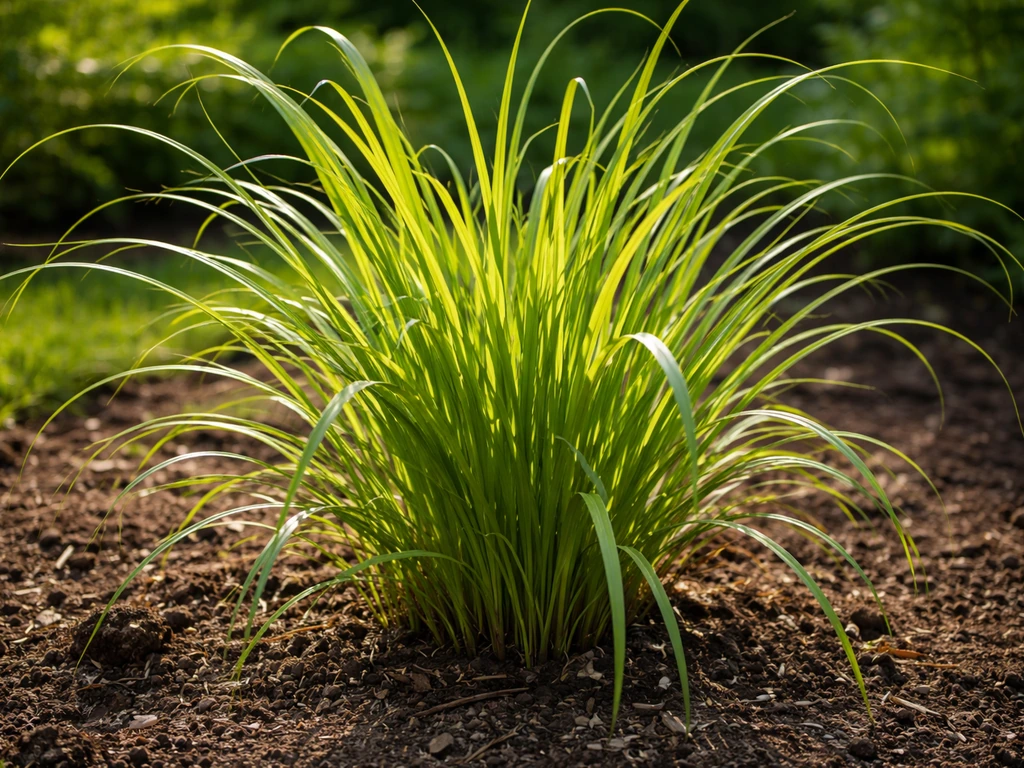
Citronella grass is a member of the Cymbopogon genus, the same family that gives us lemongrass. The Cymbopogon genus (including common “citronella grasses” like C. nardus and C. winterianus) describes plants that can grow to about 2 m tall with magenta-colored base stems member of the Cymbopogon genus. The two species most often sold as 'citronella grass' are C. nardus (Sri Lanka citronella) and C. winterianus (Java citronella). Both have the distinctive lemony-citrus scent, distinctive magenta-tinged base stems, and a bold architectural presence in the garden. They're clump grasses, not spreading lawn-style grasses, so they won't creep out and fill a bed on their own.
On hardiness: if you're in zone 10 or warmer, citronella grass is a true perennial that you basically leave in the ground year-round. Zones 8b and 9 are borderline, the roots may survive mild winters with protection, but even a light frost can wipe out the top growth, and a hard freeze is usually fatal. UGA Extension’s care card notes that Cymbopogon is evergreen in USDA zones 10, 11, with roots potentially hardy to about zone 8b, and it also describes lemongrass as a frost-tender clumping perennial zone 8b and 9 are borderline, the roots may survive mild winters with protection. Everywhere cooler than that, treat it as an annual or grow it in a container you can bring inside.
Now for the most important thing to clear up before you plant: citronella grass does not repel mosquitoes just by sitting in your yard. The scent is released when leaves are crushed or disturbed, not simply by the plant being present. Outdoor diffuser studies have shown that citronella in the open air repels roughly 22% of mosquitoes when placed within about 20 feet of a trap, that's a real but modest effect. The CDC recommends EPA-registered repellents like DEET or picaridin for actual mosquito protection and specifically cautions against relying on unregistered plant-based repellents. Grow citronella grass because it smells great, looks dramatic, and is genuinely useful as a culinary and aromatic herb, not because it'll create a mosquito-free zone in your backyard.
Picking the right spot
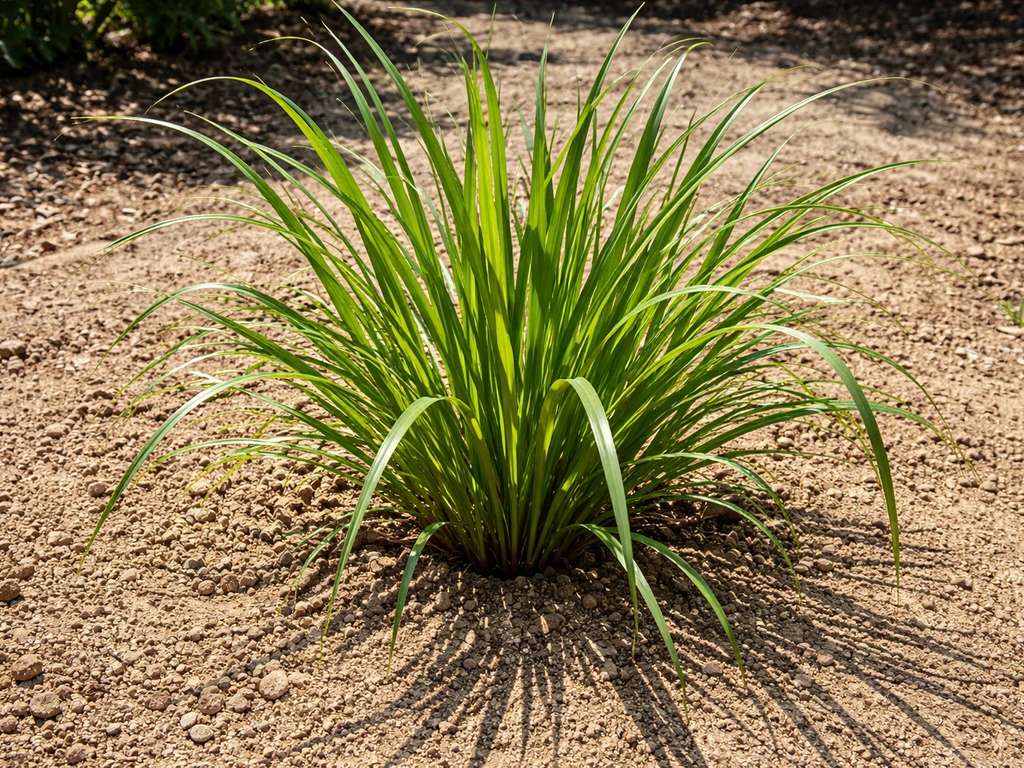
Citronella grass wants full sun, at least 6 hours of direct sun per day, and it'll be happiest with 8. In partial shade it'll grow slowly, stretch toward the light, and become floppy. If your only option is a spot that gets afternoon shade, it'll survive, but don't expect the full 5- to 6-foot drama.
Drainage is non-negotiable. This plant will develop root rot in soggy soil, period. If you have clay soil that holds water after rain, either amend it aggressively with compost and coarse sand, build up a raised bed, or just grow in containers. Sandy-loam is the ideal native texture, it retains just enough moisture while draining freely.
For spacing, each clump can spread to 4–5 feet wide, so give plants at least 4 feet between them if you're planting multiples. This spacing also matters for airflow, which helps prevent fungal issues. In a container, use a pot that's at least 12–14 inches in diameter for a single plant, bigger is better since the roots and clump will expand quickly.
Container vs. in-ground: which is right for you
| Factor | Container | In-Ground |
|---|---|---|
| Best climate fit | Any zone (move indoors in fall) | Zones 10–12 only for perennial use |
| Overwintering | Bring inside before frost | Only possible in zones 9b+ with heavy mulching |
| Growth potential | Slightly limited by pot size | Full 5–6 ft height, 4–5 ft spread |
| Drainage control | Excellent (you control the mix) | Depends on your native soil |
| Soil pH target | 6.0–7.5 | 6.0–7.5 |
| Setup cost | Low to moderate | Low (if soil is already good) |
If you're in zones 7, 8, or 9 and want to keep the same plant year after year, containers are genuinely the smarter choice. You get all the summer performance and you can save the plant over winter without gambling on a hard freeze killing the roots.
How to start: divisions beat seeds every time
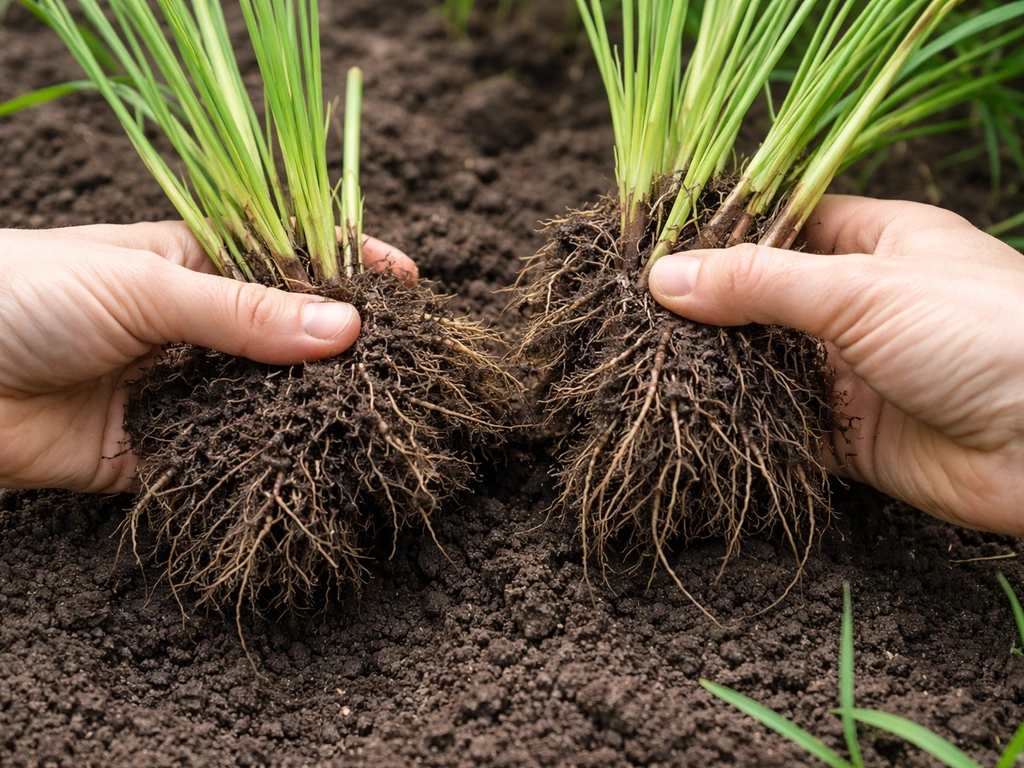
There are three ways to start citronella grass: seed, plugs/nursery transplants, and divisions. Here's the honest breakdown.
- Seed: Possible, but slow and unreliable. Citronella grass from seed requires sustained soil temperatures around 68–86°F to germinate. The process takes much longer than divisions, and with C. winterianus in particular, seed propagation risks producing off-type plants because the species hybridizes easily. Skip seed unless you absolutely cannot find transplants.
- Nursery transplants or plugs: A solid option. You get a known plant, rooted and ready to establish. Look for C. nardus or C. winterianus at specialty herb nurseries or online growers, since big-box stores often mislabel 'citronella plants' (many are actually Pelargonium citrosum, a scented geranium — unrelated and different care needs).
- Divisions from an existing clump: The fastest and cheapest route. A mature citronella clump can be split into multiple sections, each with roots attached. Divisions root easily and begin producing new tillers (side shoots) within about 3–4 weeks of planting.
If you can find a local gardener with an established clump, ask for a division, it costs nothing and gets you ahead by months compared to seed. If not, buy a nursery transplant. If you want an easy way to follow through with the process, you can use these tips to learn how to grow doob grass as well nursery transplant. Either way, you'll have a visible, growing plant by midsummer if you plant at the right time.
When to plant and how to do it
Timing based on your frost zone
Wait until all frost risk is past and nighttime temperatures are reliably above 50°F before putting citronella grass outside. Soil temperature is even more important than air temperature, aim for at least 65°F at planting depth. In most of the continental US, that means late April to early June depending on where you live. If you're in the Deep South or coastal California (zones 9–10), late March to April works. If you're in the Midwest or Northeast, hold off until late May or even early June.
If you're starting from seed indoors, begin 6–8 weeks before your last frost date. Keep the seed tray in a warm spot, a heat mat set to 70–75°F helps a lot. Don't expect fast germination; it can take 2–3 weeks at ideal temperatures. Harden off seedlings for 7–10 days before transplanting outside.
Step-by-step planting method

- Prepare the soil. Dig down 8–10 inches and loosen the bed. Mix in 2–3 inches of compost to improve both drainage and fertility. If your soil is heavy clay, add a layer of coarse horticultural sand as well and consider raising the bed 4–6 inches. Target a pH of 6.0–7.5.
- Dig your planting hole. Make it about twice as wide as the root ball and just as deep — you want the crown (where the stems meet the roots) sitting at the same level it was in the pot or in the ground previously. Planting too deep invites crown rot.
- For divisions: separate sections with a sharp spade or knife, making sure each piece has at least 3–5 stems and a good root mass attached. Trim the leaf blades down to about 6 inches to reduce water stress while roots establish.
- Set the plant in the hole, backfill with your amended soil, and firm it gently around the base. Don't compact it hard.
- Water thoroughly right after planting to settle the soil around the roots.
- Mulch around (not over) the base with 2–3 inches of wood chip or straw mulch to retain moisture and suppress weeds. Keep mulch an inch or two away from the stems to prevent rot.
- For containers: use a well-draining potting mix, not straight garden soil (which compacts in pots). Add perlite (about 20% of the mix) if drainage isn't great. Make sure the pot has drainage holes — non-negotiable.
Watering and fertilizing for fast establishment
For the first 2–3 weeks after planting, water consistently to help roots establish. Keep the soil evenly moist but not soggy, think 'wrung-out sponge' level of moisture. After the clump is established and you see new growth emerging, back off and let the top inch or two of soil dry out between waterings. Overwatering is one of the most common ways to kill citronella grass. If the soil is constantly wet, root rot sets in quickly, and you'll notice it as yellowing lower leaves and a declining, mushy base.
Container plants dry out faster than in-ground plants, especially in summer heat. Check them every day or two in hot weather and water when the surface feels dry. In winter, if you're overwintering indoors, dramatically reduce watering, water only when the soil is completely dry to match the plant's semi-dormant state.
For fertilizing, citronella grass is a heavy feeder by grass standards, it responds well to nitrogen. A balanced granular fertilizer (something like 10-10-10 or a slow-release all-purpose formula) applied at the start of the season will get things moving. For active growing season maintenance, apply nitrogen-rich fertilizer every 6–8 weeks during summer. Commercial citronella cultivation uses significant nitrogen rates, split across the growing season. For home gardeners, a couple of applications of a balanced fertilizer or a monthly dose of liquid fish emulsion during the summer growing months will do the job without overcomplicating things. Avoid heavy fertilizing in late summer or fall, you don't want to push soft new growth right before cold weather hits.
Ongoing care through the season
Trimming and shaping
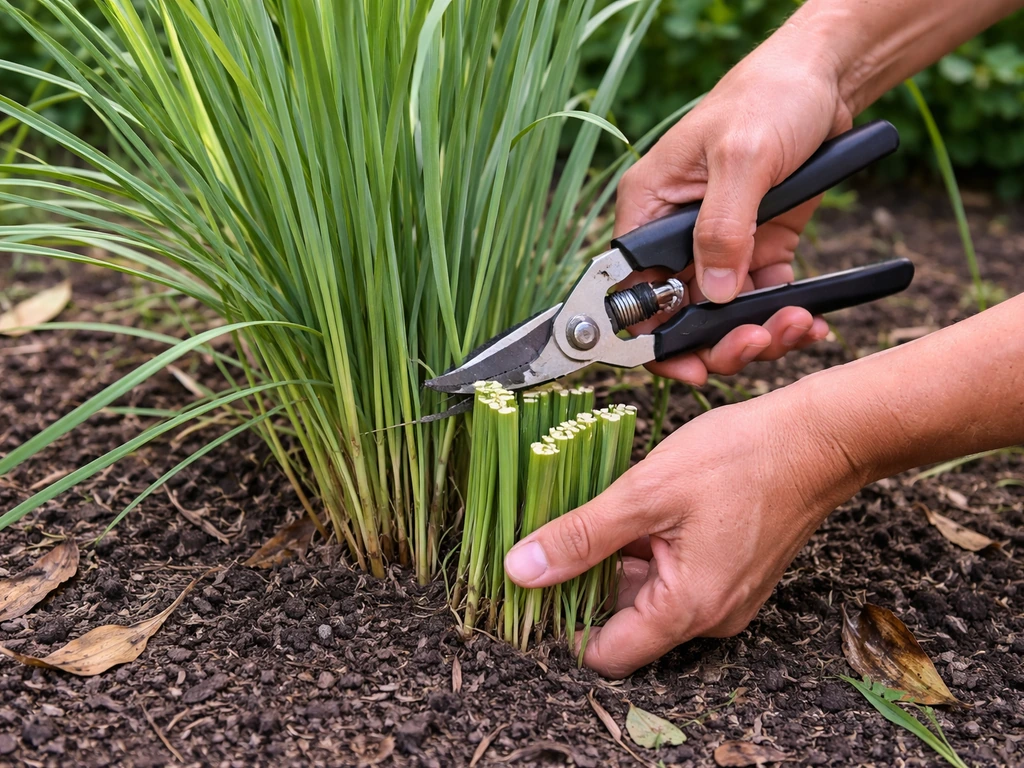
Citronella grass is relatively low-maintenance once established. If stems get floppy or the clump starts looking ragged, cut back individual stems to about a foot above the ground, the plant will regrow quickly in warm weather. You can also trim leaves to harvest for their essential oil or use in tea. Avoid cutting back hard in fall if you're in a borderline-cold zone, since you want some top growth to help protect the crown. In spring, after the last frost, cut any dead or winter-damaged stems back to a few inches above the base to encourage fresh growth.
Weed control
During the first growing season, weeds are your main competition. Hand-pull weeds close to the base, and keep that 2–3 inch mulch layer refreshed to smother new weed seedlings. Once the clump fills in and spreads, it largely shades out weeds on its own. Avoid spraying herbicides near citronella grass, it's a grass itself and will be damaged by grass-targeted herbicides.
Pests and diseases to watch for
- Leaf spot (Curvularia leaf blight): Shows up as brown or tan spots on leaves, usually during humid stretches. It can seriously reduce leaf quality and plant vigor. Improve airflow by thinning the clump and avoid overhead watering if possible. Remove affected leaves and don't compost them.
- Spider mites: More common in hot, dry conditions. Look for fine webbing and stippled, pale leaves. Insecticidal soap or a strong blast of water from a hose knocks them back. Keep plants watered during heat waves to reduce stress.
- Powdery mildew: Less common on citronella grass than on some ornamentals, but possible in humid, crowded conditions. Appears as white powdery coating on leaves. Improve spacing and airflow; treat with a neem oil spray if it's spreading.
- Root rot: Not a pathogen issue so much as a cultural one — caused by consistently soggy soil. If your plant is yellowing from the base up and the stems feel mushy at the crown, you've got root rot. Improve drainage immediately; for a container plant, repot into dry, well-draining mix and reduce watering.
Overwintering: keeping your plant alive through cold months
In zones 10–12, you don't need to do much, citronella grass just keeps growing. In zones 8b–9, the roots may survive a mild winter if you mulch heavily over the crown (4–6 inches of straw or wood chips) and the winter stays above about 20°F. Even so, expect significant dieback of the top growth. In zones 8 and colder, assume the above-ground plant will die back and treat accordingly.
Bringing containers indoors
Move containers inside before the first frost, don't wait until you see frost in the forecast. Once nighttime temps start dipping below 45°F consistently, it's time. Set the container in a spot that stays between 45–55°F: a cool but frost-free garage, a basement with a bright window, or a south- or west-facing windowsill works well. Don't put it in a warm, dark corner, the plant needs some light even in semi-dormancy. Cut back any dead or straggly growth before bringing it in, water sparingly through winter (only when completely dry), and hold off on fertilizing until you move it back outside in spring.
In-ground plants in borderline zones
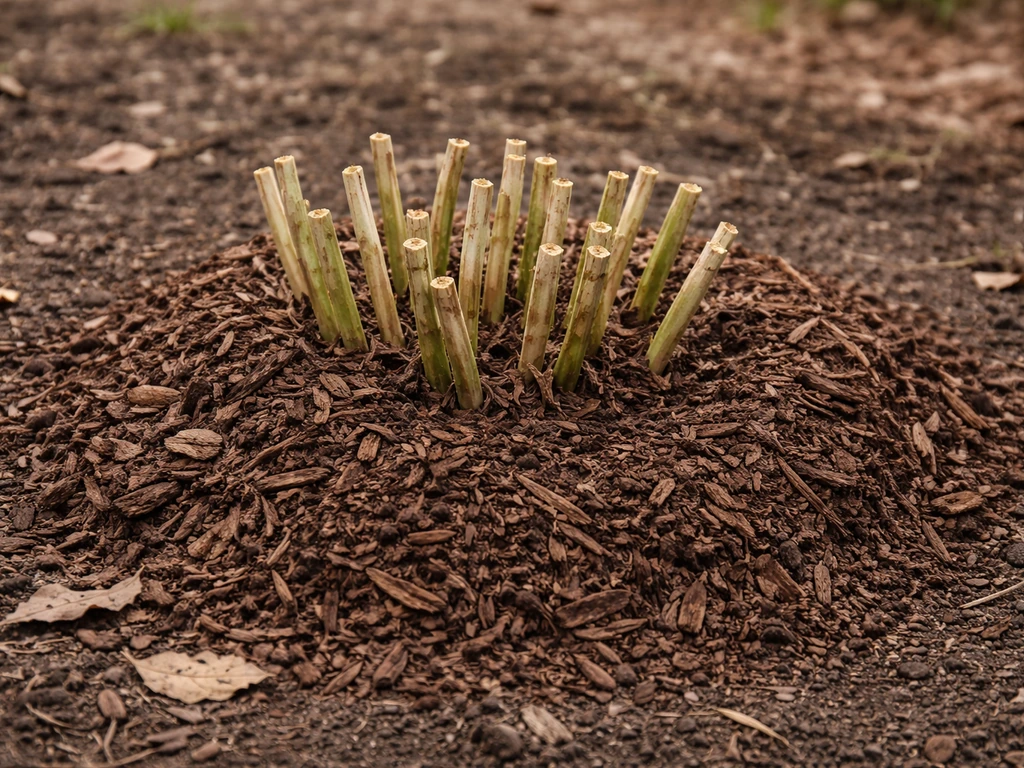
If you're trying to overwinter in-ground in zone 8b or 9, cut the top growth down to about 6–8 inches before the first hard frost. Pile on 4–6 inches of mulch over the crown. If a hard freeze is coming, add an extra layer of burlap or a frost cloth over the clump. In spring, pull back the mulch once frost risk has passed, and wait for new growth to emerge from the base before cutting away dead stems. It can take a few weeks for regrowth to show, be patient before declaring the plant dead.
Troubleshooting common problems
- Plant won't sprout or germinate (seed start): Soil temperature is almost certainly too cool. Citronella grass needs sustained warmth — 68°F minimum, ideally higher during the day. Use a heat mat, move the tray to a warmer location, or wait longer before giving up. Seed germination can take 3 weeks even in good conditions.
- New transplant looks stunted or barely growing: Check if soil is staying too wet. Also check sun exposure — less than 6 hours of direct sun will significantly slow growth. If you just planted a division, give it 3–4 weeks before worrying; it's putting energy into rooting first.
- Yellow leaves from the base up: Usually overwatering or poor drainage leading to root rot. Let the soil dry out, improve drainage, and cut off any mushy stems at the base. If the crown itself is soft and rotten, the plant may not recover.
- Yellow or pale leaves overall: Could be a nitrogen deficiency, especially in containers where nutrients leach out faster. Apply a balanced liquid fertilizer and see if color improves in 2 weeks.
- Plant dying after cold nights: Citronella grass is extremely frost-sensitive. Even a brief temperature drop to 32°F can cause significant damage. If you had a surprise frost, cut back the dead tissue, water the plant, and wait to see if the roots push new growth. Prevention is the only reliable fix — move containers in early.
- Not repelling mosquitoes: This is expected. The plant does not release repellent compounds into the air passively. Crush a handful of leaves and rub them on your skin for a short-term effect, or use an EPA-registered repellent for reliable protection.
Your next steps: a quick checklist
Here's what to do today based on where you are in the process. If you're also wondering how to grow brachiaria grass, focus on giving it warmth and well-drained soil so it can establish quickly. Pick up wherever applies to you and move forward from there.
- Check your USDA hardiness zone and last frost date. If you're past your frost date and soil temps are above 65°F, you can plant now. If not, start seeds indoors or source a transplant to have ready.
- Decide: container or in-ground? If you're in zone 9 or colder, a container gives you more control and lets you overwinter the plant reliably.
- Source your plant. Look for C. nardus or C. winterianus at local herb nurseries or reputable online growers. Ask specifically for citronella grass by species name to avoid getting a mislabeled scented geranium.
- Prepare your site or pot. Amend clay soil with compost and coarse sand, or set up a container with a well-draining potting mix plus 20% perlite.
- Plant at the right depth: crown at soil level, not buried. Water in well, mulch around the base, and keep up with consistent moisture for the first 3–4 weeks.
- Set a fertilizing reminder for 4 weeks after planting, then every 6–8 weeks through summer.
- If you're in a frost-prone zone, set a calendar reminder in early September to monitor overnight temperatures and be ready to move containers inside before the first frost.
Citronella grass is genuinely rewarding to grow, it looks bold, smells incredible when you brush past it, and fills out to a substantial garden feature within a single season. Keep drainage sharp, give it heat and sun, and don't let it freeze, and you'll have a healthy, thriving clump. Darbha grass needs similar attention to heat, spacing, and well-drained soil so it establishes and spreads nicely Keep drainage sharp, give it heat and sun. If you're also exploring other ornamental and aromatic grasses for your yard, many of the same warm-season, well-drained principles apply across the Cymbopogon family and other clumping grasses like Mexican feather grass or broom grass, each has its own hardiness profile and aesthetic, but the establishment fundamentals are often similar.
FAQ
Will citronella grass repel mosquitoes just by growing it in my yard?
You can, but the timing has to match your climate. If you want a “repellent-like” effect, plan to crush or lightly rub leaves in the specific area you are using (near seating) because the fragrance release is triggered by disturbance, not the plant’s passive presence.
How do I harvest citronella grass leaves for oil or tea without harming the plant?
Harvesting won’t “kill” the plant, but avoid removing too much foliage at once. Take a few leaves or trim sections, and leave enough stems for continued growth, especially before winter or when nights are getting cool.
What should I do if my citronella grass turns yellow or the base looks soft?
Yellow lower leaves plus a mushy base usually point to overwatering or poor drainage. Let the top inch or two dry between waterings, check that the pot has drainage holes, and if in-ground, consider a raised bed or sandy amendment to prevent chronic sogginess.
My citronella grass is getting floppy, is it a watering issue or a light issue?
Yes. In partial shade it often becomes floppy because it stretches, so instead of “more water,” try relocating to a spot with full sun. If moving is not possible, stake individual stems temporarily and keep watering conservative to reduce stress.
If my plant dies back after winter, will it regrow or is it gone?
Expect it to grow back from the crown if roots survive. In borderline zones, dieback can look alarming, wait several weeks after spring thaw, and cut only the dead stems once new shoots are clearly emerging from the base.
Is it better to grow citronella grass from seed or from plugs/divisions?
Seed is slower and less reliable for getting the exact plant you bought. For quickest success, use divisions or nursery plugs, and if you do start from seed, keep warmth consistent (about 70–75°F) and plan on several weeks before you see reliable germination.
How often should I water citronella grass after it’s established?
Once established, skip frequent deep watering and instead use a cycle that encourages drying. A practical rule is water thoroughly, then wait until the surface dries out (and in-ground, until the top inch is no longer damp) before watering again.
When is the right time to fertilize, and when should I stop?
Use nitrogen-friendly feeding during active growth, but don’t keep feeding in late summer. If you continue late-season fertilizing, it can push soft growth that is more vulnerable to cold damage.
Can I split or divide citronella grass to control size and improve airflow?
Don’t assume you can “thin” the clump like lawn grass. Instead, maintain spacing by dividing crowded clumps every few years (timed for warm weather) if you need more room or better airflow to prevent fungal problems.
What’s the best way to overwinter citronella grass in a container indoors?
Overwinter container plants need light even in semi-dormancy. A cool, bright window is better than a warm dark storage area, and watering should be minimal, only after the potting mix is fully dry.
Next Article
How to Grow Grass in San Antonio Texas: Step-by-Step Guide
How to grow grass in San Antonio: best turf choices, planting windows, soil prep, watering schedules and troubleshooting