Mexican feather grass (Nassella tenuissima, also sold as Stipa tenuissima) grows readily from seed if you sow it at the right time, keep the seedbed consistently moist, and resist the urge to bury the seed too deep. Surface sow or cover lightly with no more than 1/4 inch of fine soil or sand, keep soil temperatures between 68 and 72°F (20–22°C), and expect to see sprouts in 14 to 28 days under good conditions. That's the core of it. Everything else below fills in the details that make the difference between a thriving clump and a flat, empty patch.
How to Grow Mexican Feather Grass from Seed Step by Step
Marcus Tillwell
13 Jun 2026
Is Mexican feather grass right for your situation?
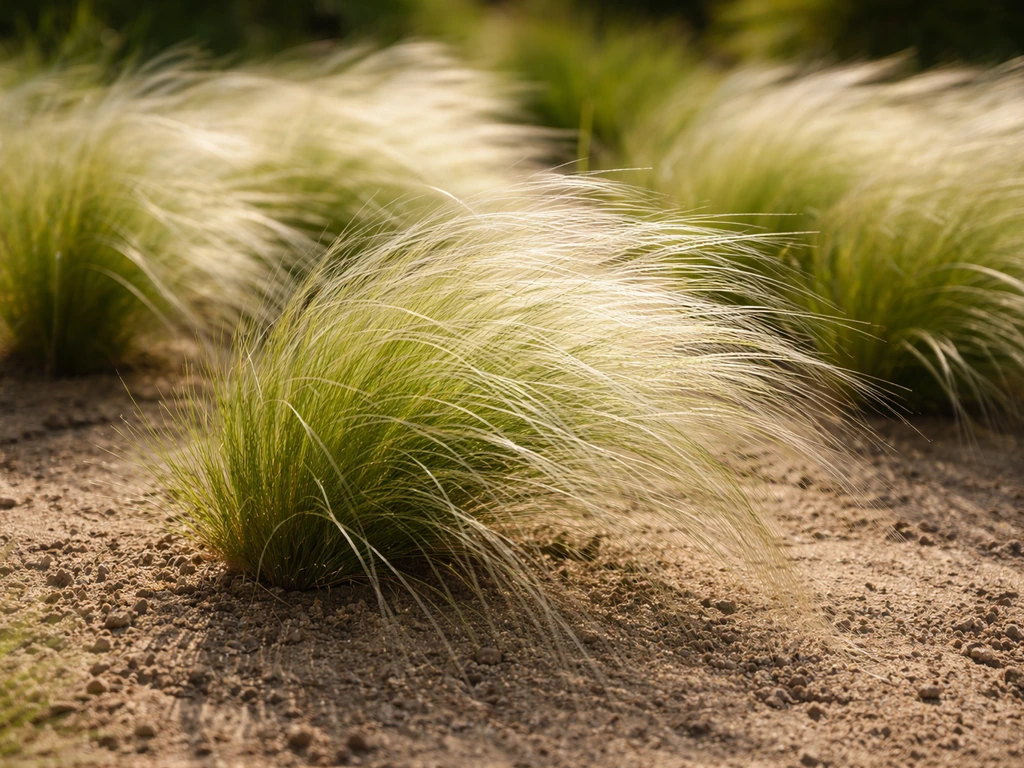
Mexican feather grass is a fine-textured, clumping perennial native to the Trans-Pecos region of Texas and New Mexico, and it looks spectacular: those silvery, hair-like blades move with the lightest breeze and catch the light beautifully. It's drought tolerant once established, handles full sun without complaint, and asks very little from the soil as long as drainage is good. It's hardy to around -10°F, which puts it comfortably in USDA zones 6 through 10.
Here's the honest part though: this grass self-seeds aggressively. In California, parts of the Southwest, and Australia it's classified as invasive or a prohibited weed precisely because it spreads so freely and can outcompete native grasslands. Before you plant it, check whether it's restricted in your state or county. In Texas, Oklahoma, and the Great Plains it's generally considered appropriate and ornamentally well-suited. In California and parts of the Southeast, you may want to reconsider or choose a sterile cultivar if one is available. That's not a reason to avoid it everywhere, but it is a reason to be deliberate.
If what you're after is a drought-tolerant, low-maintenance ornamental clump grass that looks ethereal in borders, gravel gardens, or container plantings, Mexican feather grass is genuinely excellent. If you're hoping to seed a large area as a lawn replacement, know that its clumping habit means you'll get individual tufts, not a solid ground cover carpet.
Getting viable seed: what to buy and what to check
Look for seed sold under either Nassella tenuissima or Stipa tenuissima. Both names refer to the same plant. Common trade names you'll see include 'Pony Tails' and 'Angel Hair.' Buy from reputable seed suppliers (Outside Pride, John Scheepers, PanAmerican Seed, or Prairie Moon Nursery all carry it) and check that the seed was packed for the current or previous season. Seed stored properly in cool, dry conditions holds viability for a year or more, but old seed from an unnamed source will give you patchy germination at best.
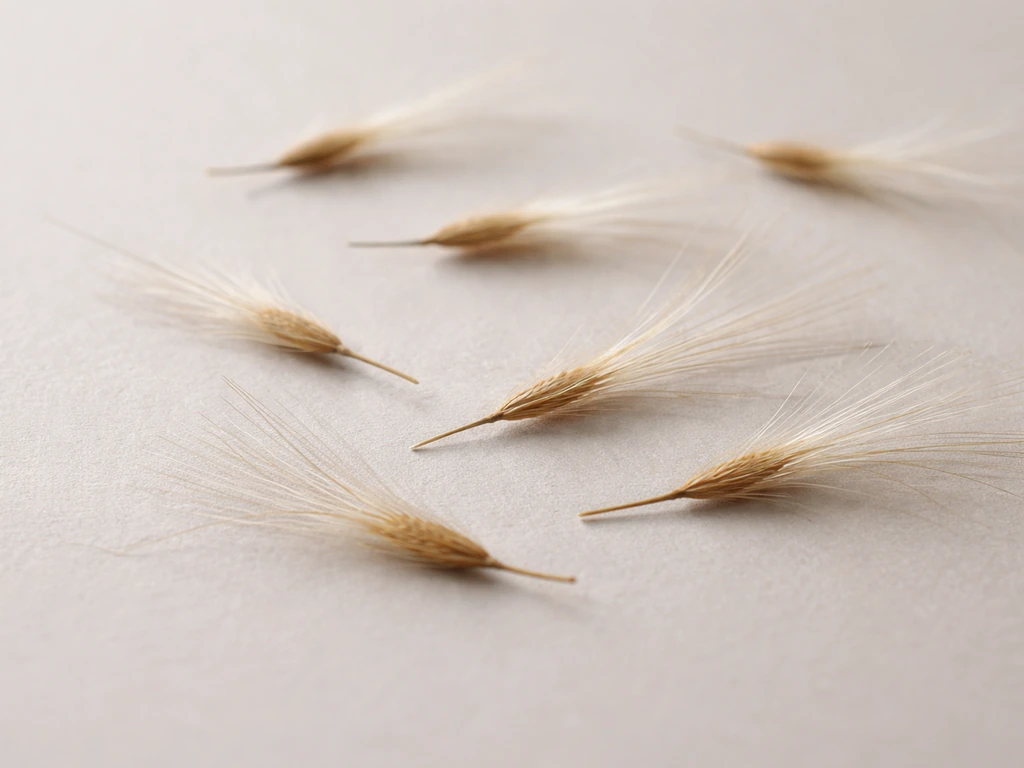
Viable seed looks like a small, narrow grain with a distinctive long, feathery awn (a bristle-like appendage) attached. That awn is what helps the seed work its way into soil in nature. When you're handling the seed, the awns can tangle, which is normal. If your seed arrives looking like a clump of fine hair, that's expected. If you're sourcing from your own plants or a neighbor's, collect seed heads when they're ripe and tan, dry them indoors for a week or two, and store in a paper envelope in the refrigerator until planting time.
One identification caution: Mexican feather grass is sometimes confused with lookalike grasses, including other fine-bladed ornamental species. Nassella tenuissima has very fine, bright green to golden foliage that's almost translucent, and it forms tight basal clumps typically 18 to 24 inches tall. The seed awns are long and feathery. If the seed you're buying doesn't have clear species labeling, skip it.
When to plant and how to prep the site
Timing by climate
Mexican feather grass is a warm-season grass, so you want to sow after frost risk has passed and soil temperatures have warmed. For most of the US, that means late March through May depending on your region. In zone 7 and warmer (Texas, Oklahoma, the Southwest), you can push seed out in early March if nights are consistently above freezing. In zones 6 and cooler, wait until April or early May. You can also start seed indoors 6 to 8 weeks before your last frost date in trays or small pots and transplant once conditions are right.
If you're in a Mediterranean climate like coastal California (where planting it is worth double-checking for legal restrictions), fall seeding can work because cool, moist winters support germination. For everyone else, spring is the reliable window. Avoid seeding in late summer or early fall in cold-winter climates: plants that haven't had at least a full growing season to establish roots may not make it through winter.
Site prep
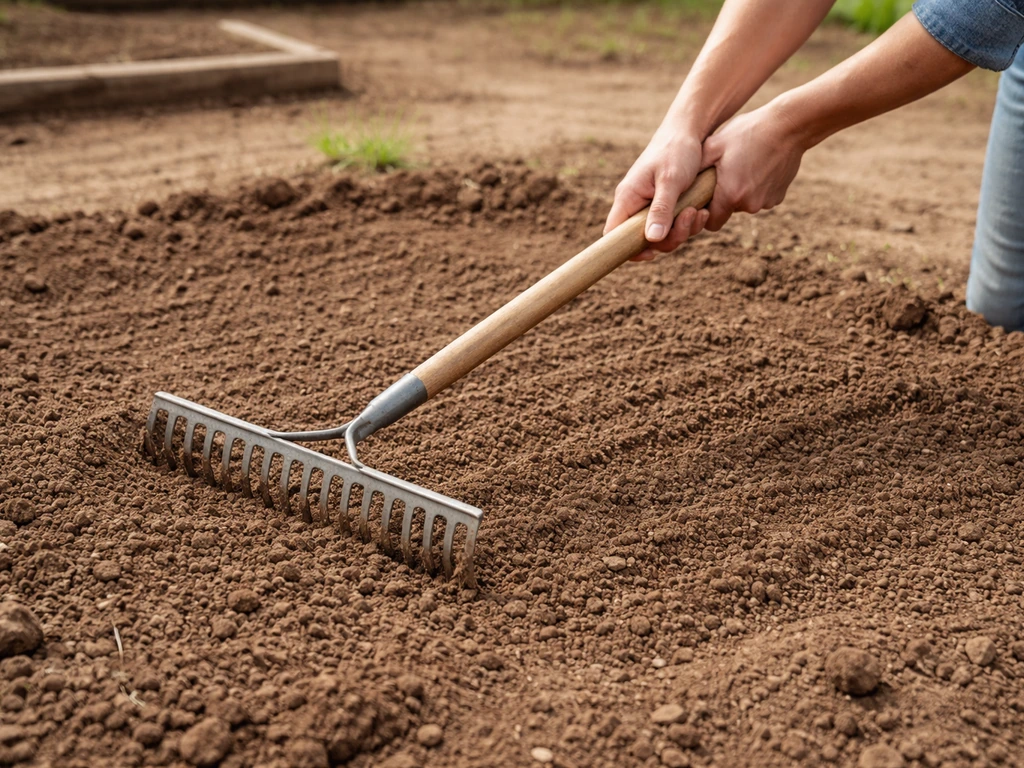
Mexican feather grass wants full sun, at least 6 hours a day, and well-drained soil. The RHS cultivation notes also describe sowing in a cold frame and specify full sun with soil described as medium to light and moderately fertile. This is non-negotiable on the drainage side. It will rot in heavy, soggy conditions, especially as a seedling. If your soil is clay-heavy, work in coarse sand and compost to break up that dense structure before planting, or build a raised bed. Sandy soil is actually ideal and requires minimal amendment. Average garden loam is fine with no prep beyond loosening the top inch or two.
Clear the area of weeds, rocks, and debris. You don't need to till deeply. A light raking to break the surface crust, knock down any hard clods, and create a loose, fine seedbed is all this grass needs. Level it out, and you're ready.
Step-by-step: how to sow Mexican feather grass from seed
- Prepare your seedbed as described above: loose, weed-free, and in full sun. If direct sowing outdoors, do this after your last frost date when soil is at least 65°F.
- Scatter seed evenly across the prepared area. For a naturalistic clump planting, sow in small clusters 12 to 18 inches apart where you want each plant to establish. For broadcast coverage of a border, aim for about 3 to 5 seeds per square inch.
- Do not bury the seed deep. Surface sow by pressing seeds lightly into contact with the soil using the back of your hand or a flat board, or cover with a thin layer of fine soil or sand no deeper than 1/4 inch. Benary's propagation protocol specifically notes no cover is required as long as seeds have good soil contact. The awns actually help seeds self-anchor.
- Water gently immediately after sowing. Use a fine mist setting on your hose nozzle to avoid washing seeds off the surface. The goal is to wet the top inch of soil without displacing seeds.
- Keep the seedbed consistently moist for the first 2 to 3 weeks. This is the critical window. Water lightly once or twice a day in hot, dry weather to prevent the surface from crusting. In mild spring conditions, every other day may be enough.
- If starting indoors, fill small cells or 3-inch pots with a well-draining seed-starting mix, press 2 to 3 seeds per cell onto the surface, water in gently, and place under bright light or a grow lamp. Keep temperatures between 68 and 72°F.
Germination timeline and what to do if nothing is sprouting
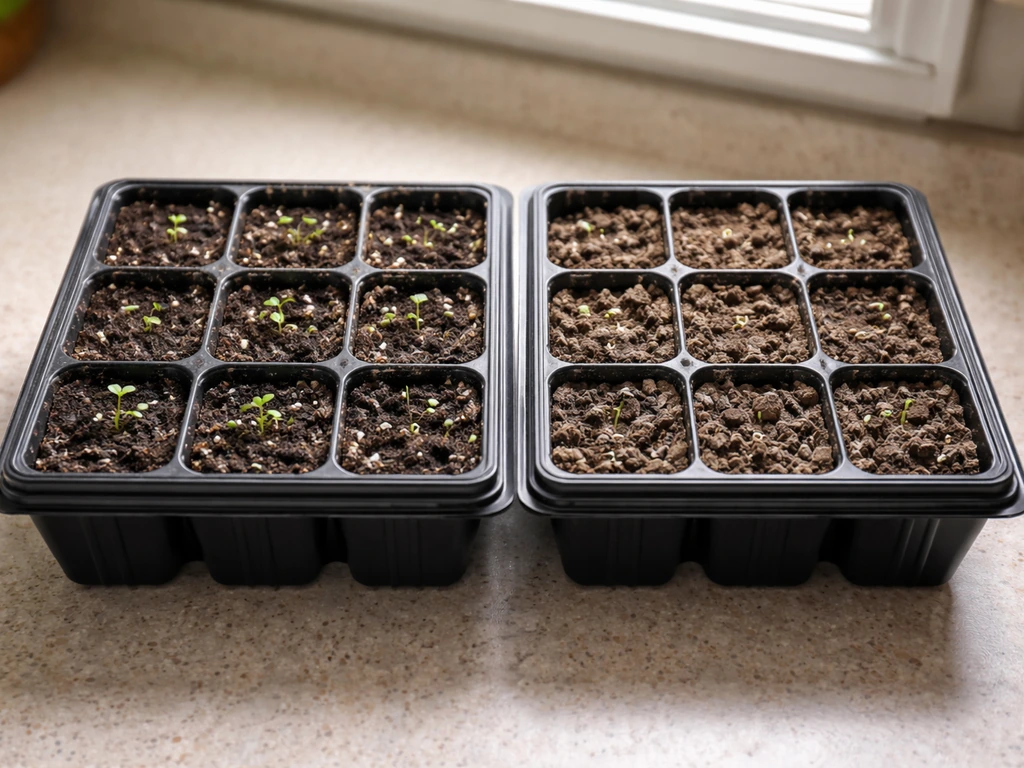
Under good conditions (consistent moisture, soil temps around 68 to 72°F, good seed contact), you should see the first tiny green hair-like sprouts emerging within 14 to 28 days. They'll look like almost nothing at first: just a thin, single blade no wider than a thread. Don't panic if things look sparse in the first week. Give it the full 4 weeks before concluding there's a problem.
If you're past 28 days with no germination, run through this checklist:
- Soil temperature too cold: If soil temps are below 60°F, germination stalls. Check with a soil thermometer and wait for warmer conditions, or bring seed indoors to a warm spot.
- Seed buried too deep: Seeds more than 1/4 inch down often fail to emerge. If you suspect this, lightly scratch the surface to bring seeds up, rewater, and wait another 2 weeks.
- Soil surface dried out between waterings: Even one day of complete drying can kill newly germinated seeds that haven't established roots yet. Consistent moisture is everything in weeks 1 through 3.
- Old or non-viable seed: Do a quick germination test: wrap 10 seeds in a damp paper towel, seal it in a bag, and put it in a warm spot. If fewer than 5 sprout within 3 weeks, your seed lot has low viability and you need fresh seed.
- Soil crust forming: If the surface has hardened into a crust after watering, seeds can't push through. Break the crust gently with a fork, water again, and mulch very lightly with fine sand to prevent recurrence.
- Damping off or seed rot: If you see seeds that have germinated but then fall over at soil level, that's a fungal issue. It's almost always caused by overwatering or poor drainage. Ease up on watering frequency and ensure the planting area drains freely.
- Planting at the wrong time: Seeds sown in late fall in cold climates, or in the hottest part of summer, will underperform. If your timing was off, wait and sow again at the right window.
One reassuring note: Prairie Moon Nursery's germination guidance points out that native and adapted grass seeds that don't germinate in their first season sometimes come up in the second year. If you've planted correctly and seen nothing, don't immediately rip up the bed. Keep the area weeded and lightly watered, and you may get a second-year surprise.
From germination to maturity: care and maintenance
The establishment phase (weeks 3 through 12)
Once seedlings are up and showing 1 to 2 inches of growth, start reducing watering frequency gradually. You're training roots to go deep rather than staying at the surface. Move from daily watering to every 2 to 3 days, then to weekly once plants look sturdy. By 8 to 12 weeks, established clumps should need watering only during extended dry spells.
Weed control is your biggest job during this phase. Mexican feather grass seedlings are so fine and thread-like that weeds can easily outcompete them before you realize what's happening. Get in the habit of a weekly check and hand-pull anything that doesn't look like a hairlike grass tuft. Avoid using pre-emergent herbicides in the first year since they'll suppress your seedlings along with the weeds.
Fertilizing
This grass actually doesn't want a lot of fertility. Rich soils and heavy nitrogen applications encourage floppy, rank growth and reduce the ornamental quality of those delicate blades. If your soil is average garden soil, skip fertilizing entirely in year one. In genuinely poor, sandy soils, a single light application of a balanced slow-release fertilizer (something like 10-10-10) in early spring of year two is plenty. That's really it. Over-fertilizing Mexican feather grass is one of the ways people accidentally ruin it.
Mowing and cutting back
Don't mow this plant. It's a clumping ornamental grass, not a lawn species. What you will do is cut it back hard in late winter to early spring before new growth begins. Tie the clump together with twine, then cut it back to about 3 to 4 inches from the ground. This removes dead foliage, encourages fresh growth, and keeps the plant looking tidy. In mild climates (zones 8 and warmer), it may stay semi-evergreen and need only light grooming rather than a full cutback.
Managing self-seeding
Mexican feather grass self-seeds prolifically. BBC Gardeners’ World describes Stipa tenuissima as an evergreen ornamental grass and flags self-seeding and invasiveness concerns in parts of the US self-seeds prolifically. If you don't want it spreading, deadhead the seed heads before they mature and scatter. If you're in a region where it's considered invasive, this step isn't optional. For most gardeners, some self-seeding fills in gaps nicely, but it can get out of hand fast if you let every seed head drop.
Soil, sun, containers, and special conditions
| Condition | What Mexican feather grass needs | Notes |
|---|---|---|
| Sun | Full sun (6+ hours) | Tolerates very light partial shade but thins out and flops without enough light |
| Soil type | Well-drained, lean to average fertility | Sandy or loamy soils are ideal; clay requires amendment or raised bed |
| Moisture | Low to moderate; drought tolerant once established | Consistent moisture critical for germination and the first 8 weeks only |
| Soil pH | 6.0 to 7.5 | Tolerates a wide range; slightly acidic to neutral is ideal |
| Container growing | Excellent candidate | Use a well-draining potting mix; terracotta pots help prevent moisture buildup |
| Clay soil | Problematic without amendment | Work in coarse sand and organic matter; ensure no standing water after rain |
Containers actually suit Mexican feather grass very well. Use a mix of standard potting soil and coarse sand (roughly 2:1), choose a pot with drainage holes, and place it in full sun. Container plants dry out faster than in-ground plants, so you'll water more frequently during peak summer heat, but the drainage control you get makes it much easier to prevent the root rot that kills plants in heavy in-ground soils.
If you're dealing with challenging soil conditions, Mexican feather grass is more forgiving than most. Sandy soil that drains too fast for other plants is practically perfect for this species. Clay is the real obstacle: if you can't amend it adequately, grow in raised beds or containers rather than fighting the native soil.
When things aren't working: common problems and next steps
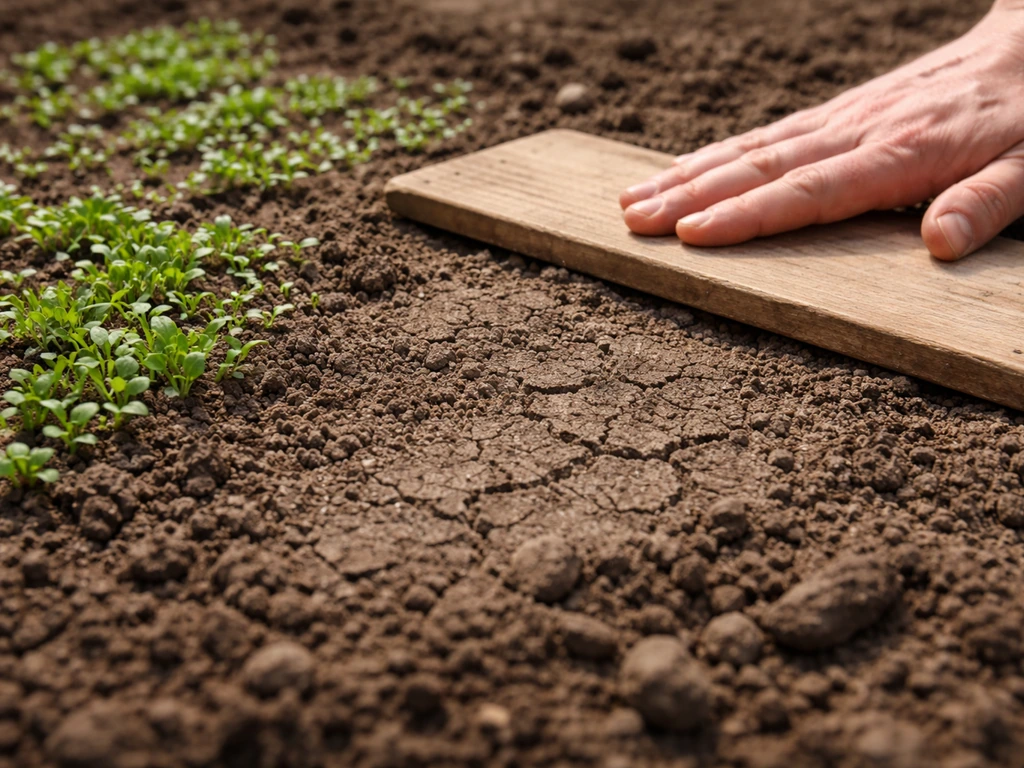
Even when you do most things right, something can still go wrong. Here are the most common problems and what to actually do about them:
- Uneven germination or patchy emergence: Usually caused by inconsistent soil contact. Try pressing a board over any bare areas to improve seed-to-soil contact, then water in again. You can also oversow bare spots with fresh seed.
- Plants established but then dying in summer: Check drainage first. Plants sitting in moist soil through summer heat will rot at the crown. Also check for adequate sun; shaded plants weaken and become susceptible to fungal problems.
- Seeds sprouted but seedlings stalled: Often a nutrient and root competition issue. Clear surrounding weeds aggressively and reduce watering slightly to encourage roots to go deeper.
- No germination despite correct timing and moisture: Get fresh seed from a different supplier. Seed viability is the most underestimated failure point. A germination test (damp paper towel in a bag) will tell you within 3 weeks whether your seed lot is alive.
- Sunlight mismatch: If you planted in partial shade and plants are thin, pale, and flopping, there's no fix except moving them. Dig up the clumps carefully in early spring before new growth and transplant to a sunnier spot.
- Invasive spread becoming a problem: Cut all seed heads before maturity. If plants have already spread beyond where you want them, dig out unwanted clumps while still young; established clumps with deep roots are harder to remove.
If you've worked through all of these and still can't get Mexican feather grass to establish, take an honest look at your site conditions. This is genuinely one of the easier ornamental grasses to grow from seed, but it absolutely requires that combination of good drainage, full sun, and appropriate timing. If you are specifically trying to grow citronella grass, focus on its heat and moisture needs and choose an appropriately sunny spot for best results. Any one of those missing and you'll struggle regardless of what else you do right.
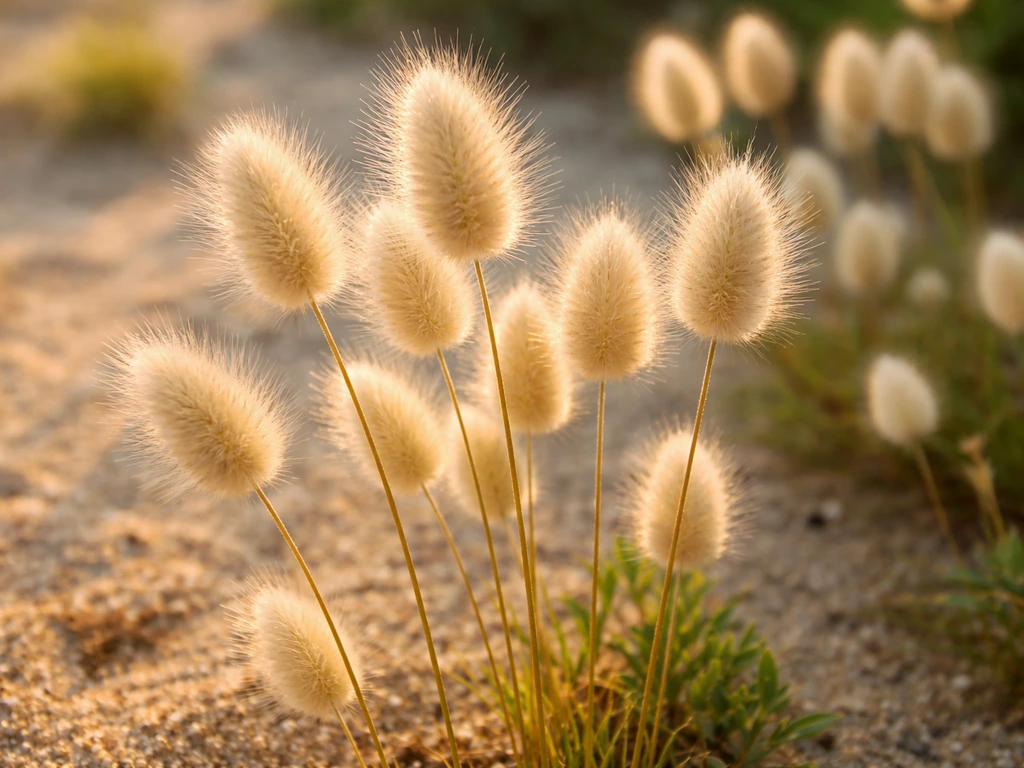
If you're drawn to ornamental grasses with a similar feathery, fine-textured look, bunny tail grass is another relatively easy option to grow from seed and shares some of the same low-maintenance qualities. For those interested in grasses with a completely different growth habit and purpose, brachiaria grass and doob grass occupy very different niches but may be relevant if you're exploring alternatives for tougher ground conditions. If you want a direct comparison, learning how to grow doob grass can help you decide which option fits your tougher-ground conditions brachiaria grass and doob grass. If you're specifically trying to learn how to grow brachiaria grass, you'll want to focus on warm temperatures, consistent establishment moisture, and choosing a site with reliable drainage.
The bottom line: buy fresh, labeled seed, wait for warm soil, sow shallow, keep moisture consistent for the first few weeks, and give the plants somewhere sunny with good drainage. Do those five things and Mexican feather grass will reward you with years of nearly effortless, beautiful growth.
FAQ
How deep should I sow Mexican feather grass seed? Can I plant it like other grass seeds?
No, Mexican feather grass seeds need shallow sowing for reliable germination. If you bury them deeper than about 1/4 inch, the seedlings often fail to reach the surface or cannot establish before the seed reserves run out.
Can I grow Mexican feather grass in a container, and will the seed behave differently than in-ground?
Yes, but only if the pot mix drains fast and the seeds still get light contact. Use a coarse, sandy mix, keep moisture consistent for germination, and avoid waterlogged saucers, because seedlings can rot quickly in stagnant wet conditions.
What should I do if Mexican feather grass does not germinate within 28 days?
It is uncommon, but not impossible. If germination does not happen by 28 days, do not assume the bed is a total loss. Keep weeds down, water lightly and consistently, and consider that viable seed may sprout in the second year under the right moisture and temperature cycles.
Why are my seedlings growing fast but looking weak or floppy? Should I fertilize?
Too much fertilizer is a common reason for poor appearance even when germination succeeds. Skip feeding in year one, and if you must fertilize in year two, use only a light, balanced slow-release dose and avoid high-nitrogen products that encourage floppy growth.
Can I use pre-emergent herbicides to control weeds while Mexican feather grass seedlings are small?
Yes. The first-year seedlings are extremely easy to suppress. Hand-pull is safer, and if you use any chemical control, it can wipe out the grass along with the weeds, so plan on manual weed management during establishment.
Is it worth starting Mexican feather grass indoors, and how should I transplant it?
You can, but treat it as a transplant project with care. Start indoors 6 to 8 weeks before your last frost, keep the seedlings in small containers so roots do not get disturbed, and transplant only after soil warms and the danger of cold nights has passed.
If I cut the plant back, will it stop spreading and prevent invasiveness?
Not necessarily. Because it self-seeds, cutting it back after flowering only helps if you remove seed heads before they mature and scatter. If your region has it listed as invasive or prohibited, you should confirm local rules and be extra strict about deadheading.
My seeds sprouted but the seedlings died. What went wrong with watering or soil?
If you get germination but then the seedlings disappear or collapse, the cause is often water management rather than seed quality. Keep the seedbed moist during germination, then transition to less frequent watering once seedlings are up, and make sure drainage is genuinely free-flowing.
Can I sow Mexican feather grass in fall, and when is spring still the better choice?
It depends on your climate. For most places, spring sowing after frost risk and when soil is warm works best. Fall seeding can work in Mediterranean-type winters, but in cold-winter areas you risk losing seedlings that did not establish a secure root base.
I followed the moisture advice but I got patchy emergence. How do I improve seed-to-soil contact?
Yes, poor seed contact can create patchy results even with viable seed. A light raking or gentle pressing after surface sowing improves contact, and using very fine soil or sand helps the tiny sprouts access moisture and oxygen.
How often should I water Mexican feather grass during germination and after seedlings appear?
Mexican feather grass is drought tolerant after establishment, but it still needs consistent moisture early on. A good rule is to keep the top layer evenly moist until germination, then gradually reduce watering so roots search deeper instead of staying near the surface.
Next Article
How to Grow Bunny Tail Grass From Seed Step by Step
Step-by-step guide to grow bunny tail grass from seed: pick variety, prep soil, plant, water, germination, and maintenan