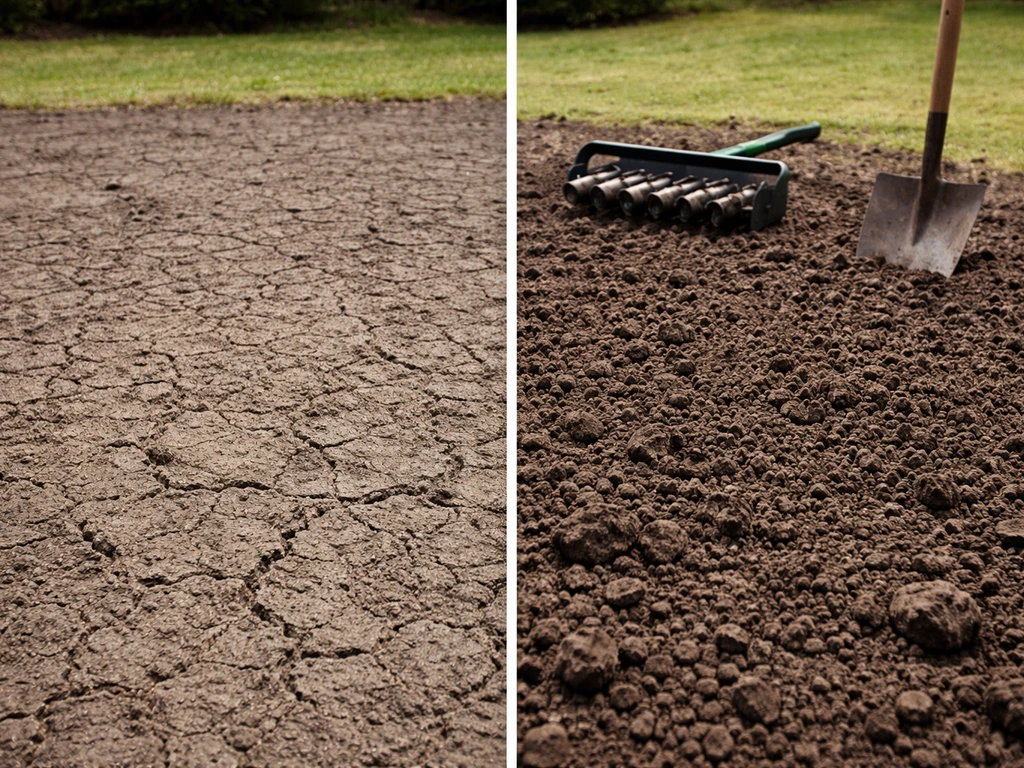
You can grow thick, healthy grass on red clay soil, but you have to fix the soil first. If you're dealing with hard, compacted soil beyond just red clay, you can use the same approach in our guide on how to grow grass in hard soil. Red clay's biggest problems are compaction, poor drainage, and low pH, and if you just throw seed on bare red dirt without addressing those, you'll get patchy results at best. The good news is that with the right prep (aeration, compost, a soil test, and the correct grass variety), red clay can actually hold moisture and nutrients well once it's been loosened up. Here's the exact plan to make it happen.
How to Grow Grass on Red Clay Soil: Step-by-Step Guide
Marcus Tillwell
12 May 2026
Why red clay makes it so hard to grow grass
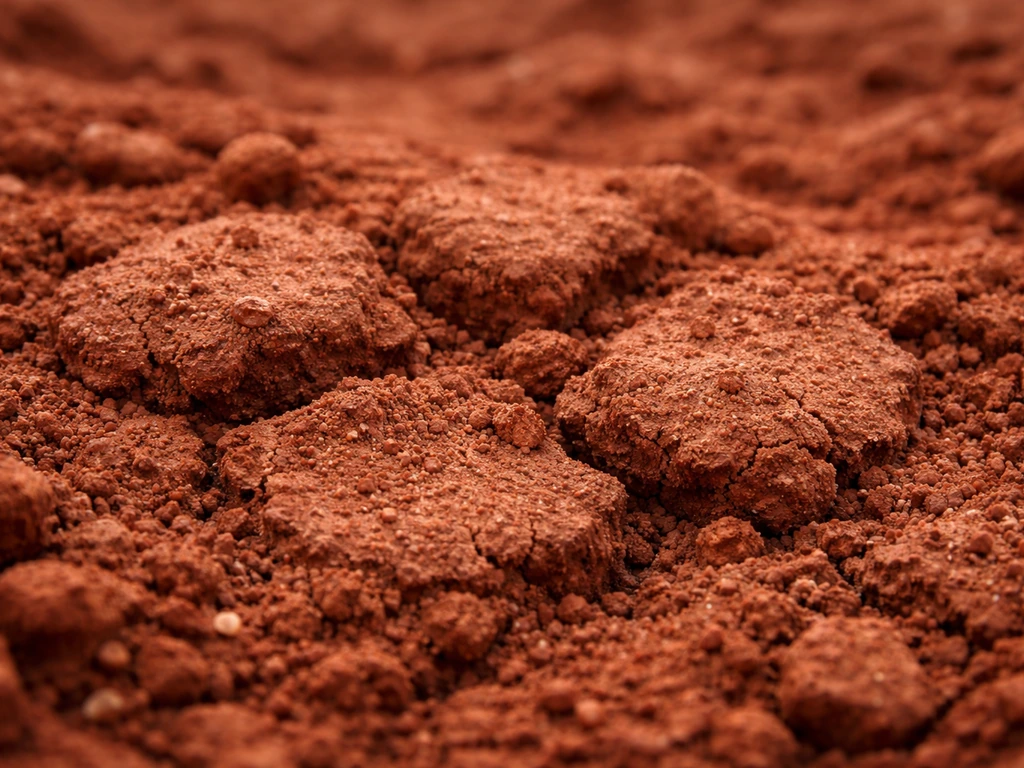
Red clay gets its color from iron oxide, which tells you it's a heavily weathered soil common in the Southeast and parts of the Southwest. That weathering process also strips out a lot of nutrients and leaves you with soil that has tiny particles packed tightly together. When those particles compress, water can't move through the profile easily, roots can't penetrate, and seeds that do germinate often suffocate or dry out before they establish.
Compaction is the main villain. The small particle size of clay means that foot traffic, vehicle weight, or even repeated heavy rain can crush the soil structure and reduce water infiltration significantly. University of Delaware Extension points out that high-clay soils are especially prone to forming a thin surface crust after rain, which blocks water from reaching roots. The University of Delaware Extension also notes that raindrop splash can form a thin surface crust after rain, which blocks water from reaching plant roots. So even if you water regularly, the water may be sheeting off rather than soaking in. That crust also physically blocks seedling emergence.
Then there's pH. Red clay soils throughout the Southeast (think Georgia, Alabama, the Carolinas) tend to be acidic, often falling between 4.5 and 5.5 on the pH scale. Grass generally wants 6.0 to 7.0. Below that range, nutrients like phosphorus, calcium, and magnesium become chemically unavailable to plants even if they're present in the soil. UGA Extension regularly flags low pH as a primary reason Georgia homeowners struggle with lawn establishment. You can seed all day long and never get a thick lawn if the pH is working against you.
Diagnose your yard before you do anything else
Spend 30 minutes walking your yard and doing three simple checks before you buy a single bag of seed or amendment. These tell you what you're actually dealing with so you don't waste money fixing the wrong problem.
Test drainage
Dig a hole about 12 inches deep and 12 inches wide, fill it with water, and watch what happens. If it drains in under an hour, you're in decent shape. If water is still sitting there after two or three hours, you have a drainage problem that amendments alone won't fully fix. In that case, you may need to grade the area to redirect water, add raised organic matter (a thick topdressing layer), or consider french drains for the worst spots before attempting to seed.
Test compaction
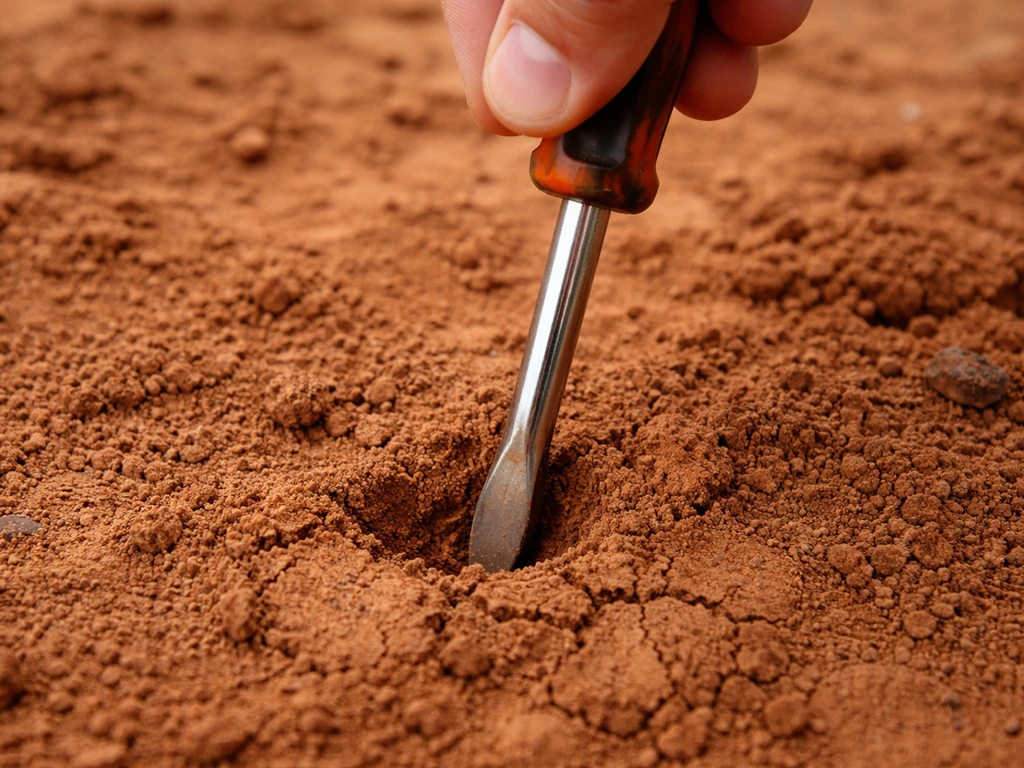
Grab a standard screwdriver and push it into the soil with hand pressure only. If it sinks 4 to 6 inches without much effort, compaction isn't severe. If it barely goes 1 to 2 inches, the soil is too compacted for roots to penetrate well and you'll need to aerate aggressively before seeding. This is also why red clay left bare for a season gets even harder, the lack of root structure and organic matter removes any buffering against compaction.
Get a soil test (this one matters more than most people think)
A $15 to $20 soil test through your county extension office is the single best investment you can make before seeding red clay. It tells you your current pH, your phosphorus and potassium levels, and exactly how much lime to apply. Most red clay soils in the South need significant liming to raise pH, and the test removes the guesswork. Apply the right amount of lime once and you shift the chemistry in your favor for years. Skip the test and you might under-lime (no improvement) or over-lime (creates its own nutrient problems). You can find your local extension office through the USDA's extension locator or search for your state's land-grant university extension service.
How to prep and improve red clay soil
This is the part most people skip, and it's exactly why their grass fails. Soil prep on red clay isn't glamorous but it does most of the heavy lifting.
Apply lime first, then wait
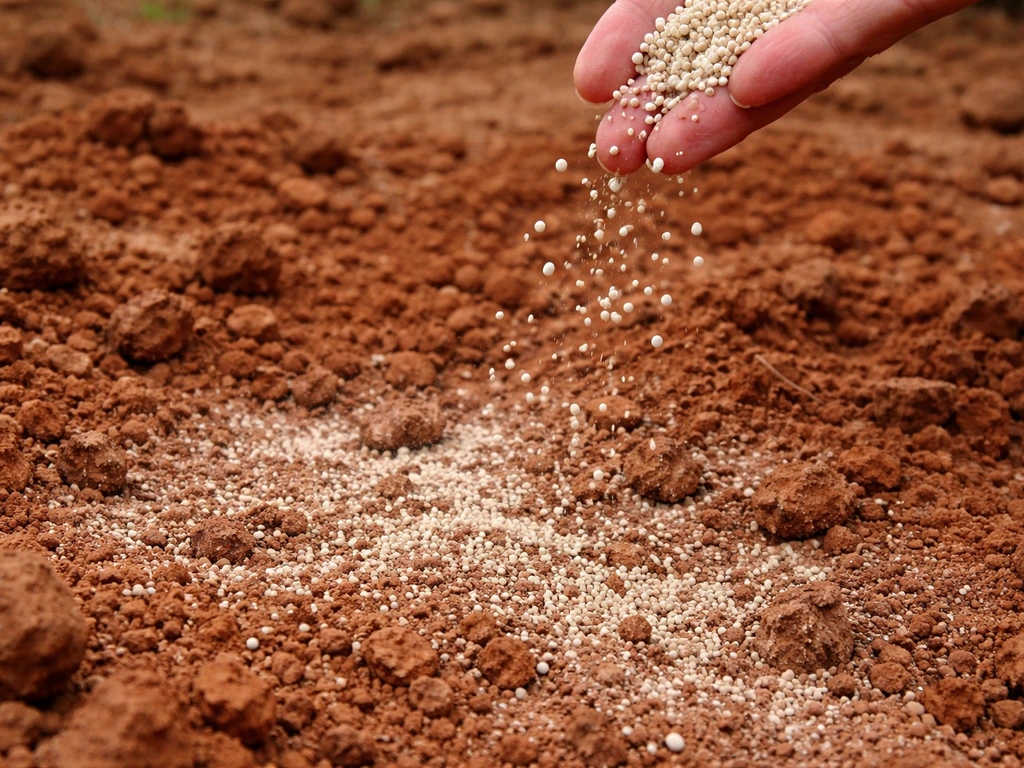
If your soil test says you need lime (and on red clay, it almost certainly will), apply pelletized dolomitic lime according to the test recommendation before you do anything else. Lime needs time to react with the soil, at least 2 to 3 months to meaningfully shift pH. If you're planning a fall seeding, apply lime in late summer. If you're prepping for spring, apply in late fall or early winter. You can apply lime and aerate in the same week, that combination works well together.
Core aerate to break up compaction
Rent a core aerator (not a spike aerator) from your local equipment rental shop. Core aerators pull plugs of soil out, which physically opens up the profile and allows water, air, and roots to penetrate. Make two passes in different directions over your worst areas. Leave the plugs on the surface and let them break down naturally, they'll work organic matter back into the holes. This step alone can make a noticeable difference in how quickly seedlings establish on red clay.
Add compost and organic matter
Spread 1 to 2 inches of quality compost over the area immediately after aerating and work it in lightly with a rake. The compost particles move into the aeration holes and begin improving soil structure. Organic matter is what clay soil is almost always missing. It loosens the texture, improves drainage, feeds soil biology, and gives seeds a better medium to root into. If you're doing a full new seeding, you can also till 3 to 4 inches of compost into the top 6 inches of soil before grading, but that's more work and budget. The aerate-and-topdress approach is the practical DIY method that works well for most residential yards.
Grade and level the seedbed
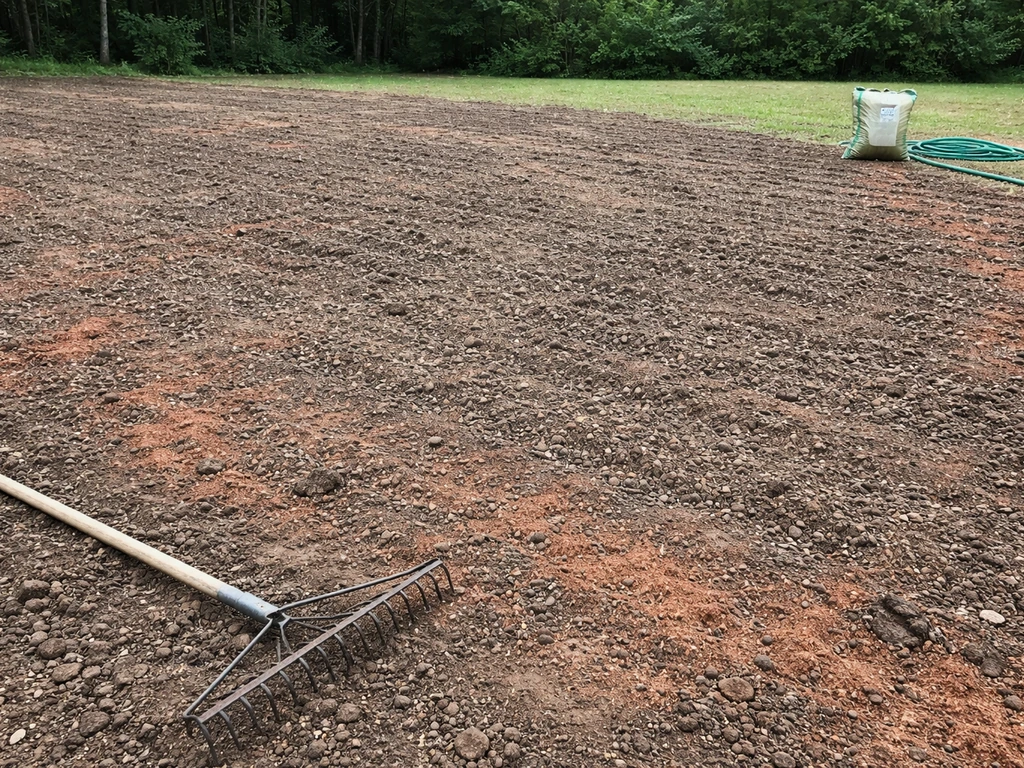
Low spots collect water and cause seed to rot before it germinates. After amending, use a lawn rake or a landscape rake to smooth the surface, filling in low areas and knocking down high spots. You don't need perfection, just eliminate the obvious puddle zones. The finished surface should be loose and friable to about 2 inches deep, which gives seeds the contact and moisture they need.
Picking the right grass for red clay
Not every grass handles clay and the regional climates that come with it equally well. The right choice depends heavily on where you live and how much sun your yard gets. Here's how the main options stack up.
| Grass Type | Best Climate | Sun Needs | Clay Tolerance | Notes |
|---|---|---|---|---|
| Bermuda | Warm/humid South, Southwest | Full sun (6+ hrs) | Excellent | Aggressive spreader; fills in bare spots well; poor shade tolerance |
| Zoysia | Warm/transition zone | Full to partial sun | Very good | Slower to establish but dense once in; good drought tolerance |
| Tall Fescue | Transition zone, upper South, Pacific Northwest | Full sun to partial shade | Good | Deep roots handle clay well; stays green longer in cool seasons |
| Annual Ryegrass | All regions (temporary/winter cover) | Full to partial sun | Moderate | Fast germination; great as a nurse grass or winter cover on bare red clay |
| Perennial Ryegrass | Cool-season regions, transition zone | Full to partial sun | Moderate | Fine texture; good for quick cover but not heat-tolerant |
Bermuda grass
If you're in the South, from Georgia and the Carolinas through Texas, bermuda is the workhorse for red clay lawns. It tolerates heat, drought, and poor soil better than almost anything, and its aggressive spreading rhizomes and stolons let it fill in bare clay patches that other grasses won't touch. It does need full sun, so it's not an option for shaded areas. Hulled bermuda seed germinates in 7 to 14 days in warm soil (above 65 degrees F).
Zoysia grass
Zoysia is a great option if you want a dense, low-maintenance lawn and you're willing to be patient. It establishes slowly from seed (sometimes 14 to 21 days to germinate and a full season to fill in), but once it's in, it's one of the most resilient lawns you can grow on clay. It handles the transition zone (the middle belt of the US) well, tolerates moderate shade better than bermuda, and its dense growth eventually crowds out most weeds.
Tall fescue
For homeowners in the upper South, transition zone, or anywhere bermuda won't survive the winters reliably, tall fescue is the top pick for red clay. Its deep root system (often 2 to 3 feet) is genuinely well-suited for clay because the roots can push through compacted layers and access water from deeper in the profile. Turf-type tall fescue stays green through cool seasons and handles partial shade. Germination takes about 7 to 14 days in 50 to 65 degree F soil. Fall seeding (September through October in most of the transition zone) is the best window.
Ryegrass
Annual ryegrass is worth mentioning specifically for red clay situations because it's the fastest-germinating option available (5 to 7 days). If you have bare red clay that's eroding or you need something to hold the soil while you work on a longer-term fix, annual rye is your tool. It's cheap, seeds easily, and grows fast. Just know it won't survive summer heat in warm climates, so it's a temporary solution. Perennial ryegrass is better for permanent lawns in cooler climates.
Seeding red clay the right way
Even with perfect soil prep, seed-to-soil contact on clay can be tricky. Clay can crust over after watering, which locks seedlings under a thin hard cap. Here's how to avoid that.
Timing your seeding
- Warm-season grasses (bermuda, zoysia): seed in late spring to early summer when soil temps are consistently above 65 degrees F, typically April through June in the Southeast
- Cool-season grasses (tall fescue, perennial ryegrass): seed in early fall (September to mid-October) when soil temps drop below 70 degrees F and nights cool down
- Annual ryegrass for winter cover: seed in fall through early winter, it germinates in cool temperatures down to about 40 degrees F
Seedbed prep and seeding rate
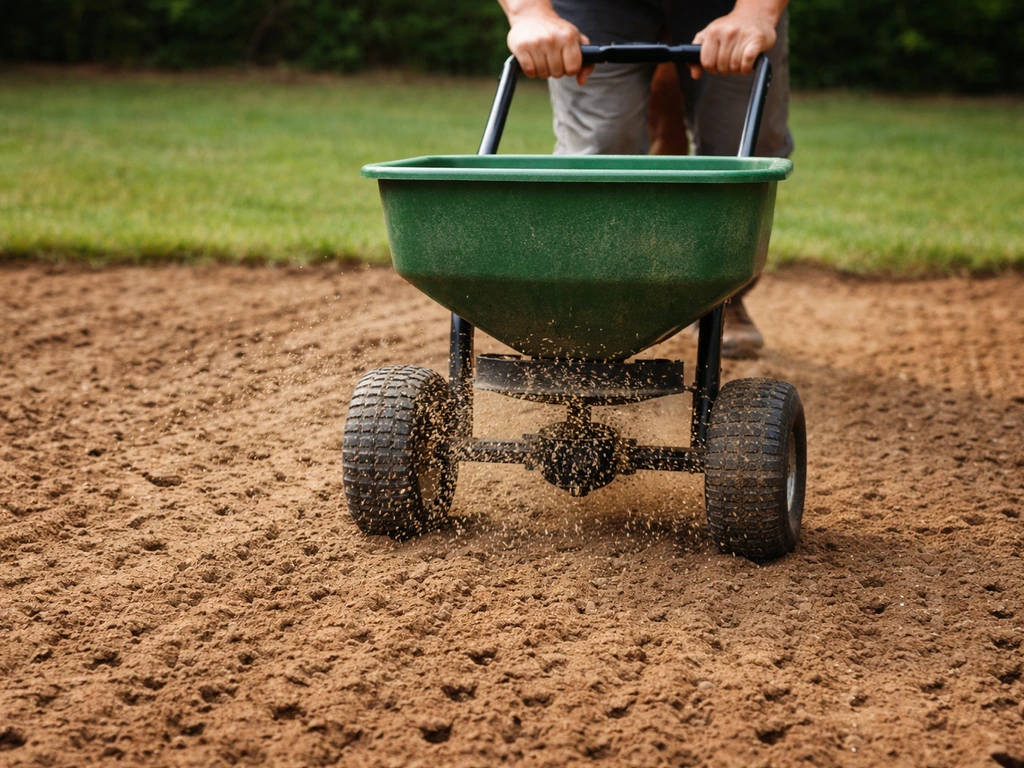
After aerating and topdressing, rake the surface lightly to break up any crust and create a slightly rough texture. Broadcast seed with a rotary spreader using the rates below, then rake very lightly again to work seed about 1/4 inch into the soil. On clay, avoid pushing seed any deeper or it may not germinate. Rolling the seedbed with a lawn roller after seeding improves seed-to-soil contact significantly, which is especially important on clay.
| Grass Type | New Seeding Rate | Overseeding Rate |
|---|---|---|
| Bermuda (hulled) | 1 to 2 lbs per 1,000 sq ft | 0.5 to 1 lb per 1,000 sq ft |
| Zoysia | 1 to 2 lbs per 1,000 sq ft | 0.5 to 1 lb per 1,000 sq ft |
| Tall Fescue | 6 to 8 lbs per 1,000 sq ft | 3 to 4 lbs per 1,000 sq ft |
| Annual Ryegrass | 5 to 10 lbs per 1,000 sq ft | 3 to 5 lbs per 1,000 sq ft |
| Perennial Ryegrass | 5 to 8 lbs per 1,000 sq ft | 3 to 4 lbs per 1,000 sq ft |
Use a starter fertilizer at seeding
Apply a starter fertilizer (look for high phosphorus formulas like 18-24-12 or similar) at the time of seeding. Phosphorus is the nutrient that drives early root development, and red clay soils are commonly deficient in it. Spread starter fertilizer right before or right after seeding and water it in. This is one of the highest-return investments you can make during establishment.
Watering, fertilizing, and weed control during establishment
Watering schedule for germination on clay
Clay soil holds water longer than sandy soil, which is a benefit once grass is established but a liability right after seeding. The goal during germination is to keep the top 1/2 inch of soil consistently moist without creating surface puddles or runoff. On red clay, this usually means shorter, more frequent watering rather than long soaks. Water 2 to 3 times per day for 5 to 10 minutes each session in hot or windy weather.
Once seeds germinate and you see green fuzz across 50 to 70 percent of the surface, shift to watering once per day and gradually extend the duration. After the grass reaches 1. 5 to 2 inches, transition to deeper, less frequent watering (every 2 to 3 days) to encourage deep rooting.
Watch for runoff, especially on slopes. Red clay sheds water fast when it's dry or crusted, so if you see water sheeting off the surface, reduce the application rate and water in even shorter pulses. A sprinkler that applies water slowly is better than one that dumps it fast.
Fertilizing after germination
Hold off on additional nitrogen fertilizer until the grass has been mowed at least once or twice. Applying heavy nitrogen too early pushes leaf growth at the expense of root development, and on clay you need roots more than you need blades. Once the lawn has been mowed two to three times, apply a balanced lawn fertilizer according to package directions. For the rest of the first season, fertilize on a conservative schedule since young grass on clay is more prone to nitrogen burn than established lawns.
Weed control during establishment
This is the toughest tradeoff with new seedings. Most pre-emergent herbicides will also prevent your grass seed from germinating, so you generally can't use them on a fresh seeding. Post-emergent selective herbicides (broadleaf killers) are mostly safe once the grass has been mowed two to three times, but read the label carefully for your specific grass type. Bermuda and zoysia seedlings are more sensitive than tall fescue. The best weed control strategy during establishment is to mow the weeds down before they set seed and out-compete them by getting grass established as quickly as possible. A thick, fast-growing lawn is its own best defense against weeds over time.
After germination: mowing, traffic, and long-term clay care
First mowing
Mow for the first time when the grass reaches about 3 to 3.5 inches tall. Set the mower to its highest setting (usually 3 to 4 inches) for the first few cuts to avoid stressing seedlings. Never remove more than one-third of the blade height at once. On clay, a sharp mower blade matters more than usual because dull blades tearing at shallow-rooted seedlings can pull them out of the soil.
Keep foot traffic off new grass
Newly seeded red clay compacts again very easily before roots are established. The same approach for how to grow grass on burnt soil also starts by improving soil structure before you seed, so roots can take hold newly seeded red clay. Try to stay off the lawn for the first 4 to 6 weeks. If you have kids or pets, fence off the area if you can. Every footstep on wet clay creates micro-compaction events that damage seedling roots and push seed sideways. It's worth the inconvenience for the short establishment window.
Long-term maintenance for red clay lawns
Red clay lawns need annual attention that sandy or loamy soils don't require. Plan to core aerate every fall (or every spring for warm-season lawns) to prevent compaction from rebuilding. Top-dress with a thin layer of compost after aerating each year, about 1/4 to 1/2 inch, to keep building organic matter in the soil. Recheck pH every 2 to 3 years with an inexpensive soil test and lime as needed. This is an ongoing relationship with the soil, not a one-time fix. The good news is that each year of this routine genuinely improves the soil, and after 3 to 4 years of consistent care, red clay lawns can look as good as any.
If you're dealing with general clay issues beyond the specific characteristics of red clay (iron-rich, acidic, Southern-heavy), the challenges around general clay soil establishment share a lot of the same solutions. If you are in the UK, focus on improving drainage and soil structure with aeration and compost, then choose a grass type suited to your climate and sunlight.
If you also want the step-by-step basics on turning clay into a lawn-ready seedbed, see our guide on how to grow grass in clay soil general clay soil establishment. Homeowners in other regions like the UK or Australia may face different red clay soil profiles and climate windows, but the core principles of aeration, organic matter, pH correction, and smart grass selection apply across all of them.
If you're asking how to grow grass on clay soil in Australia, focus on drainage, core aeration, and adding the right organic matter for your local conditions UK or Australia.
Your action plan for this week
- Do the drainage test and screwdriver compaction test to understand what you're working with
- Order or pick up a soil test kit from your county extension office
- While you wait for results, rent a core aerator and aerate the entire lawn area
- Apply pelletized lime at the rate your soil test recommends (or 50 lbs per 1,000 sq ft as a reasonable starting point on typical red clay if you can't test yet)
- Spread 1 to 2 inches of compost over aerated areas and rake it in
- Choose your grass based on your climate and sun exposure using the table above
- Seed at the correct rate for new establishment, roll the seedbed, and apply starter fertilizer
- Set up a consistent watering schedule with short, frequent sessions until germination
- Stay off the lawn for 4 to 6 weeks and mow for the first time at 3 to 3.5 inches
FAQ
My red clay drains slowly, should I still seed, or do I need to fix drainage first?
If water sits for more than 2 to 3 hours in your test hole, treat it as a drainage-first project. Seed can rot before germination, even with good fertilizer and watering. In that case, plan grading to direct runoff, add a thicker compost topdressing, and consider localized solutions like french drains or a raised bed section before seeding the whole area.
How do I tell if low germination is from pH, compaction, or watering mistakes?
Run three quick checks. First, confirm pH with a soil test. Second, verify compaction with the screwdriver depth test, shallow penetration usually means you missed aeration. Third, review your watering pattern: if the surface crusts or puddles form, reduce to shorter, more frequent cycles so the top 1/2 inch stays moist without runoff.
Should I apply compost and fertilizer before lime, or lime first on red clay?
Lime first. Lime chemistry needs time to change soil pH, and adding compost or starter fertilizer before liming can make it harder to follow the test recommendations accurately. Apply the lime per your soil test, then aerate and topdress, and only add starter fertilizer at seeding time.
Can I use a spike aerator instead of a core aerator on red clay?
Prefer core aeration. Spike aerators punch holes but they do not remove soil plugs, so they often do less to relieve compaction and crusting. With red clay, the removed cores and natural plug break down are a big part of how you restore infiltration and root penetration.
What’s the best way to water newly seeded red clay so I don’t wash seed away or cause crusting?
Use short, frequent cycles designed for clay’s tendency to crust. During germination, water in multiple small sessions that keep the top 1/2 inch moist while avoiding puddles. If you see runoff, slow the sprinkler output and shorten pulses, you want absorption, not sheet flow.
How deep should I cover grass seed on red clay?
Keep it shallow. Aim for about 1/4 inch incorporation with a light rake after broadcasting, do not bury deeper. On clay, deeper seed often stays too wet or crusted over and fails to emerge, light seed-to-soil contact and rolling after seeding helps a lot.
How long after seeding can I mow, and what height should I use?
Mow when grass reaches roughly 3 to 3.5 inches, and keep the first cuts higher (about 3 to 4 inches). Never remove more than one third of the blade at once. Sharp blades matter because seedlings pull out more easily when they are shallow-rooted.
How often should I fertilize during the first season on red clay?
Do not jump into heavy nitrogen early. Starter fertilizer goes at seeding, then wait until after the lawn has been mowed at least two to three times. After that, use a conservative schedule for the first season because young clay-grown grass can be more sensitive to nitrogen burn than established lawns.
Is it safe to use pre-emergent weed control after I seed red clay?
Usually not. Most pre-emergent products can block your grass seed from germinating. For a fresh seeding, rely mainly on mowing weeds down before they set seed, then consider post-emergent selective control only after establishment, and match the herbicide to your specific grass type and label instructions.
Bermuda, zoysia, tall fescue, and ryegrass, which one should I pick if I’m unsure?
Start with climate and sun. Bermuda needs full sun and warm-season consistency, zoysia can tolerate moderate shade but takes longer to fill in, tall fescue suits cooler transitions and deeper rooting in clay, annual ryegrasses are fast but temporary. If winters are unreliable for bermuda, default toward tall fescue or your local best-fit warm-season option.
Why does my new red clay lawn look patchy even though I watered and seeded?
Patchiness on clay often comes from three causes: seed contact issues, surface crusting, or uneven moisture. Fix by lightly breaking crust right before seeding, incorporate shallowly, roll the seedbed for contact, then water in short cycles and watch for runoff zones that stay too dry or too wet.
How long should I stay off the lawn after seeding red clay?
Plan to stay off for about 4 to 6 weeks if possible. Foot traffic creates micro-compaction, which damages shallow roots and can push seed sideways. If you have pets or kids, fence the area to prevent repeated disturbance during germination and establishment.
Do I need to re-check pH after I lime, and how often?
Yes, re-test every 2 to 3 years. Lime affects pH over time, and red clay can re-acidify or vary across the yard. A periodic soil test tells you whether to top up lime, and it prevents over-liming that can cause its own nutrient availability problems.
Next Article
How to Grow Grass in Hard Soil Step by Step Guide
Step-by-step fix for compacted hard soil: loosen, seed, water, choose grass type, and troubleshoot poor germination.