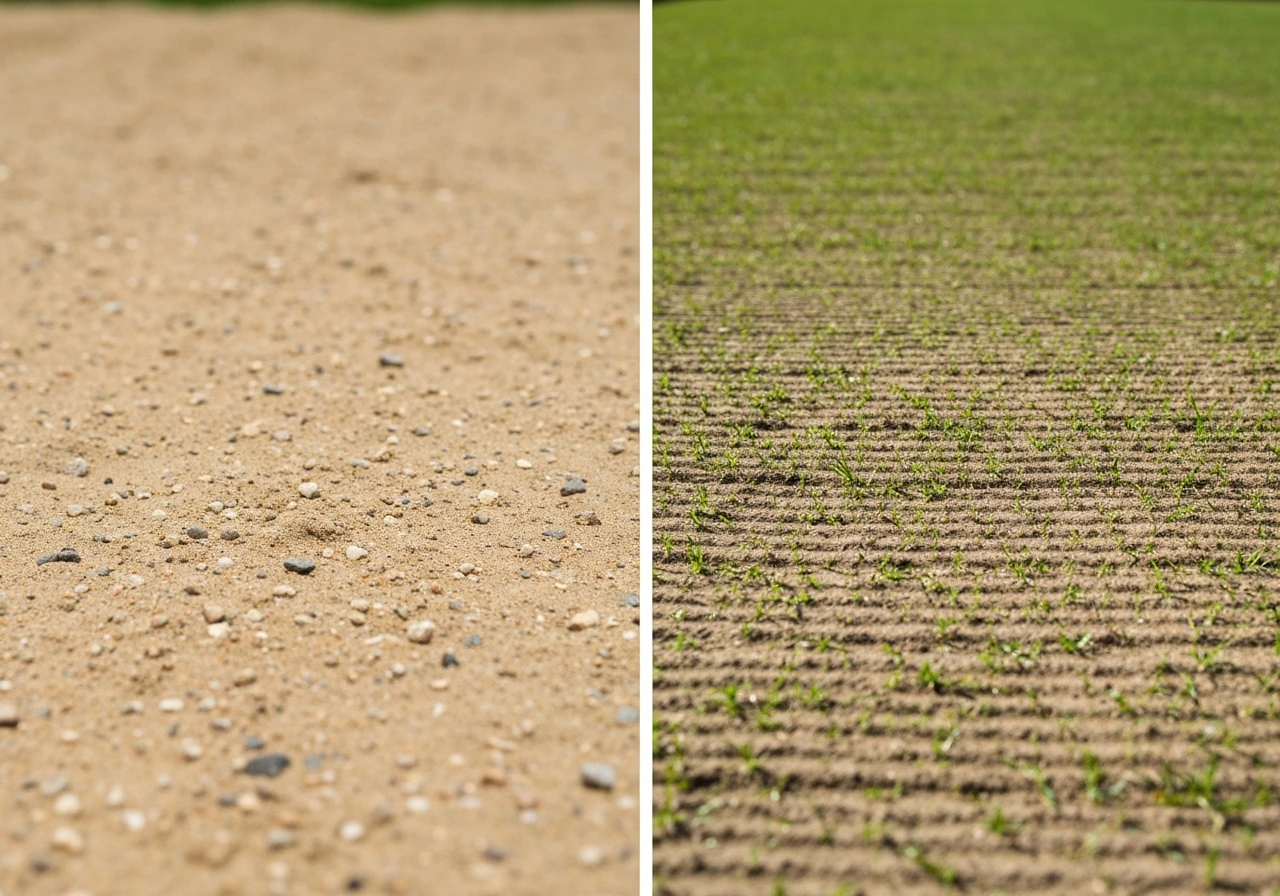
Growing grass in Florida is genuinely different from anywhere else in the country, and most of the generic lawn advice you'll find online will steer you wrong. The heat, the rain patterns, the sandy soil, and the sheer variety of microclimates between Jacksonville and Miami mean that what works in one part of the state can completely fail in another. The good news: once you match the right grass to your region and soil, follow the right timing, and give it a solid start, Florida is actually a fantastic place to grow a thick lawn. Here's exactly how to do it. Start here by following this step-by-step approach on how to grow grass seed in Florida, from prep through germination. For a close comparison, see the step-by-step approach to how to grow grass seed in Florida, since the germination basics still apply even when you're working toward beach grass.
How to Grow Grass in Florida Fast: Seed, Soil, Timing
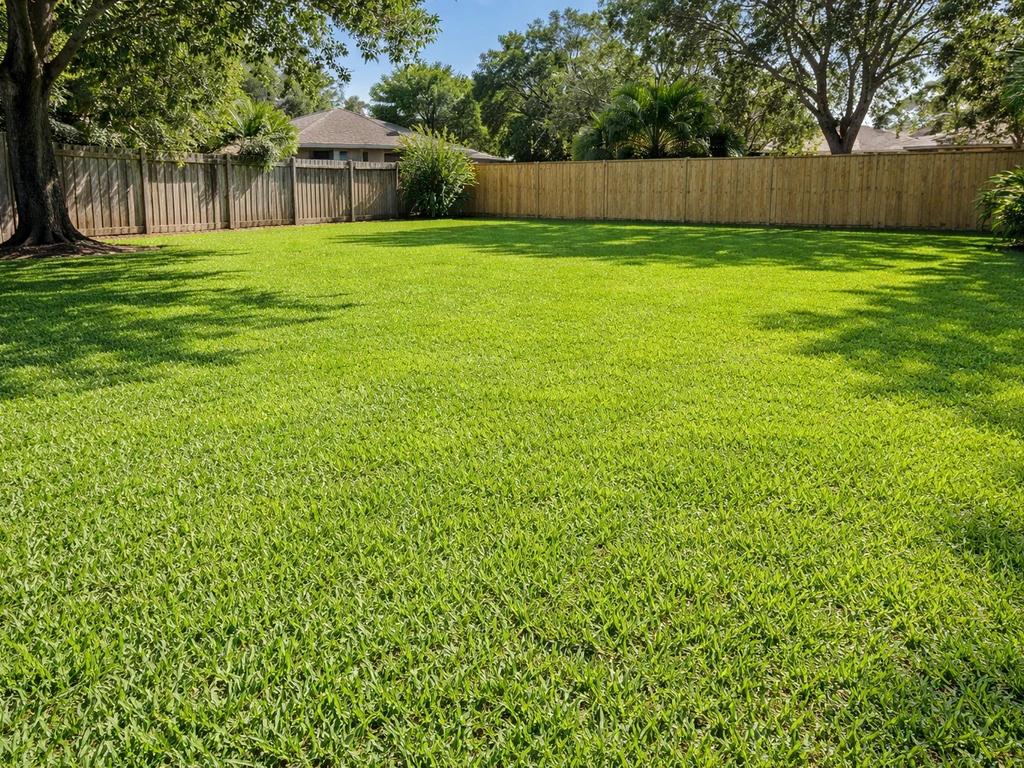
Florida lawn realities you need to know first
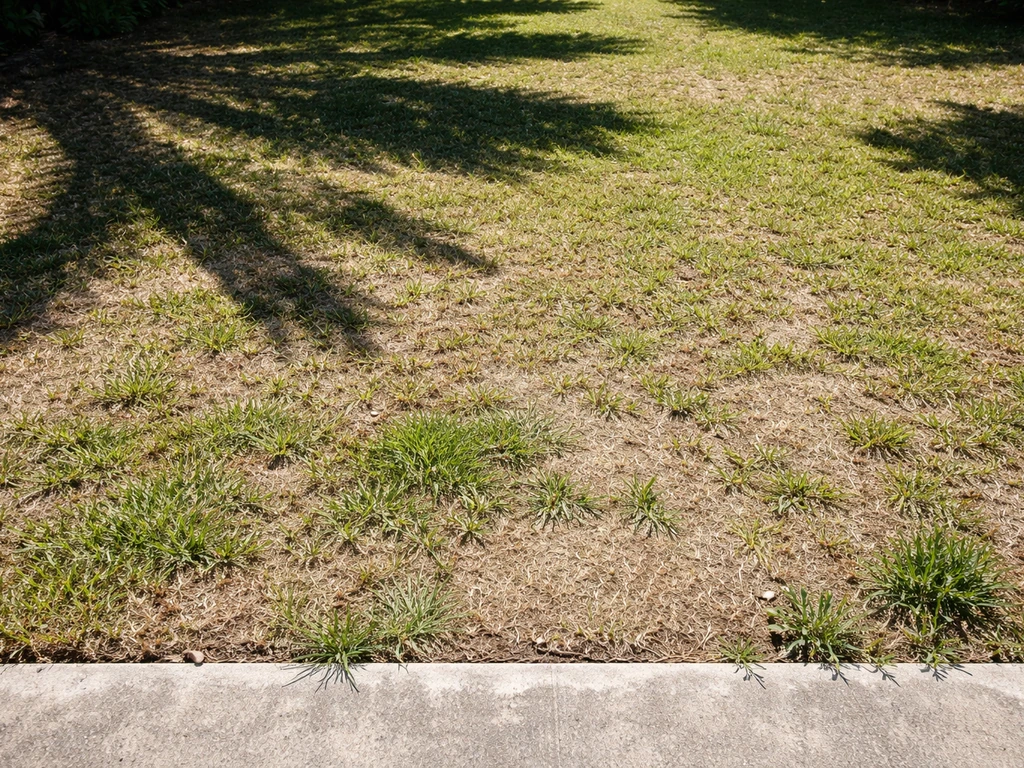
Florida's climate is relentless. Summer temperatures routinely hit 90°F or above, humidity stays high from May through September, and afternoon thunderstorms can drop an inch or more of rain in under an hour. That sounds ideal for growing things, but it also creates fungal pressure, encourages pest activity, and causes seedbeds to fluctuate wildly between waterlogged and bone dry. In winter, North Florida can dip into the 20s, while South Florida rarely sees frost at all. These aren't small differences. They dictate which grasses survive and which ones rot, burn out, or simply never get established.
Sun and shade matter more here than most people expect. The dominant warm-season grasses need a minimum of 6 to 8 hours of direct sun per day, and Florida's tree canopy (especially in older neighborhoods and coastal areas) can make that surprisingly hard to achieve. If you're dealing with heavy shade, you need to know that upfront before you buy a single bag of seed, because most of Florida's best-performing grasses won't thrive without adequate light. It's one of the top reasons Florida lawns fail to establish.
Choosing the right grass for your part of Florida
Florida is divided into three lawn zones: North Florida (roughly Gainesville and above), Central Florida (Orlando area), and South Florida (Miami, Fort Lauderdale, Naples). The grass that dominates South Florida lawns will struggle or go dormant in North Florida winters. Getting this choice right is the single most important decision you'll make.
Warm-season grasses (the Florida workhorses)
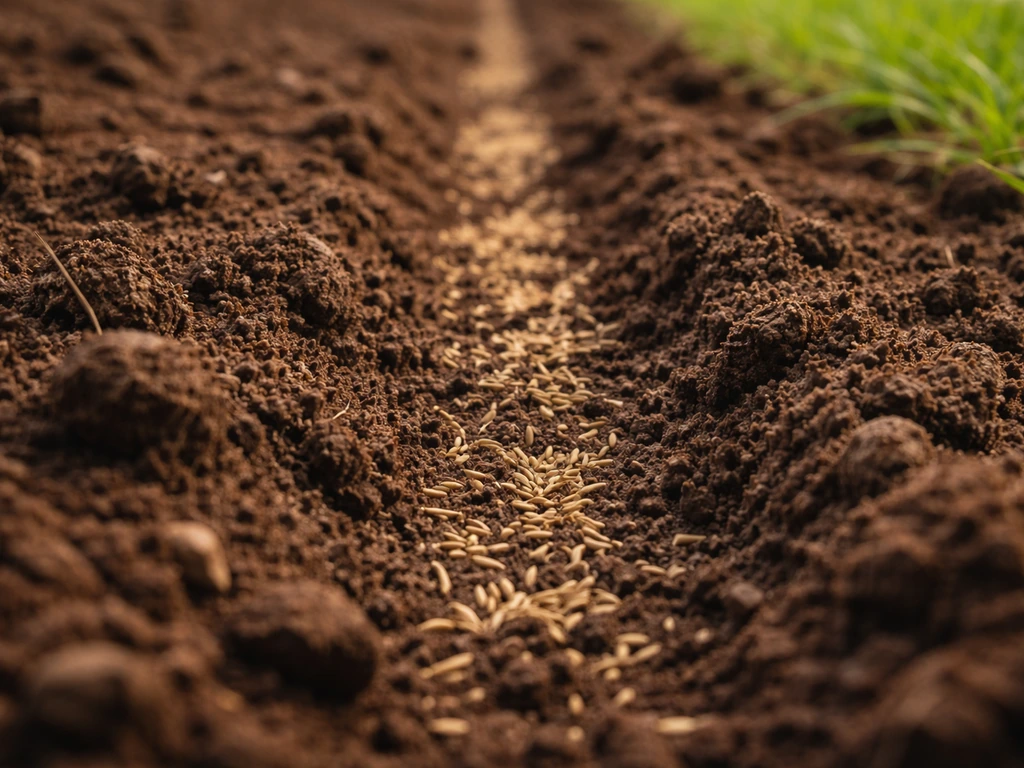
Warm-season grasses grow actively from spring through fall and go dormant or slow significantly in cooler months. These are the foundation of Florida lawns throughout the state.
| Grass Type | Best Region | Sun Needs | Drought Tolerance | Available as Seed? | Notes |
|---|---|---|---|---|---|
| Bermudagrass | All of Florida | Full sun (6+ hrs) | High | Yes | Fastest to establish from seed; very aggressive grower; poor shade tolerance |
| Zoysiagrass | North and Central FL | Full sun to light shade | Moderate-High | Yes (slow) | Dense, wear-tolerant; slow to establish from seed; handles light foot traffic well |
| St. Augustinegrass | All of Florida | Full sun to moderate shade | Moderate | No (sod/plugs only) | Most popular in FL; best shade tolerance of warm-season types; not available as seed |
| Centipedegrass | North and Central FL | Full sun to light shade | Moderate | Yes | Low-maintenance; dislikes heavy fertilization; not cold-hardy enough for all of North FL winters |
| Bahiagrass | North and Central FL | Full sun | High | Yes | Very tough and low-input; coarser texture; common in rural and low-maintenance settings |
Cool-season grasses (a North Florida option)
Tall fescue and ryegrass are not permanent solutions in Florida. Tall fescue may survive as a year-round lawn in the very northern tier of the state (think Pensacola, Tallahassee), but it struggles badly in Central Florida summers. Annual ryegrass is commonly used as a winter overseeding grass in North and Central Florida: you seed it in October or November to keep a dormant warm-season lawn green through winter, knowing it will die out in spring. It is not a permanent lawn option in South Florida at all. If you're in South Florida, don't bother with fescue or ryegrass as a primary lawn grass. Period.
South Florida: what actually works
If you're in Miami-Dade, Broward, Palm Beach, or Collier counties, your realistic seedable options are bermudagrass and bahiagrass. UF/IFAS' 2024 Bahiagrass homeowner guide describes bahiagrass as a low-maintenance warm-season grass that does well with limited water and fertilizer, emphasizing keeping soil moist until the grass is well rooted. St. Augustine is the most popular lawn in South Florida by far, but it only comes as sod or plugs. Zoysia is possible but extremely slow from seed in that heat. Bermuda is your fastest path to a seeded lawn in South Florida, handling the year-round warmth, salt air in coastal areas, and drought periods better than most alternatives.
What to do about Florida's soil (it's probably not what you think)
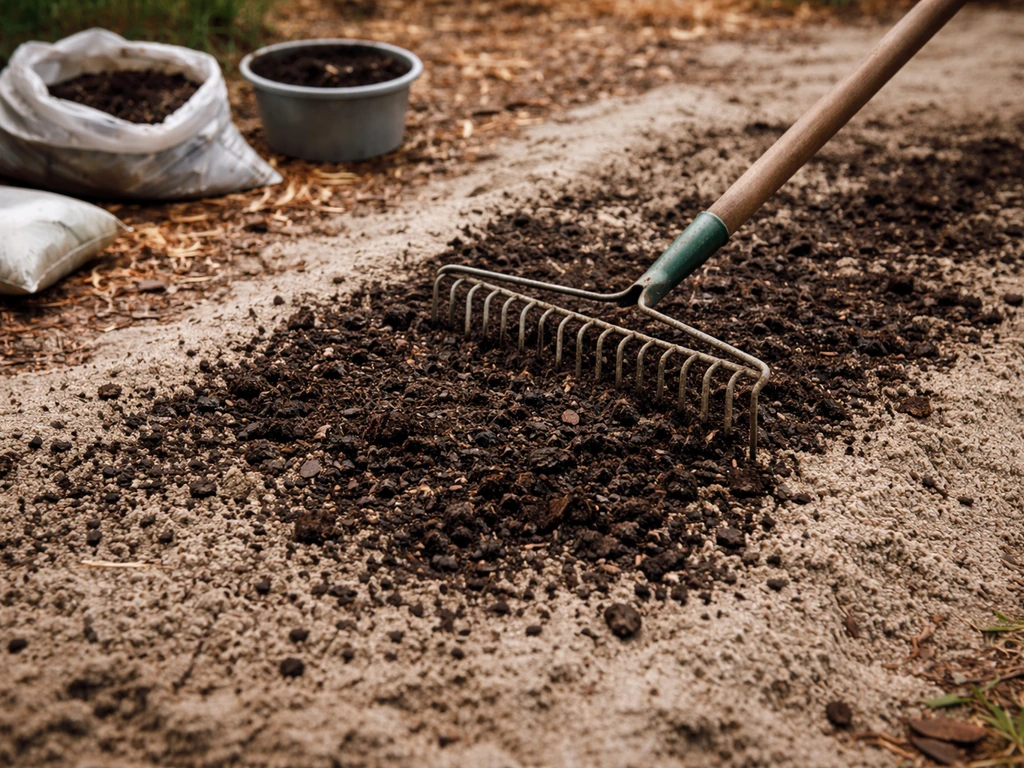
UF/IFAS research confirms what most Florida homeowners eventually learn the hard way: Florida soils are predominantly sandy with very little organic matter. That means they drain fast, dry out quickly, and hold almost no nutrients for young seedlings. It's genuinely harder to establish grass here than in a loamy Midwest soil, and that's not a failure on your part. It's just the reality you're working with. The fix isn't complicated, but you do have to do it before you seed.
If your soil is sandy (most of Florida)
Sandy soil is the default in Florida, and while it won't hold water or nutrients well on its own, it's actually easy to work with and quick to prepare. The goal is to increase organic matter before seeding. Work in 2 to 3 inches of quality compost to a depth of 4 to 6 inches. You can also mix in a starter fertilizer with phosphorus at this stage (look for a 5-10-5 or similar ratio) to support early root development. After seeding, light topdressing with compost helps retain moisture in the seedbed, which is critical because Florida sandy soil can go from wet to dry within hours in summer heat. Work in compost to increase organic matter so your lawn can actually establish in how to grow grass in sandy Florida soil conditions. Growing grass in sandy Florida soil is one of the more common challenges homeowners face here, and the compost amendment step is the single biggest difference between a lawn that takes off and one that struggles.
If your soil is clay or compacted
Clay soil exists in pockets of North Florida and Central Florida, and compacted soil is common in any yard that's had construction activity or heavy foot traffic. UF/IFAS notes that compaction reduces pore space, slows water infiltration, and can limit how deep roots penetrate. That matters because shallow-rooted seedlings are the first to die in Florida's summer heat. If your soil is compacted, rent a core aerator and make two passes before you do anything else. If it's clay-heavy, add gypsum (about 40 pounds per 1,000 square feet) along with compost to break up the structure. Till it in to at least 4 inches, then smooth and grade the surface before seeding.
Dealing with bare spots
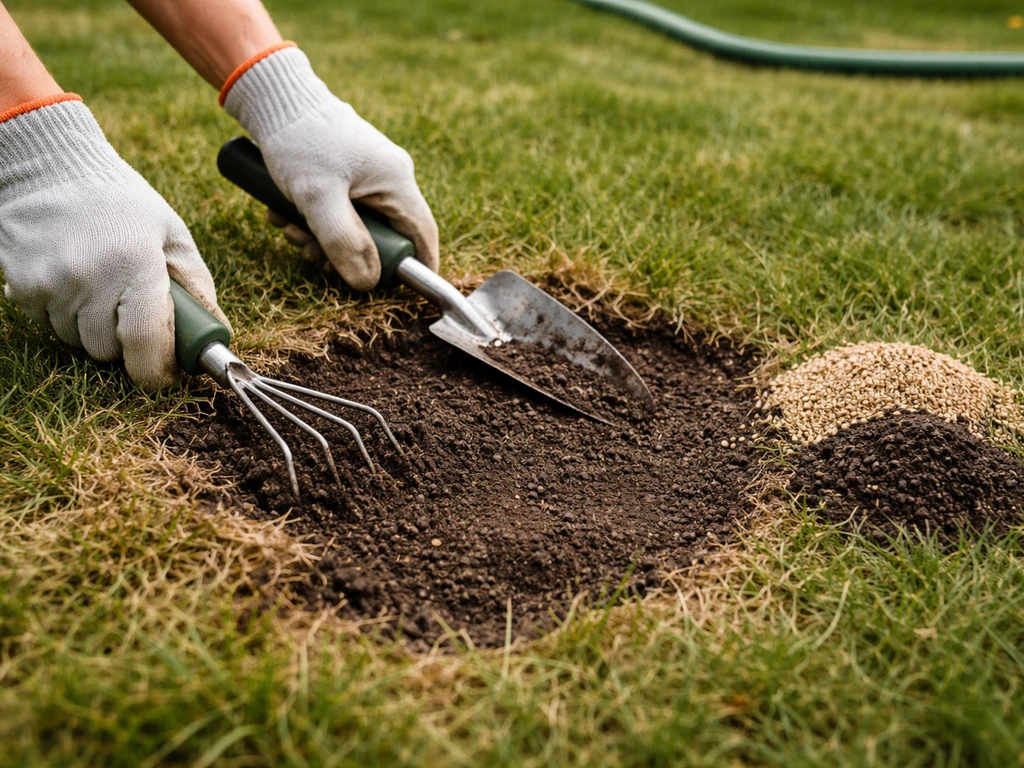
Bare spots usually have compacted or nutrient-depleted soil underneath, often combined with poor drainage or too much shade. Before reseeding a bare spot, scrape away any dead material, loosen the soil to 3 to 4 inches with a hand cultivator, work in a handful of compost, and level it flush with the surrounding lawn. Small bare spots (under 6 inches across) will often fill in on their own if the surrounding grass is healthy. Larger ones need spot-seeding.
When to seed: timing your Florida lawn for the best results
Timing is where a lot of Florida homeowners get tripped up. Timing is where a lot of Florida homeowners get tripped up, and if you want a deeper walkthrough, the guide on how to grow grass seed in Florida goes step by step through the seasonal windows. The windows are narrower than you might expect, and the wrong timing can waste an entire bag of seed.
| Grass Type | Best Planting Window (FL) | Soil Temp Needed | Expected Germination | Notes |
|---|---|---|---|---|
| Bermudagrass | Late April through July | 65–70°F minimum | 7–14 days | Plant well before summer peak heat sets in for best establishment |
| Zoysiagrass | May through June | 70°F+ | 14–21 days | Slower to establish; needs full summer to fill in before fall |
| Bahiagrass | March through July | 65°F+ | 14–28 days | Broader planting window; very forgiving |
| Centipedegrass | April through July | 70°F+ | 14–21 days | Avoid planting too late; needs 60+ days before first frost in North FL |
| Tall Fescue (North FL only) | October through November | 50–65°F | 7–14 days | Cool-season; plant in fall only |
| Annual Ryegrass (overseeding) | October through November | 50–65°F | 5–10 days | Winter color only; will die in spring heat |
The single most important thing to understand about timing in Florida: warm-season grasses need soil temperatures consistently above 65°F to germinate reliably, and above 70°F to germinate quickly. In South Florida, that means you can seed from March through July. In North Florida, wait until late April at the earliest, and finish seeding by early July so the lawn has at least 60 days to establish before growth slows in the fall. UF/IFAS Gardening Solutions recommends seeding warm-season grass in most parts of Florida between April and July and suggests bahiagrass and bermudagrass as good starting choices from seed seed from March through July. Seeding too late in North Florida means seedlings go into winter before they've rooted deeply enough to survive dormancy stress.
Seed selection and how much to plant
Choosing the right product matters, not just the right species. Look for certified seed with a germination rate of at least 85% and a low weed seed percentage (ideally under 0.5%). Hulled bermuda seed (with the coating removed) germinates faster than unhulled, so spend the extra dollar or two on hulled if you want quicker results. For zoysia, look for named varieties like Zenith or Compadre, which perform well from seed in Florida conditions.
| Grass Type | Seeding Rate (new lawn) | Seeding Rate (overseeding) | Coverage per lb |
|---|---|---|---|
| Bermudagrass (hulled) | 1–2 lbs per 1,000 sq ft | 0.5–1 lb per 1,000 sq ft | 500–1,000 sq ft |
| Zoysiagrass | 1–2 lbs per 1,000 sq ft | 0.5–1 lb per 1,000 sq ft | 500–1,000 sq ft |
| Bahiagrass | 6–8 lbs per 1,000 sq ft | 3–4 lbs per 1,000 sq ft | 125–165 sq ft |
| Centipedegrass | 0.25–0.5 lbs per 1,000 sq ft | 0.1–0.25 lbs per 1,000 sq ft | 2,000–4,000 sq ft |
| Tall Fescue | 6–8 lbs per 1,000 sq ft | 3–4 lbs per 1,000 sq ft | 125–165 sq ft |
| Annual Ryegrass | 5–10 lbs per 1,000 sq ft | 5 lbs per 1,000 sq ft | 100–200 sq ft |
Don't over-seed thinking more is better. Overcrowding seedlings creates competition for water and nutrients, leads to weak, spindly plants, and ironically slows establishment. Stick to the recommended rates and be patient.
How to actually seed and establish your lawn, step by step
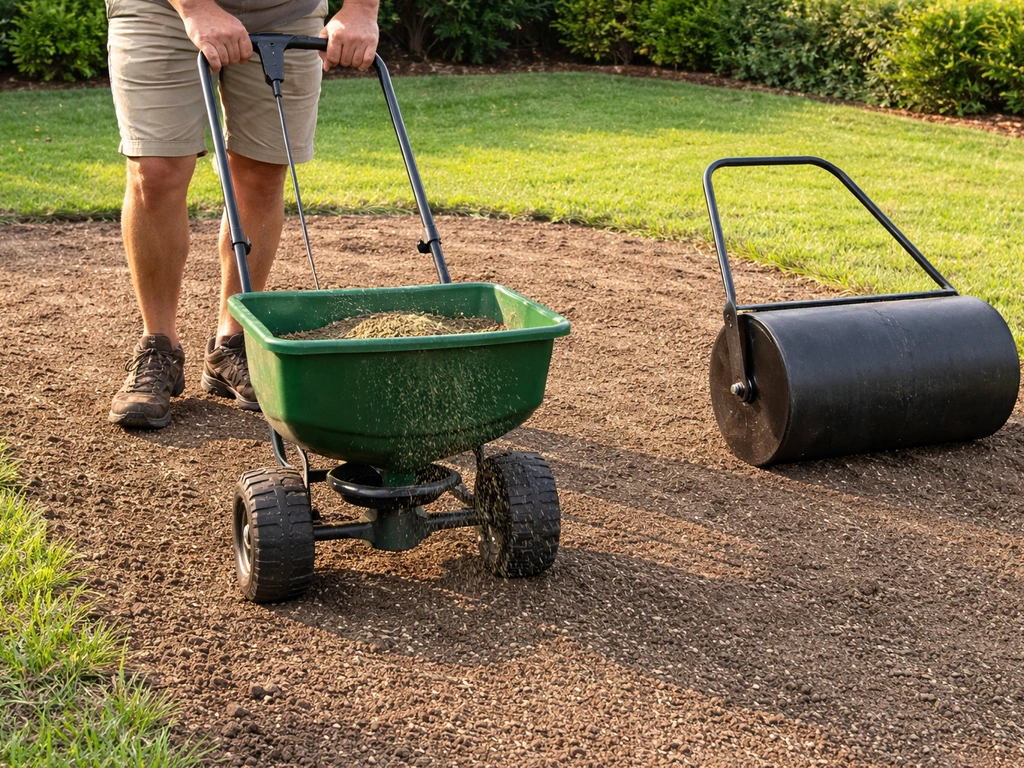
This is the full process, start to finish. Don't skip steps here, especially the soil prep. A bad foundation is why most Florida lawn projects fail.
- Kill or remove existing weeds and dead grass. Use a non-selective herbicide (glyphosate-based) and wait 7 to 14 days before seeding. Or smother small areas with cardboard and 3 inches of compost for a chemical-free option. You cannot seed over weeds and expect success.
- Mow and clear the area. Scalp any existing grass down as low as possible and rake away clippings, thatch, and debris. You want seed-to-soil contact, not seed sitting on a mat of dead material.
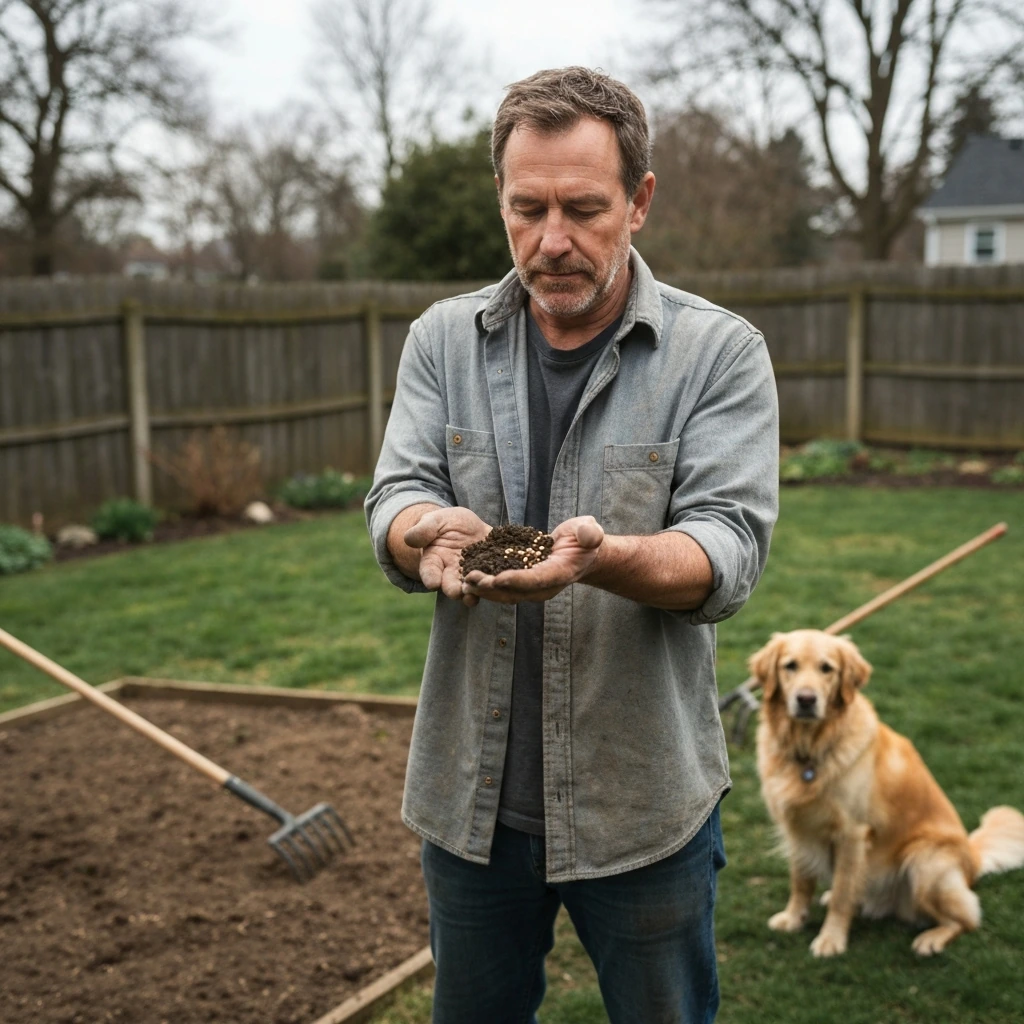
- Loosen and amend the soil. Till or rake to a depth of 4 to 6 inches. Work in 2 to 3 inches of compost and a starter fertilizer. If soil is compacted, aerate first. Level the surface so water won't pool in low spots.
- Apply seed at the correct rate. Use a broadcast spreader for large areas or hand-broadcast for small patches. Split the seed in half and make two passes at perpendicular angles for even coverage. Rake lightly to press seed into the top 1/8 inch of soil.
- Topdress with a thin layer of compost or straw mulch. A 1/4-inch layer of fine compost or weed-free straw keeps moisture in and reduces the chance of seed washing away during Florida's heavy afternoon rains. Don't bury the seed, just lightly cover it.
- Water immediately and keep the seedbed consistently moist. Water lightly two to three times per day for the first 10 to 14 days. The goal is to keep the top inch of soil moist but not waterlogged. In Florida's heat this often means watering in the morning, midday, and late afternoon. Never let the seedbed dry out completely during germination.
- Back off watering once germination occurs. Once you see seedlings emerging (typically 7 to 21 days depending on grass type), shift to watering once per day, then gradually move to every other day as roots deepen. Deep and less frequent watering trains roots to grow downward.
- Wait to mow until grass reaches 3 to 4 inches. First mowing is important. Set the mower high and only remove the top third. Mowing too early or too short can pull seedlings out of loose soil before they're rooted.
- Apply a second round of starter fertilizer at 4 to 6 weeks. Use a balanced fertilizer or one slightly higher in nitrogen at this stage to push lateral growth and thickening.
How to get grass to grow fast in Florida (and the mistakes that slow you down)
If speed is your priority, bermudagrass is your fastest path. Hulled bermuda seeded into a well-prepared, amended seedbed with warm soil (70°F+) can germinate in as few as 5 to 7 days under ideal conditions and begin filling in aggressively within 3 to 4 weeks. Here's how to maximize speed.
- Seed in late May or June when soil temperatures are at their highest. Don't wait until July or August when heat stress is at its worst and afternoon storms are most intense.
- Use hulled bermuda seed, not unhulled. The hull delays germination by days to weeks.
- Amend your soil with compost before seeding. Sandy soil that dries out between waterings is the number one cause of failed germination in Florida.
- Water on a consistent schedule. Missing even one midday watering during germination in 90°F heat can kill your seedlings. Set a phone reminder or use an automated irrigation timer.
- Use a fine compost topdressing over your seed. It retains moisture and moderates soil temperature at the surface, which makes a measurable difference in germination speed.
- Keep foot traffic off the seeded area completely until the lawn is at least 6 weeks old. One walk-through during germination can disrupt more seedlings than you'd expect.
- Don't fertilize with high nitrogen immediately after seeding. It encourages weed competition and can burn seedlings. Wait until the 4-week mark.
Common mistakes that kill Florida lawns before they start
- Seeding cool-season grasses like tall fescue or ryegrass in Central or South Florida expecting a permanent lawn. They won't survive summer.
- Skipping soil amendment in sandy soil and expecting seed to germinate. Without moisture retention, the seedbed dries out between waterings and kills germinating seeds.
- Seeding in August at the peak of Florida's rainy season. Heavy daily storms wash seed away and create fungal issues in newly seeded lawns.
- Planting St. Augustine from seed (it doesn't exist as viable seed). If you want St. Augustine, budget for sod or plugs.
- Overwatering established seedlings. Once grass is 2 to 3 inches tall, daily heavy watering encourages shallow roots and fungal disease.
- Planting shade-intolerant grasses (bermuda, bahia) under heavy tree canopy. If an area gets less than 5 hours of direct sun, reassess your grass selection entirely.
- Ignoring soil compaction. If water pools on the surface for more than a few minutes after rain, your soil likely needs aeration before seeding.
Troubleshooting: why your grass isn't growing and what to do next
If you've seeded and two to three weeks have passed with little or no germination, run through this checklist before you give up or reseed.
| Problem | Likely Cause | Fix |
|---|---|---|
| No germination after 2–3 weeks | Soil too cold, seed too old, or seedbed drying out | Check soil temp (needs 65°F+); verify seed viability; increase watering frequency |
| Thin, patchy germination | Uneven seeding or poor seed-to-soil contact | Topdress thin areas with compost and reseed those spots only |
| Seedlings dying after emergence | Drying out between waterings or fungal disease | Increase watering frequency; check for gray or brown patches (fungal) and treat with a fungicide |
| Grass growing but very slow | Low soil nutrients or compacted subsoil | Apply starter fertilizer; check if water is pooling (may need aeration) |
| Weeds taking over before grass fills in | Seeded too early or into weed-pressure soil | Hand-pull or spot-treat with a grass-safe herbicide; wait for lawn to thicken before using broadleaf weed killer |
| Bare spots remaining after 6 weeks | Shade, compaction, or dog urine damage | Assess sun exposure; loosen soil, amend, and reseed; for pet damage, flush area with water and reseed with a tolerant variety |
| Grass established but brown in winter | Normal dormancy for warm-season grasses in North/Central FL | Overseed with annual ryegrass in October for winter color, or simply wait for spring green-up |
If you're in North Florida and seeded in fall, expect your warm-season lawn to look sparse until late March or April when soil temps climb back above 65°F and growth resumes. That's not failure. That's just how warm-season grass behaves in a climate with real winters.
Your actual next steps
Start by identifying your region (North, Central, or South Florida), measuring your lawn area in square feet, and checking current soil temperatures (a $15 soil thermometer from any garden center works fine). From there, pick your grass species based on the guide above, buy the right amount of seed, and plan your soil prep weekend before your seeding weekend. The prep work takes more time than the seeding itself, but it's what separates lawns that thrive from ones that have to be started over.
If your yard has sandy soil (and it probably does), the soil amendment step is non-negotiable. If you're dealing specifically with sandy conditions, look into detailed guidance on growing grass in sandy soil and what amendments give you the most improvement for the money. If you're planning on centipede grass, the approach for sandy soil tweaks the compost and watering schedule to match its needs how to grow centipede grass in sandy soil. If you're in a coastal or uniquely sandy area of South Florida, the specific challenges of sandy Florida soil deserve their own look before you finalize your plan.
One more honest note: no lawn in Florida looks perfect year-round without real effort. The heat, the pests, the rain variability, and the soil all make it genuinely challenging. But if you pick the right grass, prep the soil properly, seed at the right time, and water consistently through germination, you will get results within three to six weeks. That's a realistic promise.
FAQ
Can I grow grass in Florida from seed year-round, or are there real blackout months?
Seeded establishment is tied to soil temperature, not calendar dates. Even in South Florida, germination can stall in colder snaps or if soil drops below about 65°F, so your best results come from seeding during the spring to summer windows your zone allows, rather than trying to seed during winter cold spells.
How do I know if my soil temperature is high enough for seeding, not just the air temperature?
Use a soil thermometer at seeding depth (commonly the top 1 to 2 inches). Air can feel warm while soil stays cooler under shade or in damp sandy pockets, and warm-season seed often fails when the soil is not consistently above 65°F.
What watering schedule should I use during germination on Florida’s sandy soil?
Aim for consistently moist, not soggy, topsoil during germination. Because sandy soil can swing from wet to dry in hours, you typically need short, frequent waterings to keep the top layer damp until sprouts appear, then gradually reduce frequency and increase depth of watering as roots form.
Should I use straw mulch after seeding in Florida?
Sometimes, but choose lightweight, breathable coverage and remove or thin it if it traps too much moisture. Heavy or thick layers can create crusting and fungal-friendly conditions during Florida’s humid periods, especially if watering is already frequent.
Do I need to fertilize before seeding or only after germination?
You can use a starter fertilizer at soil-prep time (with a phosphorus-forward ratio), which supports early rooting. After germination, avoid immediately switching to aggressive nitrogen feeding, because young seedlings in sandy Florida soil are sensitive to salt burn and uneven nutrient uptake.
Is it better to overseed bare spots, or should I regrade and redo the whole lawn?
For small bare areas under about 6 inches across, spot-filling often works if the surrounding turf is healthy. For larger gaps, reseeding alone may never catch up if drainage, grade, or compaction is the cause, so loosen and amend the spot and ensure it sits level with adjacent turf.
How can I tell if poor germination is from bad timing versus bad seed quality?
Check soil temperature first, then examine the seed after you wait a typical germination period. If soil was consistently warm and your seed has low weed seed and a high germination rate, failure is more likely due to seedbed dryness, compaction, or watering that was too light or too heavy.
What’s the most common mistake people make when they want a fast Florida lawn?
Over-seeding at higher-than-recommended rates. Crowded seedlings compete for moisture and nutrients in sandy soil, which can slow establishment and produce weak, spindly grass instead of a dense canopy.
Can I mix grass types to create a thicker lawn in Florida?
Mixing species can backfire because different grasses germinate and respond to heat, shade, and dormancy differently. In most Florida lawns, it’s better to select one species matched to your region and light conditions, then manage maintenance for that grass rather than blending incompatible options.
Why does my lawn turn patchy or thin during winter or after cold snaps?
Warm-season lawns naturally slow or go dormant when cooler weather hits. If you seeded too late in North Florida, seedlings may not have rooted deeply enough before winter dormancy stress, leading to sparse spring regrowth even if germination was initially good.
What should I do if I seeded and nothing came up after 2 to 3 weeks?
Re-check soil temperature history, confirm you kept the top layer consistently moist until germination, inspect for runoff or crusting, and look for compaction or heavy shade in the seedbed. If conditions were favorable and no sprouts appear, it may be time to revise the seedbed preparation rather than just adding more seed.
Does shade change which grass I should seed in Florida?
Yes. Florida’s warm-season grasses typically need substantial direct sun, and dense tree canopy is a major reason lawns fail to establish. Before buying seed, estimate daily sun hours, and if the area is consistently shaded, adjust expectations or consider a different approach instead of seeding a full-sun grass blindly.
What’s a simple way to choose between bermudagrass, bahiagrass, and St. Augustine for South Florida?
Bermudagrass is usually the fastest seeded option for warmth and tolerance of drought and salt air. Bahiagrass is hardy and reliable but often less aggressive in fast fill-in. St. Augustine is commonly grown from sod or plugs and can be harder to achieve from seed in South Florida, so pick based on your realistic method and timeline.
Should I aerate before seeding, and when is aeration harmful?
If your yard is compacted, core aeration before seeding can help water and roots penetrate. Avoid aerating at the wrong time or overdoing it when soil is already unstable, because excessive disruption can expose seedbed layers that dry out faster in Florida heat.
How to Grow Grass in Sandy Soil Step by Step Guide
Step-by-step seeding guide for how to grow grass in sandy soil, including prep, seed choice, watering, and troubleshooti