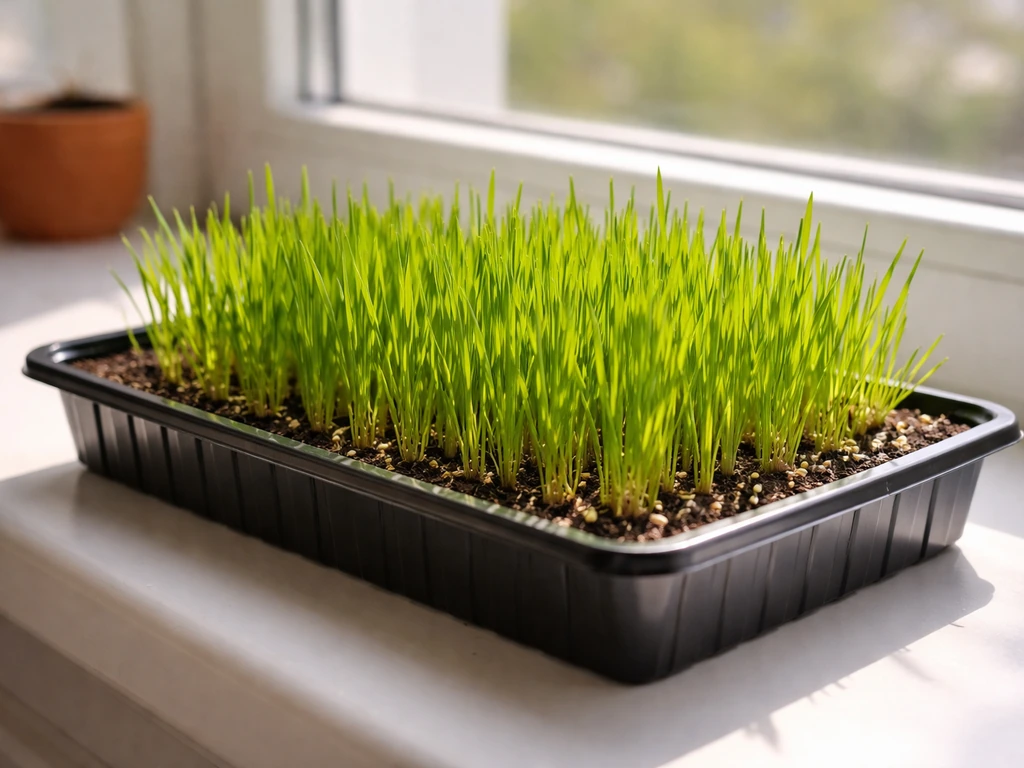
The best pet grass is a durable, wear-tolerant variety matched to your climate: bermudagrass or zoysiagrass in warm regions, tall fescue or perennial ryegrass in cool ones. You sow it in the right season, prep the soil so it drains well, water carefully during germination, and then manage urine burn and foot traffic once it's established. Hydroponic grass can be grown indoors using the same pet-friendly approach to feed management, so the blades regrow reliably for short-time harvests. That's the whole system. The details below will walk you through every step so you're not guessing.
How to Grow Pet Grass: Step-by-Step Seeding and Care
Marcus Tillwell
25 Jun 2026
What pet grass actually is (and why it matters)
"Pet grass" isn't a single product or species. It's a term for any grass you're deliberately growing in an area where pets live, play, and relieve themselves. If you want to grow pet grass indoors, the same core ideas apply, but you'll also need bright light and a consistent indoor watering plan. The goal is a lawn that can handle constant traffic, recover from urine damage, and stay safe if your dog chews on a blade or rolls around in it. On this site, we're talking about growing real turfgrass from seed in your yard, not the wheat grass or oat grass sold in little trays at pet stores (though that indoor version has its own use case for pets who like to graze).
Pet owners usually come to this topic after watching their lawn develop dead brown patches, muddy bare spots, or thin scraggly growth that can't hold up to a medium-sized dog running laps. The solution isn't magic seed. It's picking the right grass type for your region, giving it a proper start, and building in a maintenance routine that accounts for what pets actually do to turf. Get those three things right and you can have a genuinely resilient lawn.
Choosing the right grass type for pets and your climate
Wear tolerance and recovery speed are the two traits you're optimizing for when you pick a pet-friendly grass. A grass that spreads by stolons or rhizomes (like bermuda or zoysia) can fill back in after damage on its own. A bunch-forming grass (like tall fescue) can't self-repair, so you need to overseed bare spots manually. Both approaches work, but knowing which type you have changes how you maintain it.
| Grass Type | Climate Zone | Wear Tolerance | Self-Repair | Shade Tolerance | Best For |
|---|---|---|---|---|---|
| Bermudagrass | Warm season (South, Southwest) | Excellent | Yes (stolons/rhizomes) | Poor | High-traffic sunny yards |
| Zoysiagrass | Warm to transition zone | Excellent | Yes (stolons/rhizomes) | Moderate | Moderate-traffic yards with some shade |
| Tall Fescue | Cool season (North, Pacific NW, higher elevations) | Good | No (bunch-forming) | Good | Shaded yards, clay soil, cooler climates |
| Perennial Ryegrass | Cool season or overseeding | Good | No (bunch-forming) | Moderate | Quick cover, overseeding damaged areas |
| Kentucky Bluegrass | Cool season (North, Midwest) | Moderate | Yes (rhizomes) | Poor | Northern lawns with good sun and care |
For most pet owners in the South and Southwest, bermudagrass is the clearest choice. It grows fast in summer heat, spreads aggressively to fill bare spots, and recovers from urine damage better than most grasses because of that lateral spread. In the transition zone (think Tennessee, Virginia, parts of the Midwest), zoysia is a great middle-ground. For anyone in the Pacific Northwest, the upper Midwest, or New England, tall fescue is the practical pick: it handles shade better than bluegrass, tolerates clay soil reasonably well, and its deep roots help it survive dry spells. Perennial ryegrass germinates faster than almost anything (5 to 7 days), so it's worth mixing in when you need quick cover over a damaged area.
Site prep: soil, drainage, and light
Skipping site prep is the number-one reason a pet grass project fails. Seed dropped onto compacted, poorly drained soil won't establish no matter how good the variety is. Spend 30 minutes here and you save yourself weeks of frustration. If you want to take the idea further, the same grass basics apply when learning how to grow grass underground, like focusing on proper soil preparation and establishment conditions.
Check your drainage first
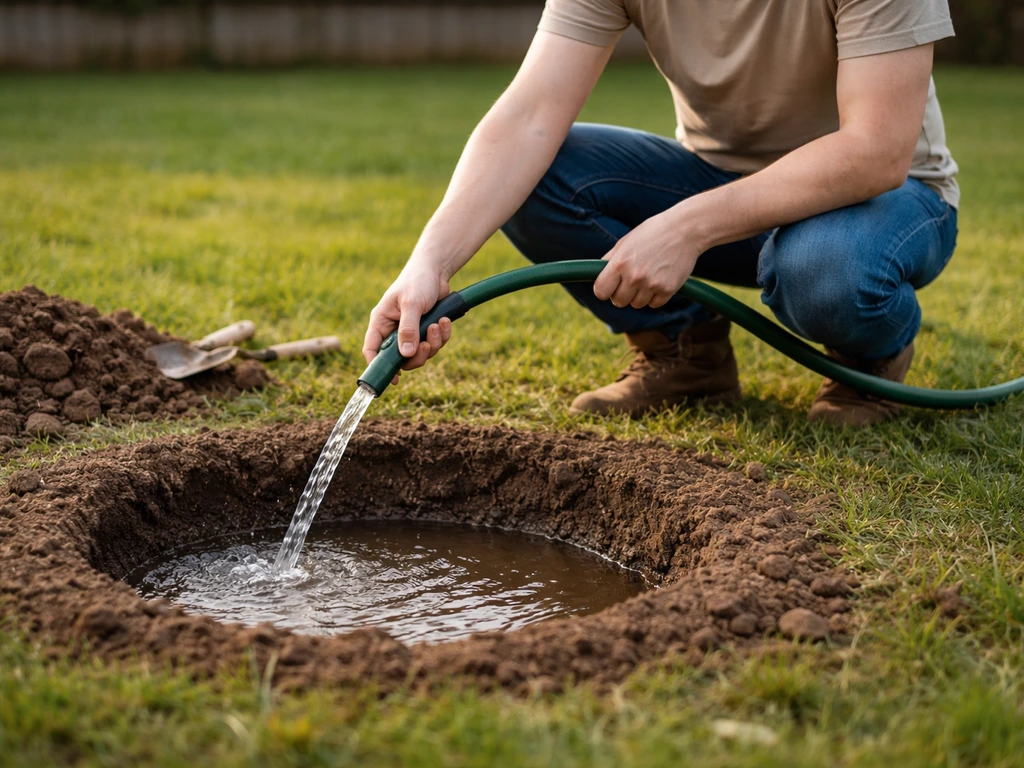
Dig a hole about 12 inches deep, fill it with water, and watch how long it takes to drain. If it's still sitting after 3 to 4 hours, you have a drainage problem. Pet traffic on wet, poorly drained soil creates muddy bare patches fast. For clay soil, work in a 2 to 3 inch layer of compost before seeding. Compost opens up clay's texture without costing much, and it improves how the soil holds moisture without getting waterlogged. For sandy soil, the same compost amendment helps retain moisture so seed doesn't dry out between waterings.
Soil pH and a quick fertility check
Most lawn grasses want a soil pH between 6.0 and 7.0. A basic test kit from a hardware store (under $15) tells you where you stand. If you're below 6.0, lime raises pH. If you're above 7.5, sulfur lowers it. You don't need lab-grade accuracy here, just a ballpark. Also scratch the surface: if the top inch is hard and compacted from pet traffic, rent a core aerator or use a manual garden fork to break it up before you seed.
Sun and shade reality check
Be honest about how much direct sun your pet area gets. Bermuda needs at least 6 to 8 hours of full sun to thrive. Zoysia can manage on 4 to 6 hours. Tall fescue handles 3 to 4 hours of direct sun and dappled shade reasonably well. If your pet's main hangout spot is heavily shaded, tall fescue is your best bet. No grass handles deep shade (under a dense tree canopy all day) well from seed, so if that describes your yard, you may need to prune lower limbs to let more light in before you seed.
How to sow pet grass step by step
Timing is everything with grass seed. Plant too early or too late and you're fighting the calendar instead of working with it. Here's the full process from start to first mow. If you plan to grow grass indoors for dogs, you can use the same pet-safe principles but you will need strong light and careful watering to replace what the outdoors provides indoor dog grass.
When to plant
- Bermudagrass: Late spring to early summer when soil temps reach 65 to 70°F consistently (typically May through June in warm regions)
- Zoysiagrass: Same window as bermuda, once soil temps hit 65°F or higher
- Tall fescue: Late summer to early fall (late August through October in most cool-season zones); second option is early spring, but fall is better
- Perennial ryegrass: Fall in cool zones, or anytime you need quick overseeding cover in mild temps (50 to 65°F soil)
- Kentucky bluegrass: Early fall, 6 to 8 weeks before first frost
Seeding rates for pet areas
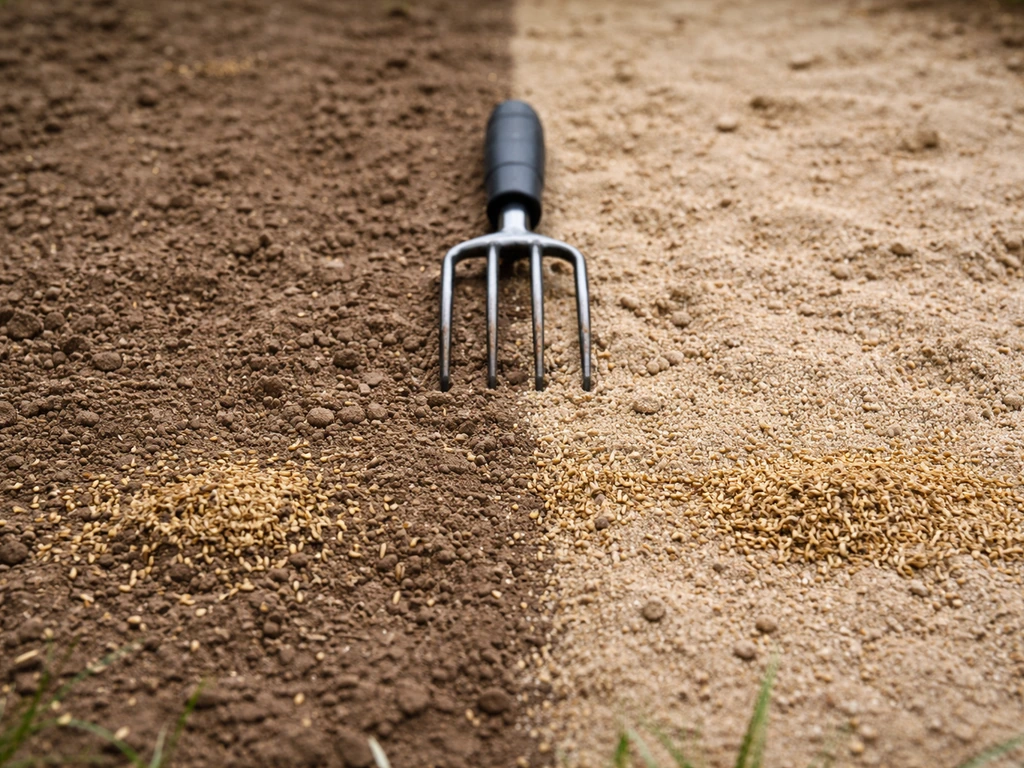
For a pet-heavy area, seed slightly heavier than standard rates to account for patchy establishment and pet disturbance during germination. General starting points: tall fescue at 6 to 8 pounds per 1,000 square feet (go to 8 if the area is heavily damaged), perennial ryegrass at 8 to 10 pounds per 1,000 square feet, bermudagrass hulled seed at 1 to 2 pounds per 1,000 square feet, and zoysiagrass at 1 to 2 pounds per 1,000 square feet. If you're overseeding into an existing thin lawn, halve those rates.
The actual seeding process
- Mow existing grass short (if overseeding) or remove dead material and loosen the top 1 to 2 inches of bare soil with a rake
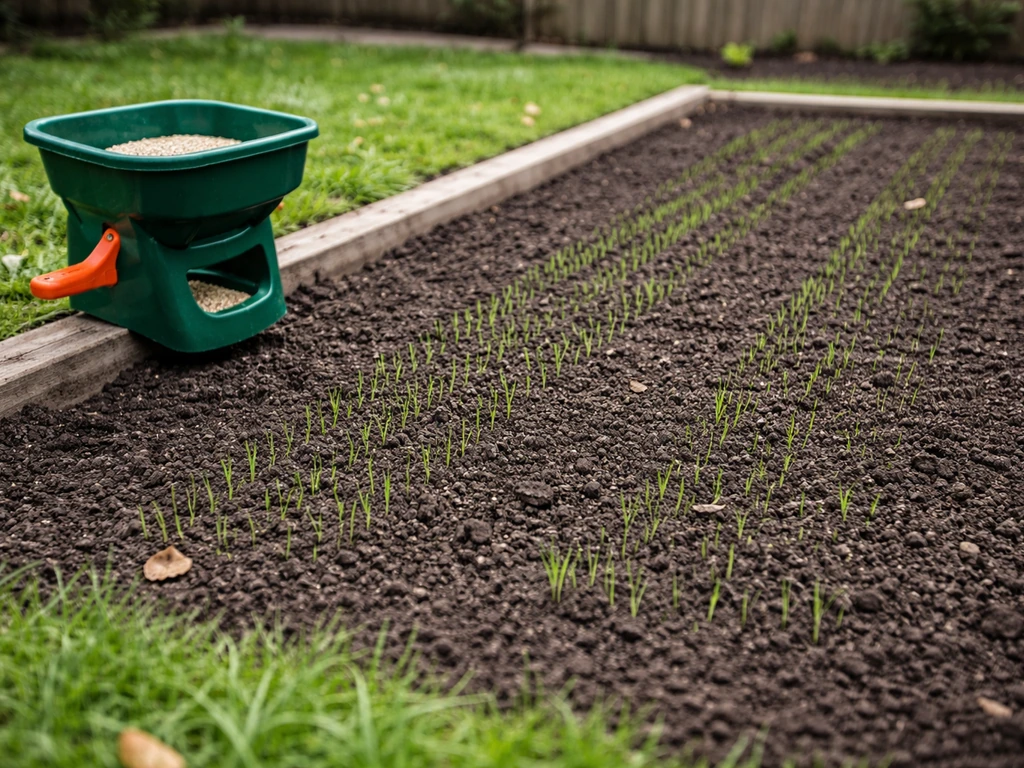
- Spread seed with a broadcast spreader or drop spreader for even coverage; split the rate in half and go over the area twice in perpendicular directions for better distribution
- Rake lightly to press seed into the top 1/4 inch of soil. You want seed-to-soil contact, not buried seed
- Apply a thin starter fertilizer with higher phosphorus (look for something like a 10-20-10 or similar) to support root development, not just top growth
- Cover lightly with a thin layer of straw mulch or peat moss if the area is prone to drying out fast or erosion from irrigation. Keep it thin, just enough to see the soil beneath
- Water gently and immediately after seeding
Caring for pet grass while it germinates and gets established
Watering during germination
The number one germination killer is letting the seed dry out. For the first 2 to 3 weeks, water lightly two to three times a day if it's warm and sunny, or once a day in cooler conditions. The goal is to keep the top inch of soil consistently moist but not soggy. Once you see consistent green sprouts, taper down to once-daily watering and then to every other day as roots go deeper. This is the phase where you need to keep pets off the area. After that, keep pets off the new grass as much as possible until it’s established, then transition into a regular watering and traffic plan keep pets off the area. Even a few hours of foot traffic on newly sprouted grass can set you back significantly.
How long germination takes by grass type
| Grass Type | Germination Time | Mow-Ready Time | Full Establishment |
|---|---|---|---|
| Perennial Ryegrass | 5–7 days | 3–4 weeks | 2–3 months |
| Tall Fescue | 7–14 days | 4–5 weeks | 2–3 months |
| Kentucky Bluegrass | 14–21 days | 5–6 weeks | 6–12 months |
| Bermudagrass (hulled seed) | 10–14 days | 4–6 weeks | 3–6 months |
| Zoysiagrass (seed) | 14–21 days | 6–8 weeks | 6–12 months |
When and how to start mowing
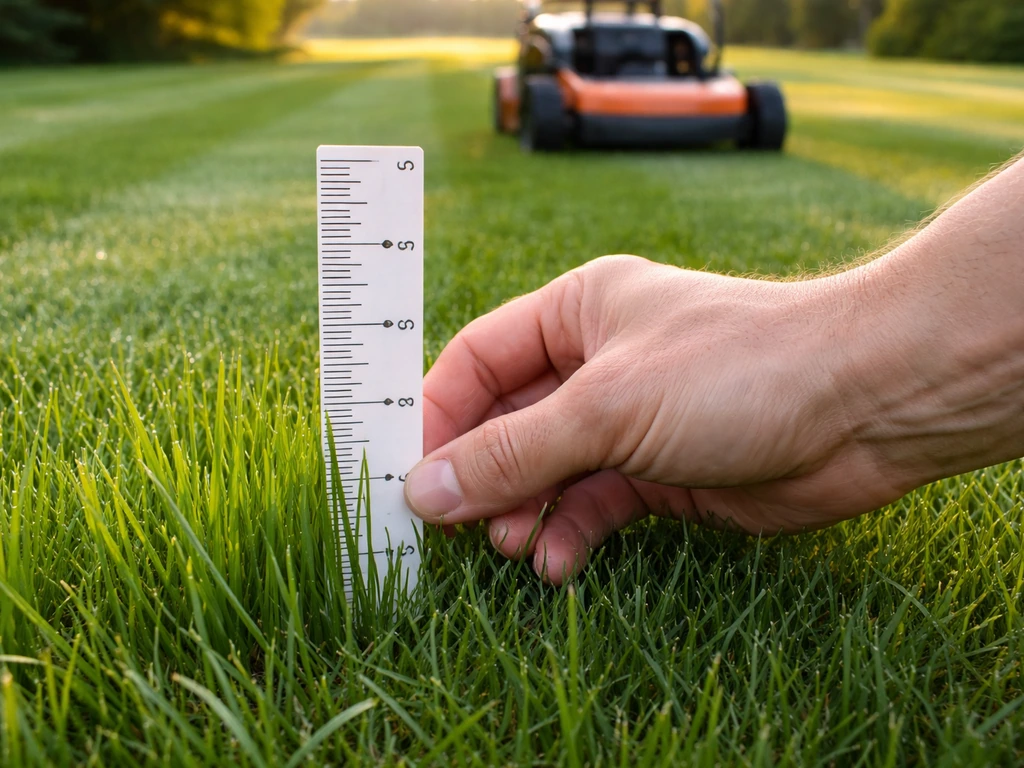
Wait until grass reaches about 3.5 to 4 inches before the first mow, then cut it down to no less than one-third of its height at a time. For tall fescue, that typically means mowing at 3 to 3.5 inches. For bermuda or zoysia, you can mow shorter (1.5 to 2.5 inches), but don't scalp it while it's still establishing. Use a sharp blade and walk lightly to avoid uprooting seedlings. After the second or third mow, the root system is usually strong enough to handle gentle pet traffic, though high-traffic areas benefit from waiting a full 6 to 8 weeks.
Troubleshooting the common problems
Bare spots that won't fill in
Bare spots in a bunch-forming grass (tall fescue, ryegrass) won't fill on their own because these grasses don't spread laterally. You have to go back in and overseed those patches. Loosen the soil surface, drop seed, and keep it moist. For spreading grasses like bermuda and zoysia, bare spots will eventually fill if the surrounding grass is healthy, but you can speed it up by plugging or sprigging from an established area. If the same spots keep dying no matter what you do, look at what's underneath: often it's compaction, standing water, or a rock just below the surface.
Slow or uneven germination
Uneven germination almost always comes down to uneven seed-to-soil contact or inconsistent moisture. Check that you're not watering too heavily in some spots and missing others. A sprinkler on a timer beats hand watering for consistency. If soil temps were too low when you seeded, germination will be slow regardless of moisture. Check soil temps at 2 inches deep with a cheap thermometer: if you're below 50°F for cool-season grass or below 65°F for warm-season grass, seed will just sit there.
Weeds competing with new seedlings
Pre-emergent herbicides prevent weeds but also prevent grass seed germination, so don't use them around a new seeding. Your only realistic weed options during establishment are hand-pulling and patience. Once grass is established and you've mowed it two to three times, you can use a selective post-emergent herbicide appropriate for your grass type. Always read the label because some herbicides that are fine for tall fescue will damage bermuda, and vice versa. Also note that many lawn herbicides are not safe to use around pets until dry, so factor that into timing.
Poor growth in shaded spots
If grass is thin or patchy only in the shadier parts of the yard, you likely chose a grass that can't tolerate low light, or the shade is simply too heavy. Try switching to tall fescue in those areas if you haven't already. Mow slightly higher in shade (about half an inch taller than normal) to give the grass more leaf surface to collect light. Prune overhead branches to open the canopy if possible. If a spot gets fewer than 3 hours of direct sun, consider a ground cover or mulch instead of fighting grass there.
Clay and sandy soil problems
Clay soil holds moisture well but compacts under pet traffic and drains slowly. Aerate it every fall and top-dress with compost annually to keep it workable. Sandy soil drains fast (sometimes too fast) and needs extra irrigation during establishment plus organic matter to improve water retention. If seed keeps drying out on sandy soil between waterings, add a thin layer of peat moss over the seeded area until germination is complete.
Pet safety and long-term maintenance
Is lawn grass actually safe for pets?
The grass species themselves (bermuda, fescue, zoysia, ryegrass, bluegrass) are not toxic to dogs or cats. blank" rel="noopener noreferrer">The ASPCA's toxic plant registry is a useful resource if you want to double-check any specific variety or grass-like plant. The real risk with pet grass isn't the grass itself but the products applied to it. Fertilizers, herbicides, and pesticides can be hazardous to pets if they're outside while products are still wet or granules are still visible. Always follow label instructions for re-entry intervals, and when possible, choose products labeled as pet-safe once dry.
Managing urine burn
Urine damage comes from a combination of nitrogen concentration and salts. The green ring you often see around a dead brown spot is caused by that nitrogen acting as a light fertilizer at the edges. Purdue Extension is direct about this: the only guaranteed way to prevent urine damage is to keep pets off the lawn, which isn't practical for most people. The realistic approach is damage control. According to University of Maryland Extension and UC IPM, flushing the spot with water as soon as possible after a dog urinates significantly reduces damage and speeds recovery. A quick soak with a hose dilutes the nitrogen and salts before they do real harm. Getting into the habit of irrigating those spots immediately makes a noticeable difference over a season.
Grasses with fast lateral spread (bermuda, zoysia, kentucky bluegrass) recover from urine spots faster than bunch-forming types because they can grow back into the damaged area from the sides. This is one more reason bermuda is often the top pick for pet-heavy warm-season yards.
Traffic management and durability
Even the most durable grass has limits. If your dog runs the same path along the fence every day, that strip will not stay green. The solution is to spread activity out as much as possible: rotate where your pet plays, use stepping stones along high-traffic fence lines, or section off areas periodically with temporary fencing to give grass time to recover. Overseeding problem spots in the appropriate season each year is just part of pet lawn maintenance. Think of it as a twice-yearly task rather than a failure.
A simple pet lawn maintenance schedule
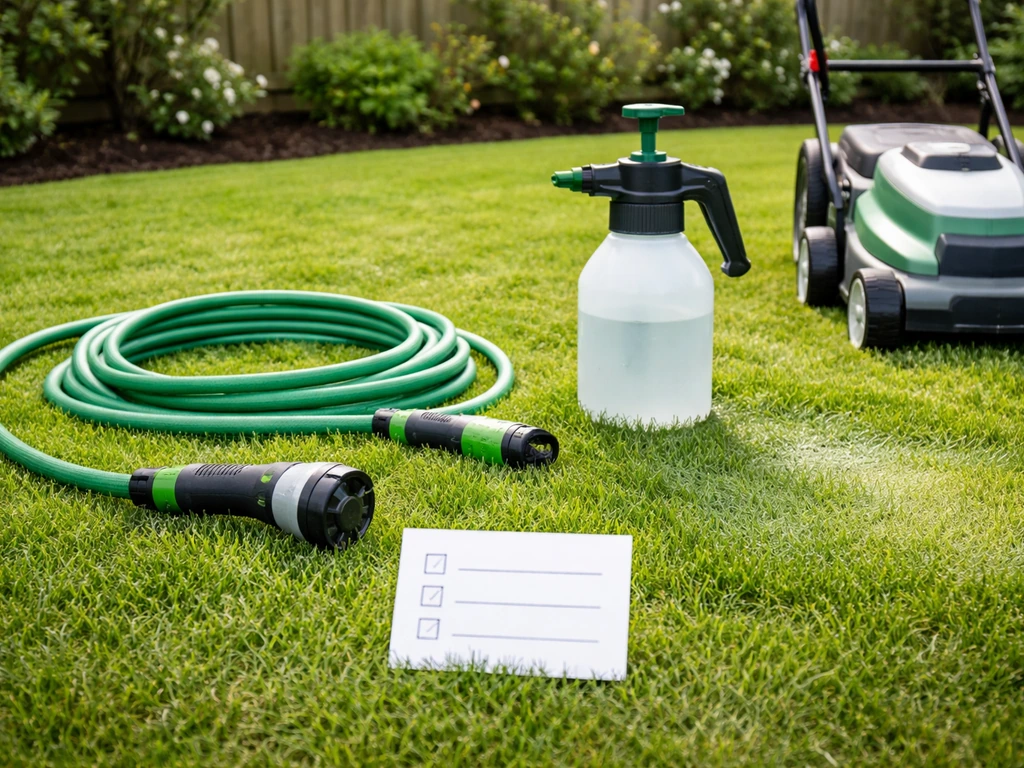
- Water urine spots immediately after your pet goes to dilute nitrogen and salts
- Mow at the correct height for your grass type and never remove more than one-third of the blade at once
- Aerate once a year (fall for cool-season, late spring for warm-season) to fight compaction from pet traffic
- Overseed damaged or thin areas each season at the appropriate time for your grass type
- Top-dress with a thin layer of compost in fall to improve soil structure and aid recovery
- Check any lawn products against re-entry intervals before letting pets back on treated areas
- Rotate pet play areas or use temporary fencing to rest stressed patches
If you're growing grass in a contained indoor or semi-indoor space for a pet to use as a relief area, the approach is a bit different. If you're trying to grow grass inside for pets, you'll need to focus on container drainage, adequate light, and consistent watering so seedlings can establish growing grass in a contained indoor or semi-indoor space. The same principles around grass selection and watering apply, but drainage and container size become bigger factors. That scenario overlaps with topics like growing grass indoors for dogs and hydroponic grass setups, which are worth looking into if your situation involves an apartment, balcony, or indoor pet area. For outdoor yards, though, the guide above gives you everything you need to start today.
FAQ
Can I use a sprinkler timer to water newly seeded pet grass?
Yes, but only during the germination window and in a limited way. As soon as seeds go in, keep the top inch consistently moist, then after the first steady sprouts appear, switch to tapering schedules (more time between waterings, less frequency) so seedlings develop roots. If you overwater, you can get fungus, crusting, or seed washout, especially on slopes or compacted clay.
How deep should I bury pet grass seed for best germination?
Before you seed, remove all “living” residue (old thatch, leaves, and dead grass clumps) because it blocks seed-to-soil contact. After seeding, lightly rake or press the seed into the top layer so most seeds are covered, not sitting on the surface. You can usually tell if you’re too shallow if you see lots of seeds exposed and poor uniform sprouting.
Why is my pet grass seed not sprouting even though I’m watering?
Bermuda and zoysia often need hulled or properly prepared seed, and they can be slow to show until soil temps are right. If your lawn is still dormant or growth is delayed, confirm you seeded into the correct warmth range, then wait for consistent soil temperature rather than increasing watering. Also avoid pre-emergent herbicides until the grass has been mowed multiple times, since those products can suppress seed germination.
Is overseeding enough for all pet grass types, or do I need plugs or sprigs?
Yes, but the method should match your grass type and your traffic pattern. For bunch-forming grasses like tall fescue or rye, you need true overseeding into bare areas because they do not fill laterally on their own. For spreading types like bermuda or zoysia, plugging or sprigging can speed recovery, but it still won’t fix ongoing standing-water problems.
When can my dog go back on the new pet grass?
You can, but only after the grass is established enough not to tear. A good rule is to delay regular traffic until after several mowings (and ideally a full establishment period), then start with limited, predictable use. If you must let your pet out sooner, use temporary fencing to create a “no-run zone” and redirect walks to other surfaces.
What should I do if water sits on my yard after watering or rain?
If your soil drains slowly, seed may survive but establishment fails due to oxygen-starved roots and muddy traffic that compacts soil further. Re-test drainage after any soil amendments and consider aeration or a better grade plan before seeding again. A quick 30 minute fix is usually impossible if water stands after a few hours.
My pet grass is thin only in the shaded area, should I switch grass or change care?
If thinning is limited to low-sun corners, switching species may help, but you should also adjust mowing height and reduce competition. Mow higher in shade (slightly above your normal height) so blades capture more light, and consider pruning overhead limbs to open the canopy. If a spot gets very little direct sun, ground cover or mulch may be the smarter choice than repeated seeding.
Can I use fertilizer or weed killer on new pet grass without harming my dog?
Some “spot treatments” can damage seedlings if you apply them too early or leave them wet. Before using any product, check the label for use timing around newly seeded areas and pet re-entry requirements. For weed control specifically, hand-pulling is safer during establishment, and post-emergent options should wait until the grass has been mowed at least a couple of times.
Do “natural” urine-neutralizers work better than just watering the spot?
Not usually, because the nitrogen in urine is the real driver and salts also contribute, even if you’re using “natural” products. The practical approach is immediate dilution and recovery support. Keep a hose setup or plan to quickly soak affected spots soon after urination, then resume normal watering later based on establishment stage.
How quickly should I hose down urine spots to reduce damage?
It helps, but timing matters. The fastest reduction in urine-ring severity usually comes from flushing soon after the event, then using a consistent watering schedule that encourages deeper roots. Even with immediate flushing, repeated urination in the same narrow area may still create a bald strip, so rotating activity paths and overseeding in the right season remains necessary.
My yard has a permanent brown strip along the fence, what’s the fix?
No grass stays perfect if it gets abused by the same run track. Rotating play locations, using stepping stones on fence lines, and adding temporary barriers during recovery periods are the most reliable. Think in terms of “wear management” not just seeding, because repeated compaction and nitrogen dosing eventually overwhelm any variety.
Will the same steps work for growing pet grass indoors on a balcony or in a container?
Yes, indoor or semi-indoor pet grass can be grown, but it usually fails due to light and drainage rather than seed choice. Use a container drainage plan (holes, trays to prevent pooling), bright consistent light, and watering that avoids waterlogged medium. If your indoor setup stays dim, the blades will thin even if you water correctly.
Next Article
How to Grow Grass Indoors for Dogs: Step-by-Step Guide
Step-by-step plan to grow dog-safe indoor grass from seed, including setup, light, germination, care, and mold preventio