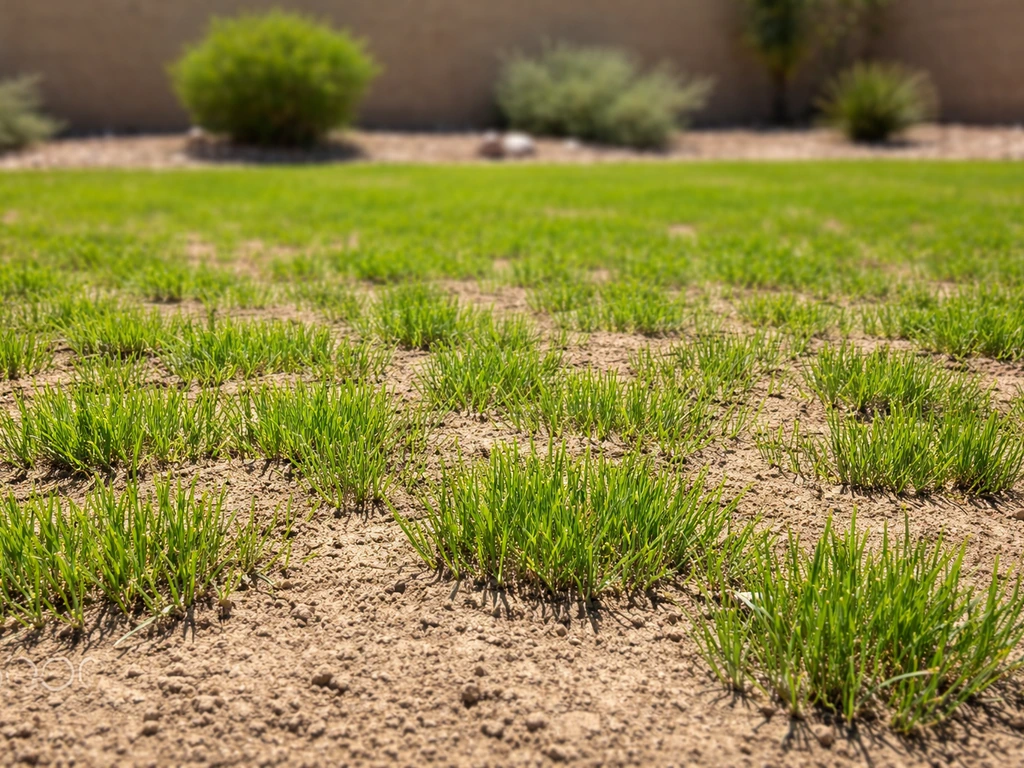
Yes, you can absolutely grow grass in a yard with dogs. But you have to be honest about what you're up against: dog urine burns turf, heavy paws compact soil, and most grass seed instructions assume nobody is sprinting across your lawn every day. The good news is that once you understand why the grass keeps failing, fixing it is pretty straightforward. This guide walks you through diagnosing the problem, picking the right seed, prepping the ground, and actually keeping the new turf alive.
How to Grow Grass With Dogs: Fix Burns and Bare Spots
Marcus Tillwell
5 Apr 2026
Can you grow grass with dogs (and why it fails)
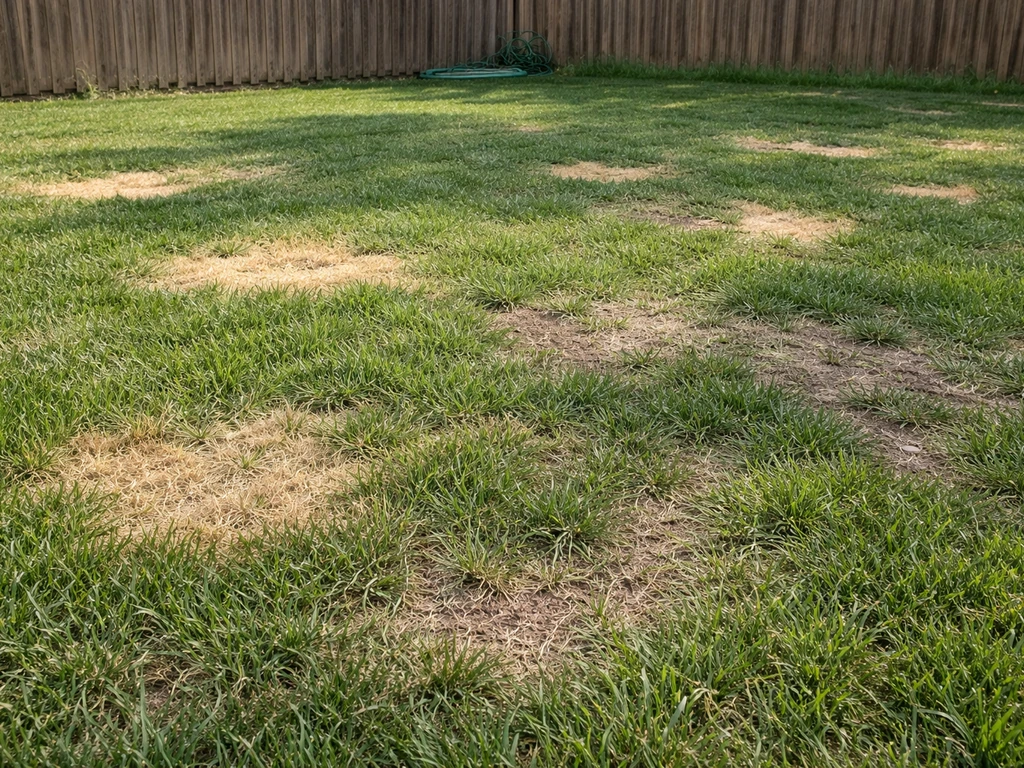
Grass fails in dog yards for a handful of specific, predictable reasons. Knowing which one is killing your lawn tells you exactly how to fix it. The three main culprits are urine burn, compaction, and poor seed-to-soil contact caused by constant disturbance.
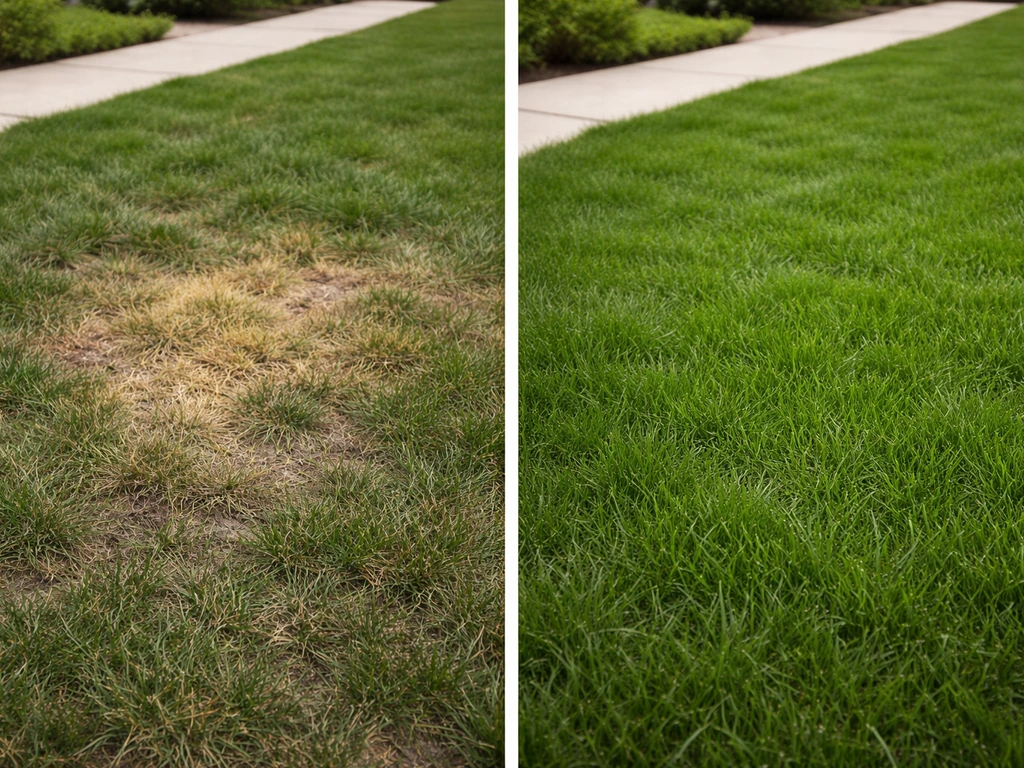
Urine damage is the most misunderstood one. You will see yellow or straw-colored dead patches with a ring of darker, almost too-green grass around the outside. That's not a disease, it's chemistry. Dog urine is loaded with nitrogen compounds and salts. When a dog pees in the same spot repeatedly, the concentration of nitrogen in that small area exceeds what any grass can tolerate, and the turf dies. The dark green ring forms because those outer edges got a lower dose, which actually acted more like fertilizer. Watering the area heavily right after your dog goes is the single fastest way to reduce urine damage, it dilutes the salts before they do serious harm.
Compaction is the second killer. Dogs running the same path day after day pack the soil so tightly that grass roots can't penetrate it, water pools on the surface instead of soaking in, and seed never makes good contact with the soil. If you look at a worn dog path in your yard and the soil looks almost like pavement, that's compaction at work. Big dogs cause it faster, but even smaller dogs will destroy a traffic path over a season.
The third reason is simple: dogs dig, scratch, and disturb seed before it germinates. Grass seed needs 7 to 21 days of consistent moisture and undisturbed contact with the soil before it sprouts. If your dog is out there every day, the seed gets scattered, dried out, or buried too deep. You end up with spotty, thin turf that never fills in.
Pick the right grass for your region and your dog
Not every grass type can handle dog traffic equally well. Here is the honest breakdown: your regional climate narrows the options, and then you choose within that range based on how hard your dog is on turf. Fast establishment speed matters if you are starting from bare dirt, while long-term durability matters if the lawn keeps getting beaten down over months.
| Grass Type | Best Region | Wear Tolerance | Recovery Speed | Urine Tolerance |
|---|---|---|---|---|
| Bermuda | South, Southeast, transition zone | Excellent | Fast (spreads by runners) | Good if well-watered |
| Zoysia | South, transition zone | Excellent | Slow to establish | Moderate |
| Tall Fescue | Transition zone, Pacific Northwest, cool climates | Good | Moderate (bunch-type, no runners) | Moderate |
| Perennial Ryegrass | Cool climates, transition zone | Good | Very fast (5–7 days) | Fair |
| Kentucky Bluegrass | Northern states, mountain regions | Moderate | Slow (21+ days to germinate) | Fair |
If you live in the South and your dog is hard on turf, bermuda is your best bet. It spreads aggressively by stolons and rhizomes, meaning it heals itself if you give it a chance. Zoysia is tougher once established but takes a full season to really fill in from seed, so it's better as a long game. In the transition zone or cooler climates, tall fescue is the workhorse for dog yards because it builds a deep root system that resists both compaction and urine damage better than bluegrass. Perennial ryegrass germinates in as little as 5 to 7 days, which makes it the fastest option when you need coverage quickly, it's great for overseeding in fall or spring. For a cool-season mix that covers fast and holds up, combine perennial ryegrass with tall fescue.
A note on grass grown specifically for dogs to graze: some people want turf their dog can safely nibble on. While standard lawn grasses like ryegrass and fescue are not toxic to dogs, they aren't really "pet grass" in the traditional sense. If that's your goal, the approach is pretty different, you'd want to look into how to grow pet grass, which covers varieties like wheat grass and oat grass grown in controlled patches. For a lawn that survives dogs, stick with the turf varieties above.
Site prep for dog areas: fix the soil before you touch the seed
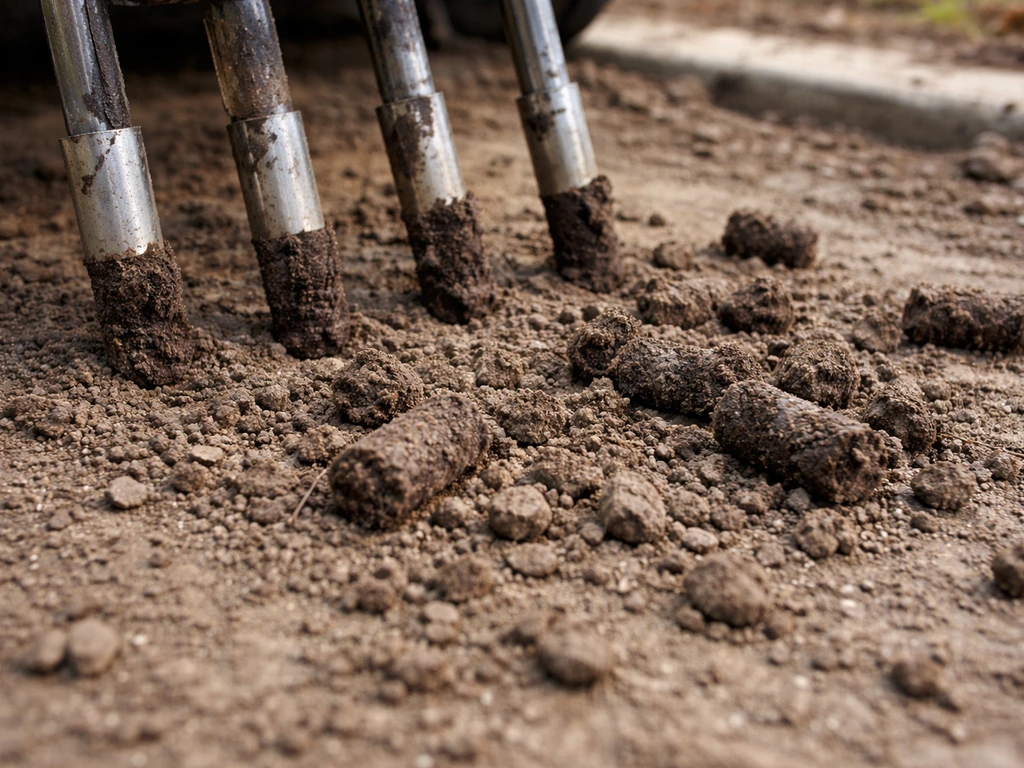
Skipping site prep is the number one reason dog-yard grass projects fail. You can buy the best seed on the market and spread it perfectly, but if the soil underneath is a compacted, salt-laden mess, the grass will not grow. Take a few extra hours here and you will save yourself weeks of frustration.
Dealing with compaction
If your soil is hard enough that a screwdriver struggles to push in 2 to 3 inches, it is too compacted for seed germination. Rent a core aerator for a day (most equipment rental shops charge around $60 to $90) and run it over the entire dog area. Core aeration pulls plugs of soil out and opens up channels for water, air, and roots. For severe compaction on smaller patches, a garden fork pushed in 4 to 6 inches and rocked back and forth works fine. After aerating, drag a stiff rake over the surface to break up any clumps.
Clay and drainage problems
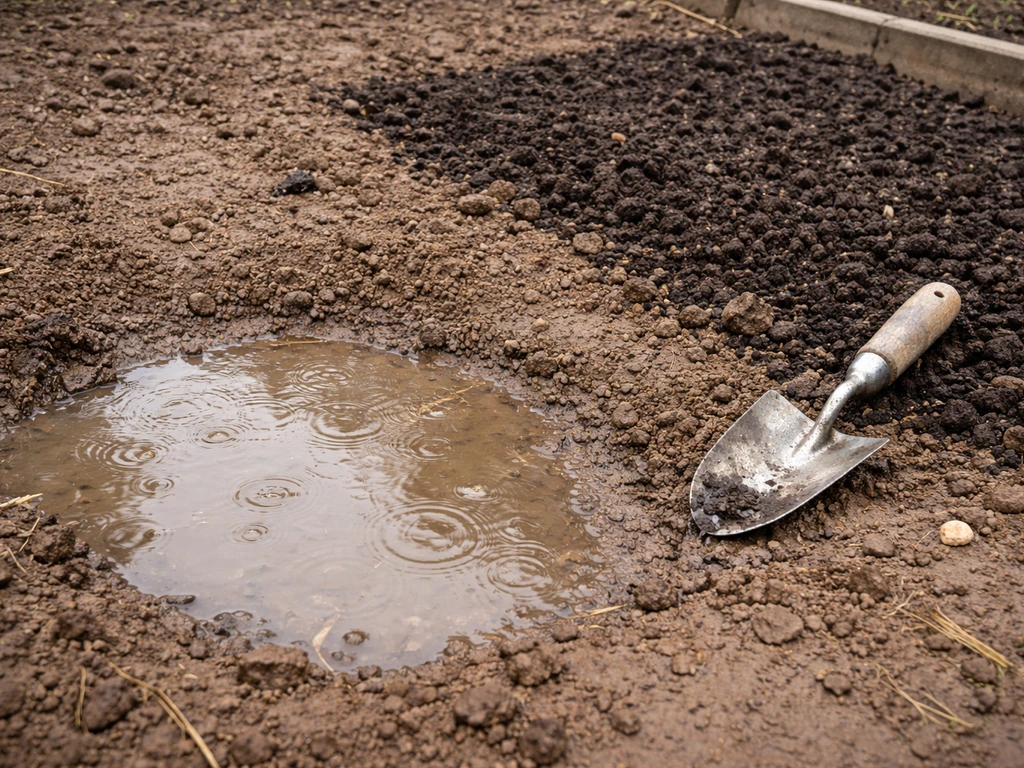
If your soil is clay and water pools after rain, you have a drainage problem that urine and rainfall will both make worse. Work a 1-inch layer of compost into the top 3 to 4 inches of soil before seeding. This improves drainage without requiring you to completely replace the soil. If water stands for more than 30 minutes after a hard rain, you may need to grade the area slightly so it slopes away from any structures. Dog urine concentrated on poorly draining soil stays in contact with roots much longer, increasing burn damage significantly.
Flushing out salt and urine residue
Before you seed any area that has been a consistent dog bathroom, flush it. Run a sprinkler on the area for 20 to 30 minutes to push salts deeper into the soil profile and away from the root zone. Do this the day before you plan to seed. If the damage is severe (the soil smells strongly of urine or looks crusty white), a second flush 24 hours later helps. Do not add lime to try to neutralize urine unless a soil test confirms you actually need it, contrary to popular advice, lime does not neutralize dog urine and can worsen pH imbalance.
Protecting existing healthy turf
If you still have sections of healthy lawn, protect them now before you start seeding the bare areas. Temporary garden fencing or simple landscape edging reroutes dog traffic before it destroys new turf. Identify your dog's main running path and create a physical barrier while the new grass germinates, this is not permanent, just a 3 to 4 week strategy to let the seed establish.
How to grow grass in a dog yard: step-by-step
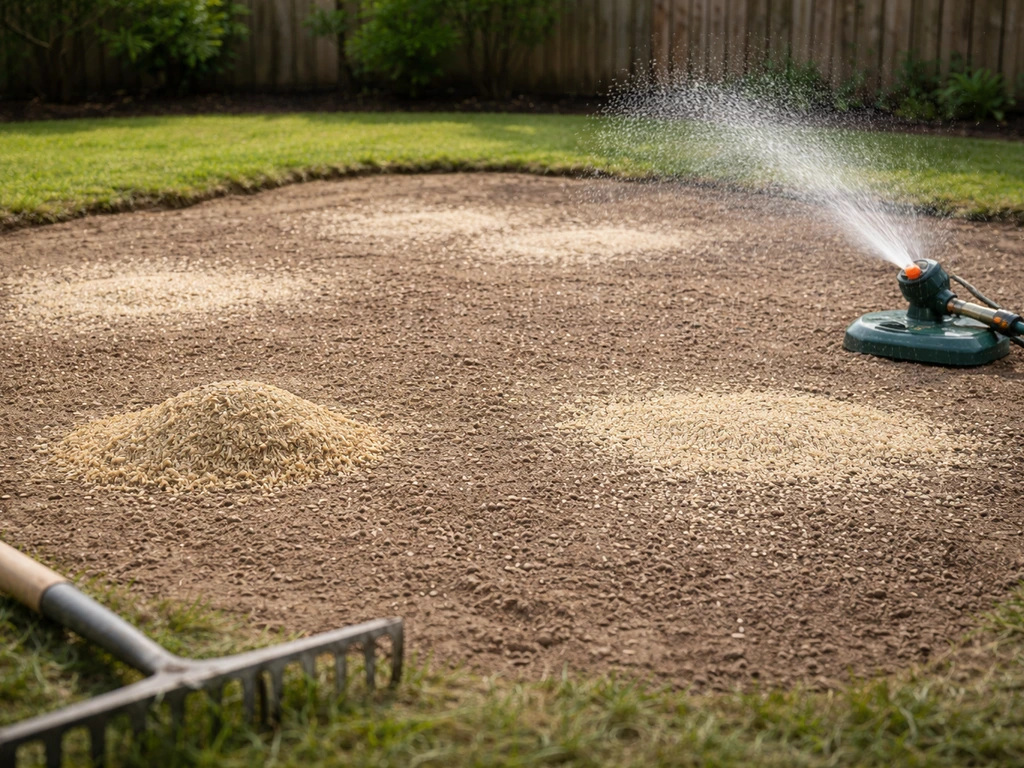
Here is the process from bare dirt to established turf. Follow it in order and don't rush the early steps.
- Aerate or loosen the entire seeding area with a core aerator, garden fork, or hand cultivator to a depth of at least 3 inches.
- Rake the surface to a smooth, level finish. Remove rocks, old dead grass, and debris. The soil surface should be loose and fine — not clumpy.
- Apply a 1/4-inch layer of compost or topsoil over the area. This improves seed-to-soil contact and gives the seedlings something to anchor into.
- Apply a starter fertilizer (look for a ratio like 10-18-10 or similar with higher phosphorus) at the package rate. Phosphorus drives root development in young seedlings.
- Spread your seed at the recommended rate for new lawn establishment — this is usually higher than overseeding rates. For tall fescue, that's typically 6 to 8 pounds per 1,000 square feet. For bermuda, about 1 to 2 pounds hulled seed per 1,000 square feet.
- Rake lightly again to press seed into the soil surface. Seed needs contact with soil — not just sitting on top of it.
- Apply a thin layer of straw mulch (you can see some soil through it) to retain moisture and protect the seed from being scattered. Avoid thick clumps.
- Water immediately and begin your watering schedule (see below).
- Block dog access to the seeded area for at least 3 to 4 weeks.
One thing that surprises people: the seed-to-soil contact step is make-or-break. Seed sitting on top of loose straw or mulch without touching soil will dry out and fail to germinate. The light rake-in at step 6 is not optional.
If your yard situation is unusual, say, a shaded covered area or a completely enclosed dog run where you want grass growing in a more controlled setup, the approach shifts quite a bit. There are actually solid methods for how to grow grass inside a structure or covered run that might be worth exploring for those specific cases.
How to get grass back: repairing bare spots and reseeding
If you already have a lawn and it's just patchy and damaged rather than completely bare, you're overseeding, not starting from scratch. The process is similar but faster. The key is to be aggressive about soil preparation even on small bare spots, most people scratch the surface lightly and toss seed on, then wonder why it doesn't fill in.
For individual urine burn spots: rake out the dead grass down to bare soil. The dead material acts as a physical barrier between seed and soil. Once the area is clear, loosen the top inch of soil, apply a small handful of seed at a high density (higher than normal, you want to oversaturate the spot to account for losses), press it in with your hand or a flat board, and keep it consistently moist. Spots smaller than 6 inches across will often fill in from surrounding grass runners on their own if you water the surrounding area well, bermuda and zoysia are especially good at this.
For larger worn paths or dead zones: treat these like a mini new-lawn project. Aerate the area, work in compost, apply starter fertilizer, then seed at new-lawn rates. The difference between a patch job and a full establishment job is primarily seed rate and soil prep depth.
If you're dealing with a situation where dogs need access to an indoor or contained area while the outdoor lawn recovers, a short-term solution is growing a grass patch in a tray or planter box to keep them occupied. You can find the full walkthrough for that in this guide on how to grow grass indoors for dogs, which covers the setup from start to finish.
Watering, fertilizing, and germination: what to expect and when
Watering is where most dog-yard grass projects succeed or fail after seeding. The rule is simple: keep the seed zone moist, not soaked. That means light, frequent watering, two to three times a day in hot or windy conditions, once a day in mild weather, until germination. Once you see the first sprouts, you can back off to once daily, and after the grass reaches 2 to 3 inches you shift to a deeper, less frequent schedule (2 to 3 times a week, longer each time) to encourage deep root growth.
Here are realistic germination timelines to set your expectations:
| Grass Type | Germination Timeline | Full Coverage Timeline |
|---|---|---|
| Perennial Ryegrass | 5–7 days | 3–4 weeks |
| Tall Fescue | 7–12 days | 4–6 weeks |
| Kentucky Bluegrass | 14–21 days | 6–10 weeks |
| Bermuda (hulled seed) | 7–14 days | 4–8 weeks |
| Zoysia | 14–21 days | Full season (plant in spring) |
Temperature matters a lot. Cool-season grasses like fescue and ryegrass germinate best when soil temps are between 50 and 65 degrees Fahrenheit. Warm-season grasses like bermuda want soil temps above 65 degrees, ideally 70 to 80. Planting outside these windows slows or completely stops germination. If you are in the cool-season zone, early fall (late August through September) is the best time to seed, soil is warm, air is cooling down, and rain is usually more consistent. In the warm-season South, late spring through early summer is your window.
For fertilizing: apply a starter fertilizer at seeding time (high phosphorus), then wait until the grass has been mowed at least twice before applying any additional nitrogen. Piling on nitrogen too early stresses young seedlings. After that, a balanced lawn fertilizer every 6 to 8 weeks through the growing season helps the turf thicken up and better resist urine damage, keeping overall lawn nitrogen levels adequate actually helps mask the contrast between normal turf and urine-stimulated darker green patches. If you keep the lawn well-fed and evenly green, urine spots are less visually obvious and the surrounding grass recovers faster.
Some readers want to try unconventional setups like fully soil-free or hydroponic grass systems for dogs, either for an indoor pet area or a contained outdoor run. If that's something you want to experiment with, there's a good breakdown of how to grow hydroponic grass for dogs that covers the setup without any soil at all.
Keeping dogs from wrecking the new turf: training and traffic management
Growing the grass is honestly the easier half of this problem. Keeping it alive once your dog is back out there is where most people hit a wall. Here is what actually works.
Temporary barriers while grass establishes
You need at least 3 to 4 weeks of dog-free time after seeding before new turf can handle any foot traffic. Simple wire garden fencing staked around the seeded area works fine. You don't need anything fancy or permanent, just enough to redirect your dog's path. If you have a large yard, fence off the seeded section and leave the rest available. If your whole yard was seeded, you'll need a short-term solution like a dog run, a patch of your patio, or keeping your dog leashed during bathroom trips while the lawn establishes.
Managing urine damage long-term
The most effective long-term strategy for urine damage is dilution, immediately watering the spot where your dog urinated. Keep a hose or watering can near the back door. Thirty seconds of water over the spot right after your dog goes reduces salt concentration dramatically and significantly lowers the chances of burn. Some people designate a gravel or mulch "bathroom corner" and train their dog to use it, which protects the grass entirely. This takes a few weeks of consistent training but it's genuinely the most effective fix available.
There are dog urine supplements marketed as lawn protectors (products that alter urine pH or nitrogen content). The evidence on these is mixed at best, and some vets have concerns about long-term use. Stick with the watering strategy, it's free, immediate, and proven.
Long-term traffic management
Dogs are creatures of habit, and they will run the same path every single day if you let them. That path will always be your weakest turf. You have a few options: accept it and reseed that path every season, redirect the path with a physical barrier or decorative border, or create a dedicated dog path using stepping stones or compacted gravel that takes the pressure off the grass entirely. The stepping stone approach is surprisingly effective, dogs naturally follow a clear path, and if the path is gravel or stone, the grass on either side stays intact.
Ongoing care to keep the lawn thick and resilient
Thick turf is your best defense against both urine damage and compaction. A dense lawn recovers from dog traffic much faster than a thin one. To keep it thick: mow at the high end of the recommended height for your grass type (tall fescue at 3.5 to 4 inches, bermuda at 1 to 1.5 inches), aerate once a year in fall for cool-season grasses or late spring for warm-season, overseed thin areas every fall if you're in a cool-season region, and water deeply and infrequently once the lawn is established to push roots deeper.
If you've been running into problems with soil that's more sand than anything else, the challenge shifts a bit, sandy soil drains too fast and makes it harder to keep urine diluted and the seed moist during germination. Similarly, some people dealing with unusual setups like raised beds or underground containment areas sometimes explore how to grow grass underground as part of a creative dog run design. It's a niche approach, but it does exist.
One more option worth knowing: if you want a contained, replaceable grass patch that your dog can use and you can swap out when it gets too damaged, growing pet grass in a tray indoors is a surprisingly practical approach. There's a full guide on how to grow pet grass indoors that walks through the whole thing. It won't replace a full lawn, but as a designated potty patch or chewing area, it keeps your dog's attention off the outdoor turf while it recovers.
What to do right now
If you're reading this and want to take action today, here's the short version: go look at your yard and identify whether your main problem is urine burn spots, a worn compacted path, or a completely bare dirt area. That tells you which fix to start with. Pick a grass seed that matches your region and climate (tall fescue or ryegrass for cool-season zones, bermuda for the South). Get a bag of starter fertilizer while you're at the store. Aerate or loosen the problem area, work in some compost, spread seed at a high rate, press it in, mulch lightly, and water it that same day. Then put up a simple barrier and keep your dog off it for 3 to 4 weeks. That's genuinely the whole playbook, done right the first time, you will have real grass coverage in 3 to 6 weeks depending on your grass type.
FAQ
Can I seed right away in a dog area if my dog will still go out there?
Yes, you can start with grass seed, but if the dog traffic happens immediately after seeding, germination often fails. Plan for at least 3 to 4 weeks of restricted access after seeding (wire fencing or a temporary dog run), otherwise you lose seed-to-soil contact and create more bare spots.
Is it okay to cover dog-bathroom seed with straw or mulch?
Mulch can help hold moisture, but only in a thin layer. Avoid covering seed with thick straw or deep compost, because seed needs contact with soil for reliable sprouting. After raking in, use just enough light mulch to prevent drying, then keep watering on a frequent schedule.
Should I add lime to neutralize dog urine and stop the burns?
In most dog-yard situations, lime is not a quick fix. Without a soil test, adding lime can shift pH in the wrong direction and does not neutralize urine chemistry. If you suspect persistent problems, get a soil test before amending anything beyond compost and starter fertilizer.
How much should I water dog-yard seed, and how do I avoid overwatering?
No, and it is a common mistake. Overwatering creates puddles, especially on clay, and that can keep salts in contact with roots longer. Instead, water lightly and often until germination, then switch to deeper, less frequent watering once sprouts reach about 2 to 3 inches.
What fertilizer should I use for grass growing with dogs, and when can I add more?
Starter fertilizer is fine at seeding time, but avoid high-nitrogen feeding before the grass is established. A typical rule is starter (higher phosphorus) right when you seed, then wait until you have mowed at least twice before adding more nitrogen.
My lawn looks like it has seed down but nothing is growing, what should I check first?
If the seed is not sprouting, the usual causes are seed drying out, no seed-to-soil contact, or soil being too compacted. Re-check watering frequency, confirm you raked or pressed seed into the soil, and for worn paths rent a core aerator if a screwdriver cannot push in 2 to 3 inches.
Should I use a higher seed rate in dog-damaged areas?
For urine burns and worn paths, you typically get better results with higher-density seeding than you would in a low-traffic yard. Small spots can fill in from runners if the surrounding area is kept consistently moist, but larger zones usually need mini new-lawn prep (aerate, compost, and seed at new-lawn rates).
Will training my dog to use a designated bathroom area actually work?
Yes, but treat it as a separate strategy. If your dog repeatedly uses the same spot, you can train a designated gravel or mulch potty corner to protect turf, and it reduces repeat salt loading on grass. This takes weeks of consistent training, so plan for gradual transition rather than expecting an instant change.
Can I use the same grass seed everywhere in my state, or does dog traffic change what I should plant?
Possibly, but it should be based on your climate and your goal, not the dog. Tall fescue and perennial ryegrass are cool-season workhorses, bermuda and zoysia are warm-season options, and the best choice also depends on how quickly you need coverage. If you seed outside the right soil-temperature window, germination slows or stops.
What changes if my yard is mostly sandy soil?
Not always. Sandy soil can drain too fast, making it harder to keep urine-dilution and seed moisture at the same time, and it can reduce germination success if watering is inconsistent. You may need to water more frequently during the germination window and ensure seed is pressed into the soil rather than sitting on top.
What should I do if I cannot keep my dog off the lawn for 3 to 4 weeks?
If the dog damage is ongoing and you cannot fully restrict access, you will likely need a durable, traffic-tolerant grass type and a replaceable strategy. A common approach is to seed with a dog-yard suitable grass and build a dedicated dog path (stepping stones or compacted gravel) so grass is not constantly treated as a runway.
Is the yellow or straw patch and dark green ring caused by fungus or something else?
The dark green ring is not typically a disease, but a concentration and fertilizer-like effect at the outer edge from urine exposure patterns. That means waiting for “natural recovery” usually takes longer than it should. Flush salts, then seed promptly in cleared areas so you do not keep reloading the same soil zone.
Next Article
How to Grow Grass in El Paso TX: Seed, Plant, and Care
Step-by-step guide to grow grass in El Paso: pick Bermuda, Zoysia or fescue, prepare soil, seed timing, watering, fixes.