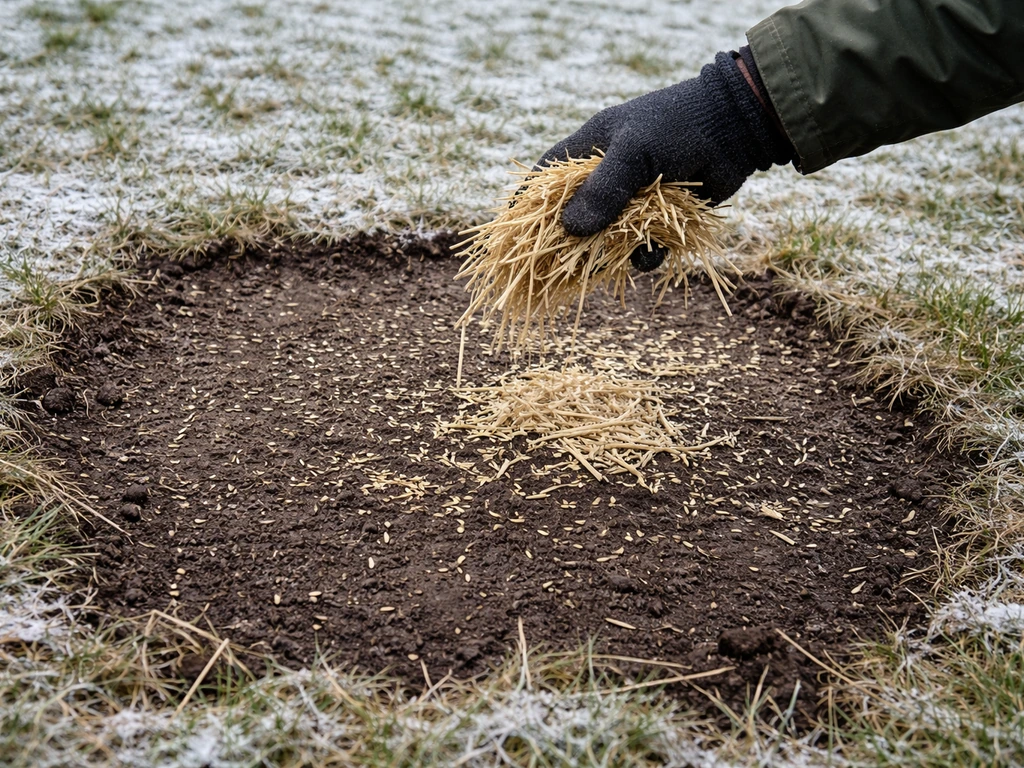
In Arizona, 'growing winter grass' almost always means overseeding your warm-season lawn (usually bermudagrass) with perennial ryegrass in the fall so you have green, usable turf from roughly October through May. Perennial ryegrass is the go-to choice for low-elevation Arizona because it germinates fast, handles foot traffic well, and thrives in the mild temperatures Arizona gets from fall through spring. The key is timing your seeding to hit the right soil temperature window, keeping seed consistently moist for the first 7 to 10 days, and giving the new grass about a month to fully establish before you start using the lawn normally. These same principles can also help you figure out how to grow grass in cold weather, even outside the Arizona overseeding window timing your seeding.
How to Grow Winter Grass in Arizona: Step by Step Guide
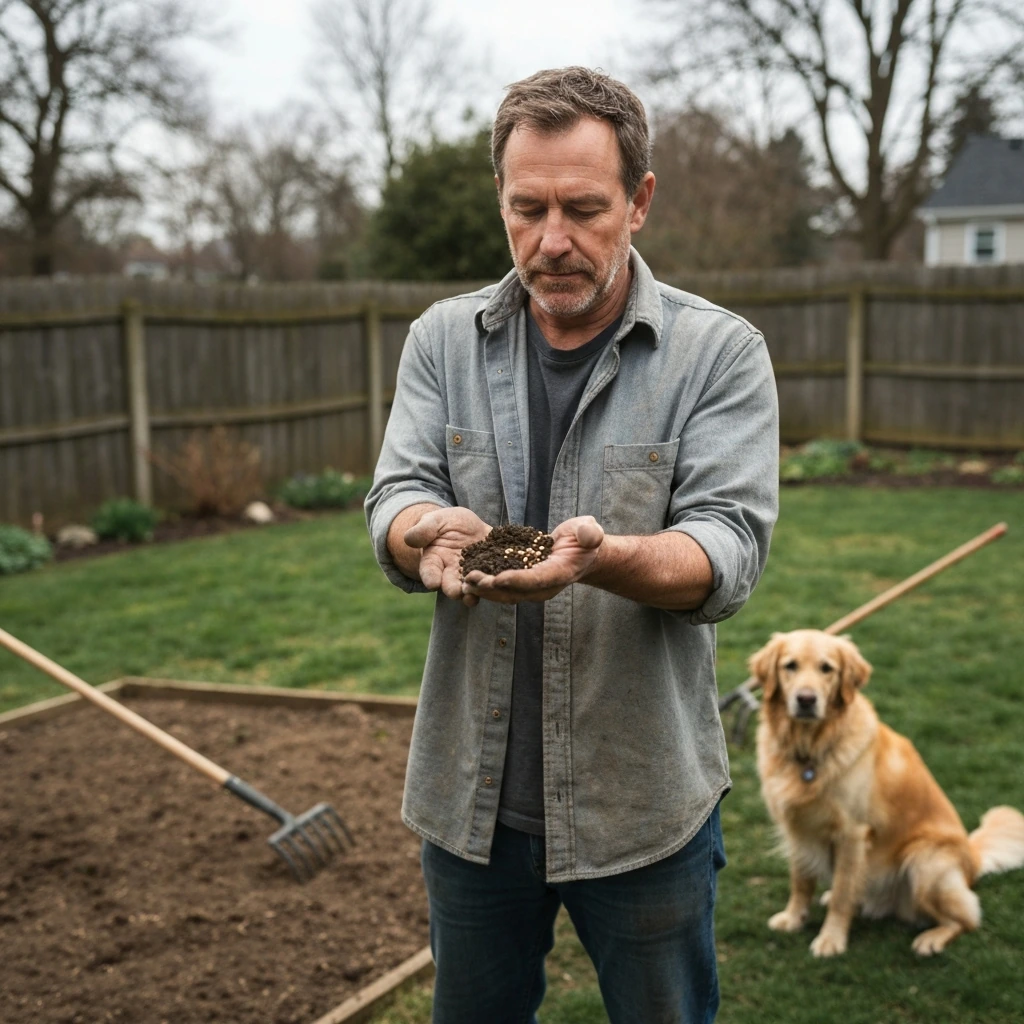
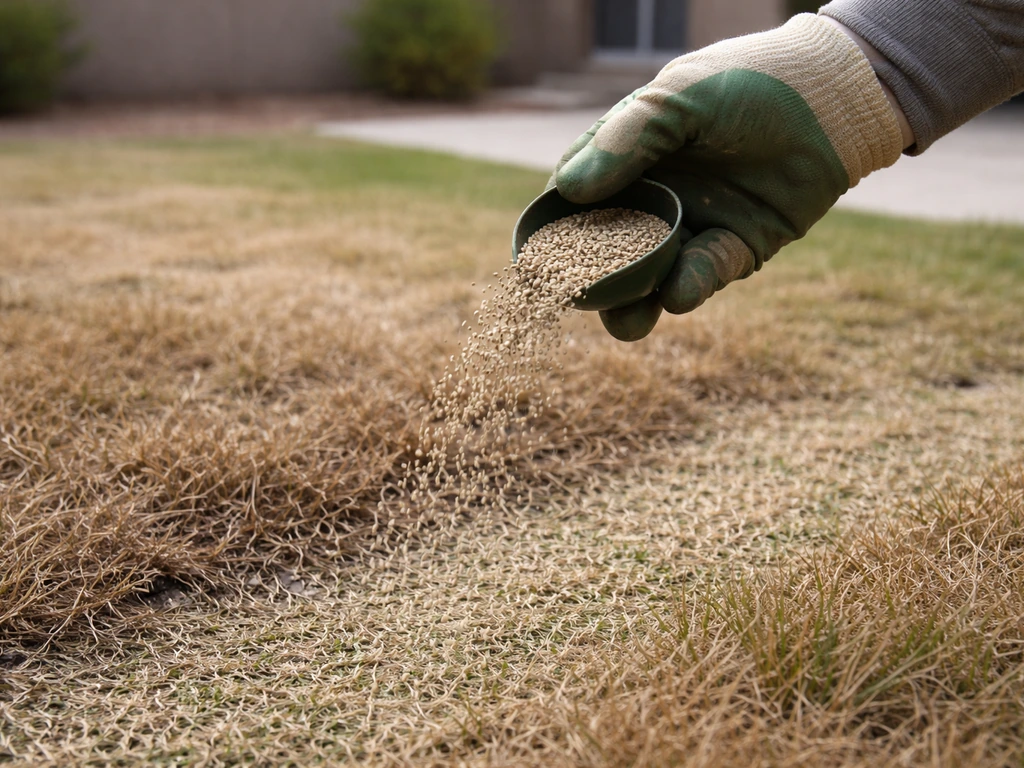
What 'winter grass' actually means in Arizona
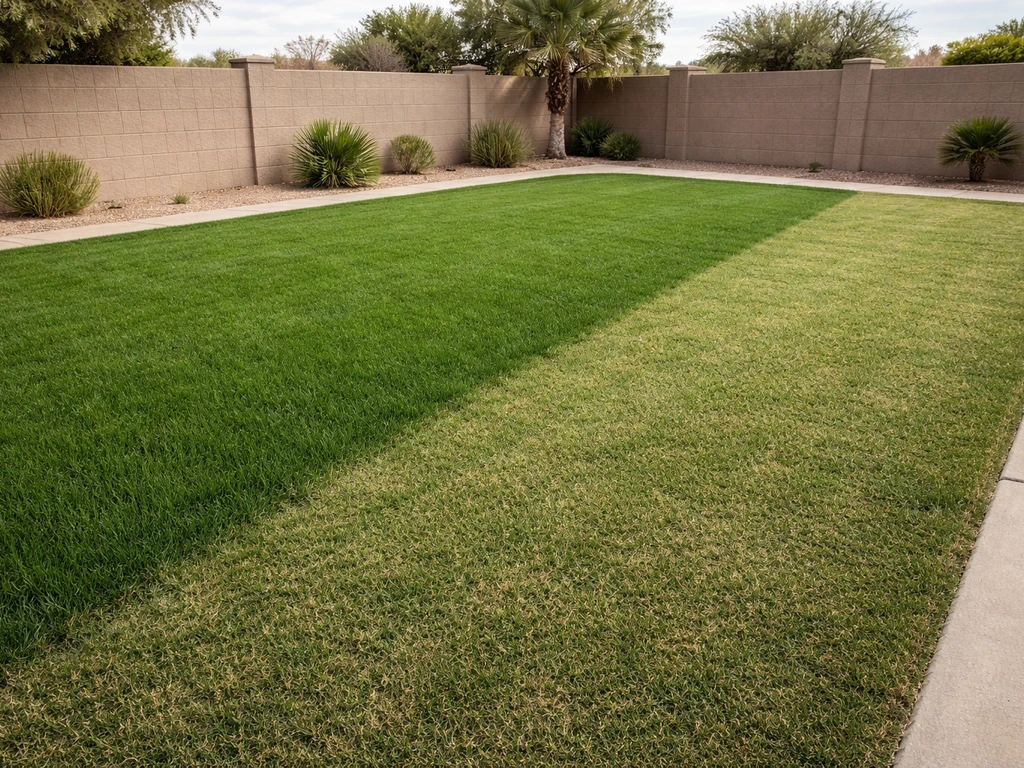
Arizona yards at low elevation (Phoenix, Tucson, Casa Grande, Yuma, and similar areas) are almost universally planted with warm-season grasses: bermudagrass is the most common, with zoysiagrass and St. Augustine showing up less often. Warm-season grasses love Arizona summers but go dormant and turn brown once temperatures drop in fall and winter. That dormant brown period is exactly what drives the winter grass tradition in Arizona.
Winter grass refers to cool-season turfgrasses that you seed directly into your existing warm-season lawn before it goes fully dormant. This practice is called overseeding. The cool-season grass fills in and stays green all winter while your bermuda sleeps underneath. When temperatures climb back up in late spring, the bermuda wakes up and the cool-season grass fades out. Done right, you essentially have green lawn year-round. Cool-season grasses grow best when air temperatures are between 60°F and 75°F, which describes Arizona's fall through spring perfectly at low elevation.
If you live at higher elevation in Arizona (Show Low, Flagstaff, Prescott, Payson), the situation is different. Those areas can support permanent cool-season lawns with grasses like Kentucky bluegrass, tall fescue, or fine fescue as year-round turf, not just as winter cover. University of Arizona Turf Tips provides seed-rate and establishment-date guidance for cool-season permanent lawn establishment across Arizona locations, including Kentucky bluegrass, perennial ryegrass, fine fescue, and tall fescue permanent cool-season lawns with grasses like Kentucky bluegrass, tall fescue, or fine fescue. This article is focused primarily on the low-elevation overseeding process, but the grass variety information applies broadly.
When to seed: Arizona's overseeding calendar
Timing is probably the single biggest factor in whether your winter grass succeeds or struggles. Seed too early and the soil is still too hot, which slows germination and stresses new seedlings. Seed too late and you risk frost hitting young, fragile seedlings before they've had time to harden off. University of Arizona Extension research points to these target windows by region:
| Arizona Location | Target Overseeding Window | Notes |
|---|---|---|
| Tucson | Late September | Cooler elevation means earlier timing |
| Phoenix | Mid-October | Wait for soil to cool below 85°F |
| Casa Grande | Mid-October | Similar to Phoenix timing |
| Yuma | Mid to late October | Hottest desert zone, wait longer |
The practical trigger to watch for is nighttime temperatures consistently dropping to around 60°F or below. That's when bermudagrass growth slows down noticeably and cool-season seed can get a foothold without being outcompeted. Soil temperature in the top inch is what really matters for germination. Once that surface soil is reliably in the upper 60s to low 70s during the day, you're in the window. A cheap soil thermometer (under $15 at any hardware store) takes the guesswork out of it.
One more timing note: don't push it too late into November thinking you'll sneak in a seeding. Late overseedings in Arizona are at real risk from frost hitting seedlings that haven't had enough time to establish. Young ryegrass seedlings are much more vulnerable to frost than mature plants. Give yourself at least 4 to 6 weeks before the first expected frost date for your area.
Choosing your winter grass: ryegrass vs. fescue and other options
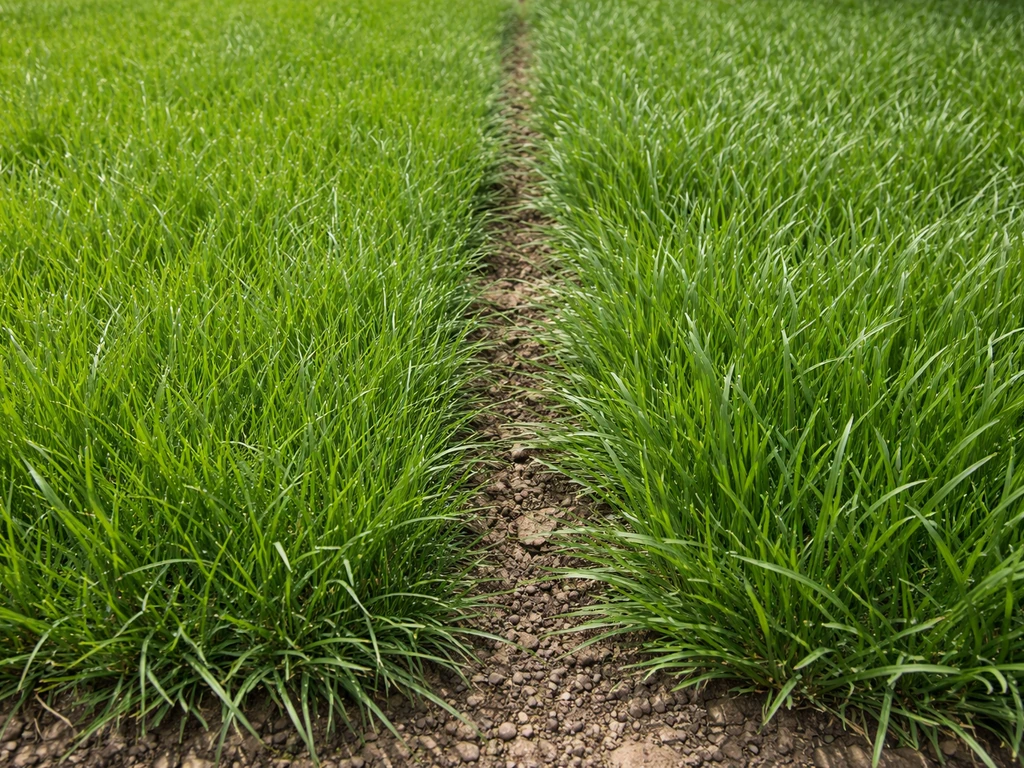
Perennial ryegrass is the most widely used and recommended winter grass for Arizona overseeding, and for good reason. It germinates quickly (often within 5 to 7 days under good conditions), establishes a dense stand, handles regular foot traffic, and looks great through the winter months. The University of Arizona Cooperative Extension specifically identifies it as the most common choice for homeowners overseeding bermudagrass lawns at low elevation.
Annual ryegrass is cheaper per bag but produces coarser, less attractive turf and doesn't transition out as cleanly in spring. It's sometimes used on areas where appearance matters less, like a side yard or a dog run. For your main lawn, spend the extra money on perennial ryegrass. The quality difference is noticeable.
Tall fescue is another option worth considering, especially if you have a shadier yard or want something that holds up better with pets digging around. Tall fescue handles moderate shade better than ryegrass, has deeper roots, and can tolerate some salt stress, which matters in Arizona where soil and water salinity can be a real issue. The tradeoff is slower germination (7 to 14 days) and a coarser texture. It also doesn't transition out of the lawn in spring as neatly as ryegrass, which can create some competition issues as bermuda wakes up.
| Grass Type | Germination Speed | Traffic Tolerance | Shade Tolerance | Texture | Best For |
|---|---|---|---|---|---|
| Perennial Ryegrass | 5–7 days | Excellent | Low to moderate | Fine to medium | Most Arizona overseeding situations |
| Annual Ryegrass | 5–7 days | Moderate | Low | Coarse | Budget areas, low-visibility spots |
| Tall Fescue | 7–14 days | Good | Moderate | Medium to coarse | Shaded yards, pet areas, higher elevations |
| Fine Fescue | 7–14 days | Low | Good | Fine | Low-traffic shaded areas, higher elevations |
For most Arizona homeowners with a standard bermuda lawn, perennial ryegrass is the right call. If you have significant shade from trees or structures covering a good portion of your yard, a mix of perennial ryegrass and tall fescue can work well. Seed blends marketed specifically for Arizona overseeding often combine these two for exactly that reason.
Getting the site ready: soil, drainage, and prep basics
Soil testing first
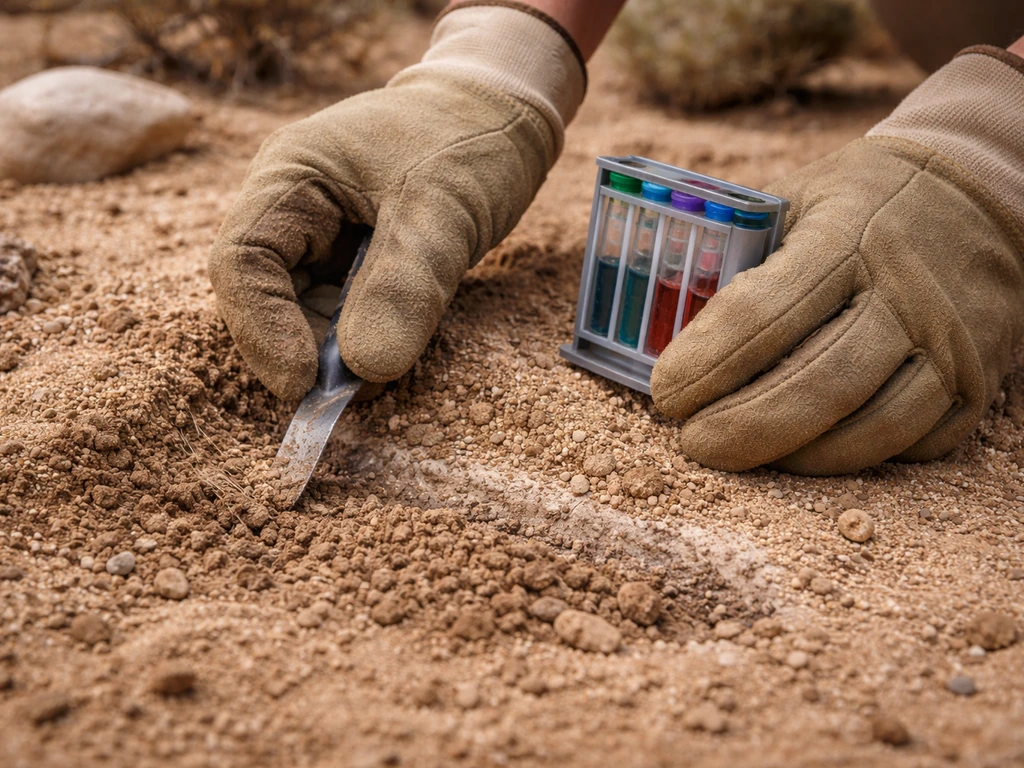
Arizona soils are almost universally alkaline, with pH running above 7.0 across most of the state. Caliche layers, high mineral content, and salt accumulation from irrigation water are common issues. Before you overseed, it's worth doing a basic soil test to know what you're working with. A test through your county extension office or a mail-in lab will tell you pH, nutrient levels, and electrical conductivity (salinity). If your soil EC is elevated, that can directly hurt germination and cause patchy results even when you do everything else right. Leaching the top few inches with a deep watering a couple of weeks before overseeding can help flush surface salts.
Arizona's alkaline soils make it difficult to dramatically change pH, so don't waste time trying to acidify a calcareous soil before winter grass season. Focus instead on making sure you have adequate phosphorus for root development (starter fertilizers with phosphorus help new seedlings), and address any obvious compaction by aerating if your lawn gets heavy foot traffic. If you also want to grow Rhodes grass, the same basics of timing, sun, and soil prep can guide your establishment plan how to grow rhodes grass.
Sun, shade, and drainage
Cool-season grasses need at least 4 to 6 hours of direct sun daily. Perennial ryegrass in particular struggles in deep shade. If your yard has areas shaded by large trees or block walls for most of the day, expect thinner germination there and adjust your seed choice toward a shade-tolerant fescue blend in those zones. Drainage matters too: if water pools after irrigation or rain, those wet spots will invite disease and suppress germination. Grade any obvious low spots with a thin layer of topdressing sand or sandy loam before seeding, and make sure sprinkler heads aren't creating puddles.
Pre-overseeding prep: the mowing and fertilizer stoppage schedule
About three weeks before you plan to overseed, stop all nitrogen fertilizer applications to your bermuda lawn. Pushing bermuda growth right before overseeding makes the competition between your existing turf and new seedlings worse. You want the bermuda slowing down, not surging. Then, starting about three days before seeding day, begin reducing irrigation: water once every two days with about 3/8 to 1/2 inch per session rather than your normal schedule. This stresses the bermuda slightly and creates better conditions for seed-to-soil contact.
For mowing: in the weeks before overseeding, gradually raise your mowing height by about 30 to 40% above your normal cut. Then, right before you seed (1 to 2 days out), drop the mowing height back down by 25 to 30%, cutting lower than your normal height. Leave the clippings on the lawn rather than bagging them. Those clippings act as a light mulch layer that helps keep new seed moist during germination. The combination of cutting low just before seeding and leaving clippings is a simple but effective way to improve seedling survival in Arizona's dry conditions.
Step-by-step: how to seed and establish your winter lawn
- Stop nitrogen fertilizer 3 weeks before overseeding date.
- Reduce irrigation starting 3 days before seeding: water every other day at 3/8 to 1/2 inch per session.
- Raise mowing height 30 to 40% over the prior 2 to 3 weeks, then cut low (25 to 30% below normal height) 1 to 2 days before seeding. Leave clippings on the lawn.
- If your lawn has significant thatch buildup, a light verticutting or dethatching pass will improve seed-to-soil contact, but be careful not to aggressively tear up bermuda stolons and rhizomes. The goal is to open up the canopy a bit, not destroy the base.
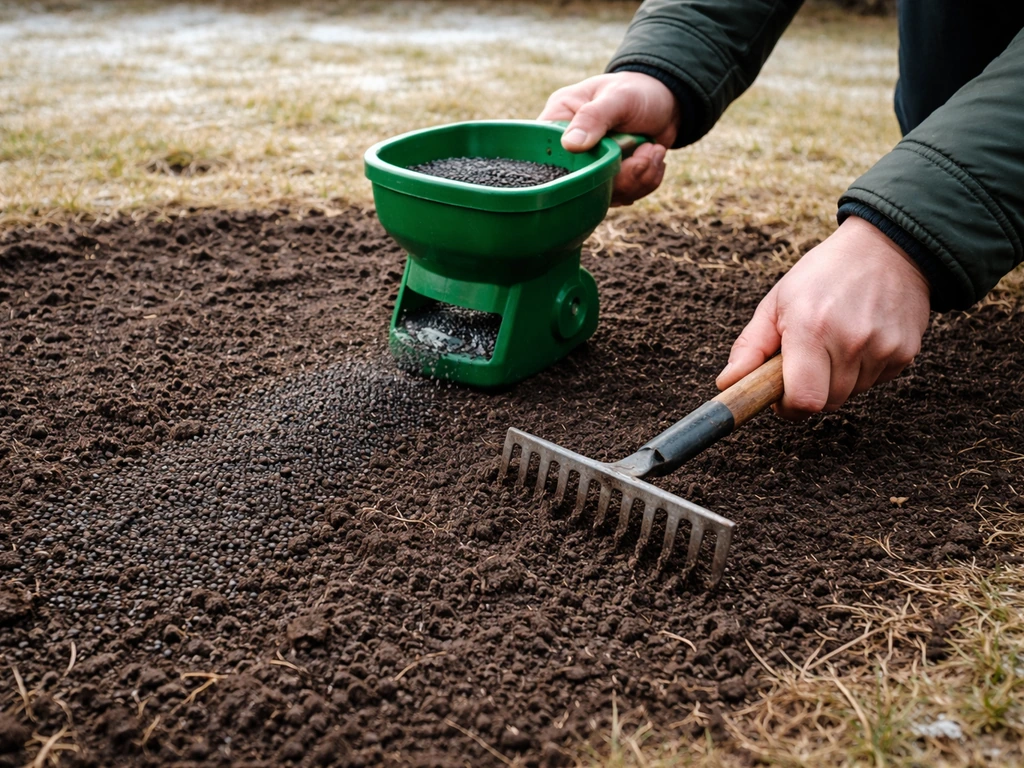
- Spread seed at 12 to 15 lbs of perennial ryegrass per 1,000 square feet. Use a broadcast spreader for even coverage. Go over the area in two passes at perpendicular angles for the most uniform spread.
- Drag the seed into the turf immediately after spreading using a steel drag mat, a piece of chain-link fence with carpet underneath, or even a piece of 2x4 lumber dragged across the surface. This improves seed-to-soil contact dramatically and is one of the most important steps people skip.
- Apply a light starter fertilizer (high in phosphorus) right after seeding, following label rates. Water it in.
- Begin the establishment irrigation schedule: water 3 to 4 times per day for the first 7 to 10 days to keep the seed consistently moist. Each watering should be short, 5 to 10 minutes per zone, just enough to keep the surface damp without washing seed or creating runoff.
- After the first week when seedlings are visible, taper back to 2 times per day for the next week, then once daily as the grass fills in.
- Expect the lawn to be essentially established (consistent green cover, ready for normal use) within about 4 weeks of seeding.
The multiple-daily watering during germination is non-negotiable in Arizona. If you want to improve your results, keep reading for the care steps that follow the first signs of germination. Unlike cooler, more humid climates where you can water once or twice a day and be fine, Arizona's dry air and warm October temperatures can desiccate seed and tiny seedlings within hours if the surface dries out. Set your irrigation controller specifically for the overseeding schedule and don't rely on manual watering to be consistent enough.
Caring for your winter lawn after it germinates
Mowing
Wait until the new grass is at least 2.5 to 3 inches tall before the first mow, and never remove more than one-third of the blade height in a single mowing. Perennial ryegrass in an Arizona winter lawn is typically maintained at 1.5 to 2.5 inches. Mowing at the lower end of that range can increase shoot density and give a tighter, denser appearance, which is useful through the winter months when you want the lawn looking its best. Don't scalp it though: cutting too short stresses the grass and opens up gaps where weeds can move in.
Fertilizing through the winter
Once the lawn is established, fertilize with about 1/2 pound of nitrogen per 1,000 square feet on a monthly or six-week schedule through the winter. Use a balanced complete fertilizer and always water it in immediately after applying. Over-fertilizing in winter isn't necessary and can actually push excessive top growth at the expense of root development. Stick to light, regular applications rather than heavy infrequent doses. Cool-season grasses in Arizona are actively growing during the winter months, so they do need consistent nutrition, just not in large amounts.
Weed control
Pre-emergent herbicides applied before overseeding are off the table: they'll block your ryegrass from germinating along with weeds. Once your winter lawn is established (at least 6 to 8 weeks old and mowed 3 or more times), selective post-emergent herbicides labeled safe for ryegrass can be used for broadleaf weeds. For grassy weeds mixed into your stand, hand-pulling is often the most practical approach on a home lawn. A dense, well-fertilized ryegrass stand is your best natural defense against weed pressure.
Disease and pest watch
Arizona's dry winter air means fungal disease pressure is generally low compared to humid climates, but it's not zero. If you see circular yellow or brown patches appearing in your established winter lawn, Pythium blight or brown patch are the most likely culprits, usually triggered by overwatering or warm, humid weather in early spring. Backing off irrigation frequency and improving drainage at affected spots usually resolves it. On the pest side, keep an eye out for sod webworms and cutworms, which can cause irregular damage that looks like drought stress. If you pull back a patch of brown grass and see small caterpillars in the thatch, a labeled insecticide will take care of it quickly.
Troubleshooting common Arizona winter grass problems
Poor or uneven germination
The most common reason winter grass germinates poorly in Arizona is seeding too early when soil is still too warm, or not watering frequently enough in the first week. If you're seeing thin or patchy results after 10 to 14 days, check whether your irrigation is actually reaching all zones evenly. Sprinkler heads blocked by bermuda thatch or debris can create dry patches that kill seed before it sprouts. Also check your seed-to-soil contact: if seed sat on top of thick thatch without being dragged in, germination rates drop significantly.
Bare spots
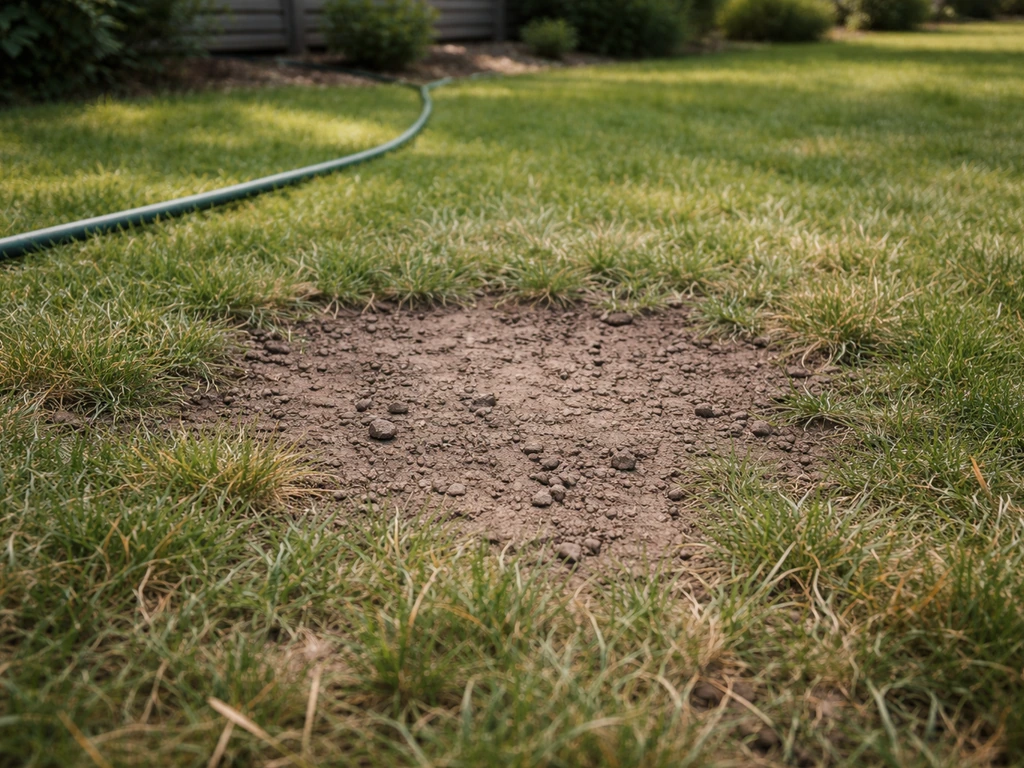
Persistent bare spots after a month usually indicate one of a few things: compacted soil blocking root establishment, a shaded area where ryegrass can't get enough sun, or an irrigation dead zone. Probe the bare spot with a screwdriver. If it barely penetrates, compaction is the issue and aerating that area before reseeding will help. If the spot is in shade, switch to a shade-tolerant fescue blend for that zone and reseed. For dead irrigation zones, fix the coverage first, then reseed.
Heat stress and seedling drying out
If you're seeding in early to mid-October and temperatures spike back into the 90s for a few days (it happens in Arizona), those young seedlings can quickly dry out and die even with normal irrigation. During heat events in the first two weeks after seeding, add a fourth or fifth brief watering cycle in the late afternoon to keep the surface from drying out. Once the grass is 3 to 4 inches tall, it has enough root depth to handle brief heat without intervention.
Thin stands and slow fill
If your lawn germinated but looks thin and sparse after three weeks, the most common fixes are: overseeding at a higher rate in thin areas (you can apply additional seed over existing seedlings without harm), increasing fertilizer frequency slightly to push tillering and lateral growth, and making sure you're not mowing too short too soon. Give thin-looking areas another two weeks before assuming something is wrong. Ryegrass at 3 weeks old looks surprisingly sparse, then fills in quickly in weeks 4 and 5.
Salt stress from soil or irrigation water
Arizona soils tend to accumulate salts in the upper soil profile due to high evaporation and low rainfall. If your water source has elevated salinity (check with your municipality or have water tested), or if you see whitish salt crust forming on the soil surface between waterings, salt stress may be contributing to slow growth or patchy establishment. Deep, infrequent leaching irrigations, about once a month throughout the winter, can help push salts below the root zone. Perennial ryegrass and tall fescue have moderate salt tolerance, but they'll still show stress if levels are high.
Preparing for spring transition
One issue homeowners don't always anticipate is what happens in March and April when bermuda starts waking up and competing with the winter grass. A thick, vigorous ryegrass stand can delay bermuda green-up if it shades the soil and keeps it cool. Transitioning out of winter grass means gradually increasing mowing frequency, backing off winter grass fertilization, and raising mowing height to ease bermuda back in. Trying to scalp the ryegrass out aggressively can damage bermuda stolons and leave bare spots, so the slow approach works better.
FAQ
Can I grow winter grass in Arizona without overseeding (for example, by planting it in empty spots only)?
Yes, but treat it like spot overseeding, not a full lawn reset. You still need the same soil temperature and the same first 7 to 10 days of consistent surface moisture. For best results, lightly rake or core-aerate the spot so seed reaches soil, then topdress with a thin (about 1/8 to 1/4 inch) layer of fine sand or compost to reduce drying and improve seed-to-soil contact.
How much ryegrass seed should I use for overseeding in Arizona?
Aim for coverage that can tolerate some losses, because seedling survival is mostly about moisture and seed-to-soil contact. A common homeowner range is roughly 6 to 10 pounds per 1,000 sq ft for perennial ryegrass, higher for thin lawns or shaded areas. If you use a ryegrass-fescue blend, keep the total pounds per 1,000 sq ft similar, but expect slower fill in from the fescue component.
Do I need to remove thatch before overseeding?
Not always, but heavy thatch can block seed contact and reduce germination. If your lawn feels spongy or you measure more than about 1/2 inch of thatch, consider power-raking or light core aeration 1 to 3 weeks before seeding. Avoid deep scalping because you can damage bermuda and create weeds or bare zones.
What’s the best way to water ryegrass seed so it does not wash away or crust over?
Use short, frequent cycles during germination and keep the surface consistently damp, not saturated. If you see runoff, reduce flow rate or switch to lighter output settings. After the first week, gradually extend intervals so seedlings root in, and watch for soil crusting, if it forms, reduce pressure and increase aeration timing.
Should I fertilize right before seeding, or does fertilizer burn the new seedlings?
Skip nitrogen on bermuda before overseeding, but starter fertilizer with phosphorus can help new roots if you follow label rates. The key is to irrigate immediately after application so fertilizer does not sit on seed and desiccate. If your soil test shows adequate phosphorus, you can reduce or omit starter and focus on reliable watering and mowing.
How do I handle overseeding if my lawn has irrigation problems or dry spots?
Fix coverage first, otherwise you will get patchy establishment that is hard to correct later. Confirm each sprinkler zone delivers roughly the same precipitation, run the system for 20 to 30 minutes, and catch water in several cans across the zone. If you find a dead zone, adjust heads or fix leaks before seeding, then reseed only the impacted areas after it is corrected.
Is it okay to use winter grass seed in spring or summer if I miss the fall window?
In most low-elevation Arizona lawns, it is usually not worth it. Ryegrass will struggle in hot soils and may germinate poorly when temperatures stay high, and it will also compete poorly with active bermuda during the growing season. If you truly miss the overseeding window, the practical option is to plan again for the next fall and address soil, irrigation uniformity, and mowing habits in the meantime.
Will winter grass harm my bermudagrass when it transitions out in spring?
Done correctly, it usually will not. The risk comes from aggressive scalping or heavy mowing while bermuda is actively trying to green up. A slow transition helps bermuda reclaim dominance, and you can reduce ryegrass vigor by backing off winter fertilization and letting mowing gradually suit bermuda’s return.
Can I use pre-emergent weed control before overseeding if weeds are a big problem?
Generally no, because most pre-emergent products block germination, and they can also block your ryegrass seed. If weed pressure is heavy, the alternative is spot control after establishment, hand removal for grassy weeds mixed in the stand, and using selective post-emergent products only after the ryegrass is mature enough and labeled safe for it.
How can I tell if a problem is frost damage versus poor watering?
Frost damage usually shows up as damage on the youngest, most exposed seedlings, often after a cold snap, and the pattern can be more scattered or tied to microclimates like low areas. Poor watering typically causes drying across an area where the seed surface dries out, often matching sprinkler coverage patterns. Checking soil moisture and confirming uniform sprinkler operation helps separate these issues quickly.
How to Grow Grass in Winter: Fast, Step-by-Step Guide
Step-by-step winter grass seeding guide: choose cold-tolerant varieties, prep soil, plant correctly, water smart, speed