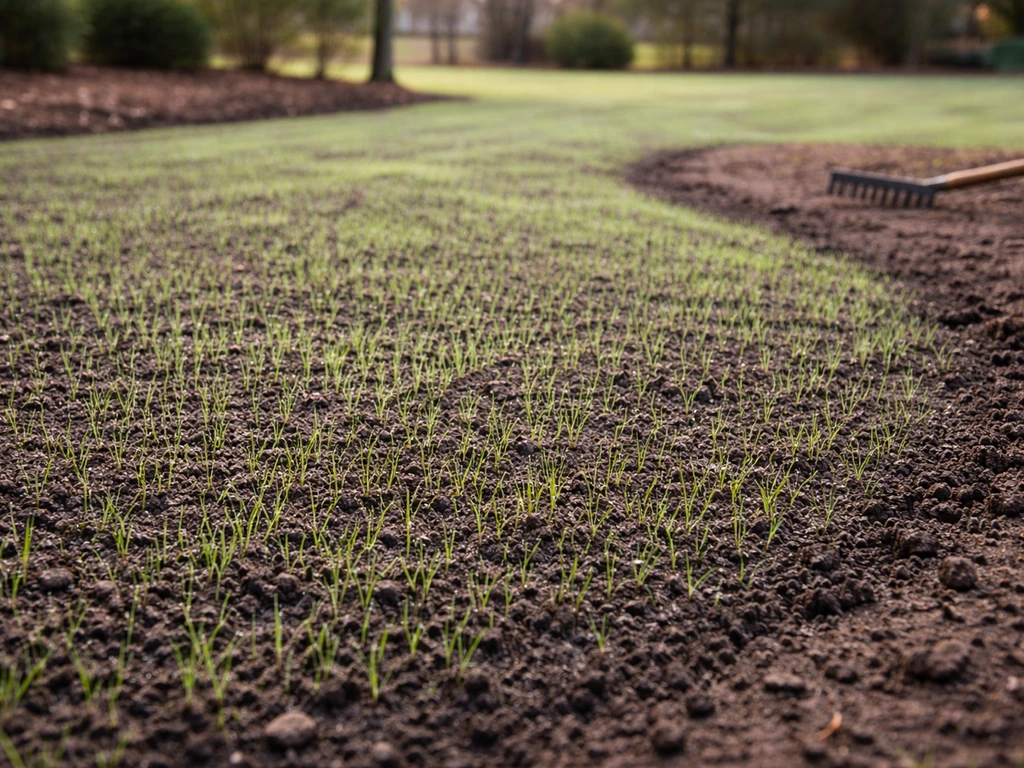
Yes, you can grow grass in winter, but how you do it depends entirely on where you live and which grass type you're working with. The most reliable method for cold climates is dormant seeding: you put seed down after the ground has cooled but before it freezes solid, let it sit through winter, and it sprouts naturally in early spring when soil temperatures rise.
How to Grow Grass in Winter: Fast, Step-by-Step Guide
Marcus Tillwell
4 May 2026
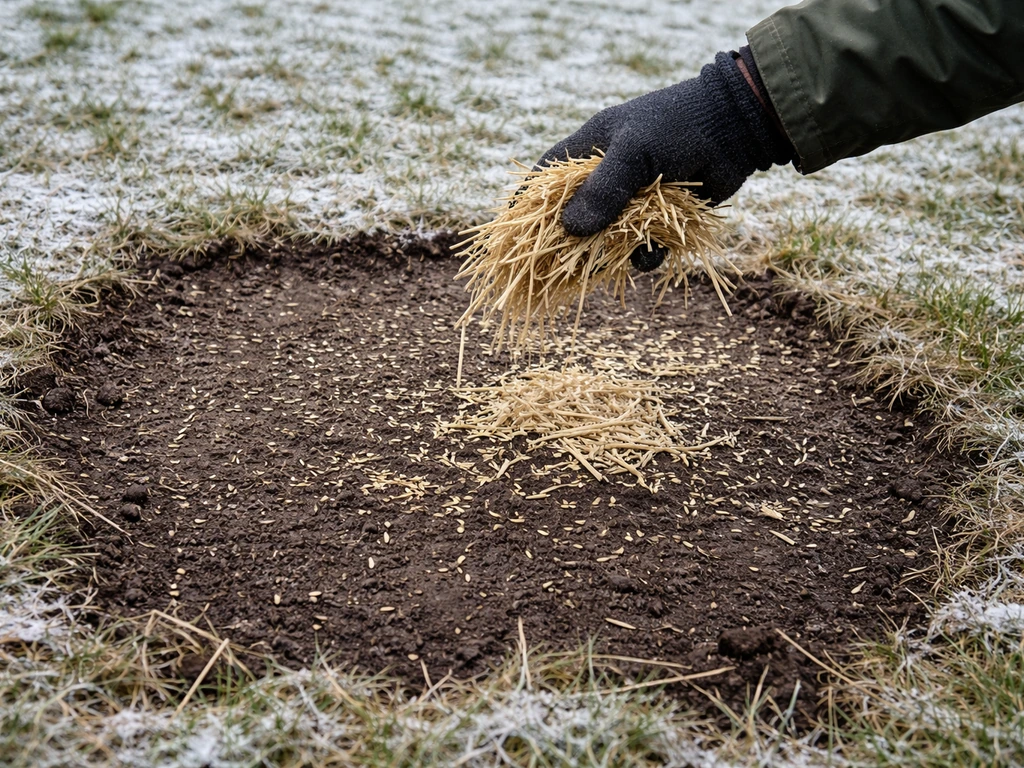
Purdue Extension also notes that dormant seeding can be done anytime from Thanksgiving through March or April as long as the soil is dry enough to prepare a seedbed dormant seeding: you put seed down after the ground has cooled. To learn the full process step by step, see our guide on how to grow grass in cold weather dormant seeding.
In milder or warm climates (think Arizona, the Gulf Coast, or the transition zone), winter is actually prime seeding time for cool-season grasses like ryegrass and fescue. The key is matching your strategy to your climate and your grass type. Get that right and winter lawn work pays off big in spring.
Is winter grass growth actually possible (and when it isn't)
Let's be honest about what winter seeding can and can't do. Grass seed does not germinate in frozen soil or when air temperatures are consistently below 35-40°F. If you live somewhere with hard freezes from November through March, you're not going to see green seedlings sprouting in January. What you can do is dormant seeding, which is deliberately planting seed so it waits in the soil and then germinates as soon as soil temperatures climb in early spring. University of Minnesota Extension describes this as sowing before the ground freezes so the seed sits dormant through winter and sprouts in early spring. It's a legitimate, well-established technique, not just hoping for the best.
In warmer climates, the calculus flips. If you're in the southern transition zone, the Southwest, or along the Gulf Coast, cool-season grasses like annual ryegrass and tall fescue actually grow well during winter months when temperatures are mild and warm-season grasses like bermuda and zoysia have gone dormant. In those regions, winter is your best seeding window for overseeding a lawn that would otherwise be brown and bare for months.
Winter seeding is not realistic if the ground is already frozen solid (seed can't make soil contact), if you're expecting immediate results in frigid temperatures, or if you're trying to establish warm-season grasses like bermuda or zoysia in cold weather. Those grasses need soil temperatures above 65°F to germinate reliably, and no amount of preparation will speed that up in January in Minnesota. Know your situation before you buy seed.
Choosing the right grass seed for winter conditions
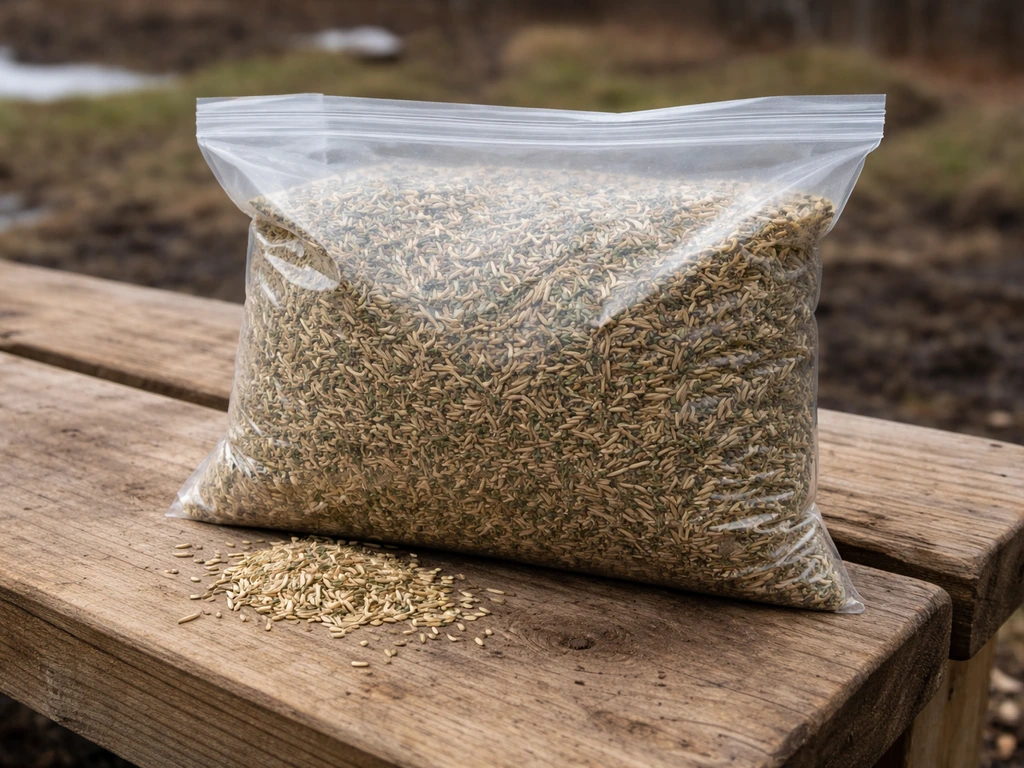
Your grass selection is probably the single biggest factor in whether winter seeding works. Pick the wrong type and you're just throwing money at frozen dirt. Here's how the main grass types break down for winter use:
| Grass Type | Winter Seeding Viability | Best Use Case | Germination Temp |
|---|---|---|---|
| Perennial Ryegrass | Excellent | Dormant seeding in cold climates; winter overseeding in the South | 50-65°F soil |
| Annual Ryegrass | Excellent | Quick winter cover in warm/transition zones | 50-65°F soil |
| Tall Fescue | Good | Dormant seeding in transition zone; mild-winter overseeding | 50-65°F soil |
| Fine Fescue | Good | Shady areas, cold northern climates, dormant seeding | 45-65°F soil |
| Kentucky Bluegrass | Fair | Dormant seeding only; slow to establish | 50-65°F soil |
| Bermudagrass | Poor | Not viable for winter seeding; wait for late spring | 65-70°F soil |
| Zoysiagrass | Poor | Not viable for winter seeding; wait for late spring | 65-70°F soil |
Ryegrass is the go-to for most winter situations. It germinates faster than almost any other grass type at cool temperatures, establishes quickly, and handles foot traffic reasonably well. If you're in the North doing dormant seeding, perennial ryegrass mixed with fine fescue is a reliable combination. If you want a winter lawn, start with the right ryegrass mix and dormant-seed at the correct time so it can wake up in spring perennial ryegrass.
If you're overseeding a warm-season lawn in the South for winter color and cover, annual ryegrass is cheap and effective. If you want to focus on how to grow perennial ryegrass instead, the same winter seeding basics apply, but choose and time it for that perennial growth habit annual ryegrass. Fescues are the better long-term choice for shaded areas or if you want a grass that persists into spring rather than fading out.
Avoid bermuda and zoysia completely for any winter planting project.
Getting your soil ready in winter
Cold weather doesn't mean you skip soil prep. It actually means soil prep matters more, because you can't rely on warm temperatures to bail out a poor seedbed. The goal is the same as any other season: firm, loose, weed-free contact between seed and soil. But a few things change in winter.
Test your soil before anything else
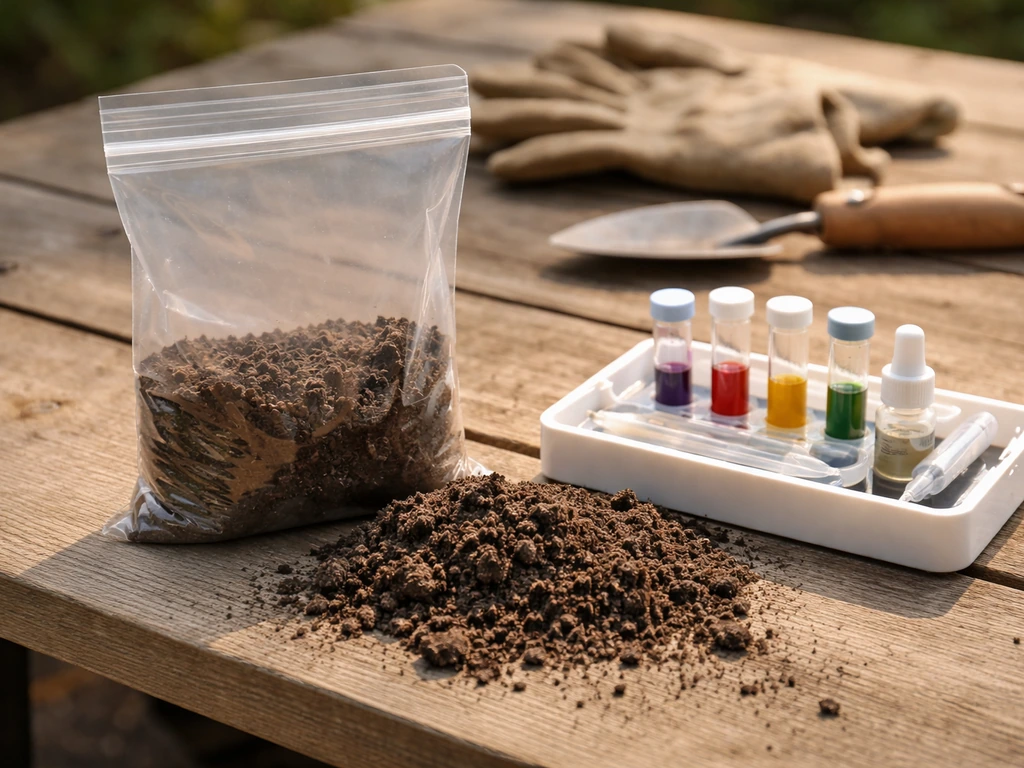
If you haven't done a soil test in the last two or three years, do one now. A basic test from your local extension office runs $15-20 and tells you your pH, phosphorus, and potassium levels. Most grasses want a pH between 6.0 and 7.0. If your soil is too acidic, lime works slowly and actually benefits from being applied in fall or winter since it has months to work before spring germination. You won't fix a pH problem overnight, but getting lime down now means your spring seedlings have a much better start.
Clay soil vs. sandy soil in winter
Clay soil is your biggest enemy in winter. It compacts, drains poorly, and can form a hard crust that prevents seed from reaching soil contact. If you're working with clay, loosen the top inch or two with a hard rake or hand cultivator before seeding, and mix in a thin layer of compost (about a quarter inch) over bare spots. Don't rototill wet clay in winter. You'll make it worse, not better. Sandy soil has the opposite problem: it drains fast and dries out, which can delay germination if you go through a dry stretch. Adding compost to sandy spots helps hold moisture around the seed.
Preparing bare spots
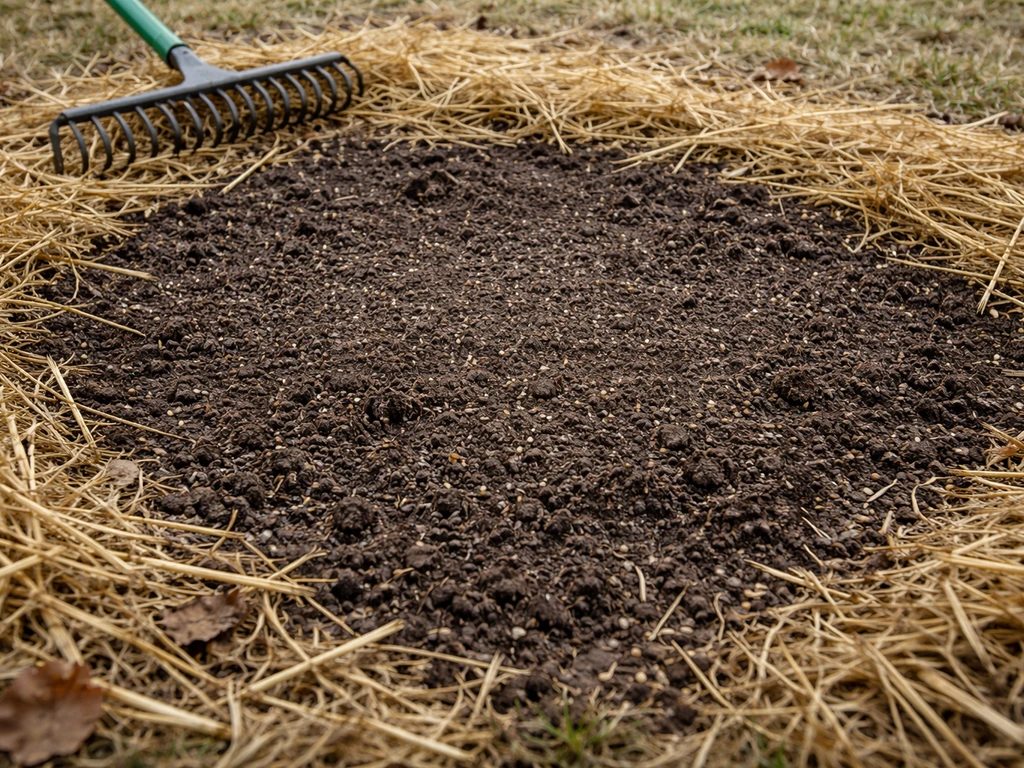
Rake out any dead grass, leaves, or thatch from bare areas. You want mineral soil exposed, not a mat of organic debris. Firm the soil lightly with the back of a rake so it's not fluffy and loose. Seed that falls into air pockets between loose soil clumps fails to germinate. For large bare areas, a lawn roller (you can rent one for about $30 for a half-day) pressed over moist soil before seeding gives you the firm contact you're looking for. For small spots, just stepping on the area after seeding does most of the work.
Drainage matters more in winter
Check that your bare spots aren't in low-lying areas where water pools. Winter rain and snowmelt can wash seed away from poorly draining spots, and waterlogged seedlings rot before they establish. If you have a chronically wet area, consider building it up slightly with a mix of topsoil and compost, or redirect drainage before you seed. There's no point seeding the same low spot twice if the water problem isn't solved.
How to actually plant grass seed in winter
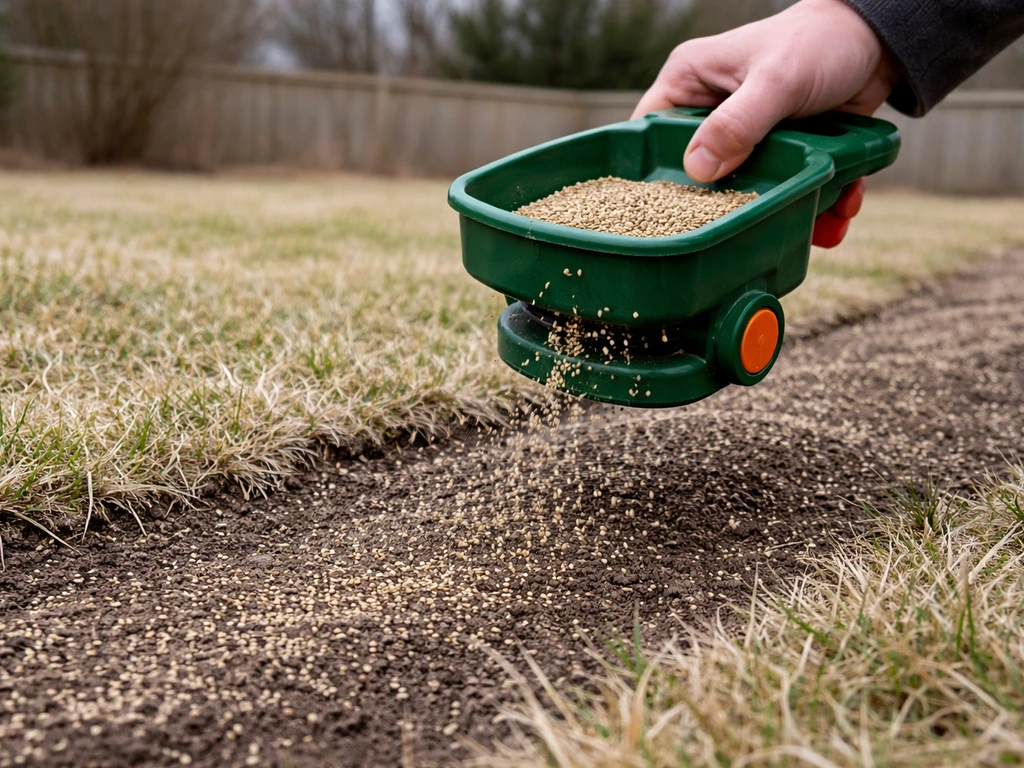
Timing is everything here. For dormant seeding in cold climates, Purdue Extension recommends getting seed down anytime from Thanksgiving through March or April, as long as the soil is dry enough to prepare a seedbed. The idea is that you want seed in place after the last real germination weather of fall, so it stays dormant through winter freeze cycles and germinates on its own schedule in spring. You do not want seed to sprout before winter. Seedlings that emerge in November in cold climates will almost certainly be killed by a hard freeze.
Seeding depth and coverage
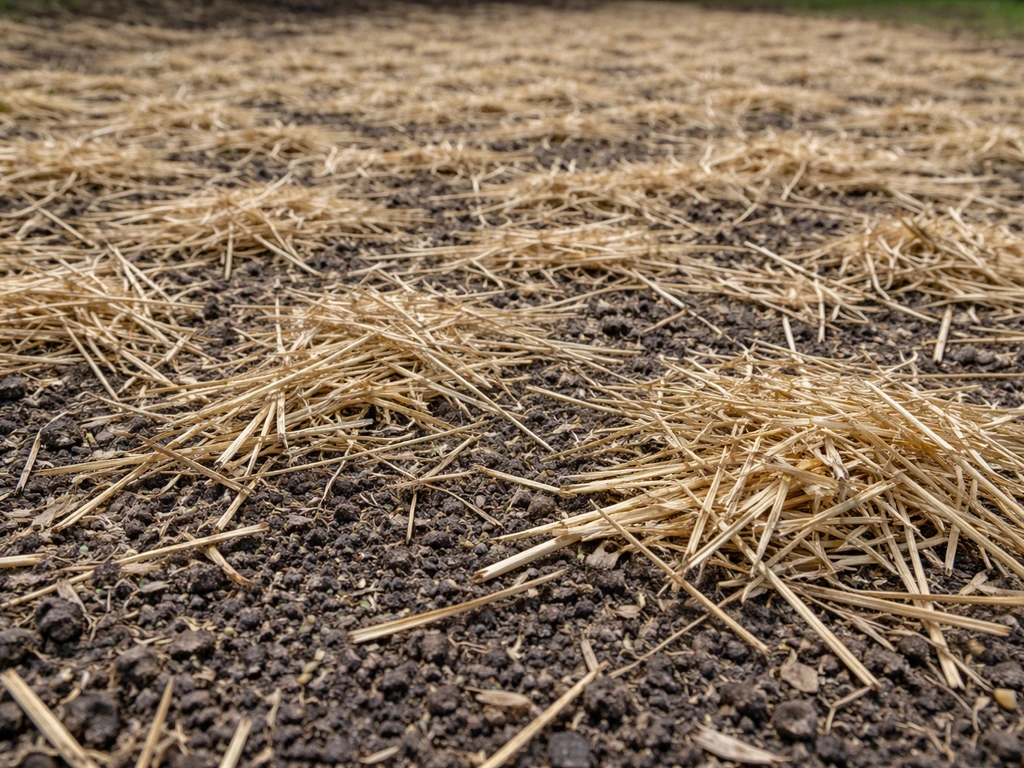
Grass seed is small. It needs to be at or just below the soil surface, ideally no deeper than a quarter inch. For dormant seeding in winter, many experienced gardeners skip deep raking and simply broadcast seed onto a prepared, loosely raked surface, then use a lawn roller or light foot traffic to press it in. A blank" rel="noopener noreferrer">straw mulch layer (not hay, which has weed seeds) about a quarter inch thick over the seeded area helps hold moisture and provides some insulation without blocking light when germination starts. For small bare spots, a seed-starting mat or erosion control blanket works even better and holds seed in place if you get heavy rain or snowmelt runoff.
Seeding rates to know
More seed is not always better. Over-seeding leads to competition and thin, weak seedlings. As a general guide, ryegrass for overseeding runs about 5-10 pounds per 1,000 square feet. Fescue for new establishment is typically 6-8 pounds per 1,000 square feet. For dormant seeding where some seed may not survive winter, you can seed at the higher end of the recommended range to account for attrition, but don't double or triple the rate. You'll choke out germination.
Protecting seed from wind, frost, and rain
Once seed is down, your main enemies are wind dispersal, rain washout, and birds. Straw mulch handles all three reasonably well. If you're in an area with heavy winter rains, erosion control blankets staked lightly to the ground are worth the $15-20 investment for bare slopes or exposed areas. Avoid plastic sheeting: it traps moisture and causes seed rot. For frost protection after germination starts in late winter or early spring, a thin row-cover fabric laid loosely over newly sprouted areas can protect seedlings from a late hard freeze without smothering them.
How to make your winter grass grow faster
Let's be straight: you can't force grass to grow fast in truly cold conditions. But you can create conditions that give seed every possible advantage so germination happens at the earliest opportunity, rather than weeks later.
- Seed on south-facing slopes and spots that get more direct sun. Soil in those areas warms up faster in late winter and early spring, which moves up your germination date.
- Time your seeding for a milder window. If you're in a region with variable winters and a stretch of above-45°F days appears, that's your best window. Seed that goes in during a mild spell has a head start on seed that goes in during a hard cold snap.
- Use a starter fertilizer at seeding time. A phosphorus-rich starter fertilizer (look for something with a middle number like 10-20-10) encourages faster root development. Apply at the package rate, never more.
- Keep the seedbed moist but not waterlogged. Even dormant seed in a moist seedbed outperforms dry seed. If you go through a dry winter stretch and the soil is powdery, water lightly every few days to maintain contact moisture.
- Clear debris and leaves off the seeded area regularly. Heavy leaf cover blocks the light that newly sprouted grass needs to establish.
Soil temperature is the real throttle on germination speed. Most cool-season grasses need consistent soil temperatures above 50°F to sprout. You can check this with a cheap soil thermometer (under $10 at any garden center). When you see soil temps hitting 50-55°F consistently in late winter, that's when your dormant-seeded lawn starts waking up. In warmer climates where you're actively overseeding in December or January, ryegrass can germinate in as little as 5-7 days when soil temps are in the 50-60°F range and moisture is consistent.
Caring for your lawn through the rest of winter
Whether you're managing newly sprouted seedlings in a warm climate or waiting for dormant seed to wake up in a cold one, there are a few things to stay on top of through winter.
Hold off on mowing young seedlings
If you're in a warm climate and your winter ryegrass or fescue is actively growing, wait until seedlings reach at least 3-4 inches before mowing. The first mow should take off no more than a third of the blade height. Mowing too early or too low on young seedlings yanks them out of loose winter soil. Keep your mower blade sharp and set it high for the first several cuts.
Weed control in winter
This is where a lot of people make a costly mistake. Pre-emergent herbicides prevent seed from germinating, and that means any pre-emergent applied near your newly seeded area will kill your grass seed too. Avoid pre-emergents on or near seeded areas until your lawn is fully established (typically after 2-3 mowings). For winter annual weeds like chickweed, henbit, and annual bluegrass that show up in seeded areas, hand-pulling is your safest option in the first season. Post-emergent herbicides labeled safe for your grass type can be used after the lawn is well-established, but check the label carefully and don't rush it.
Protecting seedlings from frost and heavy rain
Established cool-season grass seedlings can handle a light frost, but a hard freeze right after germination can kill young roots. If you're in the transition zone and a late cold snap is forecast after seedlings have emerged, cover them overnight with a breathable row-cover fabric and remove it the next day. For heavy rain events, check your seeded areas afterward for washout or puddling. Rake washed seed back into contact with soil and pat it down before it dries out. A thin layer of straw over bare spots after heavy rain helps prevent the next round of washout.
Getting your lawn back once winter ends
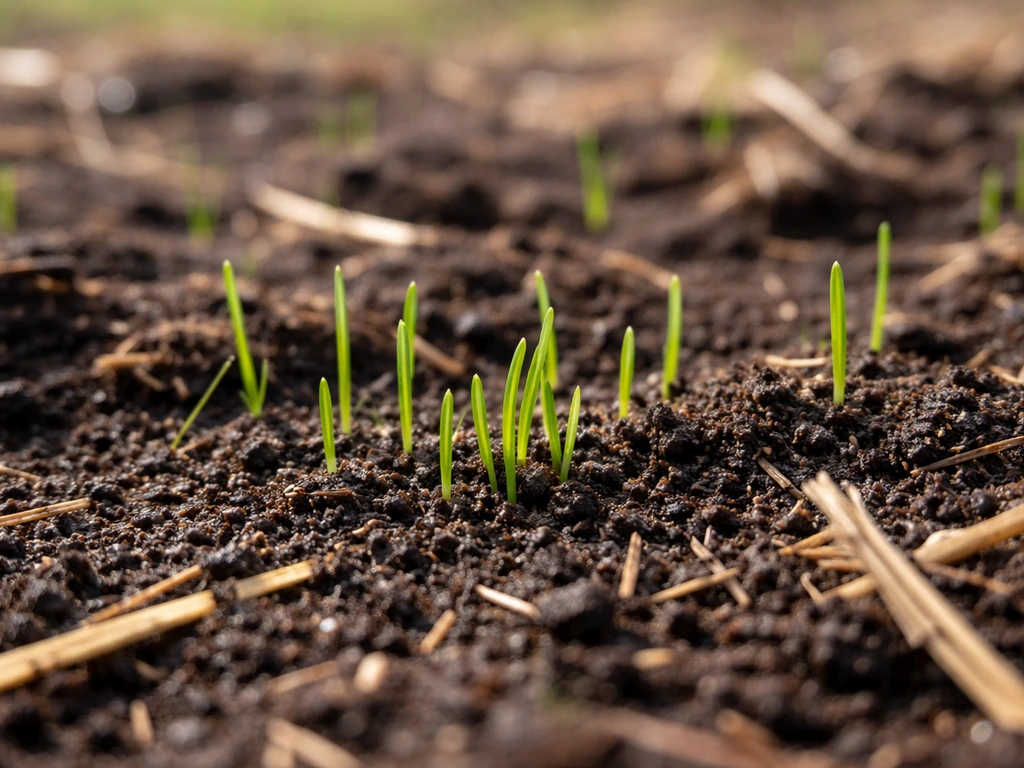
Spring is when dormant-seeded lawns come to life and when any winter bare spots that didn't fill in get their second chance. Here's how to handle the transition well.
When to assess what made it
By mid-spring, when soil temperatures have been above 50°F consistently for two or three weeks, you'll have a clear picture of what germinated and what didn't. Don't panic if germination looks uneven in March. Give it until late April in most northern zones before declaring failure and starting over. Seeds from dormant seeding can take 4-8 weeks to sprout after conditions become favorable, especially if the winter was harsh.
Overseeding bare spots in early spring
For spots that didn't fill in, early spring overseeding is your repair window. Rake the bare area lightly to loosen the surface, apply fresh seed at the standard rate, press it into contact with soil, and keep it moist. Cool-season grasses seeded in March and April in northern zones have enough warm weeks ahead to establish before summer heat stress hits. In the transition zone, you're targeting a narrower window (roughly February through April) before temperatures get too warm for cool-season grass to germinate comfortably.
Timing for warm-season grasses after winter
If you're trying to establish bermuda, zoysia, or other warm-season grasses, winter is simply the waiting period. These grasses need soil temperatures consistently above 65°F, which typically arrives in late May or June in the upper South and transition zone. Don't rush it. Seeding warm-season grasses in April when soil temps are still in the 50s is one of the most common reasons those lawns fail to establish. Wait for the soil temperature to hit 65°F and hold there before you seed. A cheap soil thermometer checked at a 2-inch depth will tell you exactly when you're ready.
Spring fertilizing after a dormant-seeded lawn emerges
Once your dormant-seeded grass has germinated and you've mowed it two or three times, it's ready for its first real feeding. A balanced slow-release fertilizer (something like 10-10-10 or a lawn starter blend) applied in late spring gives young grass the nutrients it needs to thicken up before summer. Don't apply full-strength nitrogen fertilizer to very young seedlings. It pushes top growth at the expense of roots, and roots are what you need heading into summer.
FAQ
Can I grow grass from seed indoors during winter and transplant it outside later?
You can, but it is usually not worth it for winter seeding. Cool-season seed can wait in the soil, which avoids transplant stress. If you still start indoors, harden seedlings off gradually (a week of increasing outdoor exposure), keep them shallow in containers for strong root growth, and transplant only when soil temps are consistently warm enough for your grass type to keep growing.
How do I know whether to dormant seed or seed for active growth in my area?
Use both air and soil temperature. Dormant seeding targets cold soil that stays below germination range until spring, while active winter seeding relies on soil staying warm enough to sprout during winter. A cheap soil thermometer at 2 inches deep, tracked for several days, is the practical decision tool.
What if my soil surface freezes solid before I get seed down?
If the ground is frozen solid, seed contact will fail and dormant seeding will not work. Wait until you can rake and prepare a stable seedbed that is workable (loose, not heaving or rock-hard), then apply seed and lightly press it in. Planning the job around a dry window matters more than getting it done on a specific calendar date.
Should I water after seeding in winter? If so, how much?
In cold climates, the goal is not constant watering, but maintaining light moisture during the window when you are getting seed-to-soil contact. After you seed, water enough to settle seed and support early germination as temperatures rise, then reduce frequency to avoid puddles. If you have repeated snowmelt washout or puddling, fix drainage or use erosion control, because overwatering can drown seed.
Is straw mulch always safe to use over winter seed?
Yes, if it is a thin layer (about a quarter inch) and applied so it does not block light completely. Use straw, not hay, because hay often contains weed seeds. If you notice thick matting or sour, wet material, thin it or remove some to keep air and light moving to the seed surface.
Will birds really eat my seed, and what is the best prevention?
Bird activity is common, especially on exposed seed. Straw mulch reduces visibility and washout, but for heavy bird pressure you can add a light erosion-control blanket staked at edges on bare slopes. Avoid plastic coverings, because they can trap moisture and increase seed rot risk.
Can I use a pre-emergent herbicide in the same season as winter seeding?
Avoid applying pre-emergent products anywhere near seeded areas until the grass is fully established and has been mowed multiple times (often after 2 to 3 mowings). Pre-emergents are designed to stop germination, so they can also suppress the grass seed you just planted. If you must manage weeds, switch to hand-pulling in the first season or use only post-emergent products labeled safe for your exact grass type after establishment.
How do I adjust seeding rate if I expect some seed loss over winter?
Seed loss happens, but doubling the rate usually backfires by creating competition. If you expect heavy attrition, go toward the higher end of the recommended range for your grass type, then rely on spring overseeding as the repair strategy for any remaining thin spots.
My dormant-seeded lawn looks patchy in March. Should I start over?
Usually no. Germination timing can lag 4 to 8 weeks after temperatures become favorable, and March often looks uneven. Wait until soil temps are consistently above 50°F for a couple of weeks (and typically out toward late April in northern zones) before concluding the attempt failed.
When is the best time to overseed failed spots in spring?
Overseed early enough to establish before summer stress, so in northern zones you typically target March through April, then use standard rates and press seed into contact with soil. In the transition zone, the window can be narrower, so watch soil temps and avoid seeding when cool-season germination is fading.
What is the safest mowing schedule for newly sprouted winter grass?
Start mowing only after seedlings reach at least about 3 to 4 inches in active winter growth areas, and remove no more than one third of the blade height. Keep the mower blade sharp and the initial cut height higher to reduce uprooting from loose winter soil.
When should I fertilize after winter seeding?
After you have germinated and mowed the new grass two or three times, you can apply a balanced slow-release fertilizer in late spring to support thickening. Avoid full-strength nitrogen too early, because it can promote top growth at the expense of the root development you need for summer survival.
Can I seed warm-season grasses like bermuda or zoysia in winter in the South?
Not for reliable germination. Warm-season grasses generally need soil temperatures consistently above about 65°F, which usually arrives later in spring. Winter seeding for bermuda or zoysia typically turns into a waiting game at best, and failure at worst, so use soil temperature (at around 2 inches depth) to time the seeding.
Next Article
How to Grow Ryegrass from Seed: Step-by-Step Guide
Step-by-step guide to grow ryegrass from seed, including timing, soil prep, seeding rates, watering, mowing, and fixes.