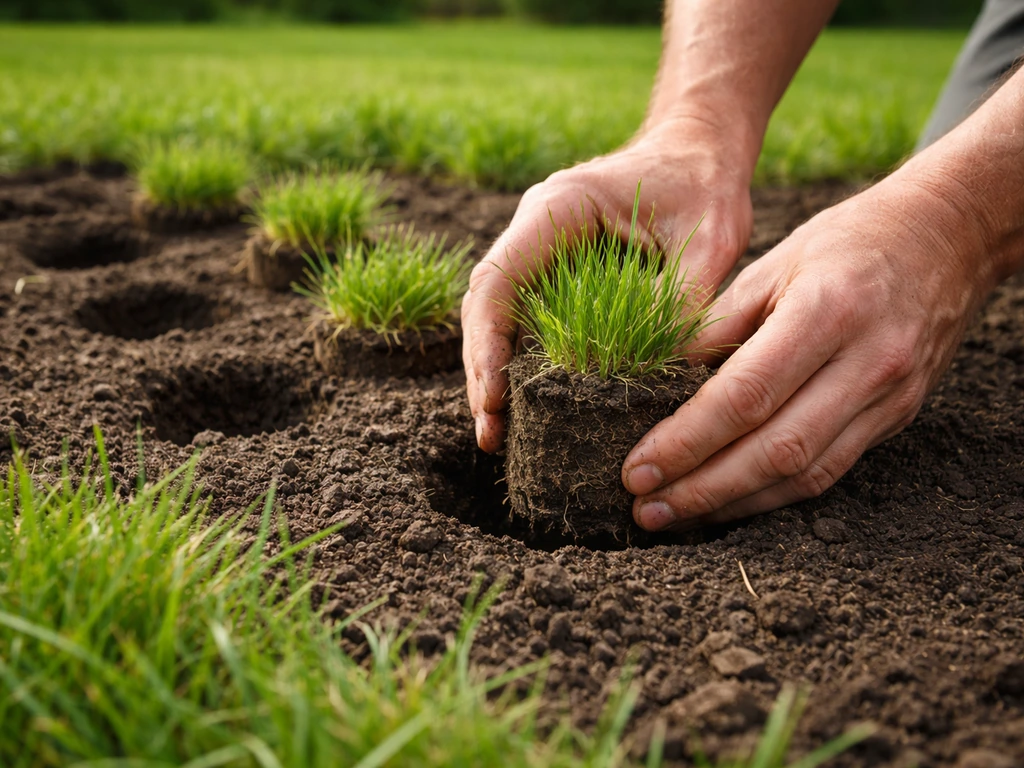
You can establish zoysia grass on an existing lawn, but it takes a real plan. If you’re wondering zoysia grass how to grow, the right planting and early care steps make the biggest difference. The most reliable approach is to kill off the existing turf, loosen and amend the soil, and plant zoysia plugs or sod during late spring to early summer when soil temperatures are consistently warm. Seed is an option but produces slower, lower-quality results. Expect plugs to take one to two full growing seasons to fill in completely, and plan your weed control around that timeline.
How to Grow Zoysia Grass on Existing Lawn Step by Step
Marcus Tillwell
9 Jul 2026
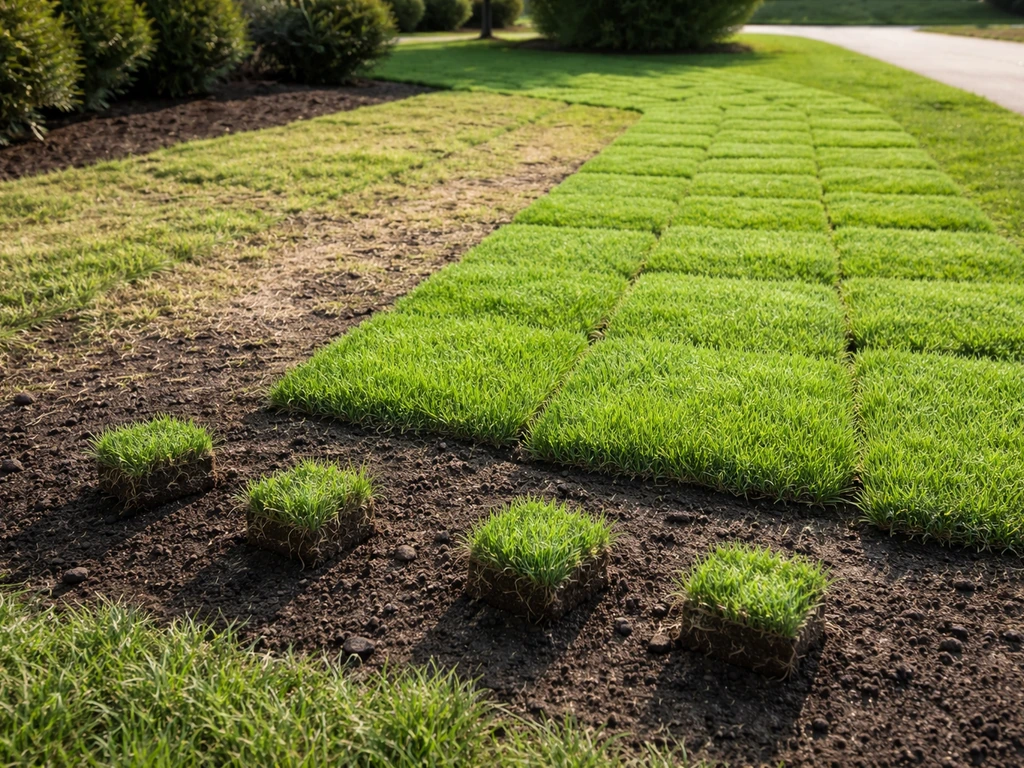
Start by honestly assessing your lawn
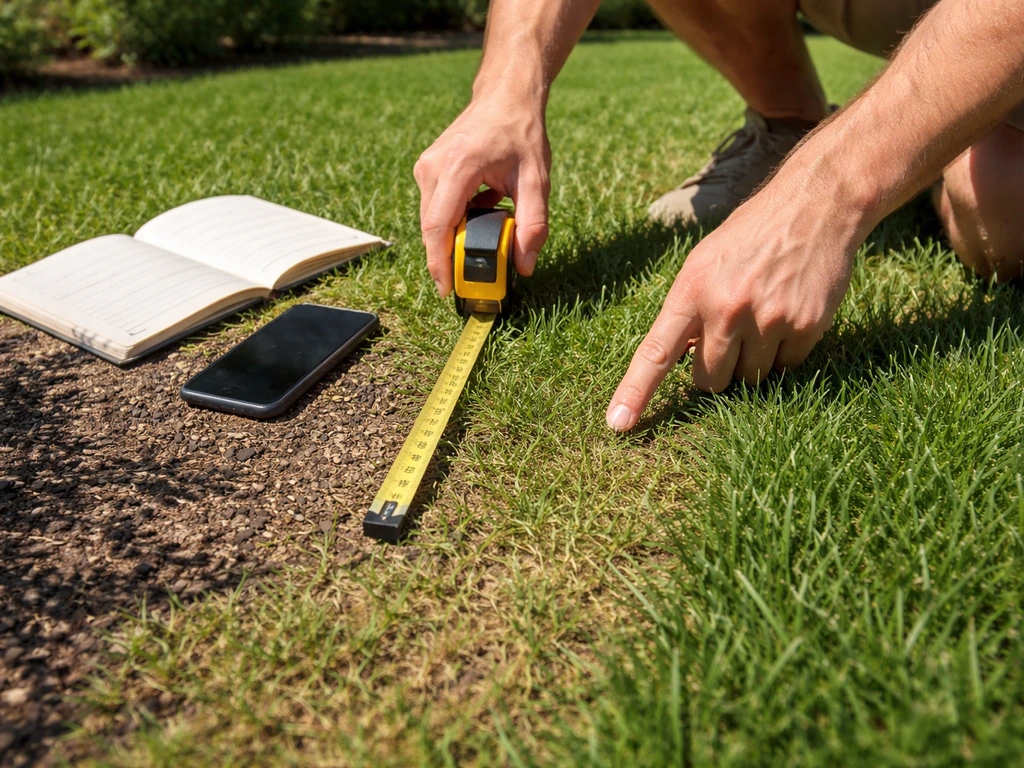
Before you order a single plug tray, walk your lawn and ask a few hard questions. Zoysia is a full-sun grass. Most extension sources agree it needs at least 6 to 8 hours of direct sunlight daily to perform well. If large portions of your yard sit under tree canopy or in building shade for most of the day, zoysia is going to struggle there regardless of how well you plant it. Finer-textured zoysia matrella cultivars handle shade better than the coarser Z. japonica types, but even then, zoysia is not a shade grass. If shade is your primary challenge, a different species like tall fescue might serve you better in those spots.
Next, look at what you're working with in terms of existing turf. Is your lawn mostly weeds, thin bermudagrass, or a decent stand of another grass type? If there's significant competition already in the ground, zoysia plugs or seed will not outcompete it on their own. You'll need to clear the field first. Also check drainage: zoysia tolerates a range of soils but doesn't want to sit in standing water. If you have areas that stay soggy after rain, address that before planting anything.
Finally, be realistic about your timeline and budget. A full lawn conversion using sod is faster but expensive. Plugs are affordable and DIY-friendly but require patience. Seed is the cheapest entry point but the hardest to execute well. Knowing what you're working with physically and financially upfront saves a lot of frustration later.
Seed vs. plugs vs. sod vs. stolons: which method is right for you
This is where a lot of homeowners go wrong by picking the method that sounds easiest rather than the one that fits their situation. Here's the honest breakdown.
Zoysia seed
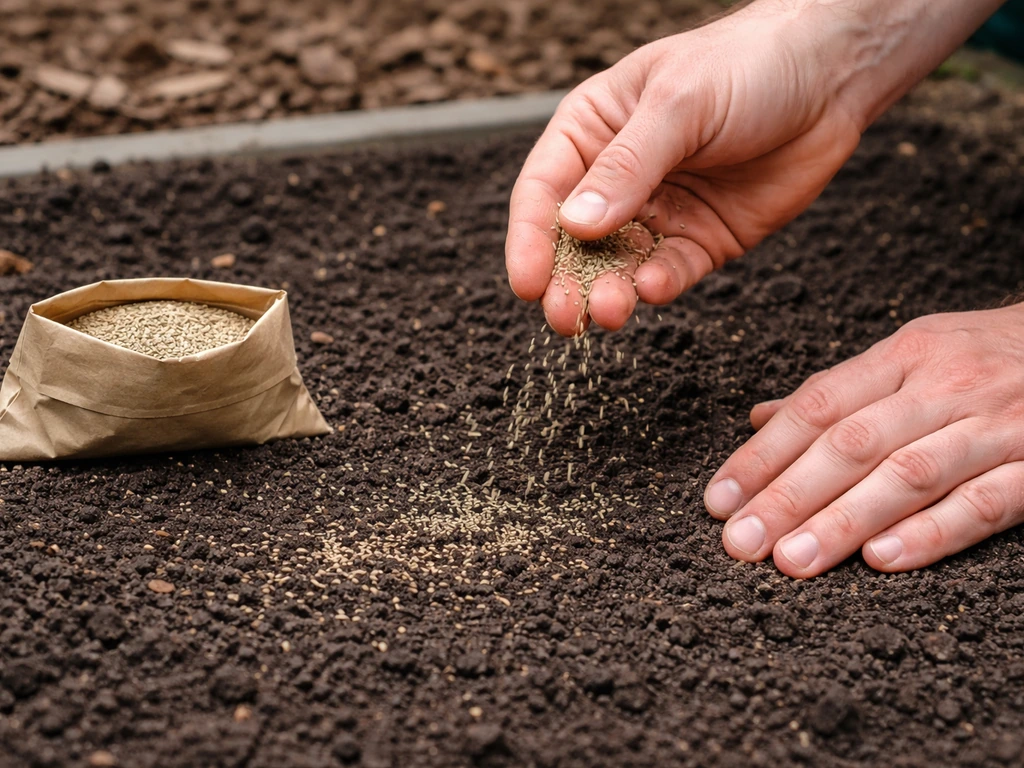
Only Zoysia japonica has commercially available seed, and even within that species, germination rates vary widely, with studies reporting anywhere from about 58% to 92% germination depending on the seed lot. Seeded zoysia generally produces lower-quality turf than vegetatively established zoysia, and most extension programs recommend limiting seed to situations where the convenience of seeding outweighs quality concerns. If you want a premium lawn, seed is not your best path. That said, if you're working a large open area on a tight budget and have time on your side, seed can work, especially in the April through July window when soil temperatures support germination.
Plugs
Plugs are the most practical DIY option for most homeowners. They're rooted pieces of zoysia sod, typically 1 to 4 inches in diameter, planted at regular spacing across the lawn. Larger plugs, around 4 inches, establish faster. Planted on 6-inch centers, you'll use roughly 4,000 plugs per 1,000 square feet, and expect about 12 months for full coverage at that spacing. Wider spacing saves money but adds time. Plugs are what most homeowners doing a partial conversion or working on a budget should reach for.
Sod
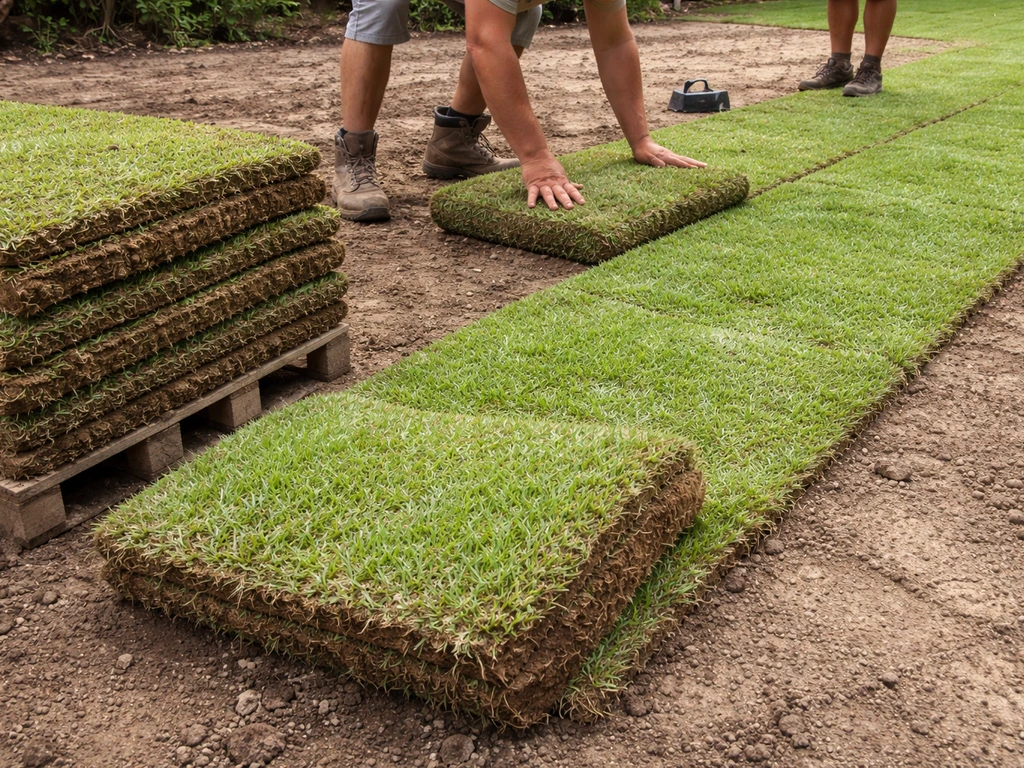
Sod gives you the fastest results and the best turf quality. If you need coverage quickly, have the budget, or are converting a high-visibility area of your lawn, sod is worth the extra cost. The tradeoff is that sod is significantly more expensive per square foot than plugs, and you'll still need to do all the same soil prep.
Stolons (sprigs)
Stolons are individual stems or runners broadcast or planted in furrows across prepared soil. They're an option used more often in large-scale commercial or athletic turf situations but can work for homeowners too. If you go this route, plant stolons in shallow furrows about 2 inches deep with roughly 6 to 12 inches between rows, then cover lightly with soil to maintain moisture contact. It's more labor-intensive than plugs and less predictable for backyard conversions.
| Method | Cost | Establishment Speed | Turf Quality | Best For |
|---|---|---|---|---|
| Seed | Lowest | Slowest (1–2 seasons) | Lower quality | Large open areas, tight budget |
| Plugs | Moderate | 1–2 growing seasons | Good | DIY conversion, spot filling, partial yards |
| Sod | Highest | Fastest (weeks to root) | Excellent | Full conversion, high-visibility areas |
| Stolons | Low–Moderate | 1–2 seasons | Good | Large areas, experienced DIYers |
Timing matters more than most people realize
Zoysia is a warm-season grass, which means it establishes during warm soil temperatures and goes dormant in cool weather. Planting too early in spring when soil is still cold, or too late in summer when the growing season is winding down, leads to poor coverage and high weed pressure through the winter.
For most of the South and transition zone (Virginia, Georgia, the Carolinas, Tennessee, and similar states), late spring is ideal. May is generally the target month for plugging and sprigging. In Florida, the seeding window runs roughly April through July. Research on 'Zenith' zoysiagrass found that seeding in early June produced strong in-season coverage, while seeding after July 1 often failed to reach full coverage before the end of the growing season. That tells you something important: the earlier in the warm season you plant, the more time your zoysia has to spread and root before cold sets in.
If you're in the upper South or transition zone, late April through June is your best planting window. In the deep South and Gulf Coast states, you have a bit more flexibility and can push into July. Avoid planting in late summer or fall. Newly established zoysia going into its first winter without adequate root development almost never survives or fills in well the following spring.
Getting your soil right before you plant
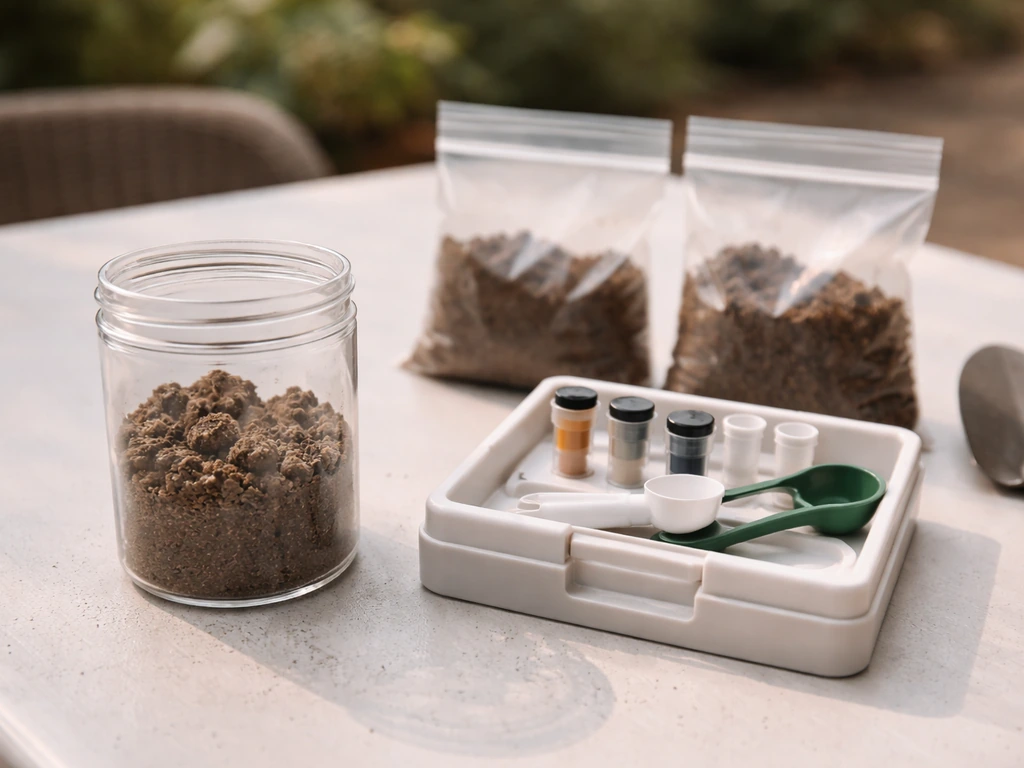
Zoysia is relatively adaptable, but that doesn't mean you can skip soil prep and expect good results. Start with a soil test. A basic test through your local extension office costs very little and tells you your pH and nutrient levels. Zoysia prefers a soil pH of about 6.0 to 6.5. If your pH is off, lime or sulfur applications won't work overnight, so address this weeks before planting.
Clay soil
If your soil is clay, compaction is your main enemy. Clay restricts root penetration and holds water too long after rain. Core aerate before planting, and if the clay is severe, topdress with a thin layer of quality topsoil or compost worked into the top 3 to 4 inches. You don't need to rototill your entire yard, but breaking up surface compaction gives plugs and stolons a fighting chance to root.
Sandy soil
Sandy soil drains quickly, which means it dries out fast. The upside is that drainage isn't usually your problem. The downside is that you'll need to water more frequently during establishment and work in compost to improve water retention. Adding organic matter to a sandy bed before planting zoysia makes a real difference in how quickly plugs root.
Compacted or worn areas
Heavy foot traffic areas or spots under driveways and structures often have subsoil compaction that goes deeper than a single pass of core aeration will fix. In these spots, consider renting a slit-seeder or using a mechanical plug aerator to break up the layer before planting. Zoysia's creeping growth via stolons and rhizomes means it can eventually fill in, but it needs some loosened soil to get started.
Kill the existing turf before you plant
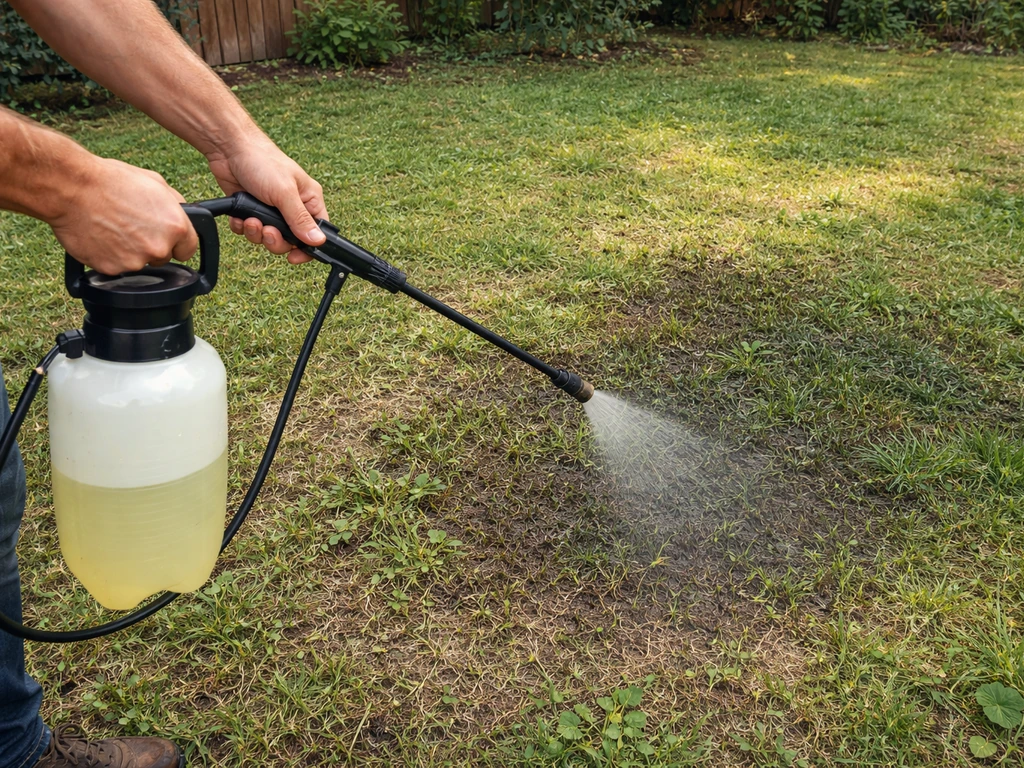
This is the step most people skip, and it's the most common reason zoysia conversions fail. If you plant zoysia plugs into existing bermudagrass, tall fescue, weeds, or any other established turf without clearing it first, that existing vegetation will outcompete your new zoysia every time. Zoysia is a slow spreader. It cannot fight its way through established competition.
The most effective method is a nonselective herbicide application (glyphosate-based products are the most common). For tough competition like bermudagrass or nutsedge, plan for multiple applications spaced about 14 days apart. One round often isn't enough, especially for rhizomatous grasses like bermuda that can regrow from surviving underground tissue. After the area is fully brown and dead, wait the appropriate period (usually at least 2 weeks) before disturbing the soil and planting.
One important note on preemergence herbicides: if you applied a preemergent product earlier in the season for crabgrass control, that product has residual activity in the soil that can seriously damage or kill new plugs and stolons. Research has shown that residual herbicide in the soil can decrease stolon rooting from newly planted material.
A turf establishment research review in Zoysiagrass grow-in systems reports that higher autumn indaziflam rates reduced stolon rooting from plugs or sprigs planted the following spring, illustrating how residual products can harm new establishment [residual herbicide in the soil can decrease stolon rooting from newly planted material](https://acsess. onlinelibrary. wiley. com/doi/full/10.
1002/cft2. 70074). The general guidance is to wait 2 to 4 months after the last preemergent application before planting, and always read the specific product label for replanting intervals.
After the dead vegetation breaks down, lightly rake or dethatch the area to remove debris and improve soil-to-plug contact. Good contact between the plug or stolon and the native soil is critical for rooting. If plugs are sitting on top of a thick mat of dead thatch, they're essentially planted in air.
How to actually plant zoysia on your lawn
Once the soil is prepped and the existing turf is cleared, you're ready to plant. Once you know the steps above, you can follow the same approach to grow zoysia grass plugs from installation through early care plant zoysia on your lawn. Here's how to do it by method.
Planting plugs
- Mark out a grid using string or spray paint so you maintain consistent spacing. Six-inch centers give full coverage in about a year. Twelve-inch centers save money but double your timeline.
- Use a plug tool, bulb planter, or drill-powered auger to pull a hole slightly larger than the plug. The plug should sit flush with or just slightly above the soil surface, not buried deep.
- Press each plug firmly into the hole so all sides make contact with the surrounding soil. Loose plugs dry out and die.
- Water immediately and thoroughly after planting to settle soil around each plug.
- For partial conversions or bare spots within an existing lawn, follow the same process but use a sharp spade to cut back competing grass at least 2 to 3 inches from each plug hole before planting.
Planting stolons
Cut 2-inch deep furrows with 6 to 12 inches between rows using a mechanical edger or furrow tool. Lay stolons into the furrows end-to-end so they run continuously, then cover lightly with a thin layer of soil. You can also broadcast stolons across a prepared bed and use a disk or roller to press them into contact with the soil. The key is that the nodes on the stolon need to contact the soil surface to root. Stolons left sitting on the surface without soil contact will dry out and die.
Planting seed
Till or scarify the top 1 to 2 inches of the cleared seedbed. Broadcast seed at the rate recommended on the package, then lightly rake to cover the seed with about 1/4 inch of soil. Roll or tamp lightly for good seed-to-soil contact. The seedbed must stay consistently moist until germination and early establishment are complete. Because zoysia seed germination is inconsistent and quality is lower than vegetative options, this method rewards patience and diligent watering more than any other approach. If you want a deeper guide on timing, rates, and care specific to seed, see our full walkthrough on how to grow zoysia from seed.
Watering schedule and early care
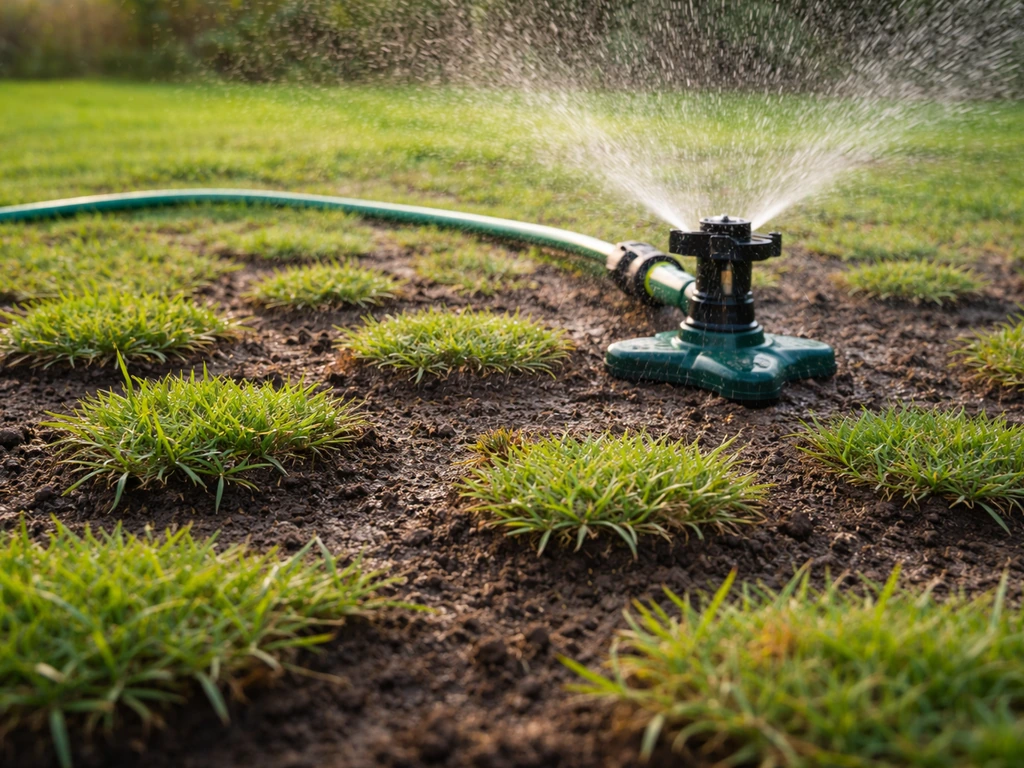
The first four weeks after planting are the most critical for establishment. Keep soil moist to a depth of about 4 inches throughout this entire period. That likely means watering at least once daily in hot weather, and possibly twice on very hot, dry, or windy days. Don't let plugs or stolons dry out even once during this window. Dry-out kills newly planted material quickly, and it's the most common reason for patchy establishment.
Once you see active new growth, which typically shows up as greening and visible lateral spread, you can back off on watering frequency. At this point, water every two to three days and soak the soil to about 6 inches deep per irrigation. Deep, less frequent watering at this stage encourages roots to grow downward rather than staying shallow.
Once zoysia is fully established (usually by the end of the first full growing season for plugs or sod), shift to watering on an as-needed basis rather than a fixed schedule. Zoysia is relatively drought-tolerant once mature, and overwatering established turf causes its own problems including shallow roots and increased disease pressure.
Hold off on fertilizing immediately after planting. Give plugs or stolons two to four weeks to show signs of rooting and active growth before applying any nitrogen. Once you see clear signs of establishment, a starter fertilizer or light nitrogen application can encourage spread.
Managing weeds during establishment
Weed control during the grow-in period is one of the trickier parts of zoysia establishment. Because zoysia fills in slowly over one to two seasons, weeds have a long window to move in, especially annual grasses and broadleaf weeds. Hand-pulling is your main tool in the first weeks after planting since you cannot safely use most preemergence herbicides without harming the new zoysia. Once zoysia has rooted and greened up fully, some selective post-emergent products are safe to use, but wait until the grass is actively growing and not stressed before applying anything. If you applied preemergent before planting, remember that same residual chemistry that prevents weed seed germination can also slow your zoysia establishment. Timing and patience are everything.
What to do if your zoysia isn't filling in
If you're a few months in and the zoysia looks thin, patchy, or stalled, don't panic immediately, but do diagnose before adding more material or water. Here are the most common failure points and what to do about them.
- Poor soil contact: If plugs or stolons are sitting in loose soil or on top of dead thatch, they won't root properly. Press any loose plugs back down firmly, water deeply, and topdress around them with a thin layer of compost if needed.
- Competing grass or weeds: If existing turf wasn't fully killed before planting, it's now competing with your zoysia and winning. Spot-treat with a nonselective herbicide around plugs as needed, being careful not to spray the zoysia itself.
- Wrong timing: Zoysia planted too late in the growing season won't fill in before cold weather slows growth. If you planted in August or later in a zone with a short warm season, expect slow visible progress until the following spring. Don't over-water or over-fertilize trying to force it.
- Drought stress during establishment: Even a few days without water in hot weather can kill newly planted plugs. If patches are completely brown and crispy, they may be dead. Re-plug those areas in spring.
- Shade: If certain areas simply aren't establishing while sun-exposed areas are thriving, reassess the light situation. More than a few hours of shade daily is going to slow or stop zoysia establishment regardless of everything else you do right.
- Preemergent herbicide residual: If you applied a preemergent product before or shortly before planting, residual activity could be suppressing rooting. There's not much you can do except wait it out and re-plant the following season once the residual has broken down.
Zoysia is genuinely worth the patience it demands. Once it establishes, it's one of the most attractive, dense, and wear-tolerant warm-season grasses available. The conversion process is slow and requires some real effort upfront, especially around killing existing turf and managing weeds during grow-in. But homeowners who follow a proper sequence from assessment through planting through watering consistently end up with results they're happy with. If you're still deciding between methods or want to understand the full growing process for zoysia specifically, digging into how to grow zoysia grass plugs or how to make zoysia grass grow faster can help you refine your plan and set better expectations for the season ahead.
FAQ
Can I grow zoysia on my existing lawn without completely removing the old grass?
Yes, you can, but treat it like a patch conversion rather than a full lawn change. Make sure each plug has direct contact with soil (rake out thatch and loosen the top 1 to 2 inches where you plant), and expect the surrounding existing turf to keep competing for light and water until zoysia closes in. If the existing lawn is bermudagrass or tall fescue, spot-killing with a full kill and waiting the proper interval is usually the only way to prevent the new zoysia from thinning out.
How low should I mow the lawn before I plant zoysia plugs or sod?
Mow as low as you can safely get the old turf before removal, then time the final “kill” so you can start soil prep immediately after the dead layer breaks down. Don’t plant into a thick thatch mat, if you see brown spongy debris, rake or dethatch first to improve plug or stolon contact with soil.
What if part of my lawn is in shade during the day?
Shaded areas can be partially successful, but zoysia still needs substantial sun. If a section gets less than about 6 hours of direct sun, plan for weak growth regardless of planting method. For mixed-light yards, prioritize planting plugs in the sunniest zones first, then decide later whether to overseed or switch grasses in persistent shade.
How do I know it is warm enough to plant zoysia on my existing lawn?
Soil temperature matters, and waiting for consistent warmth is key. A practical rule is to plant after soil is reliably warm for several days, typically late spring through early summer in most regions covered by the article. If you plant too early, you will often get patchy establishment and more weed pressure during the cool stretch.
How often should I water right after planting to avoid patchy growth?
For warm-season establishment, watering is mostly about preventing any drying during the first month. A good approach is to keep the top few inches consistently moist, but also avoid creating puddles that can rot plugs, especially in clay. If you have clay or poor drainage, fix that first, then water with smaller, more frequent cycles until rooting begins.
Is it okay to plant zoysia plugs in late summer or fall if I am trying to fix bare spots quickly?
Yes, late-summer planting is a common failure trigger. If the growing season ends before roots knit into the surrounding soil, you can see winter kill or thin spring regrowth. Aim to have active rooting and visible spread established before the first real cool-down, and if you miss the window, it is usually better to wait until the next warm-season planting period.
Can I plant zoysia right after using a preemergent herbicide for crabgrass?
You generally can, but only after the soil chemistry and timing are compatible with your earlier weed control. If you used a preemergent product for crabgrass control, residual activity can slow rooting. Follow the label replanting interval, and if you cannot find it, wait longer rather than planting immediately.
Do I need to adjust soil pH before planting zoysia?
Use a soil test, not guesswork. Zoysia performs best around a slightly acidic to neutral range, about pH 6.0 to 6.5, and amendments can take time to work. Apply lime or sulfur weeks ahead so pH can move before plugs or stolons go in, and avoid heavy fertilization if the goal is to reduce stress during establishment.
If my existing lawn is mostly weeds, can I just plant zoysia and let it win?
Not always. In areas with existing turf competition, slow-spreading zoysia cannot reliably “take over,” so the right move is usually to clear vegetation first. For weeds and annuals you might be able to manage by hand early, but for established perennial turf (especially bermudagrass), plan on killing it and waiting, otherwise the new zoysia will stay patchy or disappear.
My zoysia looks thin or patchy after a few months. What should I check first?
If your zoysia looks thin after a few months, diagnose before adding more plugs or increasing irrigation. Check for persistent shade, poor soil contact (plugs sitting on debris or thatch), ongoing turf competition, and dry-out during the first month. Also confirm that you are past any preemergent residual window that could be suppressing rooting.
What weed control options work during zoysia’s grow-in period?
Yes, but in a different way than seed. Even if you are using plugs, you still need a weed strategy, because you cannot safely rely on most preemergent herbicides without risking the new turf. Use hand pulling early, and only consider selective post-emergent options once zoysia is actively growing and not stressed, and you understand the product label for young established grass.
When is the right time to fertilize after installing zoysia plugs or stolons?
Fertilizing too soon is a common mistake. Give plugs or stolons time to root and begin actively growing, then apply a starter or light nitrogen only after you see clear establishment, typically about 2 to 4 weeks. If you fertilize earlier, you can increase stress without helping roots catch up.
Next Article
How to Grow Grass Plugs From Seed: Step by Step
Learn how to grow grass plugs from seed with timing, soil prep, plug setup, transplant steps, and troubleshooting.