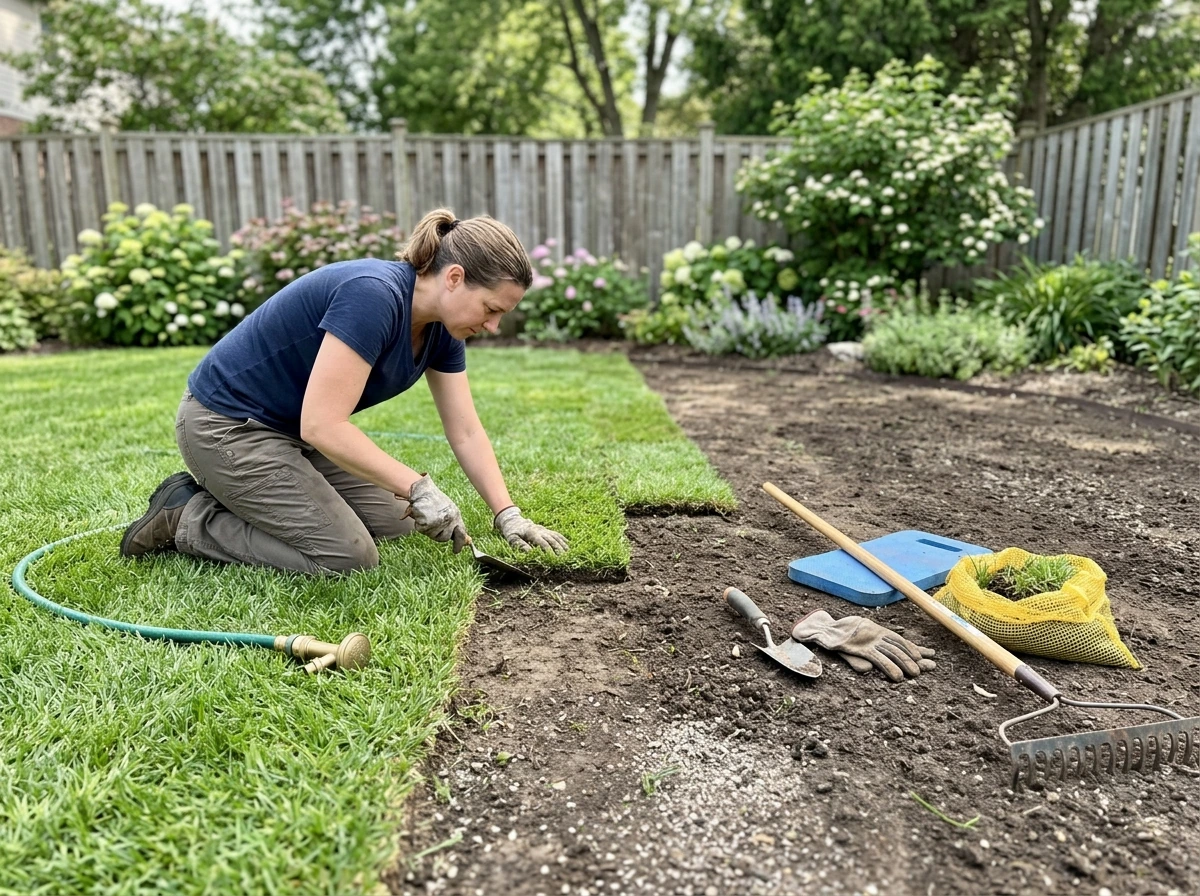
Zoysia grass plugs are one of the most reliable ways to establish a thick, dense lawn, but only if you plant them right and set realistic expectations. The short answer: plant plugs in late spring when soil hits 70°F, space them 6 to 12 inches apart, keep them moist for at least two weeks, and be patient because full coverage takes one to four years depending on your spacing and climate. Everything else in this guide fills in the details so you don't lose plugs to drying out, poor contact, or weeds taking over before zoysia gets a foothold.
How to Grow Zoysia Grass Plugs Step by Step Guide
Marcus Tillwell
11 Apr 2026
What zoysia plugs actually are, and why you'd choose them over seed
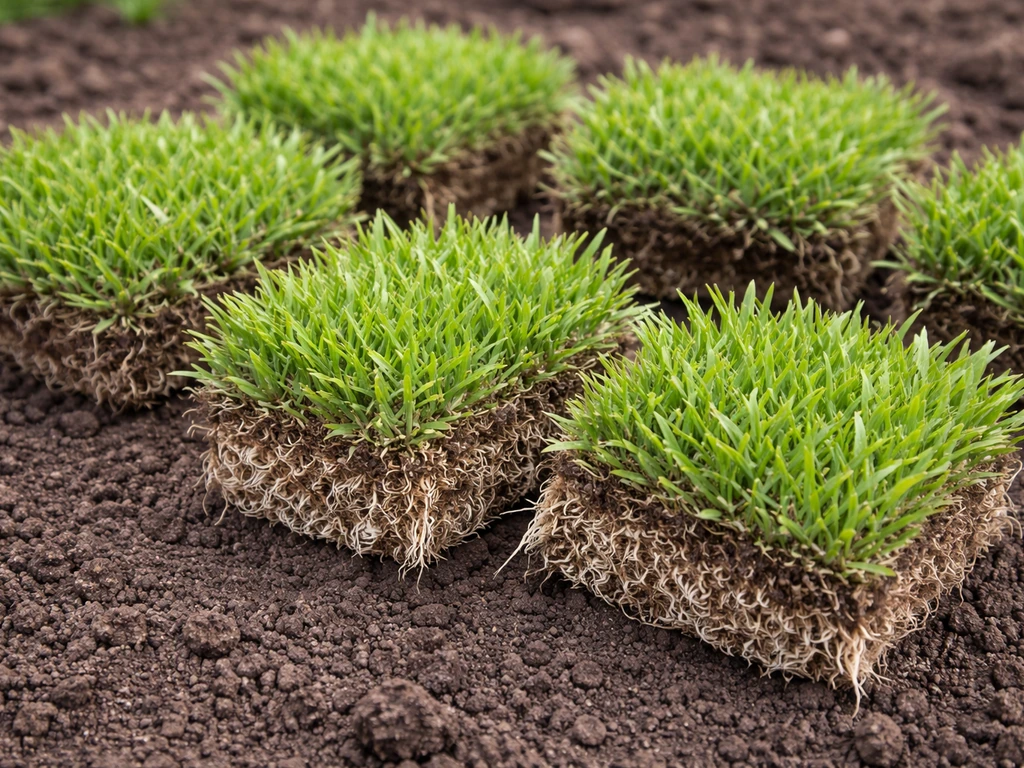
A zoysia plug is a small piece of living sod, roughly 2 to 3 inches wide with 2 to 3 inches of soil and an intact root system attached. That's different from a sprig or stolon, which is just an above-ground runner with no soil mass. The plug format matters because the soil around the roots protects them during transplanting and gives the plant something to push new roots out from immediately. You're not starting from scratch the way you are with a bare runner.
So why plugs instead of seed? If you've looked into how to grow zoysia from seed, you already know the challenges: zoysia seed has inconsistent germination, it's slow, and it's hard to find high-quality seed for named cultivars. Plugs give you a predictable plant with an established root system, and extension sources consistently note that vegetative methods like plugging establish far more predictably than seed for typical homeowner situations. If you want a specific cultivar like Zeon, Emerald, or Meyer, plugs (or sod) are often your only option since those varieties don't come true from seed.
The tradeoff is cost and time. Plugs cost more than seed per square foot, and fill-in is slow. If you're working on a large open area and budget is tight, seed might still be worth considering. But for most people converting an existing lawn or filling in trouble spots, plugs are the smarter move because the establishment is more dependable.
Best time to plant and how to prep your soil
Timing by region
The ideal soil temperature for planting zoysia plugs is around 70°F. In practical terms, that means late spring, roughly late April through June in most of the transition zone and Southeast. Purdue Extension notes that planting before mid-May is limited by cool soil and air temps, and that going past early July may not leave enough growing season before fall cool-down slows rooting. MU Extension echoes this, warning that August plantings often don't give plugs enough time to establish before temperatures drop. The sweet spot in most of the country is May through mid-July. In the Deep South and Hawaii, your window is longer, and you can push into late summer without the same risk.
Zoysia.com sums it up simply: plant spring through early fall as long as frost is off the table and the ground is workable. If you're in the transition zone (think Missouri, Kentucky, Virginia, or the Carolinas), stick closer to the May-to-June window to give plugs the longest possible warm growing season.
Getting the soil ready
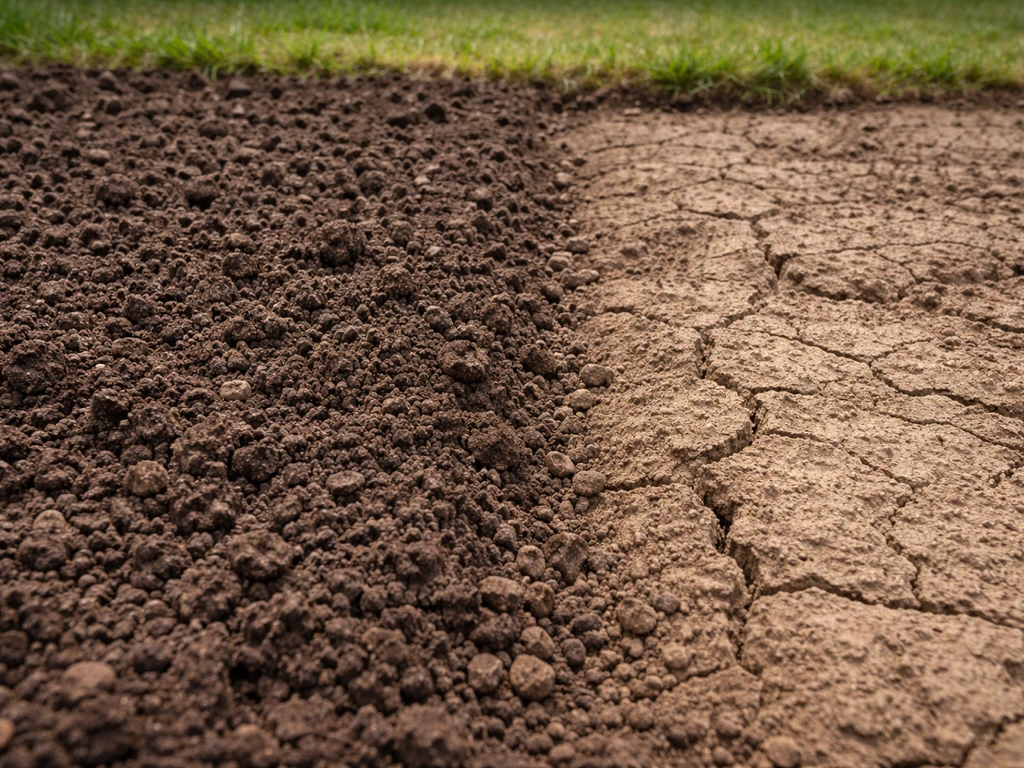
Soil prep is where a lot of plug plantings fail before they even start. Zoysia does best in well-drained soil, so if you're working with heavy clay, you need to address compaction before you plant. Rent a core aerator and make at least two passes over the area. This opens up the soil, improves drainage, and gives roots somewhere to go. Sandy soil is less of a problem for drainage but dries out fast, so you'll need to be more attentive to watering in the first few weeks.
Mow whatever existing grass is there as short as possible and scalp it if you can. If you're planting into bare ground, rake it smooth. You want the plugs going into firm, level soil, not loose fluff. Check your soil pH too. Zoysia prefers a pH of 6.0 to 6.5. If you've never tested your soil, a basic test kit or a county extension lab test (usually under $20) is worth doing before you invest in plugs.
How to space, plant, and water plugs for fast rooting
Spacing: closer means faster fill-in
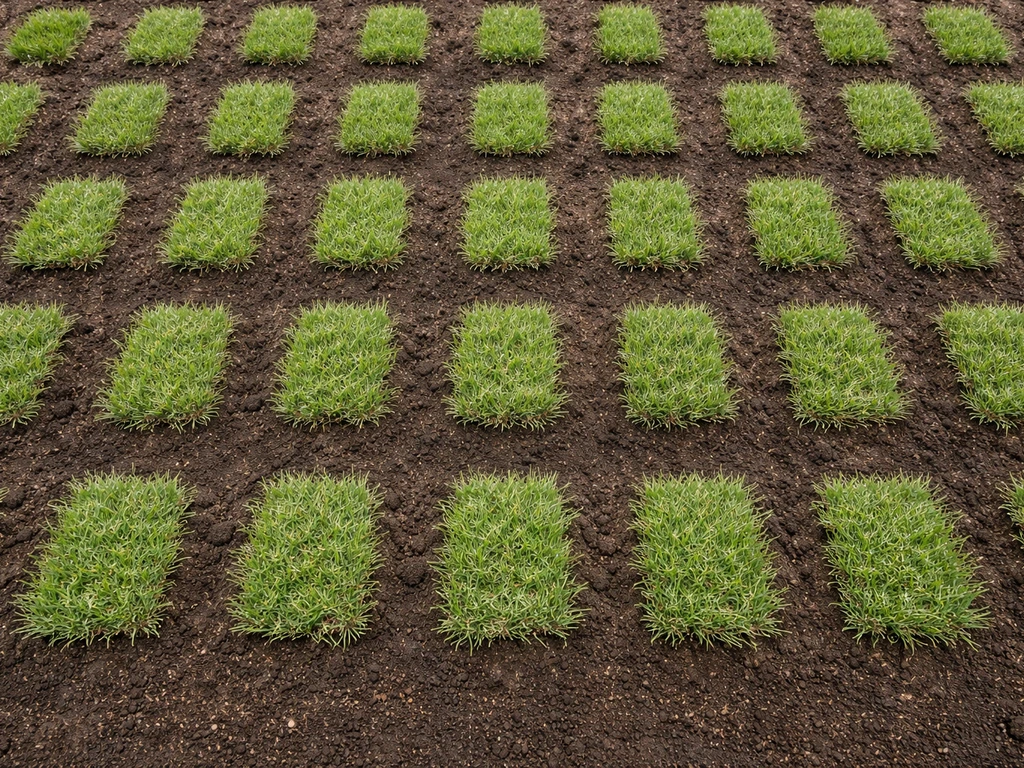
Plugs are typically spaced 6 to 12 inches apart on center. The technical guidance is consistent across extension sources: closer spacing means faster establishment, wider spacing saves money upfront but means waiting longer for full coverage. At 12-inch spacing you'll need roughly 1,000 plugs per 1,000 square feet. At 6-inch spacing, you need about four times as many plugs but you'll see the lawn fill in much faster. ZoysiaPlug.com states that at one plug per square foot (roughly 12-inch spacing) in the transition zone, expect about a year to fully establish. If you're in the Deep South with a longer growing season, it can be shorter.
| Spacing | Plugs per 1,000 sq ft | Estimated fill-in time |
|---|---|---|
| 6 inches | ~4,000 | 6–18 months |
| 9 inches | ~1,800 | 12–24 months |
| 12 inches | ~1,000 | 1–3 years |
Planting the plugs correctly
Use a plugger or bulb planter to pull a soil core at each planting spot. This is the right tool for the job because it removes soil cleanly and creates a hole that matches the plug's size, ensuring good soil-to-soil contact. MU Extension specifically recommends this approach over just pressing plugs into the surface. Drop each plug into the hole so it sits at roughly the same depth it was growing originally, with about 1.
5 inches of depth for the root mass. After you set each plug, step on it or tamp it down firmly. ZoysiaPlug. com calls this out explicitly: pressing the plug down ensures root contact with the surrounding soil, which is the single biggest factor in whether it roots or just dries up and dies.
If your plugs arrive in trays and you can't plant them immediately, keep them moist and in a spot with some sunlight until you can get them in the ground. Don't let them sit dry in a box or they'll start losing viability fast.
Watering right after planting
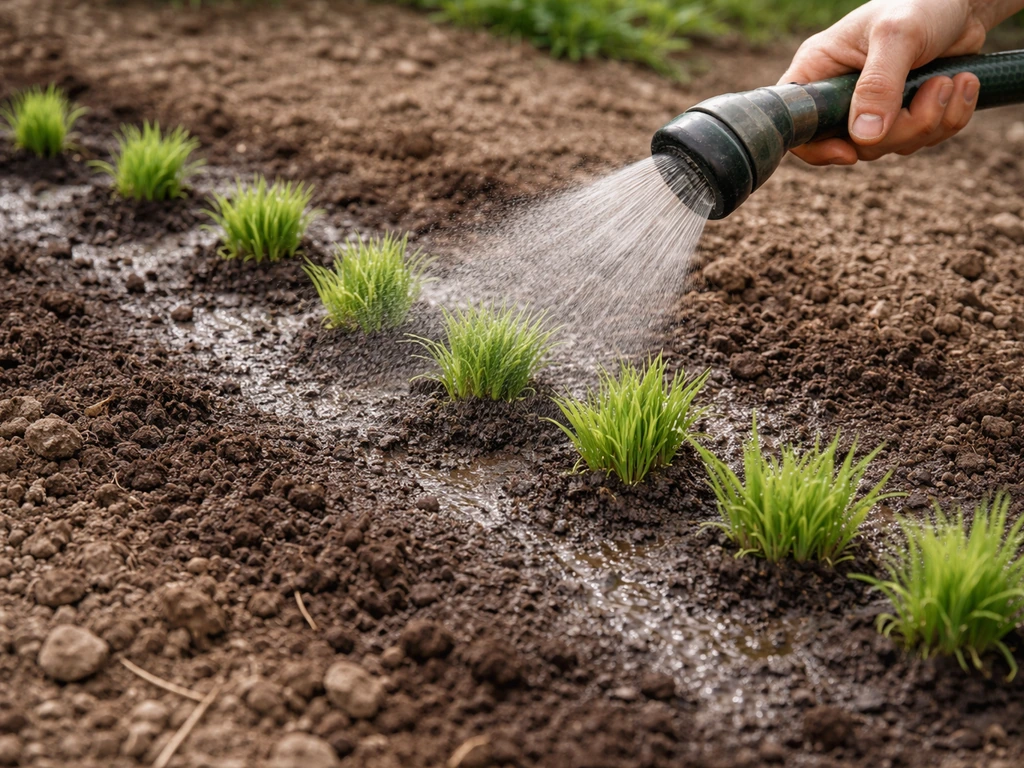
Water immediately after planting, and keep the area consistently moist for at least the first 10 to 14 days. Summit Hall Turf Farm recommends keeping the planted area moist for the first two weeks and using a fine sprinkler spray rather than a heavy stream that can dislodge plugs or wash out soil. Zoysia. com recommends light daily watering for about three weeks after planting.
The goal is to target about 1 to 1. 5 inches of water per application, and ZoysiaPlug. com suggests using a container placed in the spray zone to confirm you're hitting that range. University of Maryland Extension adds a practical tip: [water in the morning, not evening](https://extension.
umd. edu/node/2124/), to reduce how long foliage stays wet and cut down on disease risk. If you have an automatic system, double-check the programming. UMD warns that irrigation systems are often set to run too frequently for too short a duration, which wets the surface without penetrating to root depth.
Sun, shade, and drainage: matching zoysia to your site
Zoysia is one of the more shade-tolerant warm-season grasses, but it still needs a minimum of 4 to 6 hours of direct sun to perform well. Some cultivars like Zeon and Emerald handle partial shade better than others like El Toro or Zenith. If you're planting under a tree canopy with heavy shade, be realistic. Plugs may root but they'll grow thin and slow, and the lawn won't fill in the way it does in full sun. For shaded areas, Zeon or Emerald are better bets than the more sun-hungry varieties.
Drainage matters a lot. Zoysia does not tolerate standing water, and plugs planted in low spots that hold water after rain will rot before they root. If you have drainage issues, either address them before planting (regrading, adding a French drain) or accept that plugs in those spots will struggle. On the flip side, raised or sloped areas drain well but dry out quickly, so you'll need to be more diligent about watering there, especially in the first two weeks.
If you're thinking bigger picture and want to understand the full range of what zoysia needs to thrive, the site's broader guide on how to grow zoysia covers variety selection, regional considerations, and long-term lawn management in more depth.
After they root: mowing, fertilizing, weeds, and watering
Mowing
Don't mow until the plugs are clearly rooted and actively growing, which usually takes three to four weeks. You can test rooting by gently tugging a plug. If it resists, it's rooting. Once you do mow, keep the mowing height appropriate for your variety, typically 1 to 2 inches for fine-textured varieties like Emerald and Zeon, up to 2.5 inches for coarser types. Never remove more than one-third of the blade height at once, especially during establishment when the plants are putting energy into spreading laterally.
Fertilizing
Hold off on fertilizing until plugs are clearly established and spreading, usually four to six weeks after planting. MU Extension specifically warns that excessive fertilization and irrigation during establishment can be counterproductive and even cause plug failure. Once plugs are actively growing, a light application of a balanced or nitrogen-focused fertilizer helps push lateral spread. Don't overdo nitrogen, though. It encourages top growth at the expense of root development. A slow-release fertilizer at half the label rate is a safer starting point than a heavy dose.
Weed control
Weeds are your biggest enemy during plug establishment. Zoysia spreads slowly, and bare soil between plugs is an open invitation for crabgrass, spurge, and other summer annuals. Clemson and NC State Extension both recommend a pre-emergent herbicide program in late winter and early spring to knock down summer annual weeds before they germinate.
NC State Extension also explains that preemergence herbicides remain in the soil for a period of time to prevent weed growth, helping prevent seedlings from establishing [Clemson and NC State Extension both recommend a pre-emergent herbicide program in late winter and early spring to knock down summer annual weeds before they germinate. ](https://weeds. ces. ncsu.
edu/weeds-teaching/landscape-weed-management/preemergence-herbicides/). If you're planting in spring, apply a pre-emergent labeled for zoysiagrass before you plant, then check whether your product has a re-entry or re-planting interval that might affect your plugs. Some pre-emergents have plant-back restrictions, so read the label.
For post-emergent weeds that appear between plugs, spot-treat carefully. NC State notes that post-emergent herbicides should only be used when zoysia is actively growing and not drought-stressed. If you spray a stressed plug, you risk damaging it. Hand-pulling or hoeing is slower but safer in the first season when the plugs haven't spread enough to tolerate chemical stress.
Watering schedule after establishment
Once plugs are rooted (after about two to three weeks), you can scale back from daily watering. Move to a deep, infrequent schedule of about 1 inch of water once or twice a week, depending on heat and rainfall. Zoysia has good drought tolerance once established, but during the first growing season while it's still spreading, don't let the soil dry out completely between waterings. The goal is to train roots to go deep, not to keep the surface perpetually wet.
How long until your lawn fills in, and what to do when things go wrong
Realistic fill-in timeline
Be honest with yourself about timeline. NC State Extension states clearly that establishment from plugs is typically two to four years for full coverage. That's not a worst-case scenario, that's normal. The CTAHR guide notes that the space between plugs begins re-establishing within about 6 to 8 weeks, meaning you'll start to see lateral spread fairly quickly.
But "some spread" and "full coverage" are very different things. The fill-in speed depends heavily on how close you planted, your climate, soil quality, and how well you manage weeds and watering. In the Deep South with good conditions and 6-inch spacing, you might see a reasonably full lawn in one to two years. In the transition zone with 12-inch spacing, budget for two to three years.
If you want to speed things up, tighter spacing is the single biggest lever. If you're looking for more ways to make zoysia grass grow faster after planting, there are a few targeted things you can do, including adjusting fertilizer timing and supplemental watering, but none of them substitute for starting with dense plug spacing.
Troubleshooting common plug failures
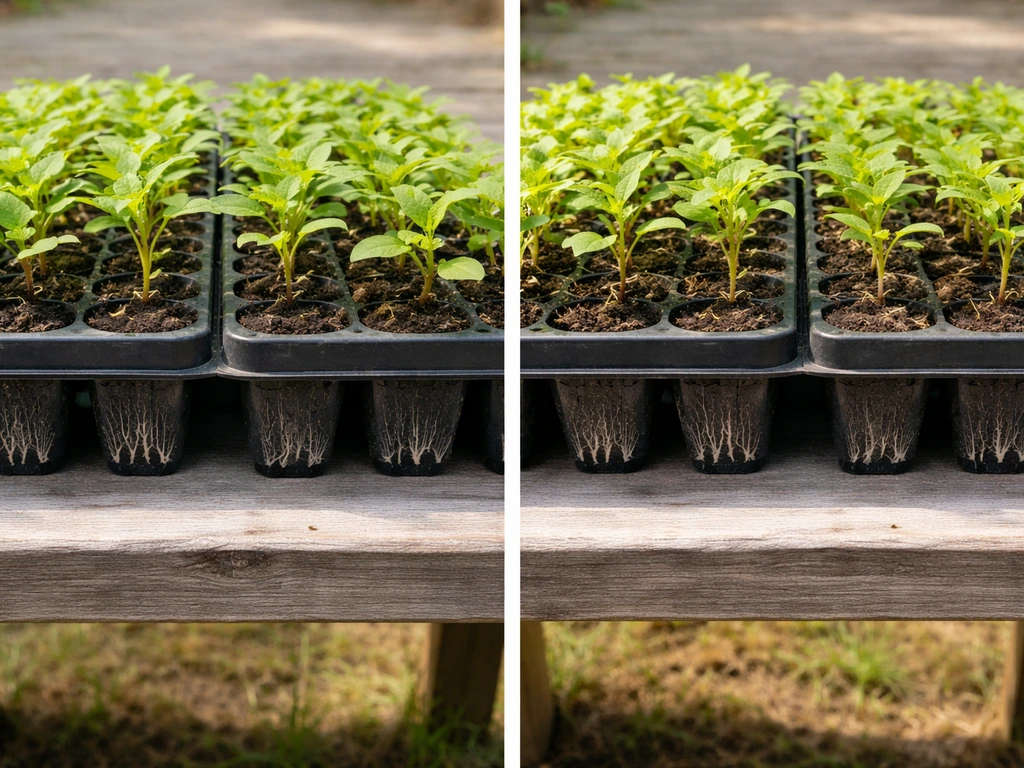
Plugs not rooting at all usually means one of three things: they dried out before or right after planting, they weren't tamped down firmly enough to make soil contact, or they went into waterlogged soil and rotted. Check drainage first. If the area holds water after rain, that's your culprit. If drainage is fine, go back and firm up any plugs that feel loose and increase your watering frequency for the next week.
Uneven coverage after the first season is extremely common and isn't necessarily a sign of failure. Plugs near the edge of a sunny area will spread faster than ones under partial shade. Areas with better soil will fill in faster than compacted spots. Assess after the first full growing season and fill in the gaps with additional plugs if needed. Don't panic and overseed with another grass type. That will create a mixed lawn that looks worse.
Weeds taking over between plugs is a sign that you need to step up your pre-emergent program and be more aggressive with hand-weeding in year one. Zoysia will eventually crowd out most weeds once it spreads, but it can't compete when bare soil between plugs is giving weeds a free run. If you're dealing with an existing lawn full of weeds and are thinking about whether to plug into it or start fresh, the guide on how to grow zoysia grass on an existing lawn walks through that decision in detail.
Washouts happen when rain or heavy irrigation dislodges plugs before they've rooted. If you lose plugs to a storm in the first week, replant them as soon as possible. They can usually be reinserted if the soil mass is still intact. The fix going forward is to use finer spray irrigation, make sure the soil around each plug is firmly tamped, and avoid overwatering that saturates the soil and loosens plugs.
A note on plugs vs. other establishment methods
Plugs hit a useful middle ground between seed and full sod. If you're working on a large new lawn and want to understand all your options side by side, the article on zoysia grass and how to grow it compares establishment methods with more detail on sod, sprigging, and seeding so you can weigh cost and timeline against your specific situation. And if you're specifically working through the mechanics of plugging as part of a broader grass establishment project, the general guide on how to grow grass plugs covers the fundamentals that apply across warm-season grasses, not just zoysia.
The bottom line is that zoysia plugs work. They just require patience, a decent planting job, and consistent attention for the first two to three weeks. Get those fundamentals right and the grass will do the rest on its own timeline.
FAQ
Can I plant zoysia plugs if the soil is warmer than 70°F, like in June or July?
Yes, as long as you still have enough warm days for rooting and there is no risk of frost later. In hotter months, prioritize more consistent moisture for the first 2 to 3 weeks, because evaporation increases. If your evenings stay very hot and breezy, consider using lighter, more frequent watering to keep the plug soil from drying while avoiding saturated, waterlogged conditions.
What’s the best way to keep plugs from drying out while I’m planting a large area?
Plant in sections and remove plugs from their trays only as you go. Keep unplanted plugs shaded and lightly moist, but not sitting in standing water. If they arrive with no protective cover, store them in a breathable container and periodically mist the tray surface so the root-zone stays cool and damp.
How deep should I plant zoysia plugs if the hole is deeper or shallower than the plug soil?
Aim for the same depth they were growing originally, so the crown area ends up level with the surrounding soil. If the hole is deeper, you can add a small amount of firm soil beneath the plug before placing it, then tamp. If the plug is too shallow, roots are more exposed to drying and heat stress.
Should I remove the soil from the sides of a plug or loosen it before planting?
No. The plug soil and its structure are there to protect roots and maintain contact. Don’t break apart the plug or tease the roots, since that can create gaps that dry out. Place the entire plug into the prepared hole and tamp firmly.
How do I confirm that plugs are getting enough water without washing them out?
Use a fine spray or sprinkler setting that produces a gentle wetting pattern. A practical check is to observe the area 10 to 30 minutes after watering, the surrounding soil should be evenly moist, not muddy or creating runoff channels. If you see plug movement, reduce application rate and split watering into smaller cycles.
Is it okay to water every day after planting if it’s cloudy or rainy?
Only to the extent the plug soil stays consistently moist. If rainfall soaked the planting zone deeply, daily watering may be unnecessary and can increase rot risk. A good rule is to test moisture by hand or with a screwdriver, the top few inches should feel moist but the area should not be soggy.
How can I tell if my plugs are rooting versus just staying alive?
Rooting usually shows as improved firmness (plugs no longer feel loose when you gently tug), plus gradual new growth and less leaf stress. If blades look green but plugs stay easy to move, you likely have poor soil contact or insufficient drainage. Re-check tamping and consider a brief increase in moisture only if drainage is good.
Do I need to topdress or cover plugs with soil after planting?
In most cases, no. The goal is plug-to-soil contact at the correct depth, topdressing can bury crowns too deep and slow establishment. If your soil surface is uneven, adjust the hole depth during planting rather than covering plugs later.
Can I plant zoysia plugs into existing grass, or should I remove it first?
It’s possible, but success is higher when the area is scalped extremely short or cleared so the plugs can contact soil. Thick living turf can shade plugs and compete for water and nutrients before roots establish. If you keep existing grass, expect slower spread and be prepared for more aggressive weed control between plugs.
What spacing is realistic if I’m trying to avoid a long wait for full coverage?
For faster fill-in, move toward 6 inches on center in high-sun, high-quality soil. If you space at 12 inches, plan for a longer timeline, often multiple seasons, especially in the transition zone. If budget is tight, consider tighter spacing in the most visible areas and slightly wider spacing elsewhere.
Should I fertilize right away to help zoysia root faster?
Avoid fertilizing immediately after planting. Zoysia typically benefits from waiting until plugs are actively spreading, about 4 to 6 weeks, because early fertilizer combined with heavy moisture can stress plugs. Start with a light rate and focus on gentle nitrogen, not a heavy dose.
What’s the safest way to handle weeds if I used a pre-emergent herbicide?
Follow the product’s re-entry and plant-back intervals closely, because some pre-emergents can restrict new root establishment. For weeds that pop up between plugs, choose options that don’t target established zoysia poorly and confirm the label allows treatment at your grass growth stage. When in doubt, hand-pulling early weeds is the lowest risk approach.
Can I mow before plugs are fully rooted if growth looks good?
Hold off until plugs are clearly rooted and actively growing, commonly 3 to 4 weeks. If you mow too early, you can stress the plugs and slow lateral spread. When you do mow, reduce height gradually and use sharp blades to prevent tearing.
What mower height should I use during the first season?
Keep it relatively higher at first to reduce stress and protect developing growth. Fine-textured cultivars often do well around 1 to 2 inches, while coarser types may need closer to 2.5 inches. Also, avoid removing more than one third of blade height in a single mowing.
Why do plugs fail in one area but work in another, even when I used the same watering schedule?
Drainage and soil contact are the usual culprits. A low spot can stay waterlogged after rain and rot plugs, while a compacted or fluffy area can prevent firm root-to-soil contact. Even slight grade differences can matter, especially during the first 2 weeks.
How soon can I expect to see lateral spread, and where should I look first?
You often see initial spread from plug edges within a couple months, but the speed depends on sun and spacing. Look at the perimeter of the plugs and along any lines where soil is best drained and firmest, those areas tend to show improvement first.
Can I replant plug “failures” the same season?
Yes, if you catch the problem early. Reinsert new plugs as soon as the soil is workable and drainage is corrected if needed. If plugs dried out or washed away in the first week, replacing quickly helps, because the remaining season window controls rooting.
Is shade ever worth it for zoysia plug establishment?
Zoysia can tolerate some shade, but full establishment and dense coverage require adequate sun. If you consistently get less than about 4 to 6 hours of direct light, expect slower fill-in and thinner turf even if plugs root. For best results, prioritize planting in sunnier pockets and choose more shade-tolerant cultivars if available.
Next Article
How to Grow Zoysia Grass: Step-by-Step Guide for Success
Step-by-step how to grow zoysia: choose the right type, prep soil, plant plugs or sod, then water, mow, fertilize, fix b