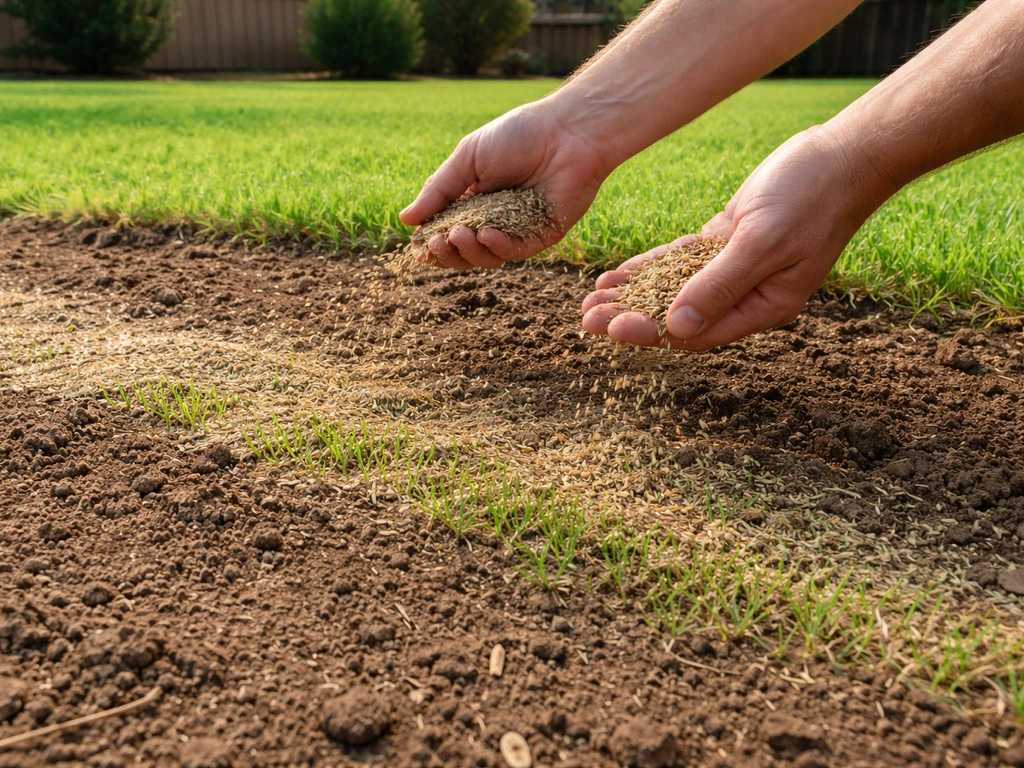
Bermudagrass is your best bet for growing a lawn in El Paso. If you live in San Antonio, Texas, the basic process is similar, but you will want to pick the right grass for local heat patterns and time your seeding to the city’s temperatures how to grow grass in San Antonio Texas. It handles the brutal summer heat, survives on less water than most grasses, and establishes quickly from seed when you plant it at the right time, which is late spring through early summer when soil temperatures are consistently above 65°F. If you have shade, a pet-heavy yard, or just want winter green, there are better-fit options to consider, but for most El Paso homeowners starting from scratch or fixing bare spots, bermuda is the answer.
How to Grow Grass in El Paso TX: Seed, Plant, and Care
Marcus Tillwell
28 Jun 2026
Best grass choices for El Paso
El Paso sits in the Chihuahuan Desert. Summers regularly top 100°F, rainfall averages around 9 inches per year, and the sun is relentless. That combination eliminates most grass varieties right away. Here are the four types worth knowing about, starting with the ones most likely to actually work.
Bermudagrass
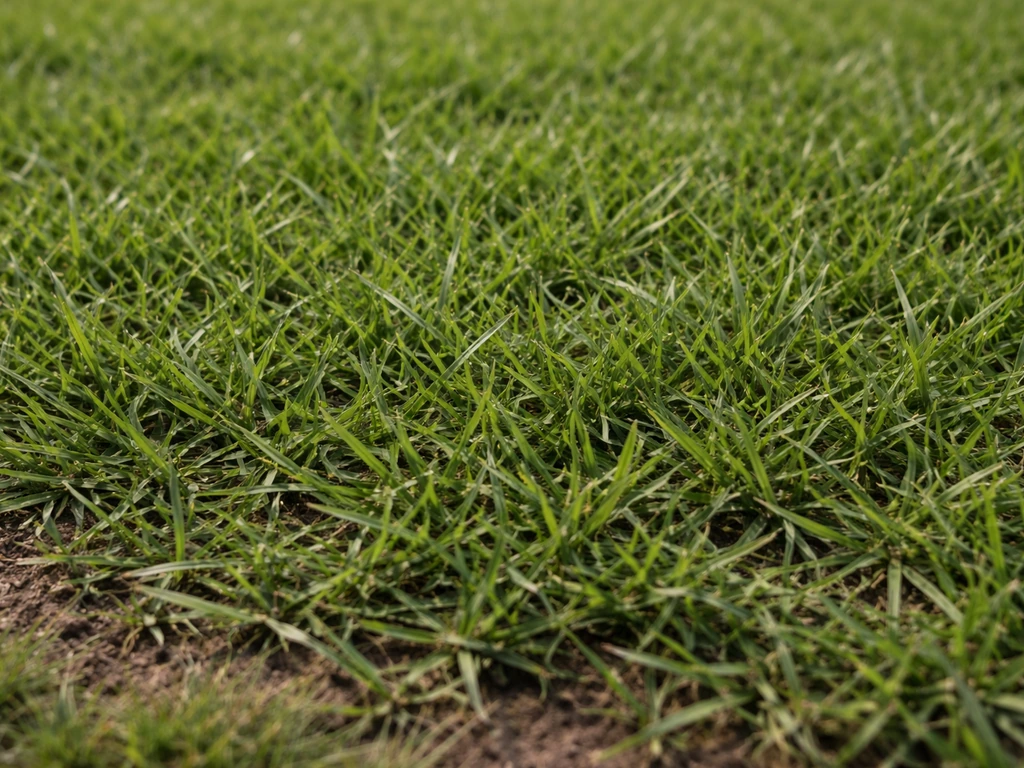
Bermuda is the go-to warm-season grass for El Paso. It loves heat, handles drought better than almost any other turf, spreads aggressively to fill in bare spots, and bounces back fast after stress. Common bermudagrass can be seeded (hulled seed germinates best), while hybrid varieties like Tifway 419 need to be sodded or sprigged since they don't produce viable seed. Mississippi State University Extension notes that hulled or common bermudagrass can be planted in spring and provides seedbed planting guidance, which is useful for setting expectations in hot climates hulled/common bermudagrass can be planted in spring. For DIY seeding, stick with common bermudagrass or an improved seeded variety like Riviera or Sahara. Expect germination in 7 to 14 days under ideal conditions, and a fully established lawn in 60 to 90 days. The downside: bermuda goes dormant and turns brown in winter, which bothers some people.
Zoysiagrass
Zoysia is denser and more durable than bermuda, handles moderate shade better, and holds up well in yards with heavy foot traffic or pets. It's also slower to establish, especially from seed, where you'll need about 1 lb per 1,000 sq ft and real patience since it takes a full growing season or more to fill in completely. Plugs or sod speed things up considerably. Like bermuda, zoysia goes dormant in winter. If you want a tough, carpet-like lawn and can wait for it, zoysia is a solid second choice.
Tall fescue
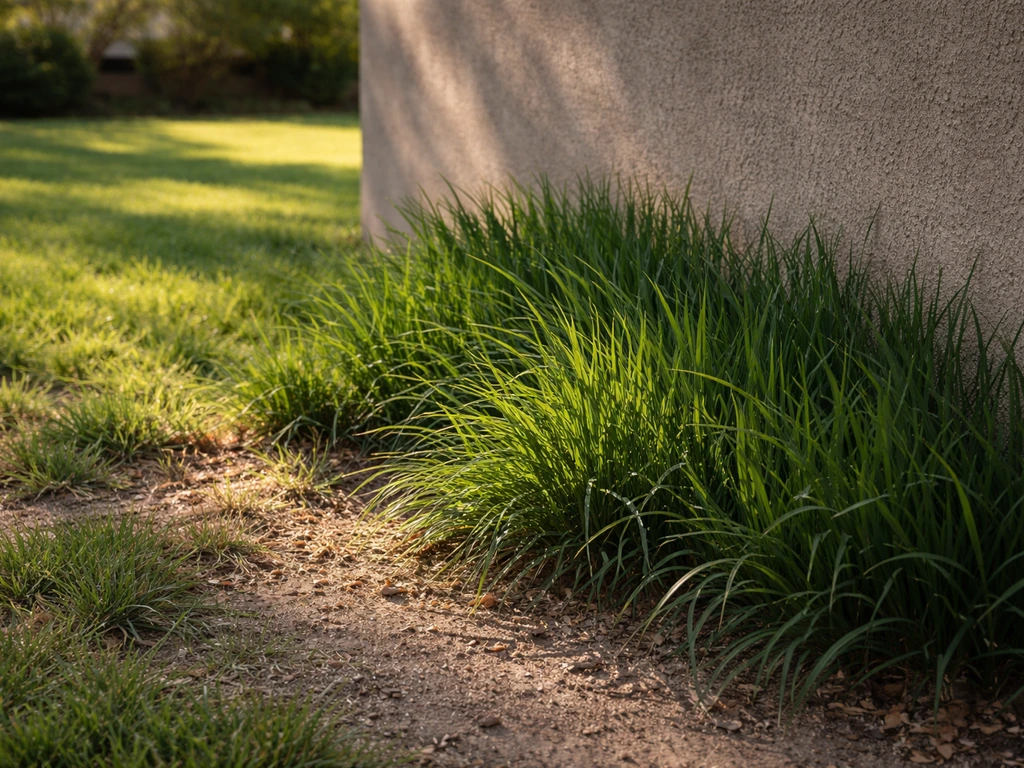
Tall fescue is a cool-season grass, which sounds counterintuitive for El Paso, but it fills a real niche: shaded areas and year-round green. It won't thrive in full desert sun in July, but in spots that get afternoon shade or under tree canopy, fescue can survive with consistent irrigation. You seed it in fall (September through November) at 6 to 8 lbs per 1,000 sq ft, letting it establish during the mild winter months. It greens up beautifully in spring and can handle El Paso winters easily, but summer heat will test it hard, especially in full sun. If you're going fescue, commit to watering it through summer or accept that it may thin out.
Perennial and annual ryegrass
Ryegrass isn't a permanent lawn solution in El Paso, but it's extremely useful for overseeding a dormant bermuda lawn in fall to keep things green through winter. Annual ryegrass is cheap and germinates fast (often 5 to 7 days), while perennial ryegrass is finer-textured and looks nicer. Neither will survive an El Paso summer. Think of ryegrass as a seasonal patch, not a permanent grass.
| Grass Type | Best Use | Seed Season | Drought Tolerance | Shade Tolerance | Establishment Speed |
|---|---|---|---|---|---|
| Bermudagrass | Full sun, main lawn | Late spring to early summer | Excellent | Poor | Fast (60-90 days) |
| Zoysiagrass | Dense turf, moderate shade | Spring to early summer | Good | Moderate | Slow (full season+) |
| Tall Fescue | Shaded areas, year-round green | September to November | Moderate | Good | Moderate (60 days) |
| Ryegrass | Winter overseeding only | October to November | Poor | Moderate | Very fast (5-10 days) |
Picking the right grass for your yard
The best grass for El Paso in general isn't always the best grass for your specific yard. A few quick questions will narrow it down fast. For tips on the best grass types and planting schedule specific to San Diego, see our guide on how to grow grass in San Diego.
- Full sun all day? Bermudagrass. It thrives in direct desert sun and actually grows faster with more light. Don't waste fescue in full sun in El Paso.
- Significant shade (3 or more hours per day)? Tall fescue is your best option. Zoysia handles light shade but struggles in deep shade. Bermuda will thin out and die in areas with heavy shade.
- Dogs or kids with heavy traffic? Zoysia wins for durability. Bermuda recovers faster from damage but zoysia holds up better day-to-day.
- Bare spots in an existing bermuda lawn? Don't overthink it. Reseed with bermuda or let the existing lawn fill in on its own if it's healthy, bermuda spreads by stolons and rhizomes and will reclaim bare spots during the growing season.
- Sandy soil? Bermuda and zoysia both tolerate sandy conditions reasonably well, though sandy soil drains fast and you'll need to water more frequently during establishment.
- Budget-conscious? Common bermudagrass seed is inexpensive and widely available. Zoysia sod costs more upfront but skips the long establishment wait.
When to seed or plant in El Paso
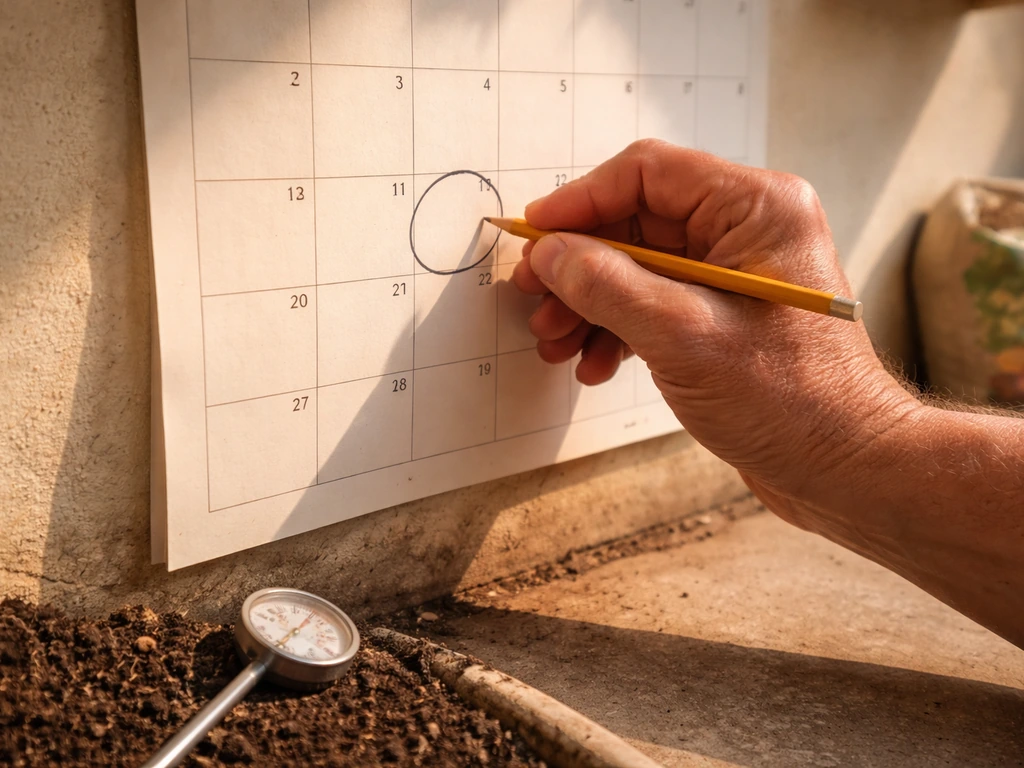
Timing is the single most important factor in whether your lawn establishes or dies. El Paso's climate is unforgiving about this. Warm-season grasses like bermuda and zoysia need soil temperatures of at least 65°F to germinate, with optimal germination happening between 70°F and 95°F. In El Paso, that window typically runs from mid-April through early August, with late April through June being the sweet spot. Planting during that window gives seed the heat it needs to germinate quickly and enough warm weeks ahead to establish before temperatures drop in October.
Don't plant warm-season grass too early just because you're impatient. If soil temps are below 65°F, bermuda seed sits in the ground, gets battered by wind and water, and often fails entirely. It's better to wait until May and get fast germination than to seed in March and watch nothing happen for weeks.
For tall fescue, flip the calendar entirely. Seed in September through November when air temps drop below 85°F and soil cools enough for germination. Fescue seeded in fall establishes through winter and hits spring in great shape. Never seed fescue in spring or summer in El Paso, it'll cook.
| Grass Type | Best Planting Window | Backup Window | Avoid |
|---|---|---|---|
| Bermudagrass | Late April through June | July to early August | Sept through March |
| Zoysiagrass (seed) | May through June | Early July | Fall and winter |
| Tall Fescue | September through November | N/A | Spring and summer |
| Ryegrass (overseed) | October through November | Early December | Spring and summer |
Soil prep and amendments for El Paso's tough soil
This is where most El Paso lawn projects fail before they even start. El Paso soil has two major problems: high pH and salinity. The average soil pH in El Paso is around 8, which is alkaline enough to lock out nutrients like iron and manganese, causing yellowing grass even when you're fertilizing. On top of that, years of irrigation with mineral-heavy water can build up salinity, which shows up as white crusty patches on the soil surface and areas where grass refuses to grow no matter what you do.
Get a soil test first
Before you buy a single bag of seed, get a soil test. Texas A&M AgriLife's soil testing lab handles samples from across the state and gives you pH, nutrient levels, and salinity readings. The El Paso County Extension office can walk you through the submittal process. A soil test costs around $10 to $20 and tells you exactly what to add instead of guessing. It's the cheapest step in the whole process.
Lowering pH in alkaline soil
If your pH is 8 or higher (very common in El Paso), elemental sulfur is the standard fix. Apply it according to your soil test results since the amount needed depends on how far you need to drop the pH and what your soil type is. Sandy soils need less sulfur to shift pH than clay soils. Work the sulfur into the top 4 to 6 inches of soil before seeding, not just sprinkled on the surface. Results take weeks to months, so do this well before planting season.
Sandy vs. clay soil adjustments
El Paso's soil runs the spectrum. Some areas have extremely sandy, fast-draining soil with almost no organic matter. Others have compacted caliche or clay layers just a few inches down. Sandy soil needs organic matter (compost) worked in to improve water and nutrient retention. Aim to incorporate 2 to 3 inches of compost into the top 6 inches of soil before seeding. Clay or compacted soil needs aeration, either by renting a core aerator or tilling, to break up the density and improve drainage. Caliche layers (the white, concrete-like hardpan common in the region) are a bigger problem. If caliche is within 6 inches of the surface, you may need to break through it with a pick or rent a power tiller, otherwise roots can't penetrate and water pools above the layer.
Dealing with salinity
White crusts on soil, dead patches that don't respond to fertilizer or water, and grass that germinates but dies in specific spots are all signs of salt buildup. The fix is deep watering (leaching) before planting to flush salts below the root zone, combined with gypsum application if sodium is the primary culprit. Your soil test will confirm this. If you're irrigating with city water in El Paso, know that local water is mineral-heavy and can contribute to ongoing salt buildup over time.
Step-by-step seeding process
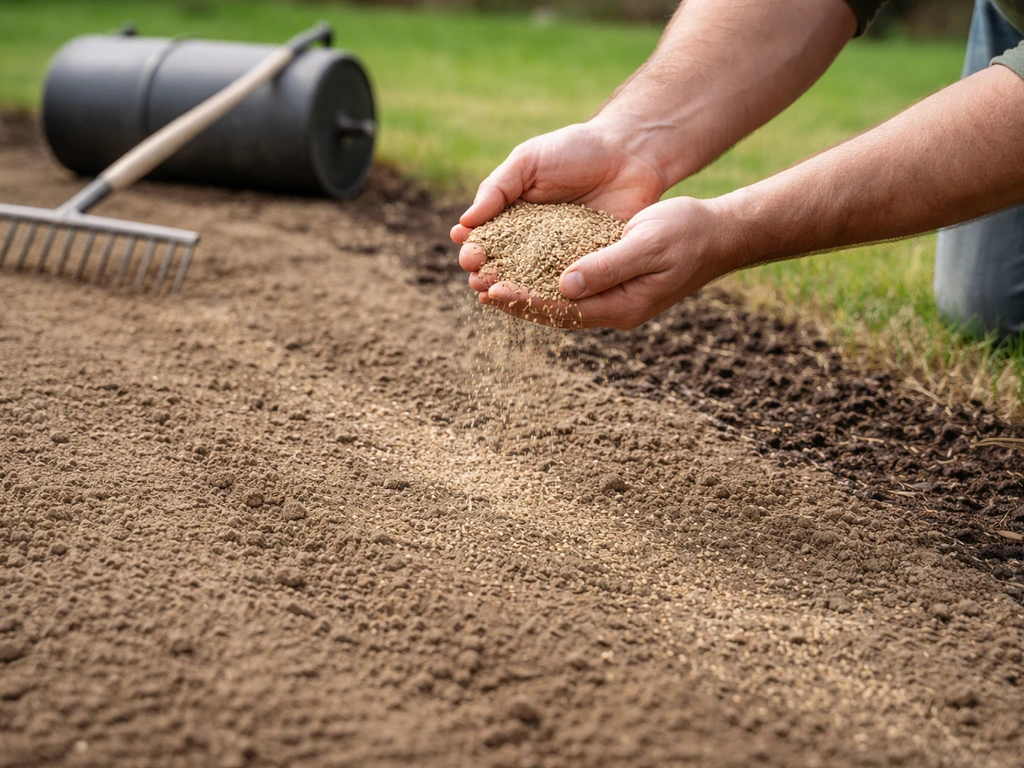
Once soil prep is done, the actual seeding is straightforward. If you want the fastest results, follow a Texas hay-growing plan that matches your local climate, soil, and planting timing how to grow hay in texas. Here's the sequence that gives you the best chance of a dense, even stand.
- Grade the seedbed so it drains away from your house, walks, and driveway. Standing water after irrigation is a germination killer. You don't need heavy equipment, just a rake and some time to even out low spots and ensure a slight slope away from structures.
- Till the top 4 to 6 inches if the soil is compacted or hasn't been worked. This is also when you mix in compost, sulfur, and any pre-plant fertilizer your soil test recommends. A starter fertilizer (high in phosphorus) helps seedlings develop roots faster, but only add one if your soil test shows a phosphorus deficiency.
- Rake the surface smooth. You want a firm, fine-textured seedbed with no clods larger than a half-inch. Seed needs good soil contact to germinate.
- Broadcast seed evenly. For common bermudagrass, spread about 1 to 2 lbs of hulled seed per 1,000 sq ft. For zoysia, use 1 lb per 1,000 sq ft. Use a handheld spreader for small areas or a broadcast spreader for larger lawns. Split the total amount in half and make two passes in perpendicular directions for more even coverage.
- Rake lightly after seeding to work seed into the top quarter-inch of soil. Bermuda seed should barely be covered, just barely under the surface or in contact with soil. Deep planting buries seed too far for good germination.
- Apply a light mulch layer if possible. Straw mulch (one bale per 1,000 sq ft, spread thinly enough that you can still see the soil surface) or a paper-based erosion control blanket helps retain moisture and protect seed from El Paso's wind, which will blow exposed seed around.
- Water immediately after seeding with a gentle spray to settle seed into the soil without washing it away.
Watering, germination timeline, and getting to a full lawn
Watering during germination in El Paso is more demanding than almost anywhere else in the country. The combination of heat, low humidity, and constant wind means the top inch of soil dries out incredibly fast. During the germination phase (the first 2 to 3 weeks), you need to keep the seed bed consistently moist, not soaked, but never dry. On hot, windy summer days in El Paso, that can mean watering four or five short cycles per day. Yes, really. Light, frequent watering is the rule until germination is complete and seedlings are visible. Think 5 to 10 minutes per cycle, multiple times daily.
Once bermuda or zoysia seedlings are up and visible (typically 7 to 14 days for bermuda under good conditions), you can start stretching the intervals. Water deeper and less frequently now, encouraging roots to grow down rather than staying shallow. Aim for about 1 inch of water per week total during establishment, applied in 2 to 3 sessions rather than daily. Tall fescue seeded in fall needs consistent moisture but benefits from El Paso's cooler fall temperatures, which reduces evaporation and makes watering management easier.
For germination timelines, expect bermudagrass to sprout in 7 to 14 days in warm soil, zoysia in 14 to 21 days (sometimes longer), and tall fescue in 7 to 14 days in cool fall weather. Ryegrass is the fastest at 5 to 10 days. If you're past those windows and still seeing nothing, jump to the troubleshooting section below.
First mowing should happen when grass reaches about 3 inches tall. For bermuda, mow down to 1.5 to 2 inches. Don't skip this step. Mowing actually encourages lateral spread and thickens the turf. Use a sharp blade and never remove more than one-third of the blade height at once. Keep mowing every 7 to 10 days through the growing season. Bermuda will spread aggressively through the summer and fill in thin areas on its own as long as you're watering regularly.
Common problems and how to fix them
Seed germinated but the lawn is patchy
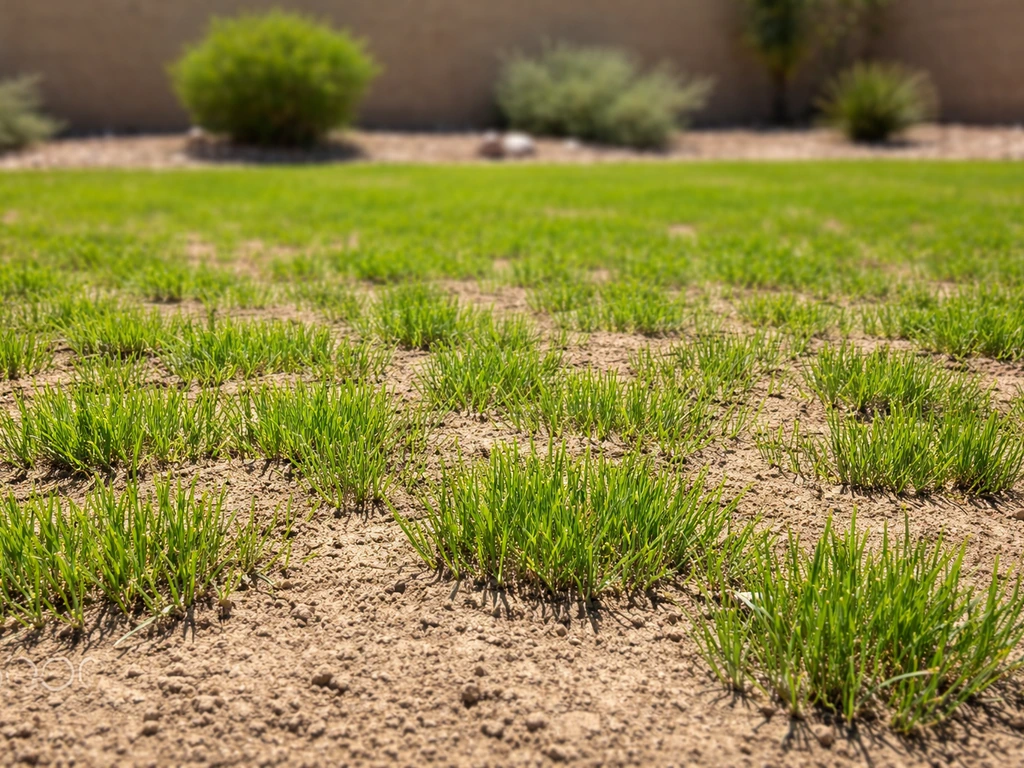
Patchy germination usually means uneven seeding, uneven soil contact, or dry spots that weren't getting enough water. If certain areas came up thick and others stayed bare, check whether those bare spots are in the path of wind that's drying them out faster, or if they're areas where water runs off or pools. For persistent bare spots in a warm-season lawn, a light overseeding in mid-summer will work. Scratch the surface with a garden rake, broadcast seed directly on the area, and water it in. Bermuda fills bare spots easily when conditions are right.
Nothing germinated at all
The most common cause in El Paso is soil temperature. If you planted in early spring before soil temps reached 65°F, the seed simply sat dormant or rotted. Other causes include planting too deep (bermuda seed more than a quarter-inch deep won't germinate well), old or low-quality seed (check germination rates on the bag, anything below 85% is a problem), or the seedbed drying out completely for even one day during the critical first week. If germination failed, prep the surface again lightly and reseed during the correct temperature window.
Grass yellowing or stunted
In El Paso, yellowing is almost always a pH or iron problem, not a nitrogen problem. High-pH soils (above 7.5 to 8) lock out iron and other micronutrients even when they're present in the soil. The quick fix is a foliar iron spray, which greens the lawn up fast. The longer fix is working to lower soil pH over time with sulfur applications. If you skipped the soil test, this is the moment to do it.
Heat and drought stress during summer
Even established bermuda will show stress during an El Paso July and August if irrigation is inconsistent. Signs include a blue-gray tint to the grass, footprints remaining visible after you walk on the lawn, and leaf blades folding lengthwise. When you see these signs, water deeply right away. If you're already on a regular schedule and still seeing stress, increase the cycle length, not the frequency. Deep, infrequent watering encourages deep roots that are more drought-resilient. Established bermuda can actually survive periods of drought by going semi-dormant, but new seedlings cannot.
White patches or salt crust on soil
If you see white deposits on the surface, especially in elevated or heavily irrigated spots, salt accumulation is the likely cause. Deep watering (run your irrigation long enough to push water at least 12 inches down) will leach salts below the root zone. This may need to be done repeatedly over several weeks. If the problem is severe, a soil test for salinity and sodium levels will tell you whether gypsum is needed and in what quantity.
One last thing worth knowing: El Paso's conditions are similar in some ways to other hot, dry parts of Texas, and many of the same grass types perform well across the region. For a statewide, city-by-city approach, see our guide on how to grow grass in Texas. If you're interested in how seeding strategies compare across Texas climates, the warm-season approach used in El Paso shares a lot in common with what works in San Antonio and other parts of the state, though El Paso's higher elevation (around 3,700 feet) and lower humidity set it apart from the more humid eastern Texas cities.
FAQ
Can I keep my El Paso lawn green in winter?
Yes, but use the right type and timing. Bermudagrass and zoysia are warm-season grasses, so winter browning is normal, and ryegrass overseeding is the usual workaround. For a cleaner look, overseed ryegrass only in fall on your dormant bermuda, then plan to stop once temperatures rise (late spring) so bermuda can take over again.
Why do I get patchy germination even when I water a lot?
If you have sprinklers, switch from short, frequent cycles to coverage that wets the soil evenly across the entire seedbed. Uneven spray patterns often create dry edges and patchy germination. To check, place several empty tuna cans or small cups at different spots and run the system for one irrigation cycle, adjust heads so the water penetrates similarly, then resume your light, frequent germination watering.
How do I handle the extreme wind while grass seed is germinating?
El Paso wind is a bigger factor than many people expect during germination. When seedlings are tiny, wind dries the top inch fast and can also spread seed unevenly. If possible, seed when winds are lower, use a light topdressing (thin layer of fine compost or mulching appropriate for grass seed), and avoid overwatering to the point of pooling, which can wash seed into low areas.
Is ryegrass a good permanent grass for El Paso?
Plan on replacing ryegrass overseeding every year, because it is not designed to survive El Paso summers. If you want a permanent summer-tough lawn, prioritize bermuda or zoysia for the base, then overseed ryegrass only for winter appearance. Trying to “keep ryegrass” through summer usually ends in thinning and bare spots.
What should I do if my lawn turns yellow after fertilizing?
Yes, soil test results should drive everything, especially for yellowing lawns. If your soil pH is high, quick-feeding with nitrogen will not fully fix the color problem because micronutrient lockout is the limiting factor. A common approach is foliar iron for visible greening, then sulfur or other pH adjustments over time based on your lab numbers.
Can I seed hybrid bermudagrass in El Paso, or do I need sod/sprigs?
Use common bermudagrass seed rather than hybrid varieties that are not reliably seed-producing. If you are considering a hybrid like Tifway 419, plan on sprigs or sod instead. Also check the bag’s germination rate and weed content before buying, because low germination and poor seed quality can look like bad watering or soil prep.
When should I fertilize after planting grass seed in El Paso?
Feed only after you see real establishment, not during the first germination stage. Fertilizer right on bare seed or new seedlings can burn, and it can also mask underlying issues like pH lockout or dry seedbed conditions. Once seedlings are rooted and you have consistent growth, follow a schedule based on the grass type (warm-season versus tall fescue) and your soil test.
What if I keep losing grass in the same spot, even after re-seeding?
If caliche is shallow, roots can’t penetrate and water pools above the hardpan, which creates dead patches despite correct watering and seeding. The practical test is to look for repeated “same spot” failures and poor drainage there. Fixes usually require breaking through the layer (mechanical tilling or power tiller) before seeding, then re-leveling to prevent runoff channels.
Can I overseed only the bare spots instead of seeding the whole yard?
Yes, you can overseed bare areas, but do it like a repair project rather than a full lawn conversion. For warm-season lawns, light scarification or scratching improves seed-to-soil contact, then keep the area moist with frequent short cycles until germination. Choose the overseeding window that matches the grass you want to maintain (bermuda repair with bermuda seed in the warm window, or ryegrass for winter cover).
How do I know whether I used enough sulfur to lower soil pH?
A soil pH of around 8 does not always mean the same sulfur quantity for every yard. Application rates depend on how far you need to drop pH and your soil texture. If you apply too little, nothing changes, if you apply too much, you can create new nutrient imbalances, so rely on the lab report and incorporate sulfur into the top several inches rather than treating the surface only.
Next Article
How to Grow Grass in Texas: Step-by-Step by Region
Step-by-step plan to grow grass in Texas by region, choosing seed, timing, soil fixes, and fixing slow or bare spots.