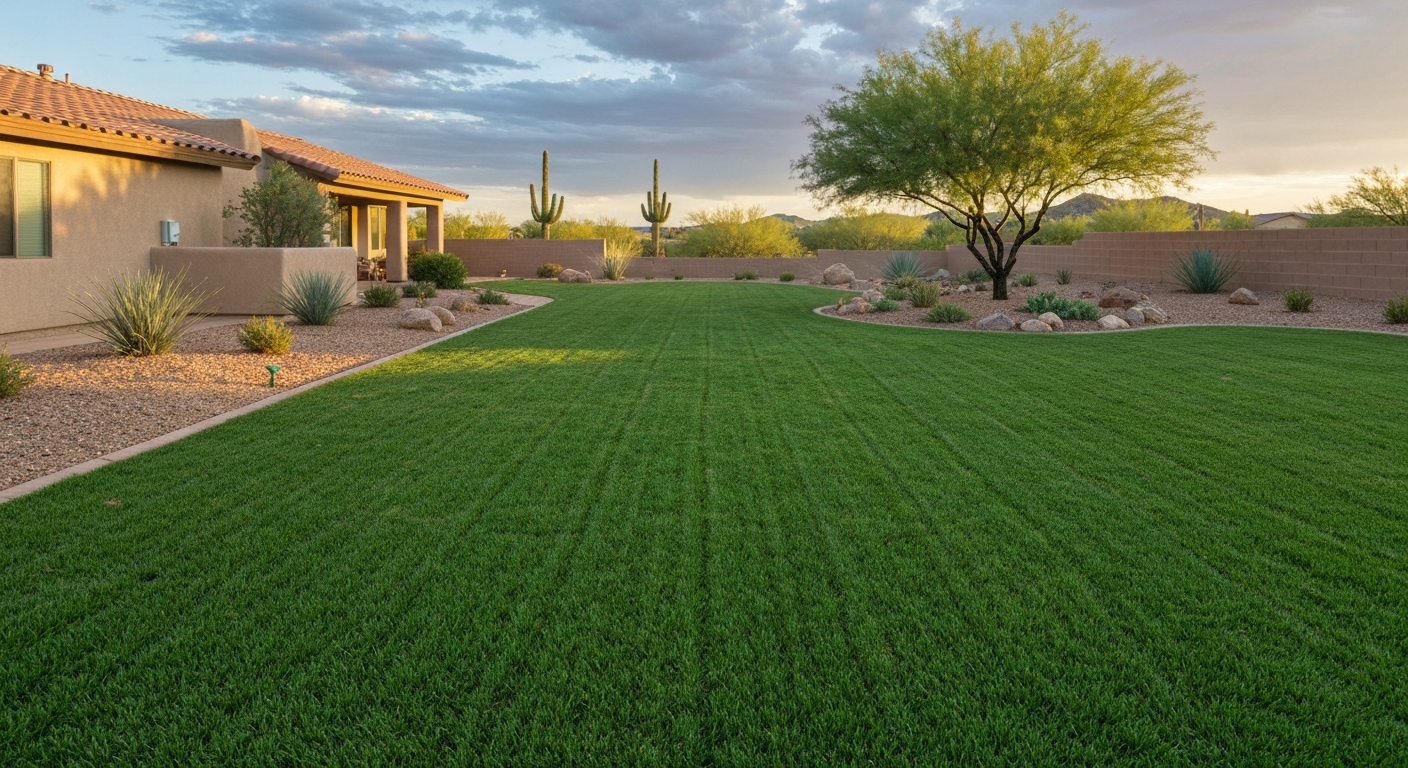
The best grass for most Texas lawns is bermudagrass, planted from seed in late spring once soil temperatures hit 65°F or warmer. That covers a huge chunk of Texas homeowners right there. But the full answer depends on where in Texas you live, what your soil looks like, and whether you're dealing with shade, pets, or bare patches that just won't fill in. This guide walks you through the whole process, region by region, so you can put together a plan that actually works for your yard.
How to Grow Grass in Texas: Step-by-Step by Region
Marcus Tillwell
29 Apr 2026
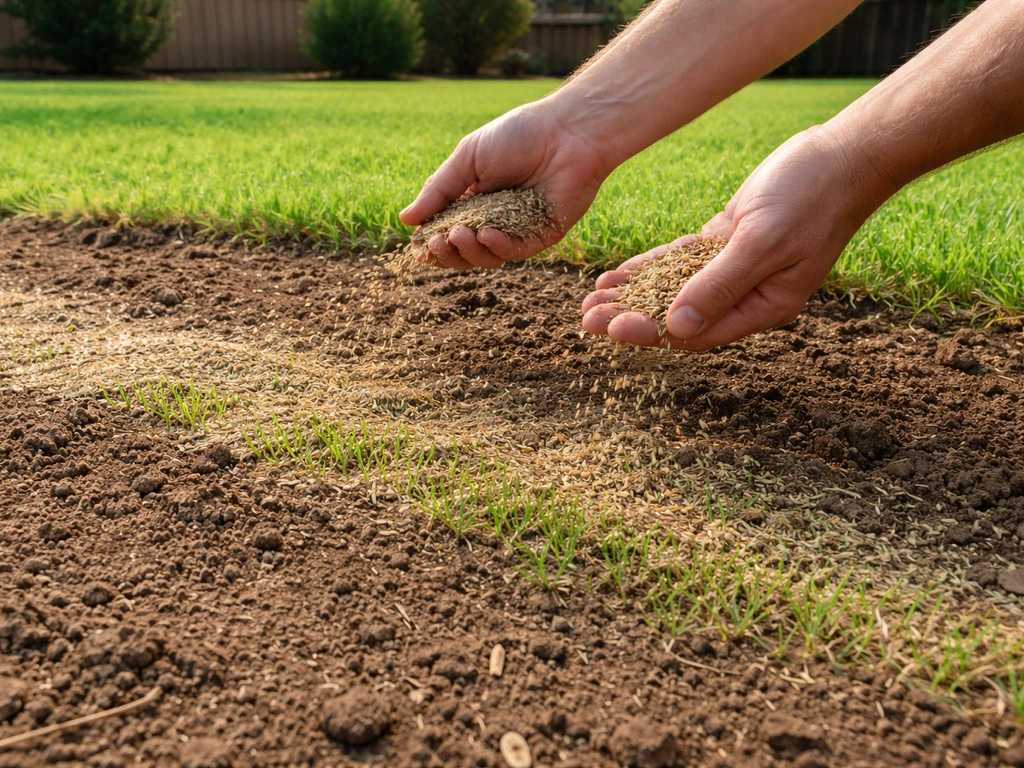
Texas is not one climate, know your region first
Texas spans three very different growing environments, and what works in Austin will flop in El Paso or Corpus Christi. Before you buy a single bag of seed, figure out which region you're in.
Central Texas (Austin, Waco, San Antonio area)
Central Texas gets hot summers, mild winters, and enough rainfall to support warm-season grasses without constant irrigation. The soil here is often heavy clay or rocky limestone-based, which creates real challenges for seedbed prep. Bermudagrass and zoysia both thrive here. You'll get a long warm-season window, roughly April through September, for establishment. If you're in San Antonio specifically, the conditions are slightly more subtropical and the planting window opens a bit earlier.
West Texas (El Paso, Midland, Lubbock)
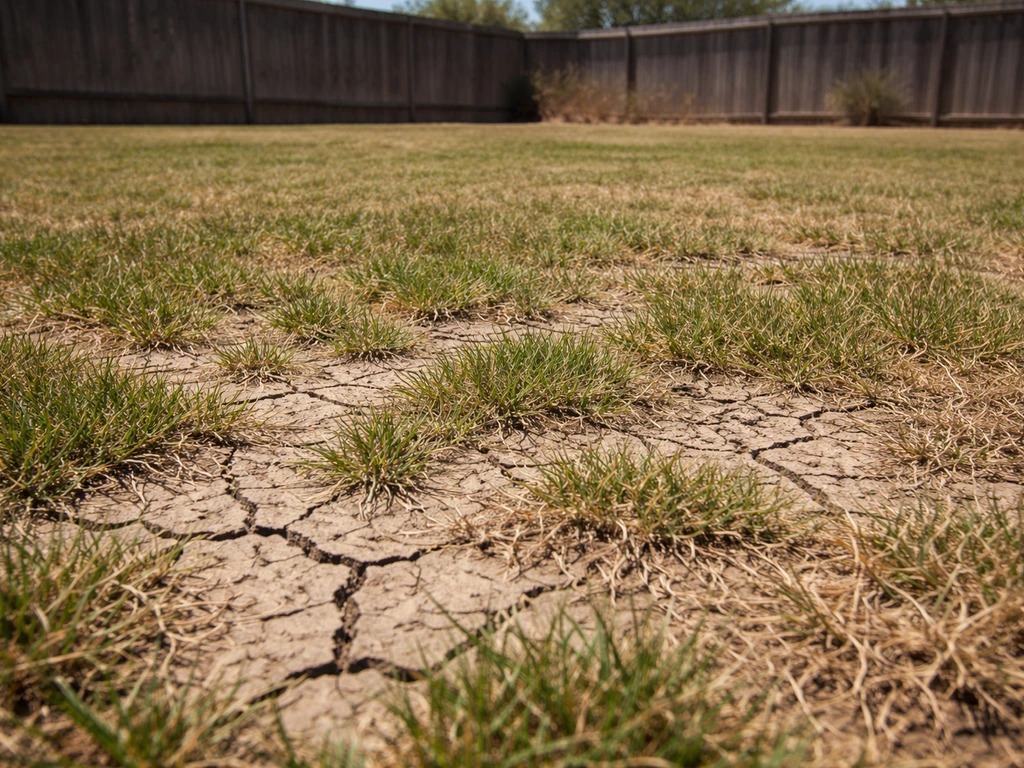
West Texas is hotter and drier, with alkaline soils and less predictable rainfall. Bermudagrass is still your best bet here because it handles drought better than almost anything else. Evaporation is brutal in summer, so irrigation planning matters more than anywhere else in the state. If you're in the El Paso area, you're also dealing with a higher elevation and shorter frost-free season than the rest of West Texas, which compresses your planting window. If you're in the El Paso area, you're also dealing with a higher elevation and shorter frost-free season than the rest of West Texas, which compresses your planting window how to grow grass in El Paso.
South Texas (Houston, Corpus Christi, Rio Grande Valley)
South Texas gets heat, humidity, and occasional tropical moisture. The growing season is the longest in the state, and warm-season grasses can establish over a wider window. Houston's heavy clay soil is notorious for drainage problems, while the Rio Grande Valley has lighter, sandier soils. Bermudagrass and St. Augustine dominate here, though St. Augustine is typically not grown from seed (it's a sod or plug grass). Zoysia from seed is an option for homeowners who want a finer-textured lawn with some shade tolerance.
Which grass type is right for your Texas lawn
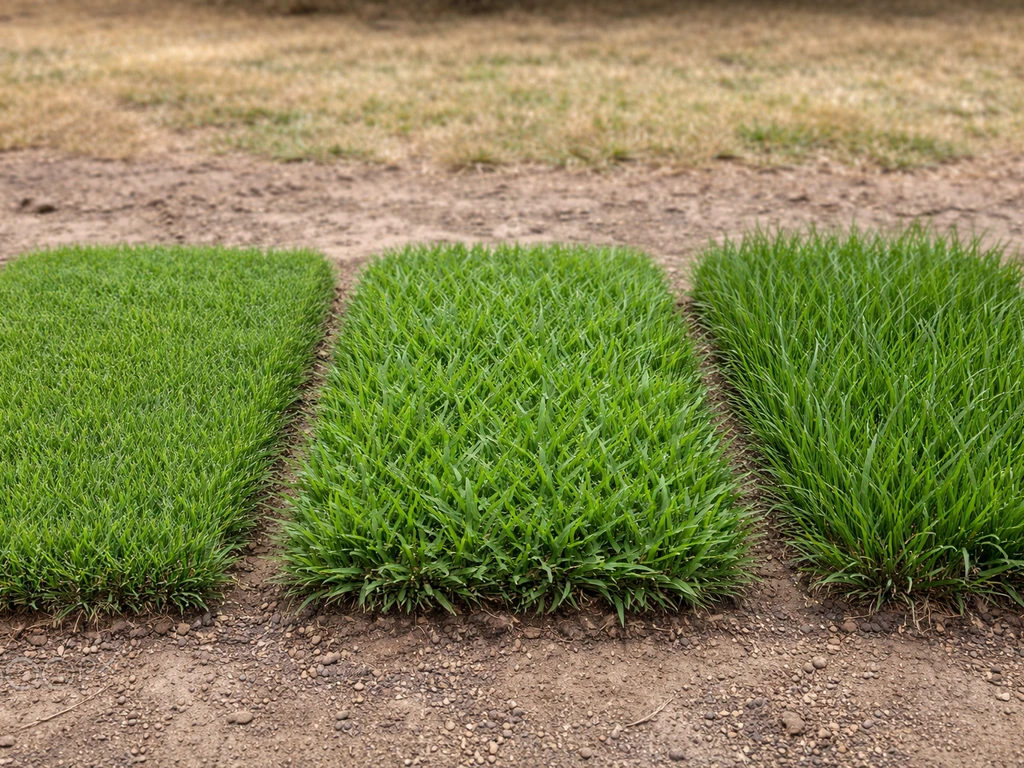
Here's an honest breakdown of the four most-discussed grass types for Texas. Not all of them are equally practical to grow from seed, and that matters if you're starting from scratch.
| Grass Type | Best Texas Regions | Seed or Sod? | Heat/Drought Tolerance | Shade Tolerance | Notes |
|---|---|---|---|---|---|
| Bermudagrass | All regions | Both, seed is affordable | Excellent | Poor | Best overall choice for Texas lawns from seed |
| Zoysia | Central, South | Seed is slow; sod faster | Good | Moderate | Dense, chokes weeds; slow from seed (1–2 seasons) |
| Tall Fescue | North/Central TX only | Seed | Moderate | Good | Struggles in South or West TX heat; cool-season grass |
| Ryegrass (Annual) | Statewide (temporary) | Seed | Low | Moderate | Used for winter color over dormant bermuda, not permanent |
Bermudagrass: the go-to for most Texas homeowners
Texas A&M AgriLife consistently points to bermudagrass as one of the most heat- and drought-tolerant turfgrasses available in Texas, and the numbers back it up. Seeding rate is 1/2 to 1 pound of hulled seed per 1,000 square feet. It germinates quickly in warm soil, spreads aggressively, and recovers well from drought stress. The downside is zero shade tolerance. If your yard has significant tree cover, bermuda will thin out and die in those spots regardless of how well you seed.
Zoysia: slow but worth it for the right yard
Zoysia from seed takes patience. You're looking at a full growing season, sometimes two, before you get dense coverage. But once established, it's thick enough to crowd out most weeds, handles moderate shade better than bermuda, and stays green a bit longer into fall. It's a good choice in Central and South Texas for homeowners who are willing to wait and don't mind a slower establishment process.
Tall fescue: only in the right part of Texas
Tall fescue is a cool-season grass, which means it actively grows in fall and spring and goes semi-dormant in summer heat. In North and Central Texas, it can work if you keep up with irrigation in summer. In South Texas or West Texas, the heat will cook it. If you're determined to have a green lawn in winter, fescue can give you that, but it needs consistent moisture and won't survive Texas summers without significant water.
Ryegrass: winter color, not a permanent lawn
Annual ryegrass is seeded at 6 to 8 pounds per 1,000 square feet in September through November, typically over a dormant bermuda lawn to keep things green through winter. It germinates fast (sometimes 5 to 7 days), looks good through spring, then dies as heat builds. It's not a permanent solution, but it's a cheap, effective way to have a presentable lawn through the cooler months while your bermuda is dormant.
When to plant: timing windows by Texas region
Timing is everything in Texas. Plant warm-season grass too early and a late cold snap kills your seedlings. Plant too late and you're racing against fall temperatures before the grass can root in properly.
| Grass Type | Central Texas | West Texas | South Texas |
|---|---|---|---|
| Bermudagrass | Late April – June | May – June | April – July |
| Zoysia | May – June | May – June | April – June |
| Tall Fescue | September – November | Not recommended | Not recommended |
| Annual Ryegrass | October – November | October – November | October – December |
The consistent rule for bermuda and zoysia: wait until soil temperature at 2 to 4 inches deep is consistently 65°F or above. In most of Central Texas that's late April. In West Texas, you may want to wait until May to be safe. In South Texas and the Rio Grande Valley, you can often start in April. Since it's currently late April 2026, Central and South Texas homeowners are right at the start of prime planting season right now.
Getting the soil right before you seed
Skipping soil prep is the number one reason Texas lawns fail from seed. You can buy the best seed available, but if the soil isn't ready to accept it, you'll be reseeding bare patches all summer. If you want to grow hay instead, the basics still start with good soil, and the timing and plant choice depend on your Texas region seed doesn't need expensive equipment. The good news is that basic soil prep doesn't require expensive equipment.
Test your soil first
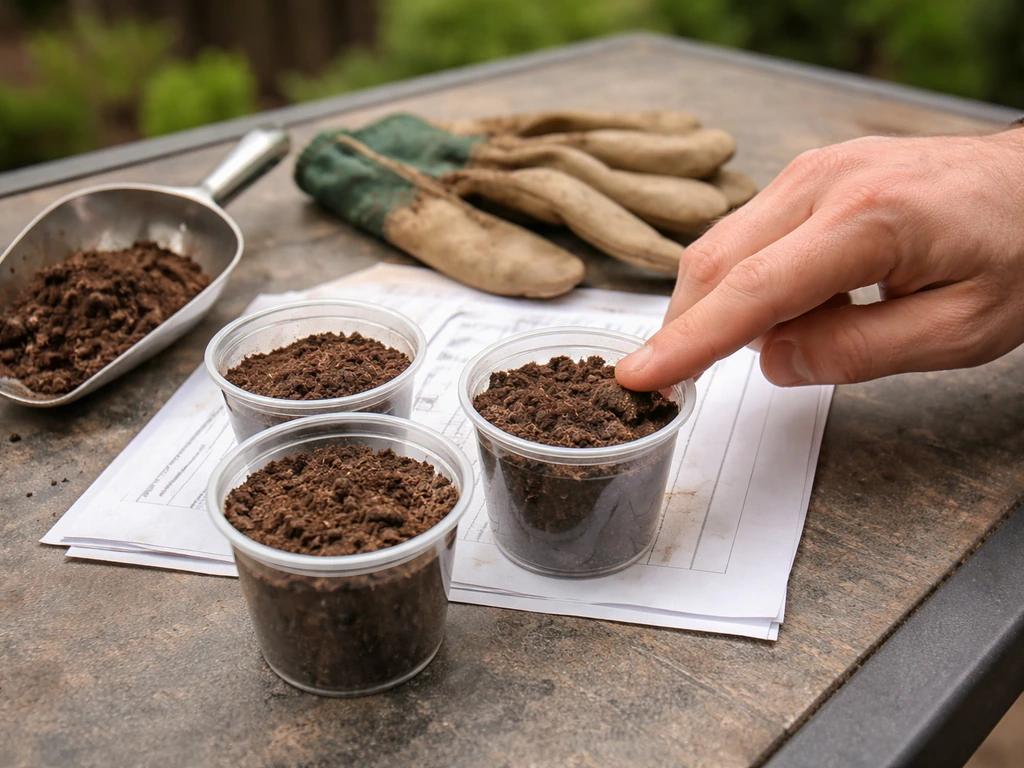
Texas A&M AgriLife runs a Soil, Water and Forage Testing Laboratory and the process for homeowners is straightforward. You fill out their Urban and Homeowner Soil Sample form (form E-444 or SU12), collect samples from several spots in your yard at 3 to 4 inches deep, and send them in. The basic fertility analysis covers pH, phosphorus, potassium, and organic matter. Knowing your pH matters a lot in Texas because alkaline soils (common in Central and West Texas) lock out nutrients even if you fertilize. The test costs very little and tells you exactly what to amend before you plant.
If your soil is clay (common in Central Texas and Houston)
Clay soil holds too much water and doesn't let enough air reach roots, which is exactly what Texas A&M AgriLife flags as a core problem for seedbed prep. Compacted clay also makes it hard for seedling roots to push downward. The fix is to till 4 to 6 inches deep, then work in 2 to 3 inches of expanded shale or coarse sand plus compost. Expanded shale is especially effective in Central Texas because it permanently improves drainage without breaking down. Avoid just adding sand to clay without compost. That combination creates something closer to concrete.
If your soil is sandy (common in South Texas and West Texas)
Sandy soils drain too fast and don't hold nutrients or moisture long enough for seedlings to establish. Till in 3 to 4 inches of compost or aged organic matter to improve water retention. You may also need to water more frequently during germination since sandy soil dries out fast. In West Texas especially, consider adding a thin layer of mulch or straw over seeded areas to slow moisture loss between watering cycles.
Dealing with bare spots
Bare spots are usually caused by compaction, shade, pet damage, or an underlying drainage problem. Before you reseed, scratch or rake the area down to loose soil, remove any dead thatch or debris, and address the root cause. If compaction is the problem, use a garden fork or hand aerator to loosen the top 2 to 3 inches before applying seed. Covering the reseeded spot lightly with compost and keeping it consistently moist for two weeks gives it a real chance. More on troubleshooting persistent bare spots below.
How to seed and establish your Texas lawn
Seeding rates and application
Use a broadcast spreader for full lawns and a hand spreader for smaller patches. Apply bermudagrass seed at 1/2 to 1 pound of hulled seed per 1,000 square feet. For annual ryegrass overseeding, apply 6 to 8 pounds per 1,000 square feet. Always split the application into two passes at right angles to each other. This gives you more even coverage and reduces thin streaks. After spreading, rake lightly to press seed into the top 1/4 inch of soil. Good seed-to-soil contact is critical. Bermuda seed left sitting on top of dry soil will not germinate reliably.
Watering for germination
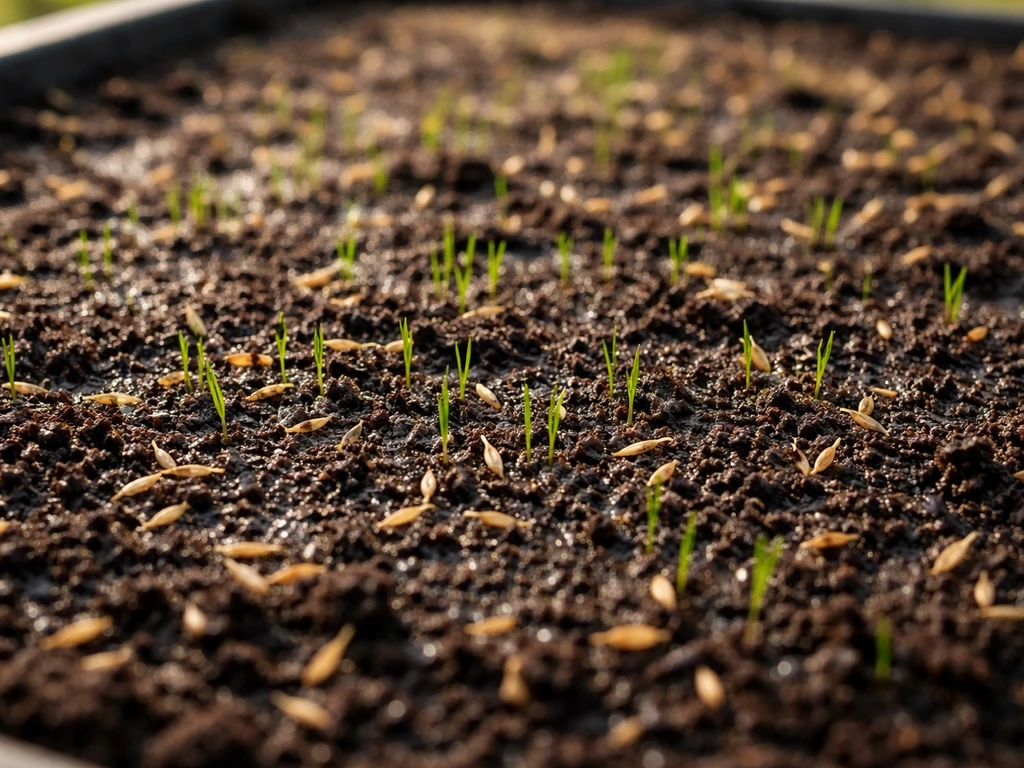
Germination watering is different from lawn maintenance watering. You need to keep the top inch of soil consistently moist (not soaked) until seedlings emerge. In Texas heat, that typically means watering lightly two to three times per day during the first two weeks, especially if temperatures are above 85°F. Early morning is best. A quick midday pass in summer heat helps prevent the surface from crusting over and blocking emergence. Once seedlings are up and you can see a light green haze across the area, pull back to once daily. After the grass reaches 1.5 to 2 inches tall, transition to deeper, less frequent watering to encourage downward root growth.
Germination timeline expectations
- Bermudagrass (hulled seed): 7 to 14 days in warm soil (65°F+), sometimes as fast as 5 days in peak summer heat
- Zoysia: 14 to 21 days, and full coverage takes one to two full growing seasons
- Annual ryegrass: 5 to 10 days in fall temperatures
- Tall fescue: 7 to 14 days in fall when soil is cooling toward 50 to 65°F
If you hit the two-week mark with no germination on bermuda, the most common causes are seed-to-soil contact failure (seed sitting on dry crust), soil temperature below 65°F, or seed that was old/low quality. In a r/lawncare discussion, commenters also tie poor bermudagrass establishment or failures to soil temperature thresholds and to problems like seed not making good seed-to-soil contact or drying out. Check the label for germination rate and purchase date before assuming your soil is the problem.
Troubleshooting: when the lawn isn't filling in
Poor germination overall
If you planted at the right time and nothing is coming up, check three things: soil temperature, soil moisture, and seed quality. Bermuda won't germinate reliably below 65°F, and if the surface dries out even once in the first week, germination can stall. Buy a cheap soil thermometer (under $10 at most garden centers) and check at 2 to 4 inches depth. If you're below 65°F, wait. If temperature is fine, water more consistently and cover the area with a light layer of weed-free straw to hold moisture.
Patchy coverage
Patchy germination usually comes from uneven seed distribution or inconsistent watering. Areas that dried out faster (south-facing slopes, spots near concrete or pavers) will thin out while shadier areas fill in. Reseed the bare patches at the same rate, this time pressing seed in more firmly and covering with a thin compost layer. Check your irrigation coverage and make sure you're hitting the thin spots equally.
Heat and drought stress on new seedlings
Texas A&M AgriLife recommends watching for wilting or blue-gray coloring in bermudagrass as an irrigation trigger signal. In new seedlings, heat stress shows up as browning tip and poor color before the plant goes dormant. If you see this in the first 30 days, increase watering frequency temporarily. Once bermuda roots reach 4 to 6 inches deep (usually 4 to 6 weeks in), it handles heat much better on its own. The key is not letting young plants go completely dry in that first month.
Shade problems
Bermudagrass needs at least 6 to 8 hours of direct sun. If you're getting thinner grass under trees or on the north side of a structure, bermuda will not fix itself no matter how much you reseed. In moderate shade, zoysia is a better option. In heavy shade (less than 4 hours of sun), no warm-season grass from seed will thrive in Texas. Your options there are to thin the tree canopy, use a shade-tolerant groundcover instead of turf, or accept sparse coverage and manage expectations. Trying to force bermuda in deep shade is a frustrating and expensive cycle.
Early maintenance after germination
New grass is more fragile than established turf, and the decisions you make in the first 60 days set up the durability of your lawn long-term. Here's how to handle the early weeks correctly.
- First mow: Wait until bermudagrass reaches 2 to 2.5 inches tall before the first mow. Set your mower high (around 2 inches) and use a sharp blade. Ripping young seedlings with a dull blade can pull them out of the soil entirely.
- Watering transition: After the first mow, shift from daily shallow watering to watering deeply every 2 to 3 days. You want 1 inch of water per week total, delivered in fewer, deeper sessions to push roots downward.
- First fertilizer: Wait 4 to 6 weeks after germination before applying nitrogen fertilizer. A starter fertilizer at seeding (high phosphorus) is fine, but early heavy nitrogen pushes blade growth at the expense of root development.
- Weed control: Hold off on any post-emergent herbicides for at least 6 to 8 weeks. Most lawn herbicides will damage or kill newly germinated grass. Hand-pull visible weeds in the first two months.
- Foot traffic: Keep foot traffic off newly seeded areas for at least 3 to 4 weeks. Compaction from walking on seedlings before they're rooted in will create bare spots right where you didn't want them.
By weeks 8 to 12 with bermudagrass in warm Texas conditions, you should have solid coverage and a lawn that's ready to handle normal use. Bermuda spreads aggressively through stolons and rhizomes once established, so thin spots from week 4 often fill in on their own by week 10 without reseeding, as long as irrigation stays consistent.
Pets and new grass: keeping both alive
Pets and new seed are a rough combination, and if you have dogs, you need to plan around them from day one rather than hoping they'll avoid the seeded areas. The good news is bermudagrass is one of the more pet-tolerant options once it's fully established. The challenge is the establishment phase.
The most practical approach is to fence off seeded areas completely for the first 3 to 4 weeks. You don't need anything fancy. Basic landscape fabric stakes and inexpensive garden fencing (the green plastic mesh kind) works fine and costs under $20 for most yards. Dogs will dig up or trample seedlings in the first few weeks before roots anchor, and urine on new seedlings causes brown burn patches that are hard to recover.
For pet urine burn spots in established bermuda, flush the area immediately with water after your dog uses it. Diluted urine does far less damage than concentrated spots. If you already have dead brown patches from urine, scratch the area down to soil, remove dead grass, and reseed. Bermuda tends to recover from urine damage faster than most grasses because of its aggressive spreading habit.
On seed safety: most grass seeds are non-toxic to dogs and cats, but if you're using a seed mix that includes a chemical coating (some seeds are coated with fungicide or fertilizer), check the label and keep pets off the area until after the first rain or watering washes the coating in. Uncoated seed is the safest option if you have pets that graze on grass.
Your Texas lawn plan, put together
If you're in Central or South Texas right now in late April, you're in the sweet spot to get bermudagrass in the ground. If you want region-specific help beyond Texas, see how to grow grass in san diego for a location-matched plan and timing.
Get a soil test through Texas A&M AgriLife's testing lab if you haven't already, amend for clay or sand depending on your soil type, and apply hulled bermuda seed at 1/2 to 1 pound per 1,000 square feet with a broadcast spreader. Water lightly two to three times a day until you see germination in 7 to 14 days, then taper down as roots establish.
Keep pets off the area, skip herbicides for 6 to 8 weeks, and your first mow can happen once the grass hits 2 to 2. 5 inches.
If you're in West Texas, give it another 2 to 3 weeks before seeding and focus extra attention on keeping moisture in the soil since evaporation will be your biggest obstacle. If your yard has serious shade areas, consider zoysia in those spots rather than fighting bermuda into coverage it can't provide. And if you just want green grass through the winter, ryegrass overseeding in October is cheap, fast, and effective across all three regions. The path to a full Texas lawn is straightforward once you match your grass choice and timing to where you actually live.
FAQ
I want to seed now, but how do I know it is warm enough to start?
For warm-season grasses in Texas, the most common failure is seeding before the ground consistently warms. Use a soil thermometer and check at 2 to 4 inches depth, then wait until it stays at or above 65°F for several days, not just one warm afternoon.
What should I do if my bermudagrass seed is not coming up after two weeks?
If bermuda does not germinate by about 10 to 14 days, you should not immediately reseed the whole yard. First verify soil temperature at 2 to 4 inches, confirm the top inch never dried out during week one, and check seed freshness and germination rate on the package label.
Can I seed bermudagrass in shaded parts of my yard and expect it to fill in?
Bermuda and zoysia can be seeded, but do not treat “shade” as a minor issue. If your area gets less than 4 hours of sun, no warm-season grass from seed will reliably fill in, so plan on thinning trees, switching to a different grass for moderate shade, or using a non-turf option for deep shade.
My soil looks wet, but seedlings still look stressed, what could be wrong?
If the new seedlings keep browning at the surface even though you are watering, check whether you are over-saturating. During the first two weeks, the goal is consistently moist topsoil, not puddled soil, because waterlogged seedbeds can reduce oxygen to germinating roots.
How do I avoid patchy germination when seeding a whole lawn?
For broadcast seeding, split the application into two passes at right angles, then lightly rake so seed is pressed into the top 1/4 inch. If you skip raking or you seed onto dry crust, you can end up with thin streaks and patchy germination even with the right timing and seed rate.
How should I change my watering schedule once the grass sprouts?
The “lightly two to three times per day” approach is mainly for the germination period. Once you see a light green haze, switch to once daily and then, after the grass is about 1.5 to 2 inches tall, move toward deeper, less frequent watering to encourage deeper roots.
Does annual ryegrass replace bermudagrass or just provide winter color?
If you need to overseed ryegrass for winter color, apply it in September through November over the existing lawn, often when bermuda is going dormant. Keep in mind ryegrass is temporary, it will die back when Texas heat returns, so plan a new seeding cycle rather than expecting permanent green.
When can I use weed control after seeding grass in Texas?
Do not use herbicides on newly seeded areas for at least the first 6 to 8 weeks, since seedlings are very sensitive. If you already used something before seeding, wait and follow the product label requirements before you plant.
How do I protect a new lawn from dog urine and digging?
Yes, pets can undo an otherwise perfect seedbed. The best practice is to fence off seeded areas for the first 3 to 4 weeks, because urine burn and trampling happen before roots anchor. For established bermuda, flush with water soon after urination to reduce damage severity.
Why does my fertilizer not seem to help, even though I follow the bag instructions?
If your yard has alkaline soil, fertilizer can still be present but not usable by the grass due to nutrient lockout. A pH and fertility test helps you amend correctly before seeding, rather than guessing what fertilizer to apply.
What is the right soil amendment approach for clay versus sandy soil?
Clay and sand both need different fixes. For heavy clay, improved drainage matters, use something like expanded shale or coarse sand mixed with compost, and avoid “sand only” amendments. For sandy soil, add compost or aged organic matter to retain moisture, and expect you may need more frequent germination watering.
When can I mow new bermudagrass that I seeded?
Your best first mow timing depends on establishment, not a calendar date. Wait until seedlings are strong enough, typically when bermuda reaches about 2 to 2.5 inches, then mow at a height that does not scalp the young plants.
How do I know whether my seed quality is the real problem?
If seed is old, or if the bag does not specify germination clearly, you can get low emergence even with good weather. Check the purchase date, confirm hulled seed when using the recommended bermuda rate, and follow the label germination rate to decide whether you need a higher seeding amount.
How do I troubleshoot dry or thin areas caused by irrigation?
If your irrigation system is patchy, you can get “surprise thin spots” that dry out earlier, often on south-facing slopes or near hardscape. Walk the yard after watering to confirm even coverage, then adjust sprinkler heads before reseeding.
Next Article
How to Grow Grass in Tucson: Complete Seed & Sod Guide for Desert Climates
How to grow grass in Tucson: step-by-step seeding, soil prep, irrigation, and best grass types for desert lawns.