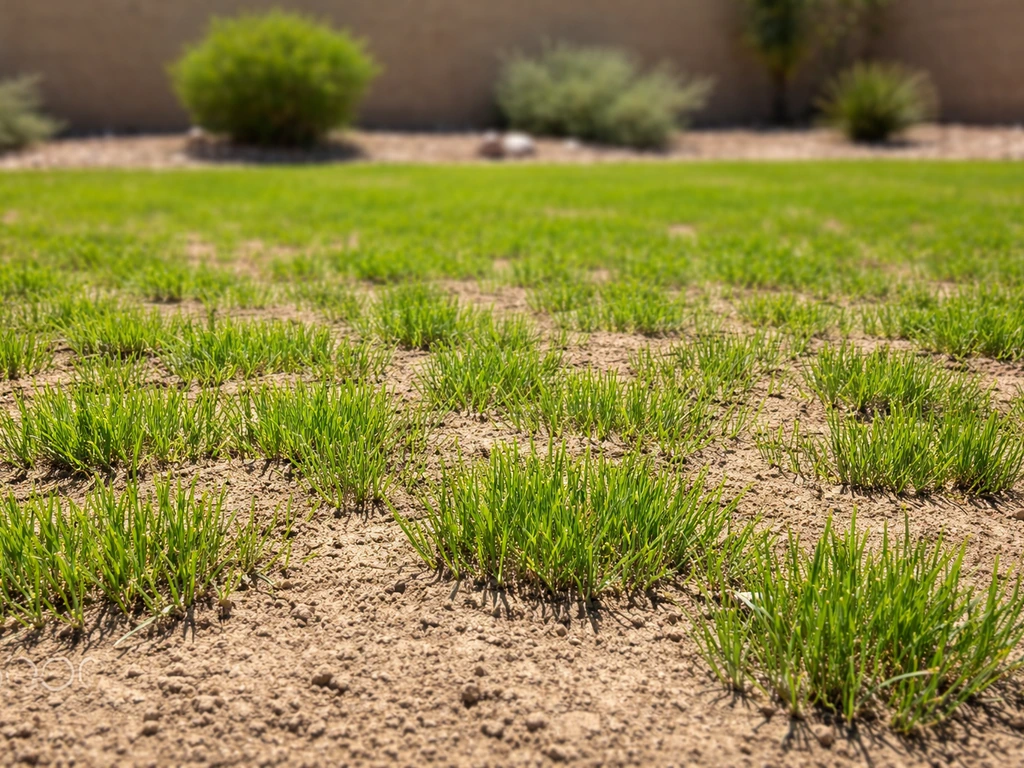
The best time to seed a lawn in Colorado is late summer to early fall, roughly mid-August through mid-September. That window lines up with cooler soil temperatures, reduced weed competition, and enough warm days left before the ground freezes to let your grass get established. If you miss fall, early spring (late April into May) is your backup.
How to Grow Grass in Colorado From Seed in Denver Springs
Marcus Tillwell
19 May 2026
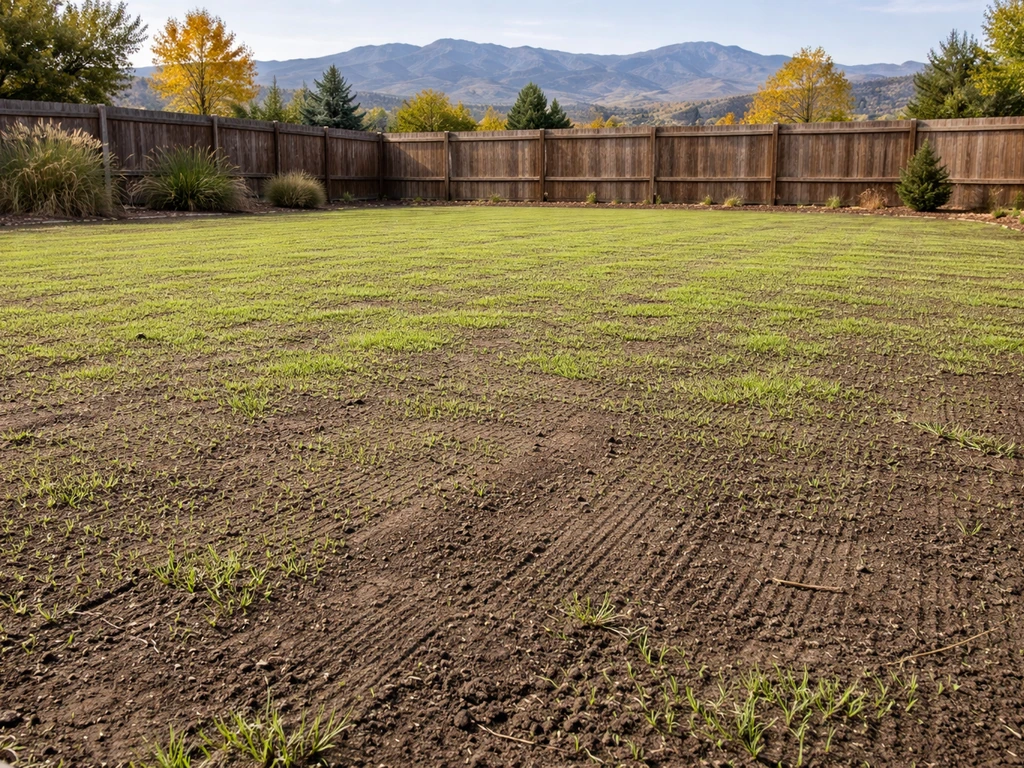
If you want to learn the right timing and grass types specifically for Oklahoma, follow a dedicated Oklahoma guide for starting a lawn from seed how to grow grass in oklahoma. Get the timing right, match your grass variety to your conditions, and prep your soil properly, and you can absolutely grow a thick, healthy lawn from seed in Colorado. Skip any of those steps and you'll be reseeding bare spots again next year.
What to expect growing grass in Colorado (and which grass is right for you)
Colorado is a tough place for turf. You're dealing with intense UV radiation from the altitude, wild temperature swings (70°F in March, snow in May), low humidity, and soils that are almost universally challenging. The Front Range gets around 14 to 15 inches of annual rainfall on average, which means without irrigation, most lawns simply won't survive summer. That's not a reason to give up, it's just a reason to make smart choices upfront.
Colorado sits in a transition zone, but the Front Range (Denver, Colorado Springs, the suburbs in between) leans heavily cool-season. Warm-season grasses like bermuda and zoysia can survive in the hotter, lower-elevation parts of the state, but they go dormant and turn brown when temps drop below about 50°F, which in Denver can happen from October through April. For most Colorado homeowners, cool-season grasses are the practical and common choice.
Cool-season grasses that actually work in Colorado
| Grass Type | Best For | Drought Tolerance | Shade Tolerance | Seeding Rate (new lawn) |
|---|---|---|---|---|
| Kentucky Bluegrass | Full-sun lawns, high-quality turf look | Low-moderate (goes dormant) | Low | 2–3 lbs per 1,000 sq ft |
| Turf-Type Tall Fescue | Drought-stressed areas, clay soil, some shade | High | Moderate | 6–8 lbs per 1,000 sq ft |
| Perennial Ryegrass | Quick cover, blended with bluegrass | Low-moderate | Low-moderate | 5–7 lbs per 1,000 sq ft |
| Fine Fescue (Creeping Red, Chewings) | Shaded or low-water areas | Moderate | Moderate | 4–5 lbs per 1,000 sq ft |
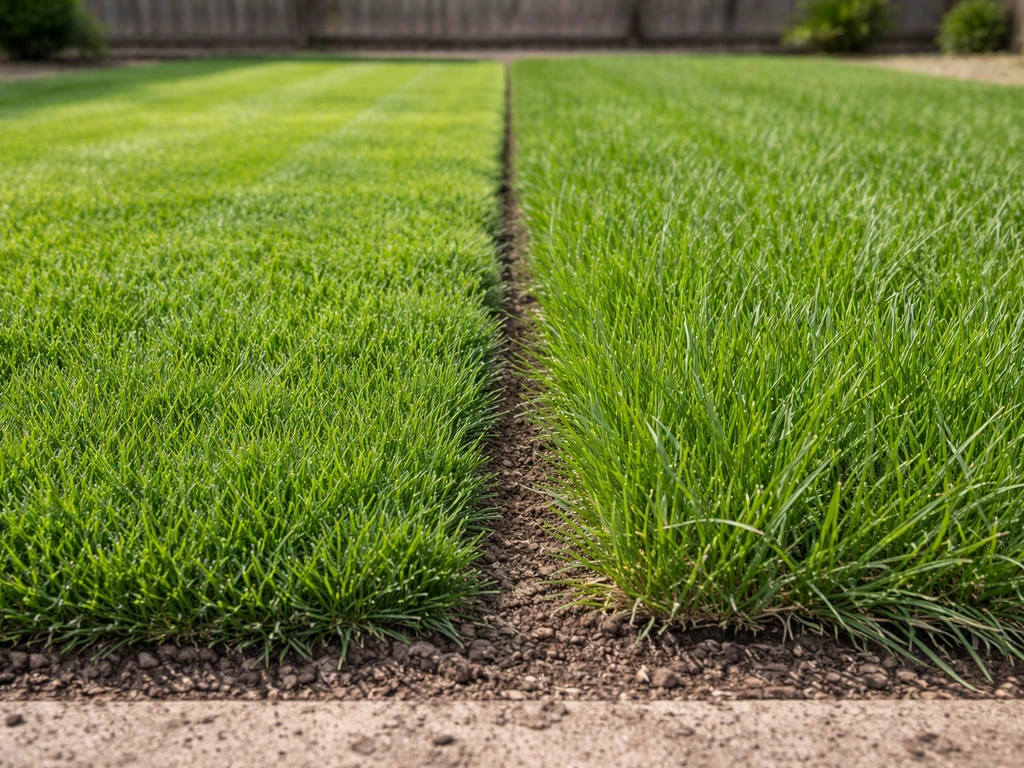
Kentucky bluegrass is still the default choice for most Colorado front lawns, and it earns that reputation with its dense, dark-green look when properly irrigated. The catch: it's thirsty and struggles in shade and heavy clay without amendment. Turf-type tall fescue is the workhorse alternative. It handles drought better, tolerates a wider range of soil conditions, and stays green longer into dry periods. Colorado State University Extension specifically recommends improved turf-type tall fescues over older varieties like 'Kentucky 31,' which produces a coarser, lower-quality lawn. If you want a low-maintenance, water-conserving lawn, tall fescue is your best bet on the Front Range.
Perennial ryegrass germinates fast (5 to 7 days) and is often blended with Kentucky bluegrass to get quick coverage while the slower bluegrass fills in. Fine fescues are useful for shaded spots under trees or along north-facing fence lines where other species struggle. A practical blend for most Colorado homeowners is a mix of Kentucky bluegrass (50–60%) with perennial ryegrass (20–30%) and fine fescue (10–20%) for mixed-sun lawns. A University of Massachusetts Amherst teaching text also uses a similar cool-season blending approach, pairing Kentucky bluegrass, perennial ryegrass, and fine fescue to frame common species combinations for establishment Kentucky bluegrass (50–60%) with perennial ryegrass (20–30%) and fine fescue (10–20%).
As for warm-season options: bermuda grass can establish in the hotter parts of Colorado like Pueblo or the lower Arkansas Valley, and some homeowners in south Denver try it. But it goes completely dormant and straw-brown from October through May in most Front Range areas. Zoysia has similar dormancy issues and establishes very slowly from seed. For most readers here, stick with cool-season varieties.
Best seeding times: Denver vs Colorado Springs
Denver and Colorado Springs are only about 70 miles apart, but they have meaningful climate differences that affect seeding timing. Denver sits at around 5,280 feet and benefits from the urban heat island effect, it warms up faster in spring and stays warm later in fall. Colorado Springs is at about 6,035 feet, gets more frequent late-spring and early-fall snowstorms, and sees harder frosts earlier. In practical terms, Colorado Springs homeowners should start their fall seeding a week or two earlier than Denver homeowners and be more cautious about spring seeding timing.
Fall seeding window (the best option)
| Location | Ideal Fall Seeding Window | Latest Responsible Seeding Date |
|---|---|---|
| Denver metro | August 15 – September 20 | October 1 |
| Colorado Springs | August 10 – September 10 | September 20 |
Fall seeding is ideal because soil temperatures are still warm from summer (above 50°F, ideally 55–65°F), which is what grass seed actually needs to germinate, not air temperature. If you're wondering how to grow grass in Alaska, the same idea applies: target periods when soil temperatures are warm enough for germination but before the ground freezes solid Fall seeding is ideal. Weed pressure drops off significantly compared to spring, so your new seedlings aren't competing as hard.
And the cooler air slows moisture evaporation so you're not fighting the sun as much to keep seeds wet. Seed too late in fall and you risk 'dormant seeding,' where the seed sits in the ground through winter and germinates in spring. That can work, but it's riskier and less reliable.
Spring seeding window (the backup plan)
| Location | Ideal Spring Seeding Window | Notes |
|---|---|---|
| Denver metro | Late April – May 20 | Wait until soil temp is consistently above 50°F |
| Colorado Springs | Early May – May 25 | Higher elevation means later soil warming |
Spring seeding works, but it's harder. You're racing against summer heat, and weed seed is also germinating at the same time, so new grass competes with crabgrass and other annuals right from the start. Never apply a pre-emergent herbicide before spring seeding, it will prevent your grass seed from germinating just as effectively as it stops weeds. If you're doing spring seeding, commit to aggressive watering through summer to help that new lawn survive its first hot season.
Soil testing and prep: clay, sandy, and compacted ground
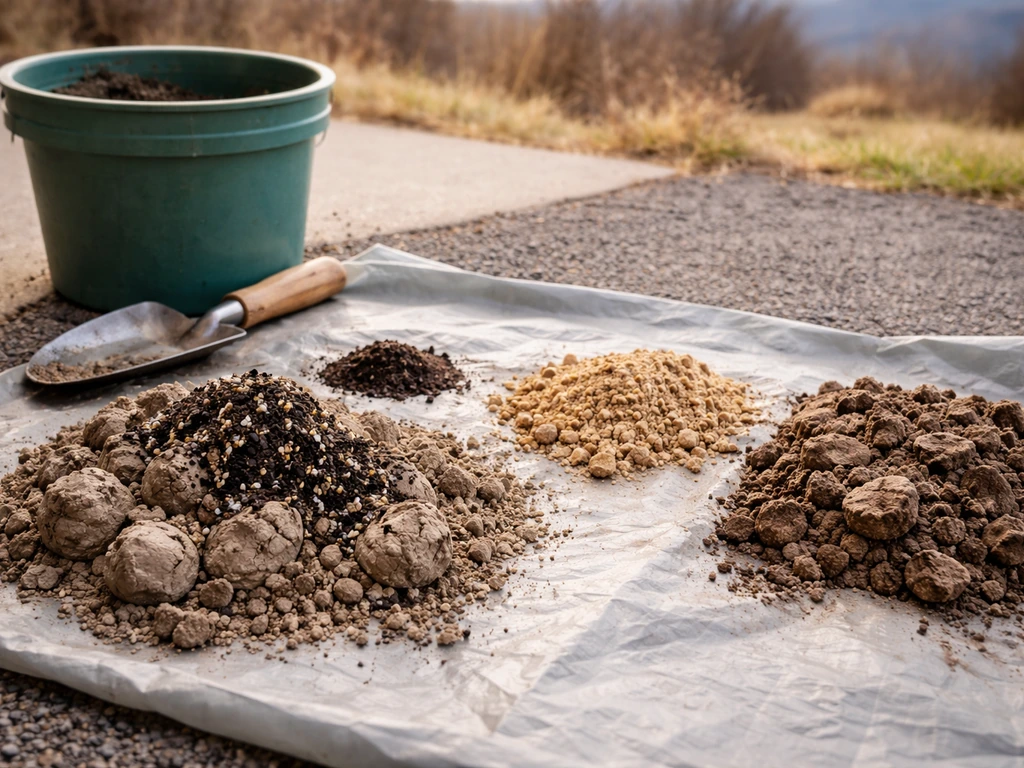
Colorado soils are notorious and the Front Range is no exception. Most Denver and Colorado Springs yards have one of three problems: heavy clay (common in newer subdivisions and older neighborhoods alike), compacted hardpan from construction or years of foot traffic, or alkaline pH that locks up nutrients. Before you seed anything, spend 30 minutes understanding what you're working with.
Get a soil test first
A basic soil test from CSU Extension or a local lab costs around $25–$35 and tells you your pH, organic matter content, and nutrient levels. Colorado soils are often alkaline (pH 7.5 to 8.5), which limits iron and phosphorus availability and can make grass look yellow even when it's fertilized. If your pH is high, you'll need to add sulfur over time to bring it down. Applying starter fertilizer to pH-locked soil is mostly wasted money.
If your soil is clay
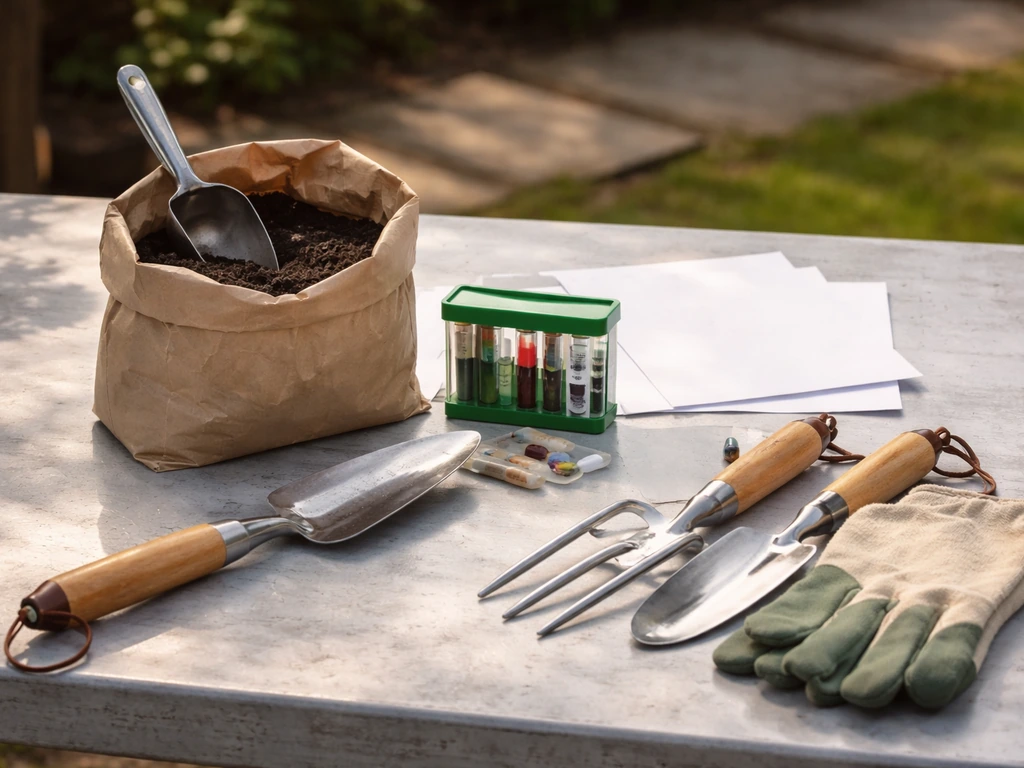
Clay soil is the most common challenge on the Front Range. It compacts hard, drains poorly, and becomes concrete-like in dry spells. The fix is organic matter. Till 3–4 inches of compost into the top 4–6 inches of soil before seeding. This is not a 'spread some topsoil on top' situation, you need to physically incorporate it. Renting a rear-tine tiller for a day ($75–$100) is worth every penny for a clay lawn. Core aeration before seeding also helps break up compaction, especially for existing lawns you're overseeding.
If your soil is sandy or rocky
Sandy or gravelly soils (more common in foothills areas and some parts of Colorado Springs) drain too fast and hold almost no moisture or nutrients. Same solution: compost, tilled in. Sandy soils actually respond faster to amendment than clay does. Aim to raise organic matter to at least 3–5% before seeding. In very sandy ground, a starter fertilizer with phosphorus helps early root development significantly.
Compacted or hardpan soil
New construction lots often have 2–3 inches of imported topsoil sitting on top of heavily compacted subsoil from equipment. Seeds germinate fine in that top layer but roots hit a wall and the lawn struggles through summer. If you suspect this, rent a core aerator before tilling and run it over the area multiple times. Then add compost and till. For severely compacted areas, deep tillage (6–8 inches) with a subsoiler attachment is worth the extra effort.
How to seed grass in Colorado: methods and rates
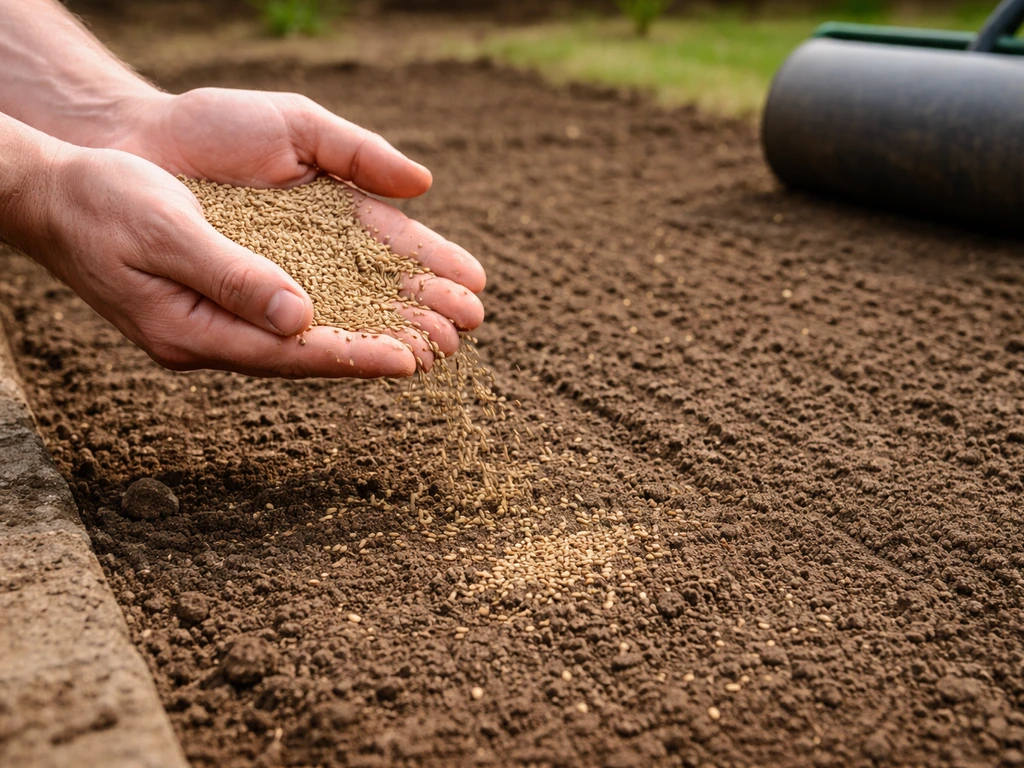
Once your soil is prepped, seeding itself is the straightforward part. The goal is good seed-to-soil contact. Grass seed sitting on top of loose, fluffy soil or thatch won't germinate reliably, it needs to be pressed into or lightly covered with soil.
- Mow existing grass short (if overseeding) or rake the bare area smooth to remove debris and clods.
- Apply a starter fertilizer (look for a high phosphorus formula, something like 18-24-6 or similar) at label rate. Phosphorus drives root development in new seedlings.
- Spread seed with a broadcast or drop spreader. Split your seed into two passes — one north-south, one east-west — for even coverage.
- Rake the seed lightly into the top 1/8 to 1/4 inch of soil. You do not need to bury it deep. Barely covered is fine.
- Roll the seeded area with a lawn roller (empty or lightly filled) to press seed into the soil. This step is often skipped and often regretted — good contact dramatically improves germination rates.
- Water immediately and keep the top 1 inch of soil consistently moist until germination.
Seeding rates for Colorado conditions
Use the higher end of the seeding rate range for new lawn establishment and the lower end for overseeding into existing turf. At altitude with intense UV and variable moisture, thicker seeding gives you more insurance against patchy germination. For a new Kentucky bluegrass lawn, 2–3 lbs per 1,000 sq ft is standard. For turf-type tall fescue, 6–8 lbs per 1,000 sq ft. Perennial ryegrass in a blend, 5–7 lbs per 1,000 sq ft. More is not always better, overcrowding leads to weak, spindly seedlings that dampen off in wet conditions.
Starter options for tough spots
For bare spots with very poor soil, consider mixing seed with a thin layer of a seed-starting medium or straight compost spread at about 1/4 inch depth over the seeded area. This protects seed from drying out and gives it an organic boost. Erosion control blankets or straw mulch (one bale covers about 1,000 sq ft) are useful on slopes or any area where wind or runoff could wash seed away before it germinates.
Watering, germination timeline, and early care
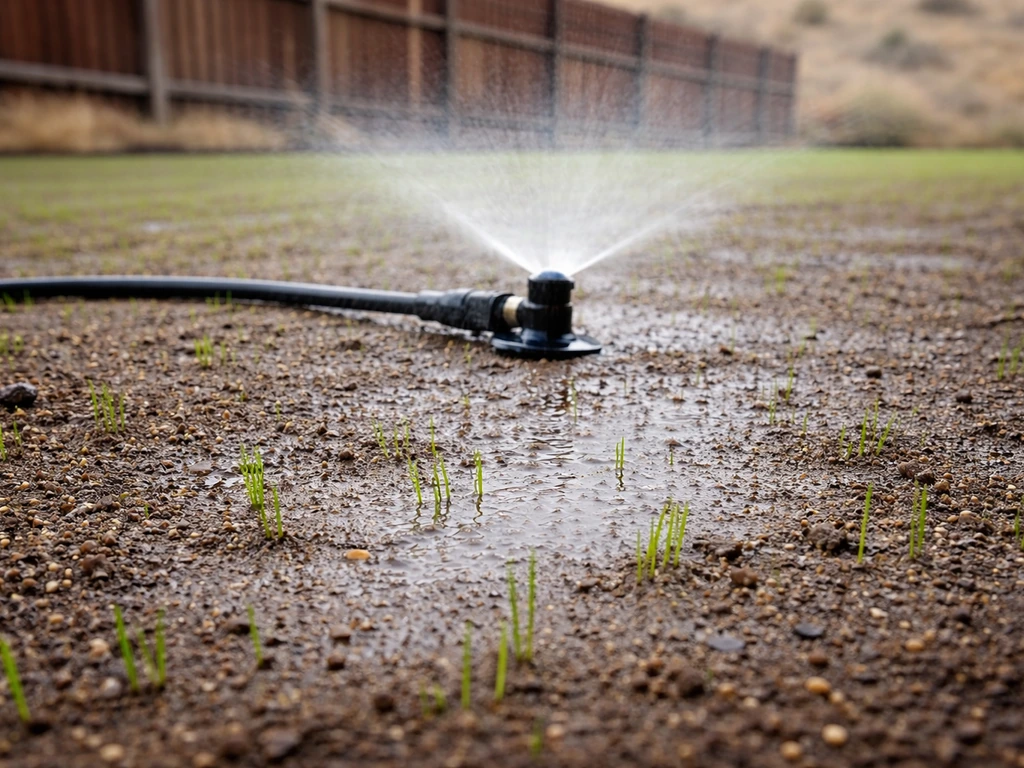
Watering newly seeded grass in Colorado is the part most people get wrong. If you are wondering how to grow grass in Tennessee, you will still start by keeping the seed zone evenly moist, then adjust your schedule for local heat and rainfall. The goal is to keep the top inch of soil consistently moist, not waterlogged, not dry. In Colorado's low humidity and high-altitude sun, that often means watering 2–3 times per day in short cycles during the germination period, especially in summer or early fall when afternoon temperatures are still hot.
Germination timeline by grass type
| Grass Type | Germination (days) | Visible Coverage | Mow-Ready |
|---|---|---|---|
| Perennial Ryegrass | 5–7 days | 10–14 days | 3–4 weeks |
| Turf-Type Tall Fescue | 7–12 days | 14–21 days | 4–5 weeks |
| Kentucky Bluegrass | 14–21 days | 21–30 days | 5–7 weeks |
| Fine Fescue | 10–14 days | 18–24 days | 4–5 weeks |
Kentucky bluegrass is notoriously slow. If you seed a straight bluegrass lawn and nothing is visible at 10 days, don't panic, it's normal. That's one reason so many Colorado seed blends include perennial ryegrass. The ryegrass germinates fast and gives you visible green in under two weeks, which is reassuring. The bluegrass fills in over weeks and months behind it.
Watering schedule after germination
During germination (first 2–3 weeks): water lightly, 2–3 times per day, keeping the top 1 inch moist. After germination through establishment (weeks 3–8): back off to once or twice daily, but water deeper, aim for the top 2–3 inches. After 8 weeks: transition to a normal deep-and-infrequent schedule, watering to 4–6 inch soil depth, 2–3 times per week. Deep watering trains roots to grow down rather than staying shallow, which makes your lawn far more drought-tolerant through Colorado summers.
Your first mow happens when the grass reaches about 3.5–4 inches. Don't mow sooner, you'll uproot seedlings that haven't developed strong enough root systems yet. When you do mow, set the blade high (3 to 3.5 inches) and make sure your mower blade is sharp. Tearing young grass with a dull blade sets the lawn back significantly.
Fixing common problems: bare spots, shade, poor germination, and weeds
Persistent bare spots
If you've seeded the same bare area twice and grass won't stick, there's almost always an underlying cause. Dog urine creates high-nitrogen burn zones, the solution is to flush the area with water heavily before reseeding and use a fescue or ryegrass blend since they're slightly more tolerant than bluegrass. Heavy foot traffic compacts soil between waterings, so address those areas with core aeration and add a stepping stone path if the traffic isn't going to stop. Shaded root competition under large trees is another culprit, surface roots from cottonwoods and ash trees suck moisture and nutrients fast enough to starve seedlings.
Shady areas
Colorado's bright sun means even partial shade is better than you'd expect compared to cloudier states. Fine fescues (creeping red, Chewings) are your best option for shade. If you live in Minnesota, focus on local timing, native soil conditions, and picking a cool-season grass that can handle that state's colder winters. They won't be lush, but they can hold a ground cover in areas with 3–4 hours of direct sun. For areas with less than 3 hours of direct sun, ground covers rather than turfgrass may be the more realistic long-term solution. Don't overseed shade areas with Kentucky bluegrass expecting good results, it will be thin and yellow no matter how well you prep the soil.
Poor or uneven germination
Patchy germination is usually a moisture consistency problem. If some spots germinate and others don't, the seed in the dry patches simply didn't have enough moisture to break dormancy. Water coverage is often uneven, especially with oscillating sprinklers on windy days. Hand-water any dry zones until germination evens out. If germination is entirely absent after 3 weeks for tall fescue or ryegrass (or 4 weeks for bluegrass), check whether the seed was old (seed older than 2 years has dramatically lower germination rates), whether soil temperature was adequate, and whether birds ate the exposed seed before it could sprout.
Weed pressure during establishment
You will get weeds in a newly seeded lawn. That's unavoidable in fall and especially in spring. Do not apply broadleaf herbicide to a new lawn until it has been mowed at least 3–4 times, which means the grass is well established (usually 8–10 weeks after germination). Before that, hand-pull large weeds and accept that some annual weeds (like purslane or spurge) will die on their own after the first frost. Spraying too early with weed killer will injure or kill your new grass seedlings.
Keeping your new Colorado lawn thriving long-term
Getting grass established is one thing. Building it into a lawn that survives Colorado summers and recovers from winter is an ongoing process, but it's not complicated once you've nailed the basics.
Mowing
Keep cool-season grasses at 3 to 3.5 inches tall on the Front Range, taller in summer (up to 4 inches), shorter in fall and spring. Taller grass shades soil, reduces evaporation, and crowds out weeds. Never cut more than one-third of the blade at a time. During August and September heat, raise the mowing height and reduce frequency. In spring, scalp the lawn down to about 2 inches for the first mow to remove dead winter material.
Fertilizing
The ideal fertilizing schedule for Colorado cool-season lawns is fall-heavy. Apply a balanced fertilizer (like 24-5-11 or similar) in early September and again in late October to November (the 'dormant feeding'). The fall dormant feeding is the single most impactful thing you can do for a Colorado lawn, it feeds roots through winter and fuels early spring green-up. A light feeding in May is optional. Avoid heavy nitrogen applications in June and July, which force lush growth during heat stress and make the lawn more vulnerable to disease.
Annual maintenance to build on your establishment
- Core aerate every fall (or every other fall on sandy soils) to relieve compaction, especially critical for clay-heavy Front Range soils.
- Overseed thin or bare areas every fall, using the August–September window as your annual touch-up opportunity.
- Apply sulfur-based soil amendments annually if your pH is above 7.5 — this is a multi-year process but makes a visible difference in grass color.
- Set irrigation to deep and infrequent once the lawn is established — about 1 to 1.5 inches per week total (including rain) during summer.
- Apply pre-emergent herbicide in mid-April (before crabgrass germinates) in established lawns, but never in the same year you've seeded or plan to seed.
If you're comparing notes with folks seeding in neighboring states, Colorado's conditions are genuinely different from places like Kansas or Utah even though they share some climate similarities. Kansas gets more rainfall and warmer summers that favor warm-season grasses more readily. In Kansas, you will usually have better luck with warm-season grasses and following local seeding timing for your area how to grow grass in kansas.
Utah's Wasatch Front shares some of Colorado's elevation and soil alkalinity challenges, so timing and soil prep advice overlaps more closely there. If you’re wondering how to grow grass in Utah, focus on seeding timing, alkaline-aware soil prep, and consistent watering through germination Utah's Wasatch Front. The core principle across all of them is the same: match your grass to your actual conditions, time your seeding around soil temperature rather than calendar date, and water consistently through germination.
For Tennessee, you’ll want to choose the right cool-season or warm-season grass for your area and then seed at the best time for local temperatures and rainfall match your grass to your actual conditions. If you're wondering how to grow grass in Georgia, the same basics apply, but your seeding windows, grass types, and watering schedule should be adjusted for the local climate. Get those three things right and Colorado's altitude and dry air become manageable rather than dealbreakers.
FAQ
Can I grow grass in Colorado from seed if I don’t have irrigation set up yet?
It’s usually not reliable on the Front Range without some way to keep the top inch consistently moist during germination. If you’re irrigation-limited, plan a short-window install (fall seeding) and use a hose with a rotating sprinkler and timers, then reassess after establishment before committing to full-lawn coverage.
What if I’m seeding a lawn on a slope or windy area, will my seed wash away?
Yes, it’s a common failure point. Use an erosion control blanket or straw mulch anchored with light tackifier (or crimped straw netting), and lightly cover seed so it stays in place. Also avoid seeding right before heavy rain, which can move seed even if it germinates.
How do I choose between Kentucky bluegrass and turf-type tall fescue for my exact yard?
Use Kentucky bluegrass if you have decent sun, manageable shade, and you can irrigate consistently. Choose tall fescue if you have clay, drier pockets, or you want better drought resilience, especially if you expect periodic missed watering during Colorado summers.
Is it okay to overseed in winter or on snow days?
Generally no. Seed needs warm soil for germination, and winter freezes make seed-to-soil contact unreliable and increase wash or birds taking seed before it can sprout. If you miss fall, your practical backup is late April into May after soil temperatures rise.
How can I tell if my soil is too alkaline before spending on fertilizer?
Run a soil test, then avoid “trial-and-error” heavy feeding. If your pH is high, starter fertilizer often won’t fix the yellowing problem. Plan sulfur amendments over time, then fertilize based on the lab’s recommendations rather than a generic schedule.
Do I need to aerate before seeding, or can I just seed over my existing lawn?
If the ground is compacted, aerating makes a big difference because it creates pathways for seed-to-soil contact. For overseeding, core aeration is usually preferable to heavy topdressing alone, and it improves water movement so seed doesn’t sit on top of thatch.
Should I cover grass seed with peat moss, compost, or nothing at all in Colorado?
Some light covering helps, but the key is shallow and mixed-in contact. A thin layer of compost or seed-starting medium (around a quarter inch) can protect seed from drying, but avoid thick layers that insulate too much and reduce germination.
How do I water seeded grass without causing fungus or washouts?
During germination, aim for consistent moisture in the top inch, use short cycles, and avoid one long soak. If you see puddling or footprints leaving ruts, reduce volume and increase frequency slightly. Water early in the day so leaf surfaces dry faster.
My rye/bluegrass blend is slow or uneven. When should I suspect old seed?
If you have no visible germination after the expected window (roughly 5 to 7 days for rye, longer for bluegrass) and soil temperatures were appropriate, check seed age. Seed older than about two years often underperforms dramatically, even if watering was correct.
Can I use pre-emergent herbicides before seeding in Colorado?
Avoid pre-emergent products before seed germinates, because many prevent weed seeds by blocking germination processes that grass seed needs too. If you’ve already applied one, wait for the product’s labeled clearance period before seeding, or plan for spring remediation instead of immediate overseeding.
When is it safe to mow seeded grass, and what if it’s growing unevenly?
Mow when the majority of the lawn reaches about 3.5 to 4 inches, and keep the blade high. If growth is uneven, mow when the fastest-growing areas are ready, and consider a lighter first mow to avoid ripping slower patches out of the soil.
I keep getting bald spots, is it always a watering problem?
Not always. Bald spots commonly come from dry zones, poor seed-to-soil contact, or animal damage (including dog urine burns). If moisture seems even, re-check soil compaction, check shade/root competition, and address foot traffic with aeration and a durable path.
What’s the correct mowing height and schedule for summer in Denver and Colorado Springs?
Keep cool-season grass around 3 to 3.5 inches most of the year, raise toward 4 inches during peak heat, and do not remove more than about one-third of the blade at any mow. Consistency matters, so plan more frequent light mows rather than letting it get tall then cutting hard.
How soon can I fertilize after seeding, and should I use starter fertilizer every time?
Don’t assume starter fertilizer is automatically beneficial in Colorado soils, especially with high pH. If you want to fertilize right after seeding, rely on your soil test and consider using only what supports early establishment, then follow the fall-heavy schedule once the lawn is established and mowing regularly.
Next Article
How to Grow Grass in El Paso TX: Seed, Plant, and Care
Step-by-step guide to grow grass in El Paso: pick Bermuda, Zoysia or fescue, prepare soil, seed timing, watering, fixes.