
If you're in North Carolina and want to grow a healthy lawn from scratch, bermudagrass is your best starting point for most of the state. It thrives in NC's heat, handles drought without drama, and establishes fast from seed when conditions are right. The key dates to know: soil temperature needs to be at least 65°F at 4 inches deep before you seed bermuda, which typically means after early May in most of NC. Right now in mid-June, you're in the ideal window. Plant this week if your soil is prepped, and you can expect germination in 7 to 21 days.
How to Grow Grass in NC: Bermuda, Seed, and Care Guide
Marcus Tillwell
14 Jun 2026
North Carolina's lawn climate and the best times to plant
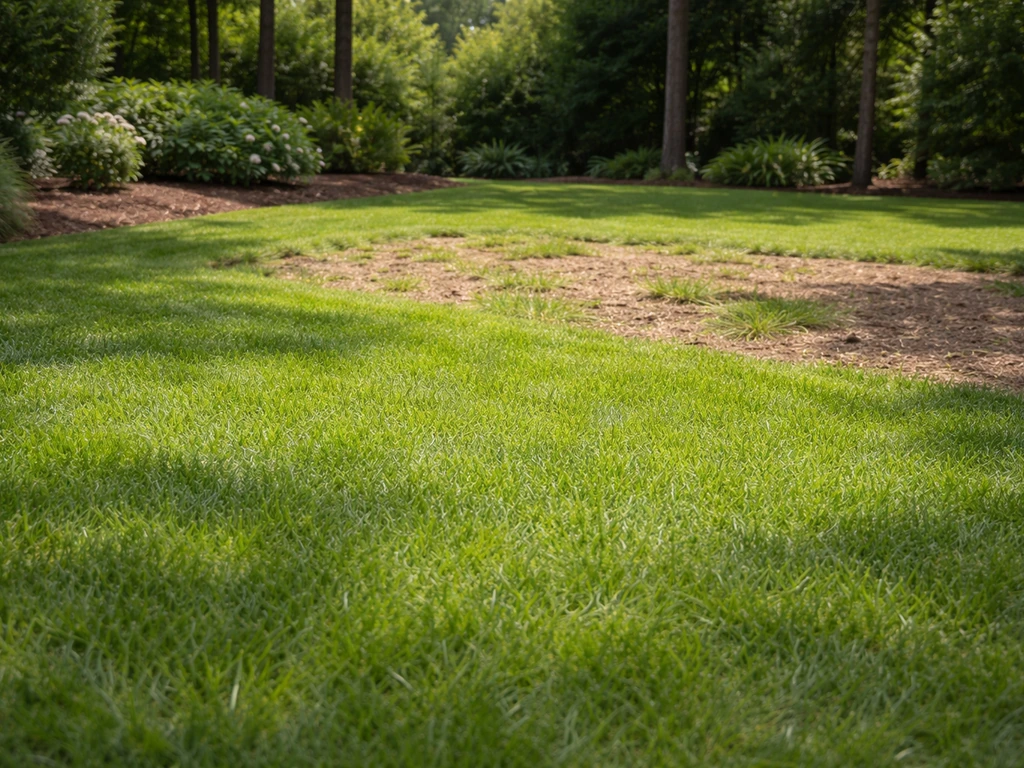
North Carolina is a wide state climatically. Charlotte and the Piedmont sit in a classic transition zone: hot, humid summers and mild but frosty winters. The coastal plain around Wilmington is warmer and wetter, and the western mountains near Asheville are significantly cooler with shorter growing seasons. That spread matters when you're picking grass and timing plantings.
For warm-season grasses like bermuda and zoysia, the planting window runs from late April through July, with late May to mid-July being the sweet spot in Charlotte and the Piedmont. The coastal plain can go a couple of weeks earlier. In the mountains, push everything later and be cautious about bermuda entirely since cooler nights can stall it. The rule of thumb from NC State: soil at 4 inches deep needs to hit 65°F before bermudagrass seed will reliably germinate, and ideally 70°F to 80°F for the fastest results. A $15 soil thermometer takes the guesswork out completely.
For cool-season grasses like tall fescue, the window flips: plant in September and October when soil temperatures drop back below 70°F and nighttime lows cool off. Trying to seed fescue in June in Charlotte is a waste of seed. If you need a cool-season lawn or are overseeding bare spots with fescue, circle September 15 to October 15 on your calendar. One important timing note regardless of grass type: plant warm-season grasses early enough that they're well-established before the first fall frost. In Charlotte, that's typically around mid-October, so late July is your cutoff for starting bermuda from seed.
Choosing the right grass for North Carolina
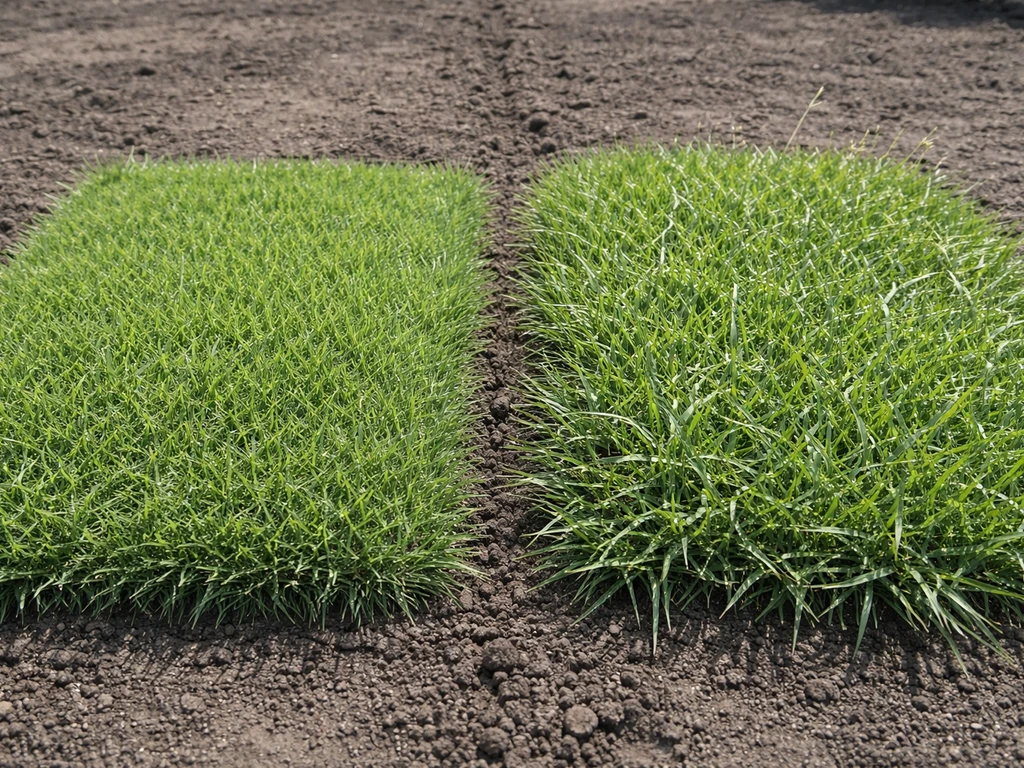
Bermudagrass is the workhorse of NC lawns. It handles heat, drought, and foot traffic better than almost anything else in this climate, and common bermudagrass can be started from seed, which keeps costs down. If you're in the Piedmont, coastal plain, or Charlotte metro, bermuda should be your default unless you have specific shade or cold-climate constraints.
Common vs. hybrid bermudagrass
There are two main categories. Common bermudagrass has a wider leaf blade, less dense growth, and produces seed heads, which means you can buy seed at any home improvement store and plant it yourself. Hybrid bermudagrass (cultivars like Tifton 85, Tifton 44, or Coastal) has a finer texture and denser growth but is sterile and pollen-free, so it cannot be grown from seed. Hybrids must be established from sod or sprigs. For a DIY homeowner starting from scratch, common bermuda seed is the practical, affordable choice. If you want a finer-looking lawn and are willing to pay for sod, a hybrid makes sense.
Other NC-appropriate grasses worth knowing
| Grass Type | Best Use Case | Shade Tolerance | Seeded or Sodded | NC Climate Fit |
|---|---|---|---|---|
| Common Bermudagrass | Full-sun lawns, budget-friendly start | Poor | Seed or sod | Excellent statewide except mountains |
| Hybrid Bermudagrass | Dense, fine-textured full-sun lawns | Poor | Sod or sprigs only | Excellent in Piedmont and coast |
| Zoysiagrass | Full sun to light shade, low-maintenance | Moderate | Sod or plugs (slow from seed) | Excellent in Piedmont and coast |
| Tall Fescue | Shaded areas, cooler regions | Good | Seed | Best in Piedmont and mountains; plant in fall |
| Centipedegrass | Low-maintenance, acidic sandy soils | Low to moderate | Seed or sod | Good on coastal plain and eastern NC |
| Perennial Ryegrass | Winter overseeding of dormant bermuda | Moderate | Seed | Temporary winter color only |
If you have significant shade (more than 4 to 6 hours of direct sun blocked per day), bermuda will thin out and eventually fail. In those spots, tall fescue is your best bet, seeded in the fall. Zoysiagrass handles light shade better than bermuda and stays green a bit longer in fall, but it's expensive to establish and spreads slowly. Centipedegrass is a low-input option for acidic sandy soils in eastern NC but does not like heavy clay or high-pH soil.
Preparing your soil before you plant anything
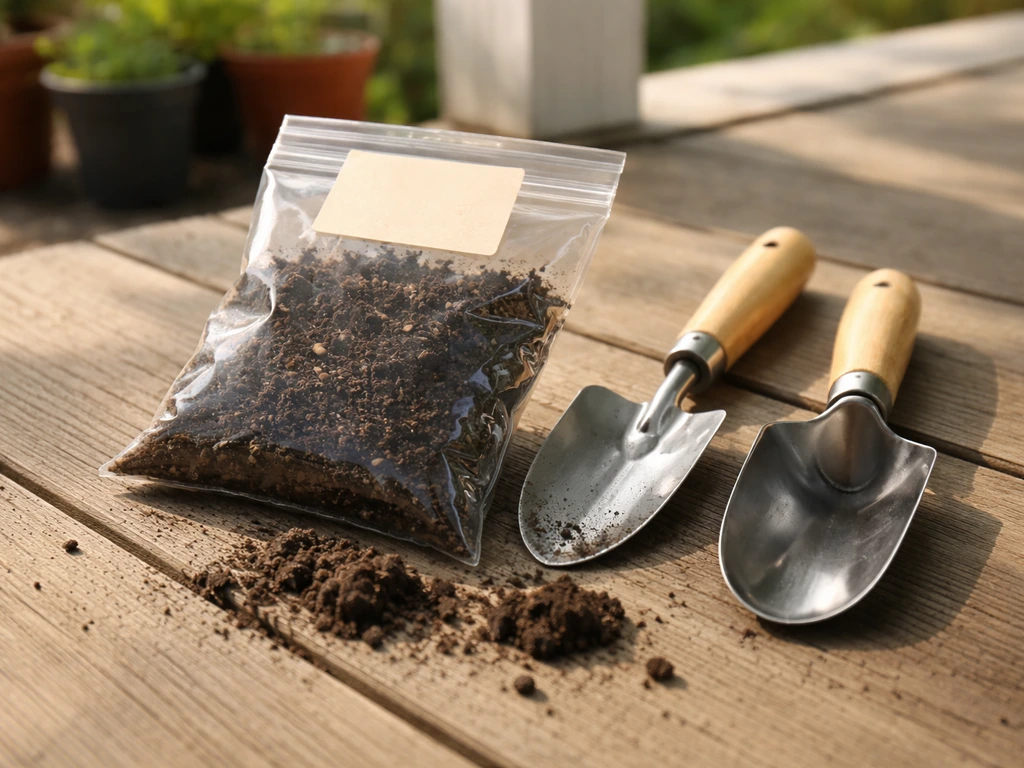
Skipping soil prep is the number one reason NC lawns fail. You can buy the best seed in the world and water it perfectly, but if your pH is off or your soil is compacted clay, you'll be disappointed. Spend time here before you spend money on seed.
Get a soil test first
NC State's soil testing lab runs tests for a small fee through your local Cooperative Extension office, and they'll send you a report telling you exactly what your soil needs. The primary thing you're looking for is pH. Bermudagrass grows best at a pH of 5. 8 to 6.
5. If your soil is below 5. 8, add lime. If it's above 6.
5, you may need sulfur. These are cheap fixes that make an enormous difference. Without a soil test, you're guessing, and lime and fertilizer applied incorrectly can cause real problems. NC State Extension notes that soil tests are the only reliable way to determine soil pH, and the results should guide plant selection and fertilization decisions [Without a soil test, you're guessing](https://content.
ces. ncsu. edu/publication/a-gardeners-guide-to-soil-testing). Mail your samples in now and you'll have results within a couple of weeks.
Fixing clay soil
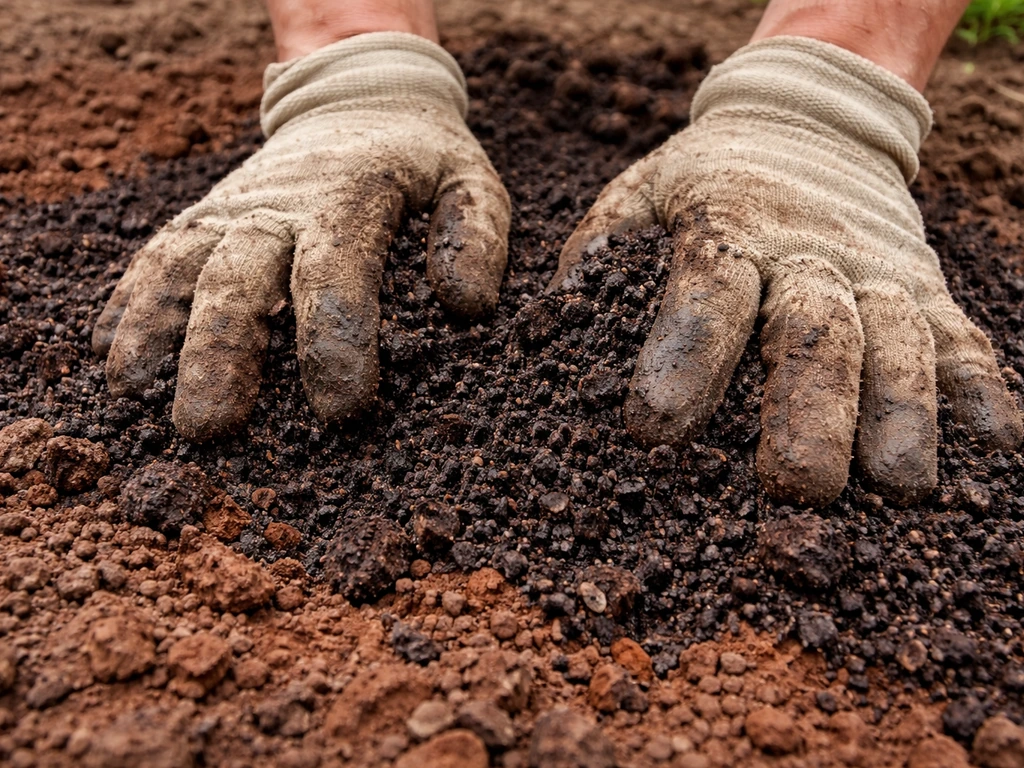
Heavy red clay is everywhere in the NC Piedmont, including most of Charlotte's older neighborhoods. Clay holds water too long, compacts under foot traffic, and makes it hard for roots to establish. The fix: till 4 to 6 inches deep and work in compost or aged topsoil to improve drainage and structure. Aim for at least 2 to 3 inches of organic matter tilled into the top layer. Avoid adding sand without also adding compost since sand plus clay without organic matter creates something close to concrete. If compaction is severe, rent a core aerator before tilling. The aeration pulls plugs out of the soil and allows amendments to penetrate more easily.
Fixing sandy soil
Sandy soils in eastern NC drain too fast, dry out between waterings, and don't hold nutrients well. The fix is similar but opposite in intent: work in compost to increase water retention and provide a nutrient base. Two to three inches of compost tilled in deeply will dramatically improve sandy soil's ability to support grass establishment.
Grade and drainage
Before you seed, take a walk around your yard after a rain. If water pools anywhere for more than 30 minutes, you have a drainage problem that seed alone cannot fix. Low spots collect water, and seedlings sitting in saturated soil will rot or simply not germinate. Regrade those areas so they slope away from your house at a minimum pitch of about 1 inch per 10 feet. For chronic drainage issues, a French drain or a simple swale can redirect water and turn a problem area into a viable planting zone.
Seeding vs. sod: which approach to take
For most NC homeowners, seeding common bermudagrass is the right move if you're starting in the warm-season window and working with a budget. If you want the full, step-by-step guide on how to grow grass in CT, follow the warm-season planting process and timing that matches your climate warm-season window. Sod gives you an instant lawn but costs 5 to 10 times more per square foot and requires careful timing since sod needs soil temperatures above 55°F for several weeks to root properly. That's not a problem in June in Charlotte, but it becomes a concern if you're installing sod in late September or October.
How to seed bermudagrass step by step
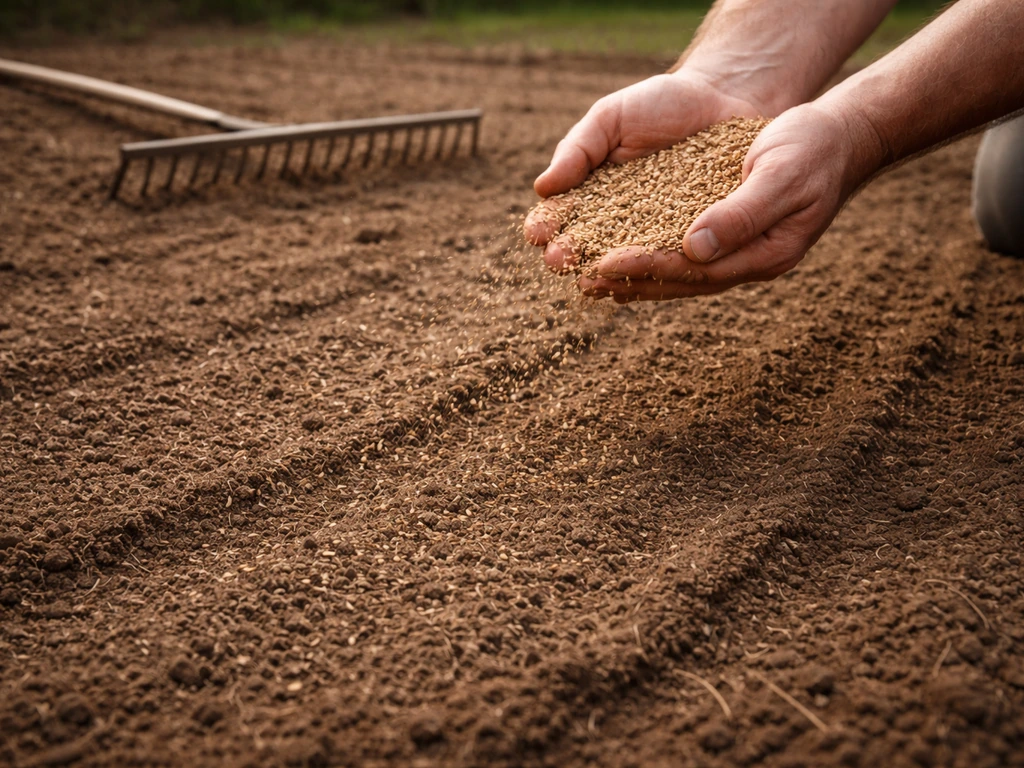
- Kill existing weeds: Apply a non-selective herbicide like glyphosate 2 to 3 weeks before planting. Wait for it to fully work before tilling.
- Till and amend: Till 4 to 6 inches deep. Work in compost and lime based on your soil test. Rake the surface smooth.
- Apply starter fertilizer: Work in a starter fertilizer with a 1-2-2 N-P-K ratio (something like 5-10-10) before seeding. This feeds early root development without pushing too much top growth.
- Seed at the right rate: Spread common bermudagrass seed at 1 to 2 pounds per 1,000 square feet. If your seed is coated, double that rate to 2 to 4 pounds since the coating adds weight. Use a broadcast spreader for even coverage.
- Rake lightly and roll: After seeding, rake very lightly to work seed into the top ¼ inch of soil. Then use a lawn roller to firm the seedbed and ensure seed-to-soil contact.
- Mulch if needed: On slopes or areas prone to washout, apply a thin layer of straw mulch. One bale per 1,000 square feet is plenty. This holds moisture and prevents runoff.
- Water immediately: Start light, frequent watering right after seeding.
What to expect for germination
Bermudagrass seed germinates in 7 to 21 days when soil stays consistently moist and temperatures are in the right range. You'll typically see the first tiny sprouts in about 10 days in June in Charlotte. By day 21, you should have visible coverage across most of the seeded area. If you're at day 21 and still seeing bare patches, that's your signal to check your watering consistency and soil temperature rather than immediately reseeding.
How to install bermudagrass sod
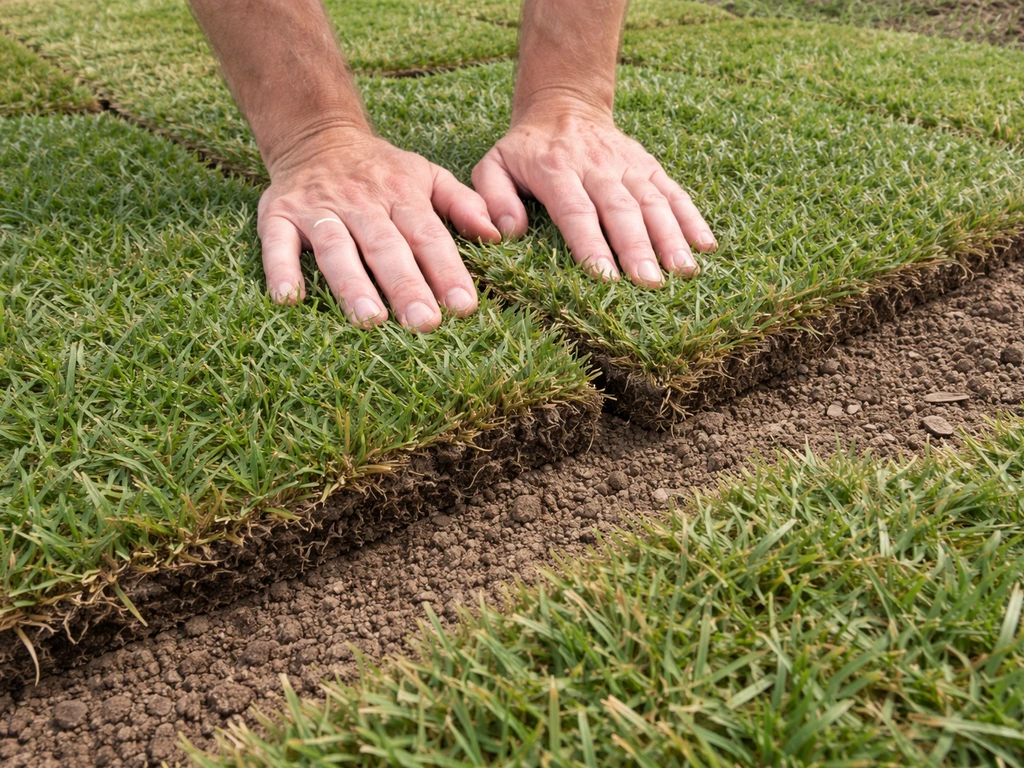
Prepare the soil the same way you would for seed. Lay sod pieces tightly together with staggered joints, like brickwork. Press seams firmly together to eliminate gaps. Once laid, use a lawn roller to press the sod into firm contact with the soil. Water deeply immediately. For the first two weeks, keep the sod moist enough that the soil under it stays damp but not saturated. After the sod is anchored and pulling back firmly, you can reduce watering frequency to about once a week.
Watering, mowing, and weed control during establishment
Watering schedule
During germination, the seedbed needs to stay continuously moist. That means light, frequent watering two to four times per day, not one deep soak. You're not trying to water deeply yet; you're just keeping that top inch of soil from drying out. After germination is complete and you see consistent coverage, scale back to less frequent but deeper watering. Once bermuda is established, it needs about 1 inch of water per week, either from rain or irrigation. For the best way to grow grass in New England, focus on the right grass type for the cooler climate and follow a seasonal watering schedule. Water early in the morning to reduce disease risk and evaporation loss.
First mowing and ongoing height
Don't mow too soon. Wait until your new bermuda is at least 2 inches tall, then mow it down to about 1 to 1.5 inches. Mowing too early tears out seedlings that haven't rooted firmly yet. Going forward, keep common bermuda at about 1 inch during the growing season. Mow frequently enough that you're never removing more than one-third of the blade at once. In peak summer growth, that might mean mowing every 5 to 7 days.
Fertilizing through establishment
You already applied a starter fertilizer before seeding. Wait until the lawn is fully green and actively growing before adding more nitrogen. For bermuda, that's typically several weeks after green-up, which in an established lawn context falls between early April and May, but for a new seeding in June, you're looking at about 4 to 6 weeks after germination once the turf looks vigorous. Apply about half a pound to 1 pound of nitrogen per 1,000 square feet. Avoid over-fertilizing early since it stimulates top growth at the expense of root development.
Weed prevention and control
Weeds are the biggest threat to a new lawn in NC. The bad news is that you can't apply most preemergence herbicides to a newly seeded area without killing your grass seed. The good news is that bermuda in ideal conditions grows aggressively enough to crowd out weeds on its own if you keep it well-fertilized and properly watered. For new seedings, focus on getting bermuda established quickly rather than using herbicides.
Once the lawn fills in, you can apply a preemergence product in late February or early March the following spring to stop crabgrass before it germinates. Preemergence herbicides need [rainfall or irrigation to move the herbicide into the upper 1 to 2 inches of soil](https://content. ces. ncsu.
edu/extension-gardener-handbook/6-weeds) (NC State Extension). In the Piedmont around Charlotte, that application should happen by around March 15 (and ideally a couple of weeks earlier based on recent warming trends). On the southeastern coastal plain, aim for March 1. In western NC, wait until early April.
Special situations: shade, bare spots, pets, and common NC problems
Shade areas
Bermuda needs full sun, period. If a spot gets less than 6 hours of direct sun, don't fight it with bermuda. Switch to tall fescue for moderate shade and seed it in September to mid-October. If shade is heavy (dense tree canopy with less than 4 hours of sun), even fescue will struggle. In those situations, consider ground cover options instead. Thinning out tree canopy to let more light through can sometimes save a shaded lawn if the trees allow it.
Bare spots in an existing lawn
Bare spots in a bermuda lawn usually mean one of a few things: compaction, shade, soil pH problems, or drainage issues. Before you seed a bare spot, figure out why it's bare. Loosen the soil with a hand cultivator or garden fork, amend if needed, seed at the standard rate, and keep it moist. If the same spot keeps dying back year after year, get a soil test for that specific area and check how much sunlight it actually gets. Bermuda from healthy surrounding areas will also creep into bare spots through runners over time if conditions improve.
Pet damage
Dog urine creates brown spots with a green ring around the edge, which is nitrogen burn. The fix for active spots is to water the area heavily immediately after the dog goes to dilute the urine. For existing dead spots, flush with water, wait a week, then lightly scratch the surface and reseed. Bermuda's aggressive growth habit means it can recover from pet damage faster than fescue. If you have a dog run or a specific relief area, consider installing a mulched or gravel path there rather than trying to keep grass alive in a high-traffic elimination zone.
Clay soil challenges specific to the Piedmont
If you're in Charlotte or the surrounding Piedmont, heavy red clay is almost a given in older neighborhoods or anywhere grading happened during construction. The classic symptom is water sheeting off the surface rather than soaking in. Core aerate first, then topdress with compost, and work it in. Don't rush to seed until the soil actually absorbs water. A simple test: pour a cup of water on the surface. If it soaks in within 60 seconds, you're ready to seed. If it pools or runs off, aerate and amend more before proceeding.
Troubleshooting and next steps for Charlotte and across NC
Poor germination after 21 days
If your bermuda hasn't germinated in three weeks, check three things in this order. First, was the seedbed kept consistently moist every day? Even one day of drying out can kill seeds mid-germination. Second, is the soil actually warm enough? Bermuda stalls below 65°F. In a cooler summer or in mountain NC, push soil temperature timing later. Third, is the seed viable? Cheap or old bermuda seed from the clearance shelf has low germination rates. Buy fresh seed from a reputable supplier, check the label for germination percentage (look for 85% or higher), and store it in a cool, dry place.
Thin, patchy stands
Thin coverage after germination usually means uneven watering, seed that washed out from rain on sloped areas, or seeding rate that was too low. Check whether you mulched properly on slopes. If you didn't, you may need to reseed those areas with fresh seed and a straw mulch layer this time. For overall thin coverage, give the bermuda another 3 to 4 weeks before overseeding since bermudagrass fills in aggressively through lateral runners and stolons once it's growing.
Weeds taking over before grass fills in
This is common in NC summers because the same warm, moist conditions that germinate bermuda also germinate crabgrass and other summer annuals. In a new seeding situation, your best defense is to mow the weeds before they set seed, maintain irrigation, and keep pushing bermuda growth with appropriate fertilization. Once bermuda fills in, it will outcompete most summer weeds on its own. If weeds are overwhelming the area, you may need to consider whether the site prep (killing existing vegetation beforehand) was thorough enough, and plan for a redo with a full kill application before the next planting attempt.
Charlotte vs. other NC regions: what changes
Charlotte and the Piedmont are the sweet spot for bermuda in NC. Warm enough for strong establishment, four full months of growth before dormancy, and predictable summer rain patterns. On the coastal plain, you get a longer season but more humidity and fungal pressure, so watch for brown patch disease in late summer. In the mountains, bermuda is marginal.
If you're above 2,500 feet, tall fescue or Kentucky bluegrass is a safer bet, and the timing advice from this article for warm-season grasses doesn't apply the same way. For Maine lawns, the same idea is to match the grass type to the colder climate and follow the right planting window for your region how to grow grass in Maine.
Massachusetts lawns follow different temperature and timing rules, so it helps to look up the best grass type and planting window for your region there how to grow grass in massachusetts. Readers in cooler, transitional climates like Maryland or northern Virginia face similar timing decisions for cool-season grasses and will recognize the fall-planting fescue guidance as consistent with regional best practices across the mid-Atlantic and upper South.
If you’re asking how to grow grass in Maryland, the big takeaway is to follow the Maryland-appropriate planting windows for warm- or cool-season varieties and match them to your local soil and sun conditions cool-season grasses.
Your action plan for this week
- Check your soil temperature at 4 inches. If it's 65°F or above (very likely in mid-June across most of NC), you're cleared to seed bermuda now.
- Send in a soil test to your local NC Cooperative Extension office this week if you haven't already. Results take about 2 weeks.
- Kill any existing weeds with glyphosate if you're starting a new lawn. Wait the full 2 weeks before tilling.
- Till, amend with compost, adjust pH based on your soil test results, and rake smooth.
- Apply starter fertilizer (5-10-10 or similar) and seed at 1 to 2 pounds per 1,000 square feet. Roll the seedbed after seeding.
- Set a watering reminder: light, frequent irrigation two to four times per day until you see germination. Then taper to deep, less frequent watering.
- Mark your calendar: first mow at 2 inches of growth, first nitrogen application 4 to 6 weeks after germination, and preemergence herbicide by late February next year.
FAQ
Can I start bermuda from seed in NC if my soil thermometer never reaches 65°F at 4 inches?
If 4-inch soil temperature stays below the germination threshold, bermuda seed will likely stall or fail. Use the thermometer for several days in the same spot, and delay seeding until it reaches at least 65°F (ideally closer to 70°F to 80°F). If you are stuck with cooler soil, switch to a cool-season grass plan for the year and revisit bermuda next warm season.
How long should I keep the seedbed moist after I see germination?
Do not stop immediately when sprouts appear. Keep the top inch consistently moist for roughly another week so seedlings can build roots, then gradually shift to less frequent watering. A sudden move from light daily watering to deep infrequent cycles often causes thin stands or pull-up during mowing.
What mowing height should I use if my bermuda grows fast but I seeded recently?
Use height based on root security, not just blade length. Wait until the lawn is at least 2 inches tall and seedlings hold firmly when you gently tug. Mow to about 1 to 1.5 inches, and in the first few cuts avoid scalping by skipping low spots or wet areas.
Should I topdress with compost before or after seeding bermuda?
For most NC seedings, topdressing after seeding can help, but it must be light enough to avoid burying seeds too deeply. A thin layer applied carefully over the seedbed is safer than heavy topsoil, and you still need consistent moisture. If your goal is major clay amendment, do the work before seeding so the seedbed stays stable during germination.
I have bald patches. Is it better to spot-seed or re-seed the whole lawn?
Spot-seeding works when the bare areas are small and the underlying cause (shade, compaction, drainage, pH) has been corrected. If the patching repeats year after year, re-check soil pH and drainage for that specific zone, then loosen and amend before reseeding. For widespread thinning from shade or persistent watering problems, a full plan change is usually more effective than frequent patching.
How do I avoid washing seed away on slopes in NC?
On slopes, rain and irrigation can move seed and create uneven stands. Seed right before a light period of consistent moisture, irrigate with shorter cycles, and use a straw mulch layer instead of heavy mulch. Also, make sure your irrigation coverage matches the slope rather than overwatering the top area.
Can I use a starter fertilizer during bermuda seeding if my soil test recommends a lot of phosphorus?
You can, but follow the lawn label and your soil test amounts. Over-application can create nutrient imbalance and promote top growth with weak rooting early on. If your soil test is heavily off target, prioritize correcting pH first, then apply nutrients in stages rather than trying to fix everything in the first week.
When should I apply preemergence crabgrass control after I seed bermuda?
Most preemergence products are not safe for freshly seeded areas because they can stop grass seedling growth. Plan on waiting until your lawn is fully established and then apply preemergence in the following spring window for your region. If you are unsure about the product label for bermuda, delay and focus on mowing, watering discipline, and quick establishment first.
What if my bermuda sprouts but turns pale or stalls after a couple weeks?
Stalling after early sprouts is often linked to inconsistent moisture, soil that is still too cool, or early nitrogen timing. Re-check watering frequency so the surface does not dry out, confirm soil temperature is staying in the germination range, and avoid adding more nitrogen until the lawn is actively green and growing.
Is it safe to aerate right before seeding, or will it damage the seedbed?
Aeration can help, especially in compacted clay, but timing matters. If you aerate too close to seeding, the holes can dry out or create uneven moisture. Core aerate first, topdress with compost, then seed once the soil surface can be kept consistently moist. In severe compaction, your best results usually come from aerate, amend, then wait briefly for conditions to stabilize.
How do I choose between common bermuda and hybrid bermuda if I’m aiming for a DIY lawn?
Common bermuda is seedable and usually best for a budget-first DIY approach. Hybrid bermudas are typically sterile and pollen-free, so you must start from sod or sprigs, which is more expensive and requires careful establishment. If you cannot commit to sod or sprigs, choose common bermuda and plan for several weeks of consistent moisture and mowing.
Does dog urine damage bermuda less than other grasses, and what should I do long-term?
Bermuda often recovers faster than cool-season grasses because of its aggressive runner growth, but repeated urine in the same spot can still thin the lawn. For prevention, flush the area after the dog relieves itself when possible, and consider building a designated gravel or mulched relief zone that you can maintain easily.
Next Article
How to Grow Grass in San Antonio Texas: Step-by-Step Guide
How to grow grass in San Antonio: best turf choices, planting windows, soil prep, watering schedules and troubleshooting