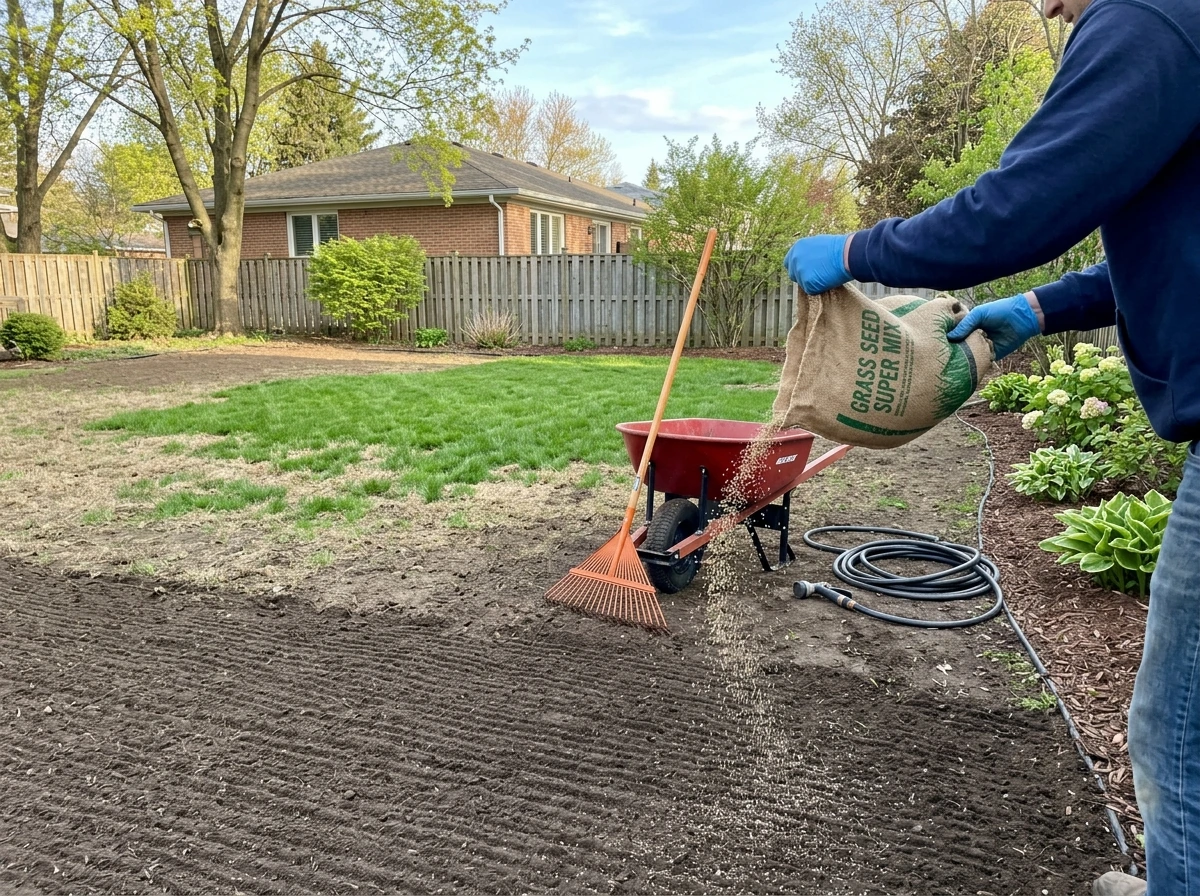
Here is the short answer: pick the right grass for your region and sun conditions, fix your soil before you seed, apply seed at the correct rate, and water lightly but consistently until germination kicks in. If you want the best way to grow grass from start to finish, use this process for picking grass, prepping soil, and planting at the right seed rate.
How to Grow Grass in Your Backyard Step by Step
Marcus Tillwell
24 Mar 2026
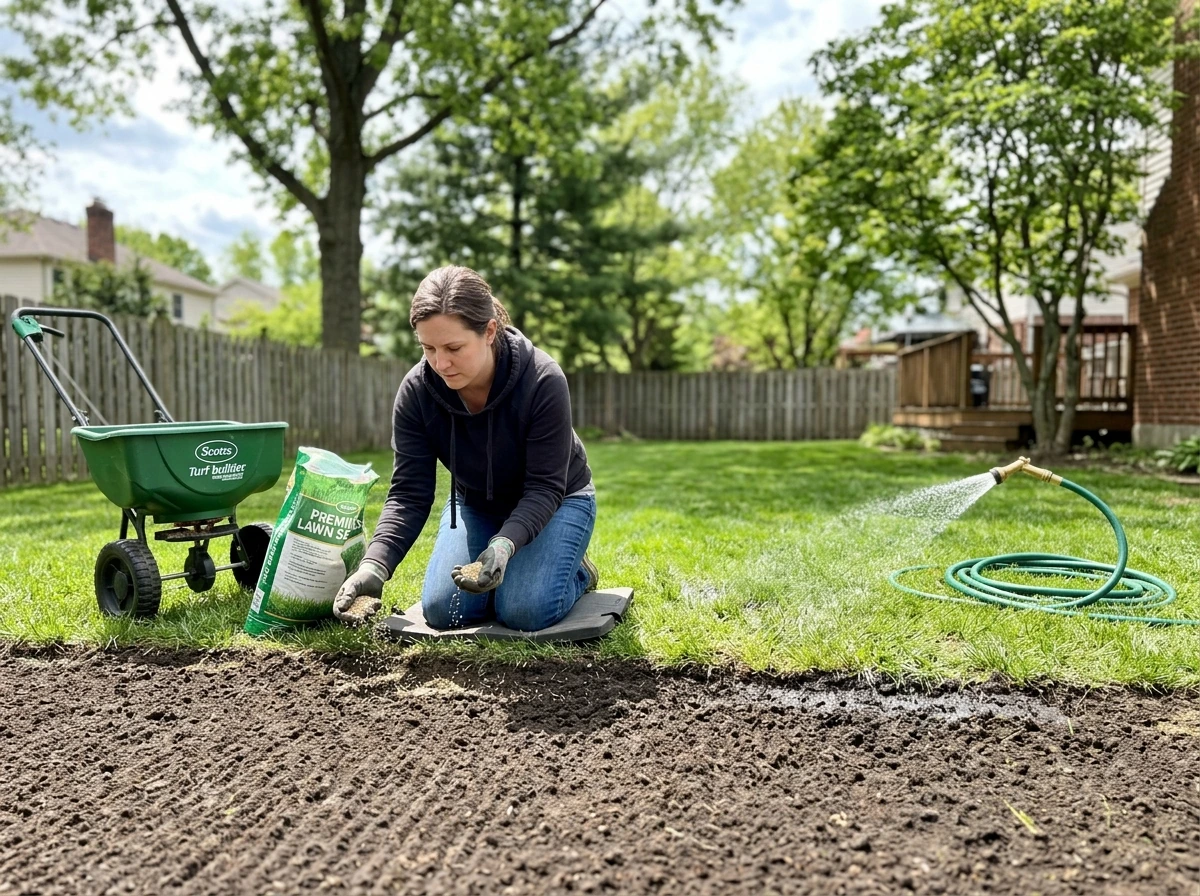
If you want how to grow great grass ideas, also compare seed rate, soil prep, and watering timing so your lawn fills in evenly. That is the whole formula. Everything else is just filling in the details for your specific yard. This guide walks through every step so you can go from bare dirt to a dense backyard lawn without guessing.
Pick the right grass for your climate and sun
This is the single decision that will make or break your lawn before you ever open a bag of seed. The wrong grass in the wrong climate will struggle no matter how carefully you plant it. The two big categories are cool-season and warm-season grasses, and they thrive in completely different conditions.
Cool-season grasses (northern and transitional zones)
If you live in the northern US, the Pacific Northwest, or the upper transitional zone, cool-season grasses are your best bet. Tall fescue is a workhorse here: it handles drought better than most cool-season options, tolerates shade reasonably well, and adapts to a wide range of soils. Perennial ryegrass germinates faster than almost anything else (usually 5 to 7 days), which makes it great for filling bare spots quickly, though it can struggle with heat and disease pressure in the deep South. Kentucky bluegrass produces the lushest, densest lawn but needs full sun, good soil, and patience since it takes 2 to 4 weeks to germinate. Fine fescues are your best option for shaded or low-fertility areas.
Warm-season grasses (southern and Gulf Coast zones)
Bermudagrass is the most common warm-season choice. It loves full sun, handles heat and drought well, and spreads aggressively once established. The tradeoff is poor shade tolerance and cold sensitivity: it can suffer winter damage at temperatures around 18 to 23°F. Zoysiagrass is a step more cold-hardy (surviving down near 12°F) and actually handles shade better than bermuda, making it a smarter pick if your backyard gets filtered or partial shade. St. Augustinegrass is a go-to in Florida and the Gulf Coast and is almost always established from sod or plugs rather than seed.
Sun and shade: matching grass to your yard
Walk your backyard at different times of day and honestly count how many hours of direct sun each area gets. Bermudagrass needs at least 6 to 8 hours of full sun and will thin out badly in shade. Tall fescue and zoysia both offer good shade tolerance and are worth choosing if trees or fences block a chunk of your yard. If a spot gets fewer than 4 hours of sun, no grass will thrive there long-term regardless of species. In those spots, groundcover or mulch is a better investment than seed.
| Grass Type | Best Region | Shade Tolerance | Drought Tolerance | Typical Seeding Rate (lbs/1,000 sq ft) | Notes |
|---|---|---|---|---|---|
| Tall Fescue | North / Transition | Good | Good | 5–8 | Versatile, handles clay and shade |
| Kentucky Bluegrass | North | Poor | Moderate | 2–3 | Dense, beautiful, needs full sun |
| Perennial Ryegrass | North / Transition | Moderate | Low | 4–6 (overseeding: 12–15) | Fast germination, good for patches |
| Bermudagrass | South / Transition | Poor | Excellent | 1–2 (hulled seed) | Full sun only, spreads fast |
| Zoysiagrass | South / Transition | Good | Good | Often plugged/sodded | More cold-hardy than bermuda |
| St. Augustinegrass | Deep South / Gulf | Moderate | Moderate | Sod/plugs only | Not available as seed |
Get your soil ready before anything else
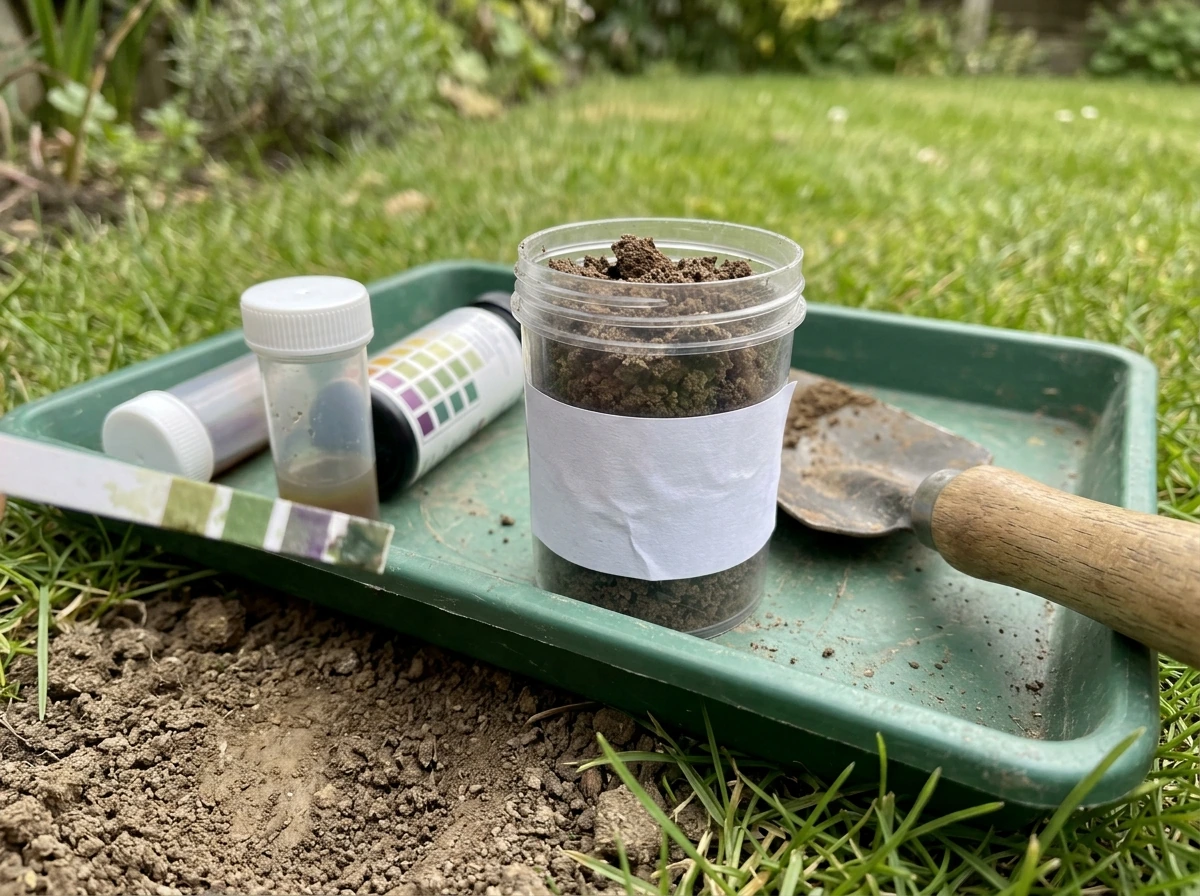
Bare dirt is not the same as good seedbed. If you skip soil prep, you are betting that seed will germinate in compacted, nutrient-poor, or pH-imbalanced ground. It usually does not work well. Spending two or three hours on soil prep is worth more than any premium seed blend.
Test your soil pH first
A basic soil test costs around $15 to $20 through your local cooperative extension office and tells you exactly what you are working with. Most grasses want a pH between 6.0 and 7.0. Tall fescue and bermudagrass do well in the 5.5 to 6.5 range. Kentucky bluegrass prefers 6.5 to 7.2. If your pH is too low (acidic), add lime. If it is too high (alkaline), sulfur will bring it down. Getting pH right also increases microbial activity in the soil, which helps break down thatch and makes nutrients more available to new seedlings.
Clay soil
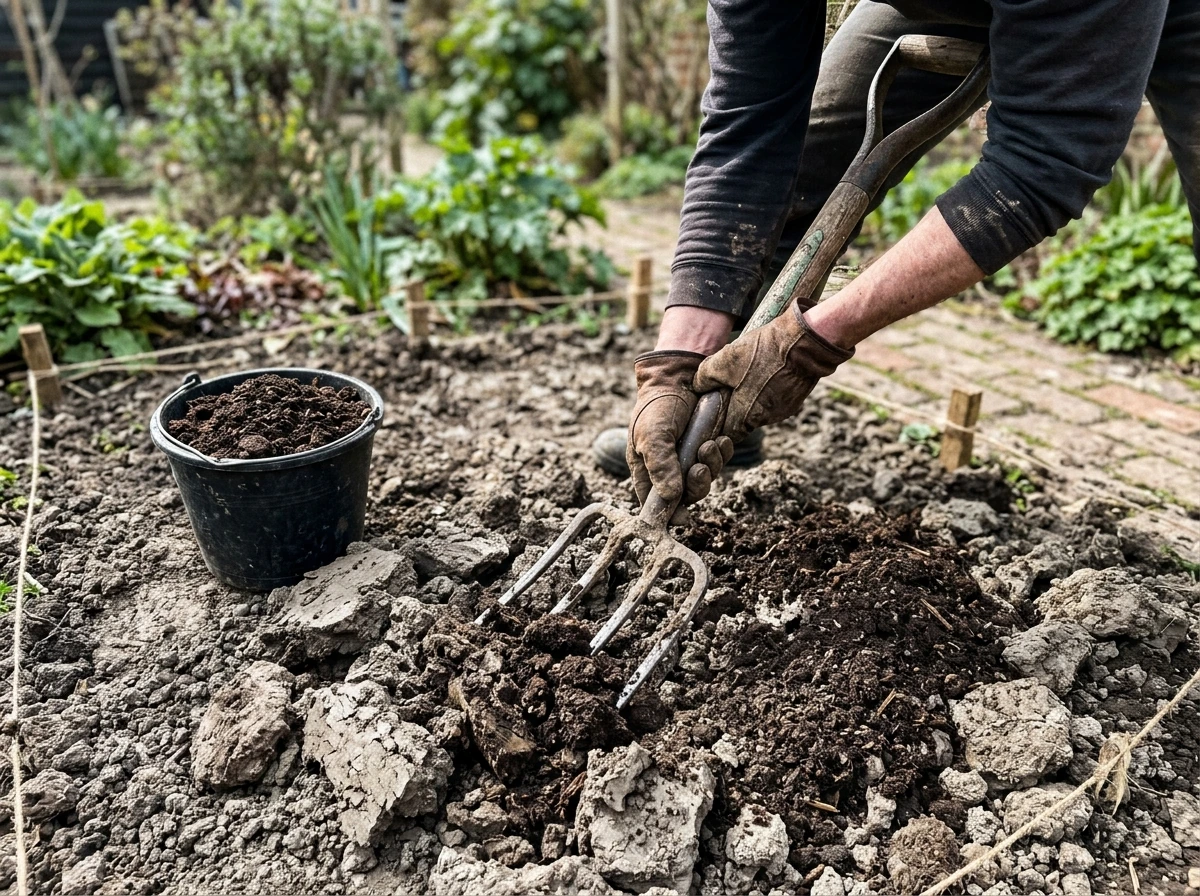
Clay holds moisture but compacts easily and drains poorly. Grass roots struggle to push through it. Loosen the top 4 to 6 inches with a tiller or a hard rake, then mix in 2 to 3 inches of compost and work it into the clay. This opens up the structure enough for roots to establish. If you are overseeding an existing clay lawn rather than starting from scratch, core aeration before seeding dramatically improves seed-to-soil contact and gives roots somewhere to go.
Sandy soil
Sandy soil drains so fast that seedlings dry out before roots can anchor. The fix is the same as clay: work in compost. Two or three inches of compost tilled into sandy soil improves water retention significantly. You will also need to water more frequently during germination since sandy soil dries out fast, especially on warm days.
Thatch and debris
Thick thatch (more than about half an inch) blocks water, air, and nutrients from reaching the soil and can prevent seed from making soil contact at all. If you are seeding into an existing lawn that has a spongy feel underfoot, dethatch or core-aerate before you seed. On completely bare areas, rake out any dead grass, rocks, and debris so you are working with a clean seedbed.
Starter fertilizer
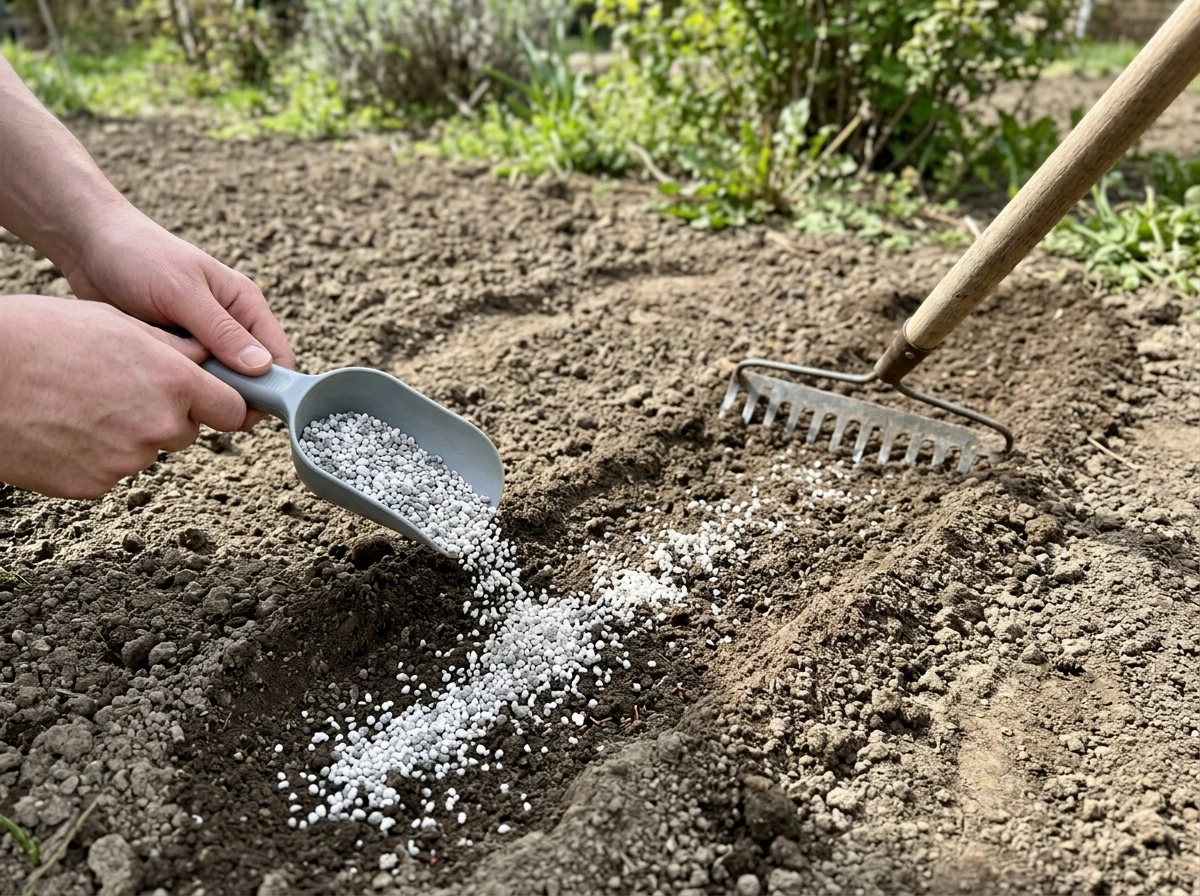
Before seeding, apply a starter fertilizer that is high in phosphorus. Phosphorus is the most important nutrient for new turf establishment because it drives root development. Penn State Extension notes that starter fertilizers are a small amount applied near the seed to meet seedling nutrient demands until roots develop, and they generally contain nitrogen and phosphorus starter fertilizers are applied in small amounts near the seed. Even if a soil test shows adequate phosphorus levels, using a starter fertilizer at planting is worth doing. Follow the bag rate for your square footage. Do not skip this step if you want fast, even establishment.
Seed vs. sod: which approach is right for you
Both methods work. The right choice depends on your budget, timeline, grass type, and how much bare ground you are covering.
When seed makes sense
Seeding costs significantly less than sod, typically a fraction of the price per square foot, and gives you access to a wider range of grass varieties including newer disease-resistant cultivars. Cool-season grasses like tall fescue, Kentucky bluegrass, and perennial ryegrass are all readily available as quality seed. Seeded bermudagrass (using hulled seed) is also viable. The tradeoff is time: you are looking at 2 to 4 weeks for germination and 8 to 12 weeks before the lawn can handle regular foot traffic.
When sod is the better call
Sod gives you an instant lawn and is the preferred method for warm-season grasses like zoysiagrass, bermudagrass (in many situations), and St. Augustinegrass. These grasses spread primarily through stolons and rhizomes, and plugging or sodding gets you there faster and more reliably than seeding. Sod is also smarter on slopes where seed would wash away before it germinates, or when you need the lawn ready for a specific event or deadline. The critical window after laying sod is the same as seeding: 4 to 8 weeks of careful watering while roots knit into the soil.
| Factor | Seed | Sod |
|---|---|---|
| Cost | Low ($0.05–$0.15/sq ft) | Higher ($0.50–$2+/sq ft) |
| Time to use lawn | 8–12 weeks | 2–4 weeks |
| Grass variety options | Wide selection | Limited to what's stocked |
| Best for warm-season grasses | Bermuda (hulled seed) | Zoysia, St. Augustine, Bermuda |
| Slope/erosion risk | High without mulch | Low |
| Effort | More steps, longer care period | Heavy lifting upfront, easier after |
Quick recommendation: if you are a homeowner on a budget covering a large bare backyard with a cool-season grass, seed is almost always the right call. If you need results fast, are working with a warm-season variety, or have a small high-visibility area (like a front yard strip), sod is worth the extra cost.
How to actually plant your grass, step by step
Timing your planting
Timing is everything. For cool-season grasses, late August through early September is the sweet spot in most northern regions. Soil temperatures are still warm enough to drive germination (you want soil temps above 55°F), but cooling air temperatures reduce the competition from weeds and heat stress on seedlings. Spring seeding works too, but fall establishment almost always produces a better lawn. For warm-season grasses, plant in late spring to early summer when soil temperatures at 4 inches deep reach 65°F or above. Bermudagrass needs roughly 100 days of warm growing conditions to build roots and rhizomes before winter, so do not plant late in the season.
Step-by-step planting process
- Mow or clear the area. Remove any dead grass, weeds, rocks, and debris. If existing lawn is present, mow it short.
- Dethatch or aerate if needed. If the soil is compacted or thatch exceeds half an inch, aerate or dethatch before proceeding.
- Loosen the top 4 to 6 inches of soil. A tiller works well for bare areas. For overseeding, a core aerator accomplishes this without full tilling.
- Amend the soil. Work in 2 to 3 inches of compost if dealing with heavy clay or dry sandy soil. Level the area with a rake so you do not have low spots that will pool water.
- Apply starter fertilizer. Spread according to bag directions before seeding.
- Spread seed at the correct rate. Use a broadcast or drop spreader for even coverage. Apply half the seed in one direction, then the other half perpendicular to the first pass. This cross-hatching technique prevents streaky, uneven results.
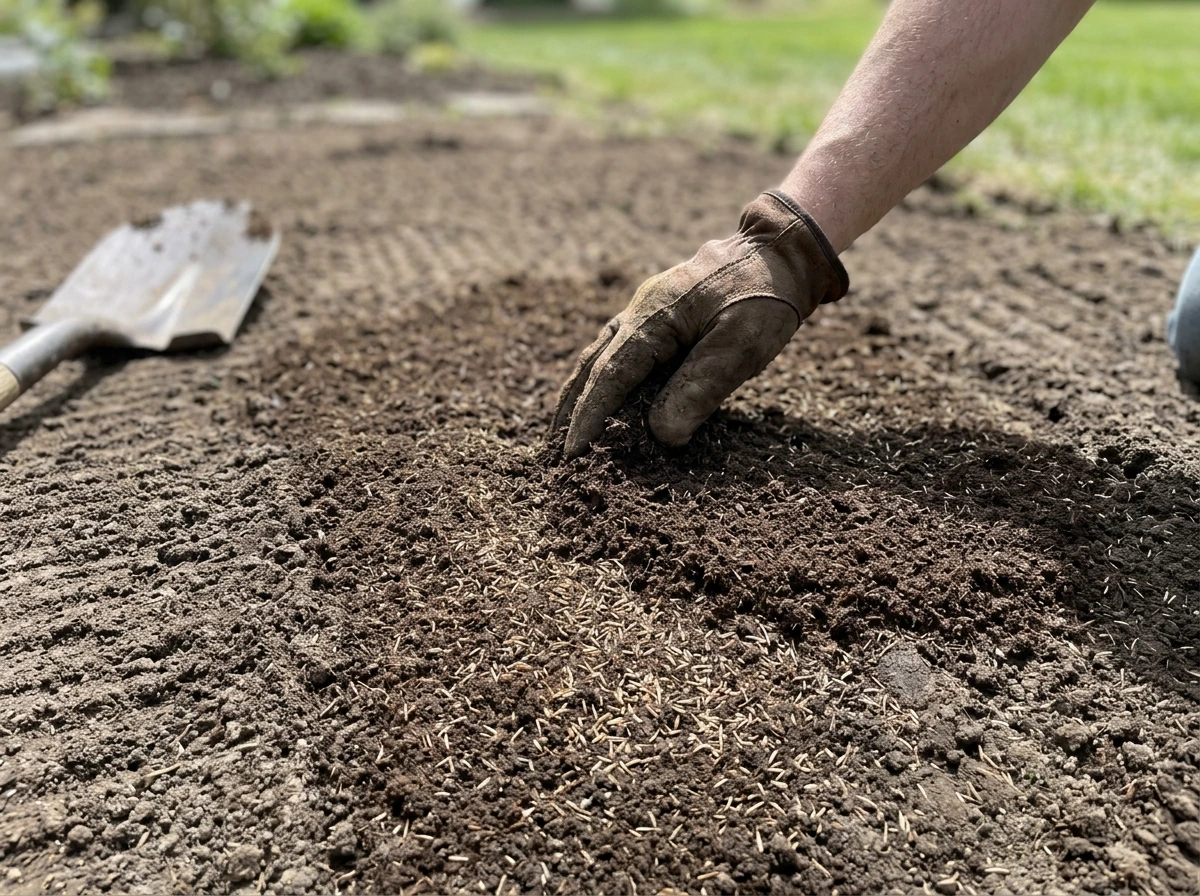
- Rake the seed lightly into the top quarter inch of soil. Good seed-to-soil contact is critical. Seed sitting on top of loose mulch or on top of the soil surface often fails to germinate.
- Apply a light straw mulch over seeded areas where erosion or moisture retention is a concern. Use about one bale per 1,000 square feet. The mulch should be thin enough that you can still see the soil through it.
- Water immediately and begin your germination watering schedule.
Watering schedule: the germination phase
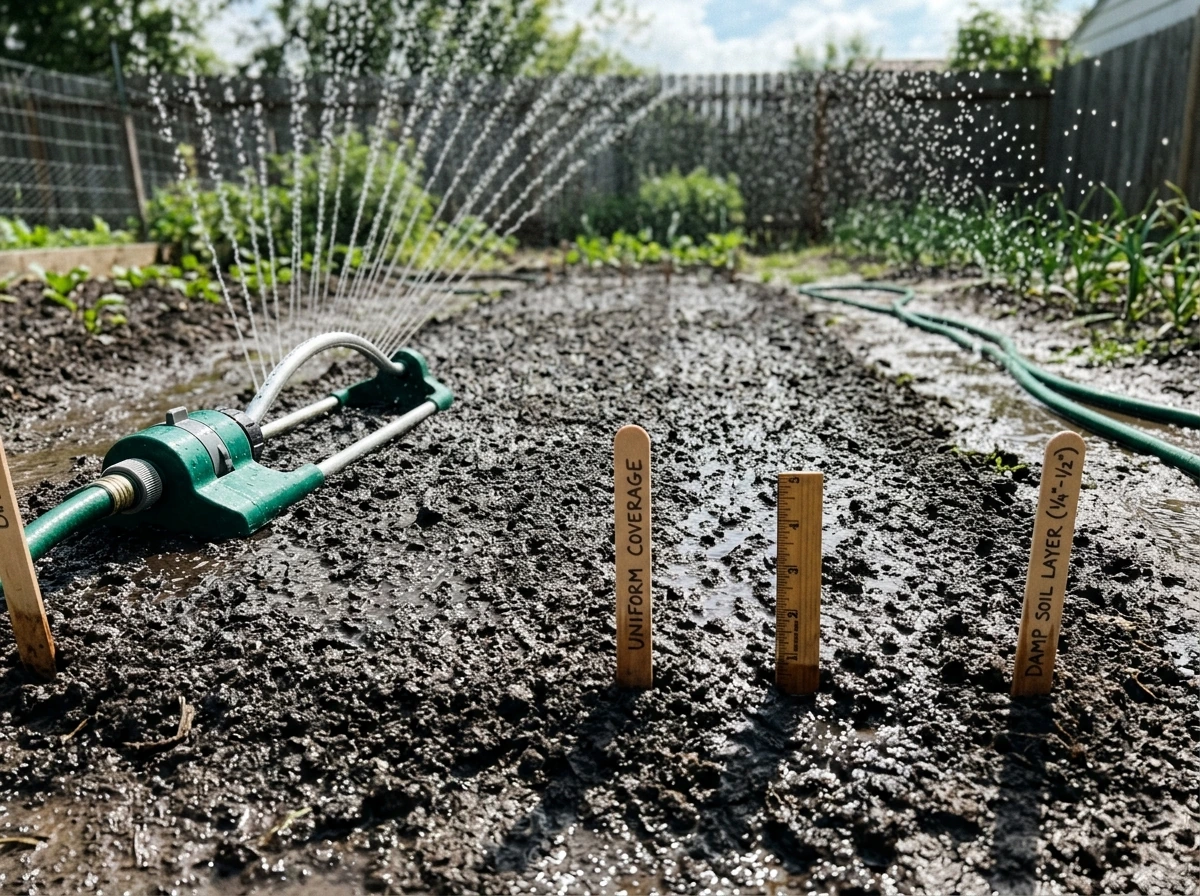
During the first 2 to 3 weeks, your job is to keep the top inch of soil consistently moist without washing the seed away. Water lightly 2 to 3 times per day in small amounts. You are not trying to soak the soil deeply at this stage, you are just preventing the seed from drying out between watering cycles. On hot or windy days, check the soil surface in the afternoon and add a light pass if it looks dry.
Once seedlings reach 2 to 4 inches tall and roots are pushing into the soil, shift your schedule toward deeper, less frequent watering. Deep watering (enough to wet the soil several inches down) encourages roots to chase moisture downward, which builds a stronger plant. Daily light watering does the opposite: it keeps roots shallow and makes the lawn more vulnerable to drought and heat stress. After full establishment, aim for about 1 to 1.5 inches of water per week applied in two or three sessions.
First mowing
Do not mow until new grass reaches about 3 to 4 inches tall. The first mow should take off no more than one-third of the blade height. Mowing too early tears seedlings out of the ground before roots are anchored. For tall fescue, a mowing height around 2 to 3 inches is appropriate. Bermudagrass is typically kept at 1 to 1.5 inches once established. Zoysiagrass falls somewhere in between.
How to grow grass faster and fill bare spots
If you want faster results or you are dealing with stubborn bare spots that keep failing, these are the moves that actually make a difference.
Use the right seed rate and do not skimp
Underseeding is one of the most common mistakes. If you use too little seed, you get thin coverage and weeds fill the gaps before grass does. Tall fescue needs 5 to 8 pounds per 1,000 square feet for new establishment. Perennial ryegrass is 4 to 6 pounds for new seeding, and 12 to 15 pounds per 1,000 square feet when overseeding into an existing lawn (like overseeding bermudagrass for winter color). Measure your area and calculate before you buy seed.
Topdress after seeding
After spreading seed, apply a thin layer of fine compost or peat moss over the area, about a quarter inch deep. This holds moisture around the seed, improves soil contact, and moderates soil temperature swings. It is especially useful for small bare patches where you cannot till the soil without disturbing surrounding grass.
Match your overseeding approach to the grass type
For cool-season lawns, core aerate in fall before overseeding. The cores pulled up break down and add organic matter back to the soil, and the holes give seed a perfect place to land with direct soil contact. For warm-season lawns, overseeding with annual or perennial ryegrass in late fall (after bermudagrass goes dormant) keeps the lawn green through winter. Time this carefully: overseeding too early when the soil is still warm will favor the bermudagrass and set back the ryegrass.
Keep foot traffic off new grass
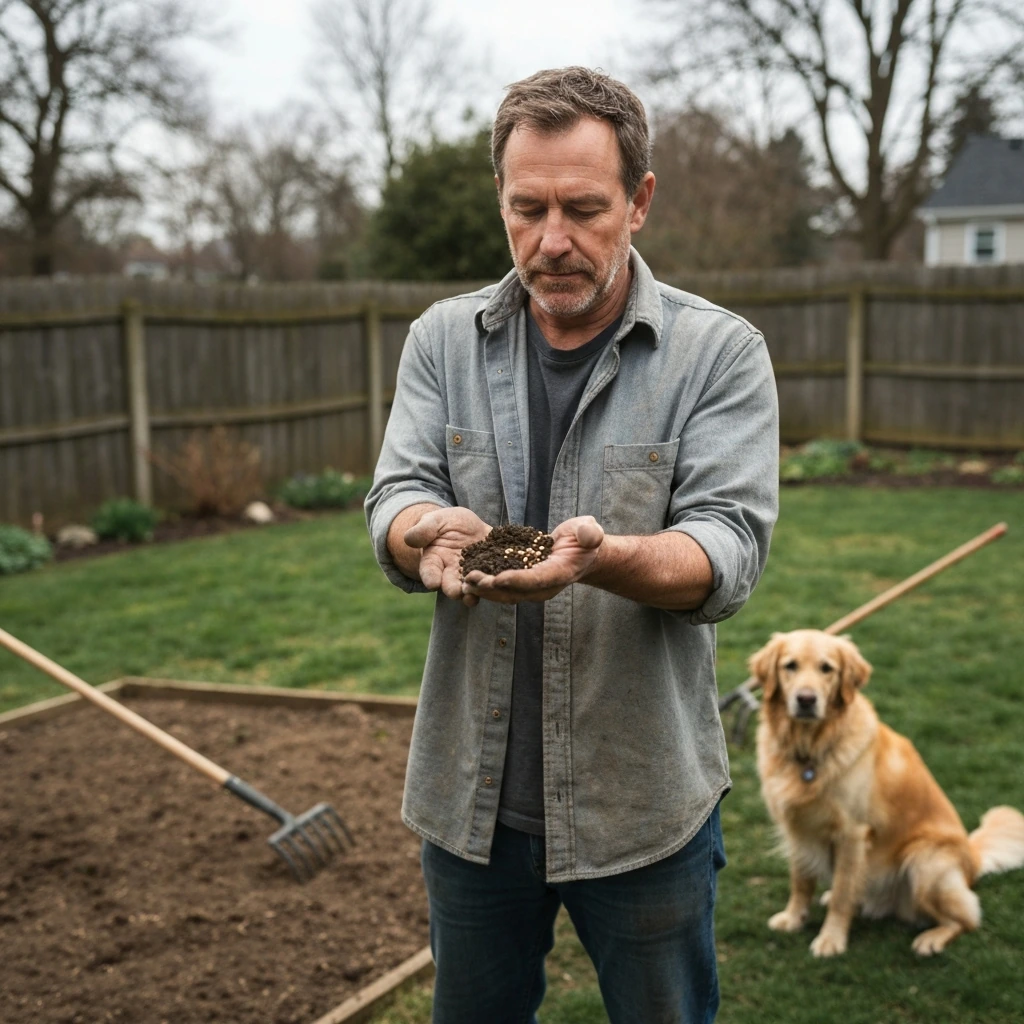
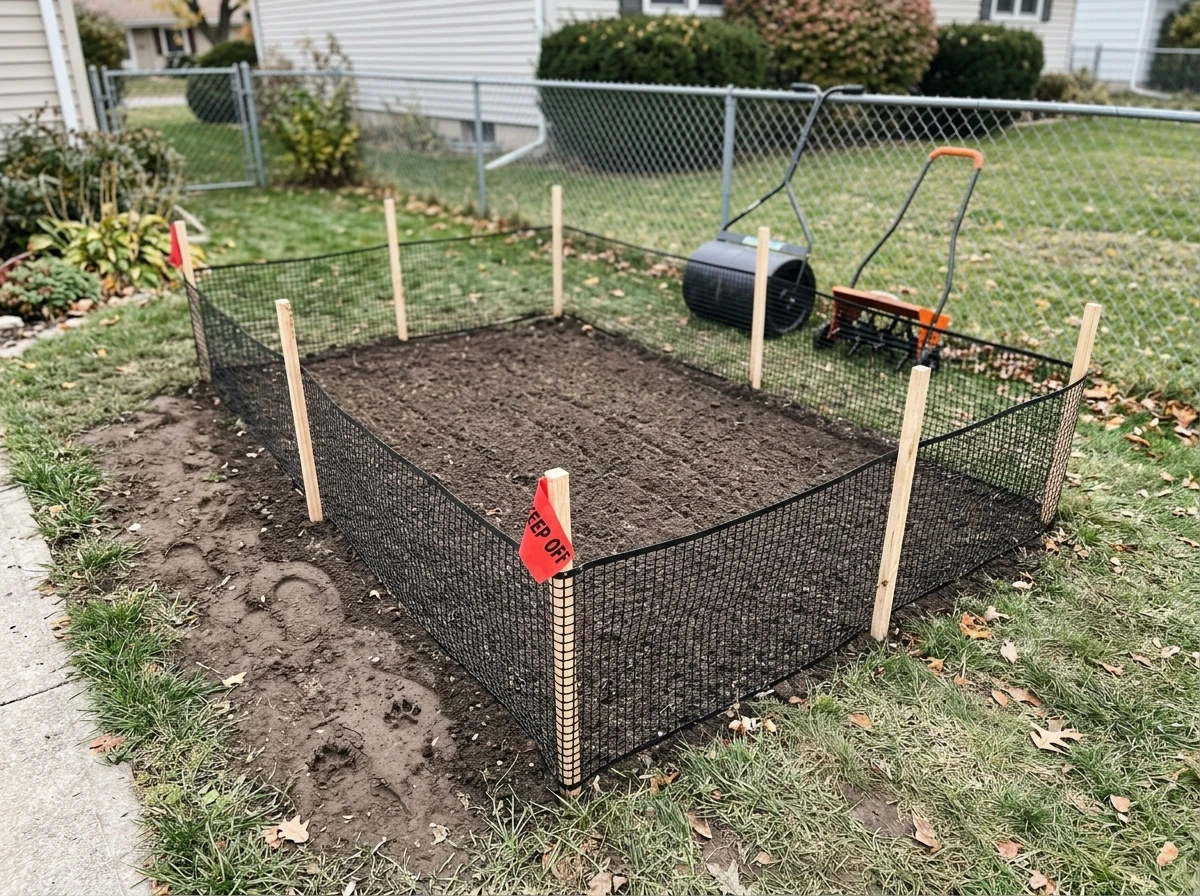
New seedlings are fragile for the first 4 to 8 weeks. Foot traffic, pets running, and equipment rolling over germinating seed can pull seedlings out of the ground or compact the soil before roots establish. Put up a simple rope barrier or stakes and string if needed. If you have dogs, redirect them to a different part of the yard for at least 6 to 8 weeks.
What to do if seed just will not germinate
If two to three weeks pass and nothing is coming up, work through this checklist: Was the soil temperature too cold at planting time? Germination stalls when soil is below 50°F for cool-season grass or below 65°F for warm-season. Did the seed dry out even once during the germination window? Even a single day of dryness can kill seeds that were just starting to sprout. Was seed buried too deep? Seeds pushed more than half an inch down often fail. Is there too much shade? Shade does not just slow grass, it can prevent germination entirely for sun-loving varieties.
Troubleshooting problem areas: front yard, garden beds, shade, pets, and more
Front yard vs. backyard
Your front yard usually gets more sun exposure and is more visible, which means the pressure to get it right the first time is higher. Stick to the same process but pay extra attention to leveling the seedbed so you do not end up with visible bumps or low spots. Backyard lawns often deal with more shade from fences and trees, more foot traffic, and more pet damage. For a heavily shaded backyard, tall fescue is typically your best seeded option. If bermudagrass or zoysiagrass is your warm-season base, focus your shade mitigation on trimming tree limbs to let more light through rather than fighting the grass.
Bare patches that keep coming back
If the same spots keep dying, the problem is not the seed. It is usually one of three things: compaction from repeated foot traffic, a drainage issue where water pools and drowns roots, or a grub or pest problem killing the roots underground. Compaction fix: core aerate that specific spot and topdress with compost before reseeding. Drainage issue: you may need to grade the area or build a simple dry creek bed to redirect water. Grub problem: look for spongy, easily-pulled turf and treat with an appropriate grub control before reseeding.
Shaded areas
Deep shade (fewer than 3 to 4 hours of sun) is genuinely difficult for any grass. For those spots, use a shade-tolerant mix: fine fescue blends are formulated for this and perform well under trees. Reduce fertilizer inputs in shaded areas since less light means slower growth and less nutrient uptake. Avoid overwatering, as shaded soil dries more slowly and waterlogged roots in shade invite disease.
Yards with dogs
Dog urine creates high-nitrogen burn spots, and their running paths compact soil quickly. For dog-heavy yards, tall fescue holds up better than Kentucky bluegrass or fine fescue because it has deeper roots and recovers more aggressively. Keep a small bag of seed and some compost on hand and spot-reseed burned or worn areas each fall. Rinsing the area with water after your dog uses it can also dilute the nitrogen enough to prevent burning.
Regional climate differences
In the transitional zone (think Virginia, Tennessee, North Carolina, and similar states), neither purely cool-season nor purely warm-season grasses are fully at home. Tall fescue is the most reliable choice in this zone because it bridges the gap. In the arid Southwest, bermudagrass is often the most practical option and overseeding with ryegrass in winter keeps things green year-round. In the Pacific Northwest, perennial ryegrass and fine fescues are common because of the cool, wet climate, but tall fescue is growing in popularity for its durability. In the upper Midwest and Northeast, Kentucky bluegrass and tall fescue mixes are standard, with fall seeding producing the best results by far.
Your next step based on your situation
If it is currently late summer or early fall and you have cool-season grass: this is your best window all year. Get a soil test, amend and aerate this week, and seed before temperatures drop. If you are in spring with a warm-season lawn: wait until soil temps hit 65°F at 4 inches, then plug or sod zoysiagrass or bermudagrass.
If you have bare spots right now regardless of season: scratch the surface, topdress with compost, apply seed at the correct rate, and water it in. If you are wondering what to use to grow grass, start by matching the grass type to your climate and sun, then prepare the soil before you seed or sod.
If you are still deciding what grass to buy, you will also need to match the seed to your climate and sunlight hours before you start. Even off-season spot repairs are better than leaving bare soil open to weeds. If you have persistent problem areas that reseeding has not fixed: investigate the underlying cause first. Compaction, drainage, pests, or shade will beat good seed every time if you do not address them directly.
FAQ
How much seed should I buy for my backyard, and do I round up?
Measure square footage of bare and patchy areas separately, multiply each by the correct pounds per 1,000 sq ft for your grass type, then add 10 to 15% extra for spreader overlap and any uneven ground. If your soil is uneven or you plan to topdress, the extra seed helps avoid thin coverage at edges.
Should I use mulch or straw after I seed, or will it smother the grass?
Fine compost or peat moss (about a quarter inch) is the safer topdressing because it holds moisture without blocking seedlings. Straw can be okay in very windy places, but keep it light and breathable, remove any thick straw layer after germination, and never cover deep enough to stop seed-to-soil contact.
How do I know if my watering schedule is too much or too little during germination?
The goal is consistently moist topsoil, not waterlogged ground. If you see puddles, a sour smell, or seedbed crusting and algae, cut back. If the surface dries within a day or the seedbed feels light and powdery, increase frequency in smaller cycles. Re-check the top inch with your finger each afternoon.
When should I fertilize after seeding, and can I use regular lawn fertilizer?
Starter fertilizer with phosphorus at planting supports root establishment, then pause on additional fertilizing until the lawn is actively growing and you have mowed at least once or twice. For later feedings, use a balanced lawn fertilizer, avoid high-nitrogen applications early, and follow the bag schedule based on square footage to prevent weak, disease-prone growth.
Do I need to dethatch or aerate even if my yard is bare in spots?
Bare areas benefit from cleaning to remove debris and loosen the top layer so seed can contact soil. If the surrounding lawn feels spongy or there is a thick layer of dead plant material (thatch), core aeration or light dethatching near the failing spots improves seed contact and reduces competition. If the area is truly bare, you usually do not need full dethatching across the whole yard.
Can I overseed into existing grass without re-prepping the soil?
Yes, but results drop when there is no seed-to-soil contact. Core aeration is the simplest way to create contact points and reduce competition. If you cannot aerate, lightly scratch the surface and topdress with compost, then keep foot traffic off for several weeks.
What mowing height should I use for my first mow, and how strict is the one-third rule?
For the first mow, cut no more than one-third of blade height and do not go shorter than the recommended range for your grass. If you are between 3 and 4 inches tall, target around the middle of the proper height window for that species. If growth is slow or blades look stressed, wait a few more days rather than cutting deeper.
Why are my seeds germinating unevenly in stripes or patches?
Common causes are uneven sun or moisture, spreader settings that vary across the yard, and inconsistent soil contact (seed sitting on debris or crusted dirt). You can fix many patchy failures by lightly raking the failed zone, adding thin compost, applying seed at the correct rate, and spot-watering to re-establish moisture.
What temperature matters most for germination, air or soil?
Soil temperature is what drives germination. If cool-season seed is placed when soil is below about 50°F, or warm-season seed is placed below about 65°F (at about 4 inches deep for warm-season planning), germination can stall even if air feels warm. Use a soil thermometer rather than guessing based on the weather forecast.
Is it okay to seed if it rains soon after I plant?
Light rain can help if the seedbed stays intact, but heavy rain can wash seed deeper than recommended or create crusting. If rain is expected to be intense, water can be reduced beforehand, and you should avoid tilling or topdressing that makes the surface more likely to erode. After germination, continue with consistent light moisture rather than relying on sporadic storms.
How do I deal with weeds while grass is establishing?
Early on, the best weed control is competition management: seed at the correct rate, keep moisture consistent so grass establishes quickly, and mow only after seedlings are well anchored. Avoid pre-emergent herbicides unless you are sure they are compatible with your seeding timeline, because some products can block germination.
Do I need a roller after seeding to improve success?
Rolling can improve seed-to-soil contact when the soil is very loose or you have lots of small air pockets. It is usually not necessary if you already prepared the seedbed well and topdressed lightly. Do not over-compact clay or wet soil, which can reduce drainage and root penetration.
What should I do if a couple of problem areas keep failing year after year?
Treat it like a diagnosis problem, not a seeding problem. Check for compaction (foot traffic or matted turf), pooling water after rain (drainage), persistent deep shade (less than about 3 to 4 hours of sun), and underground pests like grubs. Fix the limiting factor first, then core aerate or scratch, re-seed, and protect from traffic until established.
Next Article
Best Way to Grow Grass: Step-by-Step Lawn Setup
Step-by-step guide to the best way to grow grass: seed choice, soil prep for clay/sand/shade, timing, watering, and fixi