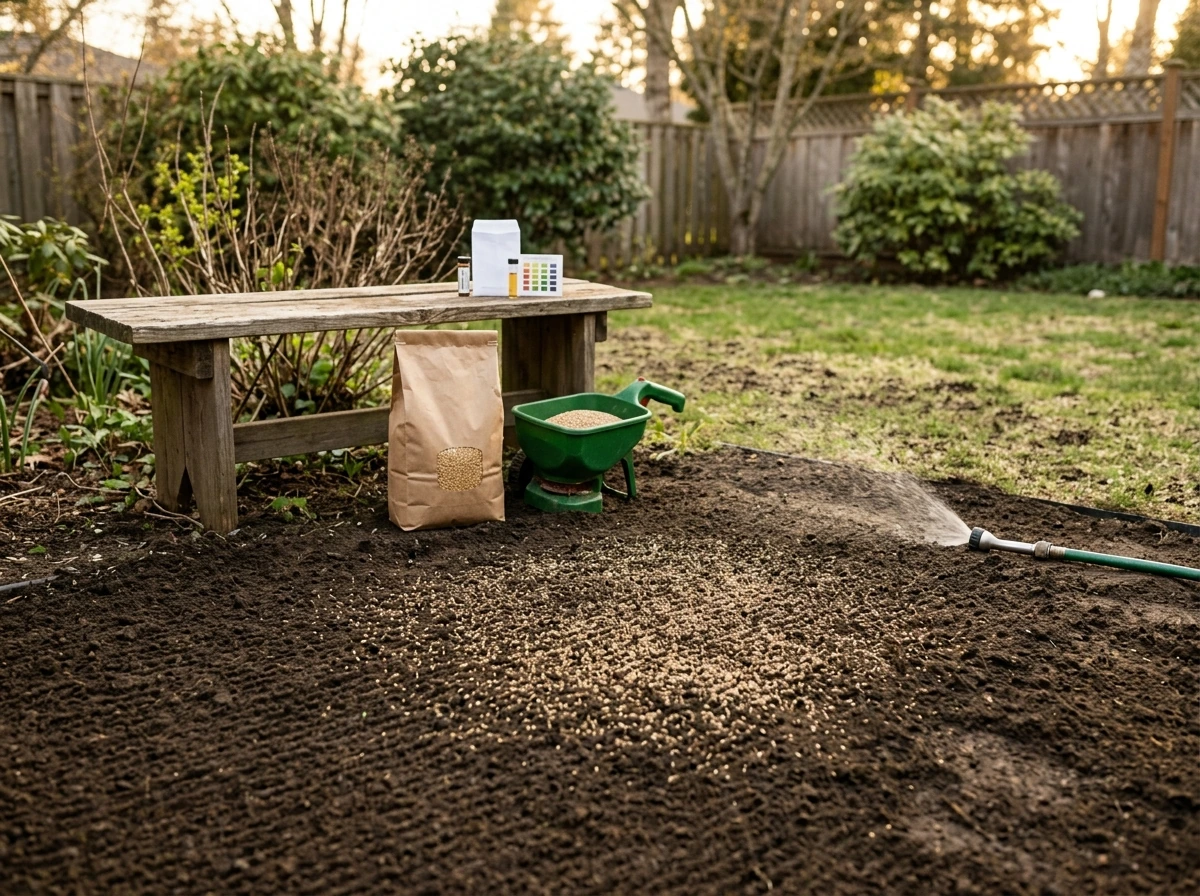
The best way to grow grass is to match the right seed to your region and conditions, prep your soil so it actually supports germination, seed at the right time of year, and then water consistently until seedlings are established. That sounds simple, but most failed lawns come down to skipping one of those steps, usually the timing or the soil prep. This guide walks you through the whole process in order, first mow
Best Way to Grow Grass: Step-by-Step Lawn Setup
Marcus Tillwell
24 Mar 2026
Pick the right grass type for your region and conditions
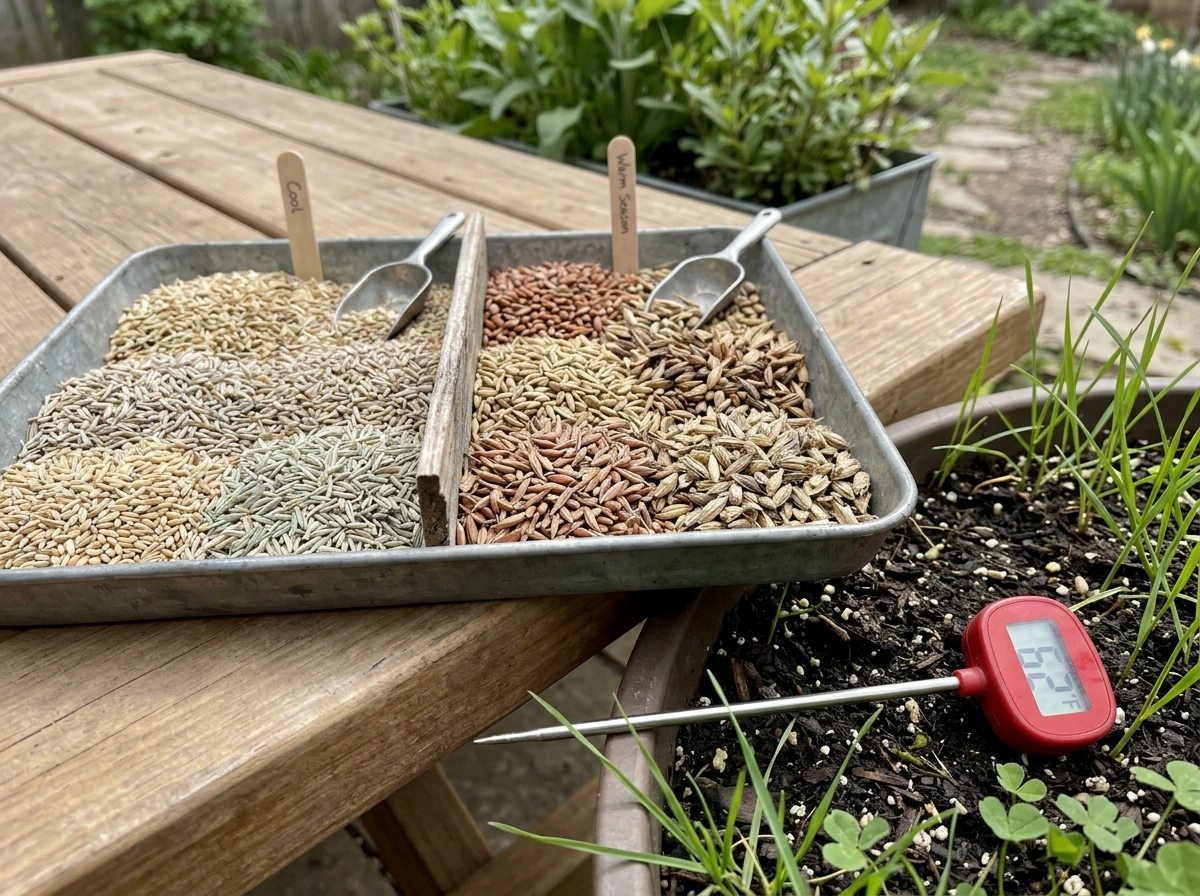
Before you buy a single bag of seed, you need to know whether you live in a cool-season or warm-season grass zone. If you want a simple checklist for what do i need to grow grass, start with choosing the right grass type for your region and conditions before you seed. Getting this wrong is probably the most common reason homeowners end up with patchy, struggling lawns. Grass that isn't matched to your climate will fight you every step of the way.
Cool-season grasses, including Kentucky bluegrass, tall fescue, fine fescue, and perennial ryegrass, thrive in the northern half of the country. They do their best growing when soil temperatures are between 50°F and 65°F, which is why fall and early spring are their prime seasons. Among cool-season options, creeping bentgrass, Kentucky bluegrass, and fine fescues handle cold winters best. Tall fescue and perennial ryegrass are a little less cold-tolerant but still solid choices for most of the transition zone and northern states.
Warm-season grasses like bermudagrass and zoysiagrass are your best bet in the South and Southwest. They love heat, handle drought better than cool-season grasses, and go dormant (turn brown) in winter. One important thing to know: bermuda and zoysia are most commonly established from sod, sprigs, or plugs rather than seed. If you want to grow them from scratch, plan on using vegetative methods for the best results. Buffalograss is an exception and can be grown from seed if you're in the right region.
Shade is its own consideration regardless of region. If you're dealing with a yard that gets fewer than four hours of direct sun daily, fine fescues are your most reliable option in cool climates. In warm climates, zoysiagrass tolerates shade better than bermuda does, though neither warm-season grass is truly shade-loving. If you have a heavily shaded backyard, be realistic: grass will always struggle there, and even the best shade-tolerant varieties need some light to survive.
| Grass Type | Best Region | Establishment Method | Shade Tolerance | Drought Tolerance |
|---|---|---|---|---|
| Kentucky Bluegrass | North/Cool climates | Seed | Low | Moderate |
| Tall Fescue | North/Transition zone | Seed | Moderate | Moderate-High |
| Fine Fescue | North/Cool climates | Seed | High | Moderate |
| Perennial Ryegrass | North/Transition zone | Seed | Low-Moderate | Low |
| Bermudagrass | South/Warm climates | Sod/Sprigs/Plugs | Low | High |
| Zoysiagrass | South/Transition zone | Sod/Sprigs/Plugs | Moderate | High |
| Buffalograss | Great Plains/Warm | Seed | Low | Very High |
If you're patching bare spots rather than starting from scratch, match your seed to whatever grass is already in your lawn. For example, if you have a tall fescue lawn, use tall fescue seed for repairs. Mixing grass types creates a patchy, inconsistent look that never quite blends in.
Timing: when to seed for new grass success
Timing is probably the single most controllable factor in whether your grass takes. Seed at the wrong time and you're fighting the weather instead of working with it.
Cool-season grasses: seed in late summer or early fall
For cool-season grasses, late summer is the sweet spot. In most northern states, mid-August through mid-September gives you the best combination of warm soil (which speeds germination) and cooling air temperatures (which reduce stress on young seedlings). Minnesota Extension specifically recommends that window, and Maryland Extension advises starting the overseeding process in early to mid-August. Missouri Extension points out that late summer works because soil temperatures are still warm enough to drive rapid germination, especially if you follow up with irrigation.
Spring seeding is a backup option, not a first choice. You can seed cool-season grasses in early spring, but you're racing against summer heat. As soon as soil temperatures hit 90°F, root growth in grasses like Kentucky bluegrass essentially stalls. Spring-seeded lawns often go into their first summer already stressed, which means more watering and more risk of failure. If spring seeding is your only option, get it done as early as possible, ideally by mid-March in most northern areas.
Warm-season grasses: wait for warm soil
For bermuda, zoysia, and other warm-season grasses, you want to establish them in late spring through early summer when soil temperatures are consistently warm and the growing season is just ramping up. Planting too early while soil is still cold leads to poor establishment and weed problems. In Oklahoma and similar transition-zone states, late spring is generally the recommended window for warm-season establishment.
Site prep: soil testing, fixing clay/sand, and clearing bare spots
Good site prep is where most DIY lawn projects succeed or fail. You can buy the best seed on the market, but if it lands on compacted clay or dry sand with a bad pH, it's not going anywhere.
Start with a soil test
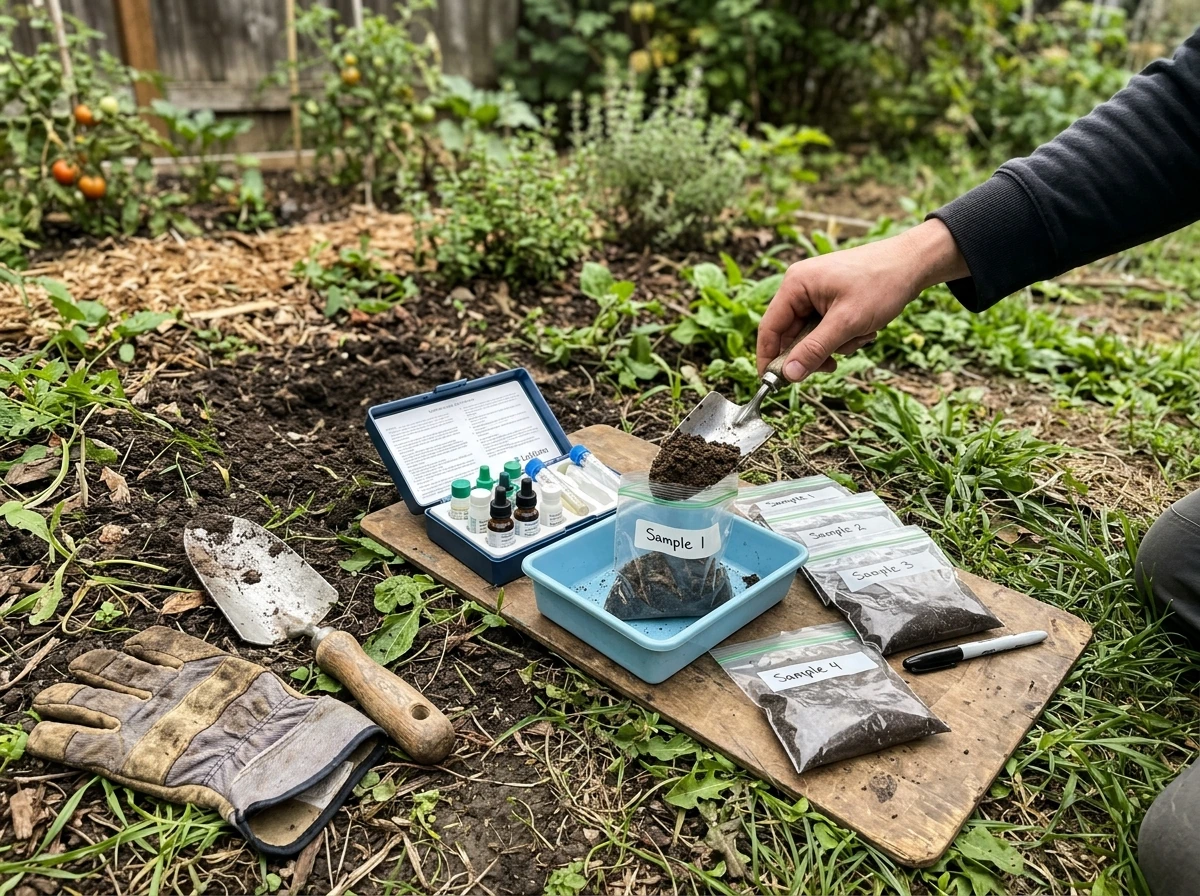
A basic soil test tells you your pH and major nutrient levels, and it comes with fertilizer recommendations you can actually follow. Penn State Extension notes that most turfgrasses do best in a pH range of roughly 6.0 to 7.5. If your soil is more acidic than that, especially if pH drops to 5.5 or below, you can run into deficiencies of calcium, magnesium, and phosphorus, while aluminum and manganese build up to levels that actively harm grass. The fix is lime, and fall testing is ideal because it gives lime time to work before the next growing season. Your local cooperative extension office can test your soil for a small fee, usually under $20.
If your soil is clay
Clay soil holds nutrients well but compacts easily and drains poorly, which suffocates grass roots. Before seeding, work compost into the top 4 to 6 inches if you're starting a new area. For existing lawns, core aeration followed by a compost topdress is the most practical approach. Topdress to a depth of about a quarter to a half inch of compost, which improves soil structure and also helps hold moisture in the seedbed without waterlogging it.
If your soil is sandy
Sandy soil drains fast, sometimes too fast for seedlings to stay consistently moist during germination. Compost is again your best friend here. Work it in generously before seeding to improve water retention. Sandy soils also tend to be nutrient-poor, so your soil test results will guide you on what to add before seeding.
Clearing bare spots
For bare patches, whether from pet traffic, disease, heavy shade, or foot traffic, the prep process is straightforward. Rake out any dead grass and debris, then loosen at least the top inch of soil with a hand rake or cultivator. If the spot is larger, a rented slit seeder or vertical mower makes the job much easier and gives better results than hand raking. Work a small amount of compost into the loosened soil. The goal is to create a loose, crumbly seedbed, not packed dirt. Seed has almost no chance of establishing in compacted, undisturbed soil.
Seedbed and sowing techniques for even coverage
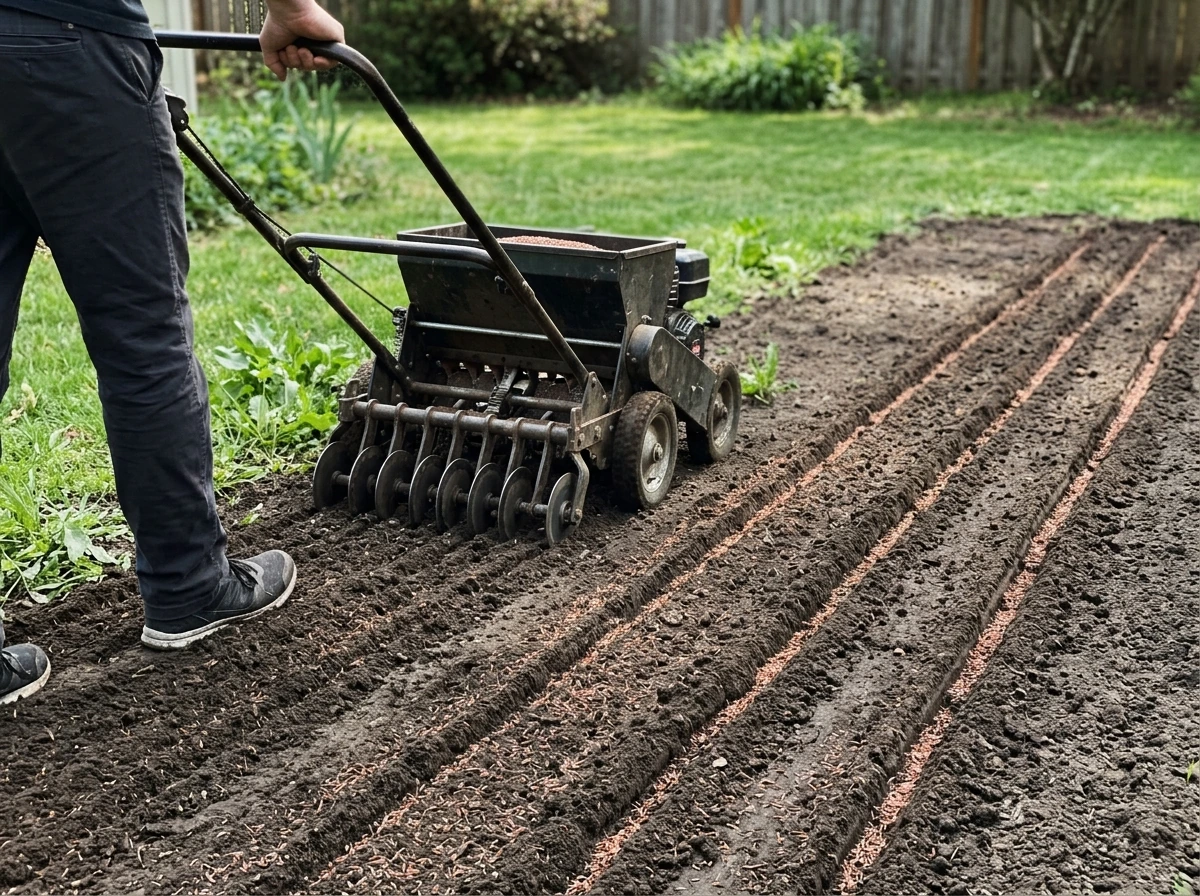
How you put seed down matters more than most people think. Broadcast spreading (the common method of just throwing seed out) is easy and works for large areas, but it produces uneven seed-to-soil contact, which makes it harder when you’re trying to grow grass evenly. For the most reliable germination, especially in bare spots, you want seed touching soil directly, not sitting on top of thatch or air.
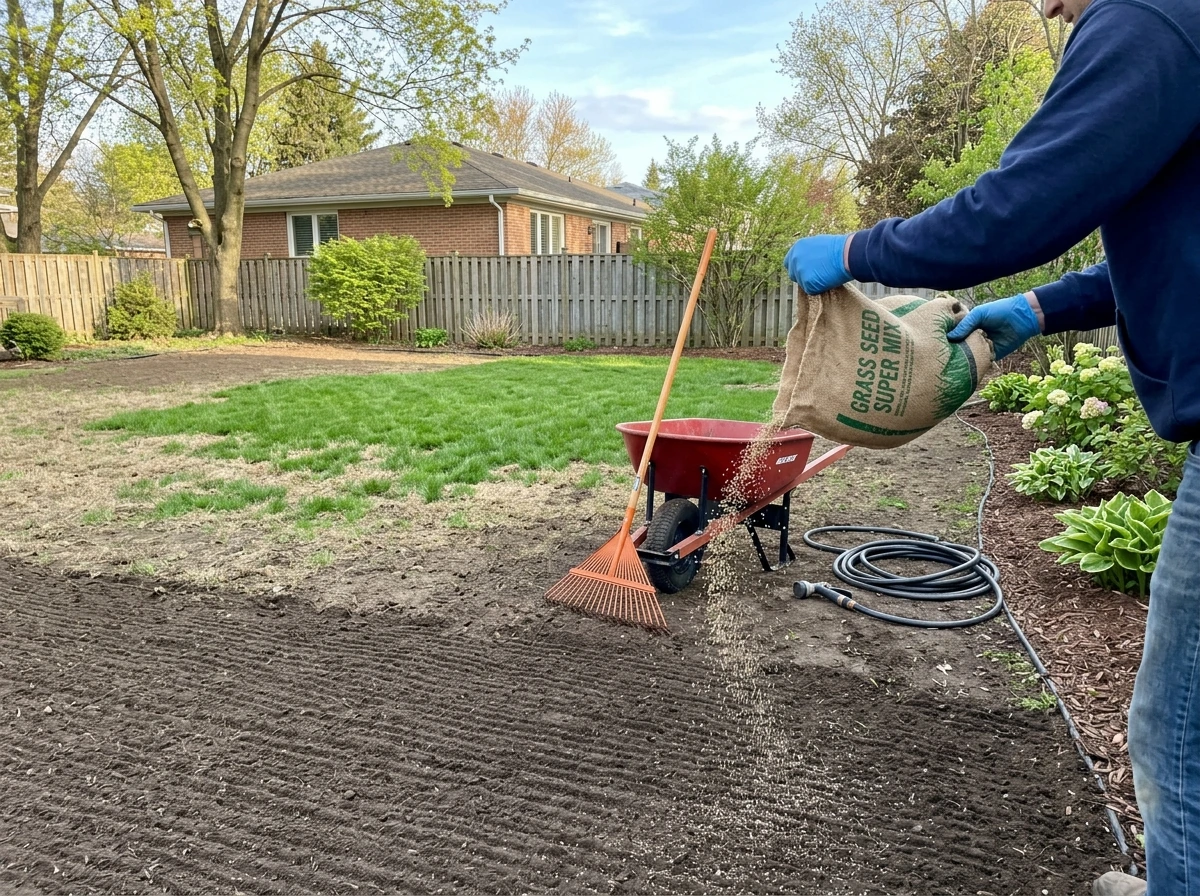
For new lawns or large renovation areas, a slit seeder (also called a slice seeder) is the most effective tool. It cuts small grooves in the soil and drops seed directly into them, which dramatically improves seed-to-soil contact over broadcast spreading. You can rent one from most equipment rental shops. For smaller patches, a hand spreader or even hand broadcasting followed by raking works fine.
After seeding, lightly rake the area so that about 10 to 15 percent of the seed is still visible. You don't want to bury it deep, since most grass seeds germinate best at or just below the surface. Then use a lawn roller or cultipacker to press seed into the soil. A cultipacker is a roller designed to press the seedbed and improve seed-to-soil contact. This step is often skipped, but it makes a real difference in germination rates. Firm contact between seed and soil is essential.
For bare spots specifically, the patch workflow that works best goes like this: loosen the top inch of soil, work in a little compost, sprinkle seed at the recommended rate (don't over-seed, it leads to crowding and damping off), tamp it down firmly, and then apply a light straw mulch to hold moisture and keep birds from eating your seed. One layer of straw, thin enough that you can still see the soil through it, is plenty.
For larger bare areas where you're adding soil, top dress with a quarter to a half inch of quality topsoil or compost before seeding, then sprinkle seed, rake lightly into the surface, roll for contact, and mulch and water the patch consistently.
Watering and germination care: how to get seedlings established
Watering is where most people either give up too early or overdo it and kill their seedlings. Newly seeded ground needs moisture consistently, but not to the point of saturation.
Right after seeding, water the area deeply, down to about 4 to 6 inches. This moistens the soil profile and gives seeds the moisture they need to start absorbing water. After that initial deep watering, switch to a light and frequent schedule, watering up to three or four times per day to keep the surface from drying out. Grass seeds die quickly if the surface dries completely during germination. You're not trying to drench the area with each watering session, just keep the top inch consistently moist. University of Missouri Extension advises that newly seeded lawns are typically watered daily, often requiring as many as four light waterings in one day to keep the seedbed moist but not saturated to a depth of 1 to 2 inches until germination keep the top inch consistently moist.
Skip irrigation during rainfall events. You don't need to water if it's raining, and overwatering is a real problem. Mushy, tan spots on seedlings are a sign of damping off, a fungal issue caused by consistently waterlogged conditions. If you see that, back off watering immediately and let the surface dry slightly between sessions.
Germination timelines vary by species. Perennial ryegrass is the fastest, often showing in 5 to 7 days under good conditions. Tall fescue takes 7 to 14 days. Kentucky bluegrass is notoriously slow and can take 2 to 4 weeks or longer, especially in cooler conditions. Don't panic if you don't see green within the first week or two. As long as the soil stays moist and temperatures are in range, germination is likely still happening.
Apply a starter fertilizer just before or right after seeding. Starter fertilizer is high in phosphorus, which supports root development in new seedlings. After that, about 4 to 8 weeks later, a follow-up application of roughly half a pound of nitrogen per 1,000 square feet helps thicken up the new turf. Base your overall fertilizer approach on your soil test results so you're not guessing.
Ongoing early maintenance and troubleshooting for thicker growth
Once seedlings are up and visible, you're not done yet. The first few weeks of establishment are critical, and a few common mistakes during this period can set back everything you worked for.
When and how to mow new grass
Mow when the grass is about one-third taller than your target mowing height. If you're aiming for a 3-inch lawn, mow when it hits 4 inches. Under good conditions, this usually happens around 4 to 6 weeks after seeding. Make sure your mower blades are sharp. Dull blades tear seedlings instead of cutting them cleanly, which stresses young plants significantly. Never scalp new grass or cut it too short, it thins the lawn and opens the door for weeds.
Stay off new grass as long as possible
Keep foot traffic off new grass for at least a month after germination, or until you've mowed it at least a couple of times. This is especially important for households with pets. Young grass plants are fragile and the root systems are shallow. Traffic before they're established compacts the soil and physically damages plants. If you have dogs, set up a temporary barrier around seeded areas and redirect them for a few weeks. It's worth it.
Hold off on weed control
Do not apply broadleaf herbicides on new grass until you've mowed it at least three or four times. New turf is highly sensitive to most herbicides, and applying them too early can kill or seriously damage seedlings. The same applies to pre-emergent weed preventers applied before seeding: they often prevent grass germination as well as weed germination. If weeds show up in your new lawn, pull them by hand for the first few weeks rather than reaching for a spray bottle. For more on what to do once seedlings are established, including how to grow great grass from the right timing to ongoing care, follow the full guide.
Troubleshooting common problems
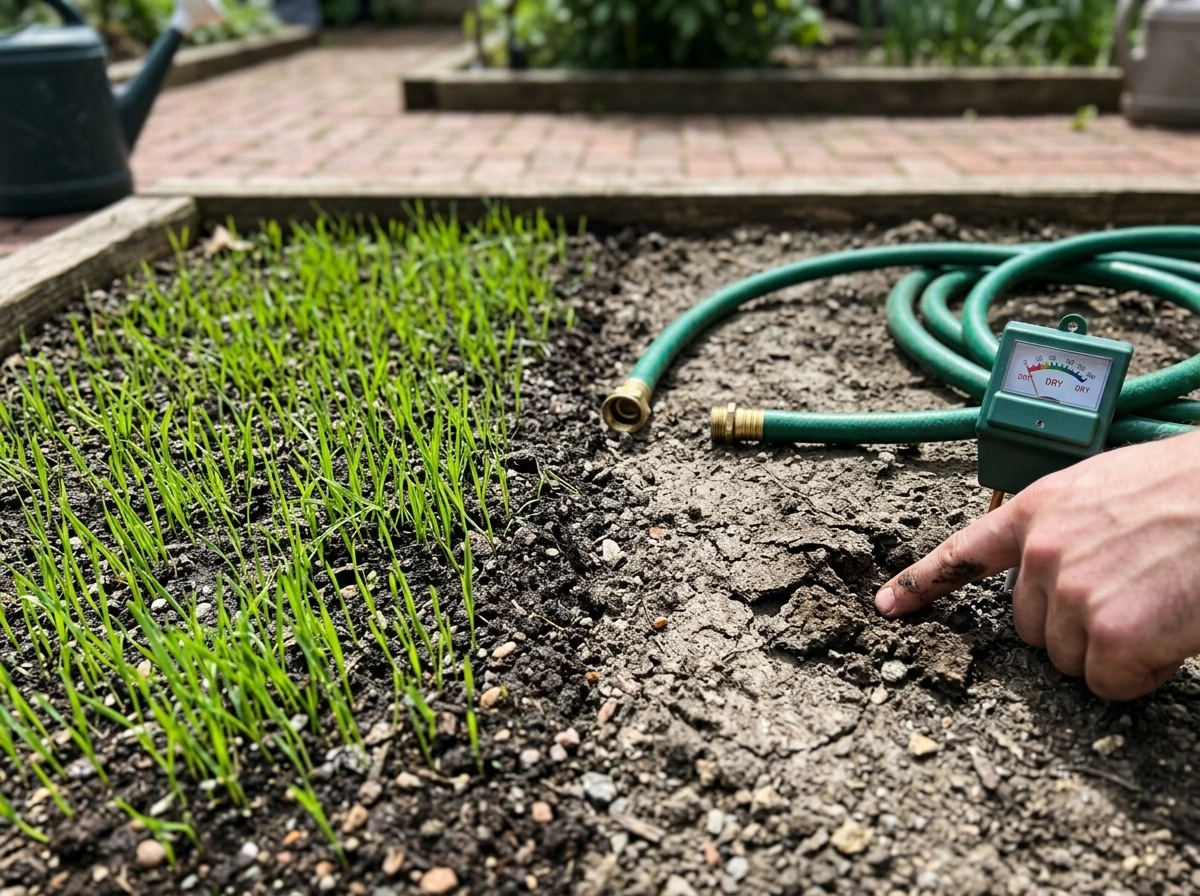
- Bare spots not germinating: Check that soil stayed consistently moist. If it dried out even once during early germination, seed likely died. Re-prep and re-seed, and this time use straw mulch to hold moisture.
- Patchy, uneven germination: Usually a seed-to-soil contact issue. Use a roller next time, or switch to a slit seeder for larger areas instead of broadcast spreading.
- Mushy tan patches on seedlings: Damping off from overwatering. Ease off irrigation and let the surface dry slightly between waterings. Make sure you're not watering during rain.
- Grass coming in thin: May need a follow-up fertilizer application (half a pound of nitrogen per 1,000 sq ft) at the 4 to 8 week mark. Also confirm you seeded at the correct rate for your grass species.
- Persistent bare spots despite reseeding: Consider whether the location has a drainage problem, compaction issue, too much shade, or ongoing pet traffic. Address the root cause before seeding again.
- Weeds taking over before grass fills in: Avoid weed control products until after several mowings. Focus on getting grass thick quickly through proper watering and fertilizing, which is the best long-term competition against weeds.
Growing grass successfully isn't complicated, but it does require doing the right things in the right order. If you want the full step-by-step timeline, see our guide on how to grow a grass from seed to established lawn. The biggest wins come from picking the right variety for your region and shade conditions, timing your seeding correctly, giving seeds a loose and fertile seedbed, keeping the surface moist through germination, and then protecting young plants from traffic and herbicides during those critical first weeks. Get those fundamentals right and you'll have a lawn worth keeping.
FAQ
Should I start a new lawn from seed or overseed what I already have?
In most cases, the “best way to grow grass” depends on whether you want full coverage quickly or are willing to repair over time. If you are starting a brand-new lawn, seed plus good soil prep usually beats trying to fill everything with patchwork. If you already have grass, overseeding or patching works better, but only if you match the seed type to your existing turf so the texture and color blend.
Can I just fertilize heavily if my grass isn’t growing yet?
Use the soil test results to decide what to apply. A starter fertilizer is typically used because it is phosphorus-forward, but you still need to correct pH first (lime for acidic soil). If pH is off, added nutrients can become unavailable, so grass may look “hungry” even after fertilizing.
Is it okay to mix different grass types for a better-looking lawn?
Yes, but only within species limits and the timing window. Mixing cool-season and warm-season grasses almost always creates a lawn that looks patchy across seasons, because one group will go dormant while the other is actively growing. If you must mix, do it only among closely related cool-season types or only warm-season types, and expect more monitoring.
How deep should I plant grass seed?
You want to avoid seed depth and poor contact more than you want to “bury it.” Aim for seed at or just below the surface, then rake lightly and roll to press seed into the soil. If you cover too much, you can reduce germination, especially with finer cool-season seeds.
My seed hasn’t sprouted yet, what are the most common reasons?
It usually means either (1) seed-to-soil contact was poor, (2) the area is staying too wet (damping off), (3) watering is inconsistent so the surface dries out between cycles, or (4) you seeded at the wrong time for that grass type. Check moisture at the top inch, look for tan/mushy seedlings, and confirm the grass species and local seeding window.
How can I tell if I’m overwatering versus just waiting for germination?
Overwatering often looks like fast germination followed by dying patches. If you suspect damping off, pause watering long enough for the surface to dry slightly, then resume with shorter, lighter cycles that keep only the top inch consistently moist. Also remove anything that crusts over the surface, because crusting traps moisture and prevents uniform emergence.
Do I really need straw mulch on new seed?
You generally want to keep birds in check, but the most important barrier is moisture and firm contact. Straw mulch works well for bare spots, but apply it thinly so you can see soil through it. Thick mulch can hold too much moisture at the surface and make seedlings struggle.
What should I do if my yard has a lot of shade and still won’t fill in?
If your lawn is thin because of shade, you may need to improve light rather than only changing seed. Options include pruning trees, removing dense thatch, and keeping mowing height taller so plants stay photosynthetically active. In heavy shade, some areas may never fully fill in, so the “best way” is often managing expectations and focusing on the sunlit zones.
Can I use weed control products on a new lawn right away?
Yes, but do it strategically. For repairs, hand weeding is often safest during the establishment phase, and mowing should happen before you use broadleaf herbicides. If you have persistent crabgrass or difficult weeds, plan weed control around the correct seeding and establishment timeline, because many pre-emergent products can interfere with grass germination.
When is the best time to test soil and add lime?
If the soil test recommends lime, apply it so it has time to react before the next growing season. Lime timing matters because it does not work instantly. For new seeding projects, the practical approach is to test in fall, lime in the window you have available, and seed in the correct period for your grass type.
How do I adjust watering for weather changes during germination?
You can lower your risk by watering based on how fast the surface dries, not just by a fixed schedule. In hot, windy weather you may need more frequent light watering during germination, while cool or humid conditions need less. A quick method is to check the top inch every day, and adjust so it stays moist without forming mud or puddles.
When can my kids or pets go back on the new grass?
Plan to keep people and pets off seeded areas longer than you think. Even if green shows up, roots are still shallow, and traffic compacts soil and tears new growth. Use temporary barriers and redirect paths, especially for dogs, and wait until after at least a couple of mowings before removing restrictions.
Next Article
What to Use to Grow Grass: Seed, Soil, and Watering Checklist
Checklist for what to use to grow grass: seed choice, soil prep, topdressing, and a watering plan for quick germination