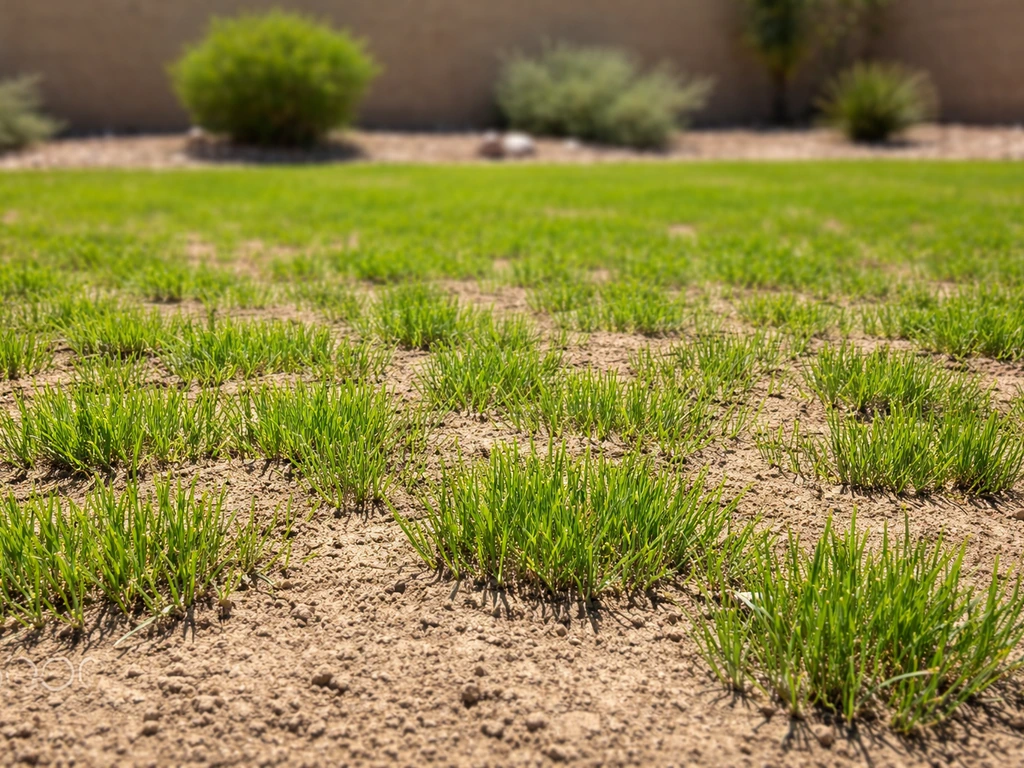
If you searched 'how to grow grass FS25' and you're a homeowner staring at a patchy lawn, you're in the right place. FS25 most commonly shows up as a Farming Simulator 25 reference, but on a lawn and seed site, what matters is this: you want a real lawn, from real seed, and you need a clear plan that actually works. Here's exactly how to do it, from picking the right grass to fixing it when things go sideways.
How to Grow Grass in FS25: Seed, Care, and Fixes
Marcus Tillwell
28 May 2026
What 'FS25' actually means in a lawn context
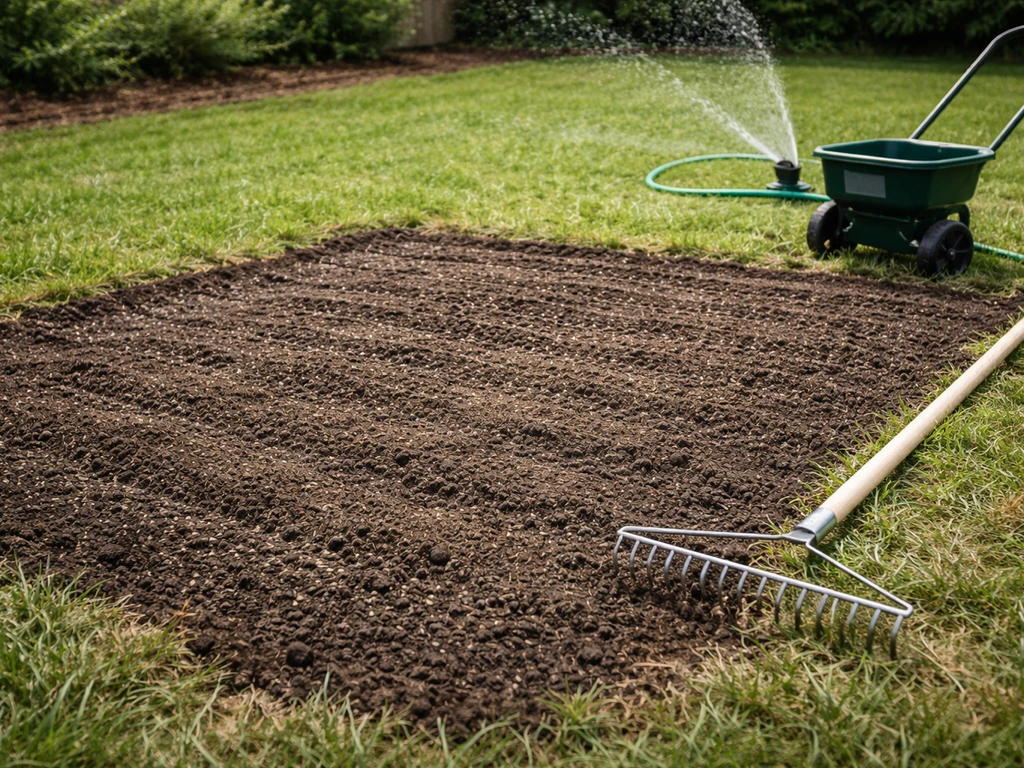
The term 'FS25' floats around in a few different worlds. In the gaming community, it refers to Farming Simulator 25, which has its own grass-growing mechanics that work nothing like real soil. You'll also find FS25 used as a product SKU code on equipment and device spec sheets.
If you spotted 'FS25' printed on a seed bag or fertilizer label at your local garden center, double-check the manufacturer's website to confirm exactly what grass species are inside, because cheap blended products sometimes include undesirable filler species. The guides covering how to grow grass in Farming Simulator 25 deal with a completely different set of steps than what's here.
If you're really asking about Farming Simulator 25, check out our guide for how to grow grass in Farming Simulator 25 and manage it like the game expects. This article is for the person who wants an actual lawn growing in actual dirt.
The reason this disambiguation matters: the grass species listed on your product label dictate your seeding rate, your timing window, and your germination expectations. A bag labeled with fine fescue behaves nothing like a bag labeled with bermudagrass, even if both say 'FS25' somewhere on the packaging. Know what's inside before you do anything else.
Pick the right grass type for your situation
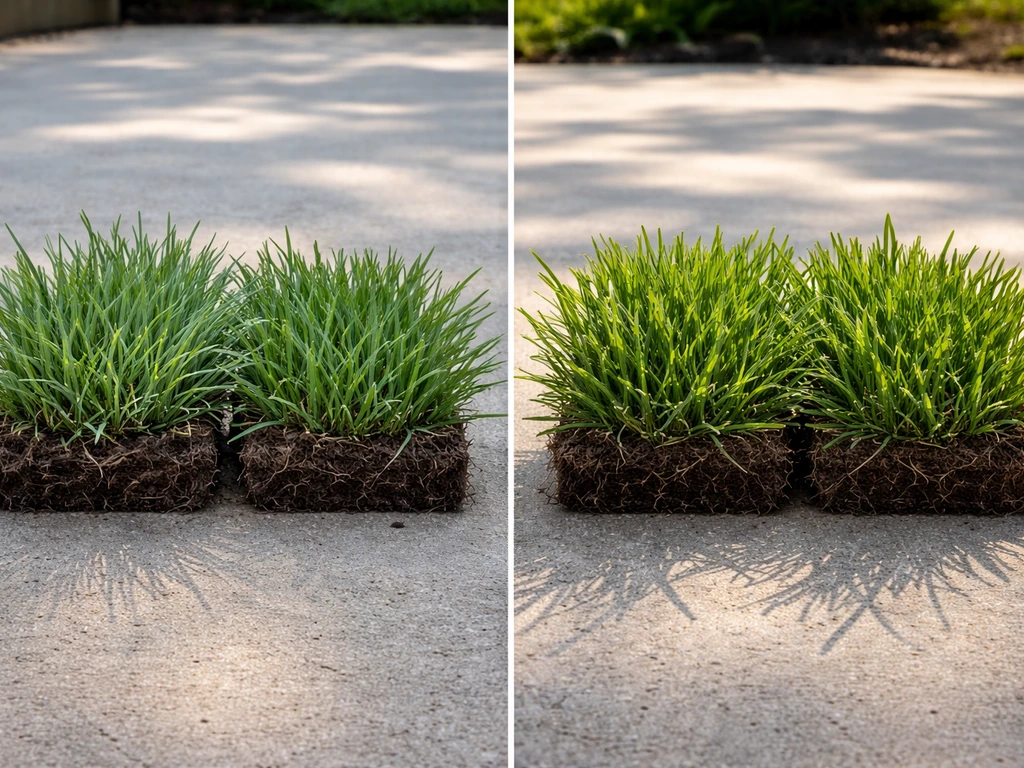
Choosing the wrong grass is the single biggest mistake homeowners make. Cool-season and warm-season grasses need completely different conditions to thrive, so getting this right upfront saves you from re-seeding in six months.
| Grass Type | Climate Zone | Best For | Germination Speed | Seeding Rate (lb/1,000 sq ft) |
|---|---|---|---|---|
| Perennial Ryegrass | Cool-season (North, Transition) | Quick renovation, overseeding, bare spots | Fastest: 5–10 days | 6–8 lb |
| Tall Fescue | Cool-season / Transition | Heavy traffic, drought tolerance, shade tolerance | 7–14 days | 6–8 lb |
| Fine Fescue | Cool-season (North, shade areas) | Low-input, shade, low-traffic areas | 7–14 days | 3–5 lb |
| Kentucky Bluegrass | Cool-season (North) | Dense, high-quality turf over time | Slowest: 14–30 days | 2–3 lb |
| Bermudagrass | Warm-season (South) | Heat, drought, high-traffic lawns | 10–21 days (soil must be warm) | 1–2 lb hulled seed |
| Zoysia | Warm-season / Transition | Heat, moderate shade, low maintenance | 14–21 days (plugs faster) | 1–2 lb |
If you're in the northern half of the country and want fast results, perennial ryegrass is your best bet for renovation because it germinates and establishes faster than any other common cool-season species. For a longer-term, durable lawn, mix it with fine fescue or Kentucky bluegrass: a blend of roughly 80% fine fescue and 20% Kentucky bluegrass works well for low-maintenance or shaded northern yards. In the South, bermudagrass is the standard for sun-baked lawns, but remember it's a warm-season perennial that spreads by rhizomes and stolons as well as seed, so it needs warm soil (above 65°F consistently) to germinate at all. Zoysia is a good middle-ground option in transition-zone states where summers are hot but winters dip below freezing.
Soil prep: the step most people skip
Good seed in bad soil fails. Spend more time here than you think you need to, and you'll be rewarded. The goal is a loose, level seedbed with good seed-to-soil contact and no crust on top.
Clay soil
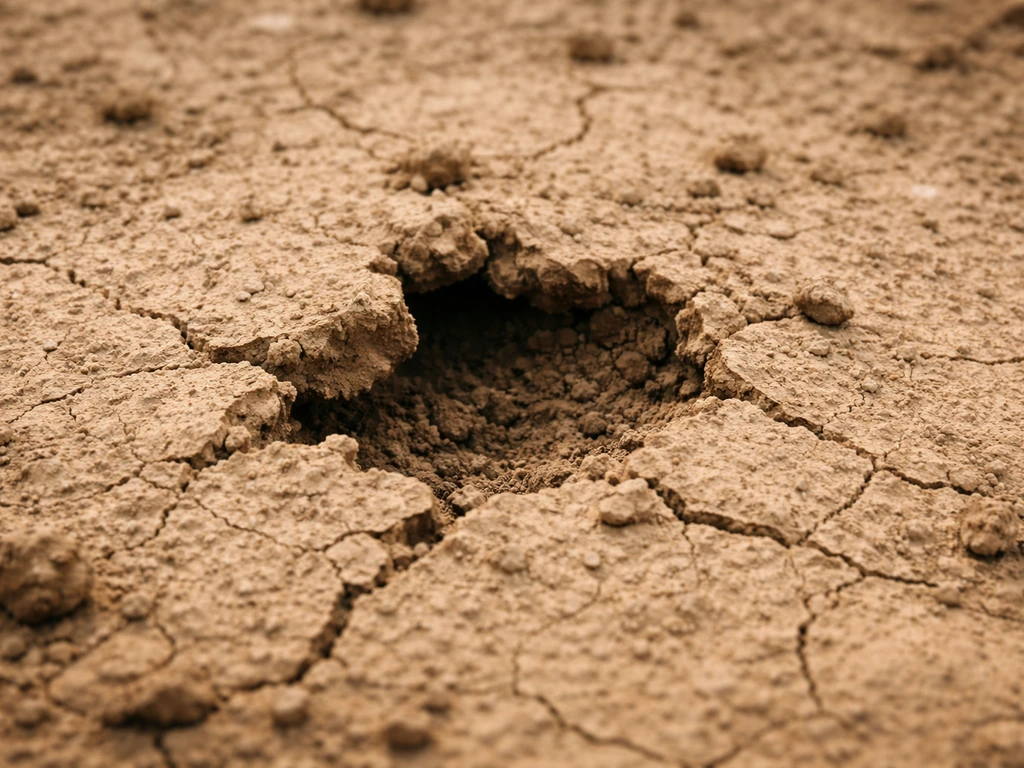
Clay compacts easily and forms a hard crust that blocks seedling emergence, even when the seed underneath is perfectly healthy. Till or loosen the top 4 to 6 inches and work in a 2 to 3 inch layer of compost before seeding. Avoid over-compacting after seeding: a light roll is fine for seed-to-soil contact, but pressing too hard re-creates the crust problem. Core aeration helps enormously if you're overseeding an existing clay lawn rather than starting fresh.
Sandy soil
Sandy soil drains so fast that moisture disappears before seedlings can establish. Add organic matter (compost works here too) to improve water retention, and plan on watering more frequently during the germination window. You won't need to worry as much about crust formation, but you'll need to stay on top of irrigation.
Shaded areas
Shade is mostly a grass-selection problem, not a soil problem. Fine fescues handle low light better than any other common turfgrass. If you're dealing with dense shade under trees, thin the canopy if possible and make sure surface roots aren't competing aggressively with the grass. Soil prep is the same as for any other area, but set realistic expectations: even the best shade-tolerant grass will thin out under heavy tree cover.
Bare spots
For bare spots specifically, loosen the soil in and around the patch to at least 2 inches deep. Rake out debris, dead thatch, and old roots. If the spot is small, a hand cultivator works fine. Smooth the surface and lightly firm it before seeding. If bare spots keep returning in the same location, dig a little deeper to find out why: compaction, buried debris, drainage issues, and root competition are the most common culprits.
How to seed and overseed: step by step
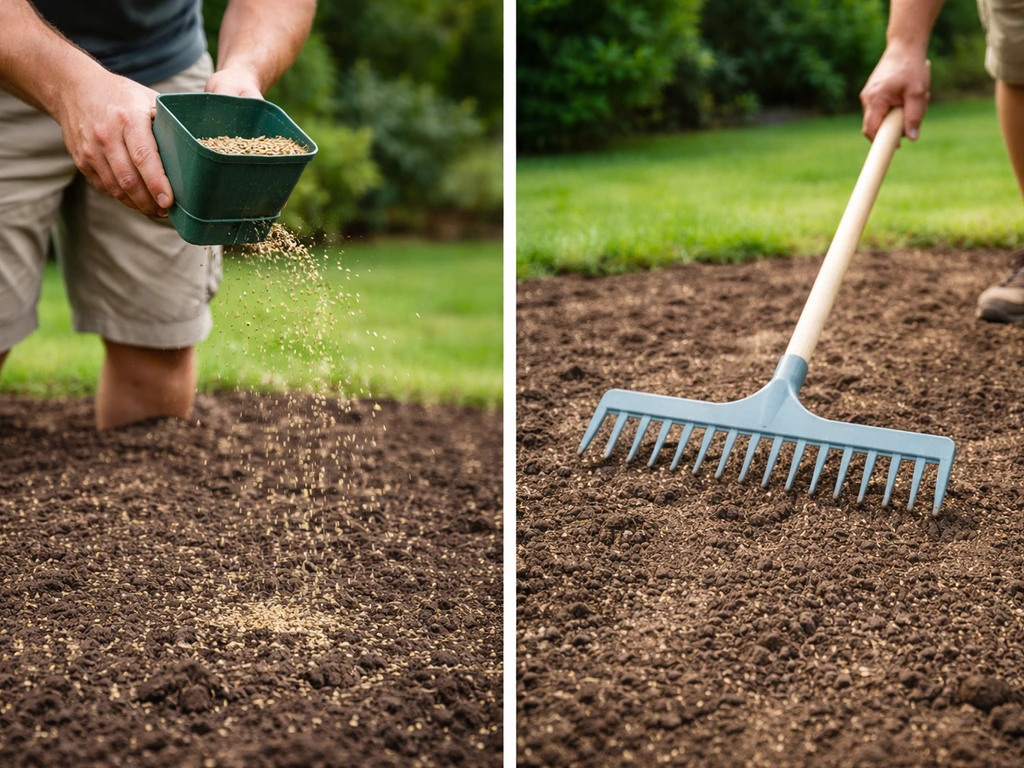
Whether you're starting from scratch or filling in thin areas, the mechanical process is similar. The same step-by-step approach to seeding and soil prep also helps if you're working on how to grow grass in FS19. The difference is in how much soil prep you do beforehand.
New lawn seeding
- Till the site to a depth of 4 to 6 inches and remove rocks, roots, and debris.
- Spread any amendments (compost, lime based on a soil test) and till them in.
- Rake the surface smooth and firm it lightly. You want good contact, not a hard-packed surface.
- Spread seed at the species-specific rate using a broadcast or drop spreader. Split the rate in half and apply in two perpendicular passes for even coverage.
- Rake seed lightly into the top 1/4 inch of soil. Seed needs light to germinate and should not be buried more than 1/2 inch deep, ideally closer to 1/4 inch.
- Cover with a thin layer of straw mulch or compost (no more than 1/4 inch) to retain moisture without blocking light.
- Water immediately and keep the top inch of soil consistently moist until germination.
Overseeding an existing lawn
- Mow the existing lawn short (around 1.5 to 2 inches) and bag the clippings.
- Core aerate the entire area, especially if the soil is compacted. This is the single most important step for overseeding success.
- If you have a slit-seeder available, use it: the machine cuts shallow grooves roughly 1/4 inch deep and drops seed directly into them, giving excellent seed-to-soil contact.
- Without a slit-seeder, spread seed by broadcast spreader at the recommended rate, then drag a rake lightly over the surface to push seed into gaps.
- Top-dress lightly with compost if coverage looks thin.
- Water thoroughly and begin the frequent watering schedule immediately.
Timing and germination: when to plant and what to expect
Timing is everything with grass seed. Cool-season grasses germinate best when soil temperatures at 1-inch depth are between 50 and 70 degrees Fahrenheit. In most northern and transition-zone regions, that means late summer to early fall (roughly August 15 to September 15) is the prime window. Spring works but germination is slower because seedlings put energy toward root development differently than in fall. In the South, bermudagrass and zoysia need soil consistently above 65°F, which usually means planting from late spring through early summer.
Once you've seeded, here's what to expect by species: perennial ryegrass typically germinates in 5 to 10 days under good conditions. Fine fescue and tall fescue take 7 to 14 days. Kentucky bluegrass is the slowest at 14 to 30 days. Bermudagrass ranges from 10 to 21 days but only in warm soil. The RHS notes grass seeds generally take about 7 to 10 days under ideal conditions, but 'ideal' means consistent moisture and the right soil temperature, both of which are easy to mess up.
While you're waiting, the most important job is keeping that top inch of soil moist. Do not let it dry out, even for a day, during the germination window. Keep foot traffic off the area. Mark the edges with stakes and string if you need to remind household members or neighbors. Patience matters here: if germination seems slow, check soil temperature before assuming the seed is bad.
Watering, fertilizing, and mowing after you seed
Watering schedule
The first two to three weeks demand light, frequent irrigation. Water two to four times per day in short bursts, just enough to keep the top inch moist without creating runoff or puddles. How often depends on temperature and sun exposure: a hot, windy day in full sun may need four passes, while a cool overcast day may only need one or two. After germination, once you can see consistent green coverage, taper off to deeper, less frequent watering. The goal becomes wetting the soil to a 4 to 6 inch depth to push roots downward, then letting the surface dry slightly before the next irrigation. This shift typically happens around week three or four.
Fertilizing new grass
A starter fertilizer applied at seeding gives young seedlings the phosphorus they need for root development. Follow your soil test recommendations if you have them; if not, a balanced starter fertilizer applied at the label rate is sufficient. That initial application feeds the lawn for about 6 to 8 weeks, so don't pile on more fertilizer during that window thinking it'll speed things up. For fine fescue lawns specifically, applying 0.25 to 1.0 lb of nitrogen per 1,000 square feet in the first two months can help fill bare areas faster. Once the lawn is established (after two to three mowings), shift to a regular seasonal fertilization program based on your grass type.
When and how to mow
Don't mow too early. Wait until the new grass is about one-third taller than your target mowing height. If you want to maintain a 3-inch lawn, let it reach 4 to 4.5 inches before the first mow. That first mow is more stressful on new turf than any subsequent one, so make sure your mower blade is sharp and avoid mowing when the soil is wet or soft enough that wheels would sink in and disturb seedlings. After the first two mowings, new turf is generally sturdy enough for normal use.
Fixing common problems when your lawn isn't coming in right
Thin or patchy germination
Patchy germination is almost always a moisture problem. If the seed dried out even briefly during the germination window, those seeds are often not coming back. Reseed the bare patches, this time with a thin layer of compost mulch over the top to hold moisture longer, and increase your watering frequency. Also check that seed wasn't buried too deep: more than half an inch of soil cover blocks the light seeds need to germinate.
Nothing germinating at all
Before assuming bad seed, check the soil temperature. If it's below 50°F for cool-season grass or below 65°F for warm-season grass, the seed is just waiting. Cold soil stalls germination completely. Wait for the temperature window to align, or you'll be reseeding anyway. Also verify you didn't apply a preemergence herbicide recently: these products kill newly emerging seedlings and roots and will prevent any germination. There's a strict waiting period (check the product label, often 8 to 16 weeks) before you can seed after applying preemergence.
Weed invasion
Weeds love freshly disturbed, bare soil just as much as grass seed does. The tricky part is that you cannot apply preemergence herbicide while seeding, and you need to wait until new grass has been mowed at least two or three times before applying most postemergence products. In the meantime, hand-pull weeds in small areas to avoid competing with seedlings. Keeping the seed bed moist and the grass growing quickly is your best weapon: a dense, fast-establishing stand shades out a lot of weed competition on its own.
Pet damage
Dogs are brutal on new seedings: urine burns, paws dig up seed, and the physical traffic disrupts seedling roots before they've anchored. Keep pets completely off newly seeded areas for at least four weeks after germination, or until the lawn has been mowed at least twice. Temporary garden fencing is cheap and worth every dollar here. For areas where pets return repeatedly, consider mixing in a higher percentage of perennial ryegrass in those spots since it establishes faster and handles traffic better once it's rooted.
Poor performance in shade
If grass is thin or dying in shaded areas, first confirm you planted a shade-tolerant species. Fine fescue is the go-to for low-light areas in northern lawns. If you did plant the right species and it's still struggling, the problem is likely too much shade for any grass to survive: under dense tree canopy, you may need to accept ground cover alternatives or thin the trees. Also check for surface compaction in shaded areas, which often goes hand-in-hand with tree root competition. A light aeration and fresh overseeding with fine fescue each fall is the most realistic maintenance approach for consistently shady spots.
Clay soil crust blocking emergence
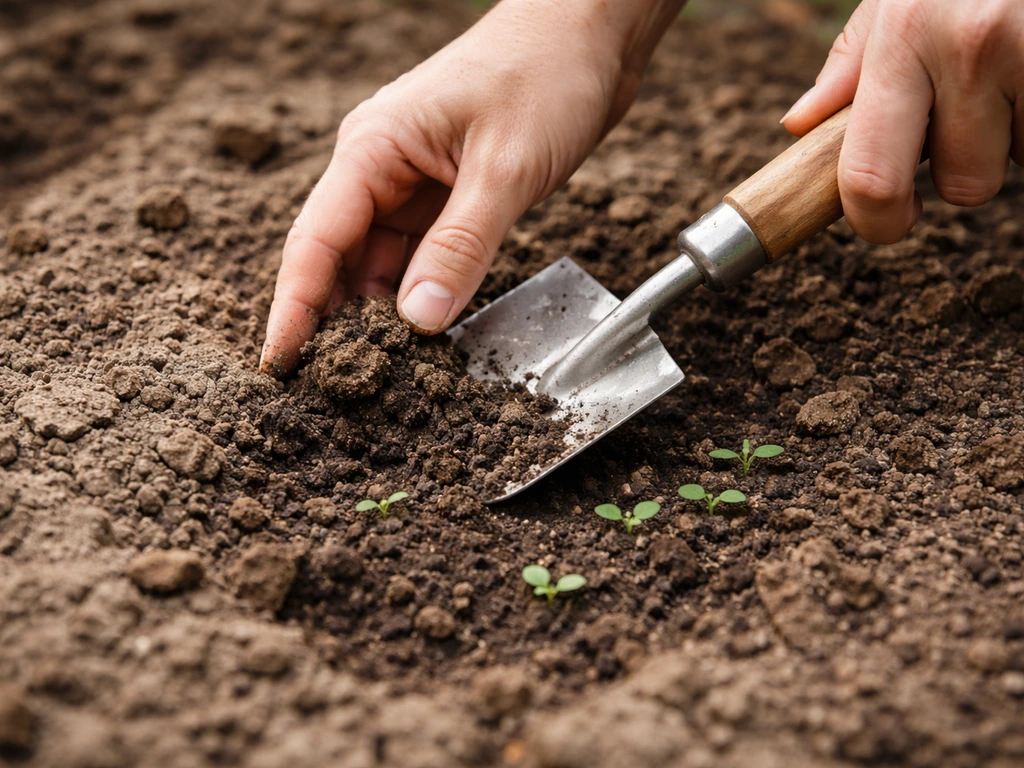
A crust less than half an inch thick can completely prevent seedlings from pushing through in clay soils. If your soil dries between waterings and forms a hard surface layer, break it up gently with a light rake pass and increase watering frequency so the surface stays consistently moist. Going forward, working compost into the seedbed before planting reduces the crusting problem significantly.
FAQ
Is “FS25” on a seed bag enough to know what grass I’m planting, or do I need to identify the exact species?
You should identify the exact grass species or cultivar from the label (often fine fescue, Kentucky bluegrass, bermudagrass, or zoysia). “FS25” can be used for unrelated products or SKUs, and seed blends can change seeding rate and expected germination timing, even when the bag looks similar.
How do I know if I buried the seed too deep, and what should I do if I did?
If you used a rake or soil cover thicker than about half an inch, many species will fail because light is needed for germination. For larger failures, loosen and reseed with lighter cover, then keep the top inch consistently moist. For small spots, you can gently rake back the surface crust, then re-water more frequently, but deep burial usually requires reseeding.
What’s the easiest way to tell whether my germination failure is temperature-related or seed-related?
Check soil temperature at about one inch depth and compare it to the species window, cool-season needs around 50°F and warm-season around 65°F consistently. If soil is below the threshold, don’t assume bad seed, wait and monitor moisture. If temperatures are in range but nothing emerges after the typical germination period for the species, then suspect coverage depth, drought, or herbicide residue.
Can I use compost mulch over seed to help with moisture, and how thick is safe?
Yes, compost mulch is a good fix for drying-out patches, but keep it thin. Aim for a light dusting that does not create a thick barrier. The key is maintaining seed-to-soil contact while preventing the top layer from crusting and drying between watering cycles.
Why does my lawn look uneven after seeding, with some areas sprouting and others not?
Uneven coverage usually comes from inconsistent seed-to-soil contact (drying during the first days, seed scattered on uneven surfaces, or heavy foot traffic in spots). Recheck irrigation pattern overlap, then reseed only the thinnest areas to avoid over-seeding where seed already established.
Should I overseed right after mowing, and do I need to bag clippings?
Yes, mowing shorter before overseeding can improve seed-to-soil contact, but avoid scalping. Bag or remove heavy clippings because a thick mat blocks contact and can keep the seed surface too wet or too shaded. Then seed into a loosened or lightly aerated surface for best results.
Can I apply weed killer soon after seeding if weeds are already showing?
Be careful, most weed control products can harm seedlings or prevent germination. Preemergence herbicides generally require a waiting period before seeding, and postemergence products often need multiple mowings before they’re safe. If you’re unsure, stick to hand-pulling and irrigation consistency until the new turf is established and label timing requirements are met.
How long should I keep people and pets off the area, especially if I have kids or dogs?
Keep foot traffic off until you see consistent coverage and the seedlings are well-rooted. For pets, keep them completely off for at least four weeks after germination begins, or until you’ve mowed at least twice. If your dog repeatedly returns to the same spot, temporary fencing plus a higher share of faster-establishing perennial ryegrass can help long-term.
When should I start mowing after seeding, and does mower height matter for preventing damage?
Wait until the new grass reaches about one-third above your target height, then mow with a sharp blade. Mowing too early stresses seedlings and increases the chance of uprooting or leaving bare streaks. Also avoid mowing when the ground is soft enough that the wheels sink, since that compacts the seedbed.
How much should I water after germination, and how do I transition without shocking the new lawn?
Continue shallow, frequent watering until you have visible, consistent green coverage, then gradually switch to deeper but less frequent watering. The goal is to encourage roots down to roughly 4 to 6 inches, let the surface dry slightly between cycles, and avoid keeping the surface constantly wet, which can promote disease and weak roots.
Do I need a soil test every time I seed, or can I fertilize by the label?
A soil test is best, but you can often follow label rates for a starter fertilizer applied at seeding. Avoid “boosting” with extra fertilizer during the first 6 to 8 weeks after seeding, since additional nitrogen won’t fix germination and can stress young plants. After the lawn has been mowed a couple of times, then shift into a seasonal plan based on grass type.
My grass looks sparse after weeks. Should I fertilize more or reseed?
If the issue is poor germination or thin emergence, fertilizing more usually won’t help. First verify temperature, moisture consistency, and herbicide history. Then reseed the bare areas (with a light compost layer to retain moisture) rather than increasing fertilizer, which mainly supports growth once plants are already established.
How do I handle bare patches that keep coming back in the same spot?
Recurring bare spots often indicate a site problem, not bad seed. Common causes include buried debris, persistent compaction, poor drainage, or root competition from nearby trees or shrubs. Dig a bit deeper in that spot, check for clogged layers or competing roots, then reseed after correcting the underlying cause.
Next Article
How to Grow Grass in El Paso TX: Seed, Plant, and Care
Step-by-step guide to grow grass in El Paso: pick Bermuda, Zoysia or fescue, prepare soil, seed timing, watering, fixes.