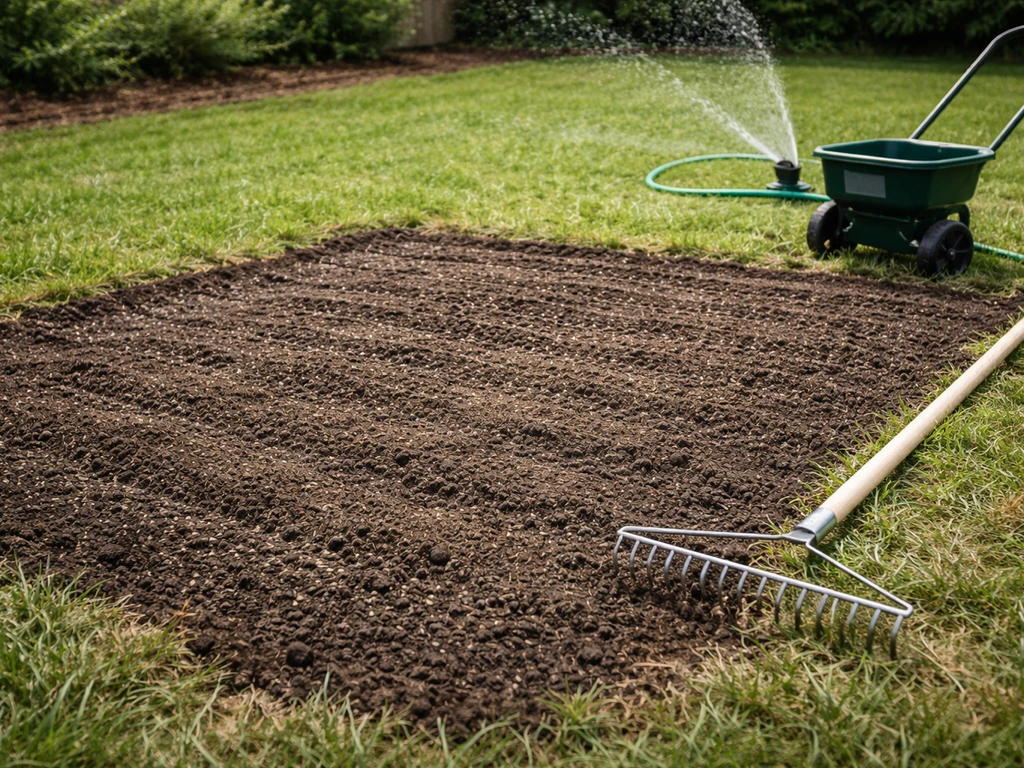
To grow grass in Farming Simulator 25, you cultivate a field, sow grass seed with a seeder, let it grow through its stages, then mow it and collect the windrows with a loader wagon or forage harvester. Grass is one of the most forgiving crops in the game, but a handful of small mistakes, like skipping cultivation or harvesting at the wrong growth stage, will leave you with bare fields and empty trailers. Here is exactly how to get it right from the first pass. This guide also covers the key steps for how to grow grass in FS19, so you can apply the same general workflow in older versions how to get it right from the first pass.
How to Grow Grass in Farming Simulator 25 Step by Step
Marcus Tillwell
18 Jun 2026
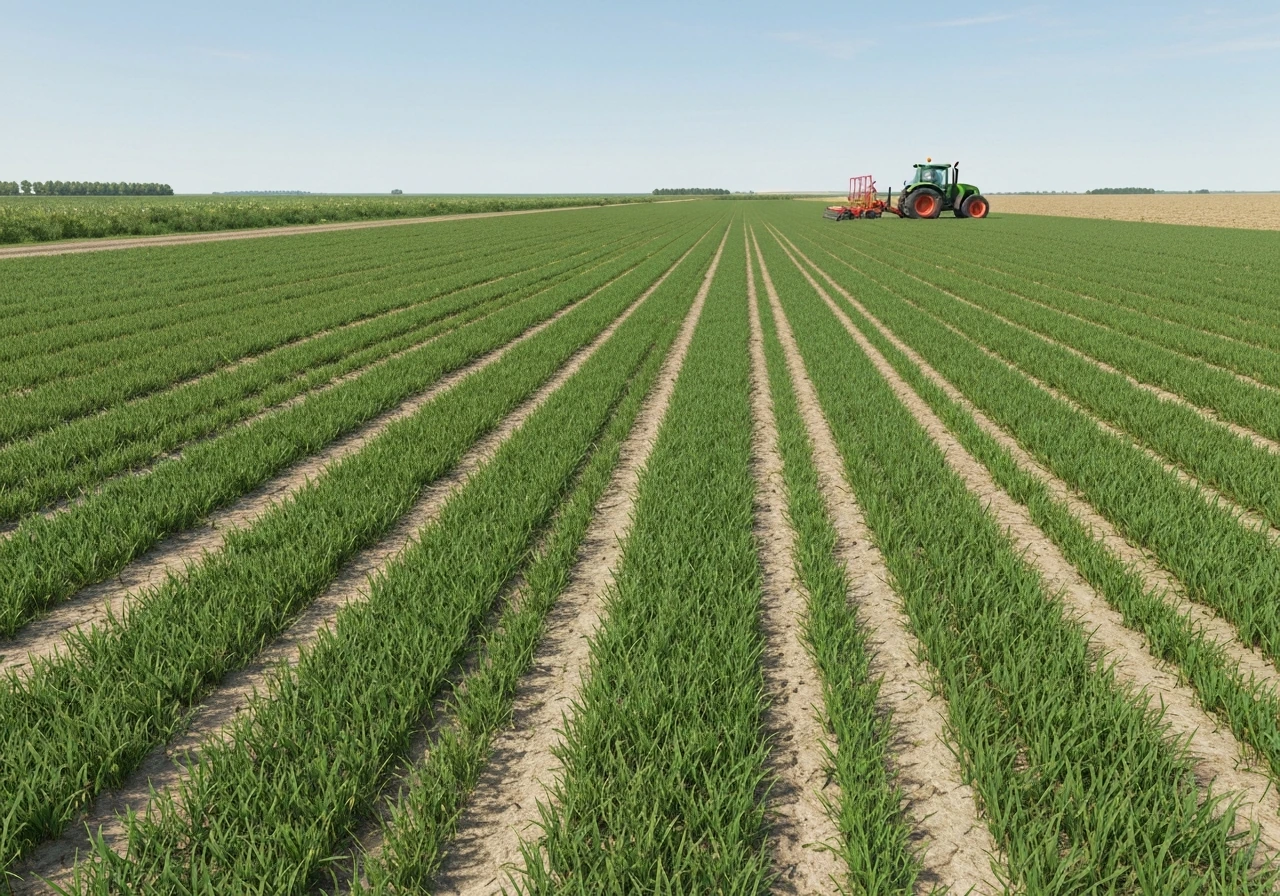
What grass actually does in FS25 (and why you want it)
Grass is a dedicated crop type in Farming Simulator 25, not just background decoration. It sits in the full crop list alongside wheat, canola, and corn, which means it follows the same field-ownership and growth-stage system every other crop does. If you are also trying to dial in older-game setup details, see how to grow grass in fs 14 for a comparison of core steps. Its primary job is feeding animals.
Cows and sheep eat it directly as fresh grass or dried into hay, and if you run a silage or TMR operation, mowed grass becomes a core input in those chains too. You can also sell it for a modest price if you have a surplus and no livestock to feed, though the returns are not going to make you rich compared to wheat or sunflowers.
Understanding that grass is a forage crop, not a cash crop, changes how you plan around it. You want consistent, repeatable cuts rather than one massive harvest per season. That means field prep and growth management matter a lot more than they might for a single-harvest cereal crop.
Preparing the field before you sow a single seed
Field preparation is where most beginners go wrong. Dropping seed on an unprepared field produces patchy or zero establishment, and you will sit there wondering why nothing is coming up. The good news is that grass does not need the most intensive prep compared to some other crops, but it does need the basics done correctly.
Plow or cultivate first
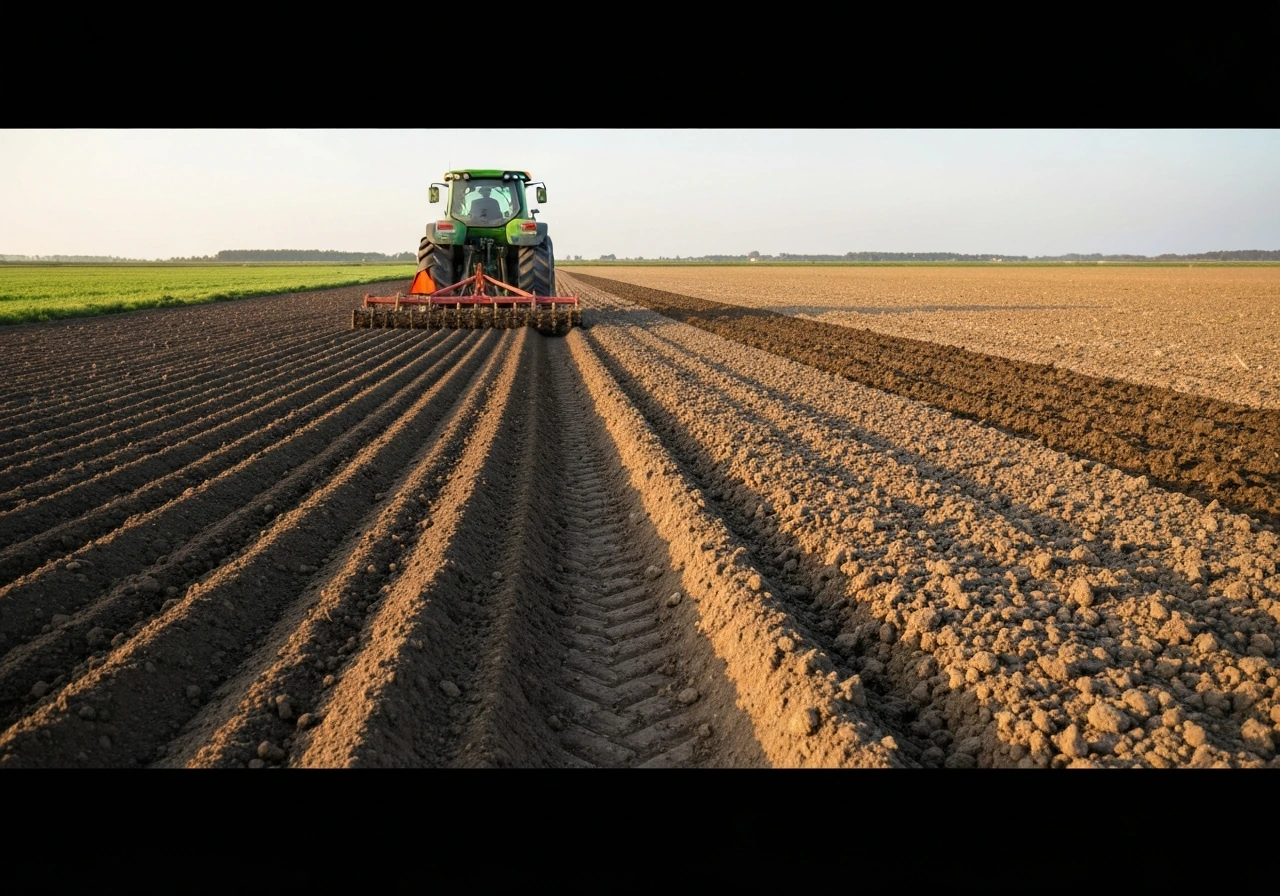
If you are working a brand-new field or one that had a different crop last season, run a plow through it first to fully turn the soil. After plowing, follow up with a cultivator to break up clumps and create a fine, even seedbed. If the field already had grass on it and you are just reseeding after a failed patch, cultivation on its own is usually enough. Think of it like preparing ground for real seed: loose, even soil gives the seed something to grab onto. Compacted or lumpy ground leads to uneven germination and the patchy results you want to avoid.
Rolling the seedbed
FS25 introduced soil and grass rollers, and they matter for grass specifically. After cultivation, rolling the seedbed firms it up and improves seed-to-soil contact, which translates to more even establishment in-game. There is also an important mechanic to know: blank" rel="noopener noreferrer">rolling over matured grass resets its growth stage. This is a tool, not a bug. If you want to rejuvenate an overgrown field rather than mowing it, rolling does the job. But roll at the wrong time and you will lose a crop that was ready to harvest, so pay attention to growth stage before you fire up the roller.
Fertilizing the field
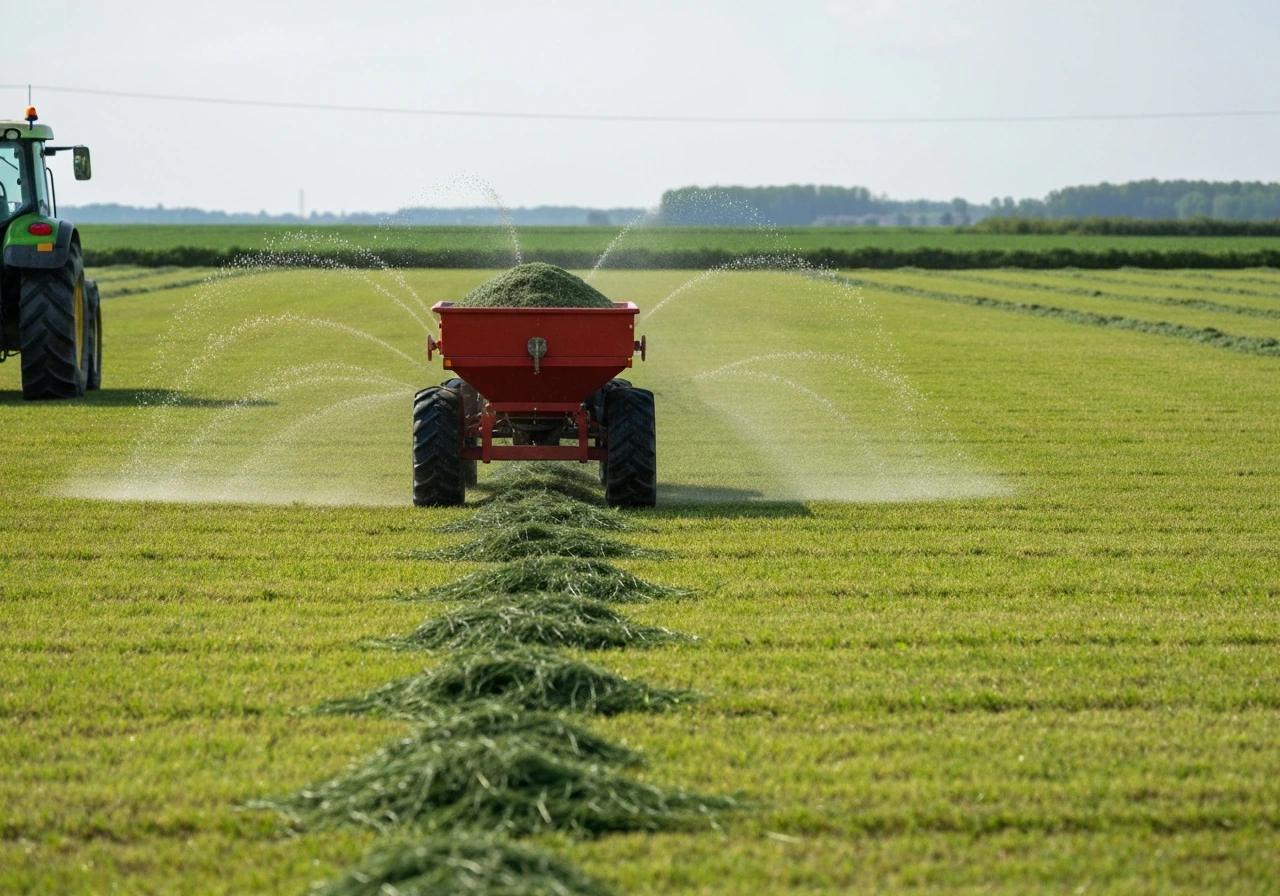
FS25 ties fertilizer mechanics directly to growth stages and yield, and grass is no exception. A fertilized grass field will produce noticeably better yields per cut than an unfertilized one. You do not need to fertilize before every single mow, but you should apply fertilizer at least once after sowing and then again after the first or second harvest. Liquid fertilizer, solid fertilizer, or slurry all work. If you are running cattle, their slurry is essentially free fertilizer, which makes the grass-to-animal loop very self-sustaining.
Planting grass: seed choice and sowing method
Grass seed in FS25 is straightforward: you buy it from the shop the same way you buy wheat or barley seed, and you sow it with a compatible seeder or direct seeder. There is no exotic seed variety selection inside the grass category the way there is in real-life lawn planning (no choosing between bermuda, fescue, or ryegrass types), so your main decisions here are equipment and timing.
Choosing your seeder
Any seeder that lists grass in its compatible crops will work. Wider seeders obviously cover ground faster, which matters if you are managing multiple large pasture fields. For smaller plots or awkward field shapes, a narrower seeder gives you better control at the edges. Check the shop description before buying because not every seeder handles grass, and you do not want to discover that mid-field.
When to sow
Grass can be sown in spring or early summer in FS25's seasonal cycle. Spring planting gives you the most growing time and lets you get multiple cuts in a single year, which is exactly what you want for a forage operation. Avoid sowing late in the season since grass planted heading into autumn will not have enough growing time to produce a meaningful yield before winter slows everything down. If you are new to the seasonal system or playing on a shorter season setting, spring is always the safest bet.
Managing growth and getting consistent yields
Once your grass is in the ground, growth progresses through stages just like any other FS25 crop. You will see the field go from bare soil to short shoots to a full, harvestable stand. The key difference from cereal crops is that grass is a perennial in the game: once established, you do not have to resow every season. You mow, collect, fertilize, and the field grows back for another cut. That cycle is the core of any grass-based forage operation.
Weed management also shows up in FS25 fields over time. Weeds slow growth and reduce yield, so spray herbicide when you see the weed indicator appear on a field. This is easy to overlook on grass fields since you are not watching them as closely as cash crops, but a weedy grass field will underperform consistently.
Fertilizing after each cut is the single biggest yield lever you have. Apply it right after mowing and collection while the field is at its lowest growth stage, and you will see the next cut come in heavier. Skip fertilizing and you will notice yields slowly declining over multiple cuts. If you are running a tight operation and every bale counts, build fertilizer runs into your routine the same way you would a real pasture rotation.
Mowing, harvesting, and actually using your grass
Grass is ready to harvest when it reaches its fully mature growth stage. At that point you have two main paths: mow and collect as fresh grass, or let it dry into hay.
Mowing and collecting fresh grass
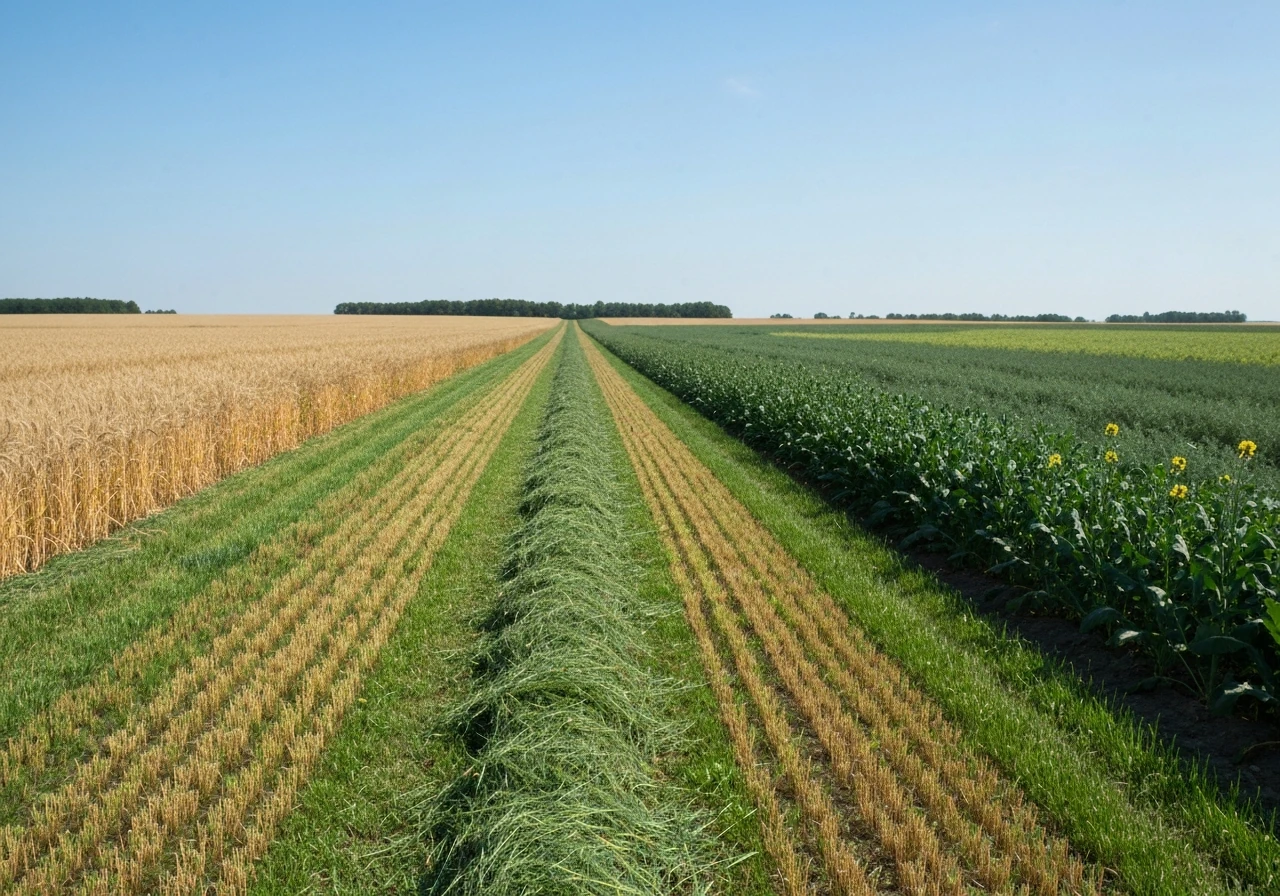
Attach a mower to your tractor and cut the field. The mower leaves grass in windrows on the ground. From there, a loader wagon or forage harvester picks it up. Loader wagons collect it as loose grass you can tip into a storage bunker or directly into animal feeding troughs. A forage harvester with the right header chops it into chaff, which is the input for silage workflows. If you are feeding cows directly, the loader wagon route is simpler and faster to set up in early-game.
Making hay instead
If you mow and then leave the windrows on the field for a period of in-game time (or run a tedder over them to speed drying), the grass dries into hay. Hay can be pressed into bales with a baler, which makes it much easier to store and transport than loose grass. Dry hay also keeps without spoiling, unlike fresh grass, so baling is the right move if you are producing more than your animals can eat in the short term.
Silage and TMR chains
Chopped grass from a forage harvester can be piled into a bunker silo, covered, and fermented into silage. Silage is a high-value animal feed input and is also a component in TMR (total mixed ration) if you are running that feeding system. The forage harvesting chain in FS25 is documented separately from standard crop harvesting because the equipment and workflow differ significantly, but grass is the foundational input in that whole system.
Selling your grass
If you have surplus grass, hay, or silage with no animals to feed it to, you can sell it at the appropriate selling points on your map. Check the price board in-game since prices fluctuate. Hay and silage bales tend to fetch better prices than loose fresh grass, so if selling is your goal, baling first is almost always the better move financially.
Why your grass is not growing (and how to fix it)
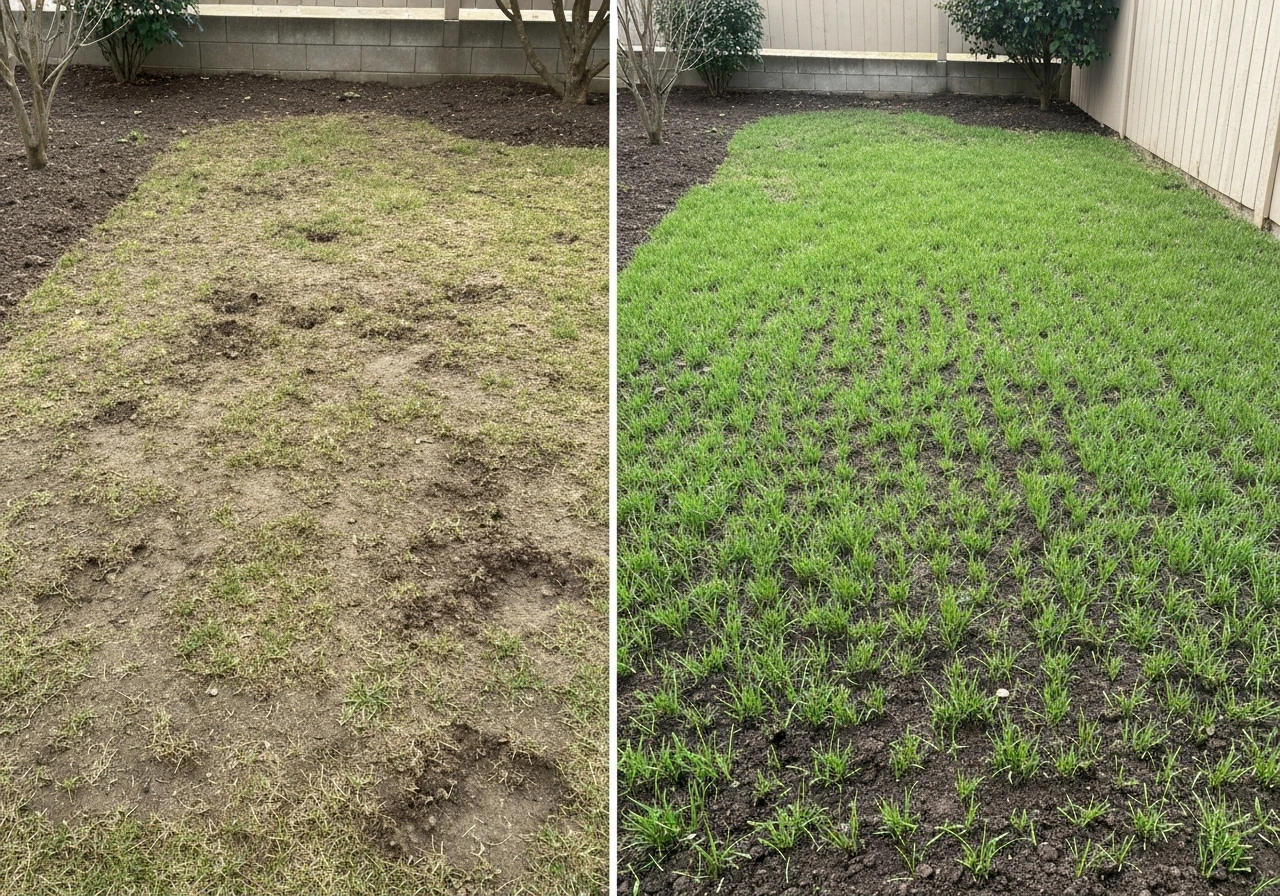
If your field is sitting there doing nothing or producing disappointing yields, one of a handful of common issues is almost always responsible.
| Problem | Most Likely Cause | Fix |
|---|---|---|
| Field shows no growth after sowing | Field was not cultivated before sowing, or wrong seeder used | Cultivate the field first, confirm your seeder is compatible with grass, then resow |
| Patchy establishment across the field | Uneven seedbed or missed areas during sowing | Roll the seedbed before sowing next time; overlap sowing passes slightly at the edges |
| Yields are lower than expected | No fertilizer applied, or weeds present | Apply fertilizer after every cut; spray herbicide when weed indicator appears |
| Mature grass disappeared after rolling | Roller used on a fully matured stand | This is an intentional mechanic. Only roll pre-harvest if you want to reset growth; otherwise roll right after sowing |
| Grass not establishing in a new season | Planted too late in autumn | Resow in spring; grass needs a full growing season to produce meaningful yields |
| Windrows disappearing before collection | Left on the field too long in wet conditions | Collect windrows promptly after mowing; use a tedder if you intend to make hay instead of fresh grass |
The most common single mistake is planting on an uncultivated field. It feels like it should work, especially on fields that already look like pasture, but the game requires that seedbed prep step. Run the cultivator first, every time, and you eliminate the most frustrating failure scenario right away.
Your repeatable grass-growing checklist
Once you have the process down, growing grass in FS25 becomes one of the easiest parts of your farm operation. Here is the full sequence you can run every time for consistent results.
- Plow the field if it is new or coming from a different crop; cultivate if it previously had grass
- Roll the cultivated seedbed to firm it up before sowing
- Buy grass seed from the shop and load a compatible seeder
- Sow in spring for maximum growing time; overlap passes slightly to avoid gaps
- Apply fertilizer immediately after sowing to boost the first growth cycle
- Spray herbicide if weed indicators appear during the growing period
- Wait for the field to reach full maturity (watch the growth stage indicator)
- Mow the field with a compatible mower, leaving windrows
- Collect windrows with a loader wagon (fresh grass or for silage) or leave to dry for hay
- If making hay, tedder the windrows to speed drying, then bale
- Apply fertilizer again right after collection to fuel the next cut
- Repeat from step 6 for subsequent cuts through the season
- In autumn, plan your last cut so the field has time to settle before winter
Follow that sequence and you will have a reliable forage supply running through the whole season. As you scale up, the same loop applies whether you are managing one small pasture or a dozen large fields. The fundamentals do not change: prep the ground, sow at the right time, fertilize consistently, and harvest at full maturity. If you follow this repeatable grass-growing checklist and time your cuts correctly, you will know exactly how to grow grass in FS22 for steady yields.
If you have played earlier entries in the series, some of these mechanics will feel familiar, though FS25 refines a few things around the roller system and fertilizer integration compared to older versions. Players coming from those earlier games sometimes carry over habits that create problems, particularly around field prep steps that have changed between releases. The checklist above reflects how the system works specifically in FS25, so stick to it even if your instincts from a previous version say otherwise.
FAQ
Do I need to plow grass again every season, or only once when I start the field?
In Farming Simulator 25, grass is perennial once established, so you usually do not need to resow every season. You only need full plow plus cultivator when you are starting a new grass field, converting from another crop, or fixing a seriously failed reseed. For normal cut-to-cut cycles, focus on mowing, collecting, and fertilizing rather than redoing deep field prep.
What happens if I harvest grass before it reaches fully mature growth stage?
Cutting early will reduce the next cycle’s yield and you may feel like the field is “never quite catching up.” The biggest payoff comes from harvesting when the grass is at full maturity, then fertilizing immediately after collection. If you must cut earlier due to timing, treat it as a lower-yield cut and keep your fertilization schedule tight.
How do I choose between selling fresh grass, hay, or silage when I have limited storage?
Fresh grass is usually the least convenient to store because it spoils if left as loose forage. If you can bale, hay is typically easier to handle and generally performs better for selling price than loose grass. If you have bunker silo and fermentation setup, silage is best suited for longer-term storage and for TMR workflows, but it requires the bunker chain to be ready.
If rolling resets grass growth stage, when should I roll instead of mowing?
Roll only when you are trying to rejuvenate overgrown grass that you would otherwise harvest late. If the field is already in a harvest-ready state, rolling can force the grass to restart its growth progression, effectively delaying your next usable cut. Always check the growth stage before rolling and plan the timing around your next mowing window.
Can I sow grass on already-mowed fields without cultivating again?
Often yes, but it depends on why the field needs reseeding. If you are simply running the normal perennial cycle, you do not reseed at all. If you are reseeding due to bare patches or a failed establishment, cultivation is usually still the safe step because grass seed needs loose, even contact, not compacted leftover soil.
Is it better to fertilize with slurry from cows, or should I use purchased fertilizer?
Slurry is effectively a free fertilizer loop for cattle operations and can reduce your operating costs. The practical decision is logistics: if you can regularly manage slurry handling and apply it right after mowing, you should get strong yield consistency. If you struggle with timely slurry application, purchased liquid or solid fertilizer can be more reliable for sticking to the “fertilize after the cut” rhythm.
When should I apply herbicide on grass, and what if weeds appear late in the season?
Apply when the field shows weed indicators so the weeds do not keep competing for growth. If weeds appear late, you may still see benefit, but the margin is smaller because the season and growth window are shrinking. The best approach is to treat grass like forage crops you still monitor, not like decorative fields, and to spray promptly when weeds first register.
Do wider seeders always outperform narrow ones for grass?
Not always. Wider seeders save time on large, simple field shapes, but narrow seeders can be safer for edges, odd angles, and avoiding overlaps that waste seed. If you have many irregular fields or tight borders, control and consistent coverage often matter more than pure speed.
My grass yields decline over multiple cuts, what should I check first?
The first things to verify are fertilization timing (especially whether you fertilize after mowing and collection) and harvest maturity (whether you are waiting for full readiness). Next check for weed presence, since untreated weeds consistently reduce output. If you are still seeing low yields, recheck that you rolled or reseeded correctly and that your field prep is not leaving clumps.
How can I dry grass into hay efficiently, and what is the practical order of operations?
Mow to form windrows, then let grass dry for the in-game time needed to reach the hay-ready state. If drying time is your bottleneck, using a tedder to speed the drying step can help you avoid missing harvest windows. Plan your sequence so you mow, manage drying, then bail once it is ready, instead of waiting too long on the field.
What’s the most common early-game setup mistake for feeding cows with grass?
A frequent issue is collecting the grass in a form you cannot feed quickly. If you are feeding cows directly early on, the loader wagon route is usually simpler and faster than setting up full chopping and bunker silage chains. Choose the workflow that matches your storage, equipment, and time, so grass does not get stuck as loose material you cannot use.
Next Article
How to Grow Grass in FS25: Seed, Care, and Fixes
Step by step guide to grow a real lawn from seed in FS25: choose grass, prep soil, sow, water, fertilize, fix issues.