
Yes, you can grow blue fescue (Festuca glauca) from seed, but it takes a bit more patience than most grass seeds. Kentucky 31 grass is a different fescue type and takes its own approach for planting and early care how to grow kentucky 31 grass. Expect germination in 14–21 days under good conditions, and plan for the plants to look like small, wispy tufts for the first several weeks before they bulk into those familiar blue-gray mounds. The key variables are timing, drainage, and keeping the seed consistently moist during that early window. If you want to learn the full process of how to grow blue fescue from seed, focus next on timing, site prep, and careful watering through germination. Get those right and blue fescue is actually pretty forgiving.
How to Grow Blue Fescue From Seed Step by Step
What blue fescue is actually good for (and where it struggles)
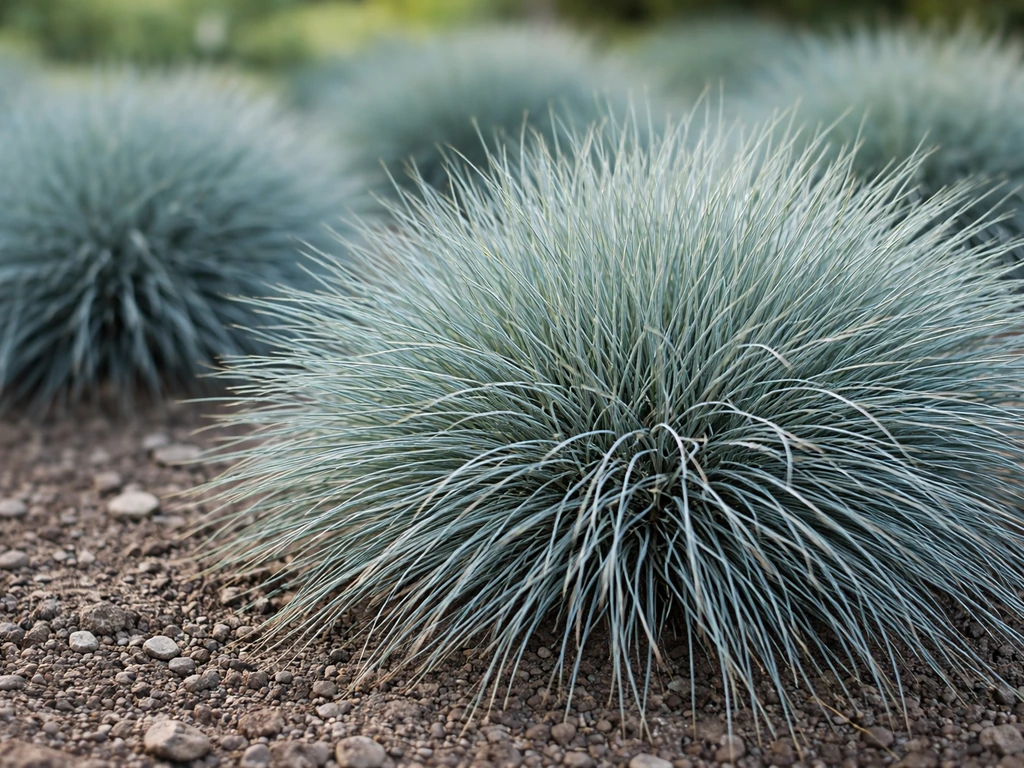
Blue fescue is an ornamental grass, not a turf grass. That distinction matters because you're not seeding a lawn with it. You're establishing clump-forming plants that grow 6–12 inches tall and spread into dense mounds of fine, blue-gray foliage. It's used as a low-growing accent, a border edging, or a ground cover in dry, sunny spots where conventional grass would struggle or look boring.
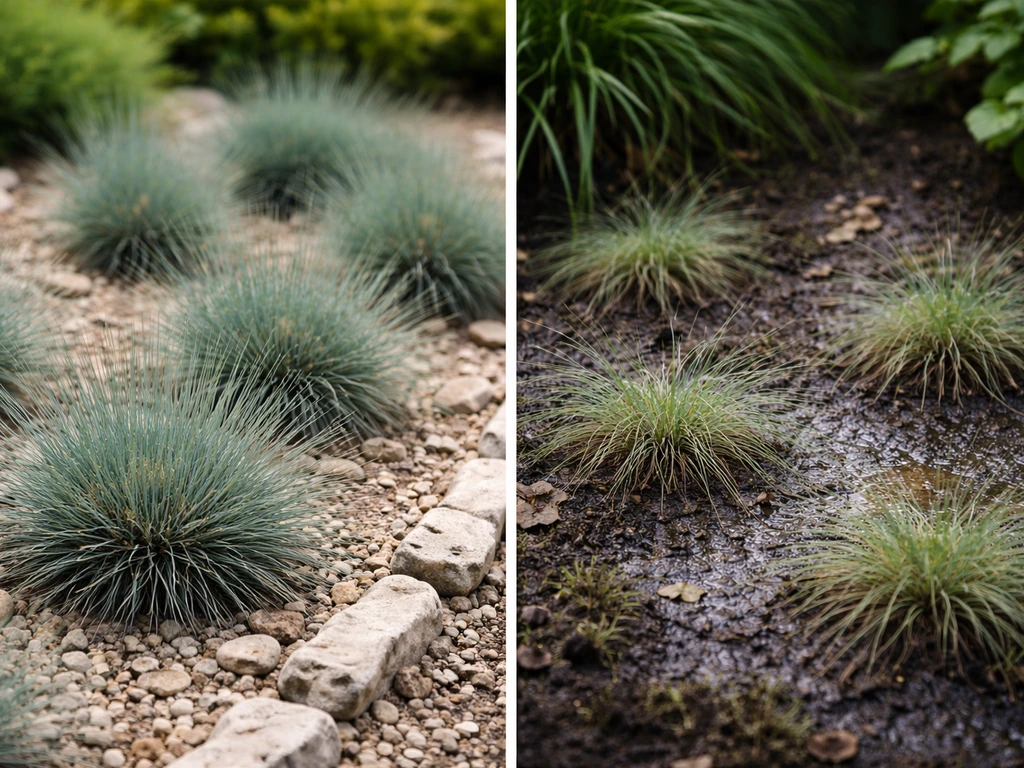
It thrives in USDA Hardiness Zones 4–8, so if you're in the middle of the country or along the coasts, you're likely in its sweet spot. The biggest thing it hates is wet, heavy soil. North Carolina State Extension notes that blue fescue tends to die out in heavy, poorly drained soil wet, heavy soil. If your yard has standing water after rain or you've got dense clay that stays soggy, blue fescue will look stressed and eventually die out. It was built for dry, rocky, fast-draining conditions, which is exactly why it shows up in rock gardens and xeriscape designs so often.
Where it really shines: sunny slopes, gravel beds, the edges of patios, or any spot that bakes in summer and drains fast. blank" rel="noopener noreferrer">The blue color is actually strongest in full sun. Move it into partial shade and the foliage turns noticeably greener and loses that steel-blue look that makes it worth growing in the first place. If your target spot gets less than 6 hours of direct sun daily, honestly reconsider the plant choice. It won't thrive and it won't look the way you expect it to.
If you're comparing this to growing tall fescue or other turf-type fescues for actual lawn coverage, blue fescue is a different conversation entirely. It doesn't knit together into a lawn surface. Each plant stays as its own clump. For turf-type fescue seeding, that's a separate process with different goals.
The right time to sow blue fescue seed
Timing is where a lot of people go wrong. Blue fescue seed germinates best when soil temperatures are in the 60–70°F range. That puts the ideal window in early-to-mid spring (roughly March through April in most of Zones 4–8) or in early fall (late August through September). Spring is usually the more reliable choice if you're starting from scratch because the plants have a full growing season ahead to establish before facing summer heat or winter cold.
Fall sowing can work well too, especially if your springs are short and jump quickly into hot weather. If you want to follow a North Carolina-friendly plan, aim for early fall sowing for reliable rooting before winter. Seeds sown in early fall will germinate, put down roots before the ground freezes, and then push out strong growth the following spring. What you want to avoid is sowing in midsummer when soil temps climb above 75–80°F, because germination rates drop sharply and the seedlings that do come up will stress in the heat. Similarly, don't try to seed when frost is a near-term threat within the next three weeks.
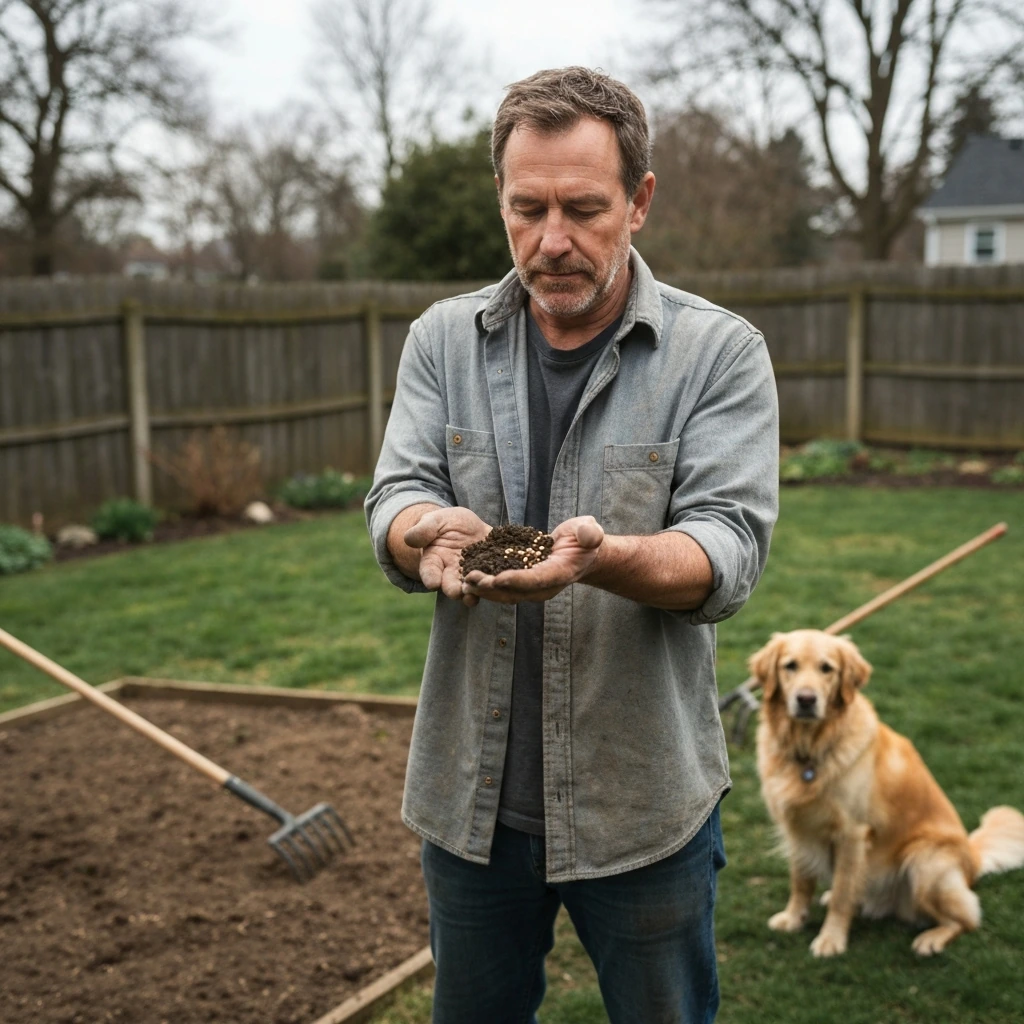
A quick soil temperature check is worth doing. A cheap probe thermometer from any garden center tells you exactly where you stand. If the top inch of soil reads 60°F or higher and you have at least 6–8 weeks before a hard freeze or intense summer heat, you're in a good window.
Prepping the site so seeds actually have a chance
Sun and drainage first
Before you touch any soil, confirm the spot gets 6 or more hours of direct sun and drains well within an hour or two after heavy rain. If water pools there, you need to either amend heavily or pick a different location. No amount of good sowing technique saves blue fescue planted in waterlogged ground.
Soil prep that actually moves the needle
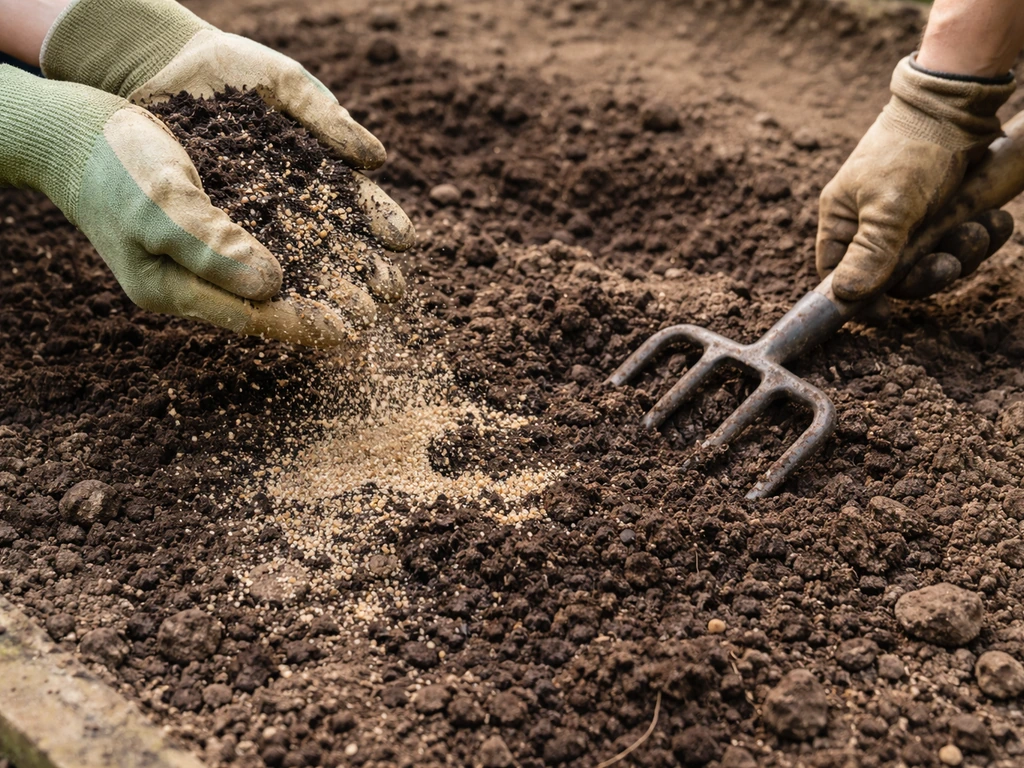
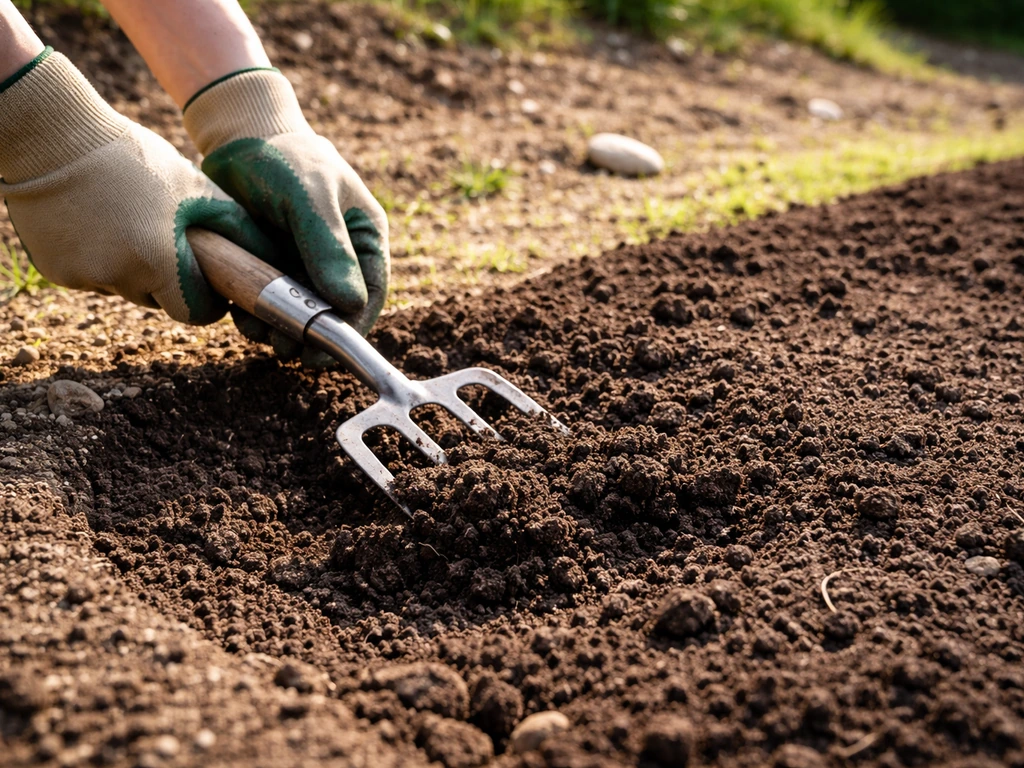
Blue fescue isn't fussy about soil fertility but it is fussy about drainage and aeration. If you're working with clay, break it up to a depth of 6–8 inches and work in coarse sand or fine gravel at a ratio of roughly 30–40% amendment by volume. Don't add organic compost in large quantities to clay because it can actually make drainage worse over time in heavy soils. For sandy or loamy soil, you're mostly good to go with minimal prep.
Blue fescue tolerates a fairly wide pH range (roughly 5.5–7.0) and doesn't need rich soil. In fact, overly fertile soil tends to produce lush, green-ish growth rather than that tight, blue mounding habit. If your soil is average, skip the fertilizer at planting time entirely. If you're working in a genuinely poor, compacted spot (like a former construction area), a light application of a low-nitrogen starter fertilizer is fine.
Once your amendments are worked in, rake the surface level and firm it slightly so there are no air pockets beneath the seed. You want a surface that's crumbly and fine, not lumpy. If you're seeding a bare patch that's been neglected and is full of weed debris, clear it first and rake out any roots or thick thatch.
How to actually sow the seed
Seed rates and spacing
Blue fescue seed is typically sown at around 1–2 grams of seed per square foot for a dense ornamental planting. If you're trying to establish a ground cover look, sow at the higher end. If you're planting individual accent clumps, you can be less precise and focus on spacing instead: space plants roughly 12–18 inches apart so they have room to develop their full mound shape without crowding each other out in year two.
For direct outdoor sowing, scatter the seed as evenly as you can across the prepared area. Small hand-held spreaders work fine for larger patches, or just pinch-sow by hand for small beds or individual spots. Blue fescue seed is tiny, so don't overthink the rate. Being within 20–30% of the target is close enough.
Depth and coverage
This is a common mistake: planting too deep. Blue fescue seed needs light to germinate. Press it into the surface or cover it with just 1/8 inch (about 3mm) of fine soil or a light dusting of vermiculite. If you bury it under a half-inch of soil, germination rates drop significantly. After sowing, press the seed firmly into contact with the soil using a lawn roller, a piece of plywood you walk on, or just your hands for small areas. Seed-to-soil contact is the single most important physical factor in getting germination.
Indoor starting as an alternative
If you want more control, you can start seeds indoors 8–10 weeks before your last frost date. Use shallow trays with a seed-starting mix, press seeds onto the surface, mist lightly, and cover with a clear plastic dome or plastic wrap to hold humidity. Keep them under grow lights or on a bright windowsill at room temperature (65–70°F). Germination typically appears within 2–3 weeks. Transplant outdoors once seedlings have two or three sets of leaves and nighttime temps are consistently above 40°F.
Watering and early care after sowing
The watering schedule that matters most
From the moment you sow to the moment seedlings are 2–3 inches tall, consistent surface moisture is everything. The seed needs the top quarter-inch of soil to stay damp, not soaking wet, at all times. In practice, that usually means light watering twice a day in warm, dry weather. Early morning and late afternoon works well. Avoid evening watering if you can, since overnight moisture in warm weather encourages fungal problems.
Once seedlings hit about 2–3 inches and are clearly rooted in, you can back off to once-daily watering, then gradually shift toward a deeper, less frequent schedule over the following two weeks. Blue fescue is drought tolerant once established, so you're actually training it to be self-sufficient by slowly stretching the intervals between watering. Going too long between waterings early on is the most common reason seedlings die before they establish.
Weed control without wrecking your seedlings
You cannot use pre-emergent herbicides on a newly seeded area because they prevent grass seed germination as well as weeds. Your only real option in the first 6–8 weeks is hand-pulling weeds carefully as they appear. It's tedious but necessary. The good news is that blue fescue seedlings are distinctive enough (fine, slightly blue-tinted blades) that you can learn quickly what to pull and what to leave. If weeds are a serious concern, smothering the area with a cardboard or newspaper layer a full season before you seed can knock down the weed seed bank significantly.
Protecting seeded areas from birds and erosion
On slopes or exposed areas, a light covering of straw mulch (one bale covers roughly 1,000 sq ft thinly) helps hold moisture and prevents seeds from washing away or drying out. Keep the straw layer thin enough that light still reaches the seed. Bird netting pegged flat over small ornamental beds can protect seed from birds and keeps the surface from crusting over. Remove netting once germination is underway so seedlings aren't tangled.
Troubleshooting: when things go wrong
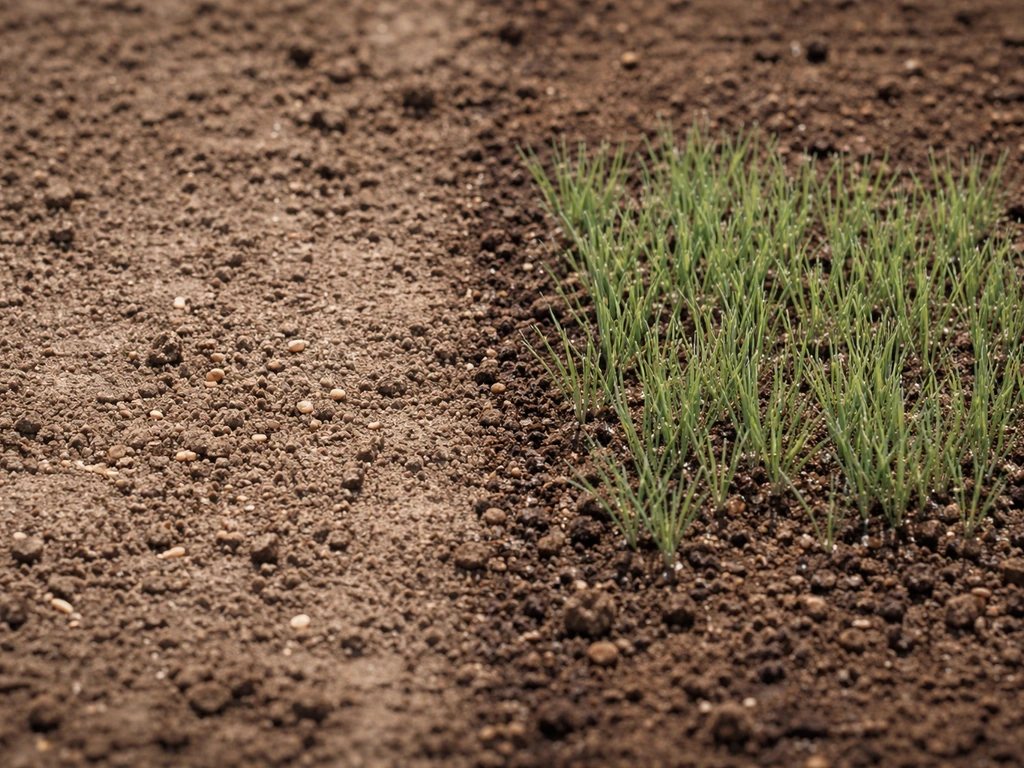
Most blue fescue seeding failures come down to a handful of repeatable problems. Here's how to diagnose and fix them.
| Problem | Likely Cause | What to Do Now |
|---|---|---|
| No germination after 3+ weeks | Seed buried too deep, soil too cold, or old/low-viability seed | Check soil temp with a probe. Scratch surface gently — if seed is deeper than 1/8 in., re-sow fresh seed on the surface. Test seed viability: place 10 seeds on a damp paper towel for 2 weeks and count how many sprout. |
| Patchy, uneven sprouting | Uneven moisture, variable soil contact, or inconsistent coverage | Hand-sow additional seed into thin areas, press in firmly, and water those spots more attentively for another 2 weeks. |
| Seedlings emerge then die off | Overwatering or poor drainage causing damping-off fungus | Let the surface dry slightly between waterings. Improve drainage if needed. Remove dead seedlings and re-sow once conditions improve. |
| Plants look green, not blue | Too much shade or overly fertile soil | Relocate to a sunnier spot if possible. Avoid fertilizing. Blue color develops more fully in lean, sunny conditions. |
| Growth is very slow after 6 weeks | Normal for blue fescue — first-year plants are small | Be patient. Blue fescue focuses on root development in year one. Mounds fill out in year two. As long as plants are green and not dying, you're on track. |
| Bare spots persist after full season | Low seed viability, heavy weed competition, or drainage issues | Address the underlying cause first. Re-sow in fall or the following spring with fresh seed after fixing the soil or removing weed competition. |
One thing worth knowing: blue fescue naturally tends to die out in the center of established clumps after a few years. That's not a seeding failure, it's just the plant's growth habit. When you see that, divide the outer portions of the clump in early spring and replant, or fill in with new seedlings. It keeps the planting looking full and renews the plant's vigor.
What to expect in year one and beyond
First-year blue fescue from seed will look modest. Small, thin tufts of blue-gray blades, maybe 3–5 inches tall by midsummer if you sowed in spring. That's normal and not a sign of failure. The plant is building roots, not shoots, in year one. By the second growing season, those clumps fill out to their characteristic 6–12 inch mounded shape and really start to look like what you see in photos. By year three, you'll have mature, full plants that need almost no care beyond occasional division and cutting back dead foliage in early spring.
Blue fescue is genuinely low-maintenance once it's established. It handles drought, poor soil, and neglect without drama. The hard part is only the first season, and most of that comes down to consistent moisture during germination and not letting weeds take over before the seedlings can compete. Kentucky 31 tall fescue is different from blue fescue, so if you're growing it for a taller, turf-style look, follow fescue-specific seeding and care tips consistent moisture during germination. If you follow the right steps for timing, drainage, and consistent early moisture, you'll be able to grow fescue grass from seed successfully. If you want to grow Kentucky bluegrass successfully, you need similar attention to moisture during the establishment phase, but the timing and mowing habits differ consistent moisture during germination. Get through that window and you're set for years.
FAQ
Can I use saved or older blue fescue seed, and how do I know if it will germinate?
Yes, but expect weaker establishment. Blue fescue seed is usually harvested as viable seed for seasonal sowing, yet older seed often drops germination quickly. If you are unsure of age, do a small viability test (place 10 to 20 seeds on moist paper towels in a warm spot, check for sprouting over about 2 to 3 weeks) and adjust sowing rate upward if germination is low.
How do I know if I’m watering too much or too little during germination?
Watering frequency depends on drying rate, not the calendar. Aim for consistently damp (not muddy) conditions in the top quarter-inch, check by pressing your finger into the surface, and water just enough to re-wet it. If the surface is crusting or pulling away, add water more often, but if it stays soggy or smells earthy, reduce watering to protect against damping-off.
What’s the best mulch to use after sowing, and what should I avoid?
For direct seeding, avoid thick, organic mulches that block light, such as heavy compost or deep bark. Straw is only helpful if kept light and translucent so seedlings still receive light at the soil surface. If you want extra protection from sun and birds, use a very thin straw layer or removable bird netting rather than covering the seed deeply.
Can I use mulch or weed control products to stop weeds right after seeding?
Not usually. Blue fescue is slow to establish from seed and competes poorly with weeds in the first weeks. If weeds are present, remove them by hand early, or delay sowing until you can clear the area thoroughly. Also note that some “natural” weed killers and weed-preventing products can still interfere with germination, so stick to mechanical removal on newly seeded ground.
How can I tell the difference between normal early growth and a true seeding failure?
It’s normal for seedlings to look thin and wispy at first. The failure signs are different: no green blades at all after the expected window, persistent blackening at the soil line, or patches where everything collapses. If you get partial emergence, continue proper moisture and drainage for another couple of weeks before concluding it’s a complete loss.
Is it better to start blue fescue indoors and transplant, or direct-sow outside?
Yes, but it works best for filling gaps after the first season. If you transplant, handle seedlings by the leaves, keep roots intact, and plant shallow at the same depth they were growing. Transplanting can also temporarily slow growth, so it’s smart to do it when nights stay reliably above about 40°F and the weather is not overly hot and dry.
When should I fertilize blue fescue seedlings, and how much is safe?
You should not fertilize aggressively during establishment. If the soil is average, skip fertilizer at planting time. If the site is extremely poor, use a light, low-nitrogen starter sparingly, then avoid further feeding for the first year because too much nitrogen can reduce the tight blue-gray form you want.
What happens if I sowed the seeds too deep, and can I correct it later?
Blue fescue seed needs light, so any cover that buries it too deep can suppress germination. Use only a minimal cover (press-in contact, and cover with about 1/8 inch of fine soil or a light vermiculite dusting). If you accidentally buried it more deeply, the practical fix is to loosen and resurface the bed carefully, or re-sow rather than hoping it will “work out.”
Should I rely on division to keep blue fescue full, or just keep reseeding?
In many gardens, dividing clumps every few years is the easiest way to maintain fullness, since the center can thin over time. Divide in early spring, then replant the outer sections quickly and water in lightly at first. This complements seeding, but you generally don’t want to divide and sow at the same time in the most stressful part of the season.
Can I treat an area for weeds after it’s seeded, and how long should I wait?
If you already have established blue fescue, hand-weed or spot-pull, but newly seeded areas need different timing than mature clumps. Since pre-emergent weed control blocks grass seed germination, you need to wait until seedlings are established enough that you are confident they won’t be harmed by weed-preventer products.
How do I prevent seed washout on slopes or exposed areas?
Yes, but the goal is to keep the seed bed from washing out while still letting light reach the seed. Use light straw on slopes and consider pegged bird netting on small beds, then remove netting once you see active germination so seedlings are not tangled or shaded. If heavy rains are frequent, a temporary erosion-control approach is safer than thick mulch.
How to Grow Kentucky Bluegrass From Seed: Step-by-Step
Step-by-step guide to grow Kentucky bluegrass from seed, with timing, soil prep, watering, mowing, and fixes for bare sp
