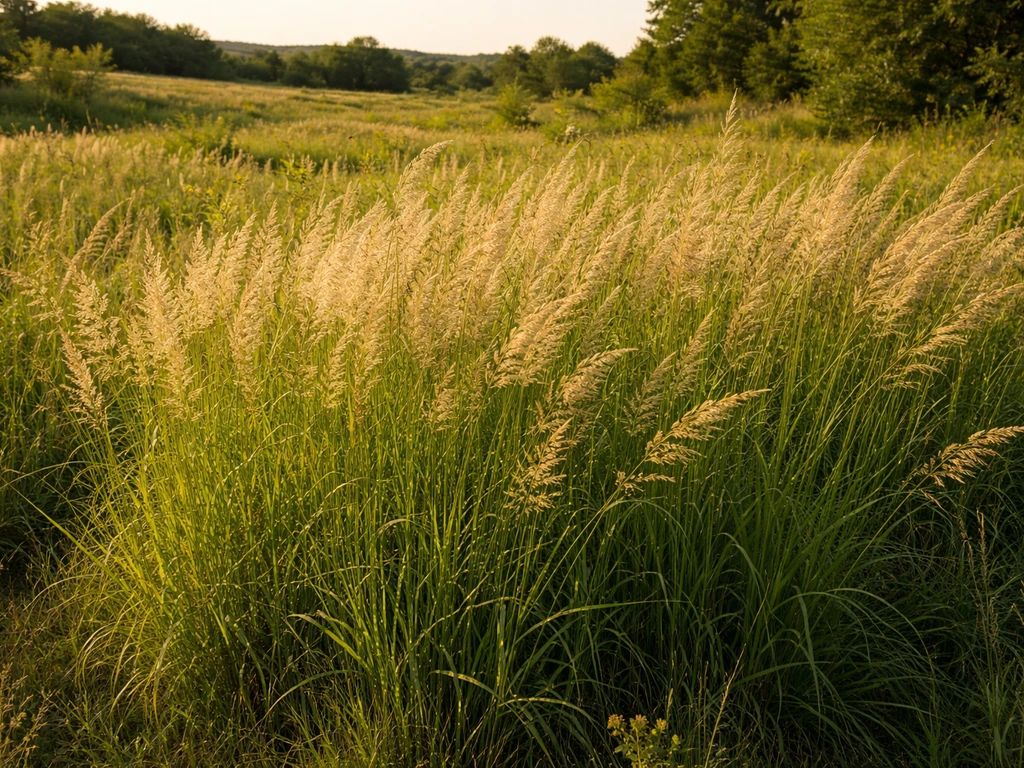
You can absolutely grow muhly grass from seed, but it takes patience and the right setup. Surface sow the tiny seeds in warm soil (around 68–75°F), keep the seedbed consistently moist, and expect germination in 1–4 weeks. Year one will look underwhelming, but by year two you'll have that full, feathery fountain shape everyone loves. The biggest mistakes people make are planting in poorly drained soil, burying the seeds too deep, and giving up too early.
How to Grow Muhly Grass From Seed, Pink Muhly Tips
Marcus Tillwell
19 Jun 2026
Which muhly grass are you actually growing?
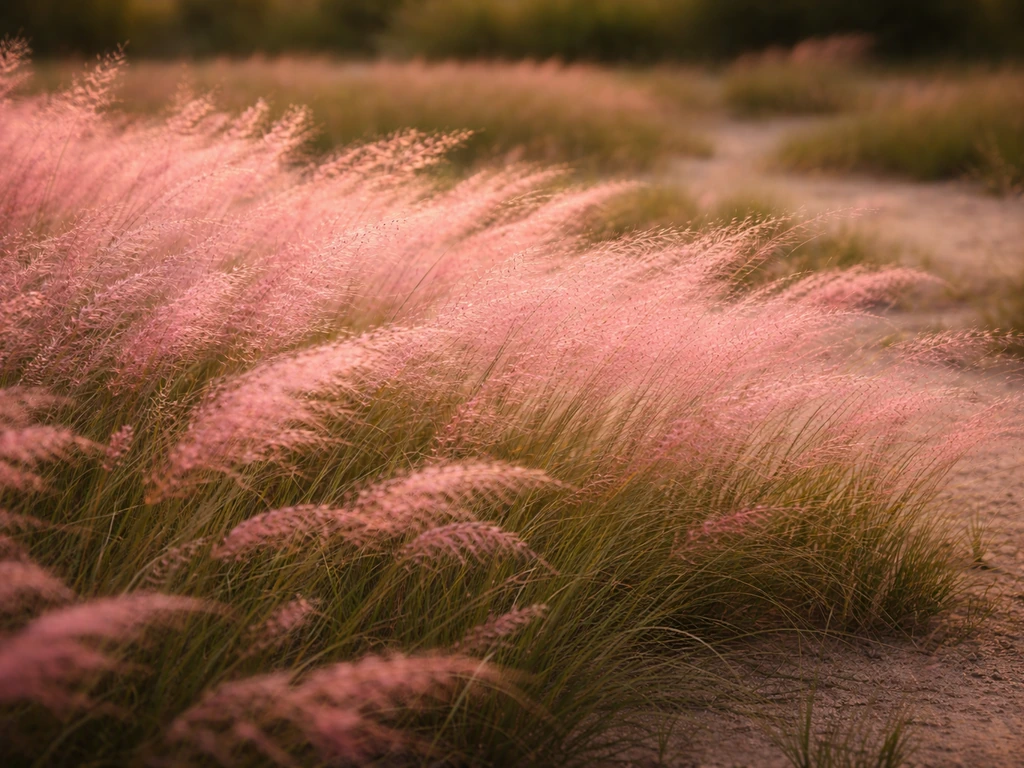
Most people searching for how to grow muhly grass are after Muhlenbergia capillaris, also called pink muhly, gulf muhly, or hairawn muhly. If you are looking specifically for how to grow scutch grass, the same general approach to sunlight, drainage, and surface sowing applies how to grow muhly grass. It's the one with the spectacular pink-purple cloud of bloom in fall, and it's a native grass across much of the southeastern and central US. There are other muhly species out there, but pink muhly is by far the most commonly sold and grown in home landscapes, so that's what this guide focuses on.
Pink muhly is hardy in USDA Zones 5–9, which covers a huge swath of the country from the mid-Atlantic down through Florida and across to Texas. Clemson HGIC lists Muhlenbergia capillaris as hardy in USDA Zones 5, 9 USDA Zones 5–9. It's tougher than it looks. Mature plants handle both drought and occasional flooding, making it a legitimate low-maintenance option once it's established. Mature clumps typically reach 36–40 inches tall with a spread of 2–4 feet, so give each plant room to fill out.
The non-negotiable requirement for pink muhly is sunlight. It wants full sun, meaning 6 or more hours of direct sun daily. It can tolerate light shade, but if you're planting it in a spot that gets deep afternoon shade, you'll get sparse, floppy growth and minimal bloom. The other non-negotiable is drainage, which we'll get into with soil prep. Everything else, soil type, fertility, moisture, it's pretty forgiving on.
Finding good seed and knowing what you're buying
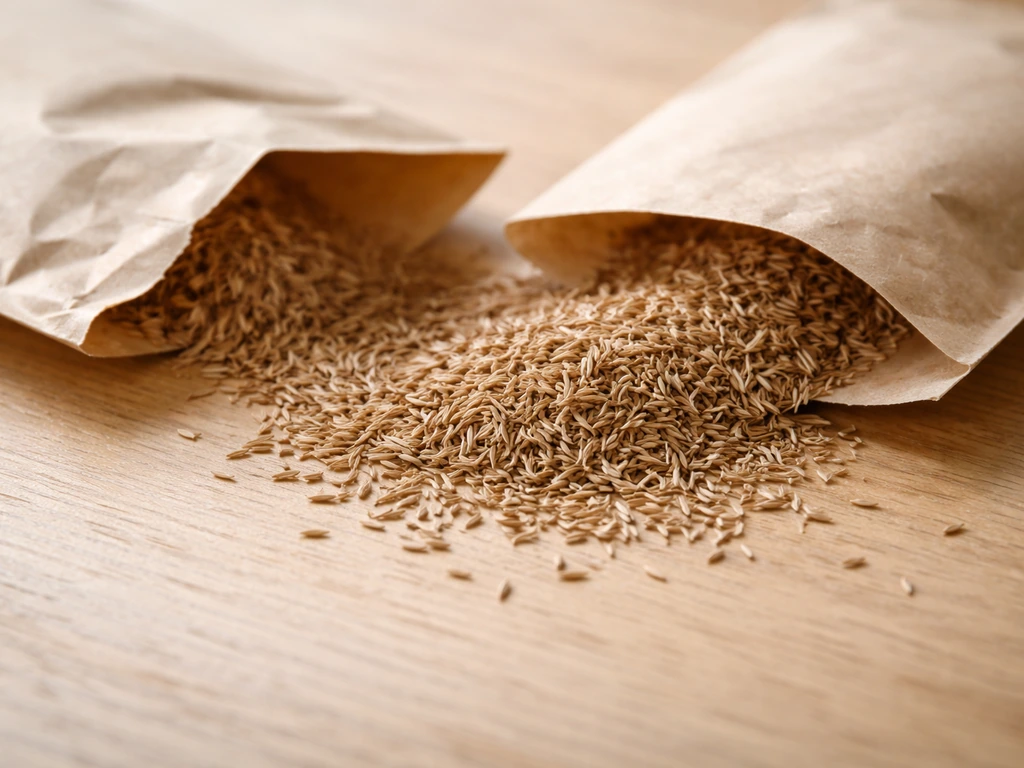
Muhly grass seed is not something you'll find at a big-box garden center. You need to go to specialty native plant seed suppliers. Ernst Seeds is one of the best reputable sources, and they even offer ecotype-specific seed (like a Florida ecotype) which matters if you're in the deep South and want plants that are genetically suited to your climate. SpecialPlants.net is another option. If you're buying locally, check with native plant nurseries or your state's native plant society for recommended local seed sources.
When you receive the seed, check viability before you plant a whole bed. The seeds are tiny, almost like fine dust, and germination rates can vary depending on how the seed was stored and harvested. Fresh seed from a reputable source typically germinates well without any special pre-treatment. Some gardeners in Zone 5 and 6 report that a brief cold moist stratification (a few weeks in a damp paper towel in the fridge) helps improve germination rates, especially if you're working with seed that may have been stored a while. It's not required for most batches, but it's worth trying if your first round doesn't take.
When to plant based on where you live
Timing matters more than most people realize, and it's different depending on whether you're starting seeds indoors or direct sowing outside.
Starting seeds indoors
If you're in Zones 5–7, start seeds indoors 8–10 weeks before your last frost date. That puts most people in the late winter to early spring window, roughly February through March. This gives the seedlings time to develop before you transplant them out in late spring when the soil has warmed. Warm soil is key: muhly germinates best at 68–75°F, which your indoor seed-starting setup can hit easily with a heat mat.
Direct sowing outdoors
In Zones 8–9 (the South, Gulf Coast, parts of the Southwest), direct sowing in late spring works well because soil temps climb quickly and stay warm. The Lady Bird Johnson Wildflower Center recommends sowing pink muhly in late spring for outdoor direct sow. Wait until soil temps are reliably at or above 65°F at the planting surface. If you sow too early in cool wet soil, seeds tend to rot before they can germinate.
One thing to keep in mind: wherever you are, the first year from seed is mostly root development. You're unlikely to get the dramatic fall bloom in year one. Set your expectations accordingly and don't pull the plants thinking they failed.
Getting the soil right before you plant
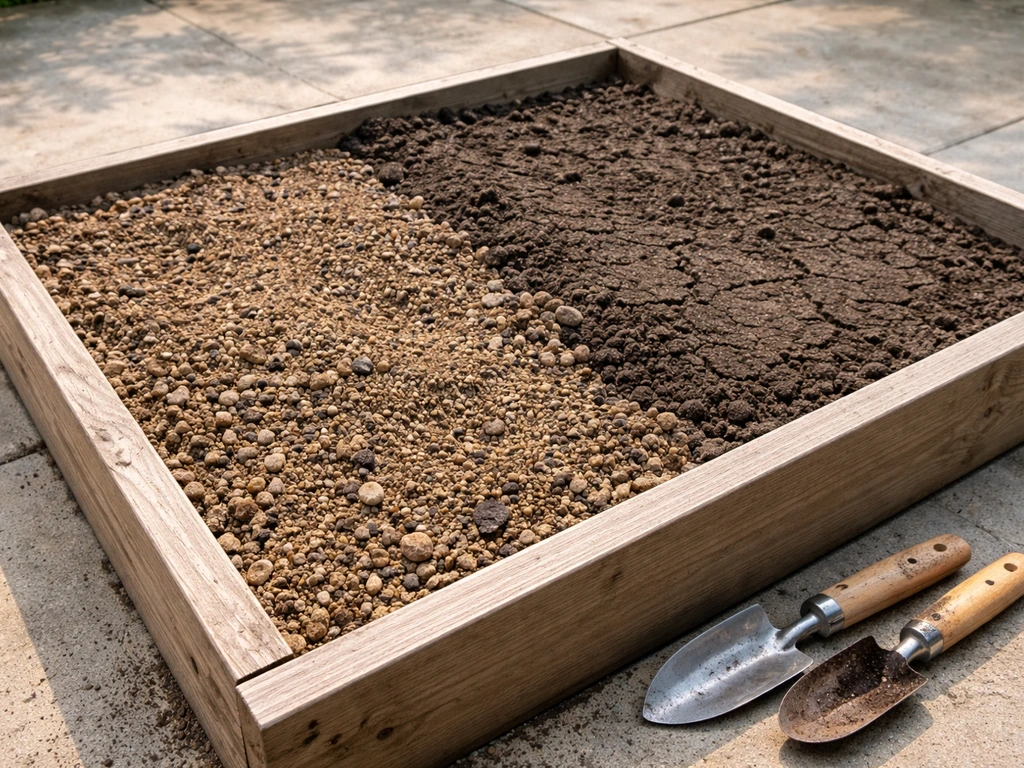
The single biggest need for muhly grass is drainage. If you're also wondering how to grow reed canary grass, focus on controlling its spread and matching its moisture needs to your site. Even though mature plants can handle occasional wet feet, sitting in waterlogged soil during establishment will kill seedlings fast. Before you plant, honestly assess your site.
| Soil Type | Main Problem | What to Do |
|---|---|---|
| Heavy clay | Poor drainage, compaction, crust over seeds | Work in 2–3 inches of coarse sand and compost; raise the bed if needed; avoid low spots |
| Sandy soil | Dries out too fast, low nutrients | Add compost to improve moisture retention; watch watering closely during germination |
| Average loam | Usually fine | Light amendment with compost; check drainage after a hard rain and adjust if water pools |
For clay soil in particular, don't just dump compost on top and till it in once. That can actually make things worse by creating a layer effect. Instead, work 2–3 inches of coarse builder's sand plus 2 inches of compost into the top 6–8 inches of soil. Alternatively, build a slightly raised planting area by mounding the amended mix a few inches above grade. This gives water somewhere to go instead of pooling around young roots.
Muhly isn't a heavy feeder, so don't over-amend with rich compost or fertilizer before planting. Too much nitrogen early on encourages leafy growth at the expense of root development. A lean, well-drained seedbed is what you want.
How to actually plant the seeds
Starting indoors in trays
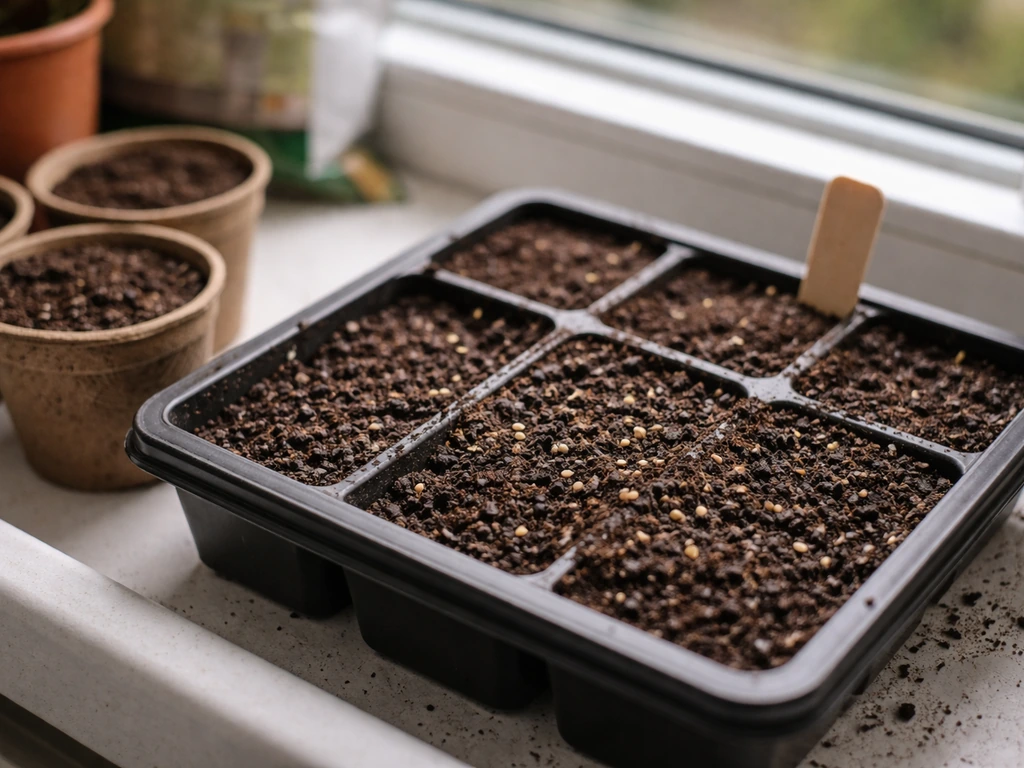
Fill seed trays or small pots with a well-drained seed-starting mix. Moisten the mix before sowing so it's damp but not soggy. Scatter the seeds thinly on the surface, then cover with just a whisper of seed-starting mix or coarse sand, maybe 1/8 inch at most. These seeds need light to germinate, so burying them is one of the most common reasons for failure. Press the surface down gently to make sure seeds contact the moist mix. Cover with a plastic dome or plastic wrap to hold humidity, and place on a heat mat set to 70–75°F. Keep the tray under grow lights or in a bright south-facing window.
Direct sowing outdoors
Rake the prepared seedbed smooth and firm it lightly. Scatter seeds thinly across the surface. You can mix the seed with a little dry sand to help distribute them more evenly, which is a trick that works well with any fine grass seed. Cover with a very thin layer of fine compost or sand, just enough to barely hide the seeds. Press down with the back of a rake or a board to ensure seed-to-soil contact. Don't walk over the seeded area after that.
Spacing for transplants (if you started indoors): set seedlings 24–30 inches apart to give mature plants room to spread to their full 2–4 foot width. If you direct sow in masses, you can thin later once seedlings are a few inches tall.
Watering through germination and early establishment
The germination window is where most people lose seeds, either by letting the surface dry out or by overwatering and causing rot. For indoor trays, check moisture daily. The mix should feel like a wrung-out sponge: damp but not dripping. Mist the surface rather than watering heavily, which can displace the seeds. Remove the plastic dome for a bit each day once you start seeing sprouts to prevent damping off (a fungal issue that kills seedlings at the soil line).
For direct-sown seeds outdoors, water gently once or twice a day using a fine mist setting on your hose nozzle. Never blast the seedbed with a strong stream. Keep the top inch of soil consistently moist until you see germination, which typically happens within 1–4 weeks depending on soil temperature and seed quality. Once you see seedlings pushing up, you can back off to once daily, then gradually reduce as plants get a few inches tall.
After transplanting indoor-started seedlings outside, water them in thoroughly and then keep soil moist but not saturated for the first 2–3 weeks. Once they're actively growing new leaves and you can feel resistance when you gently tug a plant, the roots are taking hold. At that point, back off watering to roughly once or twice a week, or let rainfall handle it. Established muhly is quite drought tolerant and actually resents soggy conditions. If you want to grow scotts grass successfully, keep your soil light and well-drained and give the plants consistent sun how to grow grass scotts.
Troubleshooting, maintenance, and what to expect in year one
If your seeds aren't germinating
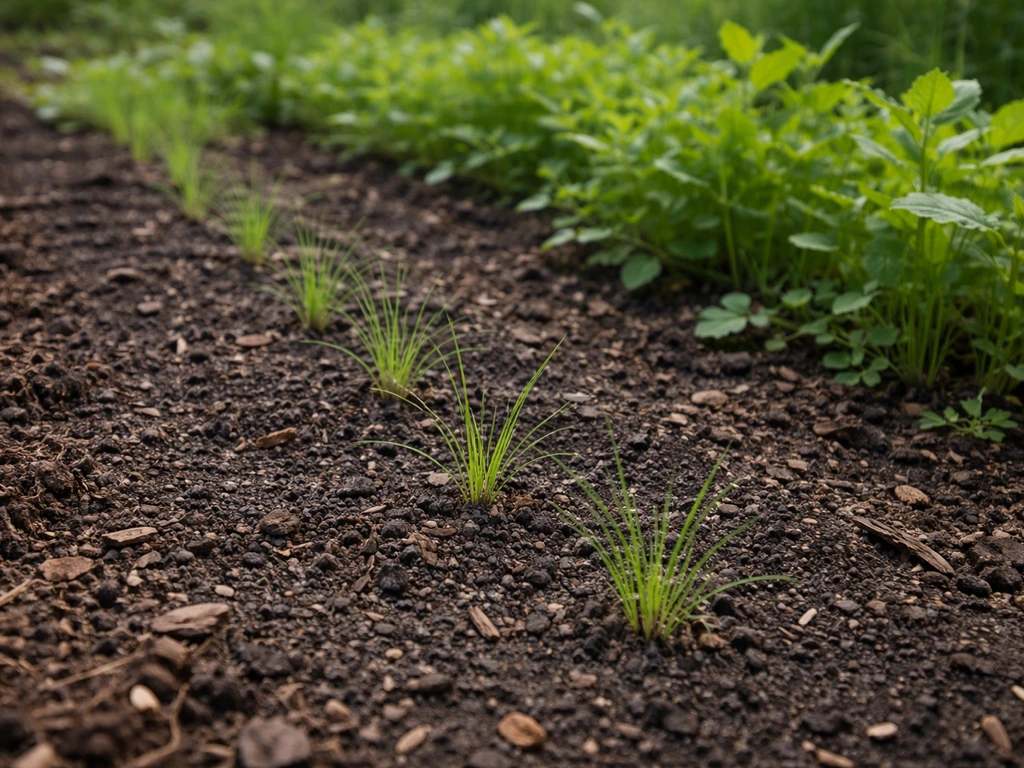
If it's been 4 weeks with no sign of life, run through this checklist. First, was the soil warm enough? Cool soil below 65°F is the most common culprit. Second, did the surface dry out at any point? Even one day of drying can kill germinating seeds that have cracked open. Third, were the seeds viable? If you had the seed sitting in a hot garage or car for any length of time, viability drops fast. Order fresh seed and try again. For a second attempt, especially in Zone 5–6, try cold stratifying the seed for 3–4 weeks in the fridge before sowing.
Weed management
Weeds are your biggest enemy in year one. Young muhly seedlings look a lot like weedy grasses, so learn to identify them early by checking the spacing (your planted seeds are where you put them; random sprouts nearby are usually weeds). Hand pull weeds carefully rather than using a hoe, which can uproot tiny muhly seedlings. Mulching between transplants helps suppress weeds, but keep mulch away from the base of seedlings. Do not use pre-emergent herbicides on or near the seedbed since they'll prevent your muhly seed from germinating too.
Fertilizing: less is more
Muhly grass is a native plant adapted to lean soils. It does not want heavy fertilizing. In fact, too much nitrogen makes the clumps floppy and can reduce flowering. If your soil is genuinely poor (sandy with low organic matter), a single light application of a balanced slow-release fertilizer in spring of year two is fine. Otherwise, skip it entirely. The compost you worked in before planting is usually enough.
Thinning and shaping
If you direct sowed and got dense germination, thin seedlings to 18–24 inches apart once they're 3–4 inches tall. Couch grass (couch grass lawn) is a different turf grass, so the exact timing, soil prep, and mowing differ from muhly. Crowded clumps compete for resources and don't develop as well. In late winter or very early spring of subsequent years, cut the whole clump back to about 4–6 inches above the ground before new growth starts. This keeps the plant tidy and encourages fresh growth. Don't cut it back in fall after bloom, since the winter seed heads and structure are part of the appeal.
Realistic timeline to that full muhly look
Here's the honest truth about growing muhly from seed: it's a slow build. Year one, you'll have small tufts of grass, maybe 6–12 inches tall, and probably no bloom or minimal bloom. Year two, plants fill out significantly and most will bloom in fall. Year three, you have the full fountain shape that makes muhly so popular. If you want that dramatic effect faster, buy a few established plants from a nursery and supplement with seed-started plants to fill in around them. The nursery plants will bloom this fall; the seed-started ones will catch up by year two or three. If you are aiming for that signature look, these same steps for how to grow carex grass will help you plan spacing, light, and watering for your site.
What to do this week if you're starting right now
Since it's mid-June, if you're in Zones 7–9, now is actually a reasonable time to direct sow outdoors as long as soil temps are warm. Get your site prepped this week, amend for drainage if needed, and order seed from a specialty native plant seed vendor. Sow as soon as the seed arrives and keep the surface moist. If you're also interested in fast, summer fodder, learn how to grow sudangrass next so you can compare timing and care needs. In Zone 5–6, you're better off starting seeds indoors now on a heat mat and planning to transplant in late summer, or waiting until late winter to start for spring transplanting. Either way, do not skip the soil drainage assessment step. That's the one thing that kills more muhly plantings than anything else.
Muhly grass is genuinely worth the patience it takes to grow from seed. It's drought tolerant, native, low maintenance once established, and that fall bloom is something you'll look forward to every year. A Florida Native Plant Society fact sheet for Muhlenbergia capillaris reports USDA Zone 5a hardiness (to about −28.8 °C / −20 °F) and notes good drought tolerance along with flood tolerance blank" rel="noopener noreferrer">It's drought tolerant, native, low maintenance once established, and that fall bloom is something you'll look forward to every year.. Nail the drainage, keep the seedbed moist during germination, and give it a full growing season before judging the results. If you've enjoyed researching ornamental and native grasses, it's also worth looking into switchgrass and feather reed grass, which share some of the same tough, low-maintenance appeal and can complement muhly beautifully in a mixed planting. If you are also curious about switchgrass, you can use the same general approach of sunny site selection, lean well-drained soil, and patient early care.
FAQ
Can I just sprinkle muhly seed on top of my existing lawn or garden soil and expect it to grow?
Usually it fails. Muhly seed needs a warm, consistently moist, well-drained seedbed and very light coverage. If you seed into thick turf or heavy organic mat layers, seeds can’t get light to germinate and seedlings get outcompeted by faster grasses. The practical move is to prep a small, bare, well-drained area and keep weeds down during the first year.
How deep should I cover muhly grass seeds, exactly?
Cover them with only a whisper, about 1/8 inch (or even less). These seeds need light to germinate, so anything more than a light dusting significantly reduces germination. Pressing the surface gently afterward helps improve seed-to-soil contact without burying the seed.
What soil texture is best for muhly during germination, especially if I have clay?
Aim for a loose, fast-draining mix in the top 6 to 8 inches. If you have clay, don’t rely on compost alone, which can create a compacted layer. A common approach is mixing coarse builder’s sand and compost into the top soil, or mounding the amended mix above grade so water can move away from young roots.
How do I tell if my seed is failing because of dryness versus rot?
Dryness typically shows up as no sprouts and a seedbed that feels dry or crusted at the surface. Rot tends to happen when the area stays soggy or waterlogged, often with a foul smell or a persistent damp, compact surface. For diagnosis, check drainage first, then adjust watering frequency and switch to gentle misting so the surface stays damp but not wet.
Should I soak muhly seeds before planting?
No. With surface sowing and warm temperatures, soaking can increase the chance of early mold or uneven germination because the tiny seeds are hard to control once they swell. Instead, keep the seedbed consistently moist after sowing, and cover very lightly.
Do I need cold stratification for muhly seed?
It’s optional. Many fresh seed lots germinate without it, but if you are working with older seed, or you are in cooler Zone 5 to 6 conditions with questionable storage, a few weeks of cold moist stratification can improve results. Don’t let stratified seeds dry out in the process, and sow immediately after chilling.
What’s the best temperature strategy if my nighttime temps drop below 65°F?
For direct sowing, waiting until surface soil stays at or above about 65°F reduces seed rot risk and speeds germination. If nights are cool, starting indoors with a heat mat (around 70 to 75°F at the soil level) is usually the safer route, then transplant once outdoor conditions are improving.
How much should I water after germination, and when should I back off?
Once seedlings appear, reduce frequency but don’t let them dry out completely during establishment. Indoor starters often need light, frequent moisture checks until rooted. Outdoors, once plants are a few inches tall, shift toward once daily at most, then taper to about once or twice weekly as plants actively grow, relying more on rainfall after they establish.
Can I use mulch after sowing to suppress weeds?
Yes, but be careful. Keep mulch away from the base of very young seedlings, because heavy mulch can smother tiny shoots and keep the surface too wet. For year one, hand weeding is often the safer default until plants are large enough that you can mulch between clumps without covering foliage.
Will fertilizer help muhly fill in faster?
Often no, and too much nitrogen can make clumps flop and reduce flowering later. Muhly is adapted to lean soils. If your soil is truly poor, use only a light, slow-release balanced fertilizer in spring of year two, otherwise skip feeding and let the plant build roots on its own.
When and how should I thin muhly seedlings if I direct sow densely?
Thin once seedlings are a few inches tall, typically to about 18 to 24 inches apart. Crowding reduces airflow and competition performance, and it can delay that full fountain form. Use careful hand pulling, since seedlings are easy to disturb.
Why is my muhly not blooming in fall after I planted from seed?
Most seed-started plants bloom minimally or not at all in year one. The usual timeline is year one small tufts and root establishment, year two noticeably fuller growth with more bloom, and year three the mature fountain shape. Avoid cutting back in fall, since structure and seedheads contribute to the look through winter.
How far apart should I space muhly if I’m transplanting bought plants plus seedlings?
For mature clumps that reach roughly 2 to 4 feet wide, set transplants about 24 to 30 inches apart. This allows room for seed-grown plants to catch up visually without competing so hard that growth stays slow.
Next Article
How to Grow Switchgrass: Step-by-Step Planting Guide
Step-by-step guide to grow switchgrass from seed or plugs, with planting rates, site prep, and 1st-season care and fixes