
Growing centipede grass from seed is absolutely doable, but it's one of the slower warm-season grasses to get going, and it has some specific preferences that will make or break your results. Get those conditions right and you'll have a thick, low-maintenance lawn that practically takes care of itself. Get them wrong and you'll be staring at bare dirt for months wondering what happened. This guide walks you through the whole process, from choosing seed to mowing your first established lawn, including the honest timeline and what to do when things go sideways.
How to Grow Centipede Grass From Seed: Step-by-Step
Marcus Tillwell
18 Apr 2026
What makes centipede grass tick (and why germination fails)
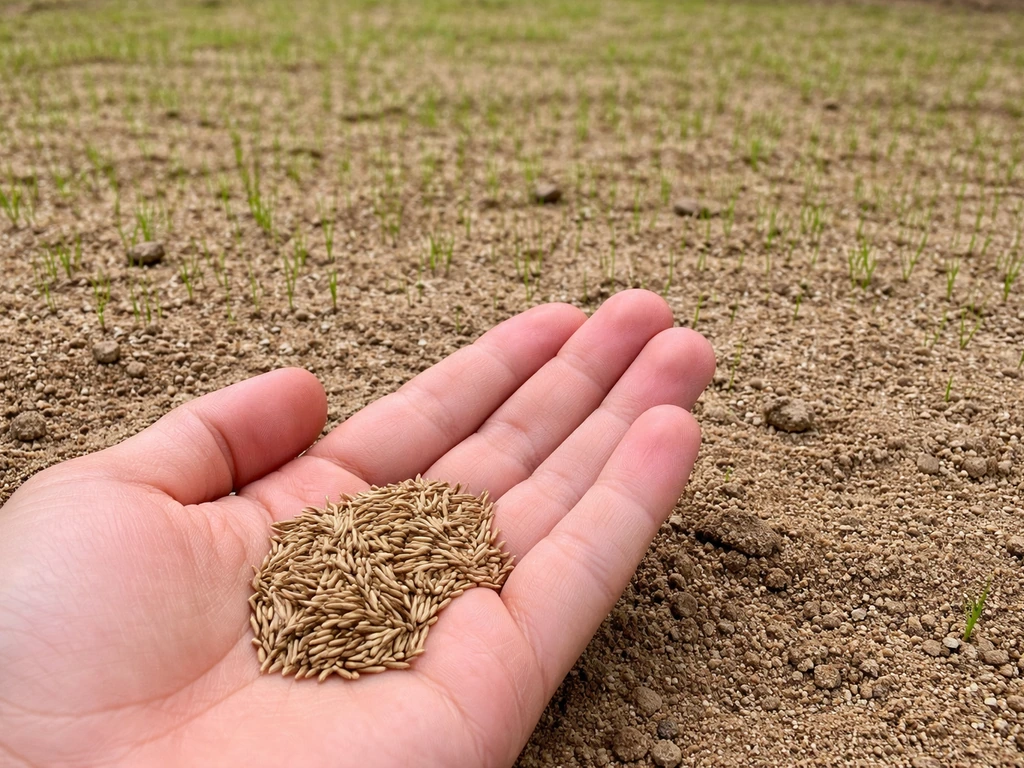
Centipede grass (Eremochloa ophiuroides) is a warm-season, low-input lawn grass that thrives across the Southeast US, from the Carolinas through Florida and into Texas. It's beloved for needing very little fertilizer and tolerating drought once established, but during establishment from seed it is genuinely demanding. The seed is extremely small, germination is slow (typically 21 to 28 days under good conditions), and it is highly sensitive to alternating soil temperatures and moisture swings. That combination means if your soil dries out between waterings, drops too cool at night, or crusts over after rain, germination stalls or fails entirely. Understanding this upfront saves a lot of frustration.
Centipede is also a species that fills in slowly. Even after good germination, NC State Extension notes it can take up to three years to fully establish a new lawn from seed. That's not a reason to avoid it, but it's a reason to set realistic expectations and not panic when your lawn looks thin at the six-month mark. Comparing that to something like bermuda, which fills in aggressively within a single season, helps explain why patience is genuinely part of the process here.
Picking the right seed, knowing where to buy it, and timing it right
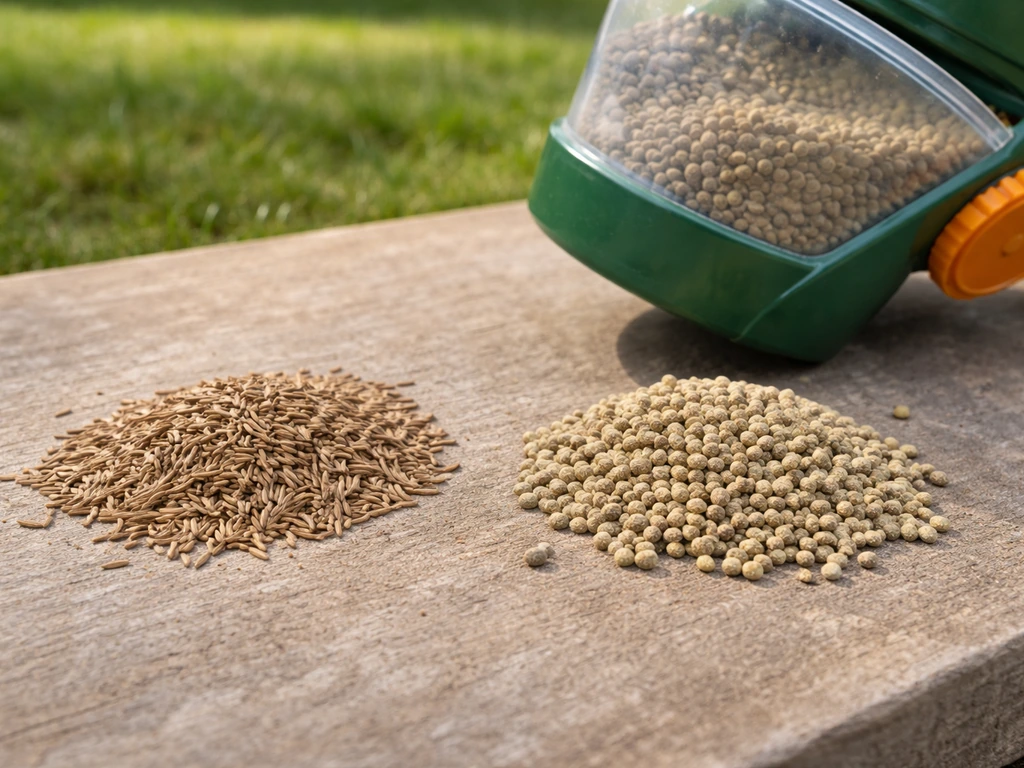
Centipede grass seed is sold both raw (hulled and unhulled) and coated. Coated seed is easier to spread evenly because the coating adds bulk to those tiny seeds, but it costs more and you need to account for the coating weight when calculating how much to buy. Raw hulled seed is cheaper and works just fine if you use the sand-mixing method described below. Either way, buy from a reputable lawn or farm supply store or a known seed supplier. Avoid generic wildcard mixes from discount bins. Fresh seed matters: germination rates drop with age, so check the packed-for or test date on the bag and aim for seed tested within the past year.
Timing is the single biggest factor most people get wrong. Centipede seed needs warm soil to germinate, specifically soil temperatures consistently at or above 65°F to 70°F. In the Southeast, that typically means late April through July depending on where you are. If you want to try a similar approach for zebra grass, follow the same step-by-step seeding logic and tailor the timing to your local warm-season window how to grow zebra grass from seed.
If you want a similar warm-season seeding project, follow the same step-by-step logic as for how to grow king tut grass from seed how to grow zebra grass from seed. If tiger grass is your goal, you can use the same timing logic and adjust for your local warm-season window how to grow tiger grass from seed. UF/IFAS specifically calls out [April through July](https://edis. ifas.
ufl. edu/publication/LH009) as the best seeding window for Florida. In the Carolinas or Georgia, late April through June is your sweet spot, though seeding as late as early July can still work if you have enough warm weeks ahead before fall. The Almanac puts it simply: mid to late spring, just before the real heat kicks in.
Never seed in fall or winter. Centipede will not germinate in cold soil and the seed will just sit there rotting.
If you're reseeding bare spots rather than starting fresh, NC State Extension gives a simple trigger you can use: wait until daytime temperatures are consistently above 60°F, which in most of the Southeast means May or whenever your region hits that sustained warmth.
Getting the soil right before you touch the seed
This is where most DIY centipede projects fail before they even start. Centipede grass has specific soil preferences, and skipping soil prep means you're fighting an uphill battle from day one.
pH is non-negotiable
Centipede prefers soil pH between 5.0 and 6.0, which is more acidic than most other lawn grasses. This isn't just a preference, it's a requirement for proper nutrient uptake. If your soil pH creeps above 6.5, centipede will start showing iron chlorosis (yellowing leaves) because iron becomes unavailable even when it's present in the soil. Get a soil test before you seed. Most county extension offices offer them cheaply. If your pH is above 6.0, don't lime. If it's below 5.0, UGA extension recommends adding lime according to their lime table guidance to bring it up slightly, but don't overcorrect. If seedlings yellow despite correct pH, UGA suggests ferrous sulfate as a practical iron remedy.
Texture and drainage
Centipede naturally grows well in sandy, well-drained soils. If you have sandy soil, you're already halfway there. If you have clay, you need to loosen it before seeding. Till the top 4 to 6 inches and mix in compost or sand to improve drainage. Centipede seedlings sitting in waterlogged clay will rot, and the tiny seeds won't establish good root contact in compacted heavy soil. You don't need to completely rebuild a clay yard, but breaking up the surface and improving drainage in the top few inches makes a measurable difference.
Fertility going in
One counterintuitive thing about centipede: it doesn't want a lot of fertilizer. UGA establishment guidance recommends only 1 to 2 lb of nitrogen per 1,000 sq ft during the establishment year, and phosphorus should be based on your soil test rather than applied by default. Over-fertilizing at seeding, especially with nitrogen, promotes weed competition and can actually work against centipede seedlings. Focus on getting your soil pH and texture right rather than dumping fertilizer in hoping it helps.
How to actually sow the seed
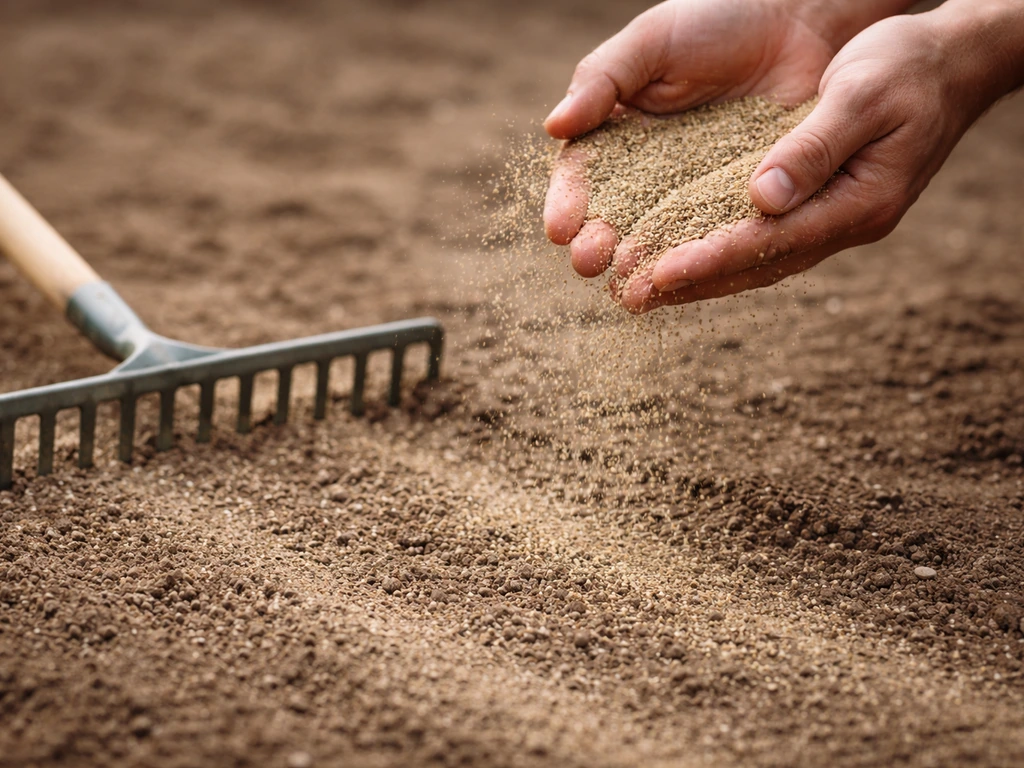
Centipede seed is so small that spreading it evenly is genuinely difficult without a trick. Alabama Extension recommends mixing 1 lb of centipede seed with 20 lbs of dry sand before spreading. That ratio gives the seed enough bulk to spread uniformly with a broadcast spreader or even by hand, without the seed clumping or dropping unevenly. If you skip this step, you'll end up with dense patches in some spots and bare gaps in others.
Seeding rate
Most sources land in the same range: use 1/4 to 1/2 lb of actual seed per 1,000 sq ft. UT Extension and Alabama Extension both give this range. The Almanac puts it slightly tighter at 1/4 to 1/3 lb per 1,000 sq ft. Don't exceed 1/2 lb thinking more is better. Over-seeding causes competition between seedlings and creates a weaker stand than a properly spaced one.
Seed-to-soil contact and depth
Centipede seed needs to sit on or very near the surface, not buried. Broadcast the seed-sand mix evenly, then lightly rake or drag to press seed into the soil surface without burying it. A light topdressing of 1/8 to 1/4 inch of fine soil or compost can help hold seed in place and retain moisture, which matters a lot given how long germination takes. On slopes or areas prone to runoff, use erosion control blankets or straw mulch to prevent washout during the 3 to 4 weeks before seedlings anchor themselves.
Watering immediately after seeding
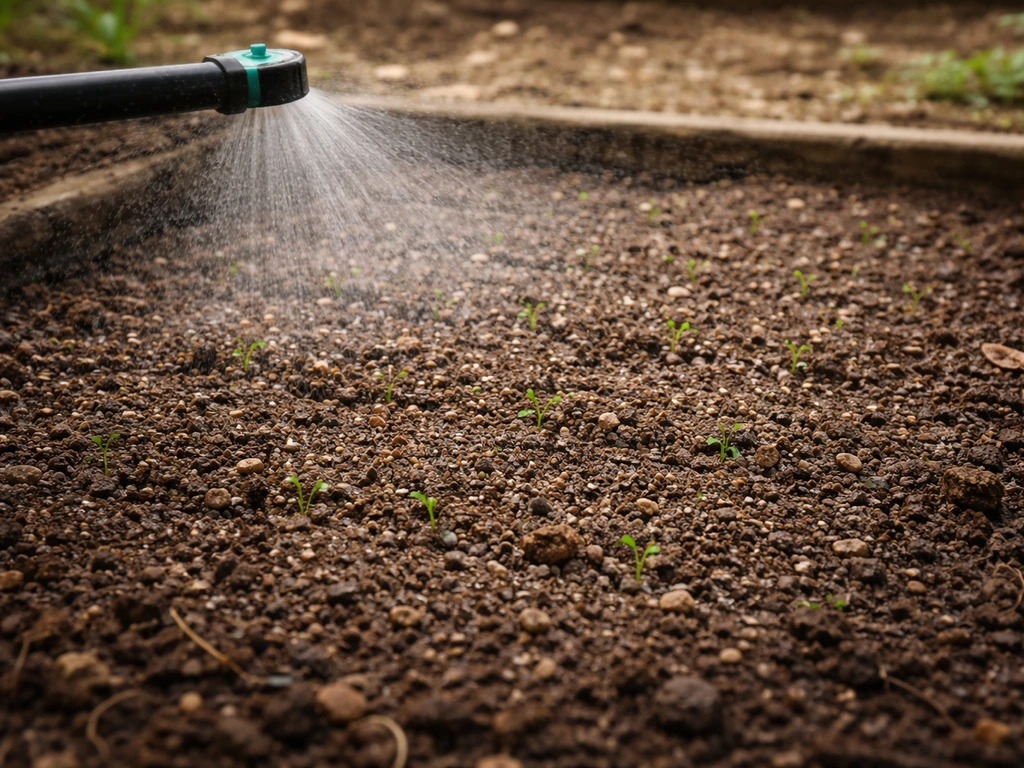
Water immediately after sowing to settle the seed into the soil. Keep the seed zone consistently moist from day one. Alabama Extension recommends at least one watering per day during the first week at about 1/2 inch per irrigation event. UF/IFAS suggests 1/2 to 3/4 inch per irrigation event during establishment. The key is never letting the top inch of soil dry out completely during germination. Once seedlings are rooted and visible, you can ease back to watering as needed rather than daily.
What to expect: the germination and establishment timeline
Here's the honest timeline so you know what you're looking at:
| Phase | Timeframe | What you'll see |
|---|---|---|
| Germination begins | 14 to 21 days after seeding | First thin green shoots appearing, sparse coverage |
| Most germination complete | 21 to 28 days after seeding | More seedlings visible, still looks patchy and thin |
| Seedlings establishing roots | 4 to 8 weeks after seeding | Grass starting to fill slightly, first mowing possible |
| Partial coverage | End of first growing season | Noticeable coverage but thin in spots, gaps remain |
| Full establishment | 2 to 3 growing seasons | Dense, continuous lawn coverage across the area |
The most important thing to know: sparse and patchy at 4 weeks is completely normal. Centipede spreads by stolons (surface runners), so it fills in horizontally over time rather than thickening quickly from seedling density. If you see germination happening but slowly, stay the course. If you see zero germination at 35 days despite consistent moisture and warm soil, then it's time to troubleshoot (see the section below).
How to speed up establishment safely
You can't rush centipede dramatically, but you can remove the friction points that slow it down. These are the highest-impact tactics that actually work.
Keep soil temperature in the sweet spot
Soil temperature between 65°F and 70°F is the target for germination. Seeding too early in spring when nights are still cool is the number one cause of stalled germination. If you're on the edge of your window, use a soil thermometer at 2-inch depth to confirm you're in range before you seed. Waiting one extra week for soil to warm is far better than reseeding a failed attempt.
Keep the seed zone moist without overwatering
Consistent moisture without pooling is the goal. Letting the seedbed dry out and rewetting it repeatedly is probably the single biggest germination killer. If you can't water daily during that first week, set a sprinkler on a timer or use a soaker hose. Light, frequent irrigation beats infrequent deep soaking during germination.
Weed control without killing seedlings
This is a real tension. You can't use most pre-emergent herbicides when you're seeding because they'll block centipede germination too. Your best option before seeding is to prepare the seedbed, wait two weeks for weed seeds to germinate, then lightly kill those weeds with a nonselective herbicide before seeding. After seeding, hand-pull weeds that emerge during germination. Avoid post-emergent herbicides until your centipede is well established (typically at least three to four months in and several mowings done). Weed pressure during year one is expected. Centipede's slow fill-in means weeds will compete, but healthy centipede will eventually choke them out.
Mowing timing and height
Wait until seedlings reach about 2.5 to 3 inches tall before the first mow. UF/IFAS advises waiting until the grass is well-rooted, not just tall enough to cut. Mow at 1.5 to 2 inches and never remove more than 1/3 of the blade height at once. Alabama Extension specifically warns that mowing below 1 inch repeatedly reduces density and thins the turf, which is especially damaging during establishment. Once established, mow every 7 to 14 days. Don't mow when soil is wet as you'll pull seedlings right out of the ground.
Fertilizing during the first season
Go light. Centipede is a low-fertility grass and over-feeding creates problems. During the establishment year, apply no more than 1 to 2 lb of nitrogen per 1,000 sq ft total. Don't front-load nitrogen at seeding. A light application of a starter fertilizer based on your soil test phosphorus results can help, but skip heavy nitrogen until the grass is actively spreading. More fertilizer does not mean faster centipede, it just means more weeds.
Troubleshooting the most common centipede seed problems
No germination after 4 weeks
Ask yourself these questions in order: Was soil temperature consistently at or above 65°F? Did the seedbed stay moist every day? Did you seed too deep (more than 1/4 inch)? Did you apply a pre-emergent herbicide before seeding? Was the seed old or from an unknown source? Centipede germination is temperature-dependent with an alternating temperature response, meaning it actually benefits from day-to-night temperature variation within a warm range. If nights are dropping into the 50s, germination will stall even if daytime temps are warm. If everything checks out and you still have nothing at 35 days, the seed may have failed or conditions may have been unfavorable. Wait for soil temps to stabilize and reseed.
Soil crusting blocking seedlings
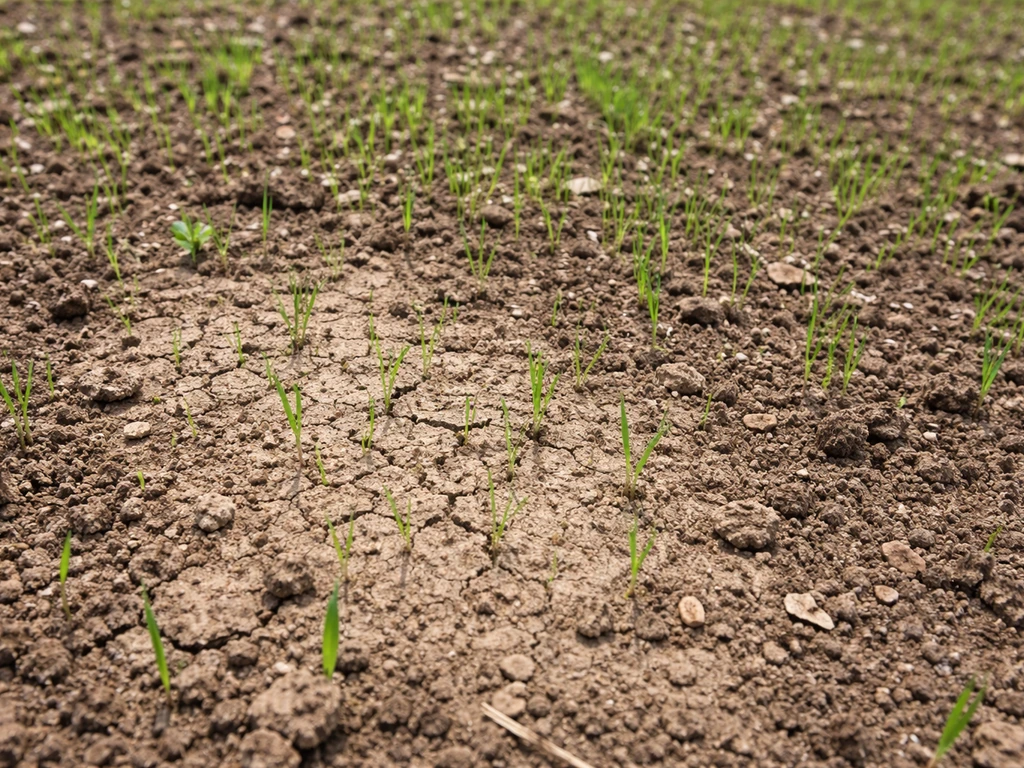
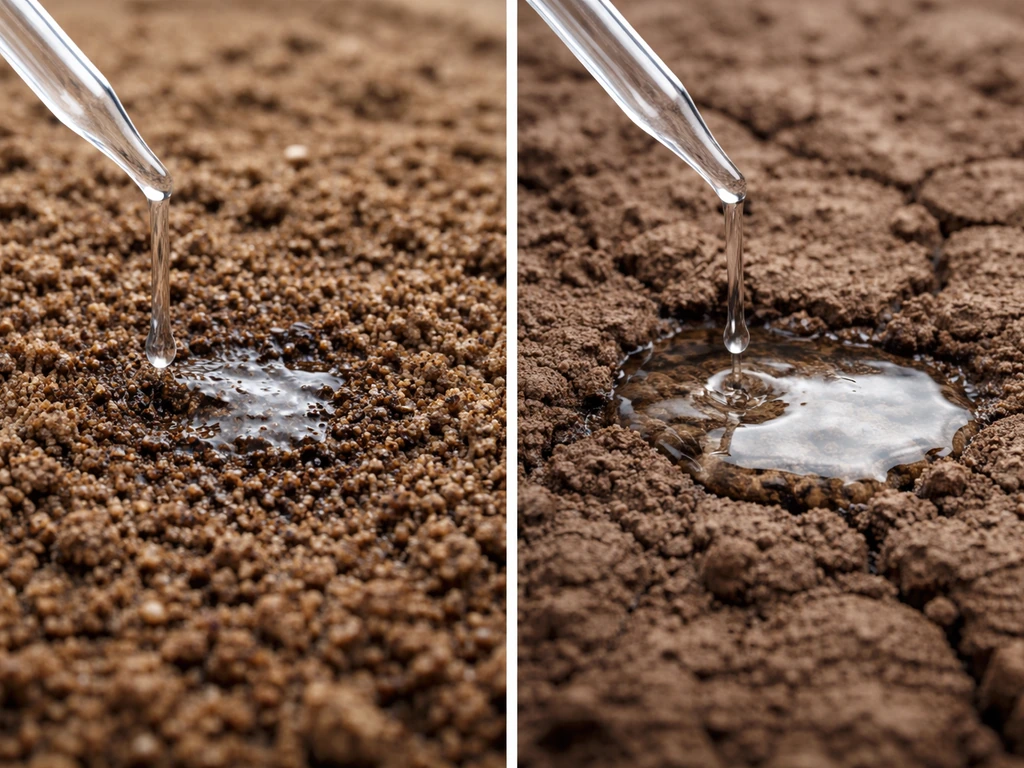
If your soil forms a hard crust after watering (common in clay or silty soils), seedlings can't push through. Prevention is the fix here: top-dress lightly with fine compost or sand at seeding to break up crust formation. If crusting has already happened, very gently break the surface with a light rake or even a stiff broom, being careful not to disturb any seedlings that have started to emerge.
Seed washing away
Centipede seed is tiny and extremely vulnerable to washout during heavy rain or overaggressive irrigation. If you're on any slope at all, use an erosion control blanket or a thin layer of weed-free straw mulch immediately after seeding. Once the seedbed is covered, use gentler, more frequent irrigation rather than blasting it with high-volume spray. A misting head or low-pressure oscillating sprinkler is better than a rotating impact sprinkler during the germination phase.
Patchy or uneven germination
Usually this comes down to uneven seed distribution (which is why the sand-mixing method matters) or uneven moisture across the seedbed. If one area stays drier than another because of slope, wind, or irrigation gaps, germination will be patchy. Walk your irrigation pattern and look for dry spots. Reseed gaps in May (or whenever daytime temps are reliably above 60°F) using the same rate of 1/4 to 1/2 lb per 1,000 sq ft.
Yellowing seedlings
Yellow seedlings in centipede almost always point to an iron availability problem tied to soil pH being too high. Test your pH. If it's above 6.0, you've likely caused iron chlorosis. UGA extension recommends applying ferrous sulfate as a direct fix for iron deficiency in centipede. Don't apply lime if you haven't tested, and don't assume yellowing means nitrogen deficiency. Centipede turns yellow from too much nitrogen just as easily as too little iron.
Heat stress or shade problems
Centipede handles heat reasonably well once established but seedlings can struggle with intense heat and low humidity during establishment. Keep irrigation consistent through hot spells. On the shade front, centipede is not a shade grass. It needs a minimum of 6 hours of direct sun per day to establish well from seed. In heavily shaded areas, centipede will germinate but thin out quickly. If your lawn has significant shade, centipede may not be your best option for those specific zones, and it's worth comparing alternatives. Grasses like fine fescue handle shade significantly better than centipede does.
If you're weighing centipede against other warm-season options, bahia grass is worth a look for very poor, sandy soils where centipede might still struggle. If you decide bahia is the better fit, start by learning how to grow bahia grass from seed in your climate. If you are comparing options, check out how to grow quaking grass from seed for a cool-season alternative. Bahia is similarly low-input but more drought-hardy in sandy conditions. That said, centipede's fine texture and lower mowing requirement make it the preferred choice for most Southeast homeowners when conditions support it.
FAQ
Can I grow centipede grass from seed without daily watering during the first week?
Yes, but only if soil moisture stays steady enough for germination. For centipede, use a low-pressure setup (soaker hose or mist/fine spray) and avoid soaking so hard that seeds float, especially on slopes. If you miss a day during the first week, focus on keeping the top inch uniformly moist rather than trying to “catch up” with a single heavy watering.
How should I calculate how much centipede seed to buy if my seed is coated?
Treat the seed rate as “per actual centipede seed,” not per bag weight. If your seed is coated, you still spread by the labeled centipede seed amount, but the coating adds bulk, so follow the article’s 1/4 to 1/2 lb per 1,000 sq ft target for actual seed to avoid overcrowding and patchy thinning later.
What should I measure before I seed to avoid wasting money and time?
Most failures are from cold soil, seed buried too deep, or moisture swings. A practical test is to check your soil temperature at 2-inch depth in the morning and afternoon for several days before committing. If your readings are below about 65°F for more than a small portion of the day, wait, don’t seed and hope it catches up.
What herbicides can I use during centipede seed establishment if weeds show up early?
If you see weeds, don’t reach for pre-emergents after seeding. The safe approach is hand-pulling small weeds during the germination window, then reassessing after the centipede is established (several mowings over at least 3 to 4 months). Using the “seedbed, wait, spot-kill” approach before seeding is the method that prevents most weed competition.
Can I cover centipede seed with compost or soil to improve germination?
Yes, lightly topdress, but keep it thin. Aim for roughly 1/8 to 1/4 inch of fine soil or compost only to hold seed in place, then water gently. A thicker layer can bury the seed deeper than centipede tolerates, which leads to weak or no emergence.
Why did my centipede germinate unevenly after I seeded in late spring?
Don’t seed in “borderline” cool weather and expect the lawn to start later. Centipede seed tends to stall when nights are too cool, then you can get a second wave that looks uneven. If you’re unsure, delay seeding until daytime warmth is consistent and nighttime lows aren’t staying in the 50s for long stretches.
Do I need the same soil prep and watering plan when I’m reseeding bare patches?
If you’re reseeding bare spots, it helps to treat the area like a mini-new seeding zone. Loosen the top few inches, confirm pH locally if the area is known to be different (near beds, under old fertilizer patterns, or after liming), and apply the same moisture plan to that patch, not just to the rest of the yard.
How will I know if my seed is failing versus just taking a long time?
Plan for a slow visual timeline. Patchiness at 4 to 6 weeks is normal, but by about 3 months you should see enough rooting and spreading to justify continuing your normal mowing and watering schedule. If there is absolutely no emergence after about 35 days under the right warm, moist conditions, troubleshoot seed age and planting depth before reseeding.
Can mowing too early or too short permanently thin centipede in year one?
Yes, and the mowing can affect density during establishment. Avoid mowing wet, remove only up to about one-third of the blade height, and do not drop below roughly 1 inch repeatedly. A good rule is to mow when the grass is about 2.5 to 3 inches tall, then stop mowing higher than you need.
My centipede seedlings are turning yellow, what’s the first thing I should check?
Use a soil test first, then decide on nutrients. Centipede often needs iron availability rather than more nitrogen, especially when yellowing appears. If pH is above target, correct iron access with ferrous sulfate rather than assuming fertilizer is the fix.
Will centipede grass fill in under trees if I seed in the shade?
Not really. Centipede needs direct sun to establish from seed, typically at least 6 hours per day. In heavy shade, you may get thin, slow coverage that never fully closes the lawn, so compare with a shade-tolerant alternative before investing in a second reseeding attempt.
What should I do if only part of the lawn germinated?
Yes, but do it surgically. If you have a dry spot, reseed only the gap once daytime temperatures are reliably above about 60°F, and use the same seed rate and seed-to-soil contact method as the original area. Over-seeding the entire lawn to “fix” one dry zone usually increases weed pressure and competition.
Next Article
How to Grow Grass in San Antonio Texas: Step-by-Step Guide
How to grow grass in San Antonio: best turf choices, planting windows, soil prep, watering schedules and troubleshooting