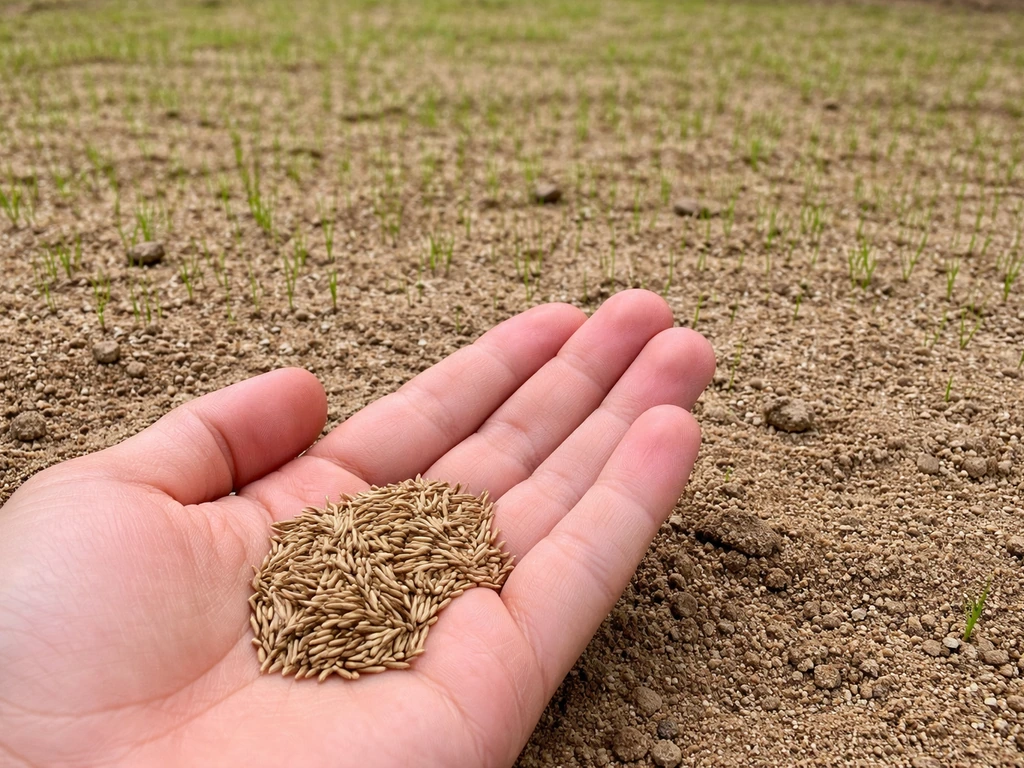
Plant Bahia grass seed between late March and July in Florida, when soil temperatures are consistently above 65°F and ideally closer to 70°F. Sow at 5 to 10 pounds of seed per 1,000 square feet, rake it lightly into the top quarter to half inch of soil, firm the seedbed so the seed makes solid contact, and keep the top three inches of soil moist but not waterlogged until germination. That's the core of it. Everything below is about doing each of those steps right so you don't end up with a patchy, thin lawn six weeks from now.
How to Grow Bahia Grass From Seed in Florida
Marcus Tillwell
3 May 2026
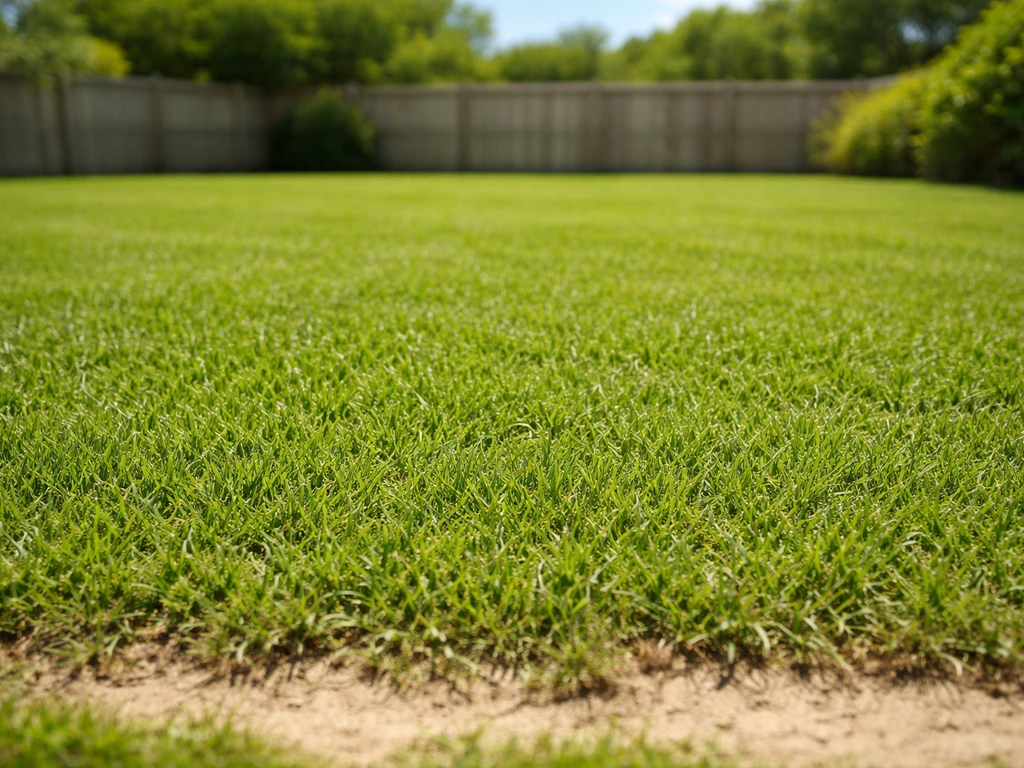
Why Bahia grass (and when it's a good fit for your lawn)
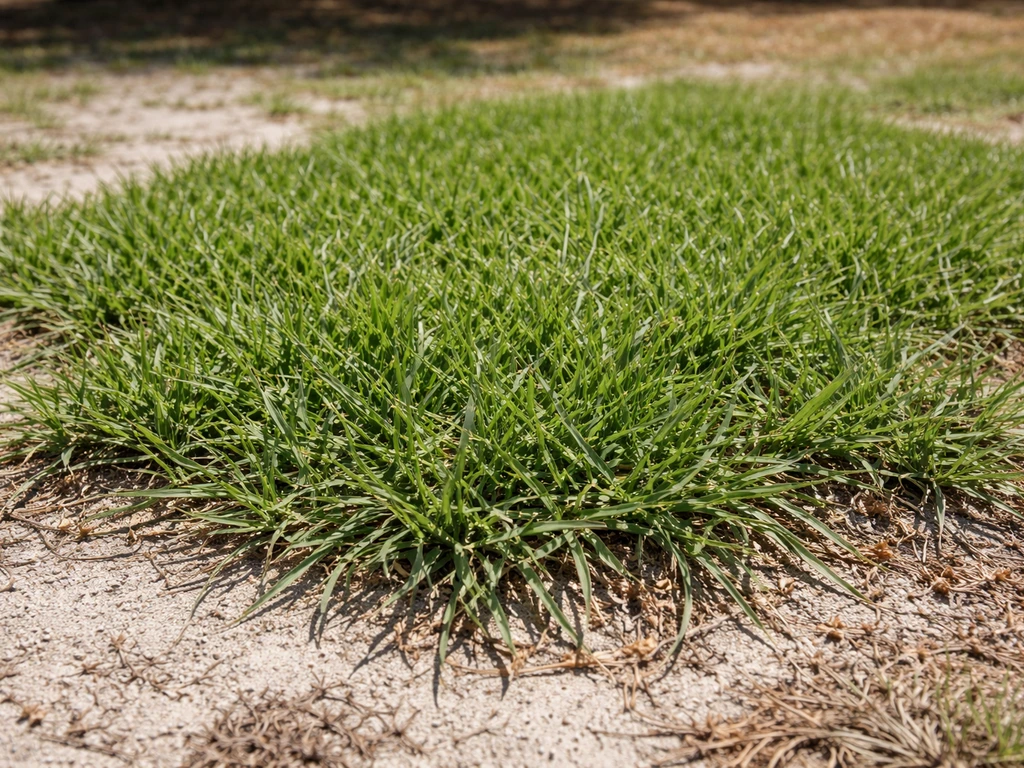
Bahia grass is one of the best options for Florida homeowners who want a low-maintenance, tough lawn that can handle sandy soil, heat, and drought without constant intervention. It's not the lushest grass you'll ever see, but it's honest: it survives where other grasses give up, spreads on its own once established, and doesn't demand much fertilizer or irrigation after it roots in. If you're in central or north Florida with full sun and sandy or slightly acidic soil, Bahia is a genuinely practical choice.
It's not the right pick for everyone, though. Bahia grass is a poor fit for shaded yards, since it needs at least six to eight hours of direct sun to thrive. It also won't work in high-traffic, manicured lawns where you want a dark green carpet look. If that's your goal, something like bermuda or zoysia will serve you better. But for a functional, durable lawn that you're not babying every week, Bahia is hard to beat in the South.
Best time to plant Bahia grass from seed (Florida timing included)
In Florida, the planting window runs from late March through July. That window exists because Bahia seed needs warm soil to germinate reliably, and germination stalls badly when soil temps dip below 65°F. The sweet spot is 70°F and above at the soil surface. If you're in central or south Florida, you can often get started in late March or early April. North Florida gardeners should wait until mid-April to be safe. The further north you go, the later your reliable window starts.
Even within that window, timing your planting right before Florida's summer rainy season kicks in (typically June) gives you a big advantage. You get free irrigation from the sky every afternoon, which is exactly what young seedlings need. If you're planting in May or early June and can catch the front edge of rainy season, you'll spend a lot less time dragging hoses around. Avoid planting in August or September in most of Florida; the grass won't have enough time to root in before cooler temps slow growth and set back the young lawn.
Choosing seed and planning for sun, soil type, and conditions
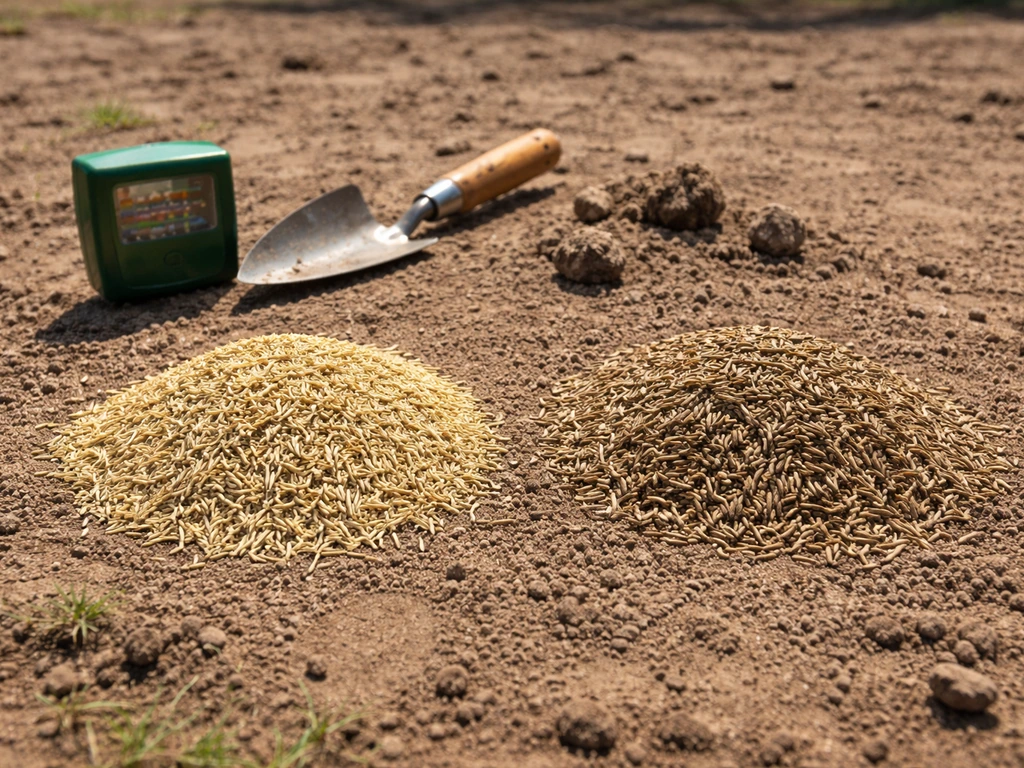
Most homeowners in Florida plant either 'Pensacola' or 'Argentine' Bahia. Pensacola is the more common and affordable choice. It's finer-bladed, very drought-tolerant, and handles sandy Florida soils well. UF/IFAS Extension (Charlotte County) notes that established bahiagrass is very drought-tolerant, in part because its deeper root system helps it handle dry conditions more drought-tolerant. Argentine has a slightly darker green color and better cold tolerance, making it a reasonable pick if you're in north Florida and want something that looks a bit more polished. For pure establishment ease and cost, Pensacola is the go-to.
Before you buy a single bag of seed, check your soil pH. Bahia grass prefers an acidic soil, with an optimum pH around 5.5. If your pH climbs above 6.5, the grass tends to yellow and stunt, which homeowners often misread as a watering problem. A basic soil test (available through your county extension office for a few dollars) will tell you where you stand. If pH is too high, work in sulfur before planting. Sandy Florida soils are often naturally acidic, so many homeowners are already in a good range without doing anything.
On soil type: Bahia is more forgiving than most grasses, but it does best in well-drained sandy or loamy soils. If you have heavy clay, you'll need to address drainage first because waterlogged soil will rot seeds before they germinate. In that case, consider working in some sand or organic matter to loosen the top few inches, or grade the area so water moves away rather than pools. Sandy soils are almost ideal as-is, just don't let them dry out completely during germination.
Prepping the seedbed for fast germination
Seedbed prep is where most people either win or lose before they ever open a bag of seed. The number one prep step is weed control. In a central Florida lawncare discussion, a homeowner reported that young Bahia grass was repeatedly overtaken by weeds, highlighting why weed control at seedbed prep matters The number one prep step is weed control.. A clean seedbed makes everything easier and cheaper. If you plant into weeds, you'll spend the whole establishment period fighting them while your grass seedlings are trying to compete. The cleanest method for most homeowners is to spray the area with a non-selective herbicide like glyphosate two to three weeks before planting, let the existing vegetation die back completely, then rake it clear. If you're looking for a complete step-by-step approach, focus on consistent moisture and good seedbed prep so your quaking grass gets the best start from seed how to grow quaking grass from seed. Don't skip this step.
After clearing weeds, loosen the top two to three inches of soil with a rake or a hand tiller. You're not trying to dig deep, just break up any crust or compaction at the surface so the seed can make contact with actual soil. This is also when you'd work in any soil amendments based on your pH test results. Then lightly firm the seedbed. You don't want it loose and fluffy; you want it settled enough that when you press your hand into it, you leave a clear print but the soil doesn't collapse. A lawn roller, a tamper, or even just walking it down in overlapping passes works fine.
Sowing Bahia seed: rates, coverage, and how to avoid bare spots
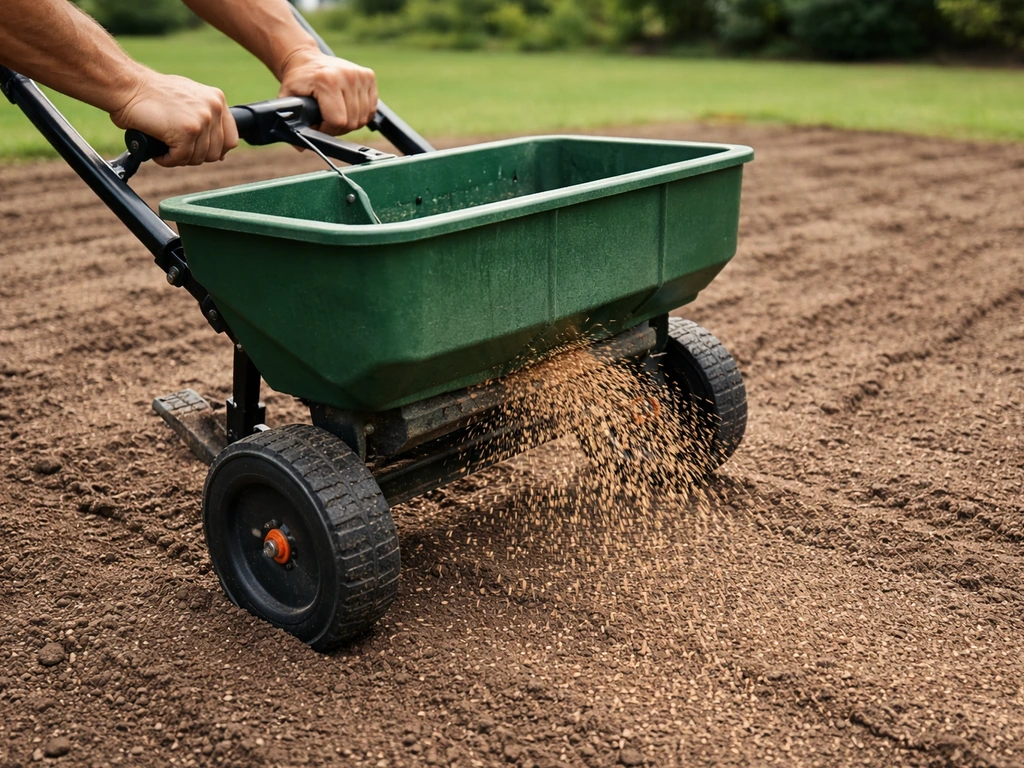
Use 5 to 10 pounds of Bahia seed per 1,000 square feet. The lower end works fine on a well-prepped seedbed in ideal conditions. If your seedbed is imperfect, your soil is variable, or you've had trouble with thin stands before, go toward 8 to 10 pounds per 1,000 square feet. Over-seeding slightly is cheap insurance against bare patches. Under-seeding is a common reason people end up with thin, weedy lawns three months later. If you want the best results, follow the full sowing and coverage steps so you avoid bare spots and get thicker germination how to grow tiger grass from seed.
Spread the seed in two passes with a broadcast or drop spreader: first pass in one direction, second pass perpendicular to the first. This cross-hatch pattern is the single easiest way to prevent streaking and bare spots. After spreading, lightly rake the seed into the soil. You're aiming for a depth of about one quarter to one half inch. Bahia seed is relatively small, so you don't need to bury it deep. Then go over the area one more time with a roller or a flat board to press the seed firmly against the soil. That seed-to-soil contact is critical for germination.
Watering and care during germination and early establishment
For the first two to three weeks after planting, your entire job is keeping the top three inches of soil consistently moist but not wet. Bahia seed is slow compared to grasses like ryegrass or bermuda. Expect germination to take anywhere from two to four weeks under good conditions. If the soil dries out for even a couple of days during that window, germination stalls and you lose progress. Water gently so you don't wash seed out of place, and water often enough that the soil surface never looks dusty or cracked.
A practical approach: apply about half an inch of water per irrigation session on sandy soils, and aim to water once or twice a day in hot, dry weather. If you're planting into the rainy season, afternoon thunderstorms may handle most of this for you, but check the soil each morning and water if the top inch is dry. Once seedlings emerge and you can feel them resist a gentle tug, you can back off to once-daily watering and gradually transition to deeper, less frequent irrigation as the roots develop.
Hold off on mowing until the grass reaches about four to five inches. When you do mow for the first time, set the deck to three to four inches and don't take off more than a third of the blade height at once. Mowing too short too early stresses young plants. Also hold off on any fertilizer applications until the lawn has been mowed two or three times and looks clearly established. Aggressive early fertilizing pushes weeds harder than it helps Bahia seedlings.
Troubleshooting: how to get Bahia grass to grow when it won't
If your Bahia seed isn't germinating or you're seeing patchy coverage, the problem almost always comes down to one of five things: planting at the wrong time, uneven soil moisture during germination, poor seed-to-soil contact, weed competition outpacing the seedlings, or a soil pH that's off. Work through them in that order.
- Timing: If you planted before soil temps hit 65°F, germination will be very slow or stalled. Check a soil thermometer and wait. There's no shortcut here.
- Moisture: Inconsistent watering is the most common failure. If you're getting hot, dry afternoons and only watering once a day, the surface may be drying out between waterings. Add a midday watering session for two to three weeks.
- Seed-to-soil contact: If you didn't firm the seedbed after sowing, seed sitting on loose soil or on top of organic debris won't germinate well. For patchy areas, rake them gently, re-seed at the same rate, and this time firm them down with a roller or your foot.
- Weed pressure: If your seedbed had a lot of weed seeds in it, weeds will outcompete young Bahia. Pull weeds by hand in the first few weeks and avoid any broadleaf herbicides until the Bahia is fully established, usually after three to four mowings.
- Soil pH: If the grass is coming in yellow or stunted despite adequate moisture, test your pH. Above 6.5, Bahia struggles noticeably. Apply sulfur per the test recommendation and water it in.
Bahia is genuinely a slow starter. If you've done everything right, it can still take a full growing season to fill in completely. That's normal. The mistake most people make is giving up and applying herbicide or starting over when the grass just needed more time. Patience plus consistent moisture in the first four to six weeks will get you further than almost anything else.
If you're comparing Bahia to other warm-season options for your situation, centipede grass is another low-input choice for Florida that's worth looking into, especially if your soil is particularly acidic. Centipede grass from seed has a similar warm-season approach, but it has its own soil and timing preferences to get good germination how to grow centipede grass from seed. Both grasses are established from seed in similar warm-season windows, but Bahia tends to be more drought-resistant once rooted and handles a wider range of soil types. If you're wondering how to grow zebra grass from seed in a similar warm-season window, the same focus on seed-to-soil contact and steady moisture will help you succeed Bahia grass from seed. If you’re specifically trying to figure out how to grow king tut grass from seed, use the same seedbed, timing, and careful moisture approach while matching it to your local conditions.
FAQ
How long does it take how to grow bahia grass from seed to fully fill in Florida lawns?
Expect first visible germination in about 2 to 4 weeks, but a complete, thick stand often takes one full growing season (sometimes longer if you planted late in the window or had a dry spell). Plan on initial coverage by 6 to 8 weeks, then gradual thickening through warm weather.
What should I do if my bahia seed sprouted but the stand looks thin after 6 weeks?
Before adding more seed or products, check the top 1 to 2 inches of soil moisture history and whether seed-to-soil contact was firm. Thin stands commonly happen when the seedbed stayed too wet early, dried for a few days during germination, or wasn’t pressed after raking. Then overseed at the same rate used for your original sowing (slightly higher if bare spots are obvious) once the existing seedlings are established enough to tolerate walking and raking.
Can I grow bahia grass from seed in partial shade or morning sun only?
Bahia needs sustained direct sun, roughly 6 to 8 hours, to establish well. If you only have morning sun with afternoon shade, germination may occur, but the lawn often becomes patchy and slower to thicken. If shade is unavoidable, consider adjusting expectations or choosing a different species better suited to lower light.
Will overwatering hurt bahia seed during germination?
Yes. Keeping the top 3 inches moist is important, but waterlogged soil can reduce germination and increase seed loss. Use lighter, more frequent irrigation so the surface never dries out, while also ensuring the area drains. A simple test is if puddles remain or the seedbed feels swampy after watering, cut back immediately.
Do I need fertilizer right after planting bahia seed?
Usually not. Early fertilizer can push weeds and can stress young seedlings, so it’s best to wait until after the grass has been mowed 2 to 3 times and is clearly established. If your soil test shows a major nutrient deficiency, apply according to the test recommendations, but keep nitrogen light during establishment.
Should I use a starter fertilizer or pre-emergent weed control before or after planting?
Avoid pre-emergent herbicides and many weed preventers around the germination period, because they can also inhibit grass seedling emergence. If weeds are a problem, the safer approach is physical management (careful hand weeding) while seedlings are small, then use targeted post-emergent control only after the lawn has matured enough to tolerate it.
How can I tell if poor performance is pH-related versus watering or seed depth?
pH issues often show up as yellowing or slowed, uneven growth even where moisture is consistent. If germination was also weak from the start, seedbed contact, timing, and moisture are more likely. If seedlings emerge but then stall and look chlorotic, run a quick soil test or verify the pH you tested earlier, especially if you applied amendments that could shift pH.
What is the correct seeding depth when learning how to grow bahia grass from seed?
Aim for about a quarter to half inch. Bahia seed is small, so deeper coverage reduces emergence and increases the chance of patchy establishment. If you raked in too deeply, gently reduce compaction and avoid burying additional seed deeper, then focus on consistent moisture.
Is the same sowing approach valid for both Pensacola and Argentine bahia?
The method is largely the same, but Argentine often has better cold tolerance, while Pensacola is commonly chosen for finer texture and strong drought tolerance. Regardless of variety, the establishment keys stay consistent: warm soil, tight seed-to-soil contact, weed control, and steady moisture through the first month.
What’s the best way to water newly planted bahia if I don’t want to run sprinklers all day?
In sandy Florida soils, short, frequent cycles work better than one long watering. Check early mornings and restart watering if the top inch starts to dry. If you rely on rainfall, still do a quick soil check daily during the first 2 to 3 weeks, since a few missed dry days can stall germination.
When is it safe to mow and how should I set the mower for young bahia?
Mow only after the grass reaches about 4 to 5 inches. Set the mower high, usually 3 to 4 inches, and remove no more than about one-third of the blade height. Avoid mowing too early or too short, because that can slow root development and widen patchiness.
Next Article
How to Grow Centipede Grass From Seed: Step-by-Step
Step-by-step how to grow centipede grass from seed, fast germination tips, soil prep, seeding, watering, and fixes.