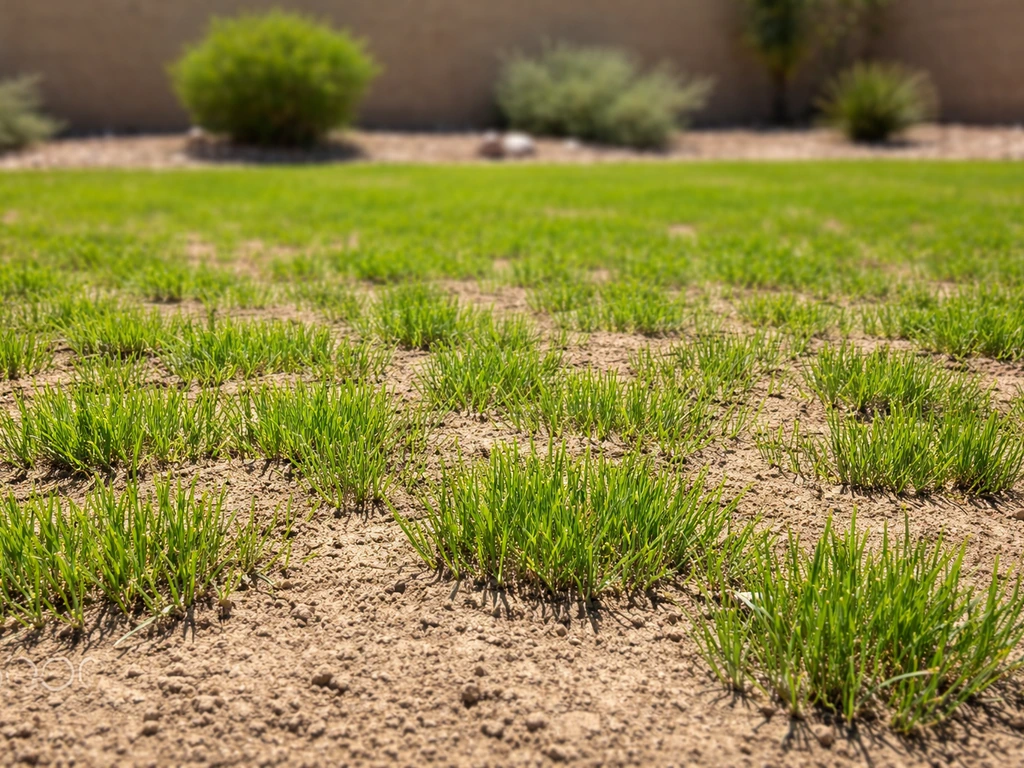
Bermuda grass is one of the best choices you can make for a Texas lawn. It loves heat, handles drought better than almost anything else, and once it's established, it spreads aggressively to fill in bare spots on its own. The key is timing your planting right, matching your seed or method to your goals, and not rushing the establishment process. Plant too early in spring when the soil is still cool, skip the soil prep, or water incorrectly during germination, and you'll end up with patchy results that frustrate most people into giving up. Follow the steps below and you'll have a solid stand by midsummer.
How to Grow Bermuda Grass in Texas: Step-by-Step Guide
Marcus Tillwell
1 Jun 2026
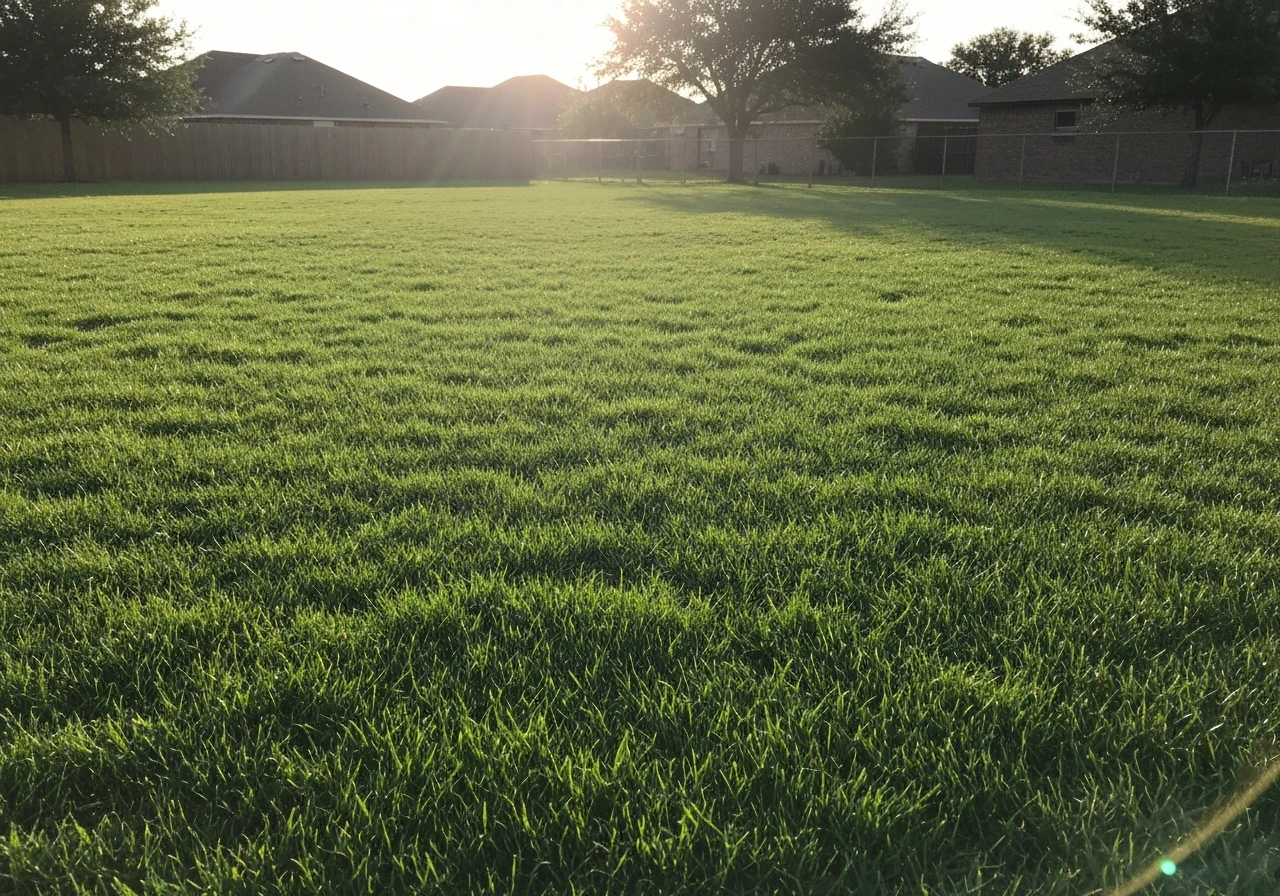
Texas climate and when to plant bermuda grass
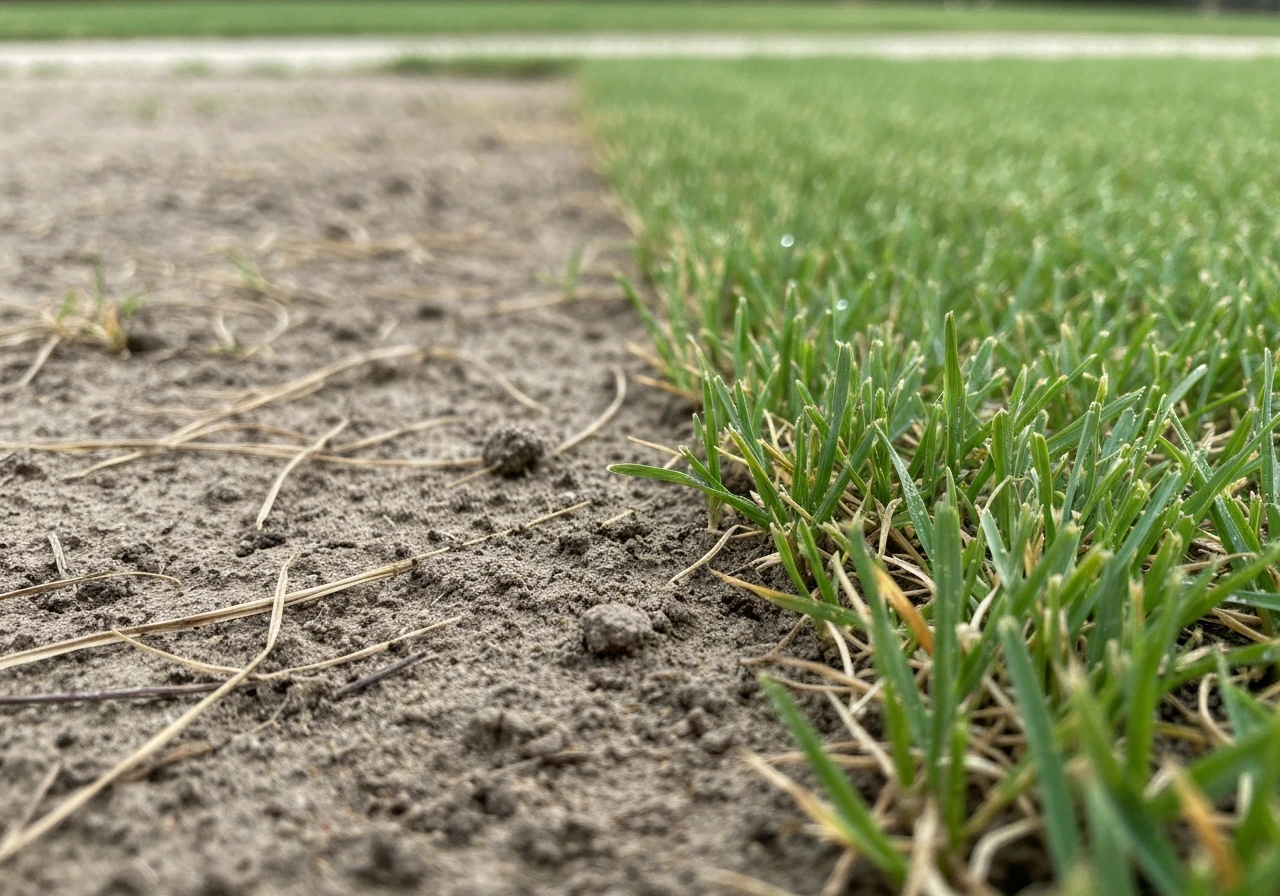
Bermuda grass is a warm-season grass, and Texas is almost perfectly suited for it. From South Texas to the DFW Metroplex and across to East Texas, bermuda thrives during the long, hot growing season. The catch is that it needs warm soil to germinate and establish, not just warm air. Texas A&M AgriLife recommends waiting until nightly low temperatures are consistently at or above 60°F before seeding. In practical terms, that means late April through early June for most of Central and North Texas, and as early as March for South Texas and the Rio Grande Valley. If you want a complete walkthrough from start to finish, see how to grow bermuda grass at home for a step-by-step guide that matches this planting window.
If you're planting sod or sprigs rather than seed, you have a bit more flexibility. Sod can go in any time of year technically, but spring and late summer through early fall give it the best chance to root before stress kicks in. Seed, on the other hand, really needs that warm soil window from spring through early summer. Try to push seed into the ground after July 4th in North Texas and you're racing the clock before the grass goes dormant in fall without enough time to establish.
If you're in the Hill Country, the Panhandle, or higher elevations in West Texas, shift your timing slightly later. Soil warms up more slowly there, and a late frost can set back early-planted bermuda. When in doubt, check your nightly lows for at least a week before seeding. Fifty-five degrees at night is too cold. Wait for 60.
Choosing the right bermuda grass for your yard
Bermuda grass comes in two broad categories: seeded varieties and hybrid varieties. This matters because it affects how you plant, what you'll spend, and the look you'll get.
Seeded bermuda varieties
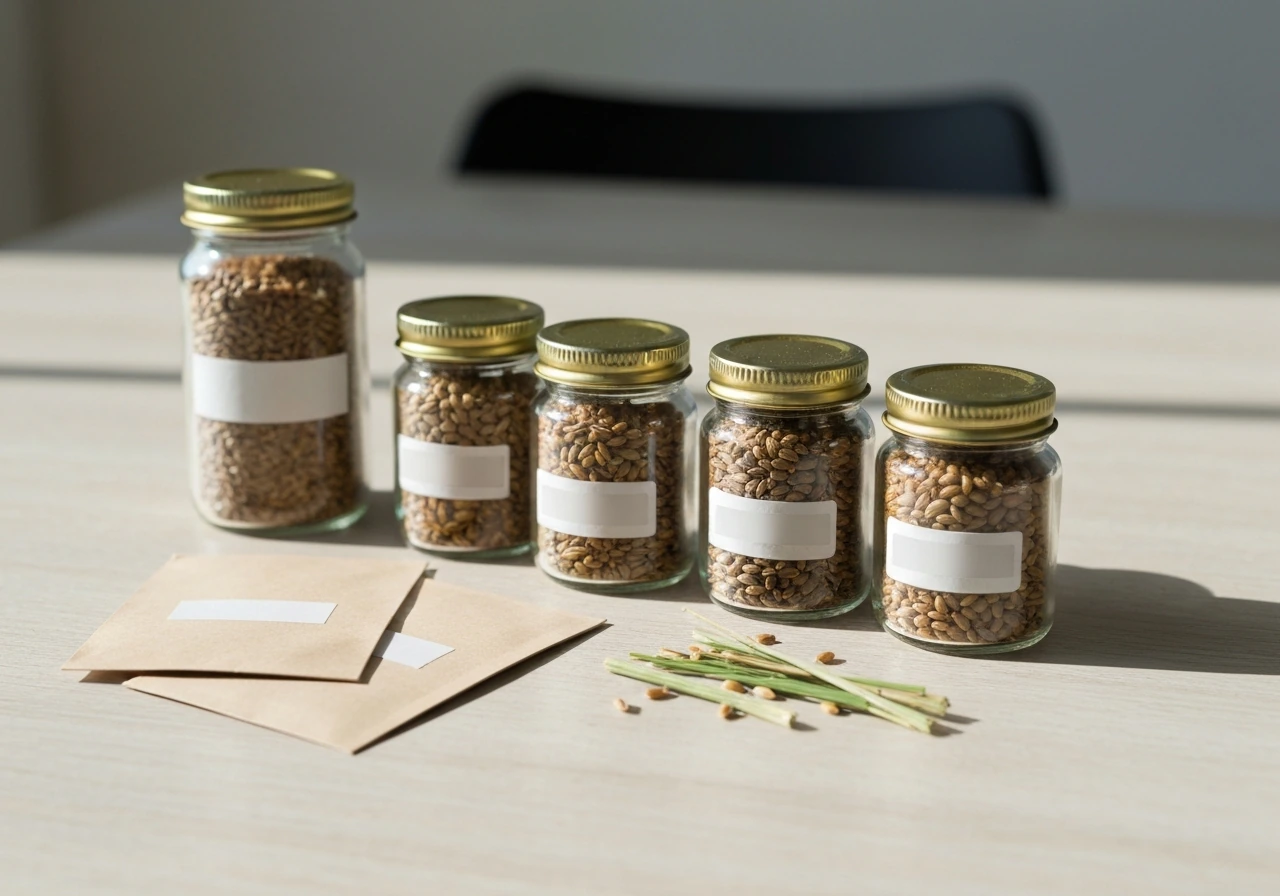
Common seeded bermuda (Cynodon dactylon) varieties like Arden 15, Yukon, and Princess 77 are what most homeowners use when starting from seed. They're affordable, widely available at farm stores and garden centers across Texas, and work well in a home lawn setting. These are your best bet if you're seeding a large area on a budget. Broadcast at a rate of 1/2 to 1 lb of hulled seed per 1,000 square feet for home lawn use.
Hybrid bermuda varieties
Hybrid bermudas like Tifway 419, Celebration, and TifTuf are sterile, meaning they can't be grown from seed. You'll need to install them as sod or sprigs. They tend to have finer texture, denser growth, and better drought tolerance than seeded varieties, but they cost more upfront. If you want a really dense, manicured lawn and your budget allows for sod, a hybrid like TifTuf or Celebration is hard to beat in Texas conditions.
Is bermuda actually the right grass for your situation?
Bermuda is ideal if your yard gets at least 6 to 8 hours of full sun per day. It does not tolerate shade well at all. If you have large trees or a north-facing yard with significant shade, bermuda will thin out and struggle no matter how well you manage it. In that case, zoysia grass handles moderate shade better and still performs well in Texas summers. Tall fescue is another option for shady spots, though it's a cool-season grass and goes dormant or struggles in the intense Texas heat of July and August. Ryegrass is almost never a permanent Texas lawn solution but is sometimes overseeded onto dormant bermuda in winter to keep a green lawn through the cooler months, which is a totally different use case.
| Grass Type | Sun Requirement | Heat Tolerance | Drought Tolerance | Grows From Seed | Best For in Texas |
|---|---|---|---|---|---|
| Bermuda | Full sun (6-8+ hrs) | Excellent | Excellent | Yes (common types) | Most Texas lawns, high traffic, sun |
| Zoysia | Full sun to part shade | Good | Good | Possible but slow | Moderate shade, lower maintenance |
| Tall Fescue | Part shade to full sun | Moderate | Moderate | Yes | Shady areas, cooler regions |
| Ryegrass | Full sun to part shade | Poor | Poor | Yes | Winter overseeding on dormant bermuda |
Site prep: soil test, sun check, and fixing your soil type
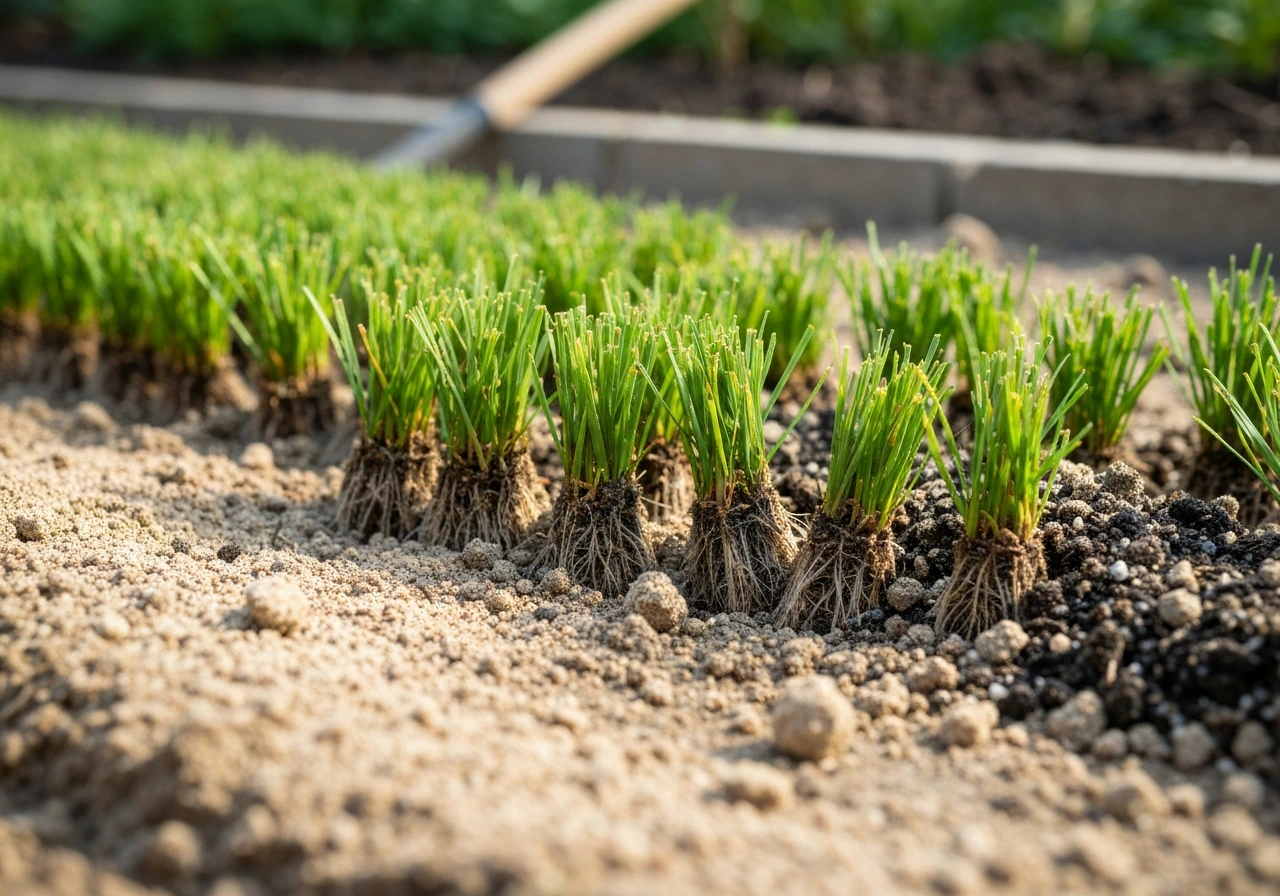
Good site prep is the difference between bermuda that fills in fast and bermuda that limps along for two years. Before you do anything else, spend 20 minutes doing these three things: check your sun exposure, test your soil, and figure out whether you're dealing with clay or sandy soil.
Check your sun exposure first
Walk your yard in the morning, around noon, and in the late afternoon and note which areas are in full sun versus shade. Bermuda grass needs 6 to 8 hours of direct sunlight daily to thrive. If a section of your yard is regularly shaded by a fence, structure, or tree canopy for more than half the day, bermuda is going to thin out and fail there regardless of anything else you do. Be honest with yourself about this before you invest money in seed or sod.
Get a soil test
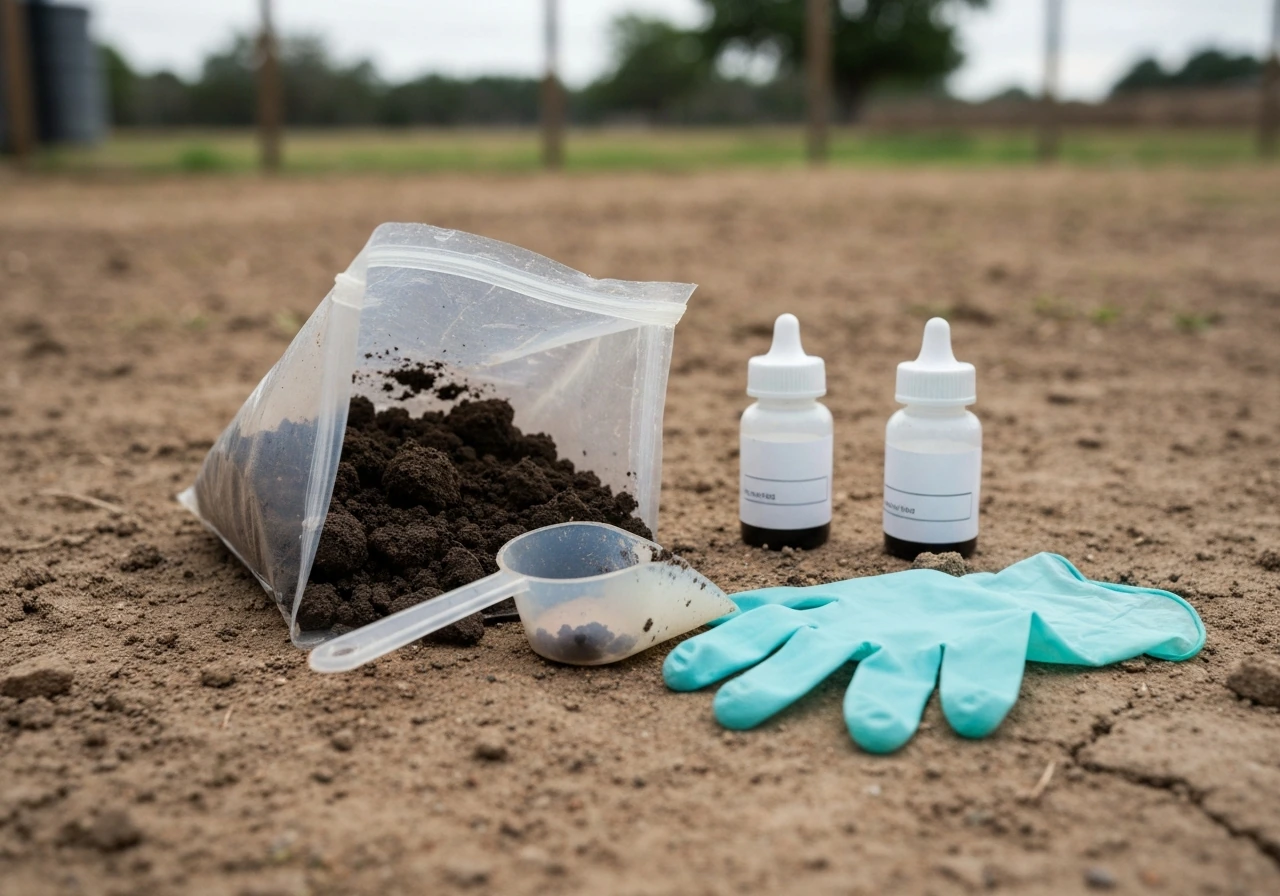
Texas A&M AgriLife Extension offers soil testing through their lab, and it's genuinely worth doing. The test tells you your soil pH, existing nutrient levels, and what to add before planting. Bermuda grass prefers a pH between 6.0 and 7.0. If your pH is way off, fertilizer won't work efficiently no matter how much you apply. Pick up a soil sample bag from your county Extension office, follow their Urban and Homeowner Soil Sample instructions, and send it in. Results typically come back in a week or two and include specific amendment recommendations for your yard.
Clay soil in Texas
Heavy clay is common across Central Texas, the Blackland Prairie, and parts of North Texas. Bermuda can absolutely grow in clay, but poor drainage and compaction will slow establishment and lead to patchy coverage. Before planting, till the top 4 to 6 inches and work in compost (2 to 4 inches mixed in thoroughly) to improve drainage and loosen soil structure. Aerating compacted clay before seeding or sodding also helps roots get established faster. Avoid the temptation to overwater clay soil, since it holds moisture longer and can stay soggy, which hurts young bermuda.
Sandy soil in Texas
Sandy soil, more common in South and East Texas and along river bottoms, drains fast and dries out quickly. Bermuda actually spreads well in sandy conditions, but you'll need to water more frequently during establishment since the soil won't hold moisture between cycles. Adding compost before planting improves water retention and gives the soil more to work with nutritionally. Once bermuda is established in sandy soil, its deep roots become a real advantage for drought tolerance.
How to plant bermuda grass: methods and step-by-step seeding
You've got three main options for establishing bermuda: seed, sod, or sprigs and plugs. Each has its place depending on your budget, timeline, and how much area you need to cover.
Seeding: best for large areas on a budget
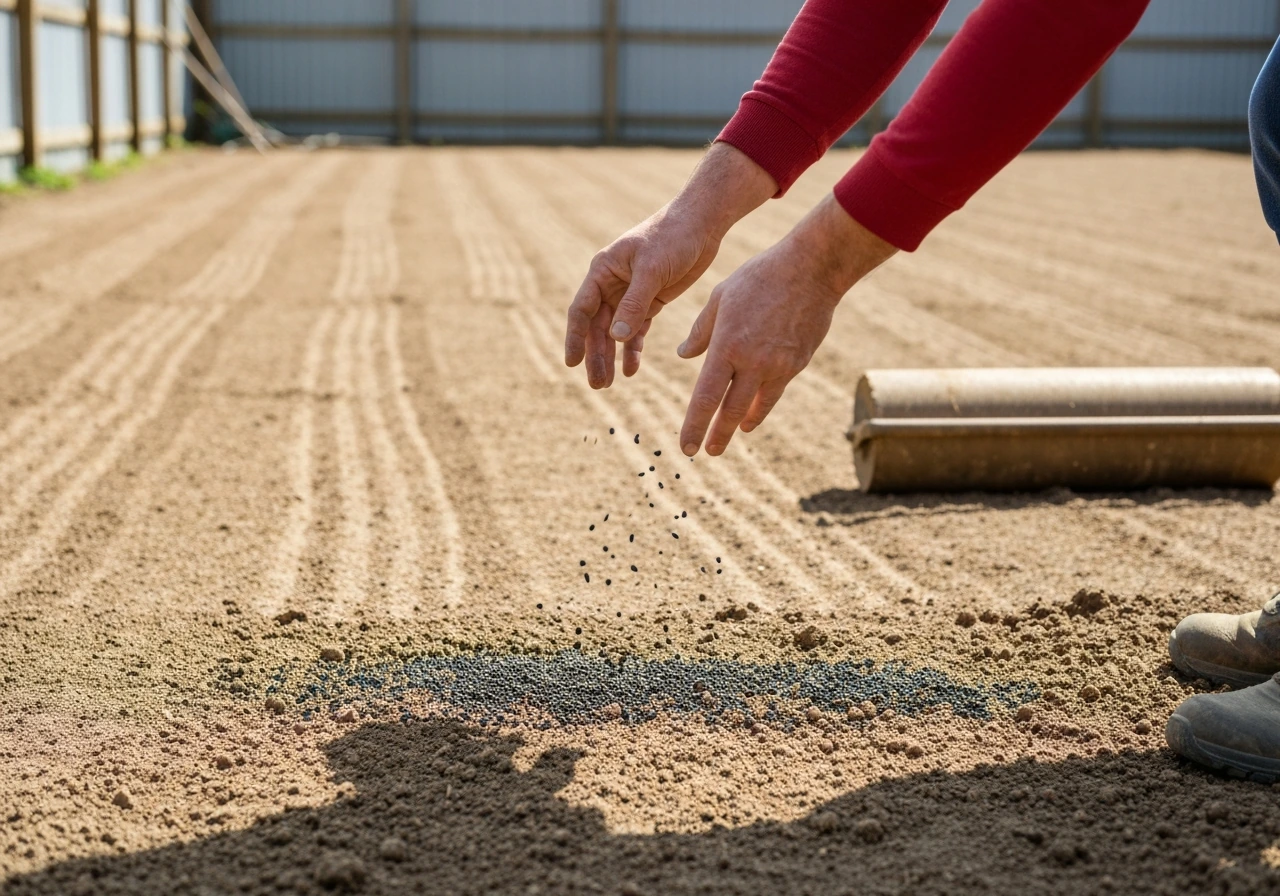
- Kill existing weeds first. Spray with a non-selective herbicide and wait for weeds to turn brown and die (typically 1 to 2 weeks). This gives your bermuda seed a head start without competition.
- Till or scalp and rake the area smooth. You want good seed-to-soil contact, which is critical for germination. Remove debris and break up any hard clumps.
- Broadcast hulled bermuda seed at 1/2 to 1 lb per 1,000 square feet using a spreader. For larger areas, this translates to roughly 5 to 10 lbs per acre.
- Pack the seed into the soil surface with a lawn roller or drag. Bermuda seed needs light to germinate and should sit right at the surface, not buried deep under soil.
- Do not apply heavy mulch on top. Heavy mulch blocks the sunlight bermuda seed needs to germinate. A very light topping of straw (not smothering the surface) is fine if you're worried about erosion on a slope.
- Water the seedbed lightly and frequently right away (more on this in the next section).
- Skip preemergence herbicides before and immediately after seeding. These products can seriously hurt bermuda germination and root development of the new grass.
Sod: fastest results, higher cost
Sod gives you an instant lawn and is the right choice when you need quick results, you're installing a hybrid bermuda variety, or you're fighting erosion on a slope. Prep the soil the same way you would for seed: till, amend with compost, and level the surface. Lay sod pieces in a staggered brick pattern, press them firmly into the soil (a lawn roller helps), and water immediately after installation. The biggest mistake with sod is letting it dry out in the first two weeks before roots anchor in.
Sprigs and plugs: a middle-ground option
Sprigs (small pieces of bermuda stem and root) and plugs are used for hybrid varieties that don't come in seed form. Sprigs should be planted 2 to 2.5 inches deep into prepared soil and spaced several inches apart. They fill in over the growing season as the bermuda spreads laterally. Plugs work similarly and are a popular DIY option. This approach is slower than sod but cheaper, and it works well if you're patient through the first summer. For more on that method specifically, the guide on how to grow bermuda grass plugs covers the process in depth.
Watering schedule and what to expect while bermuda establishes
Watering during establishment is the area where most Texas homeowners mess up. The goal changes as your bermuda moves from seed to seedling to established grass, and what works at one stage actually hurts at another.
Germination phase (days 1 through 14)
Right after seeding, your entire job is to keep the top half inch of soil consistently moist without washing seeds away. This means short, light watering cycles multiple times a day. On hot, windy Texas days in May or June, you may need to water 4 or 5 times throughout the day for just a few minutes each time. This sounds like a lot, and it is, but bermuda seed sitting on dry soil will simply not germinate. Set up a sprinkler or irrigation timer if you have one. If you're hand watering, build that schedule into your day.
At optimal temperatures (nights consistently above 60°F and daytime highs in the 80s and 90s), bermuda seed typically begins germinating within 7 to 14 days. You'll start to see a faint green fuzz across the surface. Don't celebrate too early. This is the most fragile stage.
Early establishment phase (weeks 2 through 6)
Once you can see consistent germination, you can start transitioning to longer, less frequent waterings. The goal now is to push roots deeper into the soil, not keep the surface constantly wet. If you continue shallow watering through this phase, bermuda develops a shallow root system that struggles hard in the Texas summer heat and drought. Shift toward watering every 1 to 2 days but for longer periods, wetting the soil 4 to 6 inches deep. Over the next few weeks, you can stretch watering intervals further as the grass fills in.
What a realistic timeline looks like
| Timeframe | What's Happening | What You Should Do |
|---|---|---|
| Days 1-14 | Seed germinating, surface-level root development | Water lightly 4-5x daily, keep surface moist |
| Weeks 2-4 | Seedlings 1-2 inches tall, spreading begins | Reduce frequency, increase duration of watering |
| Weeks 4-8 | Active lateral spread, filling in bare spots | Water deeply 2-3x per week, apply starter fertilizer |
| Month 2-3 | Lawn approaching coverage, thickening up | Mow regularly, shift to normal maintenance watering |
| End of first summer | Dense, established lawn | Deep water 1-2x weekly, fertilize on schedule |
First mowing, fertilizing, and keeping weeds out while bermuda fills in
When and how to mow
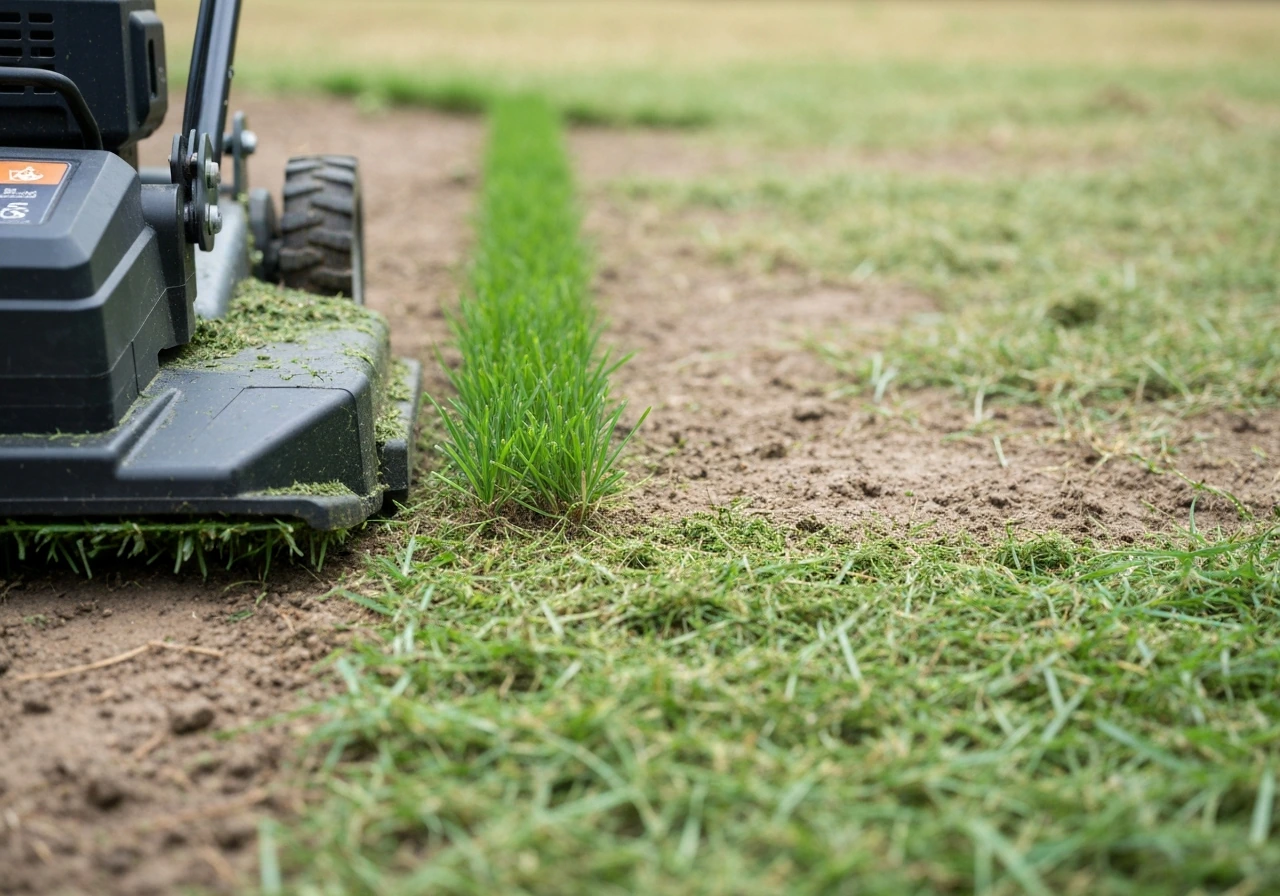
Wait until your bermuda seedlings reach about 2 to 2.5 inches tall before the first mow. Mow it down to 1 to 1.5 inches, which is right in the Texas A&M recommended range of 1 to 2 inches for home bermuda lawns. If you’re in Georgia, aim for the same general mowing height but keep an eye on local temperatures because establishment timing can shift from region to region Texas A&M recommended range of 1 to 2 inches for home bermuda lawns. Don't scalp it too short in the early stages. The rule of thumb is never remove more than one-third of the blade height in a single mowing. After that first cut, mow regularly every 5 to 10 days to encourage lateral spreading. Frequent mowing stimulates bermuda to spread horizontally rather than grow tall, which is what you want for a dense lawn.
Fertilizing at the right time
Don't fertilize right at planting. Wait until seedlings or sprigs reach about 1.5 to 2 inches in height, then apply nitrogen at a rate of 3/4 to 1 lb of nitrogen per 1,000 square feet. This starter nitrogen application gives the young plants the fuel they need to spread aggressively. After that, you'll typically apply 1 to 4 fertilizer applications per growing season at roughly 0.5 to 1.0 lb of nitrogen per 1,000 square feet per application, timed through late spring into summer. Don't fertilize after mid-August in most of Texas because you want the grass to naturally begin hardening off before fall dormancy.
Weed control during establishment
This is a real challenge and you need to be strategic about it. Purdue University provides a research-based weed control guide specifically for newly seeded bermudagrass, which can help you manage weeds safely during establishment Weed control during establishment. Preemergence herbicides applied before or right after seeding can damage bermuda seed germination and harm root development of new grass. Avoid them during the germination and early establishment window. Your best early weed strategy is the competitive approach: get the bermuda growing as densely and quickly as possible so it crowds weeds out on its own. Hand-pull the worst offenders in the first few weeks. Once your bermuda is established and you've mowed it several times, you have more herbicide options available that are safe to use. Check labels carefully and choose products labeled for use on established bermuda grass.
Troubleshooting: bare spots, patchy growth, and failed germination
Even when you do everything right, bermuda doesn't always establish perfectly the first time. Here's how to diagnose and fix the most common problems Texas homeowners run into.
Seed isn't germinating at all
If you've waited 14 to 21 days and see no green fuzz anywhere, check these things in order: First, are your nightly temperatures actually hitting 60°F? A late cold snap in April or May can reset the clock completely. Second, did the seed have adequate light exposure? Bermuda seed has negligible germination in the dark, so seed buried under heavy mulch or pushed too deep into the soil won't sprout. Third, was the soil staying consistently moist? Letting it dry out even once during early germination can kill emerging seedlings before they're visible. If you checked all three and still nothing, your seed may be old or low-viability. Buy fresh, hulled seed from a reputable source and try again.
Patchy, uneven coverage
Patchy germination is usually caused by uneven seed distribution, inconsistent soil contact, or inconsistent watering coverage. Walk your sprinkler pattern and check for dry zones. If certain patches are getting less water than others, move your sprinkler setup or adjust heads. For patches that just didn't take, overseed those areas specifically: rake the surface lightly to break any crust, broadcast additional seed, press it in, and restart the moist-watering protocol for that zone. Bermuda spreads naturally via stolons and rhizomes, so if nearby areas are established, it will eventually creep into thin spots on its own, but reseeding speeds that up significantly.
Bare spots in established bermuda
If you have a lawn that was previously doing well and is now developing bare spots, you're likely dealing with one of three things: shade creep (a tree or structure casting more shadow than it used to), disease, or soil compaction. In Texas, large brown patch disease can wipe out sections of bermuda during periods of wet weather. If the bare spots have a circular or irregular pattern with a visible reddish-brown ring at the edges, fungal disease is likely. Improve airflow, reduce evening watering, and consider a fungicide labeled for large patch on bermuda. If the spots are in high-traffic areas with hard soil, aerate and topdress with compost before overseeding. Compacted soil in clay areas is a frequent culprit in Central Texas and North Texas neighborhoods.
Bermuda struggling or thin after the first full season
If your bermuda made it through the first summer but came back thin after spring green-up, it likely didn't store enough energy before dormancy the previous fall. This often happens when lawns were established late in summer, were scalped too short going into fall, or were heavily stressed by drought or disease during the growing season. Coming out of dormancy, feed with your first nitrogen application as soon as you see consistent green growth in spring (typically March in South Texas, April to early May further north), and mow regularly to stimulate spreading. Give it a full second growing season before writing it off, because bermuda is remarkably good at recovering when conditions are right.
If you're working with a different establishment method like sod or plugs, the troubleshooting logic is similar but the timelines differ a bit. The guides on how to grow bermuda grass sod and how to grow bermuda grass plugs go deeper on those specific scenarios if that's the route you've chosen. If you're considering sod, review the full guide on how to grow bermuda grass sod for best results.
FAQ
What if I’m in Texas but my soil warms up early, can I seed before the 60°F nighttime rule?
If you seed into cool, wet ground, bermuda seed often fails silently (it may not rot, it just never germinates). Use a simple check: measure soil temperature at 1 to 2 inches deep (not air), and wait until it stays warm enough for consistent growth, then water lightly enough to keep the top half inch moist without flooding.
Can I overseed bare spots instead of starting the whole lawn over?
Overseeding works best only on areas that are truly open or thinning, not on dense established turf. In practice, rake lightly to remove thatch, seed at the same or slightly higher rate for the patch size, then press it in (a roller or your feet) and restart short frequent watering for that zone so seed has soil contact.
Is mulching necessary when learning how to grow bermuda grass in Texas from seed?
Yes, but only as an overseeding or cleanup tool. Bermuda seed has negligible germination in the dark, so deep mulching can block sprouting. If you need moisture control, use the lightest possible cover (or none) and focus on keeping the surface moist during the germination window.
How soon can I fertilize after seeding bermuda?
The first nitrogen is meant to help young plants spread, not to push tall growth. If you fertilize before seedlings are about 1.5 to 2 inches tall, you can burn tender roots and encourage weeds. A safer approach is to wait for visible consistent green, then apply and water it in with your normal schedule.
How do I know I’m watering correctly for bermuda seed, not too much or too little?
A key nuance is sprinkler placement and run time, not just total daily minutes. If your watering creates puddles or runoff, reduce pressure, shorten cycles, or use separate zones so each spot gets enough moisture without washing seed away or saturating clay.
What’s the best first-mow height and timing for bermuda in Texas?
Set your first mow based on blade height, not calendar date, and remove only a small portion of the grass. If you mow too early, you risk slowing lateral spread right when seedlings are trying to establish. After the first mow, keep mowing every 5 to 10 days so it stays dense, and avoid mowing when the ground is muddy and easily tears.
Does bermuda grow in Texas shade, and what counts as “too much” shade?
Bermuda struggles as shade increases, and the issue is worse if you lose morning sun because dew stays longer and photosynthesis drops. If you have partial shade, confirm you still get at least about 6 hours of direct sun during peak season, then consider pruning overhead limbs and selecting the brightest side of the yard for seeding.
Why do I get patchy germination even when I watered and seeded in the right window?
For a faster, more uniform start, focus on seed-soil contact. Bermuda seed often fails when it’s broadcast unevenly or pushed under crusty soil. Use multiple passes in different directions, then lightly rake and press the seed so it sits close to the surface rather than sitting on top or buried too deep.
If I don’t see germination after a few weeks, should I wait or restart in Texas?
If no green appears after about 14 to 21 days, don’t assume it will come later. First verify nighttime lows are truly staying at or above target levels, then check whether your seed was too deeply buried and whether the top half inch stayed moist consistently. If those check out, the seed may be old or low quality.
Can I grow hybrid bermuda varieties from seed in Texas?
Hybrid bermudas cannot be grown from seed because they are typically sterile. If your goal is a very manicured, dense lawn like TifTuf or Celebration, the practical choices are sod or sprigs, or plugs for slower DIY fill-in.
What’s the best way to deal with heavy clay when planting bermuda in Central Texas?
Compacted clay can look “green” but still fail to fill in because roots cannot expand. Aerate at least once before planting (and again after establishment if compaction returns), then topdress with compost so you improve structure without creating a thick blanket that blocks seed.
What weed control strategy works best during the first month of bermuda establishment?
Don’t ignore weeds, but also don’t panic with herbicides during germination. Your best early strategy is rapid, even establishment through correct watering, mowing only after seedlings establish, and hand-pulling the first flush of tough weeds. Once bermuda is established and repeatedly mowed, you can consider label-approved products for existing turf.
Can I overseed bermuda with ryegrass in Texas winter, and will it help bermuda later?
Yes, but timing matters. If you overseed in winter, use a plan that understands bermuda will still thin or go dormant, and ryegrass may not survive all the way through hot weather. Keep the mowing height and water consistent for the overseeded grass, then transition back to your bermuda regimen when bermuda breaks dormancy.
When is the latest time to fertilize bermuda in Texas so it returns thick next spring?
After establishment, bermuda improves with a consistent routine, but early autumn is where you can make or break it. If you fertilize too late, you can extend soft growth right before dormancy, then it enters winter with less stored energy. Aim to stop nitrogen in mid to late August depending on your local conditions.
Next Article
How to Grow Grass in El Paso TX: Seed, Plant, and Care
Step-by-step guide to grow grass in El Paso: pick Bermuda, Zoysia or fescue, prepare soil, seed timing, watering, fixes.