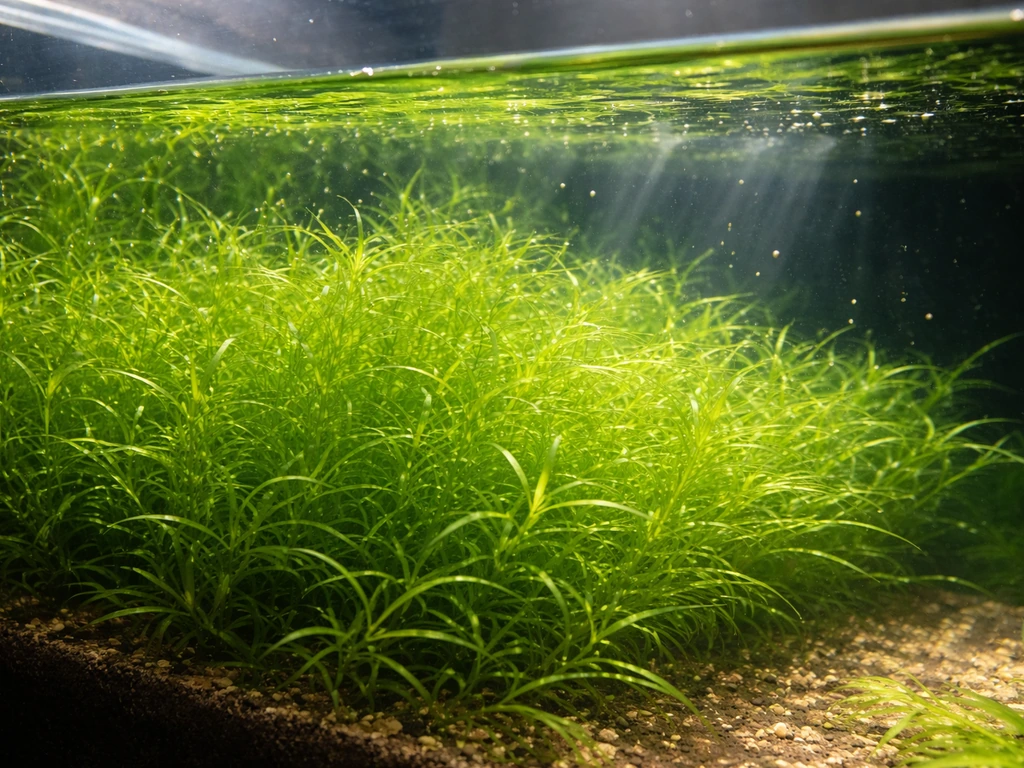
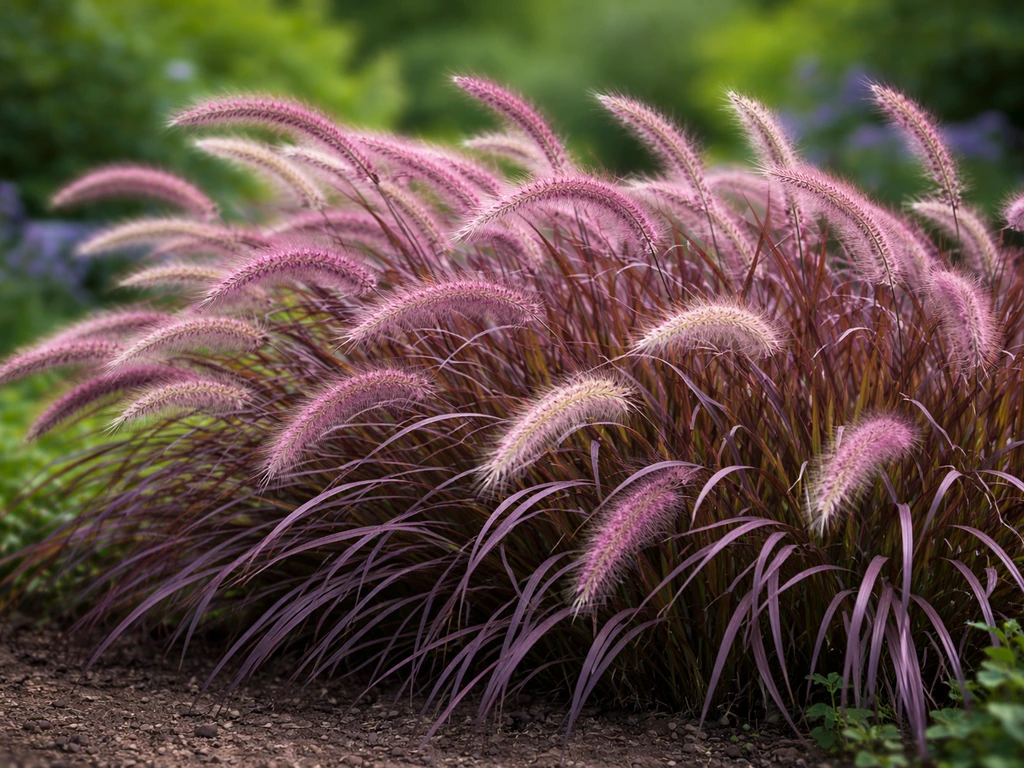
You can grow purple fountain grass from seed, but there's a catch worth knowing upfront: the popular burgundy-red cultivar 'Rubrum' (Pennisetum setaceum 'Rubrum') rarely sets viable seed and won't reliably come true from seed even when it does. If you buy a packet labeled 'purple fountain grass seed,' you're likely getting the straight species or a close relative, not a guaranteed 'Rubrum' clone. The plants may still be beautiful, but don't expect every seedling to have that deep wine-colored foliage. With that reality out in the open, the actual seed-starting process is pretty straightforward once you nail the timing, temperature, and a few simple soil basics.
How to Grow Purple Fountain Grass from Seed Step by Step
Marcus Tillwell
27 May 2026
Can you grow purple fountain grass from seed (and what to expect)
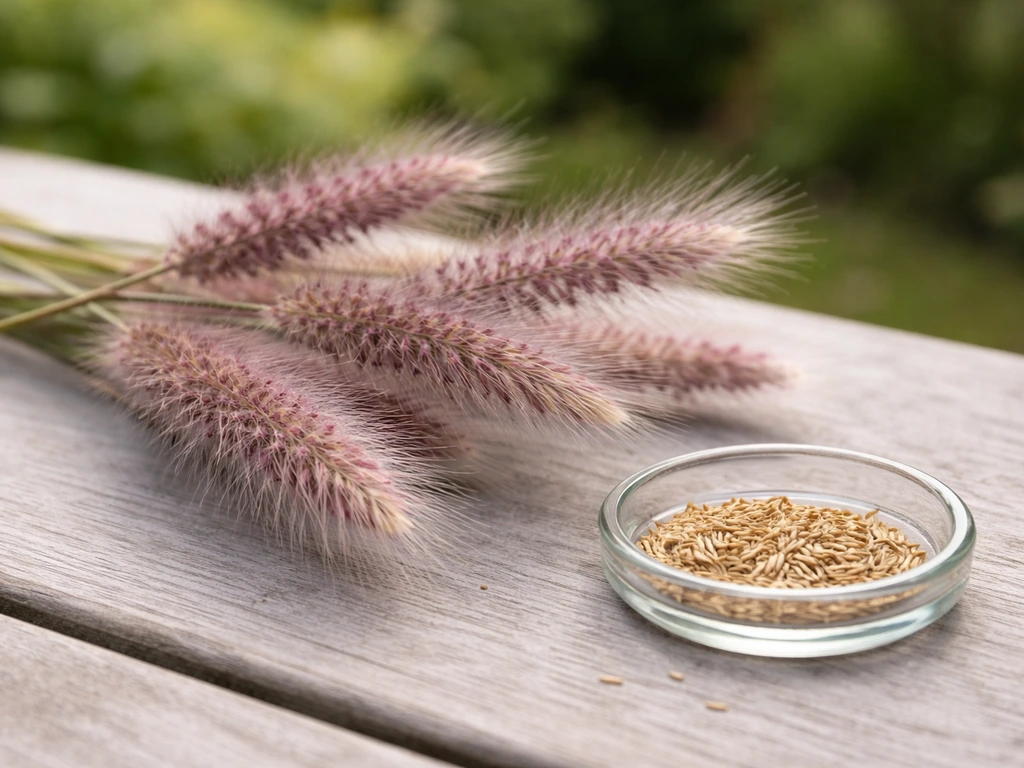
The honest answer is yes and no, depending on what you're after. The species Pennisetum setaceum germinates readily and can produce attractive ornamental grass plants with some reddish or purplish tinting. But 'Rubrum' specifically is a named cultivar that commercial growers propagate vegetatively, either through crown divisions or tissue culture, precisely because seeds either don't form reliably or don't produce the same deep burgundy plant you see in nursery photos. MSU Extension research confirms that most commercial purple fountain grass production relies on vegetative propagation for this reason.
That said, seed packets sold as 'purple fountain grass' or 'Pennisetum rubrum' are widely available and many home gardeners do grow them with satisfying results. The plants you raise may land anywhere from greenish-bronze to a decent reddish purple. If you want a guaranteed 'Rubrum' look, buy a nursery plant or take a division. If you're happy with growing the species from seed and seeing what you get, read on because the process is genuinely rewarding and not difficult.
One more thing worth flagging: Pennisetum setaceum is classified as invasive in California, Hawaii, and parts of the Southwest because its seeds remain viable in the soil for at least seven years. Check your local regulations before planting, especially if you're in a warm, dry region where this grass can naturalize aggressively.
Best timing and location for sowing (your climate matters)
Purple fountain grass is winter hardy only in USDA Zones 9 and 10. Everywhere else, including most of the U.S., it's grown as an annual or overwintered indoors. That fact should drive your entire timing strategy.
If you're in Zone 9 or 10, you can direct sow outdoors in late winter or early spring when soil temperatures reliably stay above 65°F. In cooler zones (which covers most of the country), start seeds indoors 8 to 10 weeks before your last expected frost date so you get a big enough plant to enjoy the full season. For most of the continental U.S., that means starting seeds indoors in February or early March.
For location, full sun is the non-negotiable. Full sun and well-drained soil conditions for Pennisetum setaceum ‘Rubrum’ are listed by Perennials.com under its “Full Sun Soil Type” planting preferences. This grass wants at least 6 to 8 hours of direct sun daily to produce its best color and fullest form. It will tolerate light or part shade, but in shadier spots the foliage tends to lose intensity and the plant grows looser and less dramatic. Pick the sunniest spot you have, whether that's a garden bed, a container on a south-facing patio, or a slope that bakes all afternoon.
Seed starting options: indoors vs direct sowing
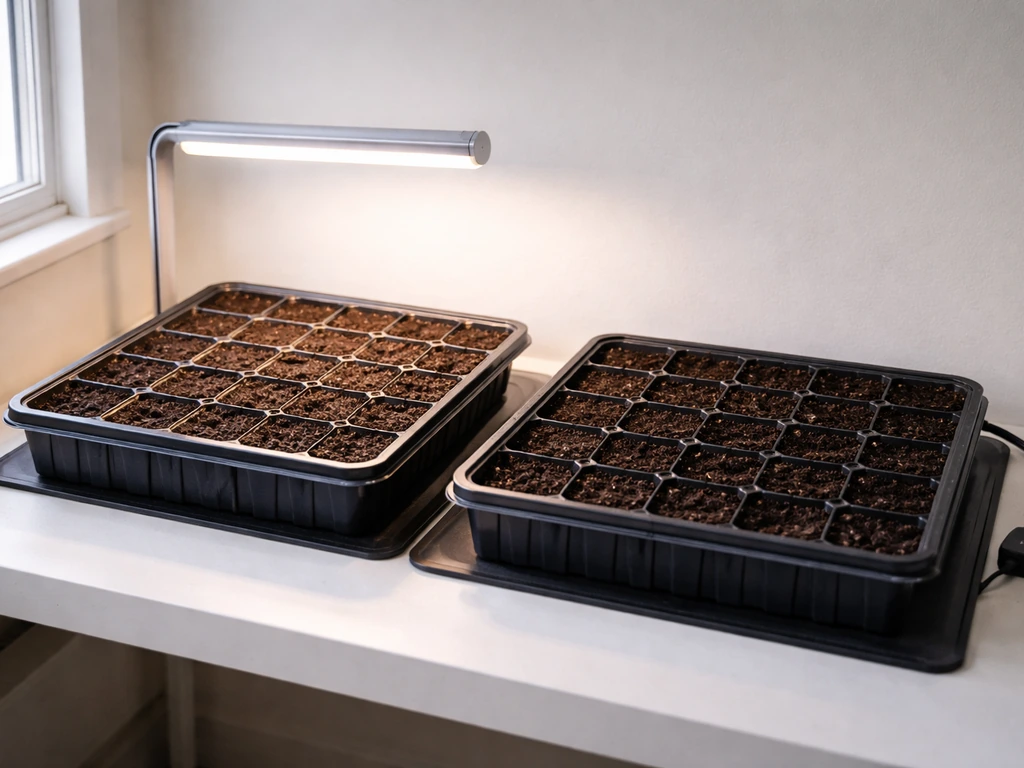
Starting indoors gives you a real head start and is the better option for most homeowners in Zones 6 through 8. You control temperature, moisture, and light exactly when the seeds need it most. The downside is managing seedlings inside for 8 to 10 weeks, but it's manageable if you have a warm, bright window or a simple grow light setup.
Direct sowing works if you're in Zone 9 or 10 and your soil is already warm, or if you're comfortable with slower, patchier germination. The species is robust enough to germinate outdoors once soil temperatures hit 65°F to 70°F, but birds, drying winds, and inconsistent surface moisture make outdoor sowing less reliable than starting in trays.
| Method | Best For | Pros | Cons |
|---|---|---|---|
| Indoor seed starting | Zones 6–8; anywhere with short growing seasons | Controlled temp and moisture; bigger transplants | Requires 8–10 weeks of indoor management |
| Direct outdoor sowing | Zones 9–10; warm-climate gardeners | No transplanting stress; simpler setup | Slower and less consistent germination; more seed waste |
For most homeowners reading this in May 2026, if you haven't started seeds yet, container planting with a nursery transplant is genuinely your best bet for this season. But if you want to grow from seed for next year, or you're in a warm climate where there's still time, keep reading.
Soil prep and conditions (sun, drainage, clay vs sandy)
Purple fountain grass isn't fussy about soil fertility, but it absolutely requires good drainage. Japanese forest grass is a great alternative if you want a similar look with different growth requirements purple fountain grass. Roots sitting in waterlogged soil will rot, full stop. Beyond that, here's how to handle the two most common soil challenges homeowners face.
If your soil is clay
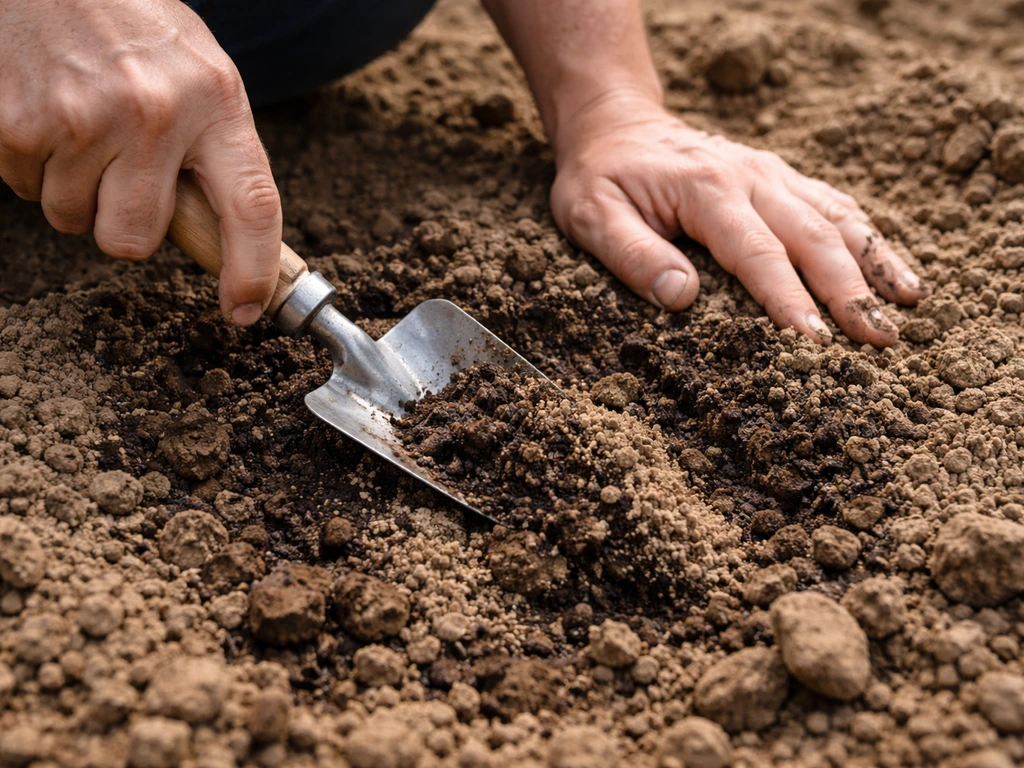
Clay soil holds too much moisture and compacts easily, both of which work against this grass. Before planting, work in a 2 to 3 inch layer of coarse sand and compost and dig it in at least 10 to 12 inches deep. This isn't a one-and-done fix, but it meaningfully improves drainage. Alternatively, raise your planting area by building a simple berm or mound 6 to 8 inches high, which lets excess water drain away from the root zone. For containers on patchy clay ground, this problem disappears entirely as long as you use a well-draining potting mix.
If your soil is sandy
Sandy soil drains fast, sometimes too fast, meaning young seedlings can dry out between waterings. Mix in compost generously (2 to 3 inches worked in) to improve water retention. The good news is purple fountain grass handles lean, sandy conditions better than most ornamentals, so you don't need perfect soil here. Just don't skip the compost if you want seedlings to establish without constant hand-holding.
For containers
Use a quality potting mix with added perlite (about a 3:1 ratio of potting mix to perlite) for maximum drainage. Make sure your container has drainage holes. Purple fountain grass in pots looks stunning but will struggle in any container that holds standing water, especially during rainy stretches.
How to sow: depth, spacing, and moisture for germination
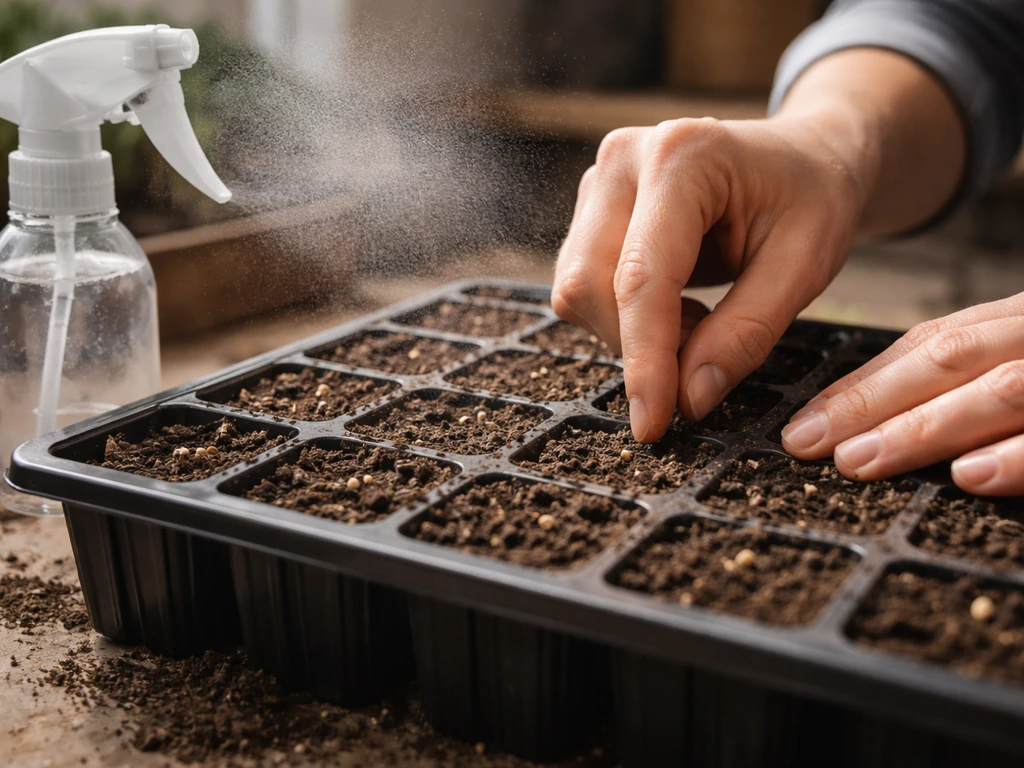
Whether you're sowing in seed trays or directly in the ground, the fundamentals are the same. If you are specifically wondering how to grow grass for Golu, the same sun, drainage, and seed-starting basics apply. Here's the step-by-step process that gives you the best germination rate.
- Fill seed trays or small pots with a moist, well-draining seed-starting mix. Press the surface lightly to remove air pockets.
- Sow seeds on the surface, spacing them about 1 to 2 inches apart in trays. For direct outdoor sowing, space seeds 3 to 4 inches apart in clusters and thin later.
- Cover seeds very lightly with a thin layer of vermiculite, just enough to barely hide the seed. Aim for about 1/8 inch of cover. Deeper burial isn't necessary and can slow germination.
- Water gently with a fine mist so you don't displace the light covering. The goal is evenly moist, not soggy.
- Keep soil temperature at 70°F (21°C). A heat mat under seed trays is the most reliable way to hold this temperature consistently. Without a heat mat, find the warmest spot in your home.
- Cover trays with a clear plastic dome or plastic wrap to hold humidity. Check daily and remove the cover once sprouts appear.
- Place under grow lights or in a bright south-facing window once germinated.
For final landscape spacing, purple fountain grass is a big plant at maturity, often reaching 3 to 5 feet tall and wide. Plan for 36 to 60 inches between plants in the ground. If you're growing in containers, one plant per 12 to 16 inch pot works well as a single specimen.
Germination timeline and troubleshooting common failures
At a consistent 70°F, purple fountain grass seed can germinate in as little as 3 to 6 days. That's fast compared to many ornamental grasses. But that timeline assumes ideal temperature and moisture, and in real home conditions things often take a bit longer, sometimes 10 to 14 days. Don't give up before two weeks are up.
Seeds not sprouting after 2 weeks
The most common culprit is temperature. If your seed tray is sitting in a room that dips below 65°F at night, germination stalls. Get a cheap thermometer and check the actual soil temperature, not just the room temperature. The second most common issue is old or low-viability seed. 'Rubrum' seeds in particular have poor viability rates, so if you're working with seed that's been sitting around, do a quick germination test: place 10 seeds on a damp paper towel, fold it up, and check in a week. If fewer than 5 sprout, your seed lot is weak and you'll need fresh seed.
Seedlings collapsing at the base (damping off)
Damping off is a fungal problem caused by overwatering and poor air circulation. It's frustrating because it hits right when you're excited about your sprouts. To avoid it, water from the bottom by setting trays in a shallow dish of water and letting the mix absorb moisture upward, then empty the dish. Keep a small fan running nearby on low to move air. If you see it happening, remove affected seedlings immediately and let the surface dry out before watering again.
Inconsistent or patchy germination
Some cells sprout in 4 days, others take 12. This is normal with fountain grass seed, especially if the lot has variable viability. Keep the tray going and don't assume the slow cells are failures. Uneven soil temperature across the tray (edges are cooler than the center on most heat mats) also causes this, so rotate your tray every few days.
Seedling care and how to establish strong plants
Once your seedlings have their first true leaves (the second set of leaves that appear after the initial sprout leaves), they're ready to start growing on. At this stage, drop the temperature slightly to around 58 to 60°F if you can. This cooler growing-on temperature, used by commercial producers, encourages stockier, more robust plants rather than leggy ones. If you're growing under lights, keeping them 2 to 3 inches above the seedlings also helps prevent stretching.
After 4 to 5 weeks from germination, seedlings should be ready to pot up into individual 3 to 4 inch containers if they were started in trays. Use a well-draining potting mix at this stage, not seed-starting mix, which is too low in nutrients for growing-on. Water when the top inch of soil is dry and give them a half-strength balanced liquid fertilizer every two weeks.
Hardening off before transplanting outdoors
Don't skip this step. Seedlings raised indoors need 7 to 10 days of gradual outdoor exposure before going in the ground. Start by setting them outside in a sheltered, partly shaded spot for 2 to 3 hours on day one, then gradually increase exposure over the following week until they're spending full days in their final sun conditions. Plants that skip hardening off often sulk, stall, or get scorched leaves.
Transplanting and establishing in the ground
Transplant after your last frost date when nighttime temperatures stay reliably above 50°F. Dig a hole twice as wide as the root ball and at the same depth. Backfill with your amended soil, firm it gently, and water deeply. For the first two to three weeks after transplanting, water every 2 to 3 days to keep the root zone consistently moist while roots establish. Once the plant shows new growth and looks settled, you can back off to watering when the top 2 inches of soil are dry. Established plants are reasonably drought tolerant, especially in sandy soils, but consistent moisture during that first season makes a significant difference in how fast they fill out.
A simple checklist to keep you on track
- Confirm your seed source: is it true 'Rubrum' or the species? Adjust color expectations accordingly.
- Check local invasive plant regulations if you're in California, Hawaii, or the Southwest.
- Start seeds indoors 8 to 10 weeks before last frost, or direct sow once soil hits 65°F (Zones 9–10).
- Sow seeds on the surface and cover with just 1/8 inch of vermiculite.
- Hold germination temperature at 70°F with a heat mat.
- Expect sprouts in 3 to 14 days; don't give up before 2 weeks.
- Pot up seedlings after 4 to 5 weeks into well-draining mix.
- Harden off for 7 to 10 days before transplanting outdoors.
- Space final plants 36 to 60 inches apart in full sun with well-drained soil.
- Water consistently for the first 2 to 3 weeks after transplanting, then reduce as roots establish.
If you've caught the ornamental grass bug, growing fountain grass from seed is a satisfying gateway project. The process shares a lot of DNA with starting other ornamental grasses from seed, and the troubleshooting instincts you develop here translate directly. If you’re looking for something similar, learn how to grow guppy grass next, since its care and growing needs follow many of the same seed-starting ideas starting other ornamental grasses from seed. Once your purple fountain grass is thriving, you'll have a genuinely showstopping plant from late summer through fall, with those arching burgundy plumes catching every breeze.
FAQ
How can I tell if my “purple fountain grass” seeds are likely to come true to the deep burgundy look?
Check the product wording and expectations. Named cultivars like 'Rubrum' are usually grown vegetatively, so most packets labeled “purple fountain grass” commonly produce a range of colors. If the packet does not explicitly guarantee a specific cultivar clone, plan for variation in seedling color (greenish bronze to reddish purple).
What seed depth should I use when sowing purple fountain grass indoors or outdoors?
Keep seeds near the surface. Press them lightly into the mix and cover with a very thin layer (or just a light dusting) because burying too deeply can slow or reduce germination, even when temperature is ideal.
Do I need to soak the seeds before planting?
Usually no. The seed is small and tends to germinate well with consistent warmth and moisture. If you try soaking, keep it short (about overnight), then sow immediately so the seed does not dry out and so mold risk stays low.
My seeds sprouted unevenly, some fast and some slow. Should I keep waiting?
Yes. Uneven emergence is common, even under good conditions. Don’t discard the tray until at least two weeks have passed, rotate the tray every few days to even out temperature differences, and only thin or restart if nothing has emerged by the two-week mark.
What is the best way to prevent damping off in seed trays?
Use bottom watering so the surface does not stay overly wet, keep airflow moving with a low fan, and avoid watering on a fixed schedule. Instead, water only when the mix is just starting to dry, and remove any collapsing seedlings right away.
What soil temperature is actually “enough” for reliable germination?
Aim for the soil, not the room, to stay around 65°F to 70°F. Night dips below about 65°F can stall germination. A cheap soil thermometer or probe thermometer helps you diagnose issues quickly.
How do I harden off purple fountain grass seedlings without burning them?
Increase sun exposure gradually over 7 to 10 days. Start in a sheltered spot with partial shade for a few hours, then add sun and exposure each day. If you get a hot, windy day, extend the shade step by a day rather than forcing full sun too quickly.
Should I fertilize seedlings right away after they sprout?
Not immediately. Let seedlings establish first. Once potting up, use a half-strength balanced liquid fertilizer every two weeks. Avoid heavy feeding early, because it can encourage weak growth and can increase disease pressure in overly wet conditions.
Why are my seedlings getting leggy, with long thin stems?
Most often it is insufficient light or inconsistent distance under grow lights. Keep lights close (about 2 to 3 inches above seedlings), maintain bright conditions, and do a cooler “growing on” temperature if possible (around 58 to 60°F) after true leaves appear.
Can I sow directly outdoors if I live outside Zones 9 and 10?
You can, but it is typically less reliable because consistent warmth is required for uniform germination. In cooler climates, the better approach is indoor starts 8 to 10 weeks before the last frost date, or at minimum delay outdoor sowing until soil stays consistently warm.
How much spacing should I use if I’m planting in the ground versus containers?
In the ground, plan about 36 to 60 inches between plants because mature clumps can be 3 to 5 feet wide. For containers, use one plant per 12 to 16 inch pot, larger if you want fuller plumes without frequent repotting.
Is purple fountain grass drought tolerant after it establishes?
Yes, especially once roots are established and if you have sandy soil. However, during the first season after transplant, steady moisture every 2 to 3 days for several weeks helps them fill in faster. After that, water based on the top couple inches drying out.
What are the winter options if I do not live in a climate that can keep it outdoors year-round?
In most areas it needs overwintering. Common options include keeping it in a container indoors with bright light, or treating it as an annual. If you overwinter indoors, reduce watering and avoid soggy soil, since indoor conditions can promote fungal issues.
Where can I find a non-invasive alternative if I’m concerned about seed spread?
Consider a similar-looking ornamental that does not have the same long-term seed viability behavior. The article mentions Japanese forest grass as one alternative option when you want the look without the same invasiveness concerns. Check local rules and plant behavior in your area before planting.
Next Article
How to Grow Guppy Grass in an Aquarium: Step by Step
Step-by-step guide to grow guppy grass fast in aquariums: lighting, temp, CO₂, substrate, anchoring, and troubleshooting