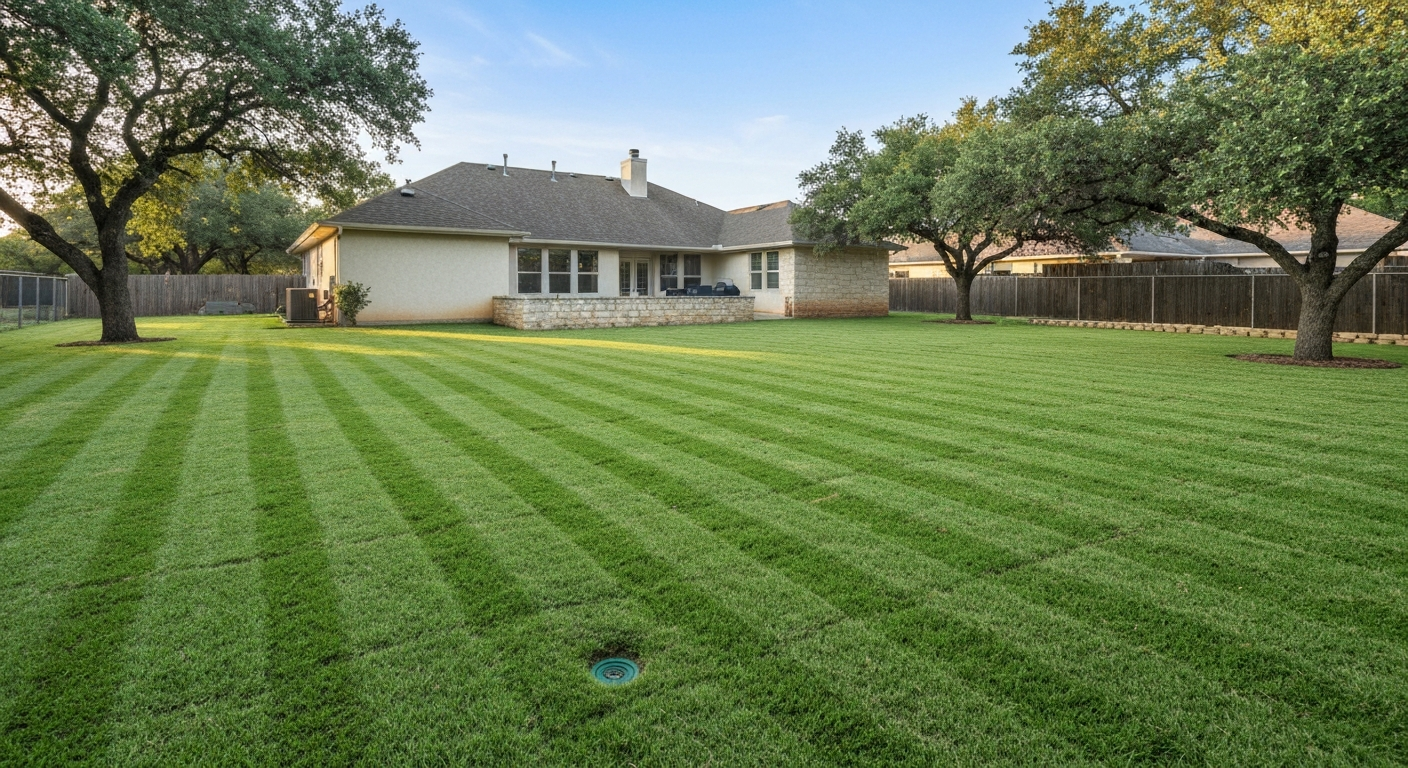
Growing grass in Hawaii is genuinely doable, but you can't just grab whatever seed bag is on sale at the hardware store and expect results. Hawaii's heat, humidity, and wildly different microclimates mean your grass choice and timing matter more here than almost anywhere else. Stick with warm-season grasses like bermudagrass, zoysiagrass, St. Augustinegrass, centipedegrass, or seashore paspalum, prep your soil correctly, and water consistently during germination. Do those three things right and you'll have a real lawn within a season.
How to Grow Grass in Hawaii: Seed to a Healthy Lawn
Marcus Tillwell
1 Jul 2026
Choose the right grass for your part of Hawaii
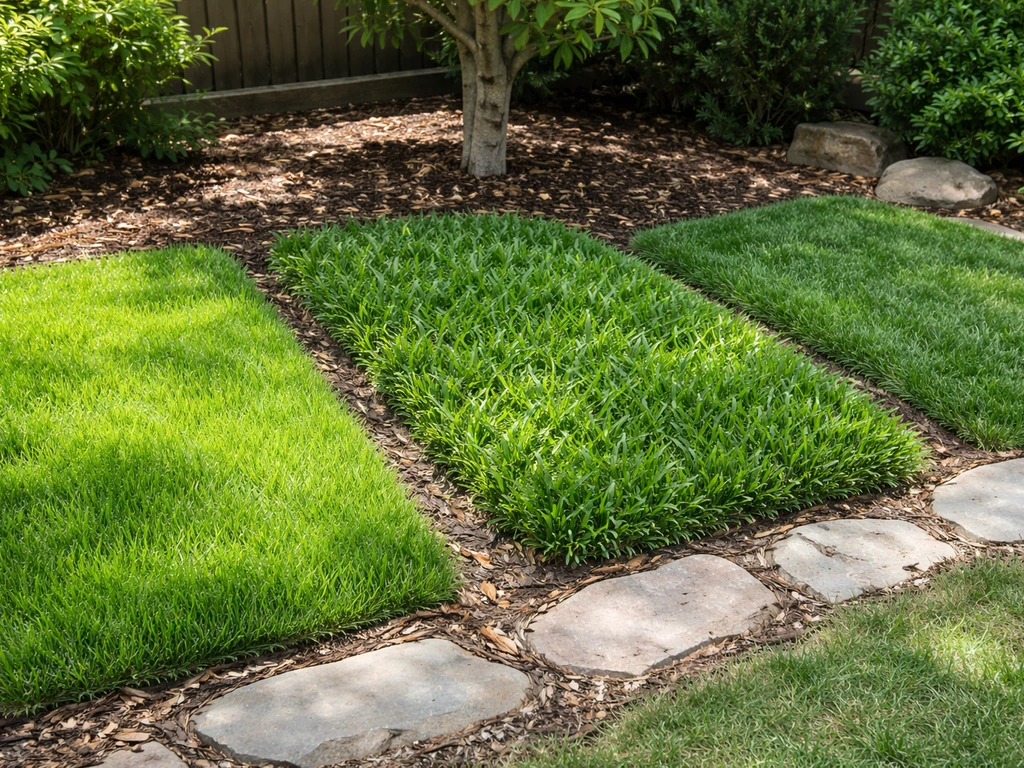
Hawaii isn't one climate. Sea-level Oahu and the Kona coast behave nothing like the cooler, wetter slopes of Maui or the Big Island's upcountry. Before you buy a single bag of seed, figure out your actual conditions: how much sun you get, how much rain falls per year at your elevation, and whether your irrigation water might be salty (coastal wells can have higher salinity, which matters for grass selection). If you are wondering how to grow lawn grass in India, the same idea applies: match the grass to your sunlight, rainfall, and local conditions before you buy seed how much sun you get. The University of Hawaii's CTAHR program has done extensive local testing on turfgrass adaptation, and the short version is this: most Hawaii homeowners should default to bermudagrass or zoysiagrass in sunny areas, and St. Augustinegrass or centipedegrass where shade is a factor.
| Grass Type | Best For | Shade Tolerance | Seed or Sod? | Notes |
|---|---|---|---|---|
| Bermudagrass | Full sun, dry/coastal areas | Poor | Seed available (e.g., Sunturf cultivar) | Fast to establish, dense, handles foot traffic well |
| Zoysiagrass | Sunny to partly shaded yards | Moderate | Seed or sod | Dark green, dense; widely used in Hawaii; ~3/4" mowing height |
| St. Augustinegrass | Shade-tolerant areas | Good | Sod/plugs (limited seed) | Watch for thatch buildup; avoid heavy fertilizing |
| Centipedegrass | Low-maintenance yards | Moderate | Seed or sod | Low fertility needs; good for upcountry/lower-input yards |
| Seashore Paspalum | Coastal/salty irrigation | Moderate | Seed or sod | Best choice if your water or soil has high salinity |
If you're in a cooler upcountry microclimate, say above 2,000 feet on Maui or the Big Island, you may be tempted by cool-season grasses like tall fescue or perennial ryegrass, and they can actually work in those settings. Ryegrass germinates fast (7 to 14 days) and looks good quickly, but it struggles at lower elevations when temps climb. Fescue is tougher and can handle some temperature swing, but it won't thrive in Hawaii's hot, humid lowlands. If you're upcountry and want a cooler-season look and feel, fescue is worth trying. Everywhere else, stick to warm-season varieties.
If your irrigation water comes from a coastal well or you're close to the ocean, seashore paspalum is worth serious consideration. Repeated watering with salty water (above roughly 500 mg/L total dissolved solids) will slowly damage most other grass types, and no amount of reseeding will fix that until you address the water source or choose a salt-tolerant variety. Penn State Extension’s turfgrass water quality guidelines note that when irrigation water has high total dissolved solids, such as above about 500 mg/L, you should adjust management by focusing on irrigation duration and frequency, improving drainage, and selecting more tolerant species salty water (above roughly 500 mg/L).
Best time to plant: timing by climate and grass type
Hawaii's warm-season grasses don't have a true winter dormancy the way grasses do on the mainland, but timing still matters. The best window for seeding warm-season grasses like bermuda and zoysia is late spring through early summer, roughly April through July, when soil temperatures are consistently warm and rainfall is more reliable in many areas. You can also seed in late summer through early fall. Avoid seeding during the driest, hottest peak of summer if you don't have reliable irrigation, because seedlings can desiccate fast.
Warm-season grasses typically germinate in 2 to 4 weeks with consistent moisture. Zoysiagrass is on the slower end of that range, so don't panic if you're not seeing green at the two-week mark. Bermudagrass tends to come in faster. Cool-season grasses like ryegrass and fescue, if you're in an upcountry zone, germinate in 7 to 14 days and prefer fall planting (September through November) when temperatures are cooler and more stable. Overseeding an existing thin lawn works the same way: warm-season types in spring, cool-season types in fall.
Soil prep: testing, sandy vs. clay, and what to add
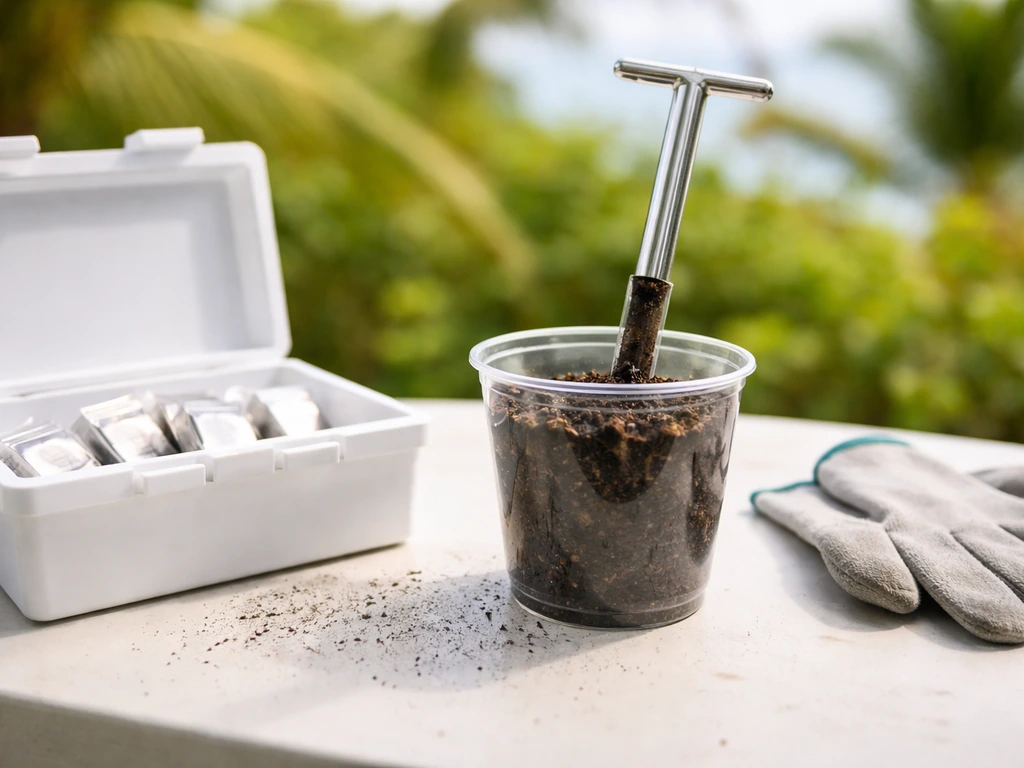
Don't skip the soil test. The University of Hawaii actually offers a free soil testing service through CTAHR, and it's calibrated for Hawaii conditions, which matters. The CTAHR UH soil test service in GHGS-30 measures soil pH and uses your results to guide fertilizer and lime needs based on amendment/fertilizer recommendations tied to what the test finds measuring pH and using results to determine fertilizer and lime needs. Commercial soil test kits from the hardware store are generally not calibrated for Hawaii soils and can give you misleading results. Send a sample to UH and get real numbers before you start dumping amendments on your yard. For turf, sample slices of soil down to about 4 inches deep, pull samples from multiple spots across the area you're planting, and mix them together before sending.
Sandy soil (common in coastal areas)
Sandy soil drains fast, which means nutrients leach out quickly and seedlings can dry out between waterings. The fix is organic matter: work in 2 to 3 inches of compost before seeding and till it into the top 4 to 6 inches. This improves water retention without making the soil waterlogged. You'll also need to water more frequently during germination since the soil won't hold moisture long. Once established, you can back off, but the transition from seed to rooted grass takes longer on sandy ground.
Clay soil (common in wetter areas and some valley floors)
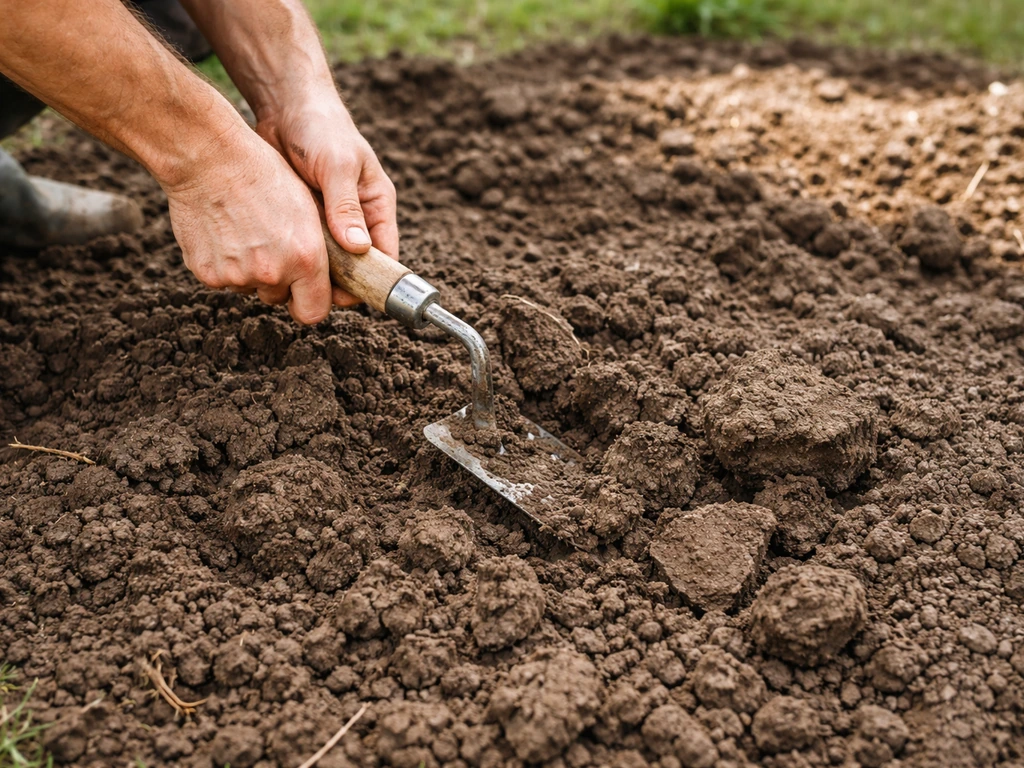
Clay holds water well but compacts easily, which is a real problem for grass roots. If your soil is heavy clay, compaction and drainage are your two main issues. Before seeding, aerate thoroughly if the area has existing vegetation or has been compacted by foot traffic or equipment. Work compost into the top layer to improve structure. Avoid creating a situation where seeds sit in standing water after rain, which will kill germinating seedlings fast. For areas that stay wet, a more drainage-tolerant variety like centipedegrass performs better than bermuda.
Whether you have sand or clay, the goal is the same: a firm, smooth seedbed with no large clods, good drainage, and a surface that seed can make contact with. Loose, fluffy soil might feel nice but it actually reduces germination rates because seeds fall too deep or dry out too fast near the surface.
How to actually seed: rates, seed contact, and watering
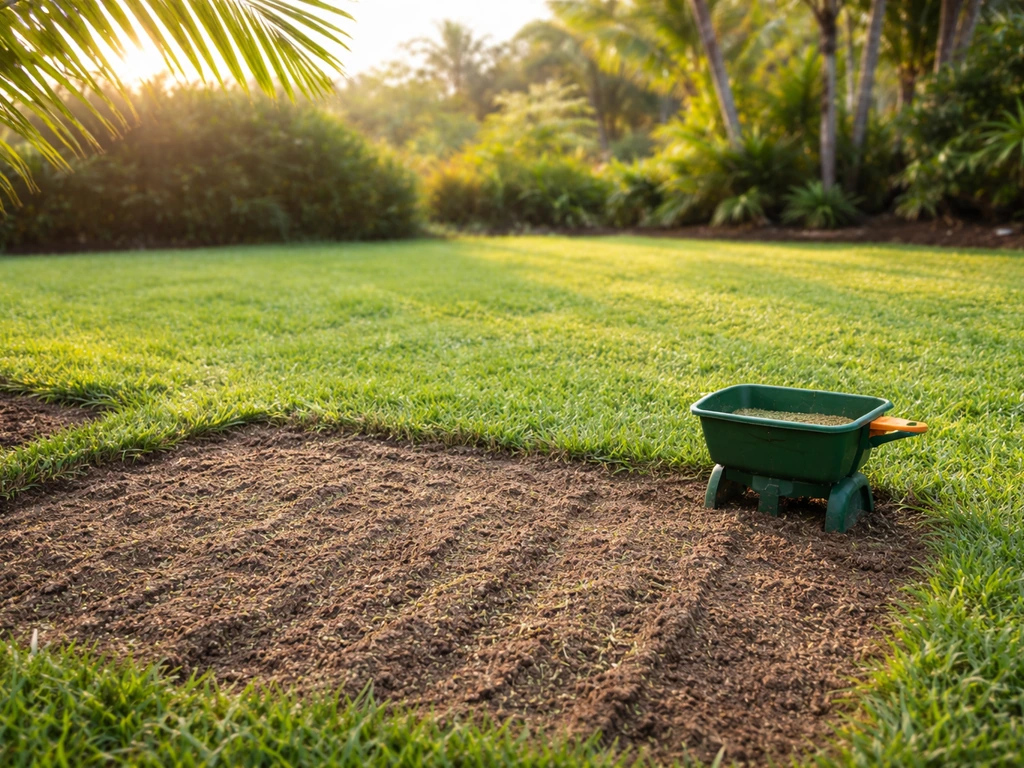
Once your seedbed is prepped and level, you're ready to seed. If you’re trying to grow grass in Wisconsin, make sure your timing and grass type match the local spring and fall conditions before you plant seedbed is prepped and level. Target around 1,000 to 2,000 seedlings per 1,000 square feet, which translates to following the bag's recommended seeding rate for your grass type. For bermudagrass, that's typically around 1 to 2 pounds of hulled seed per 1,000 square feet. Zoysiagrass seed is smaller and more variable, so follow the specific cultivar's label.
- Mow or clear any existing vegetation down to the soil surface.
- Loosen the top 4 to 6 inches with a tiller or garden fork, removing rocks and debris.
- Rake in compost or other amendments from your soil test results.
- Firm the seedbed by tamping or rolling lightly so it's settled but not compacted.
- Spread seed evenly using a broadcast spreader, splitting the total rate into two passes (one north-south, one east-west) for even coverage.
- Rake lightly so seed is covered to about 1/8 to 1/4 inch depth. Don't bury it deeper.
- Optionally, roll lightly again to improve seed-to-soil contact.
- Water immediately with a gentle spray to avoid washing seed off.
Watering during germination is where most people go wrong. You need to keep the top 1/2 inch of soil consistently moist, which in Hawaii's heat and wind means watering lightly 2 to 3 times per day, especially in the first two weeks. Don't soak the ground to the point of runoff, but don't let it dry out either. A dried-out surface for even half a day can kill germinating seeds that have just cracked open. If you're growing on a coral island, focus on the salty, fast-draining sand and choose salt-tolerant grass and the right watering routine how to grow grass on a coral island. Once seedlings are visibly established (you can see green fuzz covering the surface), back off to once daily, then gradually transition to deeper, less frequent watering over the following weeks.
Caring for young grass: mowing, fertilizing, and early weed control
Resist the urge to mow too soon. Wait until your new grass reaches about 1.5 to 2 inches tall before the first cut. When you do mow, never remove more than one-third of the blade height at once. For zoysiagrass, aim for a maintained height of around 3/4 inch once it's established. Bermudagrass can be kept slightly shorter. St. Augustinegrass and centipedegrass generally like a bit more height, around 2 to 3 inches. Scalping young grass by cutting too low is a common way to set yourself back weeks.
Hold off on heavy fertilizer during the first few weeks. A light nitrogen application once seedlings reach about 1.5 to 2 inches tall can help boost establishment, but overdoing it at this stage causes excessive thatch buildup, which is already a common problem in Hawaii's warm, humid conditions. Thatch over about 1/2 inch thick starts causing real problems, including disease and shallow rooting. St. Augustinegrass and bermudagrass are both prone to thatch when overfertilized, so light and consistent beats heavy and infrequent.
Early weed control is tricky when you're seeding, because most pre-emergent herbicides will prevent your grass seed from germinating too. The safest approach is to prep your seedbed well (which kills a flush of weeds before seeding), then hand-pull what comes up in the first month. Post-emergent herbicides can be used carefully once your grass is established and actively growing, but always check the label to confirm it's safe for your specific grass type.
Fixing common problems: bare spots, shade, pets, and patchy growth
Bare spots and patchy growth
Persistent bare spots usually have a cause you need to fix first. Check for soil compaction (stomp on it, if it feels like concrete, that's your problem), poor drainage, or excessive thatch. If thatch is over 3/4 inch thick in an established lawn, dethatch before overseeding or the new seed will never reach soil. Loosen bare spots with a garden fork, add a thin layer of compost, and reseed using the same process as above. Keep those spots extra-moist since small reseeded areas dry out faster than large seeded fields.
Shaded areas
This is where most warm-season grasses struggle. Bermudagrass and zoysiagrass need full sun and will thin out and die in dense shade. St. Augustinegrass is your best bet for shaded spots in Hawaii: it handles moderate to heavy shade better than most other warm-season options. If you’re figuring out how to grow grass in Michigan, start by matching the grass to your sunlight and shade conditions best bet for shaded spots in Hawaii. Centipedegrass is an okay middle-ground choice for partial shade. In truly dense shade under large trees, no grass will thrive long-term. Ground covers or mulch are often a more honest solution than fighting a losing battle with seed.
Pet damage
Dog urine damage is recognizable: you'll see dead brown patches with bright green rings around them. The green ring is caused by the diluted nitrogen at the edge of the urine, and the dead center is from the concentrated nitrogen burn. The fix isn't in the seed, it's in the dog's behavior. Designate a spot, dilute urine patches with water immediately after the dog goes, or adjust diet/hydration. Reseed damaged patches the same way you would bare spots, but if you don't address the source, they'll keep coming back. Cat and dog feces should be removed promptly since repeated contact with the same area kills turf just like urine does.
Germination failure
If nothing is germinating after three to four weeks, the most common causes are letting the seedbed dry out between waterings, seeding too deep, or using old/low-quality seed. Zoysiagrass can be slow, so give it up to four weeks before writing it off. If you're certain you've watered consistently and still see nothing, scratch the surface gently to see if seeds are present and look intact. If they've rotted or disappeared, you likely had a drainage issue or birds/insects took them. Reseed with fresh seed and try again.
Your ongoing maintenance plan and next steps
Once your lawn is established, Hawaii's growing conditions mean your grass will grow year-round, which is both a blessing and a maintenance commitment. If you're trying to grow grass in Dubai, you'll want to account for hot, dry weather and adjust your grass choice, watering schedule, and soil prep accordingly Hawaii's growing conditions. Mow regularly at the right height for your grass type, water deeply but less frequently once roots are established, and fertilize on a schedule rather than reacting to problems. Compaction and thatch are the two most common issues for Hawaii lawns long-term, so plan to aerate once or twice a year and dethatch whenever the thatch layer creeps above 1/2 inch.
The checklist below covers your action steps from today through a full establishment cycle. Whether you're starting from bare ground or overseeding a thin lawn, this sequence works. If you're working on grass in California, make sure your grass type and planting timing match your local climate before you seed or overseed overseeding a thin lawn.
- Identify your microclimate: elevation, sun exposure, rain pattern, and irrigation water source (check for salinity if coastal).
- Choose your grass: bermuda or zoysia for full sun, St. Augustine for shade, centipedegrass for low-input yards, seashore paspalum for salty water.
- Submit a soil sample to UH CTAHR's free soil testing service before buying any amendments.
- Prep the seedbed: remove debris, till 4 to 6 inches, amend per soil test results, firm and level the surface.
- Seed at the correct rate for your grass type using two perpendicular passes with a broadcast spreader.
- Lightly rake seed to 1/8 to 1/4 inch depth, then tamp or roll for seed-to-soil contact.
- Water lightly 2 to 3 times per day to keep the top 1/2 inch moist through germination (2 to 4 weeks for warm-season types).
- Once seedlings reach 1.5 to 2 inches tall, apply a light nitrogen fertilizer and mow for the first time.
- Transition to deeper, less frequent watering once root systems develop (4 to 6 weeks after germination).
- Monitor for bare spots, thatch buildup, and pet damage and address each specifically.
- Plan to aerate once or twice per year and dethatch as needed to keep your Hawaii lawn healthy long-term.
Hawaii's conditions are different enough from most of the continental US that advice written for places like California, Michigan, or Wisconsin won't always translate directly. The combination of year-round warmth, variable rainfall across elevations, and locally specific soil chemistry means local resources from CTAHR at the University of Hawaii are genuinely the best reference you have. Use them, get your soil tested, pick the right grass for your actual conditions, and the rest comes down to consistent watering and a little patience. If you want the full, step-by-step process for how to grow grass in Washington State, focus on matching seed and timing to your local temperatures and sun exposure CTAHR at the University of Hawaii.
FAQ
What if my yard gets sun part of the day, not full sun all day?
Treat it as partial shade and choose the most shade-tolerant option you can, St. Augustinegrass first. Also check the timing of shade, if your area is shaded during the afternoon heat you may get better performance than areas shaded all morning, and avoid bermudagrass or zoysiagrass in dense shade because they thin even if they initially germinate.
Can I just lay sod instead of seeding in Hawaii?
Sod can work faster, but it still needs the same soil realities addressed, especially drainage and compaction. Seeding is more tolerant of gradual moisture tuning, while sod failure often comes from poor soil contact, watering that dries out too quickly, or lingering salt exposure that the sod variety cannot handle.
How do I know if my irrigation is actually causing grass problems?
Look for patterns that match irrigation zones, if one sprinkler line consistently creates patchy germination or yellowing, check for salt buildup and uneven output. Coastal wells can have higher salinity, if you suspect it, test the water or at least flush and compare performance between wells, and use a salt-tolerant grass where salinity is confirmed.
Should I fertilize right away after seeding to speed things up?
Avoid heavy fertilizer at the start. A small nitrogen boost is only helpful once seedlings are about 1.5 to 2 inches tall, too early feeding increases thatch risk in Hawaii’s warm, humid conditions and can even interfere with rooting.
Is there a correct mowing height for the first few months?
Yes, the target is based on the grass type and you generally wait until about 1.5 to 2 inches tall for the first cut. Cutting too low at establishment, especially with zoysiagrass or bermudagrass, can set you back for weeks. After that, keep to roughly 3/4 inch for zoysia and slightly higher for St. Augustinegrass and centipedegrass.
How often should I water once the seedlings are up but not fully established?
After visible establishment, shift from frequent light watering to once daily, then gradually move toward deeper, less frequent cycles. The key is soil moisture, not a strict schedule, if you see the surface drying and forming a crust, increase the frequency slightly rather than doubling the amount of water at one time.
What’s the best way to prevent birds from eating seed?
Use good seed-to-soil contact, keep the seedbed firm and level, and water promptly to reduce exposed seed. If birds are persistent, consider a light protective cover designed for turf seed germination, remove it once you see green growth, and avoid leaving seed exposed during windy or rainy periods.
Can I overseed bare spots without fixing the underlying problem?
Usually no, bare spots in Hawaii commonly reflect compaction, drainage issues, thatch buildup, or pet traffic. If soil feels hard when you step on it or water ponds after rain, correct those first, otherwise the new seed will either fail to root or be crowded out quickly.
Why do my reseeded patches die even though I water them?
Small reseeded areas dry faster than larger plantings, and they also experience more heat stress. Keep reseeded spots extra moist initially, consider lightly forking and blending compost for better water retention, and avoid foot traffic until new roots anchor.
How long should I wait before assuming my zoysiagrass seed failed?
Give it more time than bermudagrass. Zoysiagrass can be slow, plan for up to about four weeks for meaningful germination before making a final call, and only reseed with fresh seed if you confirm seeds are absent or rotten after gently scratching the surface.
What should I do if I see lots of weeds after seeding?
Expect early weeds, because pre-emergent herbicides can also block grass seed germination. Focus on good seedbed preparation, hand-pull the first flush within the first month, and only use post-emergent products once your grass is established and the label confirms safety for your grass type.
How often should I aerate and dethatch in a Hawaii lawn?
Compaction and thatch tend to build with time in Hawaii’s conditions. Plan on aerating once or twice yearly and dethatching whenever the thatch layer pushes above about 1/2 inch, because excessive thatch prevents water and nutrients from reaching the roots and can trigger disease.
Will dog urine keep killing the same spots even if I reseed?
It will keep returning unless you change the source. The dead area shows a burn pattern with a bright green ring around it, reseeding may look like it works short-term, but you must dilute urine immediately after the dog goes or designate and train the dog to use a different area.
Is it safe to use my usual mainland lawn schedule in Hawaii?
Often not. Hawaii lawns grow year-round, so “winter dormancy” assumptions do not hold, and fertilizer and mowing timing that worked in a seasonal climate can increase thatch or stress plants at the wrong moment. Base your plan on local CTAHR-type guidance, your grass type, sun exposure, and what your soil test says.
Next Article
How to Grow Grass in San Antonio Texas: Step-by-Step Guide
How to grow grass in San Antonio: best turf choices, planting windows, soil prep, watering schedules and troubleshooting