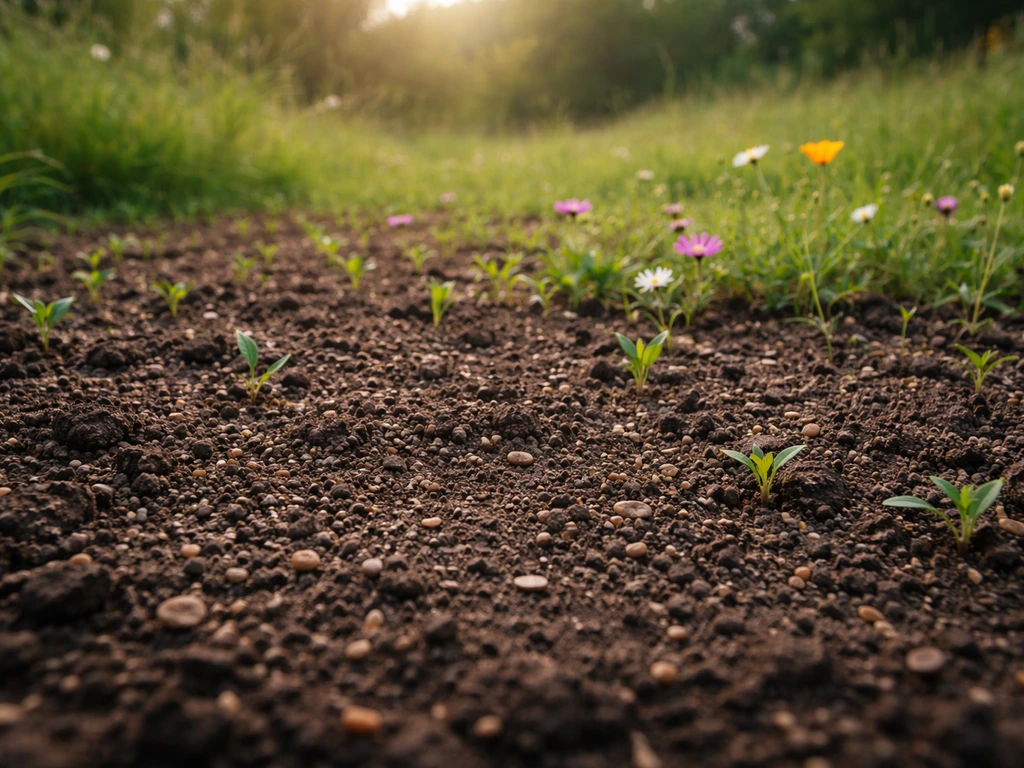
Growing a meadow-style lawn means swapping a high-maintenance, uniformly mowed turf for a naturalized mix of grasses and flowering plants that you mow less often, feed less, and largely let do their own thing. You start it from seed, prep the soil properly, sow at the right time for your climate, and then mostly get out of the way. Follow these steps to learn how to grow a wild lawn that establishes well, stays healthy, and needs far less work than a conventional turf mostly get out of the way. To learn the exact steps behind seeding and establishment, see our guide on how to grow wild grass prep the soil properly. It takes one full growing season to really establish, but once it does, you end up with something that looks intentional, supports pollinators, and demands a fraction of the effort a conventional lawn requires.
How to Grow a Meadow From Seed: Step by Step Guide
What a meadow lawn actually is (and what it isn't)
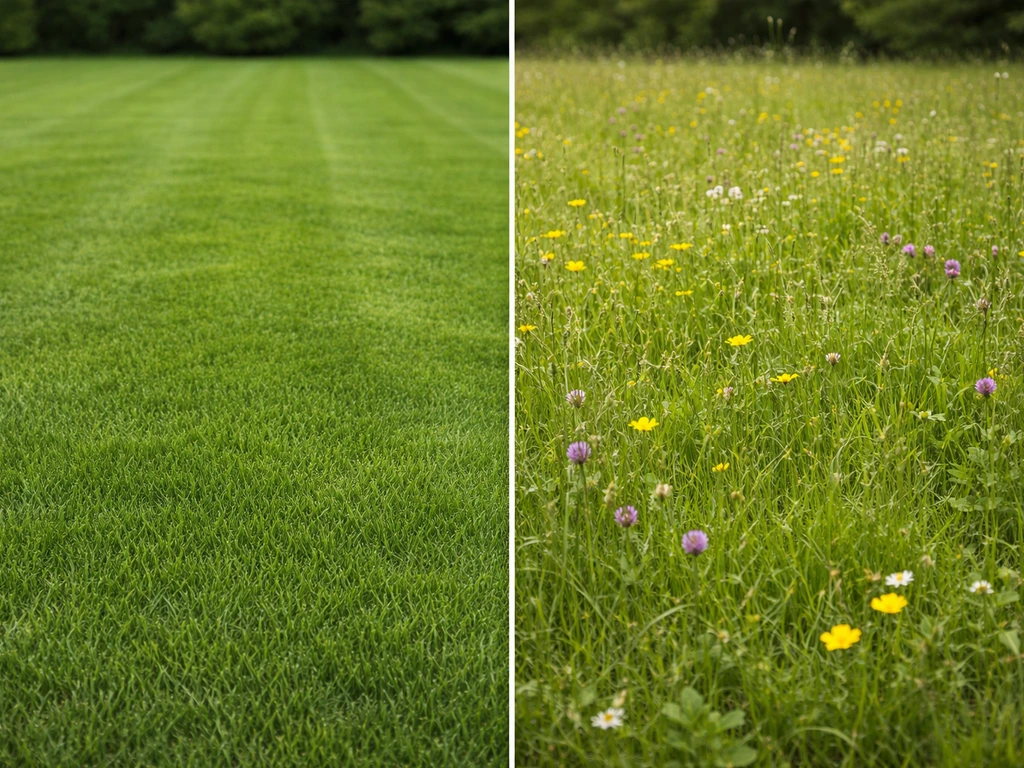
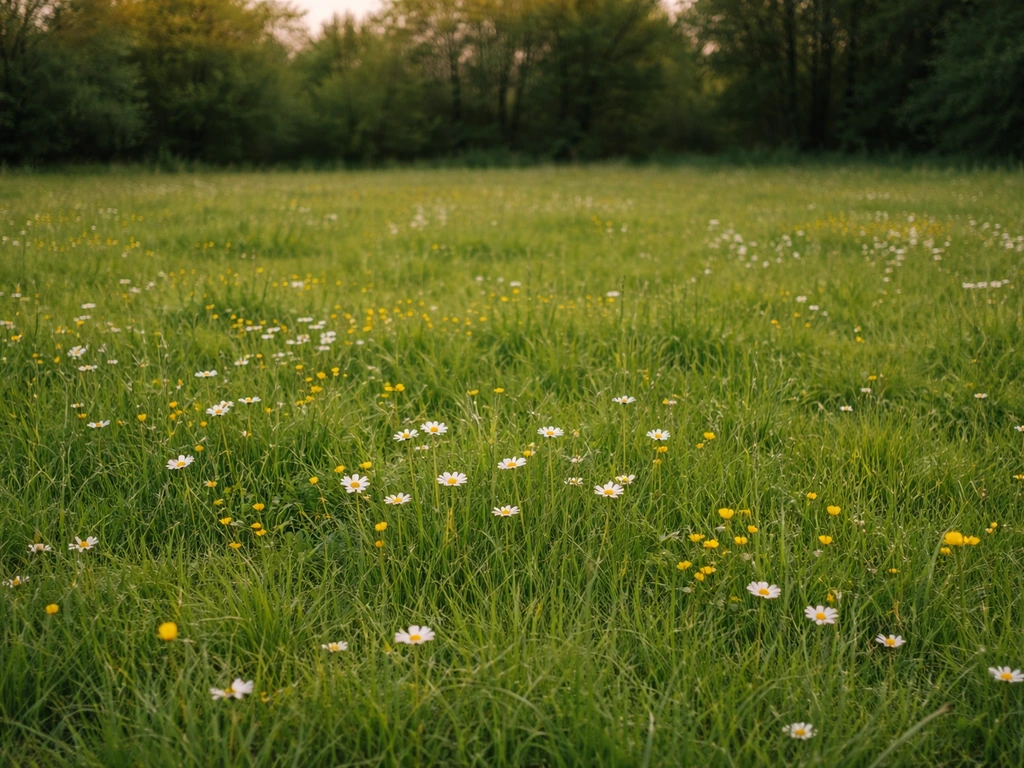
A traditional lawn is a monoculture, or close to it. You pick one grass species, mow it short every week, fertilize it heavily, and fight off anything that isn't that grass. A meadow lawn flips that logic. Instead of controlling every variable, you're creating a plant community, typically around 60 to 65 percent grasses and 35 to 40 percent flowering perennials. The grasses provide structure and ground cover; the flowers bring color, wildlife value, and seasonal interest.
This is different from a wildflower meadow, which is almost entirely flowering plants and usually not walkable or functional as a lawn at all. If you want the full step-by-step, this guide on how to grow a wildflower meadow covers the specifics beyond a basic meadow-style lawn. A meadow lawn can still handle foot traffic, pets, and kids, especially if you choose the right grass species for your base. Think of it as a lawn that's been given permission to be a little wilder. You still mow it, just less often and at a taller height. You still manage weeds, just with timing and technique rather than blanket herbicide use.
If you're after something closer to a pure wildflower planting, that's a related but distinct project. Similarly, if you want a clean, tight turf that just happens to stay shorter and denser, that's more of a mini meadow or fine-textured grass planting. The meadow lawn we're covering here sits between those two extremes: grassy, somewhat mowable, but naturalistic and low-input.
Picking the right seed mix for your site
The biggest mistake people make is grabbing a generic wildflower mix from a hardware store and scattering it. Those mixes are often loaded with annuals that bloom once and disappear, with no real grass component to hold the ground between seasons. For a meadow lawn that functions year after year, you need a seed mix built around perennial grasses suited to your region, with flowering plants chosen for your light conditions.
Cool-season vs. warm-season climates
Where you live determines everything about grass selection. If you're in the northern half of the country, including the Midwest, Northeast, and Pacific Northwest, you're in cool-season territory. Fescues are the workhorse here, especially fine fescues like creeping red, chewings, or hard fescue, which tolerate lower fertility, moderate shade, and infrequent mowing better than almost any other cool-season grass. Ryegrass establishes fast and works well for quick cover. If you're in the transition zone or further south, warm-season grasses like bermuda or zoysia form denser, heat-tolerant turf, though they go dormant and brown in winter.
Sun, shade, and pet traffic
Full sun sites have the most options. If you've got six or more hours of direct sun, most meadow grass mixes will work. Fine fescue blends shine in partial shade, making them one of the best choices for a naturalistic lawn under trees or along a north-facing fence. For heavy shade (less than four hours of sun), even fine fescues struggle, and you may need to accept that some areas under dense canopy simply won't hold grass cover. Those spots might be better served with shade-tolerant groundcovers rather than a grass-based meadow.
If you have dogs, be realistic. A meadow lawn with tall, airy grasses and delicate flowers won't survive a large dog running the same path every day. Focus the meadow on areas the dog doesn't use constantly, or choose durable grasses like tall fescue for high-traffic corridors. Clover blended into the mix is a great idea for pet households since it's soft, tolerates moderate wear, and stays green under light stress.
What to look for in a meadow seed mix
Look for a mix that lists its components clearly. A solid meadow-style or bee lawn seed mix will include multiple grass species as the bulk of the blend, with flowering species like clover, self-heal, or native wildflowers making up a smaller share. The Riley-Purgatory-Bluff Creek Watershed District in Minnesota popularized a "bee lawn" approach that works well as a model: a predominantly grass mix seeded at around 5 pounds per 1,000 square feet, mowed at a 4-inch deck height, and mowed every other week or less. That framework is a great starting point for most northern homeowners.
Getting your site ready
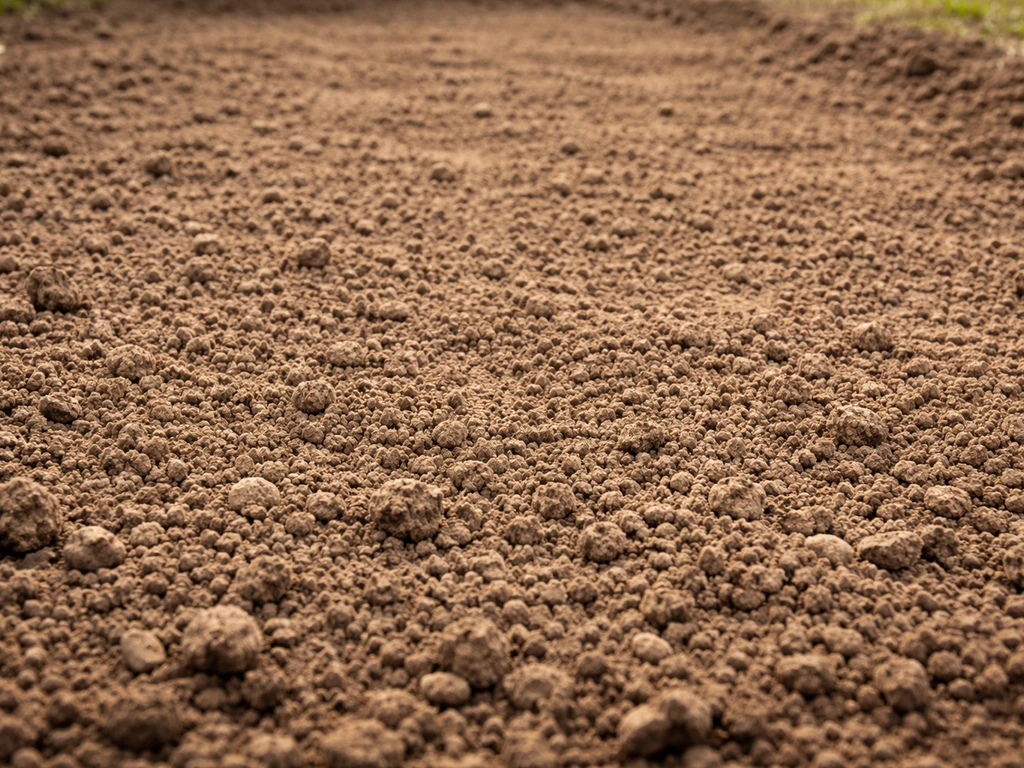
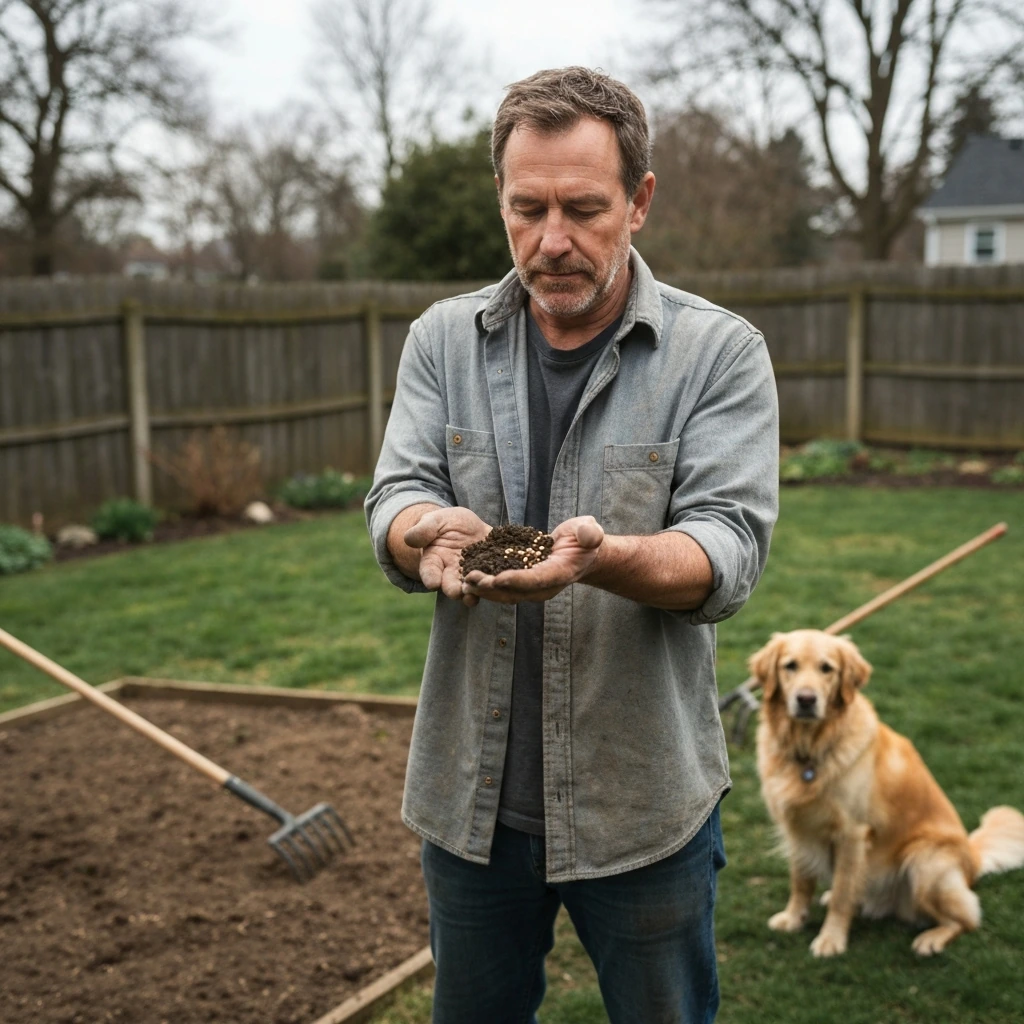
Site prep is where most meadow projects succeed or fail. Seed needs contact with bare, loose soil to germinate. If you scatter seed over existing grass or compacted ground, you'll get maybe 20 percent of what you should. Don't skip this step.
Removing existing lawn and vegetation
You have three main options for clearing an existing lawn. Tilling breaks up the existing turf and works it into the soil, which is fast but often brings up weed seeds. Tarping (also called solarizing or occultation) involves covering the area with black plastic or cardboard for 6 to 8 weeks, which smothers existing plants without disturbing the soil and bringing up new weed seeds. Herbicide application handled by a certified applicator is a third option and can be done more quickly, but is not necessary for a DIY project. For most homeowners, tarping is the most practical low-input method, especially if you plan ahead. Start in early summer so the area is cleared and ready for a late-summer seeding.
Dealing with clay, sandy, and bare-spot soils
If your soil is clay, your biggest challenge is compaction and poor drainage. Break it up with a fork or tiller, work in a couple of inches of compost, and rake to a loose, crumbly surface. Don't seed into wet, sticky clay as you'll lose seed-to-soil contact when it dries and cracks. Sandy soil is the opposite problem: it drains too fast and holds almost no nutrients. Add compost here too, and plan to water more frequently in the early establishment phase. Bare spots left from previous lawn failure, pet use, or shade are actually your easiest starting point since there's little competition. Scratch the surface with a rake to rough it up, loosen the top inch or two of soil, and you're ready to seed.
Regardless of soil type, your finished seedbed should be smooth, firm, and free of lumps bigger than a golf ball. Walk across it before you seed. If it feels like a freshly raked garden bed, you're in good shape.
When to sow and how to do it
Timing by region
For cool-season grasses, late summer to early fall is the single best time to seed, full stop. Soil is warm from summer, which speeds germination, but air temperatures are cooling down, which reduces heat stress on young seedlings. Extension programs across the country consistently land on the same window: mid-August to mid-September in most northern states. Purdue puts the sweet spot at August 15 to September 15; the University of Maryland says mid-August to mid-October; the University of Nebraska recommends August 15 to September 15 in eastern Nebraska and August 15 to September 5 in the west. If you miss fall, a spring seeding (after soil temps warm to around 50°F) is the next best option, though spring-seeded grass faces more weed competition and heat stress heading into summer.
For warm-season grasses like bermuda or zoysia, flip that calendar. Seed in late spring to early summer once soil temperatures are consistently above 65°F. Seeding too early in cool soil is one of the main reasons warm-season meadow grass fails to establish.
How to sow meadow grass seed
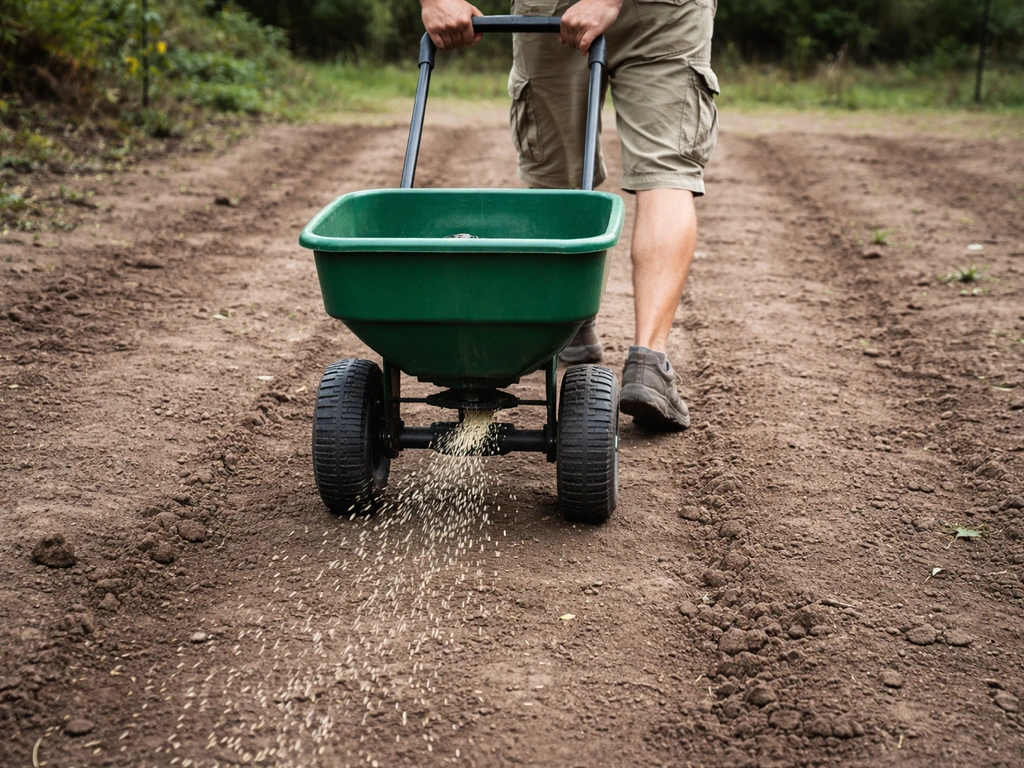
A broadcast spreader (rotary or handheld) is the easiest tool for most yard-scale projects. Divide your seed into two equal portions, then walk the area twice: once going north to south, once going east to west. This cross-pattern approach gives you even coverage without gaps. For a meadow lawn mix, target around 5 pounds per 1,000 square feet as a baseline, adjusting slightly based on the specific mix label. After broadcasting, lightly rake the seed in so it makes firm contact with the soil but isn't buried more than about a quarter inch deep. Most grass seed germinates best near the surface, not buried an inch down.
Finish by going over the area with a lawn roller or just walking it in a systematic way to press the seed against the soil. That seed-to-soil contact is critical. You can also use a straw mulch at about one bale per 1,000 square feet to hold moisture and protect against erosion, especially on slopes.
Watering, fertilizing, and keeping weeds in check
Watering schedule during germination
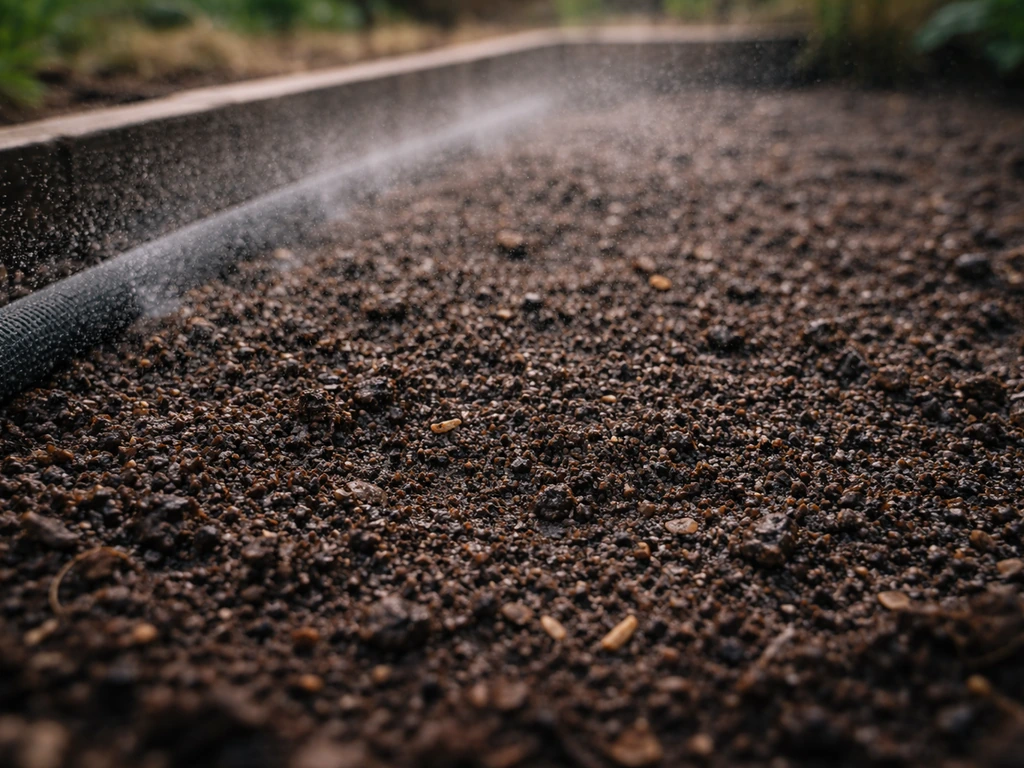
The first few weeks after seeding are the most critical part of the whole project. Seed needs to stay consistently moist to germinate, but that doesn't mean waterlogged. In hot or dry conditions, you may need to water lightly two to three times a day in the first week or two, just enough to wet the top inch without puddling. If water sits on the surface for more than a few minutes without soaking in, you're applying too much at once. Most cool-season grasses will show germination in 5 to 10 days at optimal soil temperatures when moisture is right. Around week three, shift to deeper, less frequent watering, targeting about a third of an inch every other day to encourage roots to grow downward.
Fertilizing a new meadow lawn
Apply a starter fertilizer (one with a higher phosphorus content to encourage root development) right before or immediately after seeding, then water it in. This is one of the highest-impact things you can do for establishment. After that, hold off on additional feeding until the lawn is well established, at least 6 to 8 weeks post-germination. A meadow-style planting generally needs less ongoing fertilizer than a conventional lawn, so resist the urge to overfeed once it's established. Annual or twice-yearly light applications are usually enough.
Managing weeds without killing your seedlings
Weed control timing is tightly constrained during establishment. Broadleaf herbicides can't go down until at least 4 to 6 weeks after establishment, and even then you need to be careful not to kill any flowering plants that are part of your meadow mix. Pre-emergent herbicides are also a problem: some products have long residual activity that will prevent your grass seed from germinating, so if you used a pre-emergent earlier in the season, check its label for waiting periods before seeding. The best weed management for a new meadow planting is dense seed coverage (fewer gaps for weeds to colonize), good soil prep (less weed seed disturbance), and hand-pulling the worst offenders in the first season before they go to seed.
Mowing and maintaining the meadow look
Once established, the mowing philosophy for a meadow lawn is simple: go higher and less often. A 4-inch mowing height is a good target for most meadow-style grass mixes. If you're specifically trying to grow mini leaf grass, choose a mix and mowing height that match the slower, finer growth habit of that type of grass meadow-style grass mixes. This is tall enough to let clover and low-growing flowers bloom, but low enough that you're still maintaining some structure and preventing taller, weedier plants from taking over. Mow every other week or even less frequently during peak growing season, rather than the weekly rhythm of a conventional lawn.
Always follow the one-third rule: never remove more than one-third of the blade height in a single mowing. If you've let the grass get to 6 inches and you mow it down to 2 inches all at once, you'll stress the plants, invite disease, and thin out the stand. If you've let it get long, step the height down over two or three mowings spaced a few days apart.
Seasonal care calendar
| Season | Key Tasks |
|---|---|
| Spring | Resume mowing once growth starts; mow before any weed species set seed; do light overseeding on bare spots if needed |
| Summer | Mow every 2 weeks at 4-inch height; water during extended dry spells; hand-pull aggressive weeds before they seed |
| Late Summer / Early Fall | Best window for overseeding thin areas; apply starter fertilizer if overseeding; reduce mowing frequency as growth slows |
| Fall | Final mow to tidy up; leave some seed heads standing for wildlife if desired; avoid heavy fertilization late in the season |
| Winter | No mowing needed; avoid heavy foot traffic on dormant or frost-covered areas |
One important seasonal weed management note: mow the meadow before any weed species go to seed. You don't need to mow on a strict schedule, but if you notice something like thistle or dock starting to flower, get out there and mow it down before it drops seeds into your meadow. That one habit prevents most long-term weed problems.
When things go wrong: troubleshooting thin growth and bare spots
If your meadow isn't filling in the way you expected, the problem almost always traces back to one of four things: timing, seed-to-soil contact, moisture during germination, or weed competition. Here's how to diagnose each.
Thin or patchy germination
If germination was spotty from the start, the most likely culprits are inconsistent watering in the first two weeks (letting the surface dry out even once can kill germinating seed) or poor seed-to-soil contact (seed that sat on top of hard ground or thick thatch and never made contact with the soil). The fix for next time is better seedbed prep and more consistent early watering. The fix right now, if you're in late summer or early fall, is to overseed the thin areas immediately. If you want more bloom and better coverage, focus on overseeding with wildflower-leaning mixes that match your sun and soil conditions overseeding the thin areas immediately. Scratch the surface lightly, scatter seed, press it in, and water consistently. Don't wait until spring if you're in the ideal fall seeding window.
Bare spots that won't fill in

Persistent bare spots are usually a soil problem. Dig down a few inches. If you hit hardpan clay, compacted subsoil, or old construction debris, you've found your problem. Loosen the soil at least 4 to 6 inches deep in that spot, work in some compost, and reseed. If the spot is in a low area that stays wet, poor drainage is preventing establishment. Improving drainage or choosing a moisture-tolerant grass species for that specific zone will make a bigger difference than repeated reseeding.
Weeds taking over
A meadow planting with thin grass cover is an open invitation to weeds. If weeds are dominating your first-year meadow, the honest answer is that the grass didn't establish densely enough. Increase seeding rates if you're filling in bare areas, make sure you're not mowing too short (which gives low-growing weeds a competitive advantage over grass), and hand-pull the worst offenders before they set seed. Once the grass thickens up, it does a much better job of crowding weeds out on its own.
Seed never germinated at all
If you saw almost zero germination, check your timing first. Cool-season seed sown into warm summer soil with no moisture maintenance won't germinate well. Warm-season seed sown too early in cold spring soil won't either. Check the soil temperature with a cheap probe thermometer before reseeding. Also check whether you used a pre-emergent herbicide earlier in the season, since some products prevent grass seed from germinating for several months after application. If a pre-emergent is the culprit, you may need to wait out its residual period before reseeding will work.
The first growing season of a meadow lawn is always the hardest. Year two looks dramatically better once the root systems are established and the grass can outcompete annual weeds on its own. If you hit the timing right, kept the seed moist, and got good soil contact, you're most of the way there already.
FAQ
Can I grow a meadow lawn that still handles regular foot traffic and pets?
Yes, but only if you match the mix to the traffic and season. If you want something that stays functional under regular walking, prioritize a grass-forward seed blend (more perennial grasses than showy flowers) and keep your mowing at the 4-inch target. Also, avoid seeding long, narrow “bare” paths that a lot of people and pets step on repeatedly, those tend to thin out even in a well-established meadow.
What if I want more flowers after my meadow starts growing?
Don’t seed grass first and add flowers later expecting the flowers to “fill in.” Flowers usually establish their own seedlings, but without the initial grass structure you may get bare spots that weeds take over. If you want to add more bloom, do a targeted overseed in thin areas during the same seasonal window you used initially (fall for cool-season, late spring to early summer for warm-season), and rake lightly to improve seed-to-soil contact.
How long does it take before a meadow looks like a finished lawn?
Plan on a real transition period. Even when you seed at the correct time, the first year often looks patchy because grasses are building roots and flowers are still getting established. A practical benchmark is that most lawns only look “intentional” by late summer of year one or during year two, so keep mowing taller and avoid heavy fertilizer in that first season.
Will a meadow attract deer, and can I still grow one where deer browse?
If deer are common, a meadow is still possible, but you need a strategy. Focus the most visible, flower-heavy area on less vulnerable zones, and use the grass base as your long-term backbone so the meadow doesn’t collapse when tops are browsed. Consider delaying the most palatable bloom types to a second overseed (targeted later) rather than relying on them for year-one survival.
What should I do if my meadow site is mostly shade?
Yes, shade can be the limiting factor. For partial shade, fine fescue-based mixes often work well, but if your site drops below about four hours of sun, even fine fescue may not fully close gaps. In that situation, it’s usually better to reduce expectations for grass cover and consider shade-tolerant groundcovers in the darkest areas rather than repeatedly reseeding the same spot.
How do I water a meadow lawn if my sprinkler coverage is uneven?
Don’t “spot water” dry areas while leaving the rest too dry. During germination, moisture needs to be consistent across the whole seeded surface, because even one dry-out event can kill emerging seed. If you must water manually, break the area into zones and apply short, frequent cycles so the top inch stays damp without puddling.
My meadow has thin patches, should I reseed right away or wait?
Overseeding is usually your fastest fix, but timing matters. In the ideal fall window for cool-season lawns, overseed immediately into lightly scratched thin areas and then press the seed in and keep it moist. Waiting until spring often means more weed competition and less successful establishment, especially if bare spots keep reopening.
Can I use herbicides and still seed a meadow successfully?
It depends on the mix and your herbicide history. If you used any pre-emergent earlier in the season, the residual period can prevent grass seed from germinating for months, so check the label waiting time before you seed. For post-emergent broadleaf control, you typically need to wait until the meadow components are established enough that you can selectively avoid damaging the flowering plants.
How much straw mulch is safe to use when growing a meadow from seed?
Avoid “over-mulching.” Straw mulch can help with erosion and moisture on slopes, but if you apply too much it can prevent seed contact with soil. Use about one bale per 1,000 square feet as a guideline, then keep seed-to-soil contact by raking lightly after spreading so the seeds are not buried under thick material.
How can I tell if my meadow is failing because of weeds versus poor germination?
Yes, but measure your success with density, not color. If you see green sprouts but no thickening, you likely have either weak seed-to-soil contact or weed competition, and the meadow needs time plus improved soil preparation next season. If you see almost no germination, check soil temperature, watering consistency, and whether you applied a pre-emergent that blocks germination.
How to Grow a Wildflower Meadow From Seed Step by Step
Step-by-step instructions for growing a wildflower meadow from seed, timing, site prep, watering, mowing, and troublesho