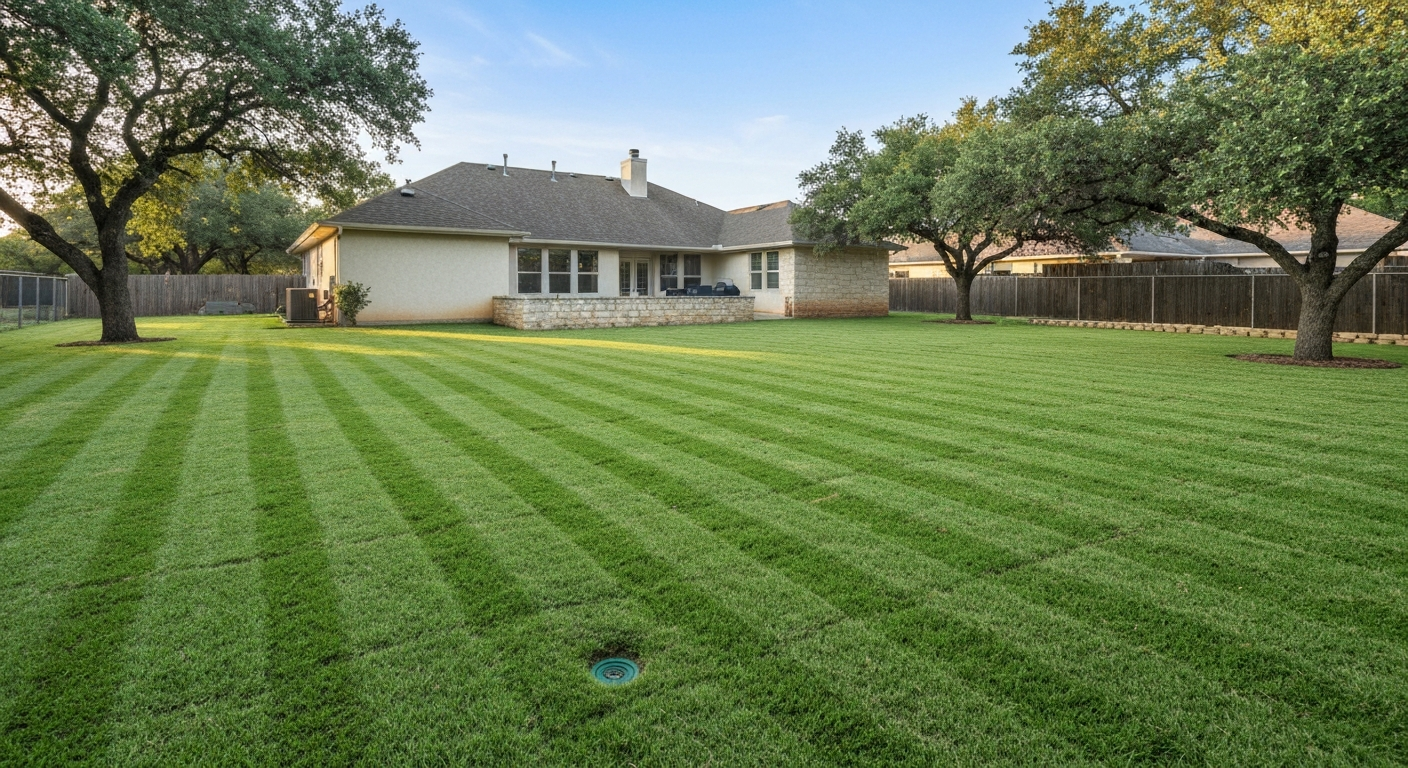
You can grow a wildflower meadow from seed by killing off existing vegetation, lightly prepping the soil without deep tilling, broadcasting a region-matched seed mix at around 40 to 60 seeds per square foot, and then mowing at 4 to 6 inches during the first season to keep weeds from smothering your seedlings. If you want a complete, step-by-step plan, start with how to grow a meadow from seed and avoid the common setup mistakes. Realistic expectation: it takes about three years to get a fully established meadow, but you'll see real flowers in year two if you do the groundwork right.
How to Grow a Wildflower Meadow From Seed Step by Step
Marcus Tillwell
2 May 2026
Pick wildflowers that actually belong in your climate
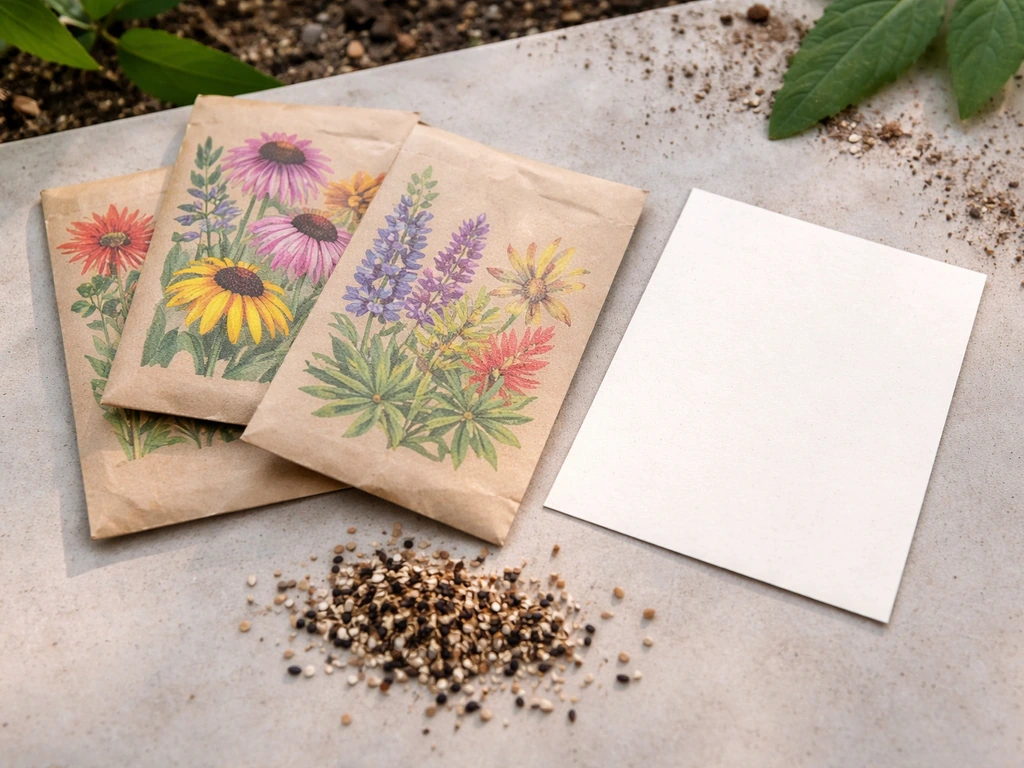
This is where most people go wrong. They grab a pretty seed packet at the hardware store, broadcast it over their lawn, and wonder why nothing comes up the following spring. The problem is usually that the mix was designed for a different region, or it was loaded with annuals that won't return the following year, or neither the flowers nor the soil were a match for each other.
Native wildflowers are almost always the better choice over generic 'wildflower' mixes. They've evolved for your local soil, rainfall, and frost patterns, which means they're more likely to germinate, survive, and come back year after year. The Xerces Society's Pollinator Conservation Resource Center breaks down plant lists by region, and it's genuinely one of the best free tools available for this. Start there before buying a single packet of seed.
Here's a rough breakdown of which wildflowers tend to perform well by region and site condition:
| Region / Condition | Reliable Native Wildflowers | Notes |
|---|---|---|
| Northeast / Mid-Atlantic | Black-eyed Susan, Wild bergamot, Purple coneflower, Lanceleaf coreopsis | Spring or dormant fall seeding works well; mixes perform in clay and loam |
| Upper Midwest / Great Plains | Prairie blazing star, Native sunflowers, Wild lupine, Rattlesnake master | Cold stratification key; fall seeding (mid-October to freeze) recommended |
| Southeast | Blanket flower, Blue wild indigo, Butterfly weed, Partridge pea | Tolerates sandy, poor soil; avoid overwatering during establishment |
| Pacific Coast / West | California poppy, Clarkia, Phacelia, Yarrow | Dry-summer tolerant; seed in fall to germinate with winter rains |
| Shade / Part-sun areas | Wild columbine, Virginia bluebells, Woodland phlox, Wild ginger | Lower seed density; plugs often outperform direct seeding in shade |
If your site gets fewer than four hours of direct sun per day, direct seeding becomes much harder. In shadier spots, starting with plugs (small potted plants) is more reliable than seed, because seedlings in low light struggle to out-compete weeds without some head start. Shade-adapted species also tend to have bigger, heavier seeds that don't spread as easily by broadcasting, so hand-planting them makes more sense.
Read your site before you do anything else
Before you prep or seed anything, spend thirty minutes actually looking at your site. Walk it after a heavy rain. Are there puddles sitting for more than an hour? That's a drainage problem, and many wildflowers will rot before they establish in waterlogged soil. Sedges, swamp milkweed, and Joe-pye weed are some of the few that thrive there. Most prairie wildflowers need decent drainage.
Sun matters a lot. Track the area at midday and again at 3 p.m. Six or more hours of direct sun is ideal. You can grow a meadow with four to six hours, but you'll be more limited in species selection. Under four hours, you're really in wildflower garden territory rather than a true meadow, and direct seeding is a tough road.
Soil type shapes your whole prep strategy. Here's how to quickly figure out what you're working with: grab a handful of moist soil and squeeze it. If it holds a ribbon and feels slick, you have clay. If it falls apart immediately and feels gritty, you have sand. Most lawns sit somewhere in between, which is workable. Clay soil holds moisture well but compacts easily and can crust over seeds. Sandy soil drains fast but dries out quickly in early establishment. Both are manageable with the right approach, which I'll cover in the next section.
Soil prep and weed control: the part that determines everything
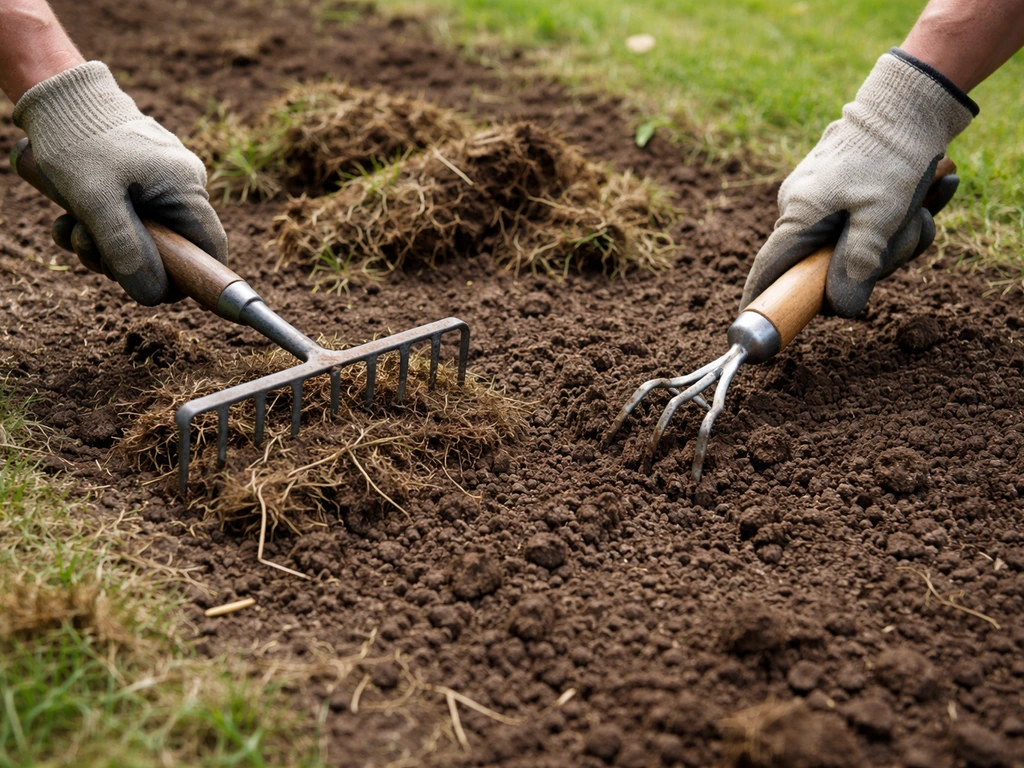
Here's the honest truth about wildflower meadow failures: almost all of them come down to inadequate site prep. If you're starting from a regular lawn and want to do this step by step, see our guide on how to grow a wild lawn for the full conversion plan. New seedlings cannot compete with established grass and weeds. If you skip this step or rush it, you're basically broadcasting expensive seed into a lawn that will smother it within weeks.
You have a few real options for clearing existing vegetation, and each has trade-offs:
- Solarization: Cover the area with clear plastic sheeting for 6 to 8 weeks in summer. The heat kills grass, weeds, and weed seeds in the top few inches of soil. This is one of the most effective organic methods and works especially well in hot climates. It does tie up your site for most of a summer, which means you're planning a fall or following-spring seeding.
- Smothering with cardboard or thick mulch: Layer cardboard (no tape or staples) and 4 to 6 inches of wood chip mulch. This takes longer (a full season or more) but is cheap and improves soil biology. Best for areas you're prepping a full year ahead.
- Repeated mowing and scalping: Mow low, rake out the debris, and repeat. This weakens established perennial grasses over time but rarely eliminates them fully. Better as a precursor to another method than as a standalone.
- Herbicide (glyphosate): The fastest option. Apply when weeds are actively growing, wait two weeks, and reseed. A single application often isn't enough for stubborn perennial weeds. If you want to avoid herbicide, solarization is the next most effective option.
Once the existing vegetation is dead, resist the urge to till deeply. Deep tilling brings buried weed seeds to the surface and creates a fresh germination bed for them. Instead, lightly rake or harrow just the top inch or so to break up any surface crust and create the seedbed you need. If you have clay soil, breaking up compaction in the top two to three inches with a garden fork is fine, but keep it shallow.
The goal of all this prep is simple: a firm, relatively weed-free surface with good seed-to-soil contact. You don't need fluffy, perfectly amended soil. Wildflowers, especially native prairie species, actually prefer lean soils over rich, heavily fertilized ground. Adding compost or fertilizer before seeding usually encourages weeds more than wildflowers.
Choosing your seed mix and getting the planting right
Seed mix vs. plugs: which should you use?
For open, sunny areas with good soil prep, seed is almost always the more practical and affordable choice. A quality native seed mix for half an acre runs about 3 to 5 pounds of seed, and for a full acre you're looking at 3 to 10 pounds depending on species density. For small plots under 500 square feet, plugs give you a faster and more predictable result, especially if you're mixing in some taller or showier species that are slow to establish from seed.
Aim for a seed mix with a good ratio of perennials to annuals. Annuals like bachelor's button or annual poppies bloom fast in year one and look great, but they won't return. Perennials like coneflower, black-eyed Susan, and blazing star are slower to establish but form the backbone of a self-sustaining meadow. A good mix is roughly 60 to 70 percent perennials by species count.
When to plant
Timing depends heavily on your region. For most of the country, you have two solid windows:
- Fall (dormant seeding): In the Upper Midwest and Northeast, sow between mid-October and the first hard freeze. The seeds sit dormant through winter and get natural cold stratification, which many native wildflowers require for germination. This is often the most reliable method for prairie species.
- Spring: In the Mid-Atlantic and Southeast, aim to seed before May 31 to give seedlings a full growing season before summer heat. In the West, seed in fall to catch winter rains.
- Avoid seeding in midsummer heat: Seeds sitting in hot, dry soil in July and August have much lower germination rates and are more vulnerable to washing away before they root.
How to broadcast seed correctly
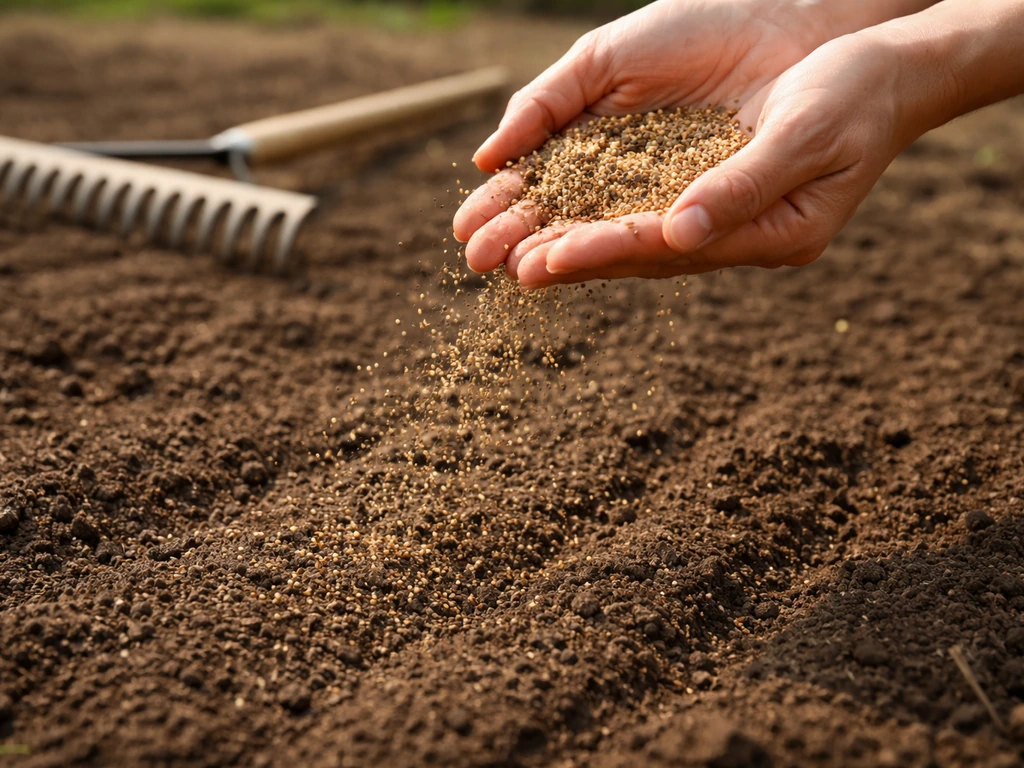
Broadcasting (scattering seed by hand or with a hand-cranked spreader) is the standard low-tech method for meadow seeding, and it works well if you do it carefully. The key is even coverage. One common problem: tiny wildflower seeds fall to the bottom of a hopper or bag, so you end up with uneven distribution. Fix this by mixing your seed with dry sand at a ratio of about 4 parts sand to 1 part seed. The sand adds bulk and makes distribution far more uniform, and you can see where you've already seeded.
Target 40 to 60 seeds per square foot. That sounds like a lot, but wildflower seeds are tiny and germination rates are rarely 100 percent. After broadcasting, lightly rake the surface so seeds make contact with the soil but don't go deeper than about a quarter inch. Small seeds that get buried deeper than that often fail to emerge. Finish by rolling the seeded area with a lawn roller or simply walking over it to press seeds into the surface. Then water gently (or seed right before a rain event).
Watering, mowing, and surviving the first year
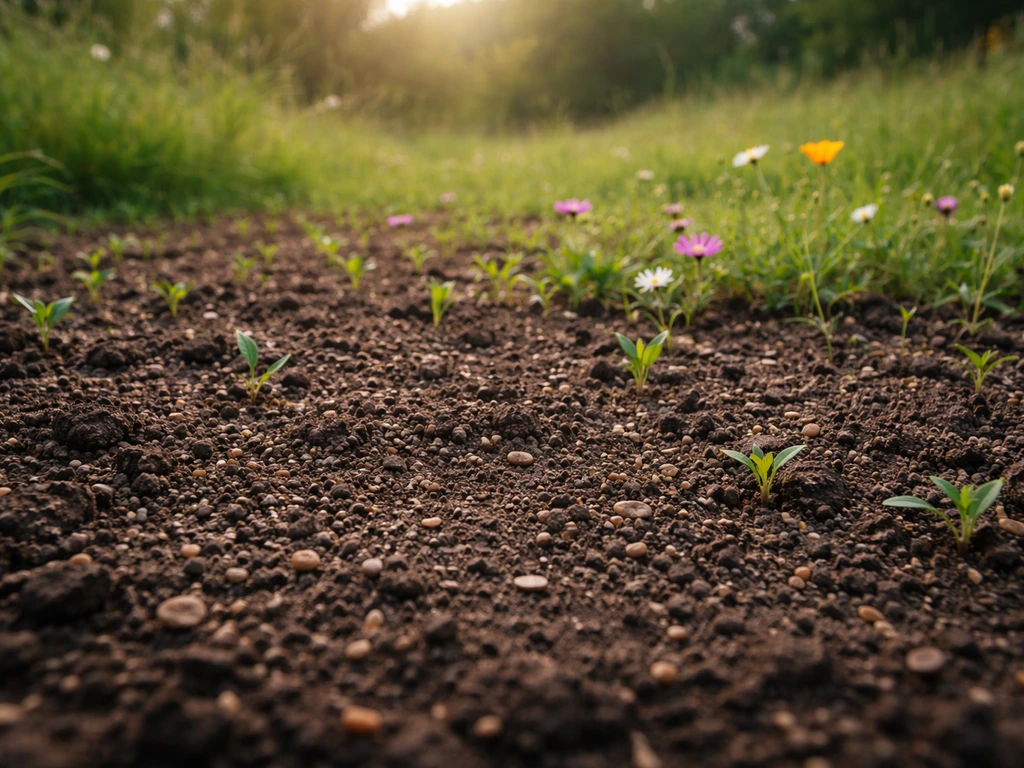
The first year of a wildflower meadow looks nothing like the meadow you're imagining. Most of what you'll see is weeds. Native wildflower seedlings spend their first season putting energy into root development, not top growth. This is completely normal and doesn't mean your seed failed.
Watering in the establishment phase
Keep the seed bed consistently moist for the first four to six weeks after seeding. This usually means light watering once or twice a day if there's no rain. Once seedlings are an inch or two tall, you can back off significantly. After that first establishment phase, supplemental irrigation is only really necessary if you go more than two consecutive weeks without measurable rainfall. Wildflowers are generally drought-tolerant once they've rooted, and overwatering during establishment encourages weeds and can cause seedling rot.
The first-year mowing rule
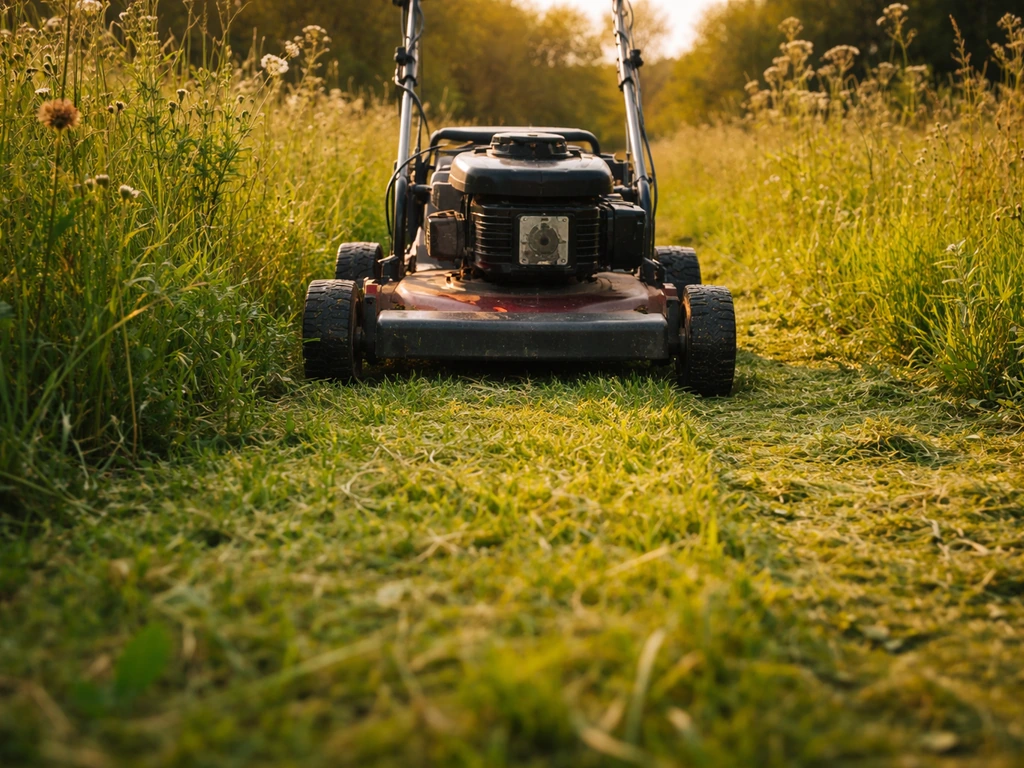
This is counterintuitive but critical: mow your meadow during the first year. Set your mower to 4 to 6 inches and mow when weeds get taller than about 8 to 10 inches. You're not mowing to make it look tidy. You're cutting off the tops of fast-growing weeds before they set seed, while leaving most wildflower seedlings (which are still low to the ground) unharmed. Depending on how weedy your site is, you might mow two or three times in the first season. Don't skip this step because you think mowing will damage the seedlings. The weeds will shade them out if you don't.
Germination timeline varies a lot by species. Annual wildflowers may show up in 10 to 21 days under good conditions. Perennial native species can take 30 to 60 days, and some require cold stratification first, meaning they won't germinate until spring following a fall seeding. Don't panic if you see nothing for weeks. The full payoff of a seed-grown meadow takes about three years, with year two showing noticeably more flowers and year three approaching the look of a real established meadow.
Keeping your meadow healthy for the long term
Once your meadow is established (roughly by year three), maintenance becomes much simpler, but it doesn't disappear entirely. The two main jobs are annual mowing and monitoring for weed or invasive species pressure.
Annual mowing
Established wildflower meadows need one hard mowing per year, typically in late winter or very early spring before new growth emerges. Set the mower or brush cutter to 4 to 6 inches and cut everything down. This mimics the natural fire cycle that prairie ecosystems depend on, clears accumulated thatch, and gives seeds that dropped over the summer a chance to make soil contact. Don't mow in fall or you'll remove seed heads that wildlife depend on through winter.
Managing weeds and rebalancing species
Even a well-established meadow will see aggressive species start to crowd out others over time. Common culprits are goldenrod, certain grasses, and whatever the dominant weed species is in your area. Walk through the meadow in early summer each year and spot-treat problem patches. Hand-pulling works for isolated plants. For larger patches of aggressive grass, a targeted grass-specific herbicide (applied with a sponge or wipe to minimize drift) removes the grass without harming broadleaf wildflowers.
Every three to five years, overseed thin or bare areas with the same mix you started with. Rake the surface lightly first to expose soil, broadcast seed, and press it in. This keeps species diversity up and fills in any gaps before weeds colonize them.
What to do when things go wrong
Low or no germination
If you see almost nothing coming up six to eight weeks after seeding, the most common causes are: seed was buried too deep, the seedbed dried out during those critical first weeks, the seed mix was old or low quality, or you seeded at the wrong time of year. For spring seedings that failed, you can often overseed the same area in fall as a dormant seeding. UMN Extension explains that dormant seeding uses the natural freeze-thaw cycle over winter to improve seed-to-soil contact and extend the planting window overseeding in fall as a dormant seeding. Check the seed source and ask for germination rate data before buying. Reputable native seed suppliers will share this.
Persistent bare spots
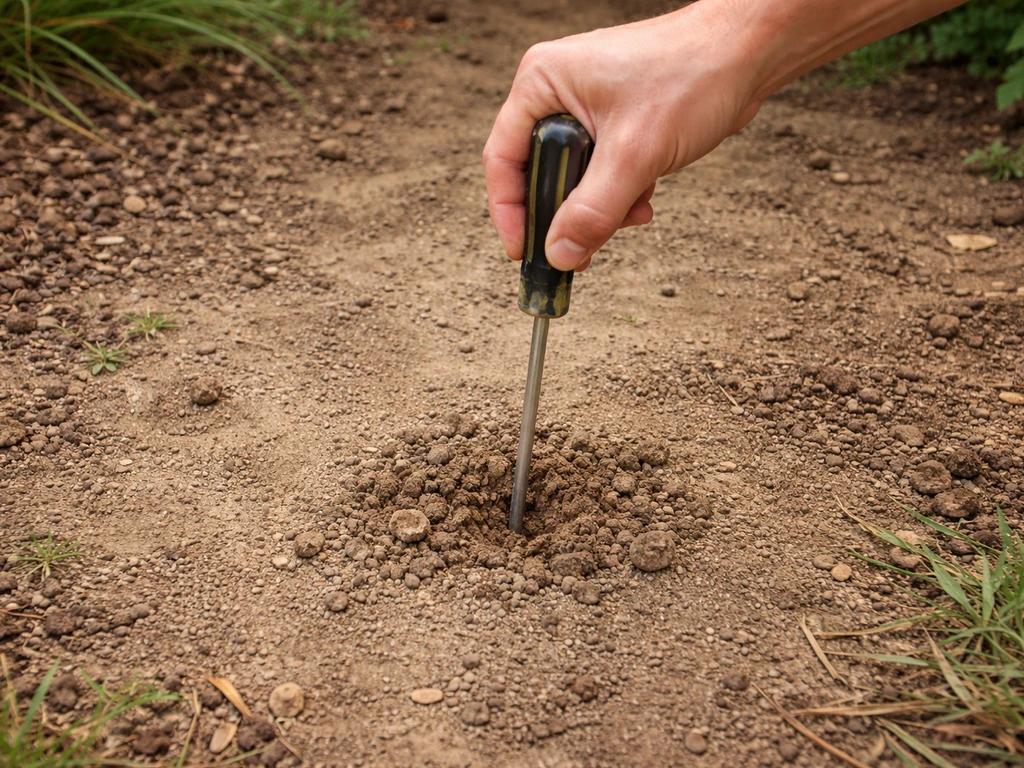
Bare spots usually indicate compacted soil, drainage problems, or a zone that didn't get enough seed during broadcasting. Probe the soil in the bare spot with a screwdriver. If it won't penetrate easily, compaction is the issue. Loosen the top inch or two with a hand cultivator, add a thin layer of aged compost, and reseed. If water pools there, either address drainage or switch to wet-tolerant species for that patch.
Clay soil struggles
Clay is actually workable for wildflowers, but it crusts over seeds and compacts badly when worked wet. Prep clay sites when the soil is just barely moist, not wet. After seeding, don't rake aggressively because clay can seal over and lock seeds in place. A light roll is better than raking. Choose species that tolerate clay well: wild bergamot, New England aster, swamp milkweed, and prairie dropseed are all reasonably clay-tolerant.
Sandy soil and fast drainage
Sandy soil dries out fast, which means your establishment watering has to be more frequent. The upside is that sandy soil rarely has drainage problems and is easy to prep. Focus on drought-adapted species: blanket flower, butterfly weed, prairie coreopsis, and native grasses. Avoid heavy clay-lovers. A thin layer of straw mulch (not hay, which contains seeds) over a freshly seeded sandy site can help retain moisture during germination.
Shade and low-germination areas
If a section of your meadow site is shadier than you thought and seed germination is sparse, don't fight it with more seed. Switch to plugs of shade-tolerant species. Wild columbine, woodland phlox, and native ferns establish much better from transplants in lower light. You can still have a beautiful, low-maintenance naturalized planting in these areas, but the classic sunny meadow aesthetic only works in full sun.
If you're working with an existing lawn and only want to add wildflowers to part of it rather than converting the whole thing, that's a different approach worth thinking through separately. And if your goal is something even smaller or more contained, a mini meadow in a raised bed or border planting has its own set of techniques.
If you specifically mean how to grow mini leaf grass, plan for the right lighting, shallow preparation, and frequent early watering until it establishes mini meadow. But for a true ground-up meadow conversion from lawn to wildflowers, the path above is your clearest route to getting it done right the first time. If you want the quick-start steps for a lawn conversion, follow our guide on how to grow wildflowers in lawn.
FAQ
When is the best time of year to seed a wildflower meadow?
Most areas should be seeded in either fall (dormant conditions) or spring after the soil is workable. If you seed spring, aim for cool-to-mild weather and plan to keep the top layer consistently moist for the first 4 to 6 weeks. If you seed fall, confirm your local frost timing because some perennials need winter cold to germinate.
Can I mix plugs with seed instead of going all-in on seed?
You can, but you usually get faster and more even results by using seed plus plugs only for the problematic parts (shady pockets, edges, or spots with thin coverage). Seed provides the bulk, while plugs help you establish structure sooner without betting everything on germination in low light or tough soil.
Should I re-till or repeat soil prep right before seeding?
Yes, but don’t do it blindly. If the site is weedy, a second light raking or harrowing pass after initial prep can help expose a few spots for seed-to-soil contact, but avoid deep digging. After seeding, use a light roll or walking pressure rather than aggressive raking, especially on clay.
Can I seed into an existing lawn without fully killing the grass?
Avoid broadcast over thick, living grass. Grass and thatch will steal light and moisture and can physically prevent seed contact with soil. If the lawn is not fully cleared or dead, you often need either improved killing of the vegetation, or you must target seed only where you can get real soil contact.
How often should I overseed, and do I change the mix?
Use the same mix you started with, but increase the seeding density slightly for bare or thin patches. Rake lightly to expose soil, broadcast, then roll or lightly press. If you notice persistent dominance by one grass or weed, fix that competitive pressure first or overseeding alone will keep failing.
My seeds did not come up, what are the most likely reasons and what should I check first?
If you see little germination after 6 to 8 weeks, first check whether seeds were buried too deeply, then check moisture. Next, confirm seed quality by asking the supplier for germination rate and freshness. Finally, verify timing for your region, because some species simply will not sprout until after the next seasonal cue (especially fall-sown perennials).
How deep should wildflower seeds be, and how do I avoid planting them too deep?
For small seeds, the usual mistake is over-raking and burying. After broadcasting, you only want minimal covering, about a quarter inch or less. A light rake just to touch the surface, followed by rolling, gives contact without trapping seeds too deep.
How should I water during the first month, and what watering pattern should I avoid?
Yes. If you’re watering with a hose, use short cycles that wet the top inch but do not create puddles. During establishment, light watering once or twice daily (depending on weather) is usually better than one heavy soak. Once seedlings are established, reduce frequency, and skip irrigation when rainfall has been adequate.
What are the signs I’m overwatering or watering the wrong areas?
Overwatering can cause seedling rot and also encourages more weed growth, especially in clay or poorly drained spots. If water pools, the issue is drainage, not “too little sun.” For those zones, switch to wet-tolerant species and adjust watering to avoid saturating the surface.
Is it okay if my seed mix includes mostly annual wildflowers?
Yes, but handle expectations. Annuals can provide quick color in year one and are fine in a meadow mix if they’re not dominating. The longer-term stability depends on perennials and native grasses, so aim for a blend where perennials are the majority by species count and avoid mixes that are mostly annuals.
How do I deal with invasive plants without damaging my wildflowers?
For invasives, early detection is key. Walk the meadow in early summer when problem plants are identifiable, then spot-treat patches before they set seed. For grasses, wipe-on or sponge-applied selective products can reduce drift risk, but always follow label directions and avoid spraying broadleaf wildflowers.
What month should I mow an established meadow, and why not in fall?
Typically, late winter or very early spring is best because it removes thatch and promotes new growth, while not cutting off summer seed heads. Mowing in fall removes seed heads you want for winter wildlife, and mowing too early in spring can reduce early nectar sources.
How can I diagnose why one section is bare even though the rest is doing well?
If your meadow is patchy due to compacted soil, drainage, or uneven seed distribution, you can troubleshoot by probing bare areas with a tool. If compaction blocks penetration, loosen only the top inch or two and re-seed. If water pools, adjust drainage or choose wet-tolerant plants for that patch rather than repeating the same seeding strategy.
What mowing height and timing are best during the first year, especially if weeds are out of control?
You should keep the mower height high in year one, but mowing timing matters. Mow when weeds are taller than about 8 to 10 inches, and repeat only as needed. The goal is preventing weeds from shading seedlings, not removing all top growth, so avoid cutting extremely low.
Can I grow a wildflower meadow in partial shade?
Yes, you can. If the site is consistently shaded (especially under about four hours of direct sun), direct seeding produces thinner results and you may need plugs for faster establishment. You can still aim for a naturalized planting, but the classic open “sun meadow” look will be limited.
Should I use mulch over the seeds, and does it matter what kind?
Using mulch can help with early moisture on some sites. A thin layer of straw (not hay) over freshly seeded areas can reduce drying, especially on sandy soil, but remove it once seedlings start to emerge so it doesn’t block small sprouts.
When does a seeded meadow become truly low maintenance, and what maintenance never goes away?
Yes for your long-term plan. After year three, the meadow becomes lower-maintenance, but ongoing annual mowing and periodic weed checks still matter. Plan to walk the site each spring and early summer, then spot-treat only what’s becoming dominant so the community stays balanced.
Next Article
How to Grow Grass in San Antonio Texas: Step-by-Step Guide
How to grow grass in San Antonio: best turf choices, planting windows, soil prep, watering schedules and troubleshooting