The best grasses to grow for guinea pigs are perennial ryegrass, meadow fescue, orchardgrass, and Timothy grass. These are safe, palatable, and easy to grow from seed in containers, raised beds, or a small lawn patch. The same basics apply if you are figuring out how to grow grass for goats: focus on safe, fast-germinating grass types and keep moisture consistent until the stand takes hold. Avoid tall fescue unless you specifically buy endophyte-free seed, and skip warm-season grasses like bermuda and zoysia for feeding purposes since they need higher soil temps to germinate well and offer less nutritional value for small pets. Grow your grass without any pesticides, herbicides, or synthetic fertilizers, and you will have a clean, safe food source your guinea pigs will genuinely love.
How to Grow Grass for Guinea Pigs: Best Varieties and Steps
Choosing the best grass and seed for guinea pigs
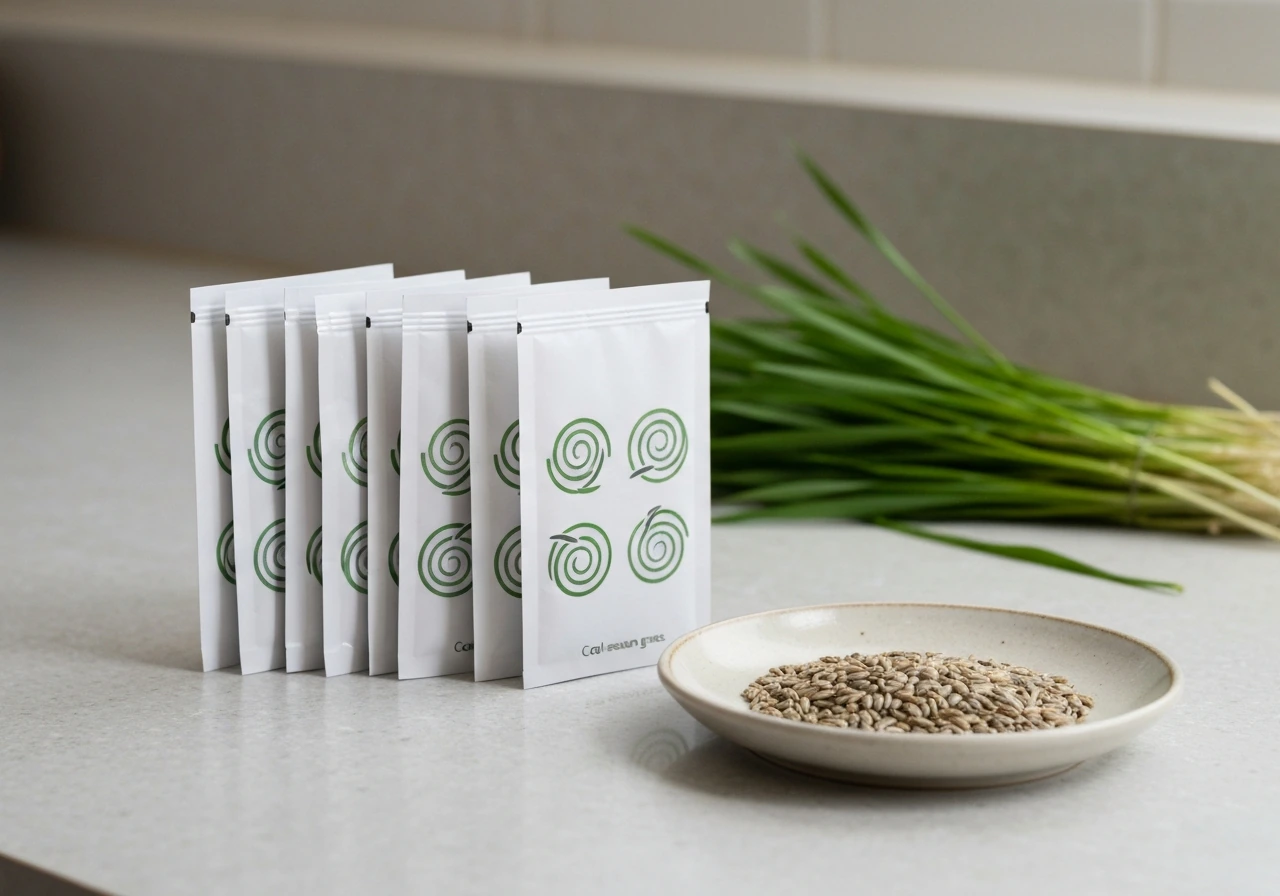
Guinea pigs are grazers, and fresh grass is one of the most natural and healthy foods you can offer them. But not every grass variety you might find at a garden center is a good choice. The key criteria are: safe alkaloid profile, good palatability, fast germination, and easy re-growth after cutting.
Perennial ryegrass is my top pick for most people. It germinates fast (5 to 10 days in good conditions), regrows quickly after grazing, and guinea pigs eat it eagerly. Meadow fescue and orchardgrass are close seconds and are especially useful if you are growing in slightly shadier spots. Timothy grass is the gold standard nutritionally because it mirrors the dried timothy hay guinea pigs already eat, but it is slower to establish and prefers cooler climates. If you can find timothy seed at a farm or feed store, it is absolutely worth growing.
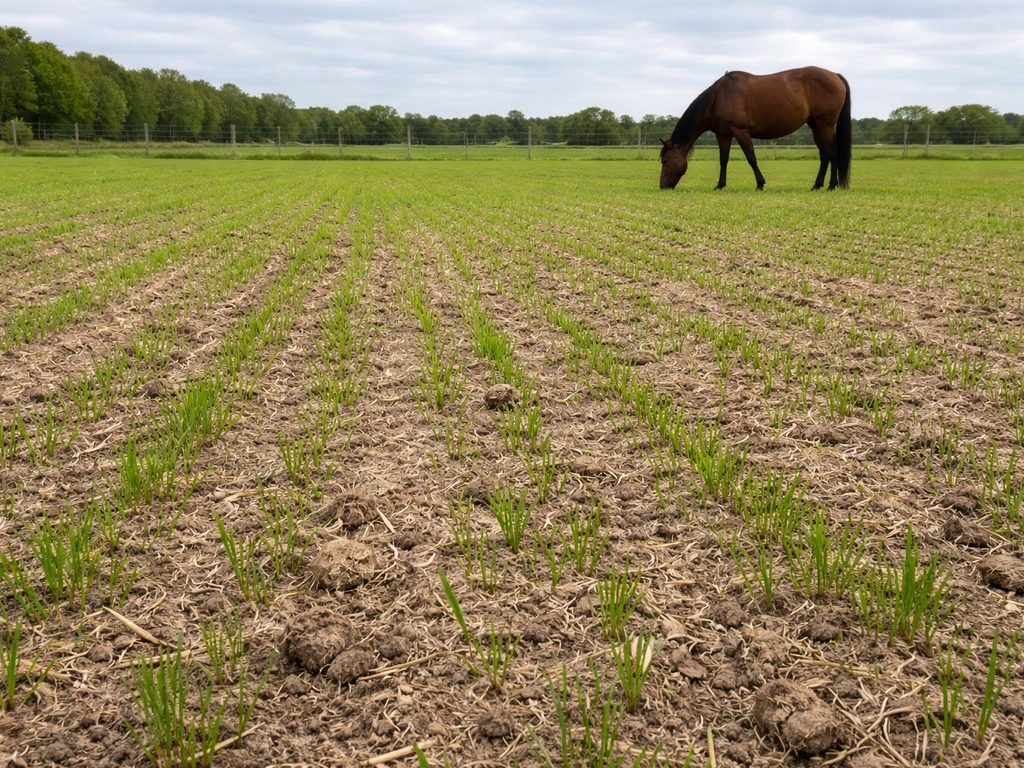
Tall fescue deserves a specific warning. Most tall fescue seed sold for lawns contains an endophyte fungus called Epichloë coenophiala that produces ergovaline and other ergot alkaloids. These alkaloids cause fescue toxicosis in grazing animals. For large livestock like horses and cattle, this is a well-documented problem, and the same concern applies to small pets. For large livestock like horses and cattle, this is a well-documented problem, and the same concern applies to small pets, so if you are planning forage for cattle you should also review how to grow pasture grass for cattle as a related option. If you want to use fescue, look specifically for endophyte-free seed on the label. Standard "turf-type" or "Kentucky 31" tall fescue from a hardware store is not what you want here.
Bermuda and zoysia are warm-season grasses that many homeowners already have in their lawns. They are not toxic to guinea pigs, but they are poor choices for a dedicated feeding patch. Bermuda seed germination requires soil temperatures around 65 to 70°F minimum and performs best above that range. Zoysia is similar. That means slow, patchy establishment unless it is midsummer. They also go dormant in cool weather, which leaves you with nothing to feed. Stick with cool-season varieties for a reliable, year-round (or at least multi-season) supply.
| Grass Type | Safe for Guinea Pigs | Germination Time | Notes |
|---|---|---|---|
| Perennial Ryegrass | Yes | 5–10 days | Best all-around choice; fast and palatable |
| Meadow Fescue | Yes | 7–14 days | Tolerates some shade; good re-growth |
| Orchardgrass | Yes | 7–14 days | Nutritious; slightly coarser texture |
| Timothy Grass | Yes | 10–14 days | Best nutrition; slower to establish |
| Tall Fescue (standard) | Risk – avoid | 7–14 days | Contains endophyte alkaloids; use only endophyte-free seed |
| Bermudagrass | Low risk but not ideal | 14–21+ days | Needs warm soil; goes dormant in cool weather |
| Zoysiagrass | Low risk but not ideal | 21–30+ days | Very slow germination; not practical for this use |
Setting up the right growing conditions
Guinea pig grass does not need a perfect lawn. It just needs adequate light, decent soil, and consistent moisture. Here is what to focus on.
Light
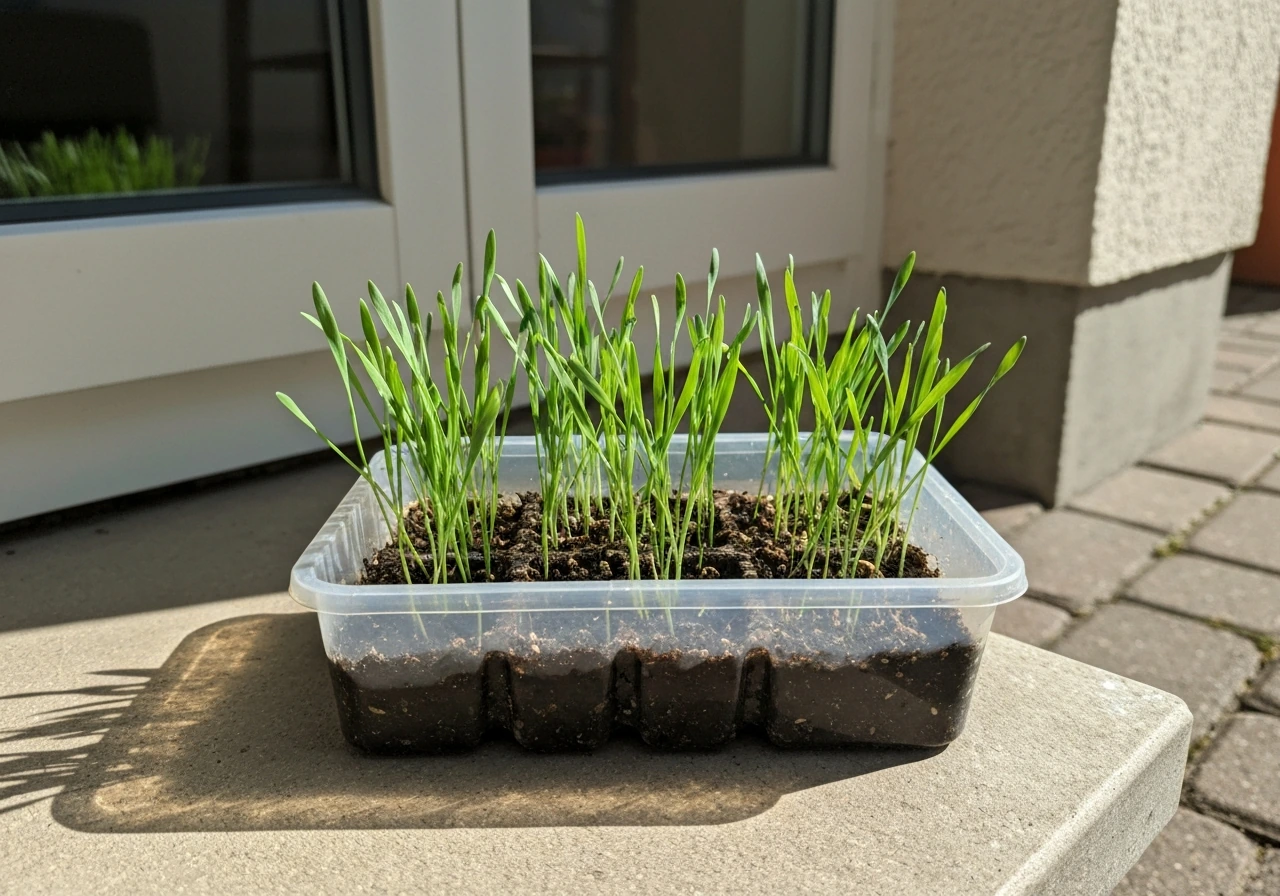
Most of the good guinea pig grasses prefer full sun, meaning at least 6 hours of direct sunlight per day. If you are growing in containers on a patio, a south or east-facing spot works well. Meadow fescue and orchardgrass will tolerate 3 to 4 hours of sun and still produce reasonable growth, making them good choices for shadier yards or indoor windowsill trays.
Soil
If you are growing in the ground, your existing soil is fine as long as it drains reasonably well. If you have heavy clay soil, mix in some compost before seeding to improve drainage and aeration. Clay that stays waterlogged leads to slow germination and mold risk on emerging seedlings. Sandy soil is less of a problem for germination but dries out fast, which means you will need to water more frequently in the early weeks. For container growing, a basic potting mix (not a fertilized variety with slow-release pellets) works perfectly and skips the soil problem entirely.
Temperature and timing
Cool-season grasses like ryegrass, meadow fescue, and timothy germinate best when soil temperatures are between 50 and 65°F. In most parts of the US, that means early spring (March to April) and early fall (September to October) are the sweet spots. If you are reading this in July, you can still grow grass for guinea pigs indoors or in a shaded container outside. Germination will be slower in summer heat, but ryegrass is forgiving enough to get going if you keep the soil moist and out of direct midday sun during the hottest days.
How to plant grass for guinea pigs, step by step
Whether you are filling a shallow tray, a raised bed, or a small outdoor patch, the process is essentially the same. Here is exactly how to do it. These same steps apply whether you are starting a small indoor tray or a larger outdoor patch grow cow grass.
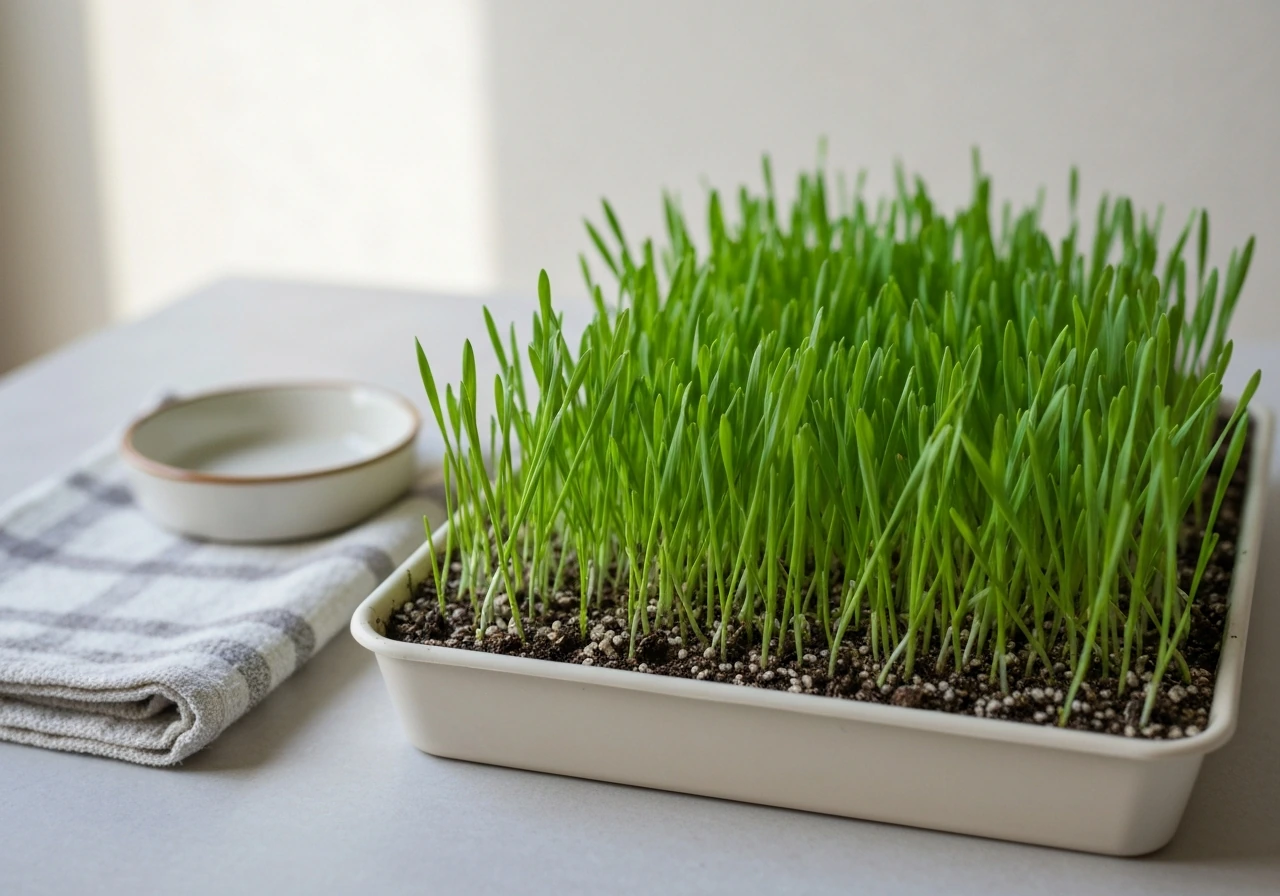
- Choose your container or plot. Shallow plastic trays (4 to 6 inches deep) work great for indoor or patio growing. For outdoor patches, a 2x4 foot raised bed or a section of ground about that size gives you a good rotation supply. Having two or three trays going at different stages means you always have fresh grass coming.
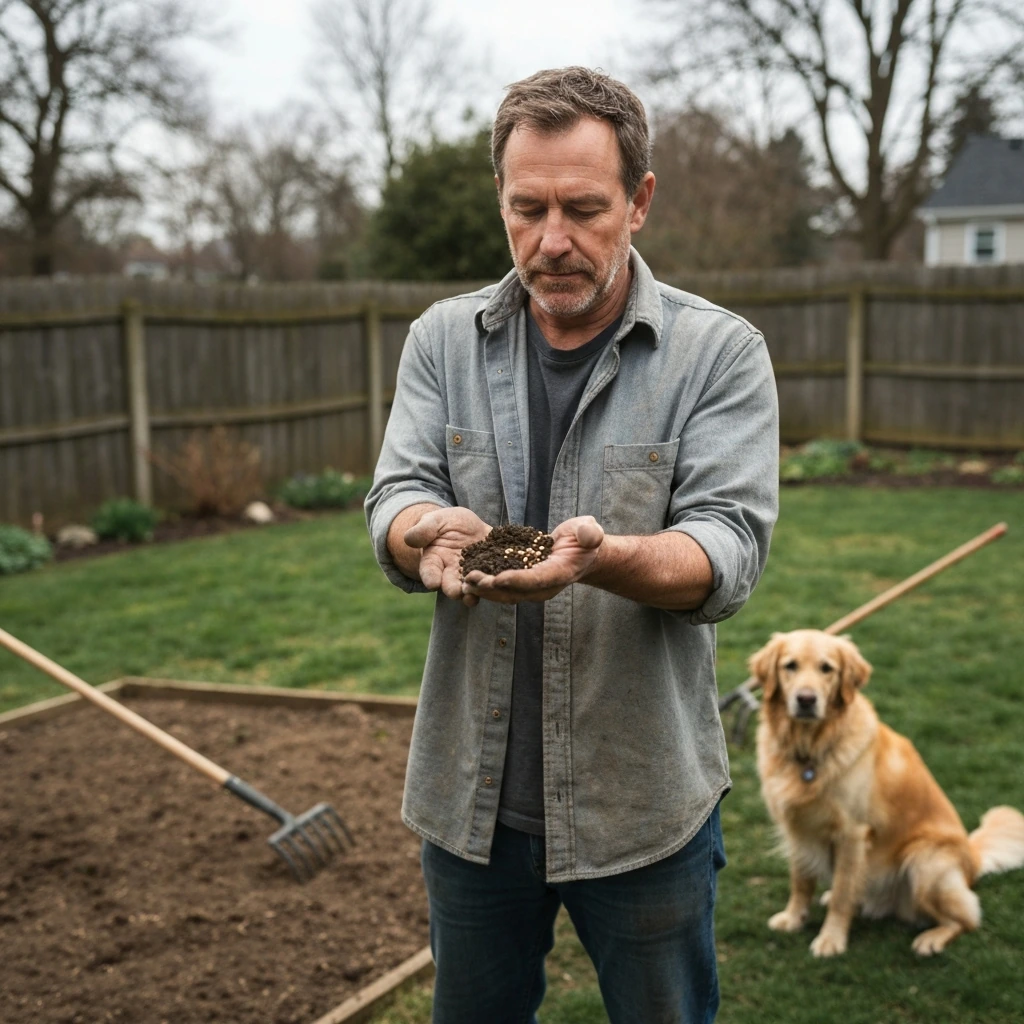
- Fill with growing medium. Use plain potting mix for containers, or loosen the top 2 to 3 inches of ground soil and mix in compost if needed. You are aiming for a loose, well-draining surface with no large clumps.
- Pre-moisten the soil. Water the surface until it is evenly damp but not soggy before you sow. This prevents seeds from washing to one corner when you first water after sowing.
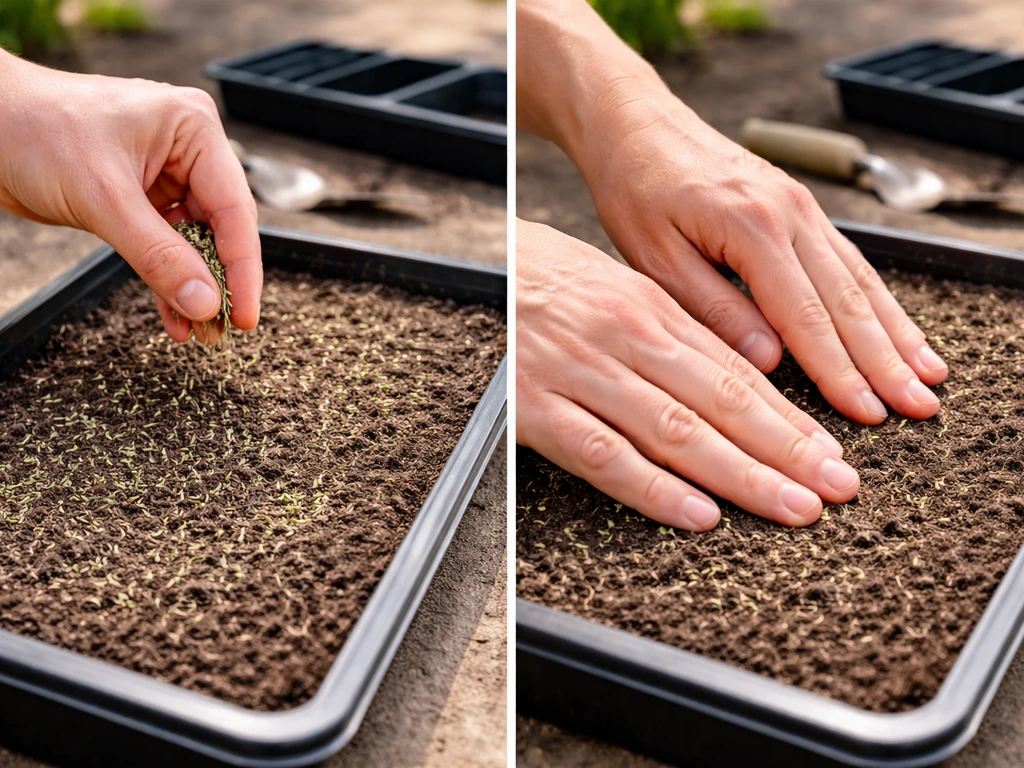
- Sow the seed. Sprinkle seed generously and evenly over the surface. For a feeding patch, you want fairly dense coverage. A rough guide is about 1 tablespoon of seed per square foot for ryegrass or fescue. Do not worry about being exact.
- Cover lightly. Rake or press the seed so it is in contact with the soil. You want seeds at roughly 1/8 to 1/4 inch depth, no deeper. Ryegrass especially does not like being buried deep. Lightly press with your hand or the bottom of a cup.
- Water gently. Use a misting spray or a very gentle watering can rose. Aggressive watering will displace the seeds. Keep the surface visibly moist but not puddled.
- Wait and keep moist. At 50 to 65°F soil temps, you should see sprouts in 5 to 10 days for ryegrass, 7 to 14 days for fescue and orchardgrass. Check the surface twice daily in warm weather because shallow soil dries fast. If you see no germination after 14 days, check whether the soil dried out between waterings (the most common cause) or whether the area is getting less light than expected.
- Thin or leave as-is. Dense seedling mats are fine for guinea pigs. You do not need to thin grass the way you would vegetables.
Troubleshooting bare spots and slow patches
If germination is patchy after two weeks, the most likely culprits are inconsistent moisture, seed that was too deeply buried, or seed that dried out in the first 48 hours after sowing. Lightly scratch the bare areas with a fork, overseed directly onto them, and mist more frequently. If you are growing outdoors in summer and the soil temperature is above 75°F during the day, move containers into morning sun only and shade them in the afternoon. Germination slows significantly in hot soil, but it will still happen with patience. For horses, the key is getting a safe cool-season pasture or paddock grass established through the right sunlight, soil drainage, seeding time, and consistent moisture Germination slows significantly in hot soil, but it will still happen with patience..
Ongoing care: watering, height, and weeding
Once grass is established and about 3 inches tall, the maintenance becomes simple. The main things to stay on top of are keeping the height right for grazing, pulling any weeds that sneak in, and not overwatering.
Watering
After the seedling stage, water your grass patch deeply but less frequently. For containers, water when the top inch of soil feels dry. For ground patches, every 2 to 3 days is typically enough unless it is very hot and dry. Overwatering is a real issue: constantly saturated soil encourages mold at the base of the grass stems, which you do not want guinea pigs eating. Let the surface dry slightly between waterings once the grass is past the seedling stage.
Height and grazing management
Let the grass grow to about 4 to 6 inches before you first let guinea pigs graze or before you start harvesting it. This height gives the root system enough time to establish so the patch recovers well after being eaten down. Do not let it get taller than about 6 to 8 inches before use, because older, taller grass becomes tougher and less palatable. If you are harvesting with scissors rather than letting them graze directly, cutting to about 2 inches from the base leaves enough leaf material for regrowth.
Weeding
Pull weeds by hand as soon as you see them. This is especially important because you cannot use herbicides on a guinea pig feeding patch. Some common lawn weeds like clover and dandelion are actually safe and even enjoyed by guinea pigs, but others (like nightshade, buttercup, or spurge) can cause problems. If you are not sure what a weed is, pull it out to be safe. Container growing significantly reduces weed pressure and is the easiest way to maintain a clean patch.
Keeping the patch safe: no pesticides, no mold, no surprises
This is the section most articles gloss over, but it matters more than any other step if you actually care about your guinea pigs' health.
Zero chemicals, full stop
Do not use any pesticides, herbicides, or synthetic fertilizers on grass you intend to feed to guinea pigs. This includes common lawn products like weed-and-feed, pre-emergent herbicides, and even many organic insecticides. If you are using a corner of your existing lawn, make sure that area has not been treated for at least 6 to 8 weeks, and even then, a fresh patch grown from seed in clean soil is safer. If you grow in containers with plain potting mix, you have full control over what goes in the soil from day one.
Fertilizer is not necessary at all for a small feeding patch. The grass just needs to grow enough to be eaten. If your soil is genuinely poor, a small amount of compost worked into the soil before planting is all you need, and it poses no chemical risk.
Mold prevention
Mold grows at the base of grass when the soil stays wet and airflow is poor. To prevent it: water only when needed (not on a rigid daily schedule), grow in containers with drainage holes, and thin overly dense patches slightly if you notice a musty smell at the base. If you see white fuzzy growth at soil level, cut back watering immediately, remove affected material, and let the surface dry out for a day or two.
Pest risks
Aphids, slugs, and fungus gnats occasionally show up on grass patches, especially in containers. For guinea pig grass, physical removal is your only safe option. Pick off pests by hand, set a shallow dish of water near containers to trap gnats, and use cardboard or copper tape around container bases to deter slugs. Never use neem oil, insecticidal soap, or diatomaceous earth directly on the grass if guinea pigs will be grazing it or if you plan to harvest it soon after treatment.
Harvesting grass and serving it safely
Fresh grass is wonderful for guinea pigs, but how you offer it matters almost as much as what you grow.
Cutting and rinsing
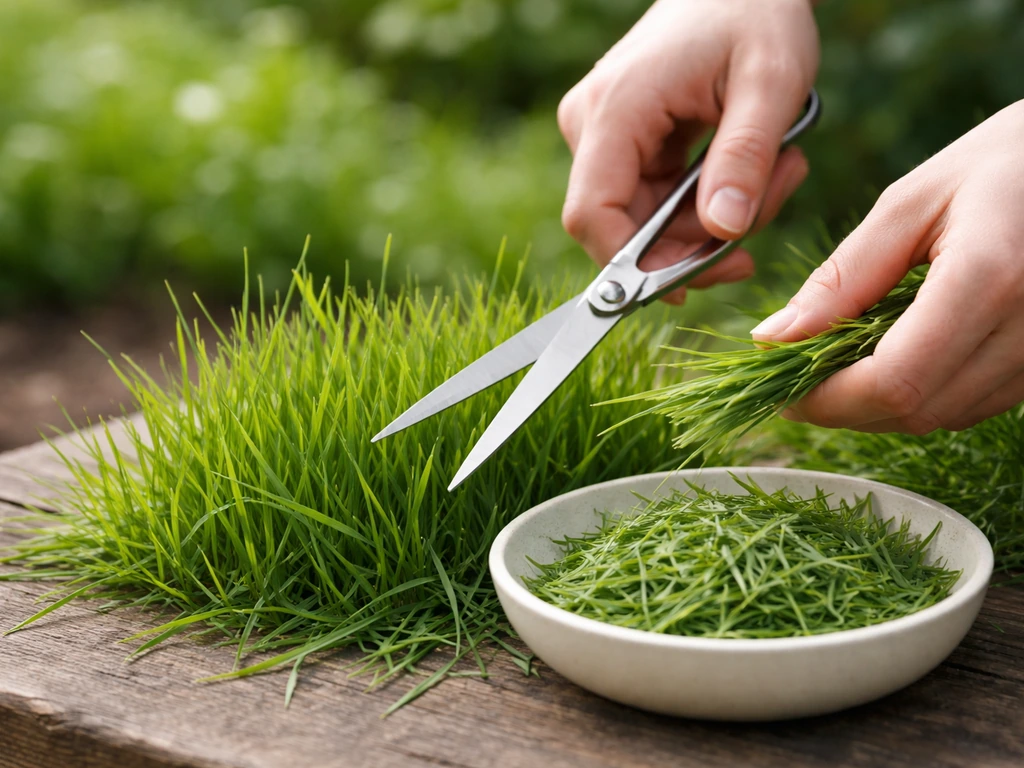
Use clean scissors to cut grass at 3 to 5 inches long. If the grass is dusty or you are not 100% certain about what else is growing nearby, give it a quick rinse under cool water and shake off the excess moisture. Pat lightly with a paper towel if needed. Do not serve wet, dripping grass because it can cause digestive upset in guinea pigs who eat too much of it. Slightly damp is fine; waterlogged is not.
Freshness matters
Cut only what they will eat in one sitting. Grass that sits at room temperature for more than a few hours wilts and starts to ferment slightly, which can cause gas and digestive issues. Freshly cut and served is always the goal. If you cut more than you can use, you can store it loosely in the fridge in a container lined with a dry paper towel for up to 24 hours.
Portioning and introducing grass to their diet
If your guinea pigs have not had fresh grass before, introduce it gradually. Start with a small handful (about a quarter cup) per pig per day for the first week. A sudden large amount of fresh grass after a diet of mostly hay and pellets can cause loose droppings or bloating. After a week or two of gradual introduction, most guinea pigs can handle a generous daily portion of fresh grass alongside their regular hay without any issues. Fresh grass does not replace hay entirely; it supplements it.
Direct grazing vs. cut-and-serve
You can let guinea pigs graze directly on a patch by placing a secure pen or exercise run on the grass for supervised sessions. This is the most natural method and they love it. Keep sessions to 15 to 30 minutes at first to avoid overgrazing and to monitor for any digestive reactions. Rotate between patches so no single area gets grazed to the roots. A well-established ryegrass or fescue patch will bounce back within a week or two with proper watering.
When growth is slow or patchy
If a patch is growing too slowly to keep up with demand, start a second or third container on a staggered schedule. Sow one tray, wait a week, then sow another. By the time the first is grazed down, the second is ready. This rotation system is exactly how people growing grass for horses and other grazing animals manage supply, scaled down to guinea pig-sized portions. The principle is the same: consistent supply beats trying to grow one large patch that gets eaten faster than it recovers.
FAQ
What’s the best way to keep guinea pig grass growing through winter or seasonal slowdowns?
Use cool-season varieties (perennial ryegrass, meadow fescue, orchardgrass, or timothy) and plan your seed starts for spring or early fall. If you need year-round supply, start staggered trays so one is always ready to harvest when outdoor growth slows.
Should I mow the patch like a lawn, or just harvest it?
No, mowing is only helpful after it is established. Before you ever let guinea pigs graze, let the stand reach about 4 to 6 inches, then cut back to the height you want to feed (or harvest to about 2 inches from the base). Regular trimming too early can set the roots back and reduce regrowth.
My seedlings look thin or slow, what should I troubleshoot first?
If plants look stressed but you do not see weeds or obvious pests, check soil moisture first. Then verify soil temperature is in the 50 to 65°F range for best germination, and make sure seed was not buried too deeply (lightly covered is enough). Fertilizing can make grasses grow fast but it also increases risk if your plan includes no synthetic inputs.
How can I prevent my grass from getting tough or going to seed?
Avoid letting grass go to seed or become overly tall before cutting or grazing. Once you consistently harvest at the 3 to 5 inch range (or graze only short sessions), the stand stays leafy and regrows more reliably for guinea pig feeding.
Is it okay to store freshly cut grass in the fridge or keep it prepped ahead of time?
You can, but it is usually harder to control freshness. If you rinse, shake well and serve slightly damp, never dripping, and throw away any grass that sits at room temperature for more than a few hours. For storage, keep it loosely in the fridge with a dry paper towel and use within 24 hours.
What if my guinea pigs get loose droppings when I introduce grass?
Start with small amounts (about a quarter cup per pig per day) even if you think they are “grass-safe,” because individual digestion varies. If droppings get looser or you see bloating, pause fresh grass for a day, then reintroduce more slowly over several days.
Can I top-dress with compost while the patch is growing?
If you have to compost, do it separately from the feeding patch. Work compost into the soil before seeding, keep it light, and do not dump fresh compost on top of active grass because it can raise moisture and attract gnats or mold at the base.
Are all weeds safe for guinea pigs to graze, or should I remove everything?
Common lawn weeds can be a problem because you cannot confirm what was treated nearby. If the weed is already growing in a clean, dedicated patch and you can correctly identify it as safe, manual removal is still safer. When uncertain, pull it, because some plants can irritate or harm guinea pigs even if they look similar to edible greens.
Can I use organic sprays like neem or insecticidal soap if I’m planning to feed the grass soon?
Avoid it. The safest approach is to grow in clean soil (containers with plain potting mix, or garden soil you know has not been treated). Even “organic” pest products can leave residues that are risky if you plan to harvest soon after treatment.
Is growing in containers better than planting in the ground?
Yes, and it is a good way to reduce weed pressure and improve drainage. Containers also make it easier to relocate for temperature control in hot weather, using morning sun and afternoon shade while still keeping consistent moisture.
How to Grow Pasture Grass for Horses Step by Step
Step-by-step guide to grow horse pasture grass from seed: choose species, timing, soil prep, watering, and fix bare spot