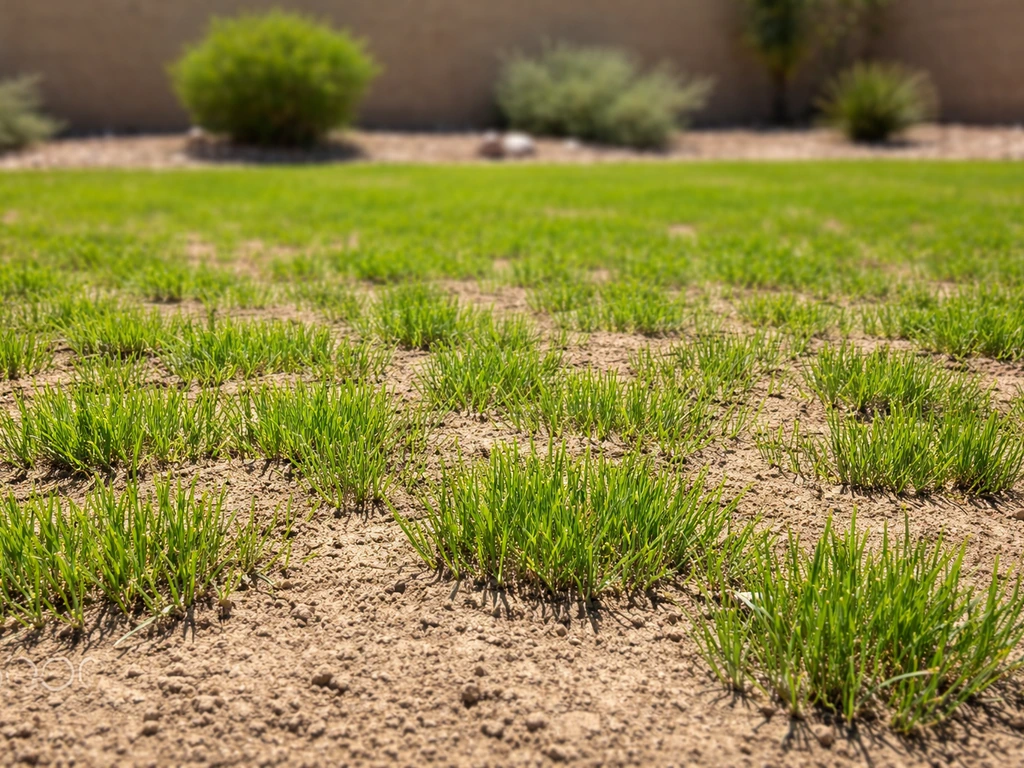
Yes, you can grow grass in shade, but the honest answer is that it depends on how much shade you are dealing with. If you have dense or full shade, meaning less than 2 hours of direct sunlight per day, no grass species will reliably establish and thrive there long-term. But if you have partial shade, dappled light under trees, or even heavy shade with 2 to 4 hours of direct sun, the right grass variety and the right approach can absolutely get you a decent lawn. The goal of this guide is to help you figure out exactly what you are working with, pick the best seed for your situation, and follow a planting and care routine that gives you the best realistic shot at thick, healthy grass.
How to Grow Grass in Shade: Step-by-Step Guide
Marcus Tillwell
13 Apr 2026
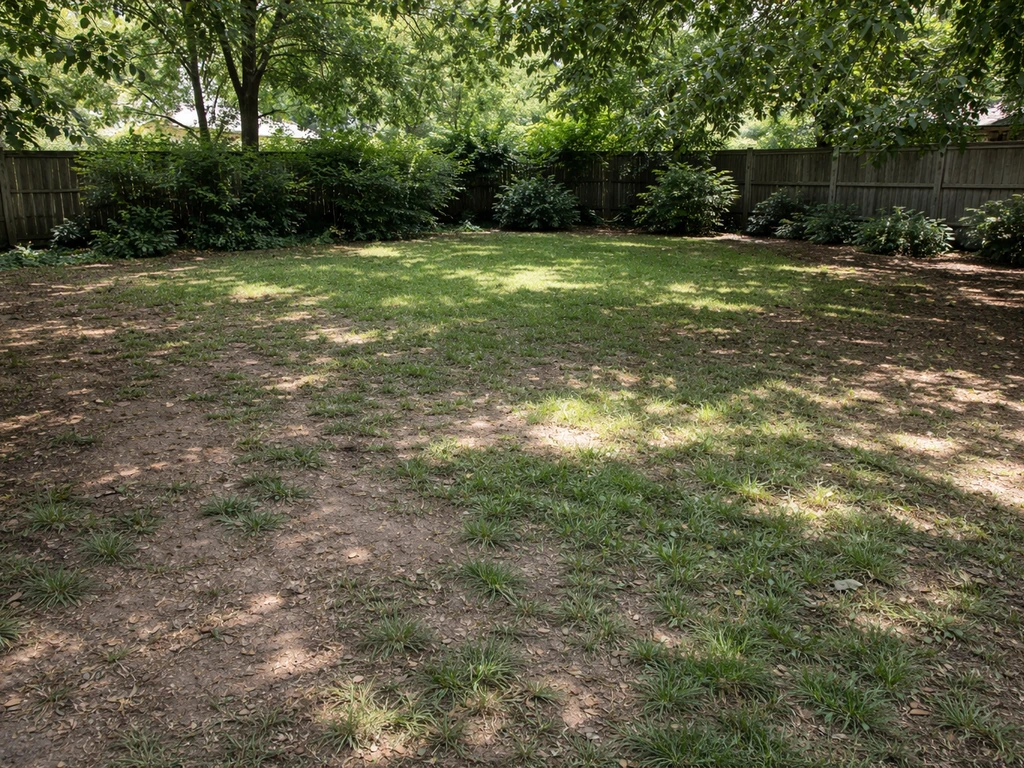
Is it actually possible to grow grass in shade?
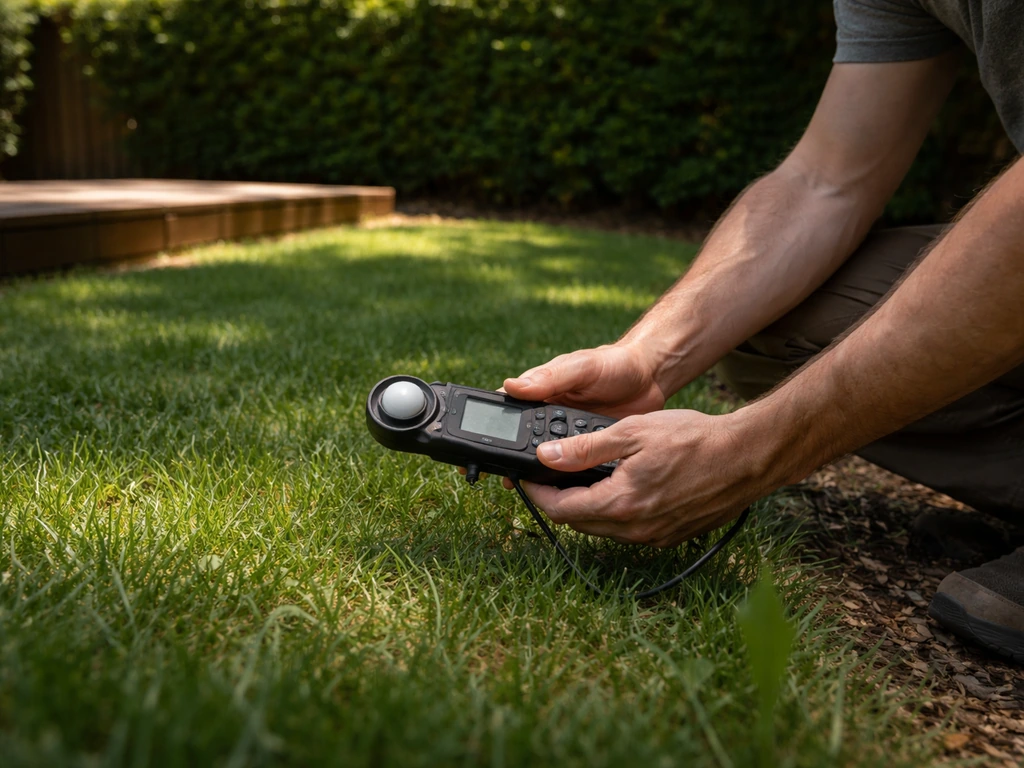
The short answer: yes, with limits. Even the most shade-tolerant grass species need at least about 2 hours of direct sunlight every day to survive. Most turfgrasses really want 4 to 6 hours of direct sun daily to grow well and stay dense. That is not a preference, it is biology. Grass uses light to photosynthesize, and when light drops below those thresholds, the plant struggles to keep up with basic survival, let alone compete against weeds, disease, and foot traffic.
What shade does to grass is pretty consistent regardless of the species: roots get shorter, shoot density drops, the grass stretches toward light (etiolation), disease pressure goes up, and the lawn loses its ability to recover from stress. Expect thinner turf, slower growth, and more maintenance compared to a sunny lawn. If you go in with those expectations, you will be far less frustrated when your shady lawn looks different from the sun-soaked patch out front. Shade grass is not a failure, it just plays by different rules.
Diagnosing your shade problem before you do anything else
Before you buy a single bag of seed, spend a day observing your shady area. Walk out there at different times, morning, midday, and late afternoon, and count the hours of direct sun that actually hit the soil. This matters more than anything else you will do. There is a big difference between partial shade (4 to 6 hours of sun) and dense or full shade (under 2 hours). Treating them the same way is the number-one mistake people make.
Under trees: light, roots, and competition
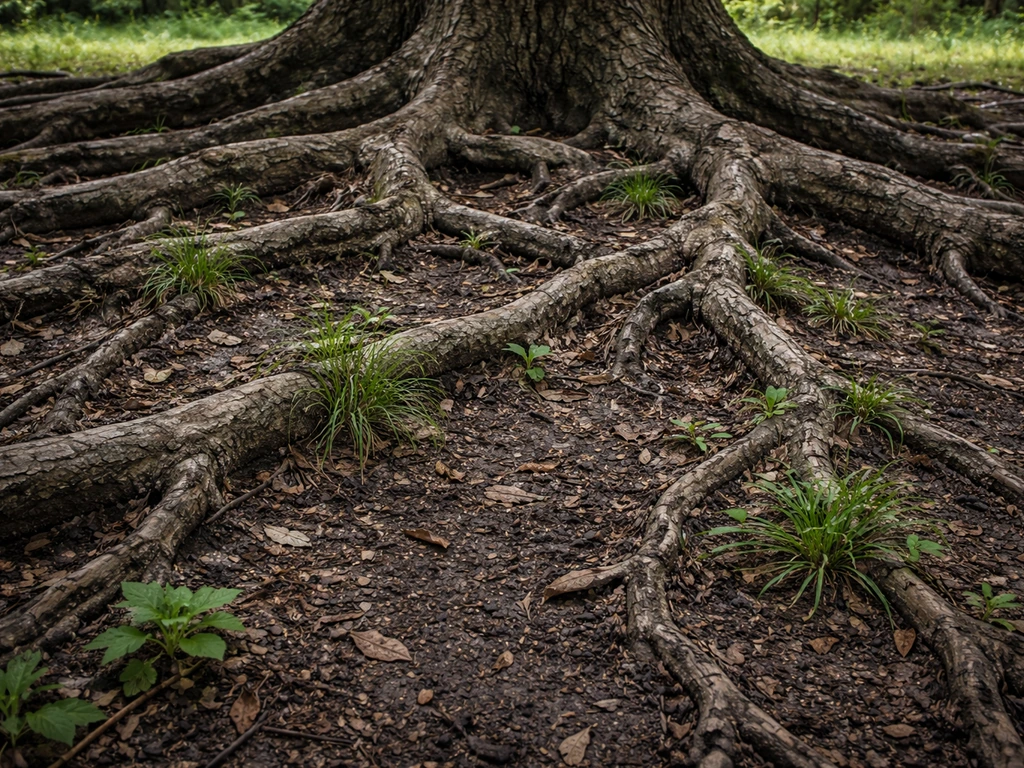
Tree shade is uniquely difficult because it is not just about light. Tree roots aggressively compete for water and nutrients in the same zone your grass roots need to occupy. Dense tree canopies block light intensity more than most people realize, and the combination of root competition plus low light is why turf under trees declines even when it looks like there should be enough light filtering through. If your tree canopy is dense, consider hiring an arborist to thin it out. Even removing a few lower limbs can significantly increase the light reaching the soil below.
Wet, mossy, and poorly drained spots
If you see moss, pay attention. Moss moves in when multiple conditions favor it over grass: shade, compacted soil, poor drainage, low soil fertility, high humidity, and poor air circulation. It is not just an aesthetic problem. Moss actively competes with turfgrass, and if you do not fix the underlying conditions, it will win every time. Poorly drained shaded areas are prime moss territory, and seeding over moss without addressing drainage and soil compaction is a waste of time and money. If moss is actively thick and green, an iron-based treatment (ferrous or ferric sulfate applied December through April when moss is actively growing) can knock it back, but you still need to fix what invited it in the first place.
Shady spots with sandy or compacted soil
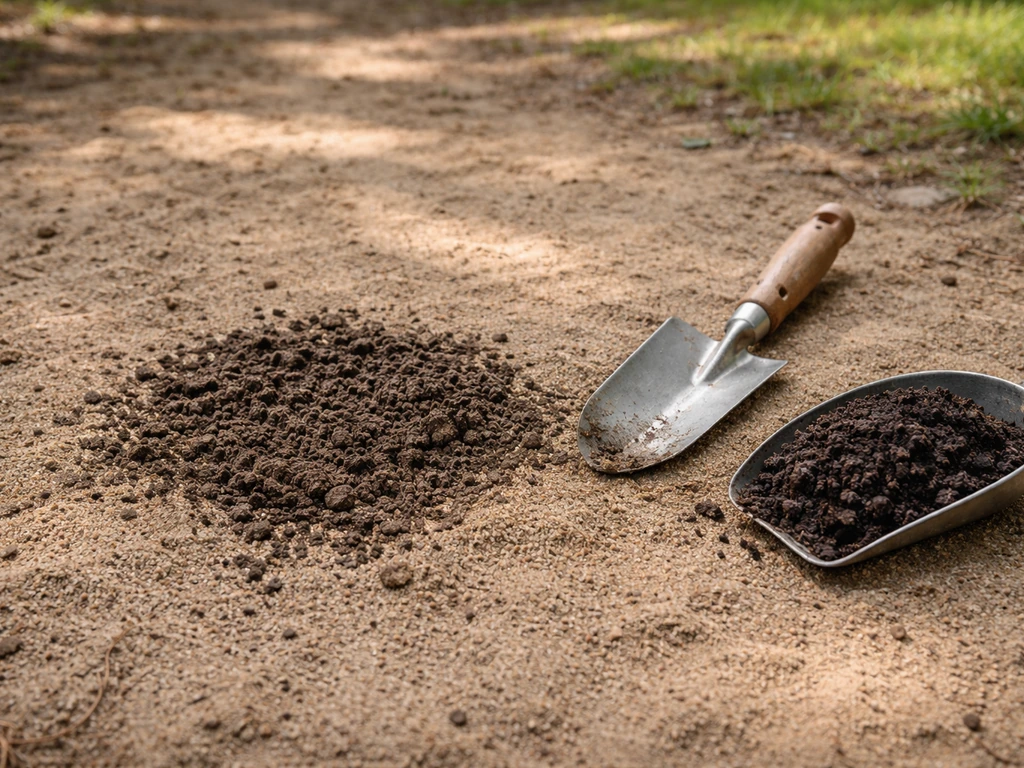
Sandy soil in a shaded area creates a double stress on grass: it drains too fast, which means roots dry out before they establish, and it holds fewer nutrients. Compacted soil does the opposite, restricting root growth and trapping moisture. Both can appear in shady yards, and both require different fixes before you seed. Identifying your soil type first saves you from a lot of re-seeding frustration.
Picking the right grass for your shade conditions
Grass variety selection is where most people shortcut and then wonder why nothing grows. Here is the honest breakdown by common grass types available as seed.
Cool-season grasses for shade (best for most of the U.S.)
The principal cool-season lawn species are Kentucky bluegrass, perennial ryegrass, tall fescue, and fine fescues. Of these, fine fescues (creeping red fescue, hard fescue, chewings fescue) are the clear winners for shade tolerance. Fine-leaf fescues are well-known for their adaptability to shady areas and are often the primary ingredient in shade seed mixes for a reason. They also handle drier, droughty soil better than most other cool-season grasses, which makes them a good pick for sandy shaded spots. Tall fescue performs better in shade than Kentucky bluegrass and holds up reasonably well in partial shade. Perennial ryegrass has moderate shade tolerance, useful in transition mixes. Kentucky bluegrass, while it makes a beautiful lawn in full sun, really struggles below 4 to 5 hours of direct light and should not be your primary choice for a problem shade area.
Warm-season grasses for shade
Bermudagrass is one of the most popular warm-season grasses, but it is also one of the worst choices for shade. It needs full sun to thrive and deteriorates quickly in anything less. Zoysia has better shade tolerance than bermuda among warm-season options and can handle partial shade reasonably well, though it still needs more sun than fine fescue. If you are in the South and struggling with shade, zoysia is worth considering, especially if you are on a shaded section of a yard that gets full sun in other spots. In true full shade in warm-season regions, honestly, ground covers or hardscaping are often a better long-term solution than fighting for grass.
| Grass Type | Shade Tolerance | Best Scenario | Notes |
|---|---|---|---|
| Fine Fescue (red, hard, chewings) | High | Dense to partial shade, cool climates | Best seed choice for problem shade areas; handles dry, sandy soil well |
| Tall Fescue | Moderate-High | Partial shade, cool to transition zones | Good all-rounder; better in shade than KBG |
| Perennial Ryegrass | Moderate | Partial shade; use in mixes | Quick germination, good for overseeding thin areas |
| Kentucky Bluegrass | Low | Full sun or very light shade only | Poor performer under 4–5 hours of sun |
| Zoysia | Moderate (warm-season) | Partial shade in southern climates | Better than bermuda; still needs 3–4+ hours |
| Bermudagrass | Very Low | Full sun only | Avoid in any meaningful shade situation |
For most homeowners in the northern two-thirds of the country, a quality fine fescue blend or a fine fescue and tall fescue mix is the go-to recommendation. Look for seed mixes labeled specifically for shade, and check the tag to confirm fine fescues make up the majority of the blend by weight.
Getting your soil right before you seed
Soil prep in shade is where most DIYers either skip steps or apply sunny-lawn advice that does not fit. Shaded soil has its own personality and needs targeted fixes.
Soil pH and fertility
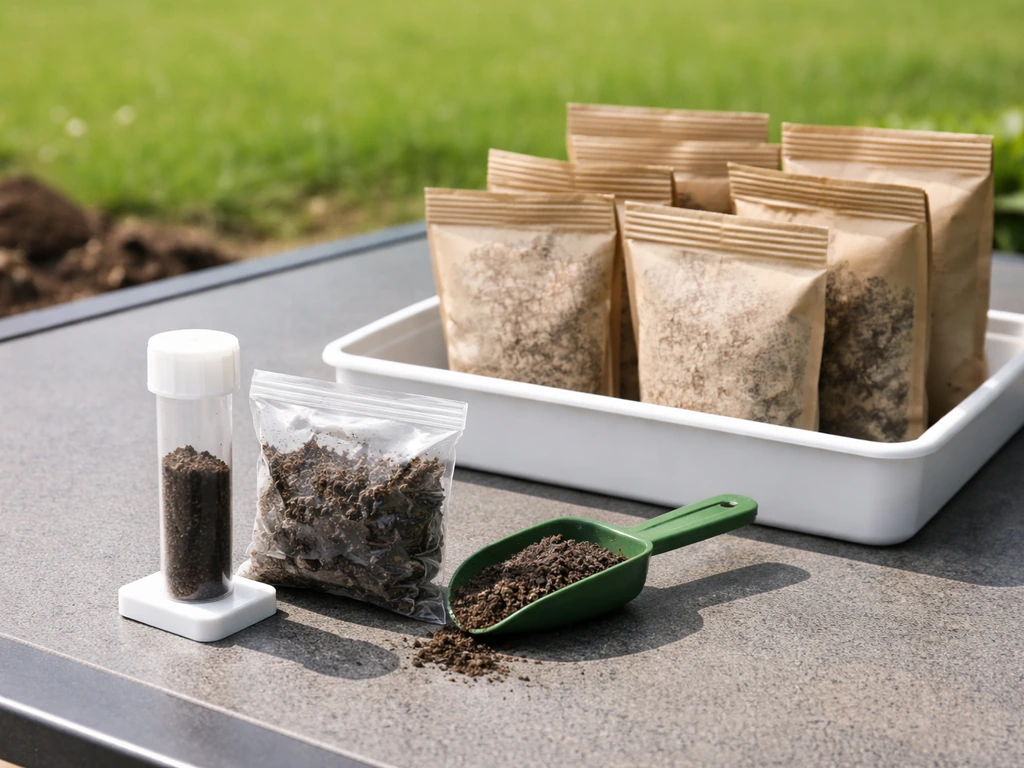
Get a soil test before you do anything else. It is cheap (often $15 to $20 through your local extension office) and tells you exactly what you are working with. Ohio State Universitys Hardin County site also lists example soil sample pricing at $20 per sample and encourages using extension sampling procedures. Fine fescues and tall fescue prefer a pH of around 5.5 to 6.5, while Kentucky bluegrass does best between 6.0 and 7.0. If your soil is too acidic, add lime per the test recommendation. If it is too alkaline, sulfur can bring it down. Low soil fertility is one of the top drivers of moss invasion in shaded areas, so if your nitrogen levels are low, a slow-release starter fertilizer at seeding time makes a real difference. Avoid heavy nitrogen applications in shade, though. Over-fertilizing in low light pushes weak, spindly growth that is more susceptible to disease.
Compacted and clay soil
Compacted soil is extremely common in shaded areas, especially under trees where foot traffic converges and tree roots have hardened the zone. Core aeration (pulling plugs of soil, not just spiking) is the most effective and affordable fix. Rent a core aerator for a day, run it over the area, and leave the plugs on the surface to break down. This immediately improves drainage, air circulation, and root penetration. If drainage is severely poor, Penn State Extension turf guidance recommends going further: breaking up the compacted layer and installing drainage improvements before re-seeding. If the area is chronically wet, that is not optional, it is required. Top-dressing with compost after aerating adds organic matter that improves both drainage and nutrient availability.
Sandy soil in shade
Sandy shaded soil drains so quickly that seeds can dry out before germination finishes. Amend it heavily with compost, a 2 to 3 inch layer worked into the top 4 to 6 inches of soil, before seeding. Fine fescues handle sandy, droughty conditions better than any other shade-tolerant species, which is another reason they are the right call for this specific situation. You will also need to water more frequently during germination to prevent the seed zone from drying out between waterings.
Wet and mossy spots
For wet shaded areas, improving drainage comes first. Core aerate, top-dress with compost, and if the area stays soggy after rain, consider installing a French drain or grading to redirect water. For active moss, treat with iron sulfate first, wait for it to brown and die, then rake it out before amending the soil. Trying to seed over active moss is one of those things that looks like it should work but never does.
Seed, sod, or plugs: what is actually worth it in shade?
Each establishment method has trade-offs, and shade adds a layer of complexity to all of them.
Growing grass from seed in shade
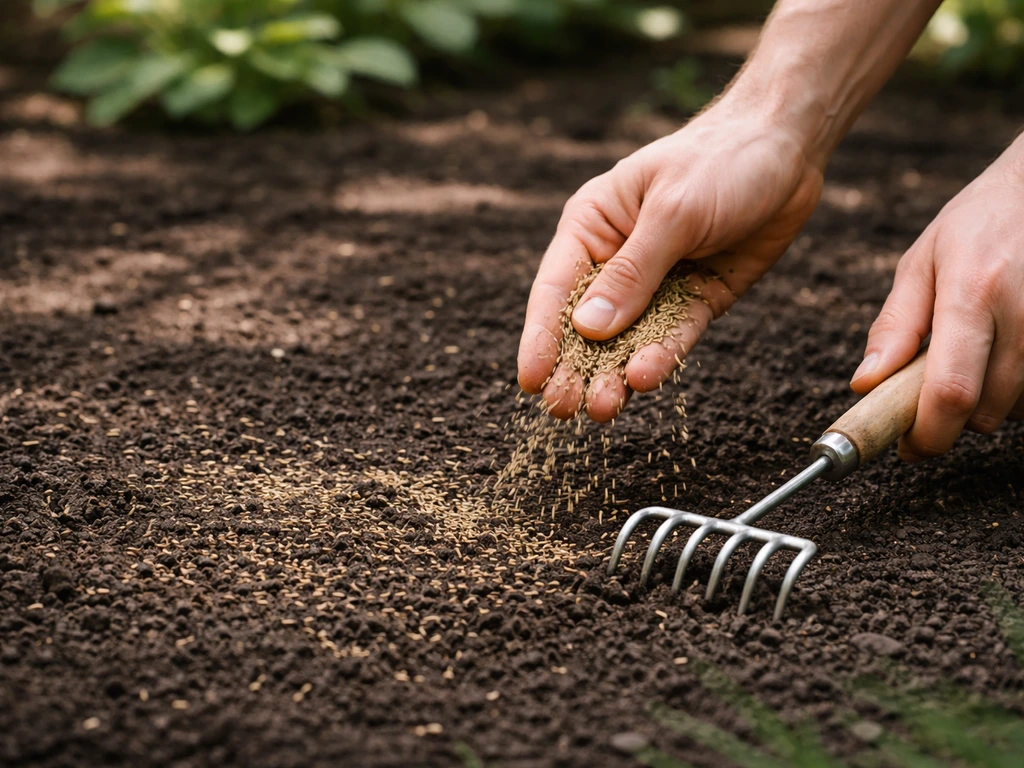
Seed is the most affordable option and works well for shade when you use the right variety, but it requires patience and consistent moisture management during germination. Fine fescues typically germinate in 7 to 14 days under good conditions. The challenge in shade is that the soil stays cooler and can hold moisture unevenly. You need to keep the seed zone consistently moist, meaning light, frequent watering (sometimes twice a day in warm weather) until the seed germinates, then taper down. Seed-to-soil contact is critical: after broadcasting, use a leaf rake dragged lightly over the surface to press seed into the soil. Mulching with a thin layer of straw or erosion blanket helps retain moisture and significantly improves germination success, especially if you do not have irrigation or if the area is on a shaded slope where seed and moisture can wash away.
Sod in shade
Sod gives you almost immediate establishment and is a good option if you need results quickly or if erosion is a concern. The downside is cost: sodding is significantly more expensive than seeding and requires more physical labor to install correctly. For shaded areas, sod also has a catch: most commercial sod is grown in full sun, so it may need time to acclimate and can thin out in shade if the variety is not shade-tolerant. If you go this route, ask your sod supplier specifically for a shade-tolerant mix.
Plugs in shade
Plugs are mainly relevant for warm-season grasses like zoysia, which spreads via stolons and rhizomes. If you are in a warm-season region and going with zoysia for partial shade, plugs are a viable middle ground between seed and full sod. They are more affordable than sod but take a full growing season (or two) to fill in. For cool-season shaded lawns, seed is almost always the better choice over plugs.
How to plant and care for shade grass, step by step
Timing your seeding
For cool-season grasses, late summer to early fall is the ideal time to seed. For Minnesota, University of Minnesota Extension recommends seeding fine fescue lawns in early August through late September late summer to early fall is the ideal time to seed. Soil is still warm enough to support germination, air temperatures are cooling down (which is what cool-season grasses want), and weed pressure is lower than in spring. Aim for 45 days before your first expected frost so seedlings have time to establish before winter. Spring is a secondary option, but weed competition is higher and summer heat can stress newly germinated seedlings. If your shaded area stays perpetually wet and the soil is often too soggy to work in fall, dormant seeding in late November or December is an alternative, seeds go in but do not germinate until conditions warm in spring.
Planting steps
- Clear the area of existing moss, dead grass, and debris. Rake the surface clean.
- Core aerate if the soil is compacted. Leave plugs to break down naturally.
- Amend with a 1 to 2 inch layer of compost, worked into the top 3 to 4 inches of soil. For sandy soil, go up to 3 inches of compost.
- Take a soil test and adjust pH if needed. Apply lime or sulfur at least a few weeks before seeding when possible.
- Apply a starter fertilizer according to package directions. Keep nitrogen rates moderate in shade.
- Broadcast shade-tolerant seed at the rate listed on the bag. Do not underrate in shade, use the higher end of the recommended range to compensate for lower germination success.
- Rake lightly with a leaf rake to press seed into the soil surface for good contact.
- Apply a thin straw mulch (you should still see the soil through it) or an erosion control blanket to retain moisture.
- Water lightly but frequently: aim to keep the top inch of soil consistently moist. In most conditions, that means two light waterings per day until germination (about 7 to 14 days for fescues).
- Once seedlings reach 2 to 3 inches, begin tapering watering to deeper, less frequent sessions.
Mowing shade grass
Mow higher than you would in full sun. In shade, grass needs more leaf surface area to capture limited light for photosynthesis. For fine fescues and tall fescue in shade, aim for a mowing height of 3.5 to 4 inches. Never remove more than one-third of the blade at a single mowing. Cutting too short in shade is one of the fastest ways to thin out what you have worked hard to establish. Keep your mower blades sharp, dull blades tear grass rather than cut it, which creates entry points for disease.
Watering established shade grass
Once established, shaded grass generally needs less supplemental water than sunny turf because evaporation rates are lower. But that does not mean it is drought-proof. Water deeply and infrequently (about 1 inch per week total, from rain plus irrigation) rather than frequent shallow watering, which encourages shallow roots and keeps the surface moist enough for disease to develop. In wet spots, ease off irrigation entirely and let the area dry between waterings.
Weed control in shade
Weed pressure is lower in shade, but it still happens. For newly seeded areas, avoid preemergence herbicides until the grass has been mowed at least two to three times, since preemergents will also block your grass seed from germinating. Once your lawn is established, timing preemergence applications correctly is critical. Apply in early spring before soil temperatures reach 55°F at a 4-inch depth to get ahead of annual grassy weeds like crabgrass. For existing perennial weeds before re-seeding, glyphosate applied to the area and allowed to fully break down (follow label timing) is effective at clearing the slate. Once your grass is established, the best weed control in shade is maintaining thick, healthy turf through proper mowing height and appropriate feeding, because thin grass is an open invitation for weeds.
When you still can't get grass to grow: troubleshooting
If you have tried seeding in shade and it keeps failing, or your grass grows but stays thin and patchy, here are the most common reasons and what to do about each one.
- Too little light: If the area gets under 2 hours of direct sun per day, no grass variety will fix that. Consider thinning tree canopies, pruning lower limbs, or switching to a shade-tolerant ground cover. Sometimes the right answer is accepting that grass does not belong there.
- Wrong grass variety: If you seeded a sunny-blend mix or a variety like Kentucky bluegrass, start over with a proper shade mix dominated by fine fescues. The seed variety is not recoverable after the fact.
- Compacted or waterlogged soil: Grass roots cannot establish in soil that is either concrete-hard or perpetually saturated. Core aerate, improve drainage, and amend with compost before re-seeding.
- Moss took over before grass could establish: Treat active moss with an iron-based product, rake it out after it browns, then address the conditions that caused it (poor drainage, low fertility, compaction) before seeding.
- Seeding at the wrong time: Spring seeding in shade is harder than fall seeding. If you seeded in spring and it failed, plan a late summer to early fall re-seeding.
- Not enough seed or poor seed-to-soil contact: In shade, germination rates are lower. Use the higher end of the recommended seeding rate and always rake seed in for soil contact. Seed sitting on top of thatch or debris will not germinate reliably.
- Overwatering or underwatering: Overwatering in shade invites disease and fungal issues. Underwatering lets the seed zone dry out and kills germinating seedlings. Aim for consistently moist, not wet, during germination.
- Mowing too short: If you are mowing below 3 inches in shade and the lawn keeps thinning, raise your mowing height immediately. This is one of the fastest and simplest fixes for a struggling shade lawn.
- Tree root competition is too severe: In areas right at the base of large trees, you may be fighting a battle you cannot win with seed alone. Surface-applied organic mulch around the tree base (keeping it away from the trunk) is often a better long-term solution than repeatedly failing at grass.
Getting thick grass in shade is genuinely possible in the right conditions, but it is a different challenge than growing grass in sun. The readers who succeed are the ones who honestly assess their light conditions, match their grass variety to the actual situation, and are willing to address the soil issues first rather than skipping straight to seeding. If you are curious how the approach changes when you flip to the opposite problem, the strategies for growing grass in full sun follow a different logic entirely, which is a useful comparison to understand why shade grass needs such different handling. And for the very trickiest spots, specifically areas with extremely limited light that barely qualify as partial shade, the guidance on growing grass in low light areas goes even deeper into your options. Work through the steps in order: diagnose your light, fix your soil, pick the right seed, plant at the right time, and manage carefully. That sequence is what separates the people who get a decent shade lawn from the ones who give up and lay mulch.
FAQ
If my yard is mostly full shade, is there any grass option that will still form a thick lawn?
Generally, you cannot fix dense or full shade with fertilizer or more seed. If your site gets under about 2 hours of direct sun daily, most turf will thin out over time because plants cannot sustain growth and compete. In that case, consider adjusting the area to create more direct light (limb removal, trimming, pruning), or plan on a different ground cover strategy rather than expecting permanent turf.
Can I overseed my existing thin shade lawn instead of starting from scratch?
Yes, you can overseed shaded lawns, but timing matters and the lawn must have a chance to germinate. Wait until after you have mowed the area at least two or three times if you recently used a preemergent, and use a seed mix dominated by fine fescues. Also, overseeding still needs good seed-to-soil contact, so lightly rake or core-aerate before seeding instead of broadcasting onto a thick mat of dead grass.
How often should I water grass seed in shade, and does it change after germination?
Watering in shade is usually about frequency and consistency, not about total volume. During germination, keep the seed zone consistently moist with light, frequent watering so the top layer does not dry out, especially if the soil is sandy. After germination, switch to deeper, less frequent irrigation (about 1 inch per week total from rain plus irrigation) to encourage deeper roots and reduce disease from constantly wet surfaces.
What mowing mistakes most commonly cause shade grass to thin out?
If you mow too low in shade, you remove the leaf area the grass needs to capture limited light, which leads to thinner turf and slower recovery. A practical rule is to keep mowing heights around 3.5 to 4 inches for fine fescues and tall fescue. Also, do not scalp after rainfall, and use sharp blades to avoid tearing, which can worsen disease when light levels are low.
Should I fertilize shade grass more, or less, than grass in full sun?
The “right” fertilizer depends on soil test results and how shady and stressed the area is. In low light, avoid heavy nitrogen pushes because they create weak, spindly growth that is more disease-prone. Use slow-release starter fertilizer at seeding if your soil is low in nitrogen, and then rely on maintenance feeding only after you have an established, dense stand.
Does aerating help in shade even if my soil seems “wet enough”?
Yes, but treat it as a tool for improving conditions, not a shortcut. In shade, aeration helps because it improves air exchange, water movement, and root penetration, all of which are often limited under trees or in compacted zones. A core aeration followed by compost top-dressing usually performs better than simple spike aeration because plugs create real pathways.
Should I use straw or an erosion blanket when seeding in shade?
Mulch can help because it reduces evaporation, protects the seed from drying, and moderates temperature swings during germination. Use a thin layer (straw or an erosion blanket), and avoid burying the seed too deeply. The key is that seed still needs contact with soil, so if you mulch too heavily or leave seed sitting on top, germination drops.
What’s the best way to handle moss before planting shade grass?
Moss usually indicates underlying issues, most commonly shade combined with poor drainage, compaction, and low fertility. If moss is actively thick and green, an iron-based treatment can knock it back, but you must still rake it out and correct compaction or drainage before seeding. Seeding over living moss often fails because moss and turf cannot establish in the same conditions.
Why does grass struggle under trees even when I get a few hours of sun?
Tree roots are the reason under-tree turf often fails, even when sunlight seems adequate. If the area is small, consider reducing turf ambitions to the parts with the best light, and focus on soil improvement and aeration to create a better root-growing zone. For larger areas, professional guidance on canopy thinning can help because increasing light alone may not be enough when root competition is severe.
Can I use preemergent weed control while establishing a shade lawn?
Preemergent herbicides can block your new grass seed from germinating. If you are newly seeding in a shady spot, avoid applying preemergents until the grass has been mowed at least two to three times. Once established, use the timing approach based on soil temperature rather than calendar guesswork so you protect turf without stopping germination.
Next Article
How to Grow Grass in El Paso TX: Seed, Plant, and Care
Step-by-step guide to grow grass in El Paso: pick Bermuda, Zoysia or fescue, prepare soil, seed timing, watering, fixes.